10 Roger Deakins Films That Mark Key Moments In His Work
Light does not just illuminate a scene in his hands, it steals it.
Roger Deakins has spent decades turning shadows into tension and sunlight into emotion, moving from dusty crime dramas to vast epics and glowing sci-fi landscapes without ever repeating himself. Across ten defining films, the breakthroughs and signature shots tell the real story – and there is a strong chance you have been calling a scene “iconic” when what you really meant was “shot by Deakins.”
Disclaimer: The selections and descriptions reflect general film commentary and common critical framing.
1. The Shawshank Redemption

Andy Dufresne stands in the rain, arms raised toward freedom.
That single frame captures why Deakins earned early Oscar attention for this film. The way he captured hope inside cold prison walls turned a story about survival into something luminous and unforgettable.
Every shadow feels deliberate, every shaft of light carries weight. Mainstream audiences fell hard for this one, and it still tops favorite-film lists decades later.
2. Fargo

Endless white snow stretches across the screen, interrupted only by blood and a wood chipper.
Through that stark canvas, Deakins and the Coens lock into a visual language built on clean lines and brutal clarity.
Cold air stops feeling like weather and starts acting like a character. Within such a stripped-down landscape, nothing finds a place to hide.
Simplicity sharpens every violent beat and heightens each awkward exchange, creating the uneasy sensation of watching through frosted glass with nowhere safe to look away.
3. The Big Lebowski
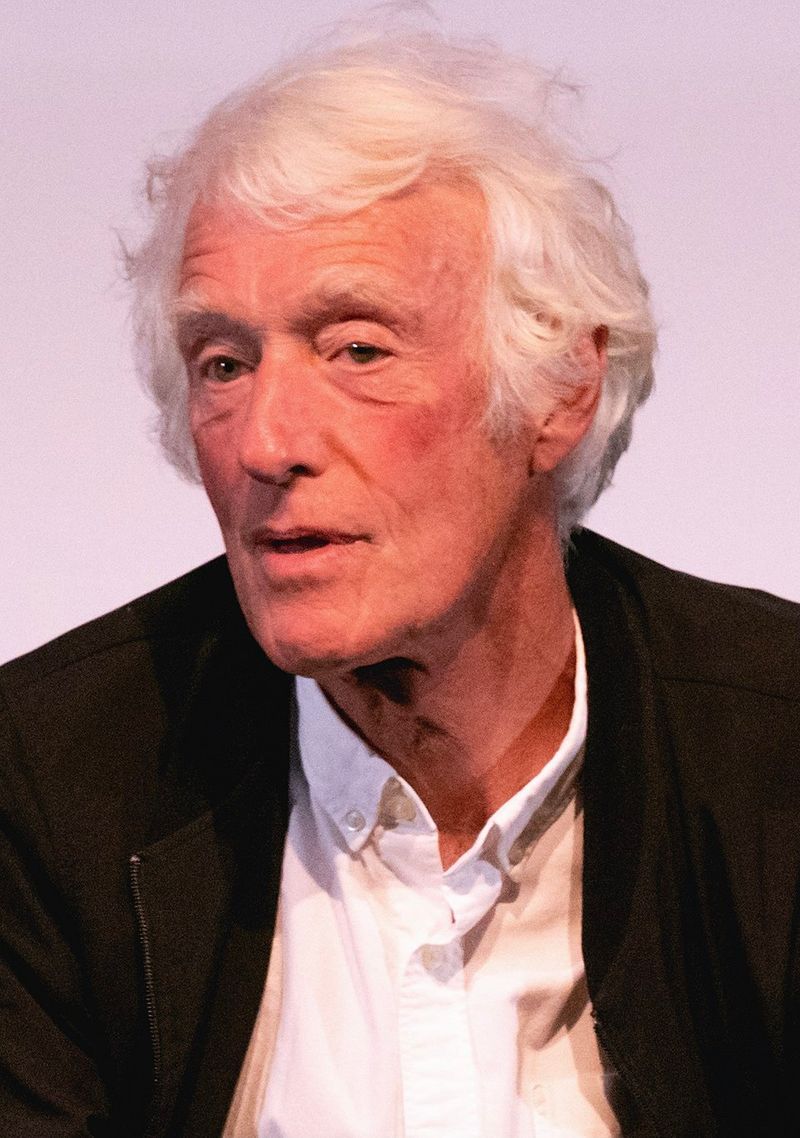
The Dude abides, and so does the camera, gliding through bowling alleys and fever-dream sequences with effortless swagger. Deakins proved he could be playful without losing precision, mixing neon glow with desert dust.
Every frame feels like a postcard from a very strange vacation.
The visual jokes land as hard as the verbal ones, turning chaos into something oddly beautiful and endlessly rewatchable.
4. O Brother, Where Art Thou?
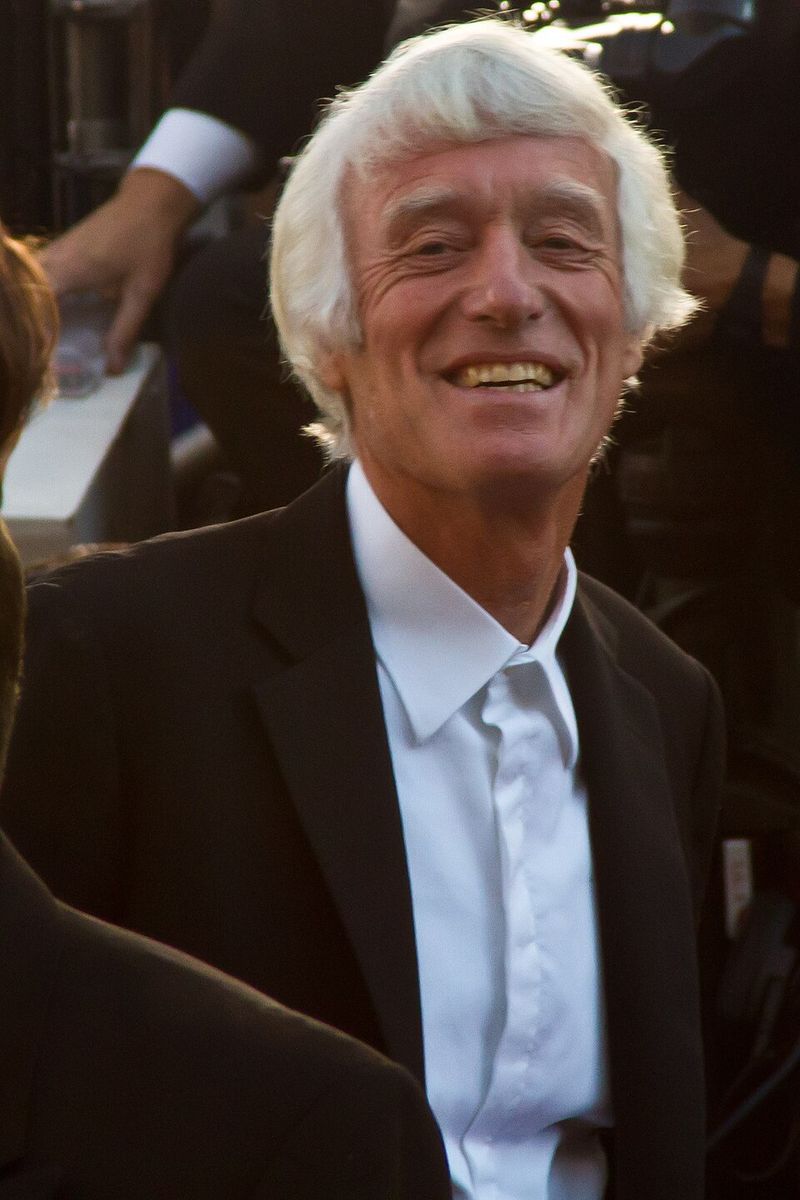
Sepia-soaked fields glow like old postcards your grandparents might have tucked into a drawer. With pioneering digital color grading, Deakins bathes the film in a warm, dusty haze that feels lifted from a faded fairy tale.
Across that golden palette, the South turns into folklore, and every frame seems to whisper tall tales around a campfire.
Cinema shifted quietly after this technical breakthrough, opening new possibilities for how images could be tinted and toned. Under that dreamlike glow, even the jokes land softer, as if filtered through memory rather than reality.
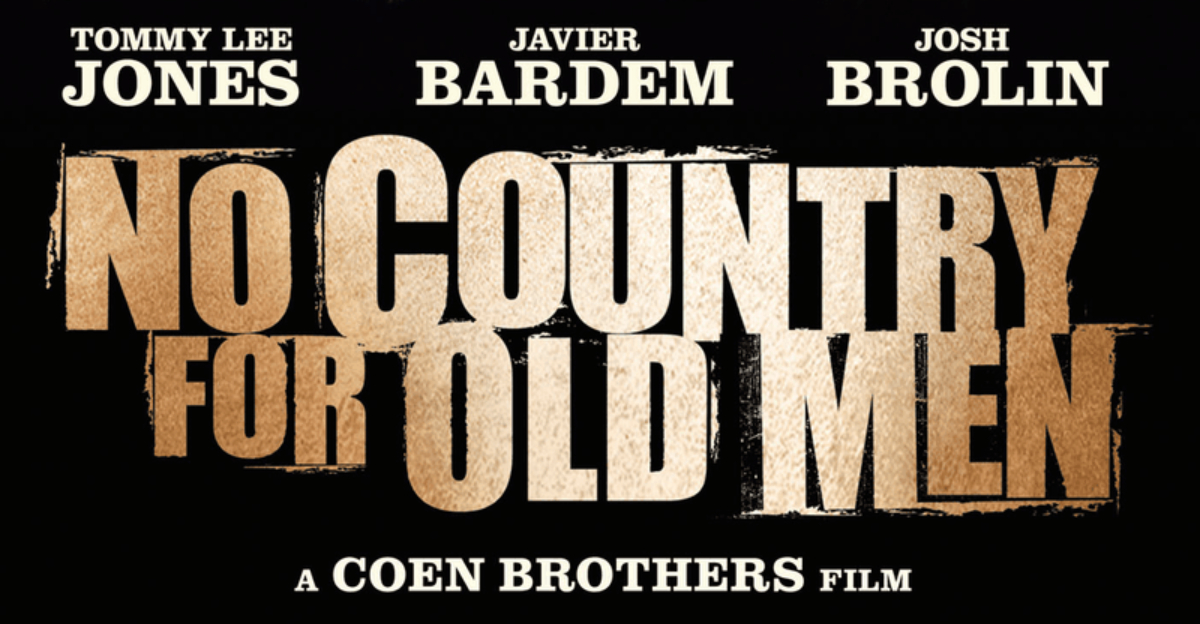
5. No Country For Old Men
Down dim motel hallways moves Anton Chigurh, where every shadow suggests death waiting just out of sight. Harsh daylight and barren roads replace comfort as Deakins builds dread without relying on a single musical cue.
Across the West Texas desert, landscape transforms into a void where mercy carries no weight. Minimalism becomes a lethal force.
Intent shapes every choice and every unforgiving frame, creating a world that shows no patience for softness or second chances.
6. The Assassination Of Jesse James By The Coward Robert Ford
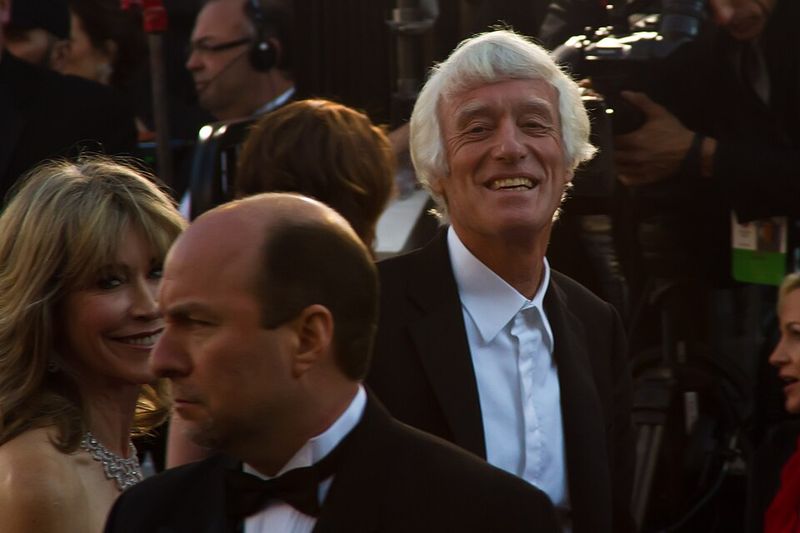
Candlelight flickers across Jesse’s face like an image lifted from a museum painting.
Natural light and soft focus shape the frame here, with Deakins crafting a mythic and nearly dreamlike vision of the Old West.
During the train robbery, imagery alone feels worthy of a gallery wall. Each composition carries the hush of a whispered legend.
Unhurried pacing defines the experience, yet the images linger long after, tender and haunting in equal measure, like watching history slip quietly into folklore.
7. Sicario

Night-vision green washes over the screen as a convoy pushes through a tunnel, heartbeats falling into rhythm with the steady hum of engines.
Blinding sunlight and thermal imaging become weapons in Deakins’ hands, transforming ordinary daylight into a source of unbearable tension.
Across that barren expanse, the desert shifts into a war zone. With every frame, the knot in your chest pulls tighter, proving that modern noir thrives on dust and dread when a master stands behind the lens.
8. Skyfall

Bond stands silhouetted against Shanghai’s neon skyline, and suddenly blockbuster action looks like high art.
Deakins brought elegance and restraint to a franchise known for explosions, proving big-budget spectacle could also be gorgeous.
Every set piece glows with intention. The Scottish moors, the glass towers, even a simple walk through the Tube, all feel elevated, like someone finally handed espionage a paintbrush and perfect timing.
9. Blade Runner 2049

Orange fog drifts across a shattered Las Vegas skyline, and Deakins finally took home his first Oscar after years of nominations.
Across this vision of tomorrow, the future feels tactile, lonely, and breathtaking, with every frame unfolding like a symphony of color and shadow. Neon rain crashes into desert dust, blending in ways that make fiction feel startlingly real.
At full power, the signature style reaches its peak here, delivering a sci-fi masterpiece that justifies every long and patient year of waiting.
10. 1917

Two soldiers run through trenches, across rivers, past explosions, and the camera never blinks.
Deakins choreographed lighting, blocking, and camera movement into one seamless illusion, earning his second Best Cinematography Oscar and rewriting the rulebook on immersive storytelling. Every step feels real, every breath urgent.
The technical wizardry hides behind raw emotion. You forget you’re watching a movie and start holding your breath alongside them, trapped in the mud and the moment.