15 Royals Known For Their Strangest Personal Habits
Royal life already comes with enough ceremony, jewels, and rigid etiquette to make ordinary behavior look slightly impossible.
Then a few royals go and add habits so peculiar or so deeply committed to their own personal logic that the crown starts feeling like the second most interesting thing about them.
History has never lacked powerful people with eccentric routines, but royalty seems to produce a special strain of strangeness.
Perhaps after years of being bowed to, a person starts believing every odd little preference deserves full lifestyle status.
Disclaimer: This article is intended for general informational and entertainment purposes only. Accounts of royals’ personal habits and eccentric routines are based on publicly available biographies, historical records, and media reports, which may vary in detail, context, or interpretation.
1. Henry VIII and the Poisoned Bed Linen Test
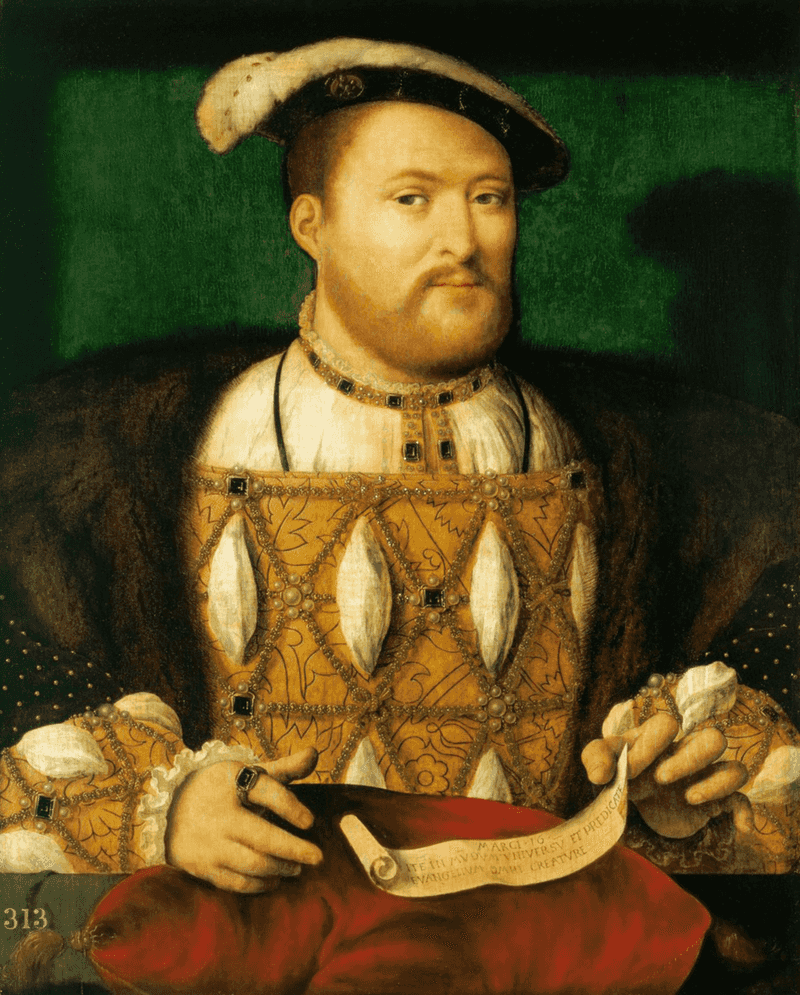
Every single morning, before King Henry VIII could even think about getting out of bed, a servant had to kiss his bed linen first.
Not as a greeting, but as proof it had not been poisoned overnight. If the servant survived, breakfast could proceed.
How nerve-wracking must that job have been? Henry was so afraid that this ritual became a non-negotiable part of palace life.
It says a lot about the paranoia that came with wearing a crown in Tudor England.
2. Elizabeth I and Her Toxic Makeup Obsession
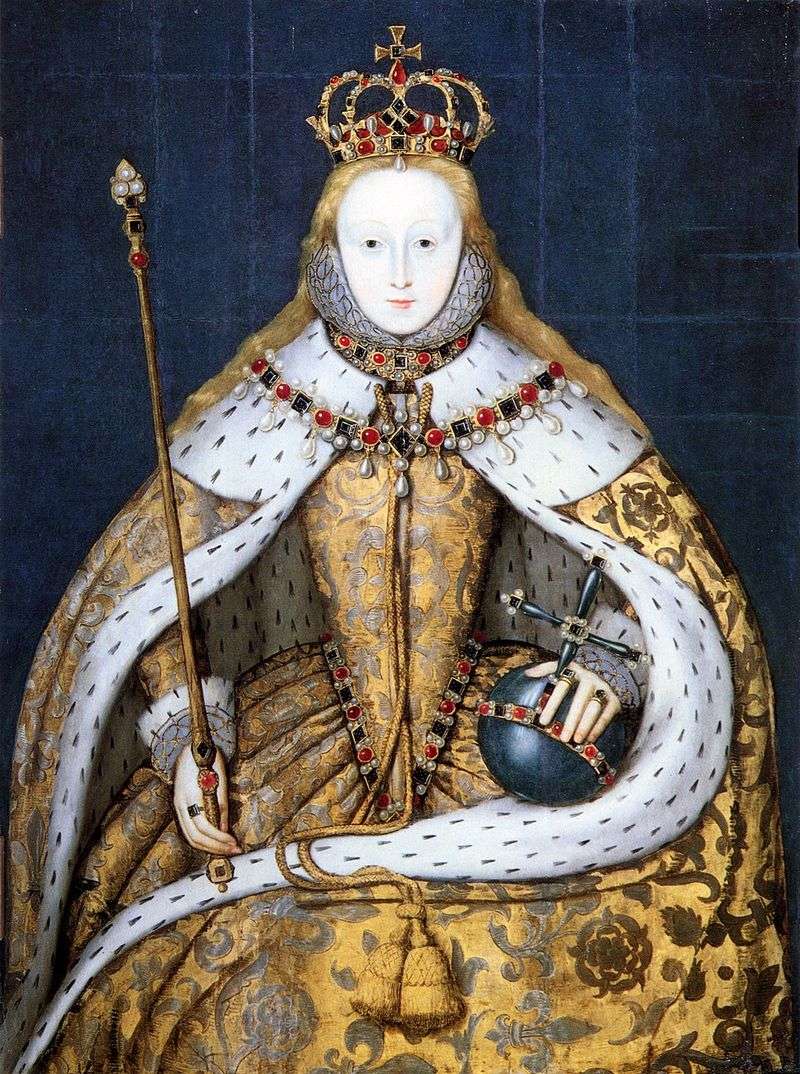
After surviving a brutal bout of smallpox, Queen Elizabeth I was left with scarred skin that she was deeply self-conscious about.
Her solution? Slathering on a thick white paste called ceruse, made from white lead and vinegar, directly onto her face every day.
Ceruse was essentially slow-acting poison. Over years of use, it caused hair loss, skin damage, and likely contributed to serious health problems.
However, Elizabeth kept applying it, determined to project the image of an ageless, flawless queen.
3. Isabella I of Castile and Her Two Lifetime Baths
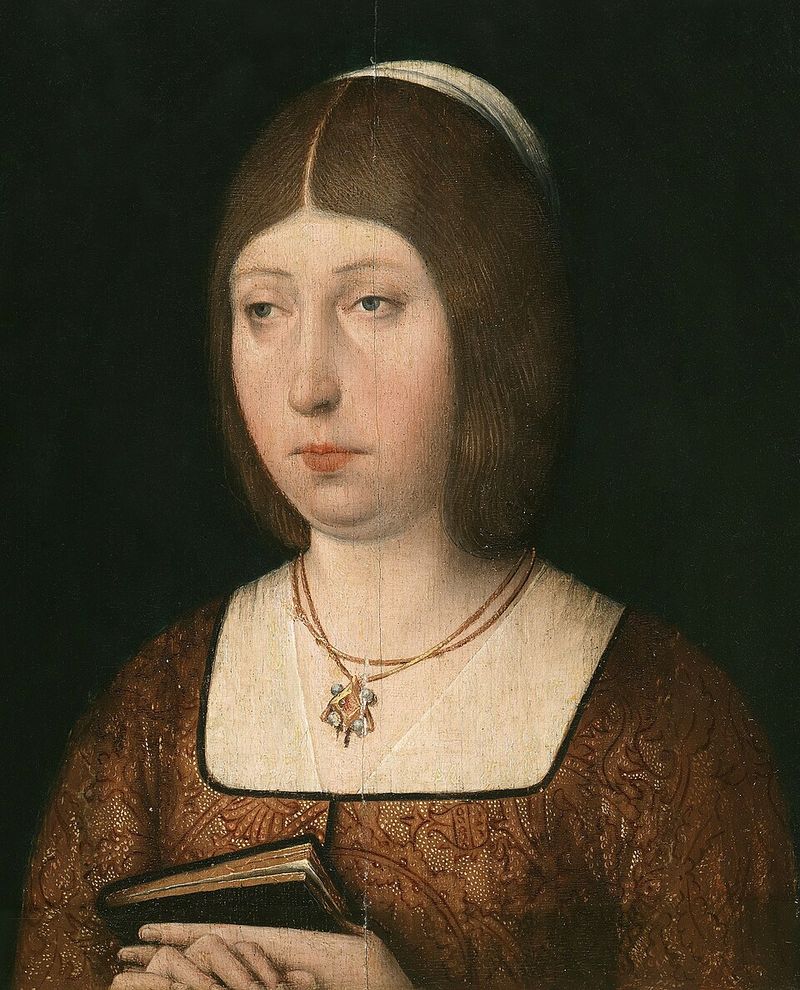
Rumor has it that Queen Isabella I of Castile reportedly bathed only twice in her entire life: once when she was born and once on her wedding day.
Whether fully accurate or somewhat exaggerated, this story followed her reputation through the centuries.
Interestingly, Isabella was considered deeply pious, and some historians suggest she may have viewed bodily comfort as a spiritual distraction. Others believe the story was political gossip spread by rivals.
Whatever the truth, the legend stuck.
4. James VI and I: The King Who Avoided Water
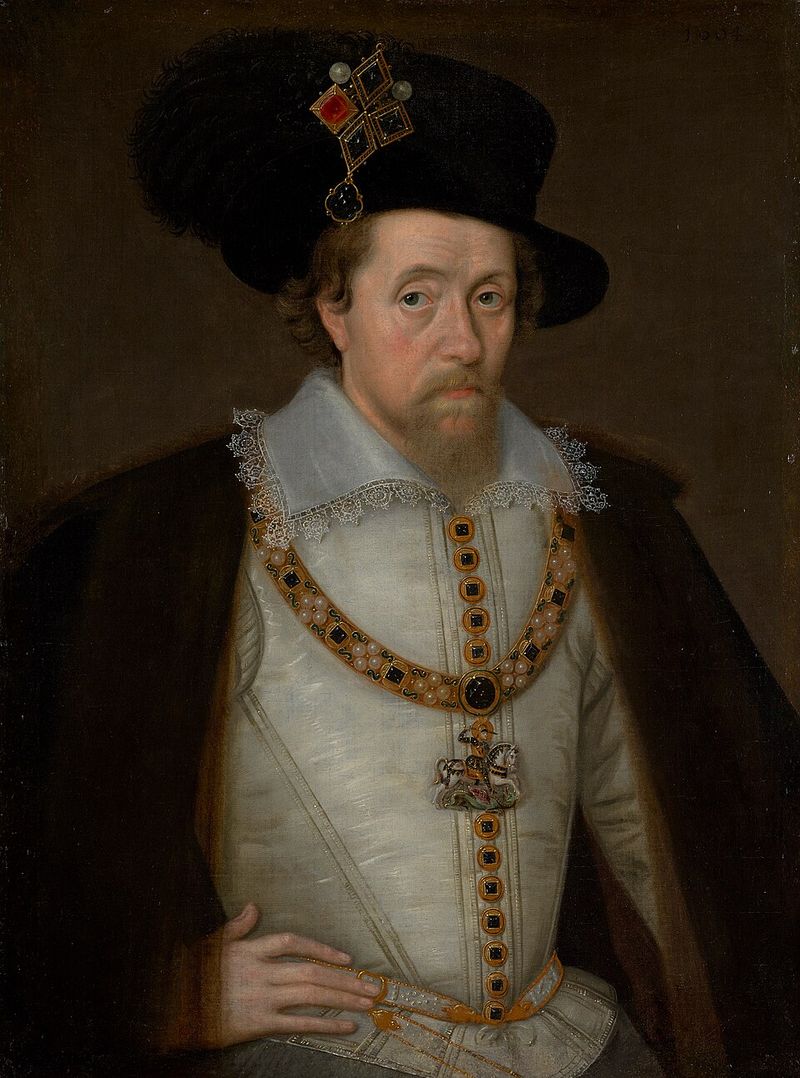
King James VI of Scotland and I of England reportedly had a strong aversion to bathing and was said to barely wash his hands before eating.
Courtiers noted that he smelled, to put it diplomatically, quite distinctive. Some accounts suggest he was genuinely phobic about water touching his skin.
Despite this, James was an intellectually sharp monarch who wrote books, translated the Bible, and ran two kingdoms. Clearly, hygiene and genius do not always share a schedule.
5. Charles II of England and Corpse-Based Medicine
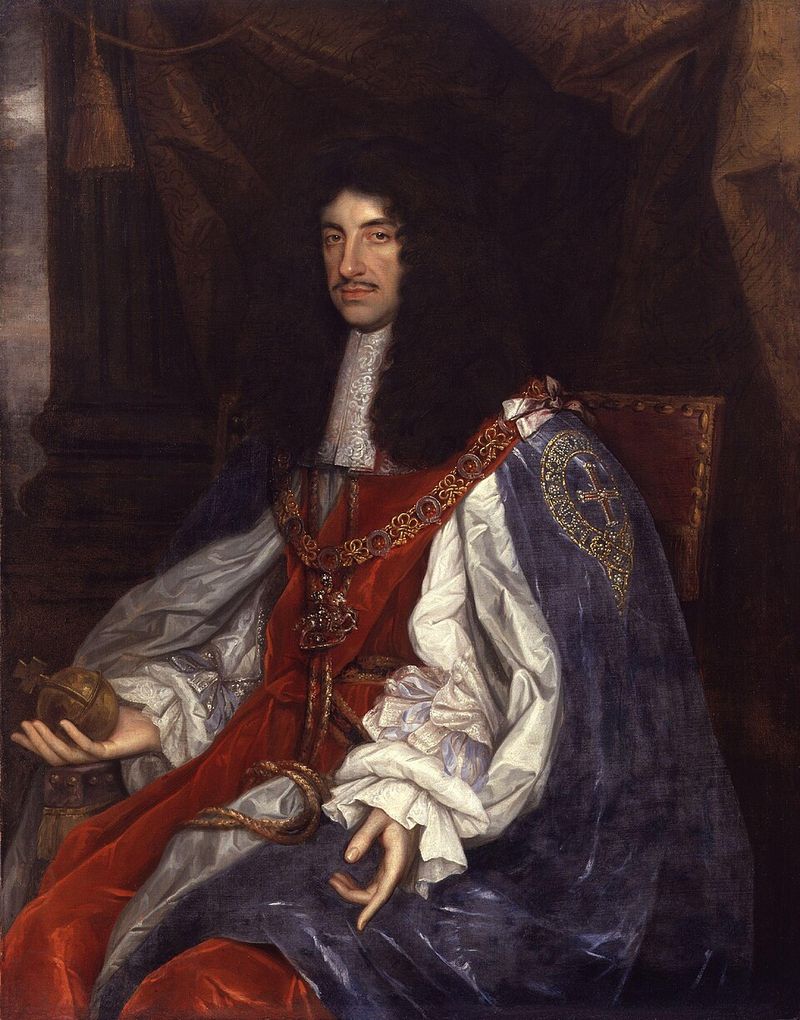
Here is something genuinely unsettling: King Charles II of England was among the monarchs recorded as using so-called “mumia” remedies, medicines made from human remains.
Ground-up mummies and human bones were believed to have healing properties in early modern Europe. Strange as it sounds, this was not fringe quackery at the time.
Physicians to royalty genuinely prescribed corpse-derived treatments for various ailments. Charles was reportedly a willing patient.
It is a sharp reminder that even the most powerful people in history were working with wildly incomplete scientific knowledge.
6. Christian IV of Denmark and Corpse Cures
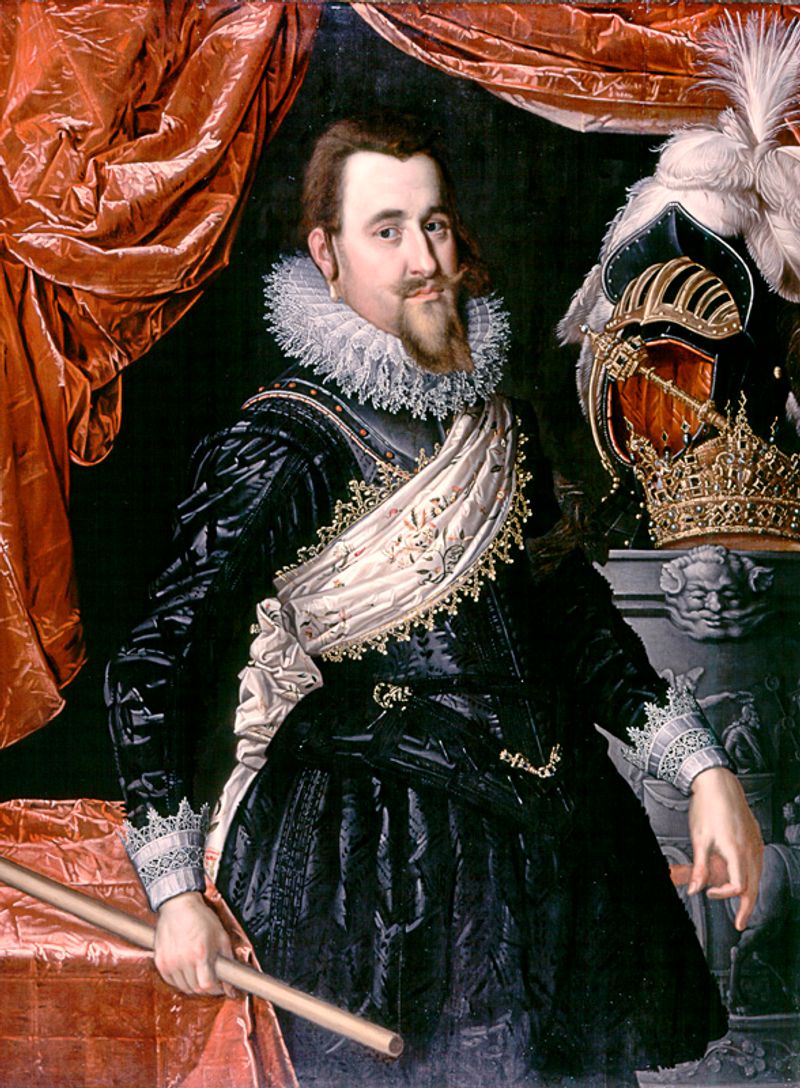
Christian IV of Denmark, one of Scandinavia’s most ambitious and colorful monarchs, also appears in historical records as a user of corpse-based mumia remedies.
Christian IV was known for grand ambitions and a love of architecture. He built much of what defines Copenhagen’s historic skyline.
And yet, like his royal contemporaries, he was also downing treatments that would horrify any modern pharmacist.
Context is everything in history. What sounds nightmarish today was once simply Tuesday in a royal physician’s appointment book.
7. Queen Victoria and Her 111-Volume Diary
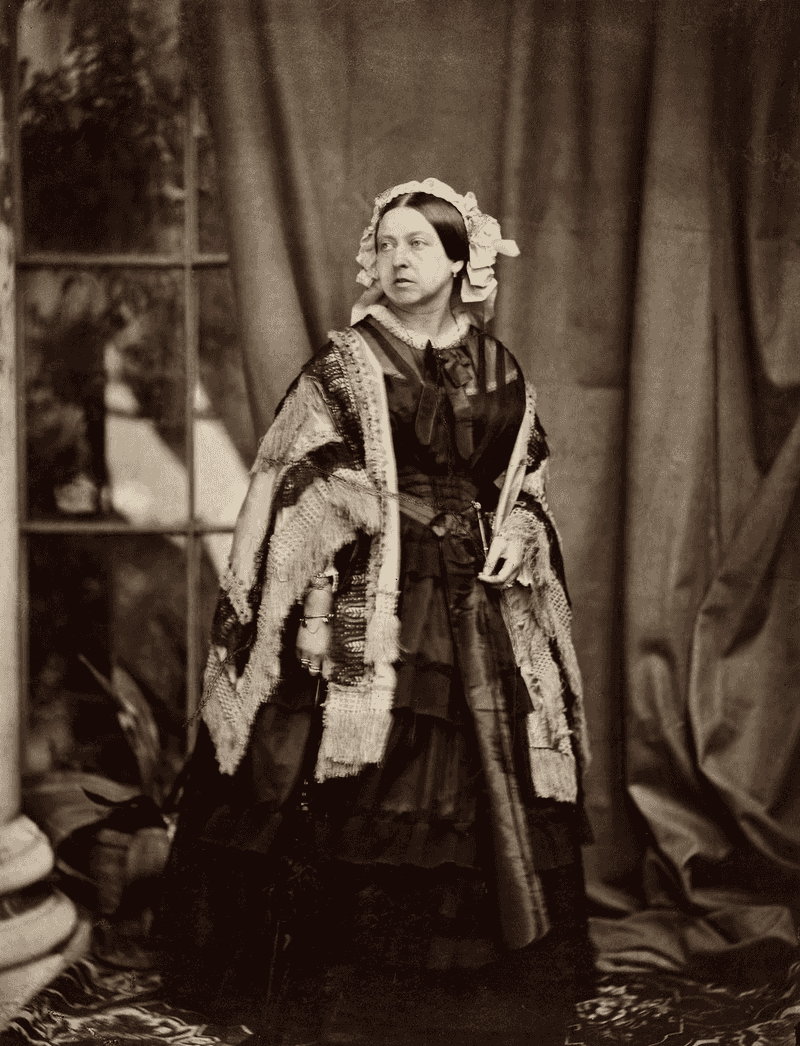
One of the most dedicated journal-keepers in recorded history was Queen Victoria.
Starting at age 13 and continuing until just before her passing, she filled 111 manuscript volumes with her thoughts, observations, and daily records. That is not a diary, that is a library.
Her journals covered everything from royal events to personal grief, including her deep mourning after Prince Albert’s passing.
Most of us struggle to keep a journal past January 5th. Victoria kept hers going for nearly 70 years. Dedicated does not even begin to cover it.
8. Louis XIV and His Minute-by-Minute Royal Schedule
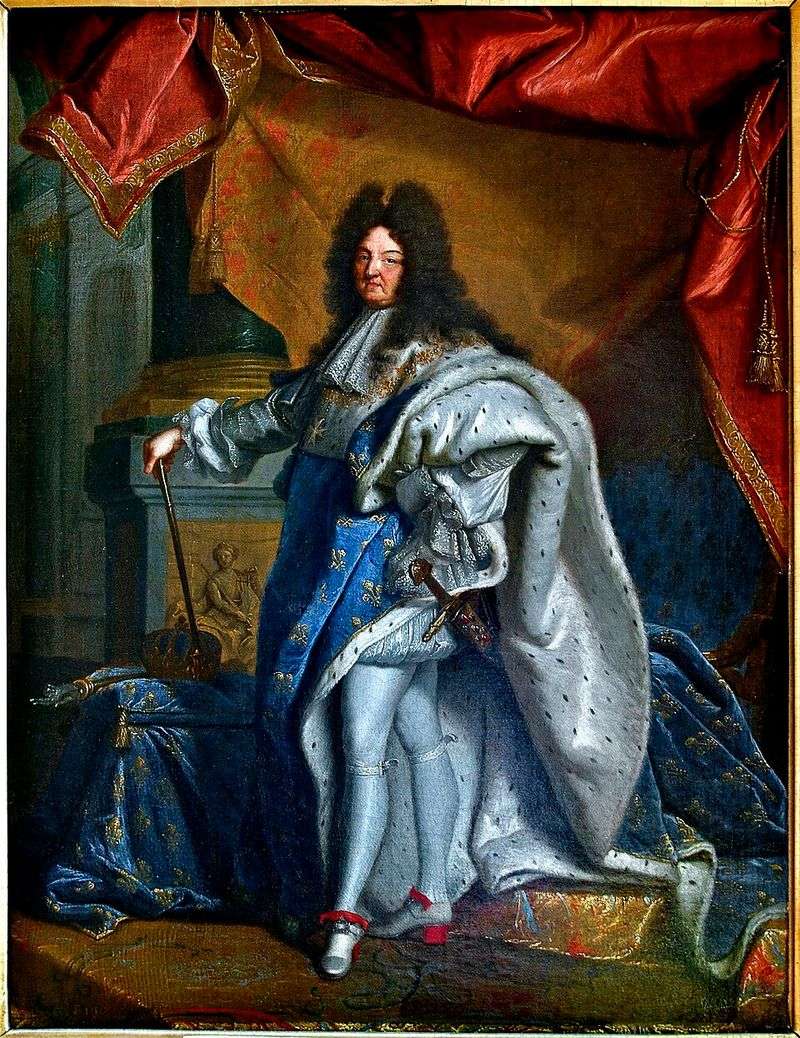
The Sun King ran Versailles like a finely tuned machine. His daily schedule was timed almost to the minute, with elaborate rituals built around every single activity.
Waking up, eating, walking in the gardens, even going to bed were public performances attended by the court.
The morning lever, his ceremonial rising, involved dozens of nobles competing for the honor of handing him his shirt.
Where most people just want a quiet morning coffee, Louis XIV turned getting dressed into a ticketed event.
9. Louis XVI: The King Who Loved Making Locks
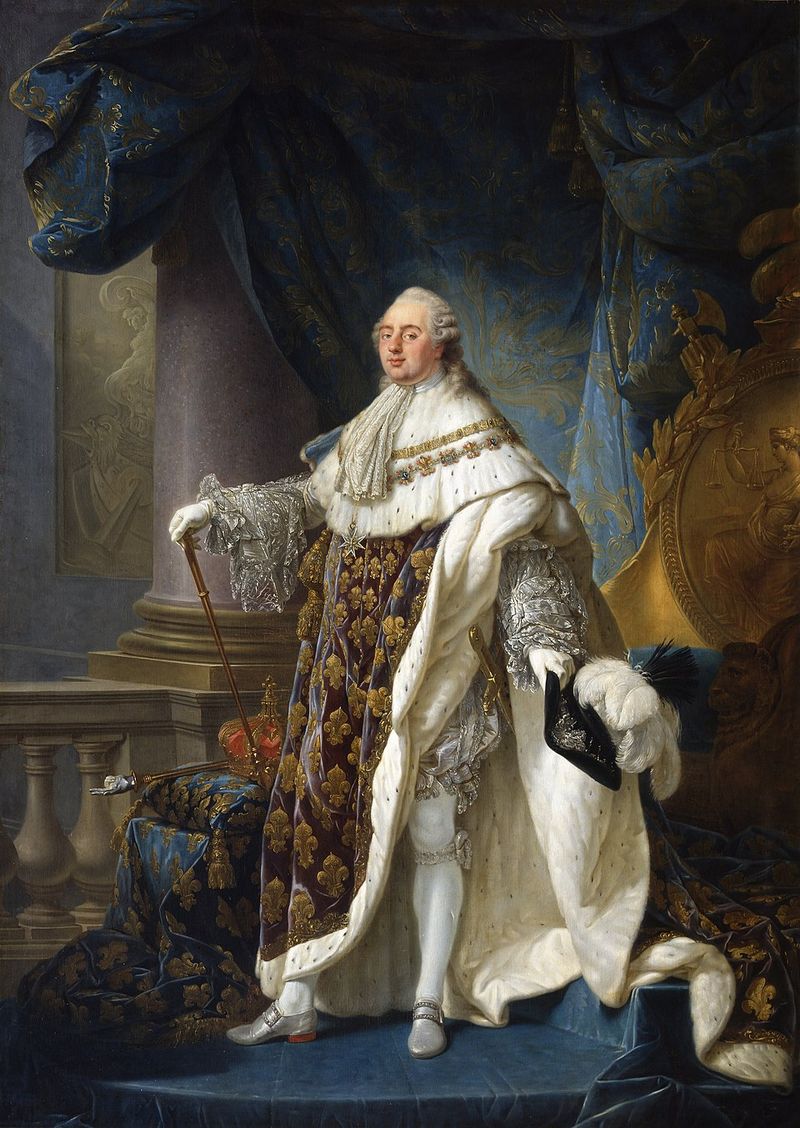
Most kings spent their leisure time hunting or hosting lavish parties, Louis XVI however preferred hammering metal in a workshop.
His favorite hobby was locksmithing and masonry, crafting actual locks and doing stonework with his own hands. His personal forge at Versailles was a real place.
Historians have often noted this as a telling contrast: a man who struggled to control a revolution found deep comfort in the mechanical precision of locks.
Louis XVI was not naturally suited to the chaos of ruling a crumbling monarchy. But give him a set of tools? Apparently, the man was genuinely skilled.
10. Ludwig II of Bavaria: The Night King
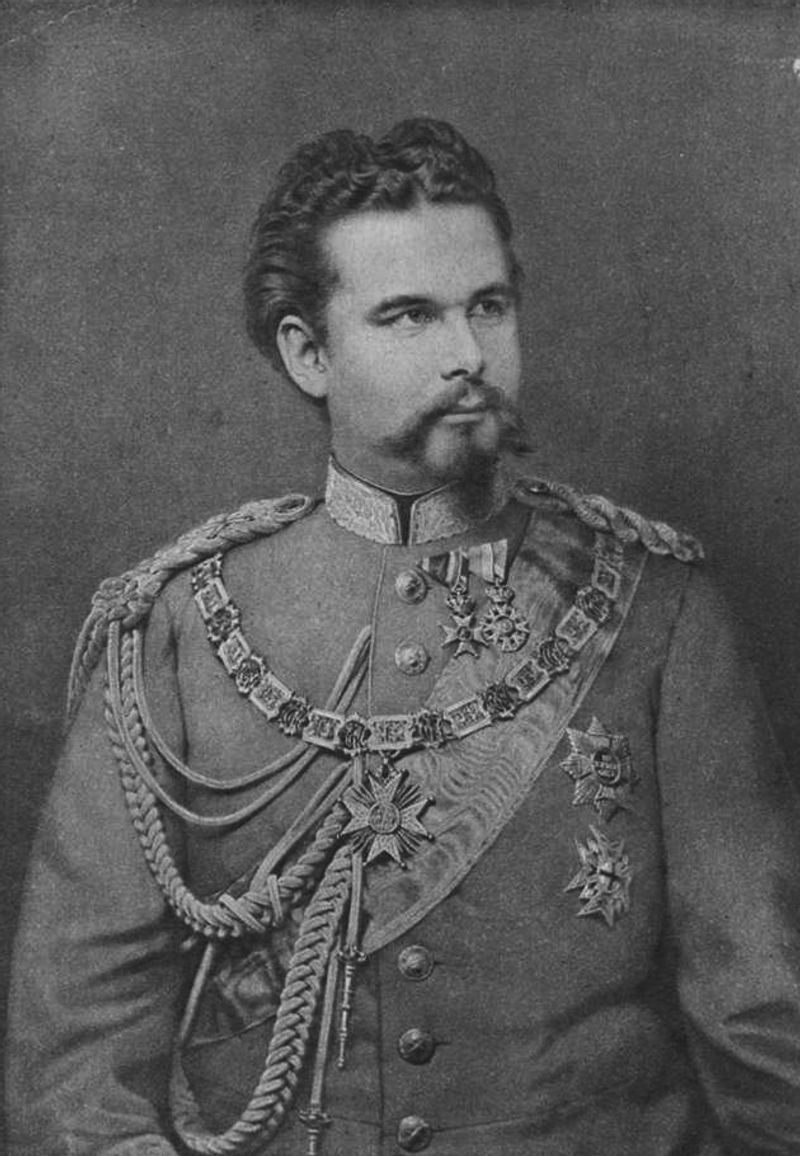
Ludwig II of Bavaria flipped the entire concept of royal routine upside down. He slept through the day and came alive at night, ordering elaborate midnight dinners served for one in his fairy-tale castles.
Guests were rarely invited. He preferred his own company, always.
His castles, including the famous Neuschwanstein, were built as fantasy escapes from reality.
Ludwig reportedly spent hours wandering his palace grounds alone after dark, sometimes in elaborate costumes inspired by medieval legends and Wagner operas.
Calling him eccentric barely scratches the surface.
11. Rudolf II and His Cabinet of Wonders
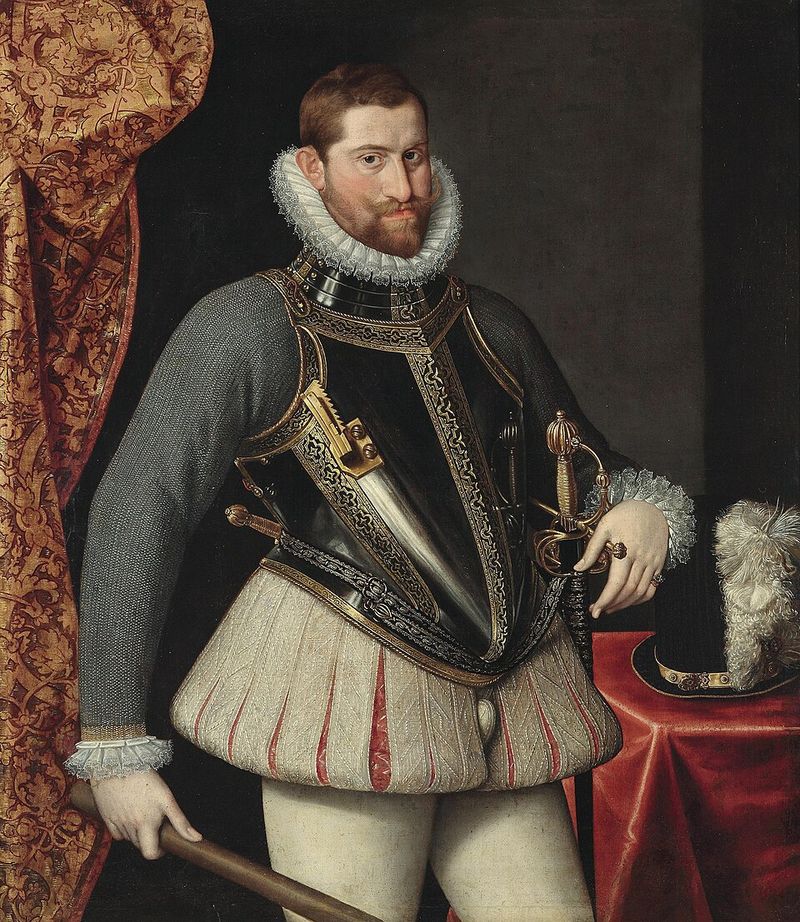
Holy Roman Emperor Rudolf II was less interested in running his empire and more obsessed with filling Prague Castle with the strangest collection imaginable.
He amassed exotic animals, rare plants, alchemical instruments, and a massive cabinet of curiosities packed with oddities from around the world.
Rudolf invited astrologers, alchemists, and artists to his court, including Tycho Brahe and Johannes Kepler. His court was equal parts royal palace and very expensive curiosity shop.
The result was one of history’s most remarkable collections of art and science.
12. Queen Christina of Sweden and Her Bold Style Rebellion
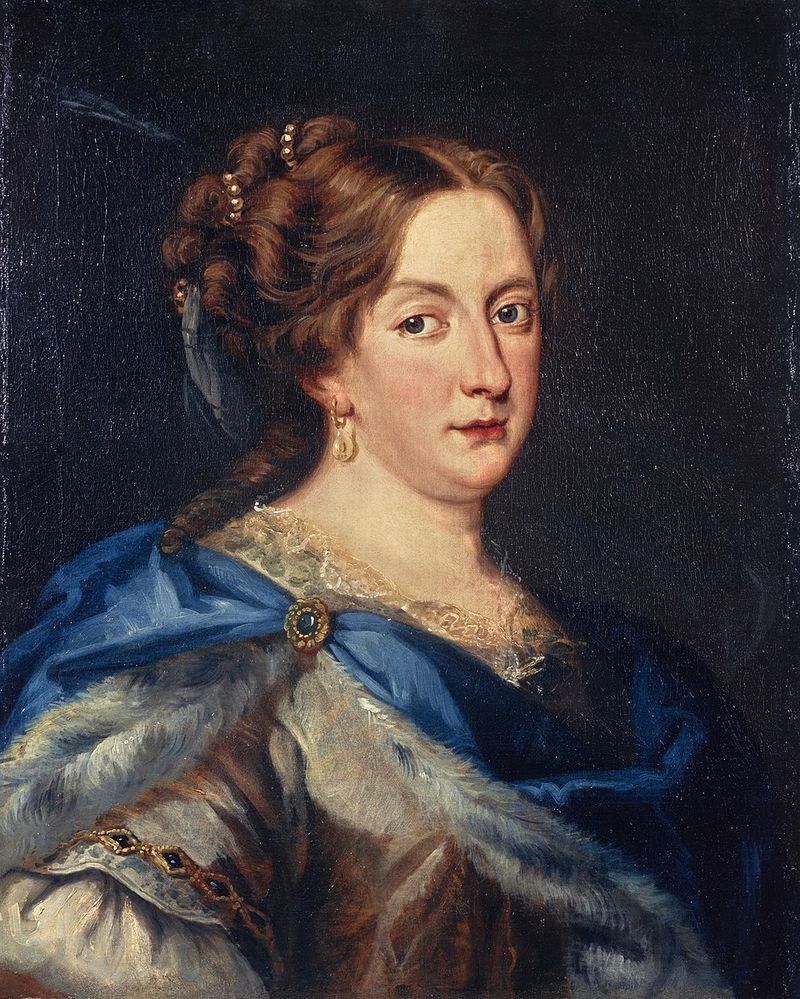
Queen Christina of Sweden had zero interest in performing traditional femininity.
She wore men’s clothing, refused to ride sidesaddle, and actively rejected the elaborate gowns expected of a queen. Her court was perpetually scandalized, and she seemed to enjoy every second of it.
Christina was also one of the most intellectually formidable monarchs of her era, fluent in multiple languages and deeply engaged with the leading philosophers of her time.
She eventually abdicated her throne and moved to Rome, reportedly on her own terms. Ahead of her time does not quite capture it.
13. Princess Margaret and Her Ritualized Morning in Bed
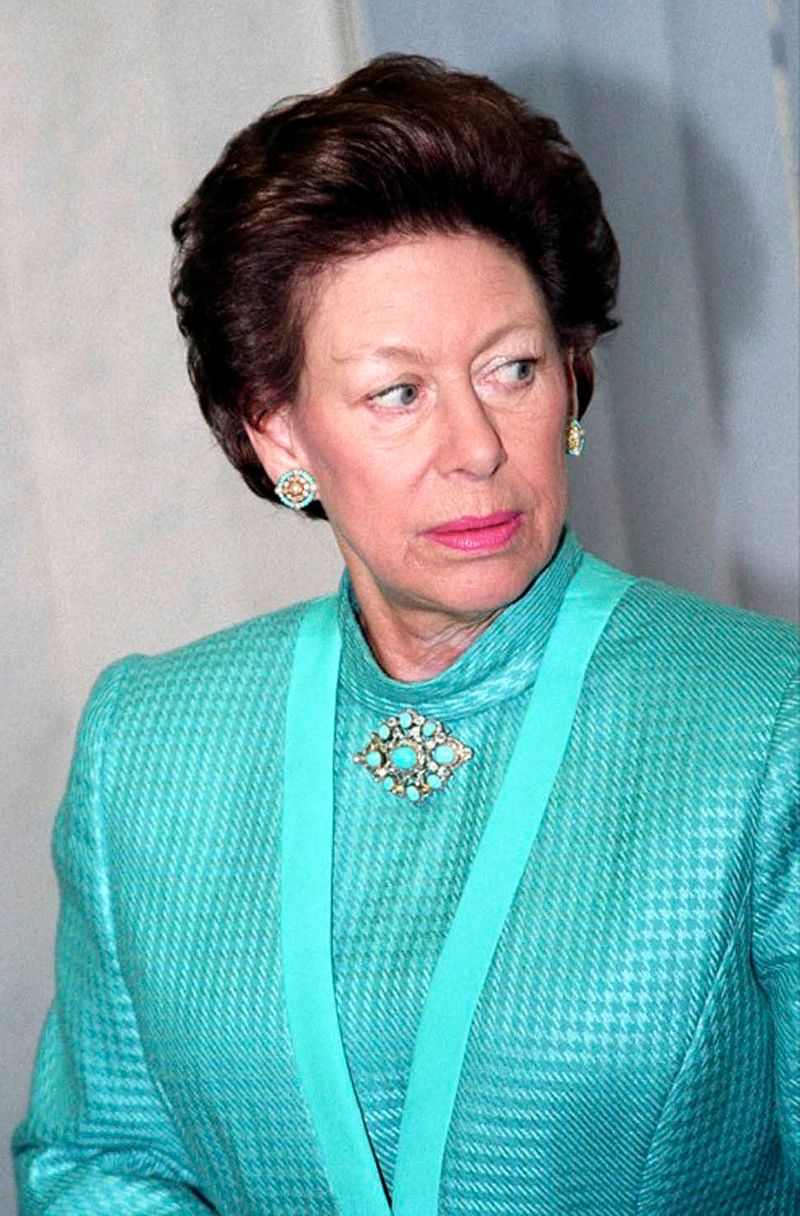
She reportedly spent the first few hours of every day in bed, surrounded by newspapers, listening to the radio, eating breakfast, and chain-smoking.
Rising before noon was apparently optional for the Queen’s sister. Her household staff knew better than to disturb this ritual.
It was a fixed, almost theatrical ceremony that Margaret guarded fiercely. Some biographers described it as the one part of her day entirely on her own terms.
Whether you find it relatable or wildly extravagant probably depends on your own relationship with mornings.
14. Prince Philip: The Royal Barbecue Master
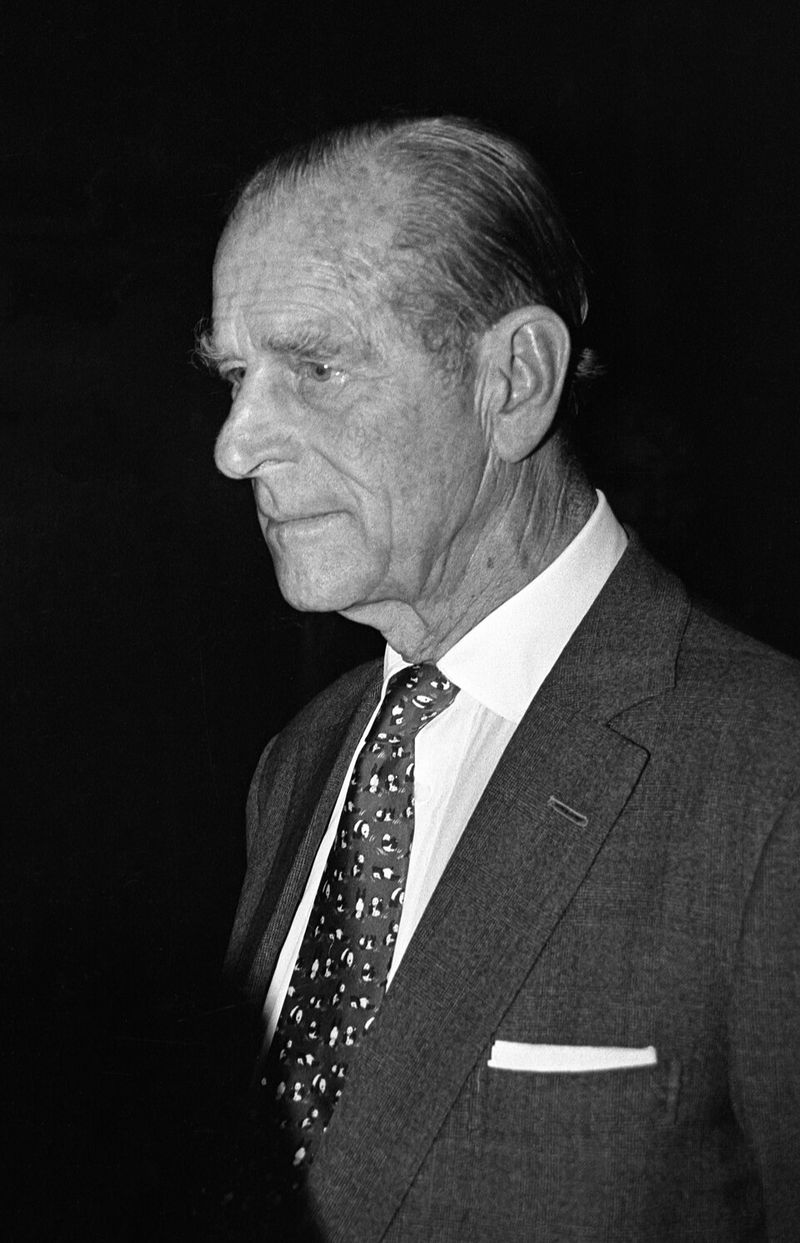
Prince Philip was many things: naval officer, royal consort, conservationist, and, apparently, the undisputed barbecue champion of the British royal family.
Family accounts and even AP tributes described him as the one who took charge at every royal outdoor cookout, tongs firmly in hand.
At Balmoral, the royal Scottish estate, Philip reportedly ran the grill with the same authority he brought to everything else.
No one questioned who was in charge of the sausages. The answer was always Philip.
15. Marie Antoinette and Her Theatrical Towering Hair
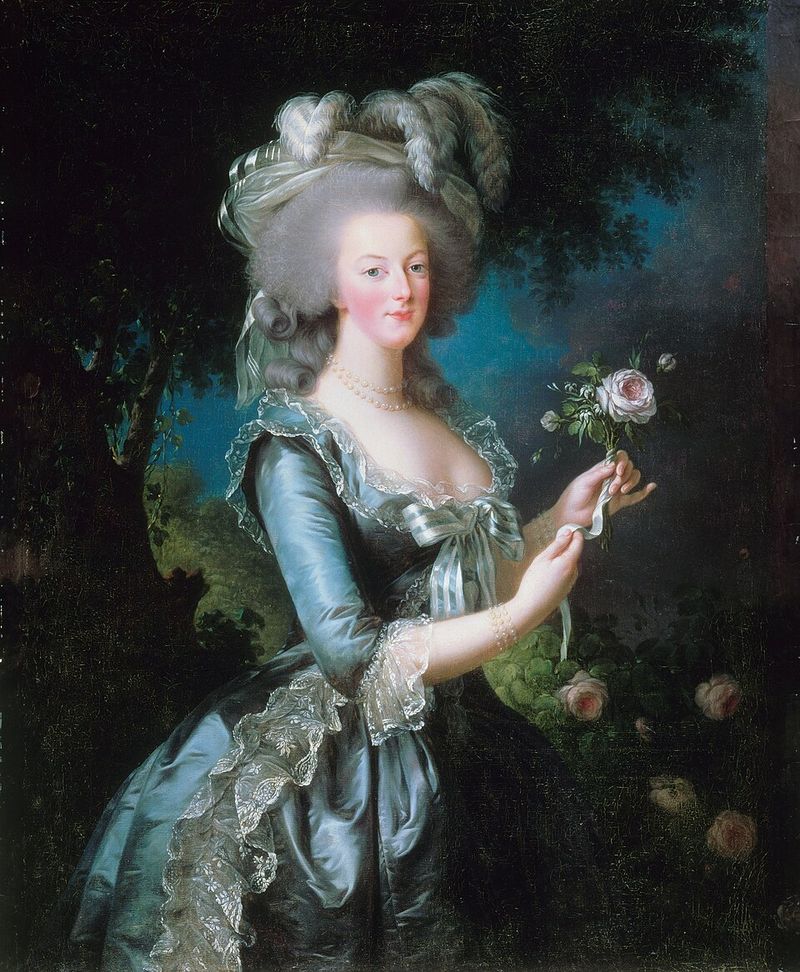
Marie Antoinette turned her hair into architecture.
Working with her legendary hairdresser Léonard Autié, she wore towering powdered constructions that could reach three feet high, decorated with feathers, flowers, tiny ships, and even miniature garden scenes.
These hairstyles required hours of preparation, special sleeping positions to preserve them, and occasionally structural reinforcement.
They became symbols of Versailles excess and were both celebrated and mocked across Europe.
However dramatic it sounds, Marie Antoinette understood exactly what she was doing. Her hair was a statement and a power move wrapped in powder and feathers.