15 Rules Celebrities Can’t Break At Award Shows
Award shows rank among the most glamorous nights in entertainment, filled with dazzling gowns, flashing cameras, and thunderous applause. Beneath all that sparkle, however, lies a surprisingly strict rulebook every celebrity must follow.
Wardrobe guidelines shape red carpet fashion, speech time limits control acceptance moments, and backstage protocols keep the evening running like clockwork. Major ceremonies such as the Oscars, Grammys, and BAFTAs operate under detailed regulations that leave little room for spontaneity.
Ignoring expectations can lead to public embarrassment, a silenced microphone, or even a swift escort away by security. Publicists rehearse speeches, stylists coordinate last-minute fixes, and producers monitor every second of airtime to avoid chaos.
Etiquette, timing, and branding matter just as much as talent on such a high-profile stage. Beyond the velvet ropes, tension simmers alongside excitement, creating drama that rivals any scripted series.
Glamour may dominate the spotlight, yet discipline quietly controls every glittering second.
1. Dress Code Is Non-Negotiable
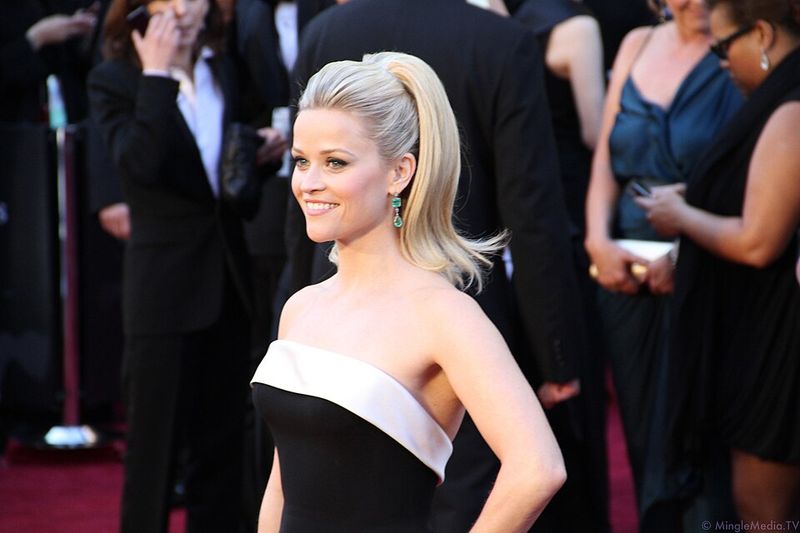
Walk up to the Oscars in jeans and a hoodie, and you might as well walk right back home. Award shows enforce strict dress codes that celebrities must follow without exception.
At the Oscars, men are traditionally expected to wear tailcoats with white bow ties, while women are required to appear in full-length evening gowns.
Organizers take this seriously because the event is broadcast to millions worldwide. Looking polished is part of the job.
Stylists spend weeks, sometimes months, preparing outfits. If a celebrity shows up underdressed, it becomes instant headline news for all the wrong reasons.
2. No Phones or Selfies Allowed
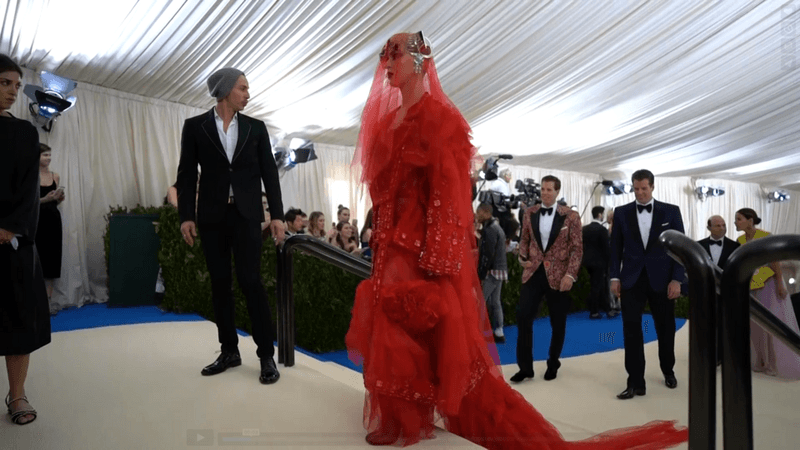
Imagine getting a tap on the shoulder from a security guard just because you tried to snap a quick selfie. That’s the reality at events like the Met Gala, where a strict no-phones policy is firmly enforced.
Phones must be surrendered at the door, no exceptions, no negotiations.
Still, some celebrities have pushed back. In 2025, Megan Thee Stallion admitted she snuck her phone into the Met Gala and shared a video from inside.
Bold move! However, breaking this rule can lead to serious backlash from organizers and fellow attendees who respect the policy.
3. Food and Drinks Stay Outside

Hungry at the Oscars? Too bad!
Many major award ceremonies, including the Academy Awards, strictly prohibit bringing food or drinks into the main venue. The rule exists to maintain the elegance and decorum that these high-profile events are known for worldwide.
Spilling a drink on a designer gown or crunching popcorn during a heartfelt acceptance speech would be a total disaster. Celebrities must eat before they arrive or wait until after the show wraps up.
Some stars have joked about sneaking snacks in their clutch bags, but security checks usually catch anything suspicious before it becomes a problem.
4. Bathroom Breaks Are Timed Perfectly
Slipping away to the restroom during a live award show sounds simple, but it’s actually a high-stakes operation. Celebrities are given very short windows between segments to take breaks.
If they’re not back in their seats on time, security will stop them from re-entering the hall until the next commercial break.
Here’s the wild part: seat fillers immediately take over any empty chair to keep the audience looking full on camera. So your favorite star could return to find a total stranger sitting in their spot!
It’s a quirky but necessary system that keeps everything looking seamless on live television.
5. Acceptance Speeches Have a Hard Time Limit
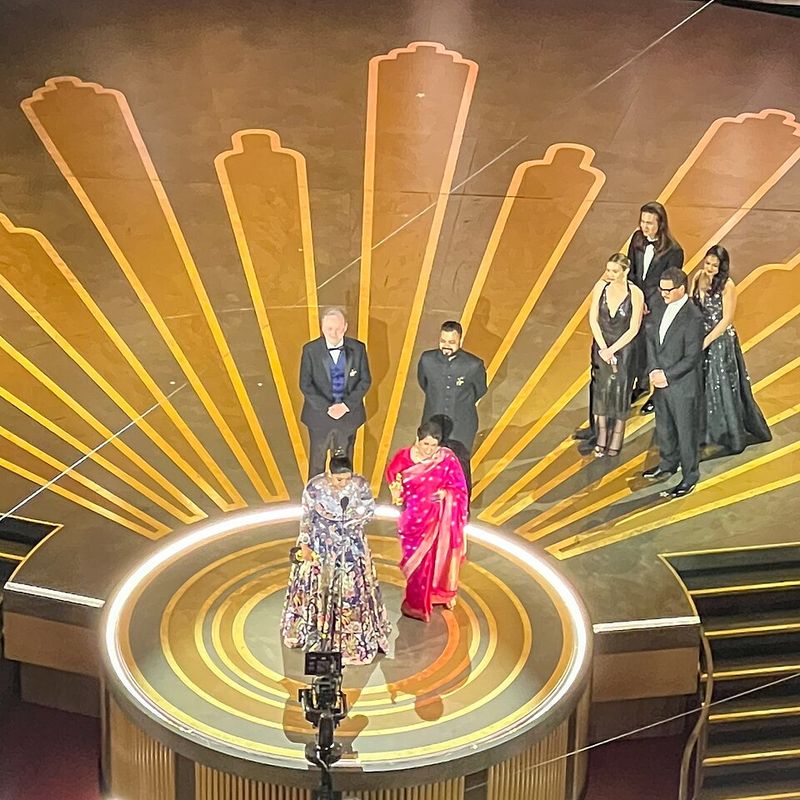
Image Credit: Timothy A. Gonsalves. , licensed under CC BY-SA 4.0.
Via Wikimedia Commons.
Got a lot to say after winning? Better talk fast!
Acceptance speeches at most major award shows are capped at around 45 seconds. Once that clock runs out, the orchestra kicks in with music to signal that your time is officially up, whether you’re done or not.
Producers enforce this rule strictly to keep the broadcast on schedule. Going over time can bump other segments and cost the network serious money.
Some celebrities have been hilariously played off mid-sentence, waving awkwardly as the music drowned them out. Moral of the story: thank your mom first and save the long list for your Instagram caption.
6. Absolutely No Swearing on Air
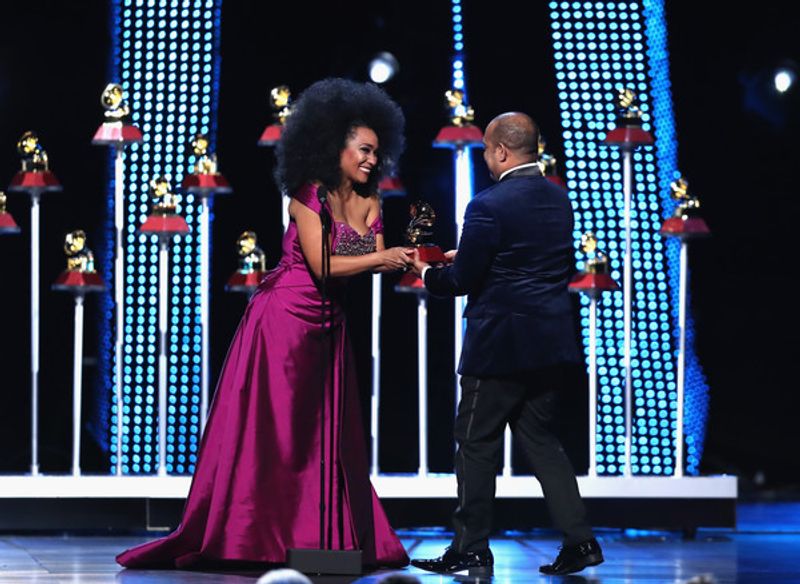
Award shows are broadcast to audiences of all ages, which means one accidental bad word can cause an enormous scandal. Events like the Grammys have a strict no-swearing policy, and networks take it very seriously.
Producers have a broadcast delay button ready to bleep out any colorful language before it reaches living rooms.
Celebrities who slip up can face fines, public criticism, and a seriously awkward moment on social media. The FCC in the United States has rules about what can be broadcast on live television.
So even if a star is overwhelmed with emotion, they’re expected to keep their language family-friendly from start to finish.
7. Performers Must Sing Live
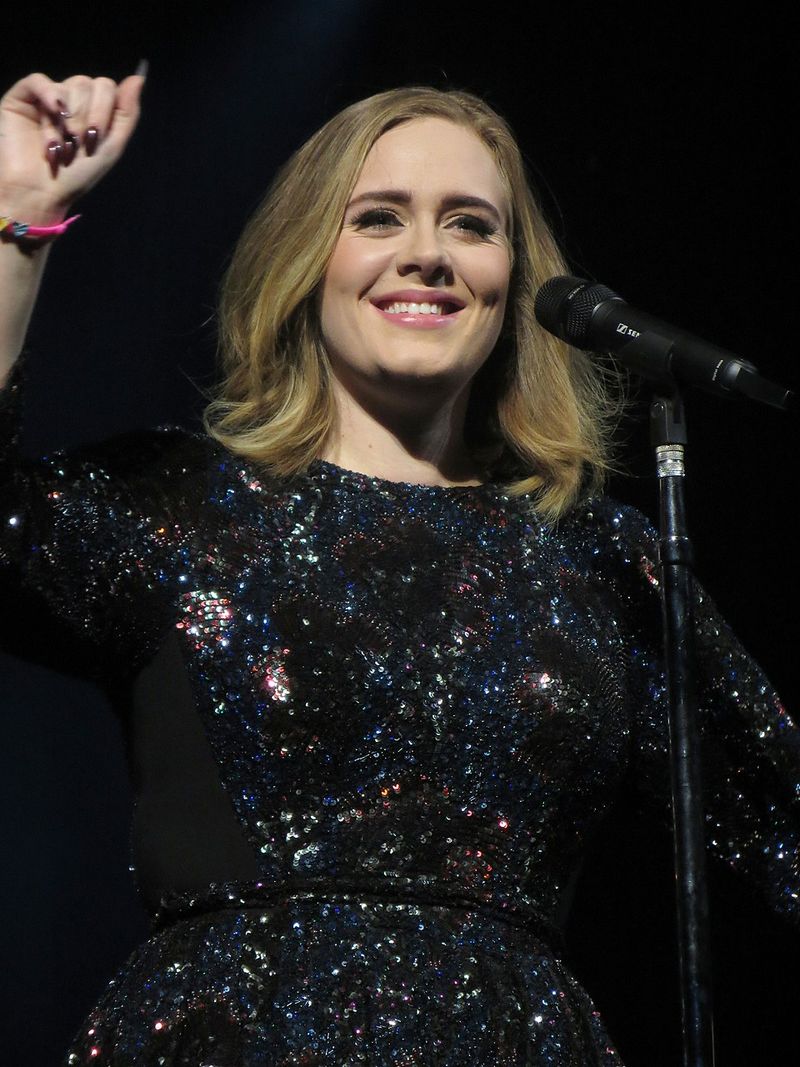
Lip syncing at an award show is basically career kryptonite. Most major ceremonies, especially the Grammys, require performers to sing live.
The whole point of a live performance is to give audiences something raw, real, and electric that a studio recording simply cannot replicate.
If a performer is caught lip syncing, the reputational damage can last for years. Audiences feel cheated, and critics have a field day.
Some artists use a backing track to support their live vocals, which is generally acceptable, but fully faking it is a big no-no. Authenticity matters, and award show audiences can almost always tell the difference.
8. No Personal or Political Agendas in Speeches
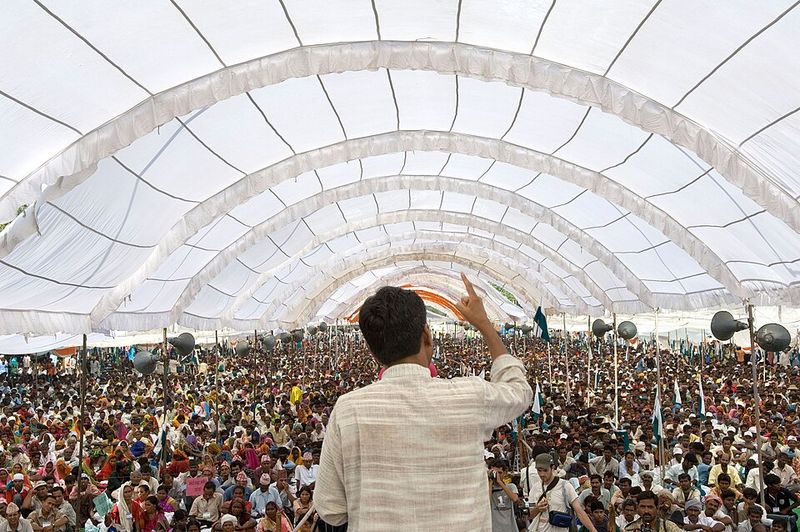
Winning an award is a thrilling moment, but the podium is not a personal soapbox. Many award shows strongly discourage celebrities from using their acceptance speeches to push political opinions, personal agendas, or controversial messages.
Organizers want the focus to stay on celebrating talent and achievement.
That said, some stars have famously ignored this guideline and made bold statements anyway, sparking intense public debate. When celebrities do speak out, it tends to overshadow the actual awards.
Producers carefully monitor speeches and can cut the microphone if things veer too far off script. It’s a delicate balance between artistic freedom and broadcast responsibility, every single time.
9. Sustainable Fashion Is Strongly Encouraged

Fashion and sustainability might not seem like obvious partners, but award shows are increasingly pushing celebrities to make greener choices on the red carpet. Many events now encourage stars to re-wear old gowns, rent designer pieces, or choose vintage attire instead of buying brand-new outfits for a single night.
Actress Saoirse Ronan made headlines at the 2020 Oscars by wearing a Gucci gown that incorporated excess fabric from her BAFTA dress, a clever and eco-friendly choice. Re-wearing a look used to feel taboo in Hollywood.
Now it’s celebrated as a power move. Fashion with a conscience?
That’s a trend worth keeping on the runway.
10. Arrive on Time or Face the Consequences
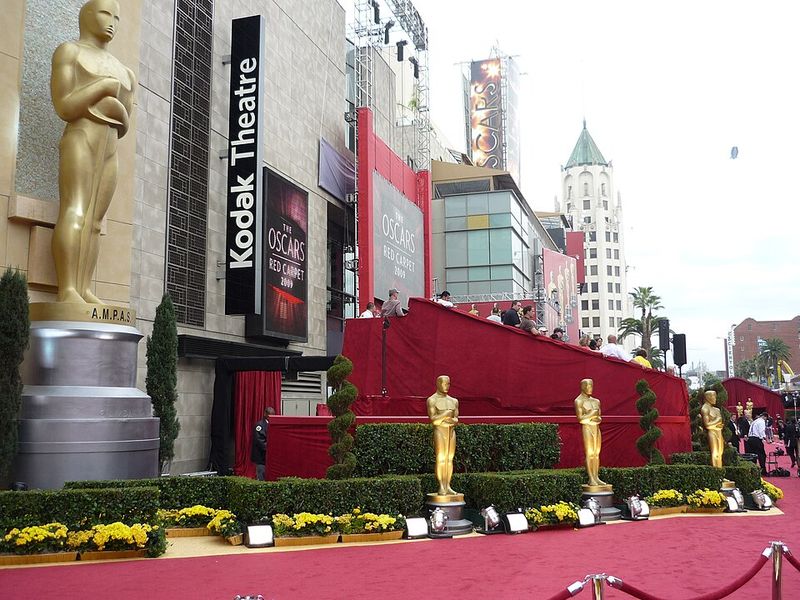
Running late to the Oscars is not like showing up late to a friend’s birthday party. Celebrities are expected to arrive on time, and the schedule is planned down to the minute.
Late arrivals can disrupt the red carpet flow, delay seating, and cause real logistical headaches for production teams.
Some venues even close their doors once the broadcast begins, meaning a tardy star gets locked out until a break in filming. Missing your category because you were stuck outside?
That’s a nightmare no publicist wants to manage. Punctuality might not be the most glamorous rule, but it is absolutely one of the most important ones at any major ceremony.
11. No Unauthorized Interviews or Media Stunts
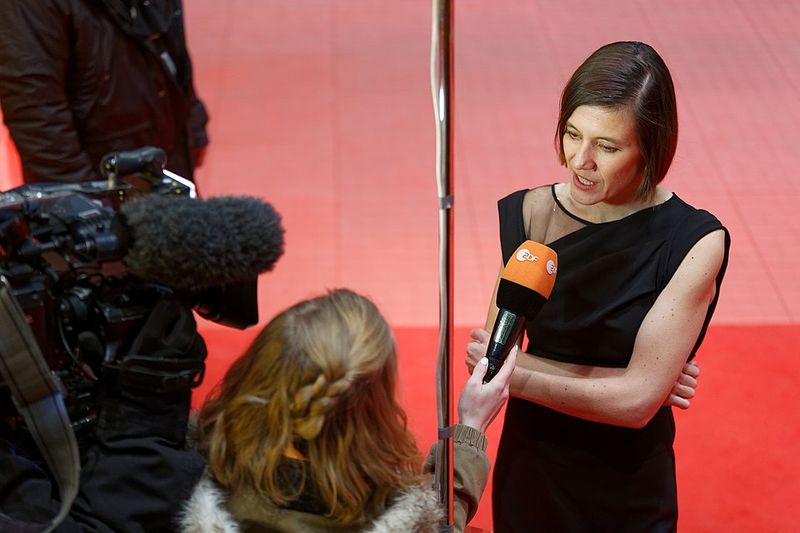
Not every microphone shoved in a celebrity’s face at an award show is an approved one. Organizers work with specific media partners and approved press outlets, meaning celebrities are expected to only interact with credentialed journalists in designated areas.
Unauthorized interviews are a firm no.
Pulling a surprise media stunt, like announcing something shocking mid-broadcast without permission, can get a celebrity removed from future events entirely. Networks and show producers have carefully planned every media moment for broadcast.
Going rogue disrupts that plan and can create legal complications too. Playing by the media rules keeps everyone happy, including the publicists furiously texting backstage.
12. Winners Must Accept in Person When Possible

Sending a representative to collect your award is generally frowned upon at major ceremonies. Award shows strongly prefer that winners show up in person to receive their trophy.
It’s about respect for the event, the voters, and the fellow nominees who also attended.
When a winner skips the ceremony without a solid reason, it can come across as dismissive or ungrateful. Some shows even have policies about how absentee winners are handled, limiting their screen time or acknowledgment.
Of course, genuine emergencies are understandable exceptions. However, choosing to skip just because you feel like it?
That’s a move that rarely goes unnoticed or uncommented on.
13. Backstage Behavior Must Stay Professional
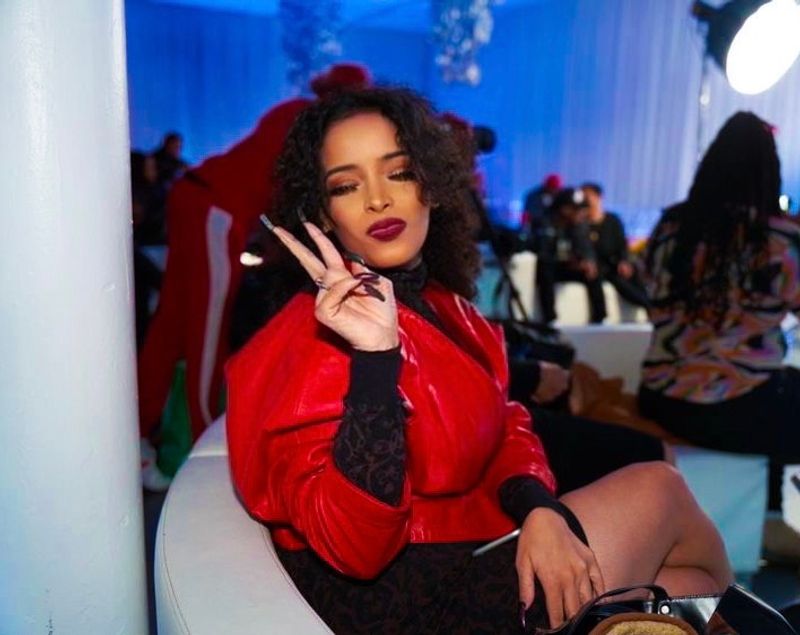
What happens backstage at an award show doesn’t always stay backstage. Celebrities are expected to maintain professional behavior even when the cameras aren’t rolling.
Backstage areas are filled with production staff, journalists, and fellow stars, making it a very public space despite being off the main stage.
Causing drama, being rude to crew members, or having heated confrontations backstage can quickly become tabloid gold. Award show staff are trained to manage difficult situations discreetly, but repeated unprofessional behavior can result in a celebrity being quietly disinvited from future events.
Kindness behind the curtain matters just as much as charm in front of the camera.
14. Presenters Must Stick to the Script
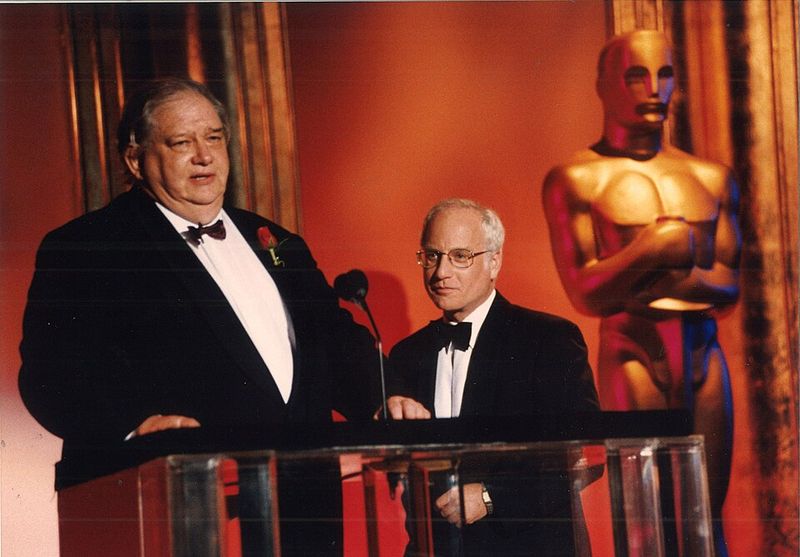
Being a presenter at an award show looks effortless, but there’s a lot of preparation behind those smooth deliveries. Presenters are given approved scripts and are expected to follow them closely during the broadcast.
Going off-script, while sometimes funny, can derail timing and create confusion for production teams managing a live show.
Improvised jokes that land badly can also become instant viral moments for the wrong reasons. Networks review scripts in advance to ensure nothing inappropriate slips through.
A little charm and personality within the script is welcome, but completely abandoning it is a risk most celebrities wisely choose not to take on live television.
15. Social Media Posts Must Be Carefully Timed

Posting a winner’s name on social media before the official on-air announcement is a massive rule violation. Award shows put enormous effort into keeping results secret until the live reveal moment, and an accidental or deliberate early post can ruin the suspense for millions of viewers watching at home.
Celebrities and their teams are briefed on social media blackout periods during broadcasts. Violating these agreements can damage relationships with networks and show organizers significantly.
Even posting a photo from inside a restricted area can break confidentiality rules. In the age of instant sharing, staying off the post button during a live show is genuinely one of the hardest rules to follow.