Sailor Moon’s 10 Biggest Impacts On Television History
When a clumsy schoolgirl transforms into a superhero by shouting a magical phrase, television changed forever.
Sailor Moon didn’t just entertain millions of fans around the world – it rewrote the rules for how animated shows could tell stories about friendship, courage, and identity.
From colorful costumes to groundbreaking representation, this series left footprints across decades of TV history that are still visible today.
This article examines the historical and cultural influence of the Sailor Moon television franchise based on widely documented industry trends and audience reception. Interpretations of impact may vary across regions, generations, and viewing experiences.
1. Redefined The Magical Girl Genre
Before Usagi Tsukino ever shouted her transformation phrase, magical girl shows featured solo heroines solving problems with wands and wishes.
Sailor Moon flipped that formula by introducing a full team of color-coded warriors, each with distinct powers and personalities.
Instead of one girl carrying the story alone, viewers watched five friends grow stronger together, blending superhero action with heartfelt emotion.
This team-based approach became the new blueprint for magical girl anime, inspiring countless series that followed.
2. Proved Girl-Led Action Could Dominate TV

Networks once believed that action-packed shows needed male heroes to draw big audiences and keep viewers coming back week after week.
Sailor Moon shattered that myth by becoming appointment television for fans worldwide, proving that girl-led adventures could anchor primetime slots and multi-season runs.
The series normalized shōjo storytelling – narratives aimed at young women – as mainstream entertainment rather than niche programming.
Suddenly, studios realized that girls wanted to see themselves saving the world, too.
3. Pioneered Serialized Storytelling In Kids’ Animation

Most children’s cartoons in the early nineties wrapped up every conflict by the end credits, making each episode a standalone adventure.
However, Sailor Moon introduced multi-season story arcs that rewarded loyal viewers who followed evolving relationships and long-term mysteries.
Characters grew, romances deepened, and villains revealed layers over dozens of episodes, creating a soap-opera structure that kept fans hooked.
This serialized approach influenced how future animated series built their narratives, encouraging deeper emotional investment.
4. Sparked Major Conversations About TV Localization

When Sailor Moon arrived in English-speaking countries, some broadcasters altered character relationships and identities to fit perceived cultural norms.
LGBTQ characters were rewritten as cousins or friends, sparking heated debates about censorship, representation, and respect for original creative intent.
These changes became a widely discussed case study in localization ethics, prompting fans and critics to question who decides what audiences can handle.
Ultimately, the controversy pushed future distributors toward more faithful translations and inclusive storytelling.
5. Became A Landmark For Anime’s Global Reach

While anime existed outside Japan before the nineties, few series achieved the widespread recognition that Sailor Moon earned across continents.
Dubbed into dozens of languages and broadcast in markets from North America to Europe, the show introduced millions to Japanese animation for the first time.
Its success opened doors for other anime to air on Western television, proving that foreign animation could thrive in new cultural contexts.
Essentially, Sailor Moon became anime’s ambassador to the world.
6. Framed Friendship As The Ultimate Superpower
Action shows traditionally focused on physical strength or magical abilities as the key to victory, leaving emotional bonds as background decoration.
Sailor Moon flipped that script by making friendship the engine of every triumph, showing that trust and love could defeat even the darkest enemies.
Episodes explored how the Sailor Guardians supported each other through heartbreak, doubt, and fear, proving that connection mattered more than combat skills.
This theme resonated deeply, teaching viewers that relationships are their own kind of magic.
7. Turned Cosplay Into A Global TV-Adjacent Phenomenon
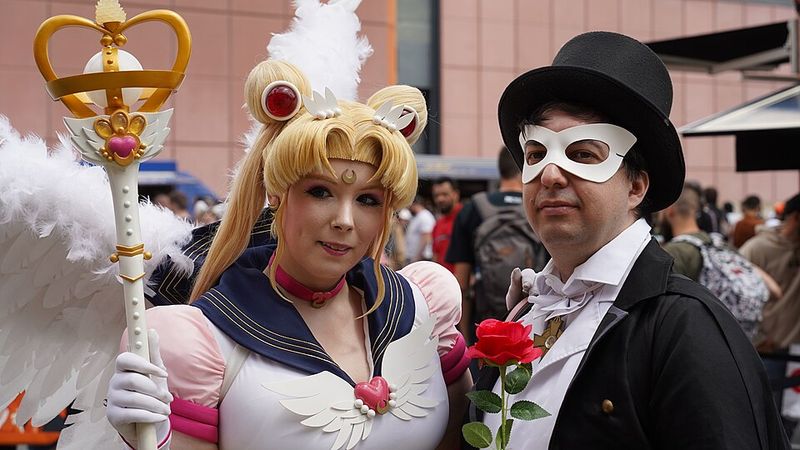
Dressing up as favorite characters existed before the nineties, but Sailor Moon’s instantly recognizable designs made cosplay a visible, celebrated fan practice worldwide.
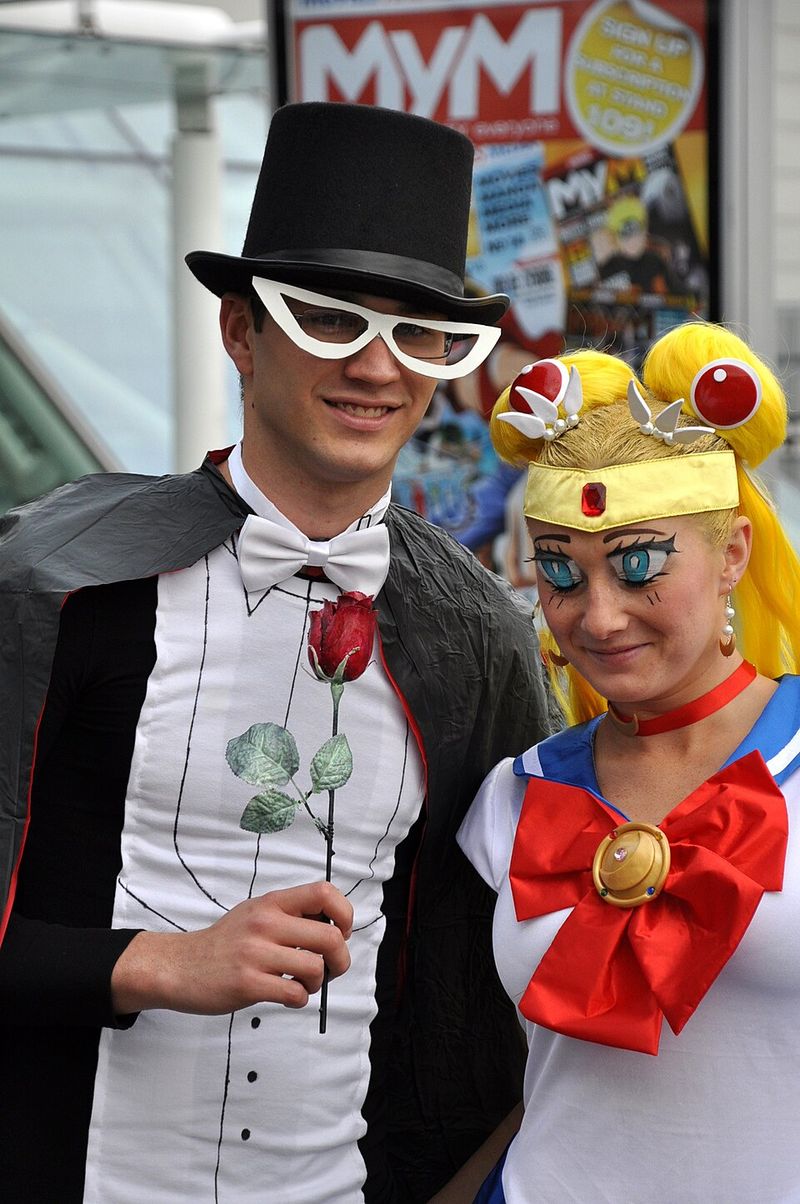
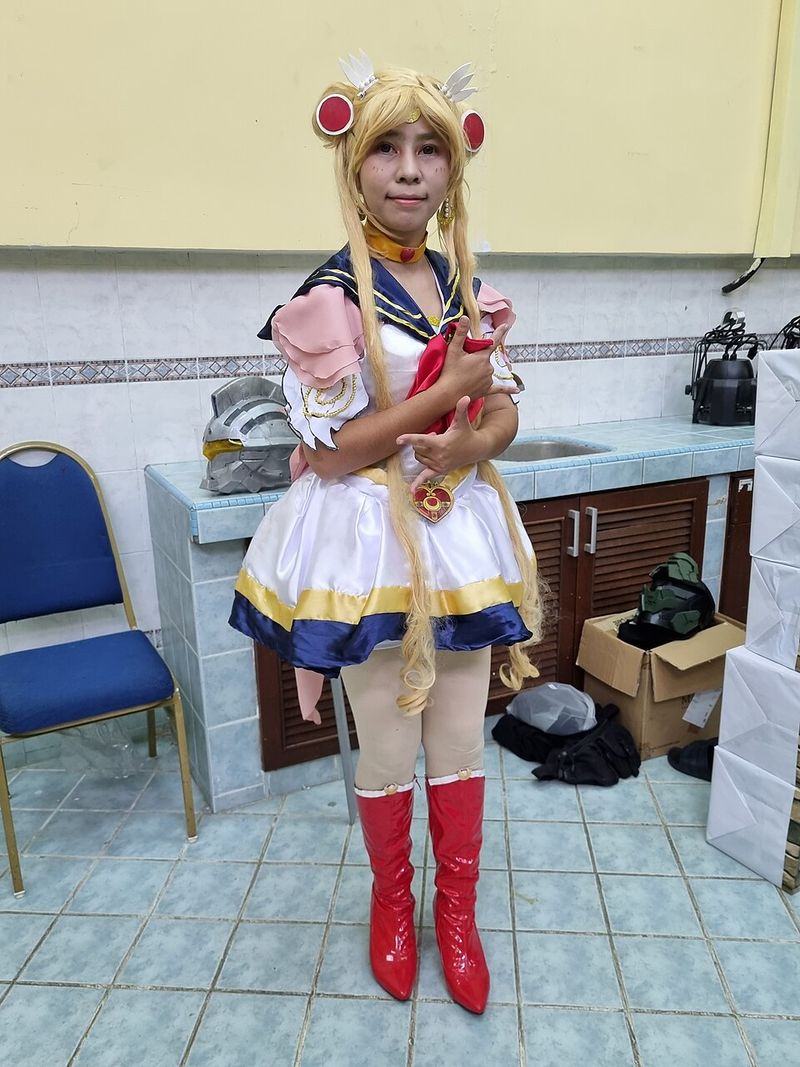
Conventions from Tokyo to San Diego filled with Sailor Scouts in handmade uniforms, transforming cosplay from niche hobby to cultural phenomenon.
The show’s costumes – simple yet iconic – offered accessible entry points for new cosplayers while inspiring elaborate interpretations from veterans.
Decades later, Sailor Moon outfits remain convention staples, proving the series’ lasting influence on fan culture.
8. Strengthened The Anime Merchandising Blueprint
Maybe you’ve noticed how successful TV shows spawn entire product ecosystems, from lunchboxes to limited-edition collaborations with major brands.
Sailor Moon perfected this strategy, creating a merchandising engine that sustained itself across decades through toys, fashion lines, and beauty products.
The series demonstrated how television visibility could drive mass-market sales, with new product waves accompanying each re-release or reboot.
This blueprint influenced how studios approach animation as both entertainment and commercial opportunity, maximizing long-term profitability.
9. Shaped TV’s Fashion-And-Aesthetic Influence Loop
Fashion designers and stylists constantly mine pop culture for fresh inspiration, and Sailor Moon offered a visual goldmine of sailor collars, bows, and celestial motifs.
The show’s aesthetic – part schoolgirl uniform, part superhero glamour – echoed through fashion magazines, runway collections, and street style for decades.
Collaborations with brands like ColourPop and KITH brought Sailor Moon designs to new generations, proving the series’ enduring style influence.
Honestly, few animated shows have shaped fashion trends as visibly or as persistently.
10. Became A Cross-Generational TV Brand
While many nineties shows faded into nostalgia, Sailor Moon kept renewing its audience through re-releases, reboots, and continued cultural conversation.
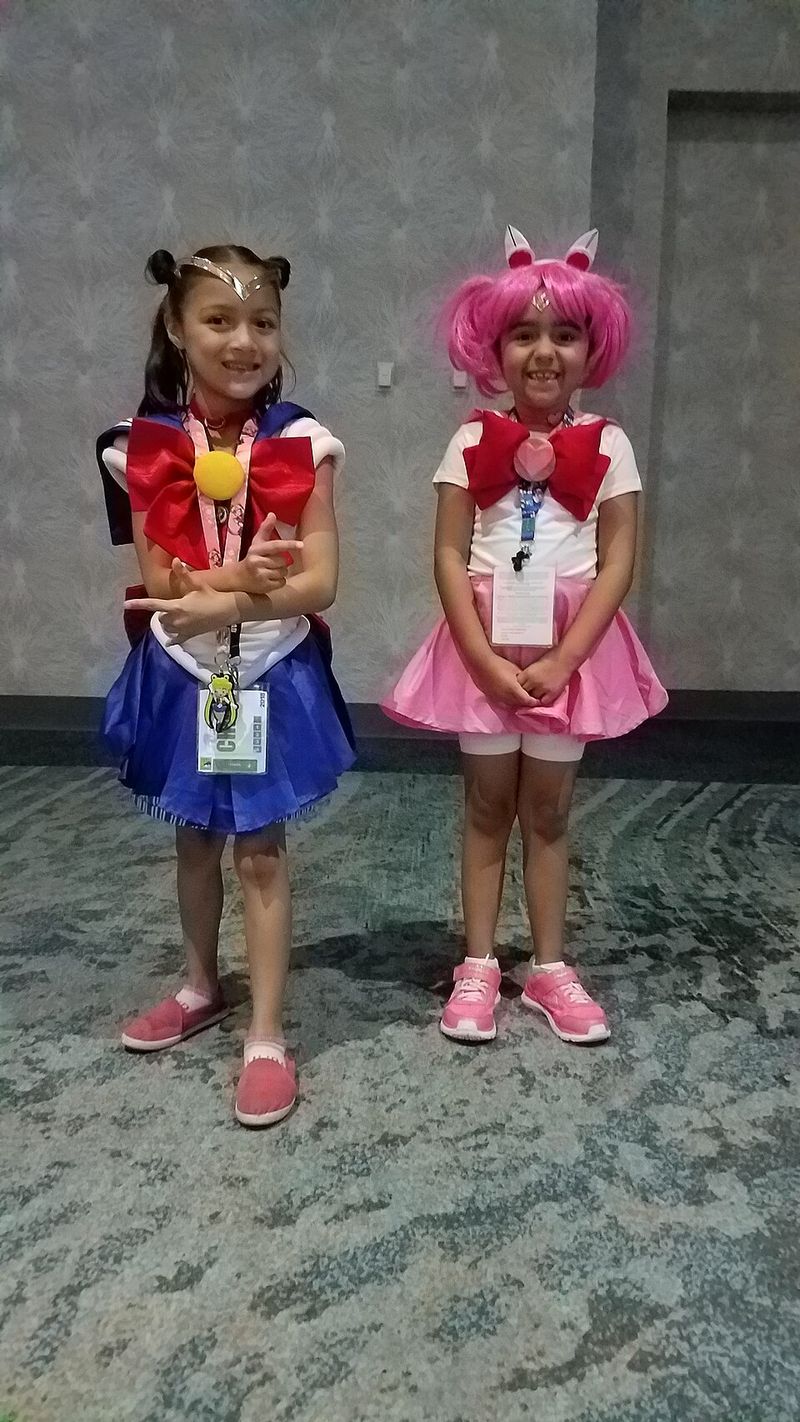
Parents who grew up with Usagi now share episodes with their own children, creating a cross-generational fanbase that spans thirty-plus years.
New adaptations like Sailor Moon Crystal introduced updated animation while preserving the heart of the original, ensuring the series stayed relevant.
This durability proves that great storytelling transcends decades, connecting viewers across age and experience.