12 Saxophone Players With Significant Impact On Rock And Roll
Some songs just need a sax solo, like pizza needs extra cheese.
That bold, brassy sound brought grit and soul that guitars alone could not deliver. From early rock stages to massive arenas, sax players helped give the genre its swagger.
The names ahead helped shape that unmistakable sound.
Important: The article is provided for general informational and entertainment purposes and reflects commentary on musical influence within rock and related styles. Credits and session details can vary by release, reissue, and documentation source, so consult official liner notes and reputable discographies for definitive personnel listings.
1. King Curtis
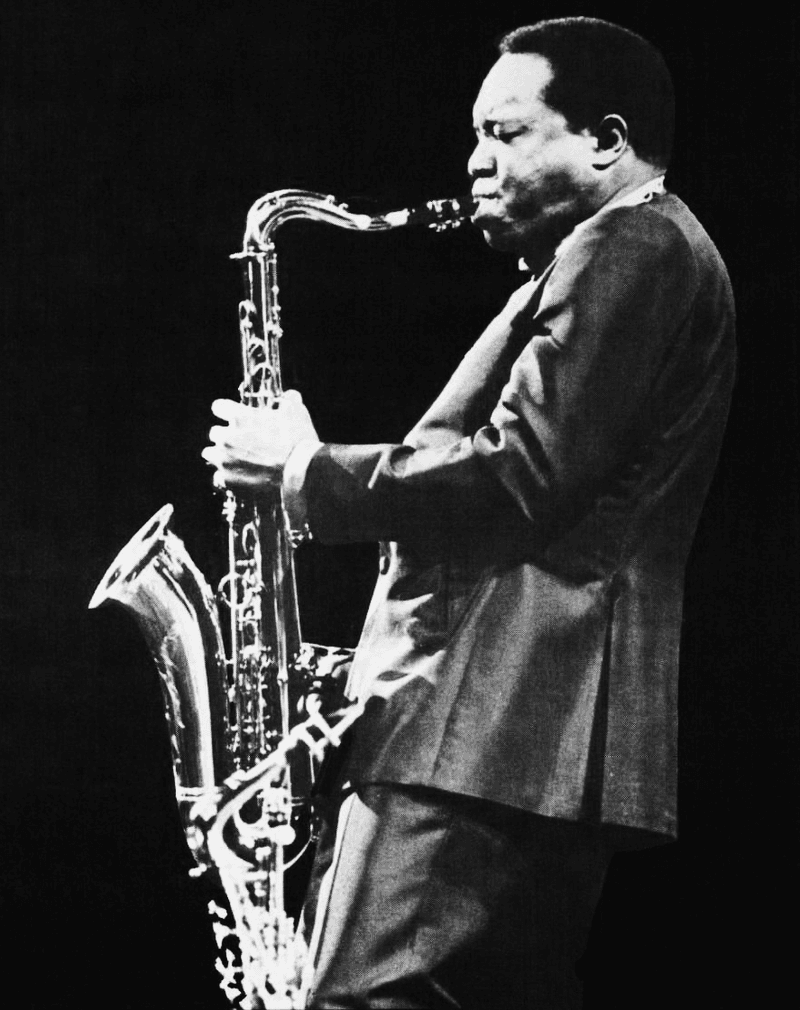
Session work in the 1960s meant playing on dozens of recordings, and Curtis Ousley, known professionally as King Curtis, mastered that craft better than almost anyone.
His tenor saxophone became a defining ingredient on recordings such as The Coasters’ ‘Yakety Yak’ and Aretha Franklin’s ‘Respect,’ plus countless others. The distinctive sound Curtis brought to tracks like “Yakety Yak” added a raw, exciting edge that made listeners sit up and pay attention.
If you’ve ever tapped your foot to early rock and roll without knowing why it felt so alive, Curtis probably had something to do with it. His ability to blend R&B soul with rock energy created a template many would follow.
2. Clarence Clemons
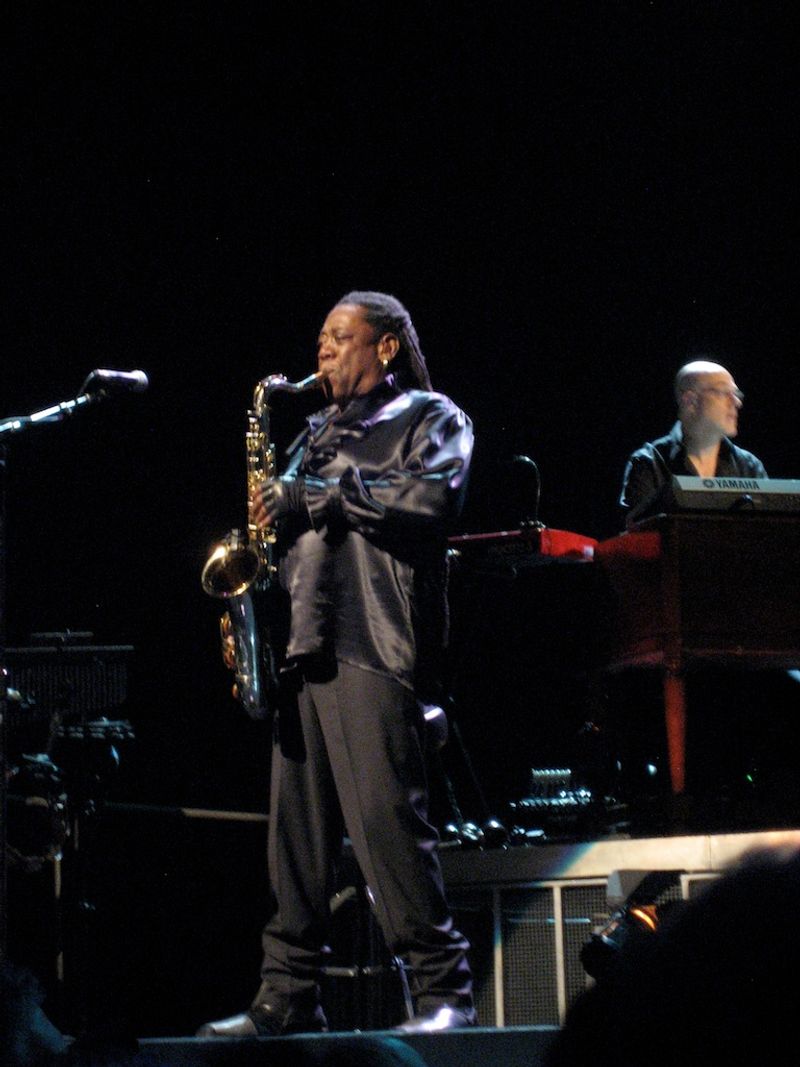
Onstage and off, the nickname “The Big Man” captured Clarence Clemons perfectly. Towering in presence and sound, he delivered sax solos that could hush an arena before lifting it to its feet.
During “Jungleland,” his unforgettable performance carved out one of rock’s most revered saxophone moments.
Across decades, work with the E Street Band and later collaborations with artists like Lady Gaga showed his range never faded. Through every note, a mix of warmth and power added emotional weight that helped transform strong songs into full blown anthems.
3. Bobby Keys
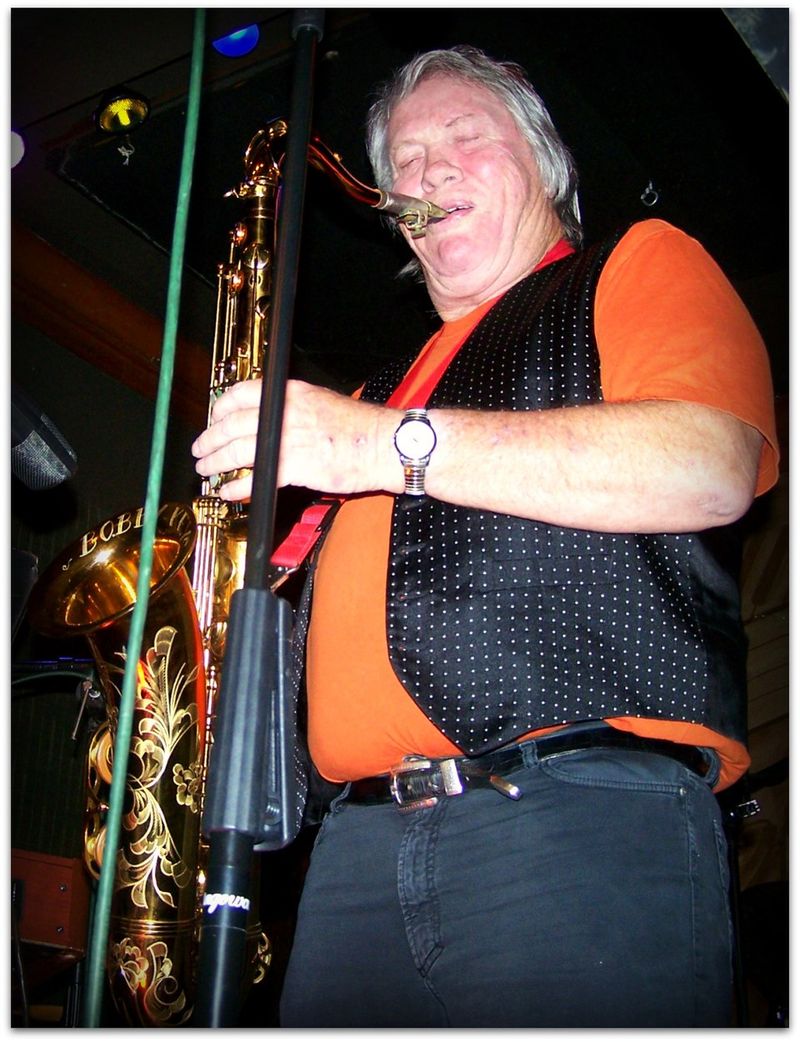
Touring with The Rolling Stones wasn’t for the faint of heart, but Keys thrived in that wild environment.
His saxophone solo on “Brown Sugar” became as iconic as any guitar riff the band ever recorded. Keys understood that rock and roll needed grit and swagger, and he delivered both with every breath he took into his instrument.
Listening to “Can’t You Hear Me Knocking” without his contribution would be like eating a sandwich with the best ingredient removed – technically possible but deeply disappointing.
4. Boots Randolph
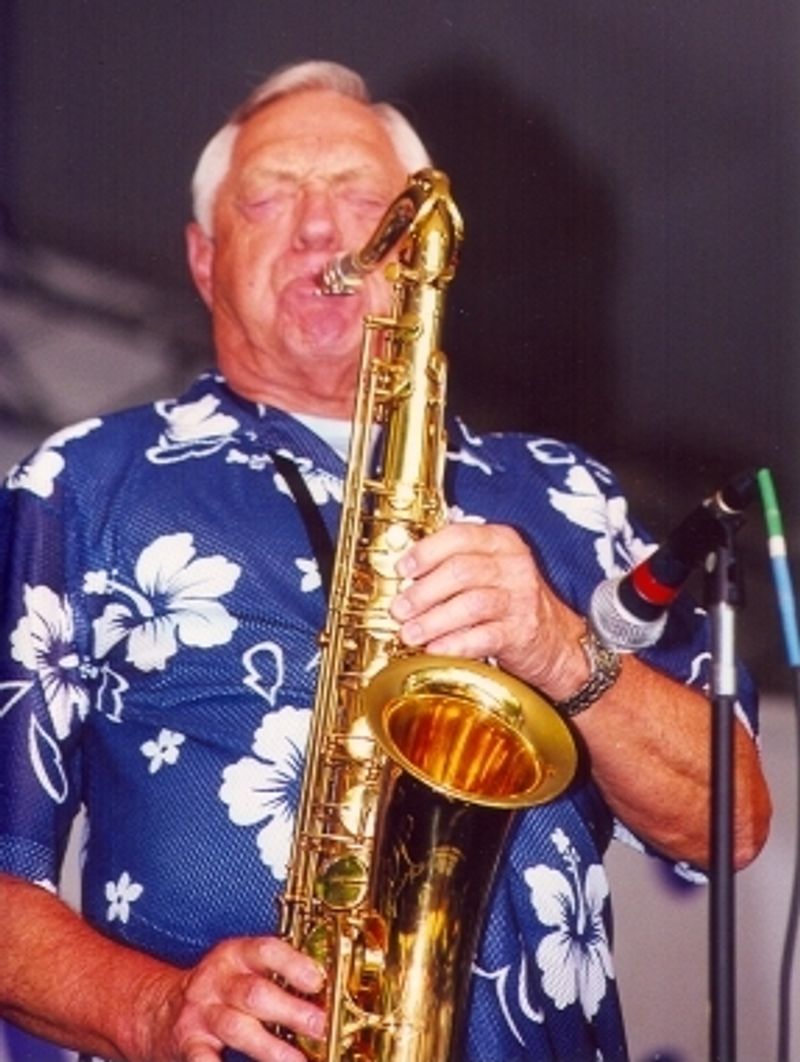
Hearing “Yakety Sax” might spark memories of wild comedy chases, yet Boots Randolph’s impact reached far beyond slapstick soundtracks.
Through a bright, playful approach, he proved the saxophone could inject pure joy into rock while still showcasing serious technical skill.
Inside Nashville studios during the 1960s and 1970s, his sessions added sparkle to countless recordings that might otherwise have felt too restrained. At heart, his legacy shows how a musician can elevate everything simply by keeping the spirit of fun alive in every note.
5. David Sanborn
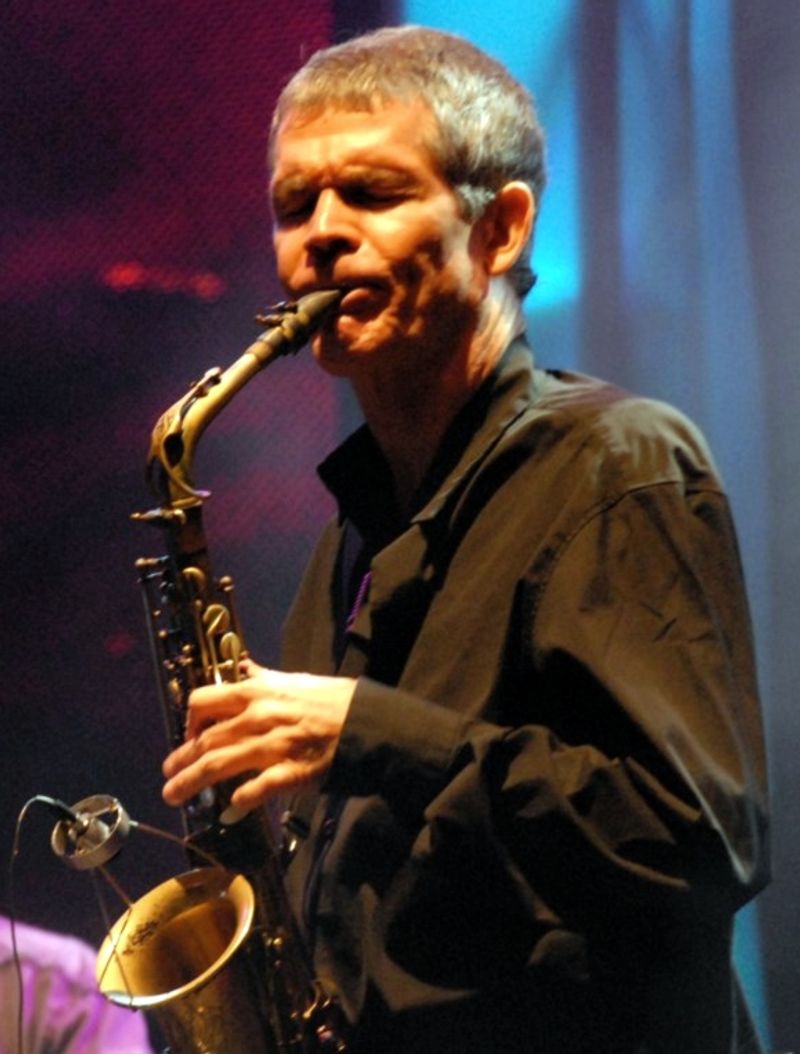
Smooth doesn’t always mean predictable, and Sanborn proved that throughout his career.
His alto saxophone work on David Bowie’s “Young Americans” helped define the sound of 1970s rock-soul fusion. Sanborn also played with Paul Simon, Stevie Wonder, and dozens of other legends, adapting his style to fit whatever the song needed most.
Perhaps his greatest gift was making complex musical ideas sound effortless and accessible.
When you hear a saxophone line that feels both sophisticated and instantly catchy, there’s a good chance Sanborn influenced it somehow.
6. Steve Mackay
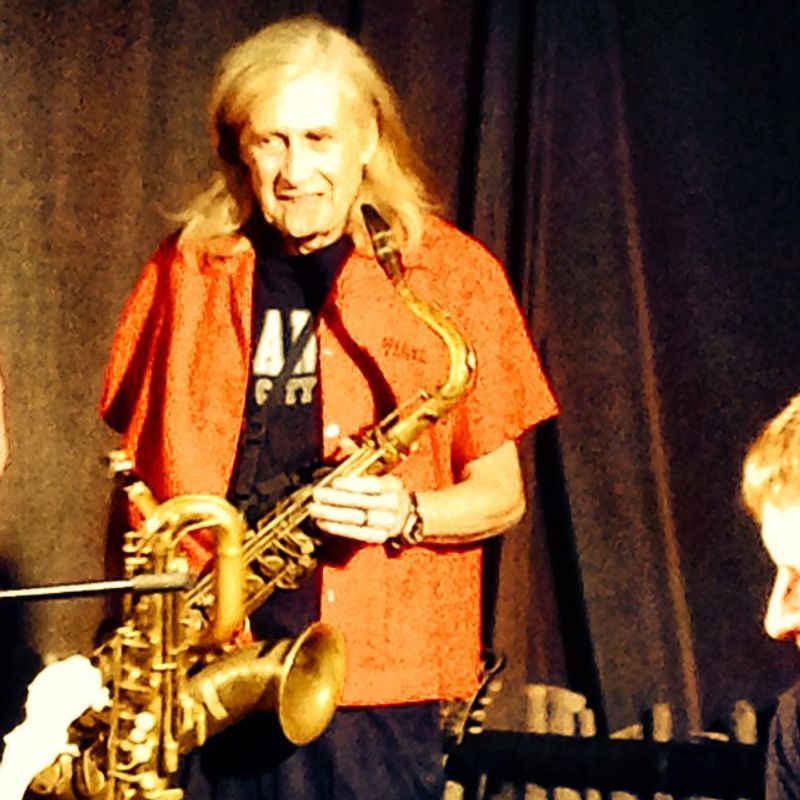
Sheer intensity fuels The Stooges’ sound, and Steve Mackay’s saxophone injected a streak of beautifully reckless chaos into the mix. On “Fun House,” his playing carved out textures that felt volatile and unpredictable, mirroring Iggy Pop’s explosive stage energy.
Rather than chasing polish, his approach embraced risk, proving rock sometimes thrives on rough edges and fearless experimentation.
Hearing those solos can feel like watching a tightrope walker step out without a safety net.
That edge of uncertainty helped define proto punk’s thrilling spirit and left a mark on generations of musicians who followed.
7. Nik Turner
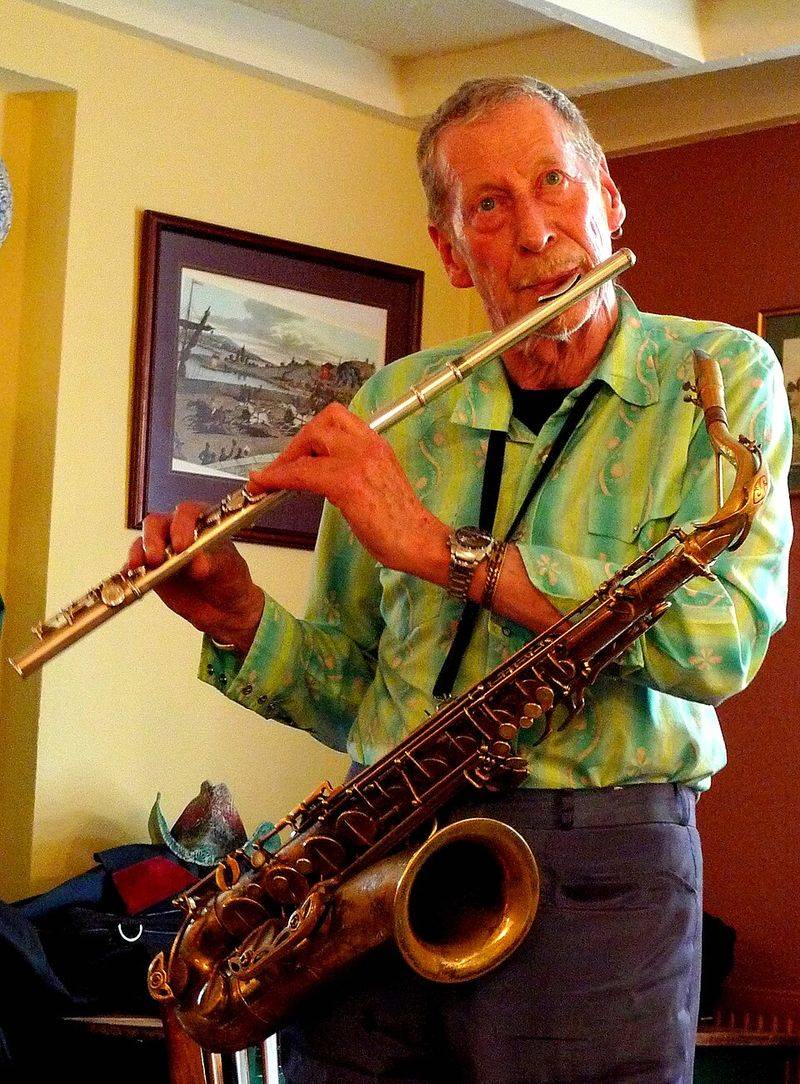
Cosmic rock demanded a true sonic explorer, and Nik Turner stepped into that role with Hawkwind.
With swirling sax lines and electronic textures, he helped build soundscapes that matched the band’s interstellar themes and psychedelic vision. Rather than simply playing melodies, his approach shaped immersive atmospheres that felt like journeys into distant galaxies.
During the early 1970s, pairing saxophone with electronic effects was rare, yet experimentation came naturally to him.
By pushing the instrument into strange new territory, he opened creative paths for adventurous musicians who followed.
8. Raphael Ravenscroft
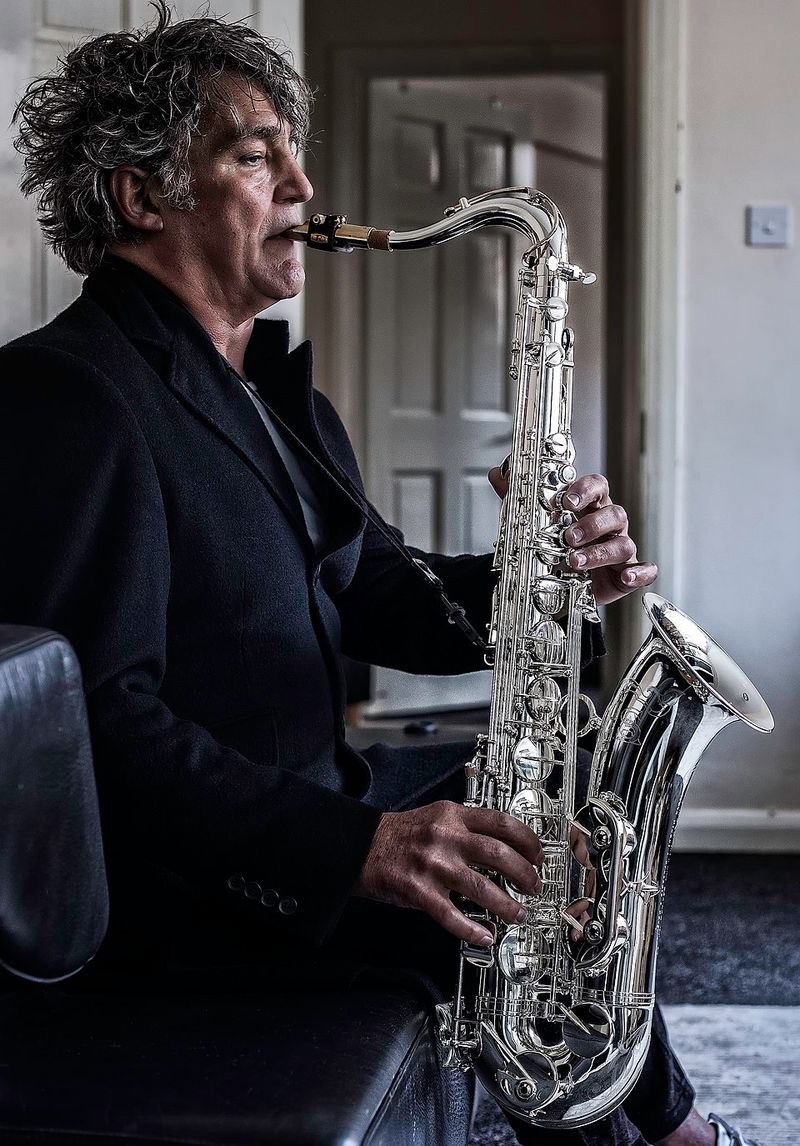
One saxophone solo can define an entire career, and Ravenscroft’s work on Gerry Rafferty’s “Baker Street” did exactly that.
That iconic opening riff became one of the most recognizable sounds in 1970s rock, instantly transporting listeners to a specific mood and moment. Ravenscroft’s tone combined smoothness with just enough edge to keep things interesting throughout the song’s extended instrumental sections.
While he played on many other recordings, “Baker Street” remains a masterclass in how a single, perfectly crafted performance can achieve immortality.
9. Maceo Parker
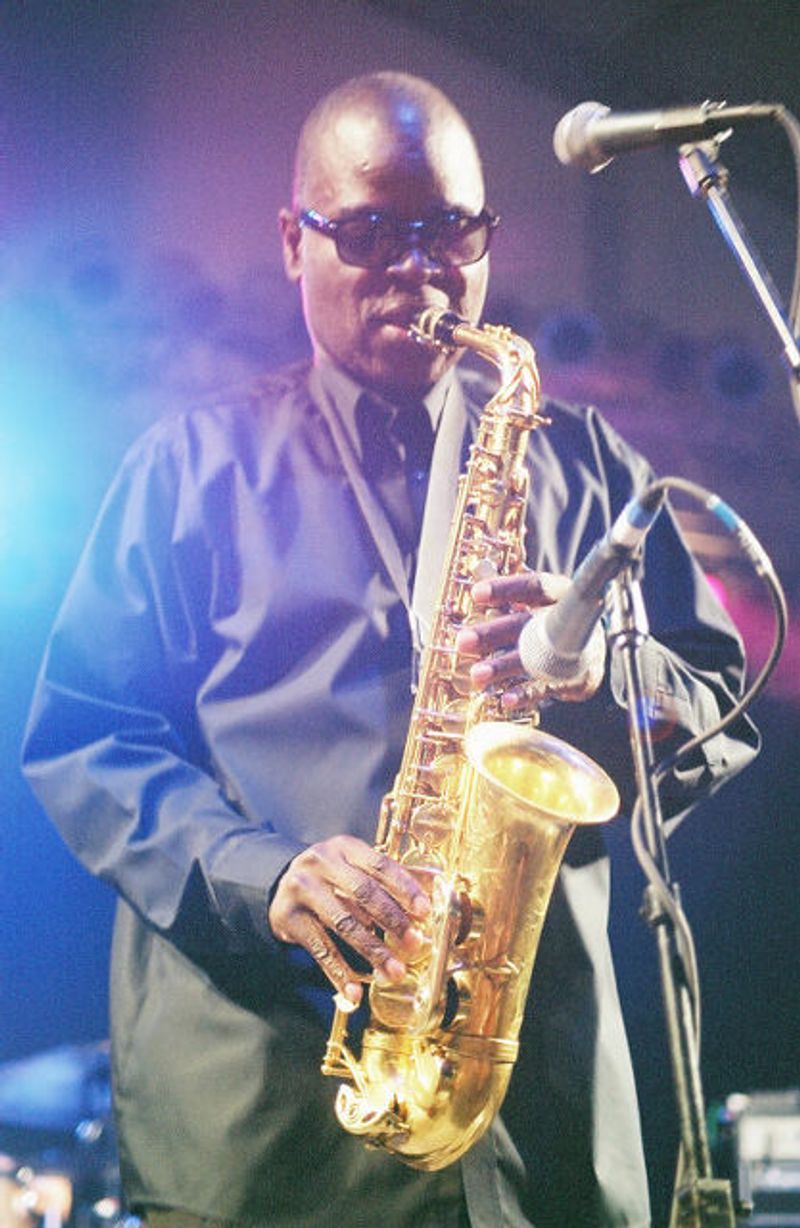
Funk and rock intersect in fascinating ways, and Parker spent decades exploring that musical crossroads with unmatched skill.
As a key member of James Brown’s band, Parker developed a rhythmic, punchy style that influenced countless rock musicians. His saxophone lines weren’t just melodic – they were percussive instruments that drove songs forward with infectious energy.
Later collaborations with artists across genres proved Parker’s versatility and timeless appeal.
When you hear a saxophone line that makes you want to move, there’s probably some Parker DNA in there somewhere.
10. Candy Dulfer
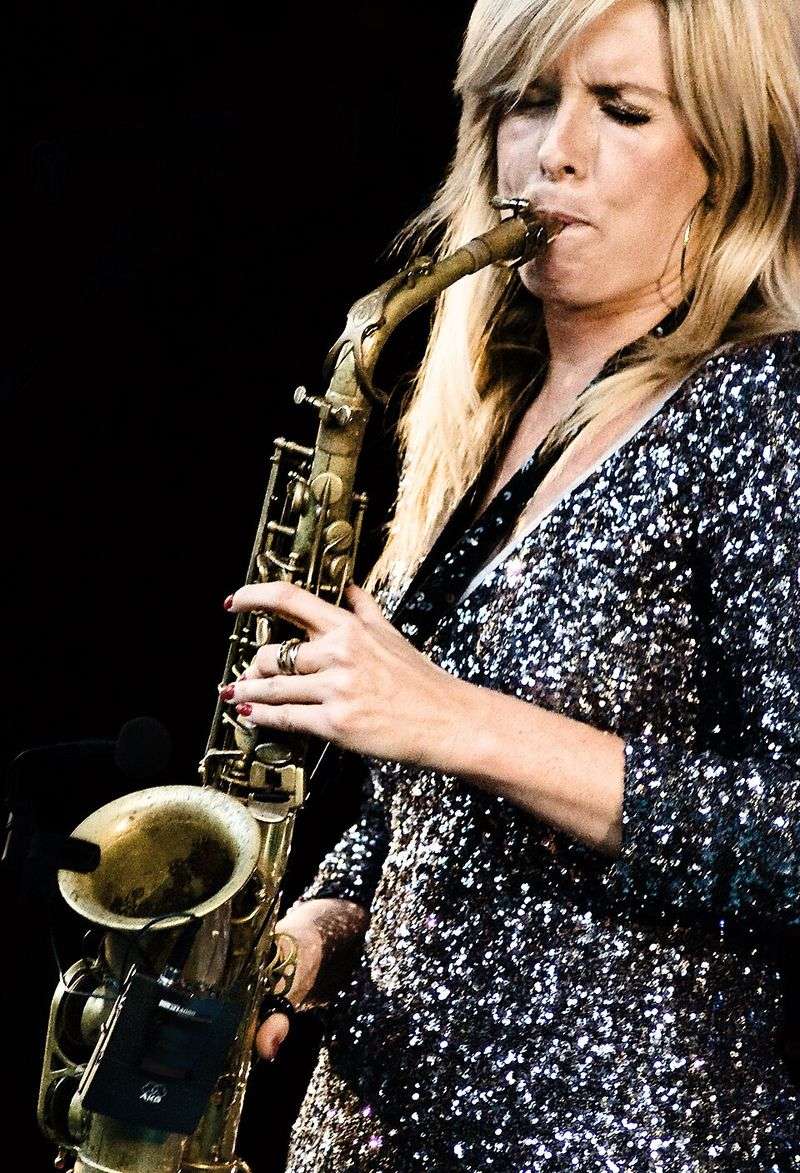
Breaking into rock as a young Dutch saxophonist took courage, but Dulfer’s talent spoke louder than any doubts. Her collaboration with Prince on “Partyman” introduced her to worldwide audiences who immediately recognized her dynamic playing style.
Dulfer brought a fresh energy to 1980s and 1990s rock, proving that the saxophone still had plenty to say in an era dominated by synthesizers.
Watching her perform feels like witnessing someone who genuinely loves making music, and that infectious enthusiasm translates directly to listeners who can’t help but smile along.
11. Branford Marsalis
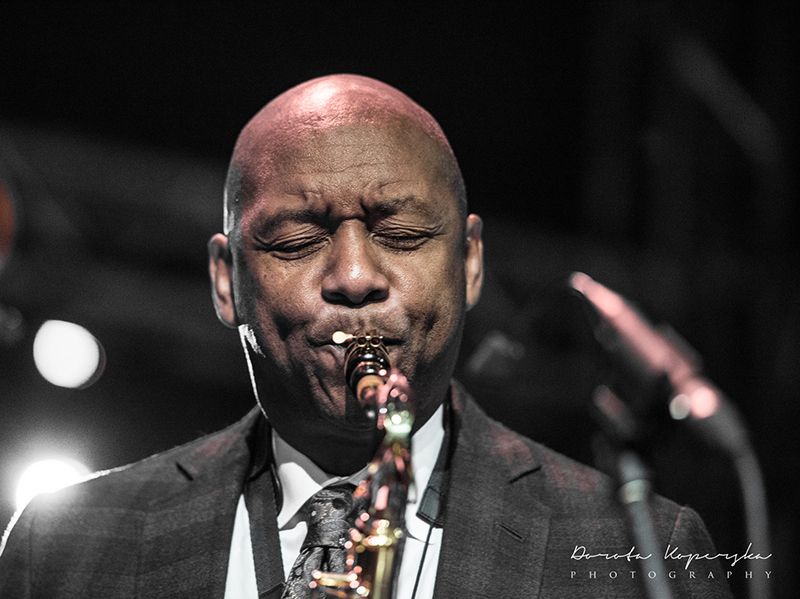
Moving from jazz to rock rarely works smoothly, yet Branford Marsalis handled the shift with remarkable ease.
Collaborations with Sting highlighted how refined saxophone phrasing could elevate rock songs without overpowering them. Later, years leading the Tonight Show band brought his sound into living rooms across the country night after night.
Even while moving between genres and commercial stages, he kept his artistic standards intact. That blend of accessibility and excellence still stands as a model many musicians study and admire today.
12. Lenny Pickett
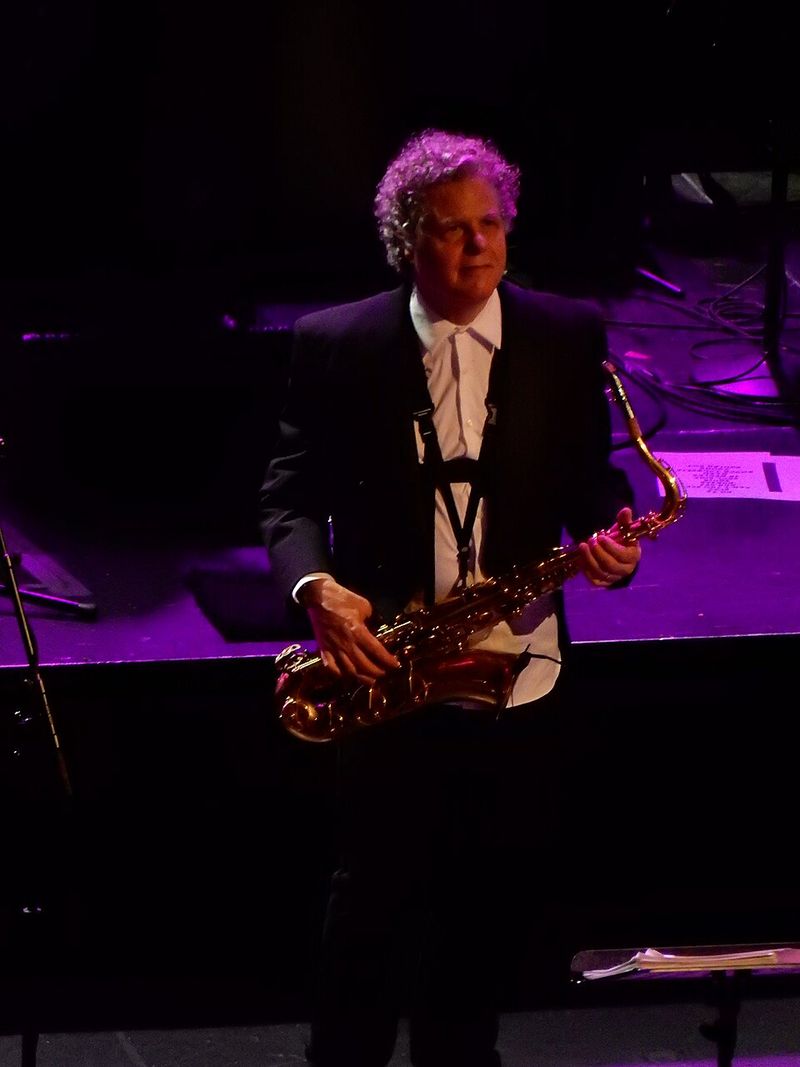
Saturday Night Live’s iconic theme song features a saxophone line that millions recognize instantly, and Pickett played it for decades.
Before that gig, Pickett worked with Tower of Power, developing a powerful, horn-driven sound that influenced rock bands everywhere. His ability to blend technical precision with raw energy made him perfect for both studio recordings and live television performances.
Sometimes the most impactful musicians are the ones whose work becomes so familiar that we forget to appreciate how difficult it actually is to play that well, that consistently.