13 Sayings That Sum Up Midwest Wisdom
Pull up a chair and grab a casserole dish, because the Midwest doesn’t just have weather, it has commentary about the weather.
Around here, “ope” is a full sentence, and “it’s not the heat, it’s the humidity” doubles as both science and small talk.
Spend enough time listening and you’ll realize these phrases aren’t just words, they’re the soundtrack of practical living, neighborly kindness, and humor sturdy enough to survive another long winter.
1. Ope, Sorry
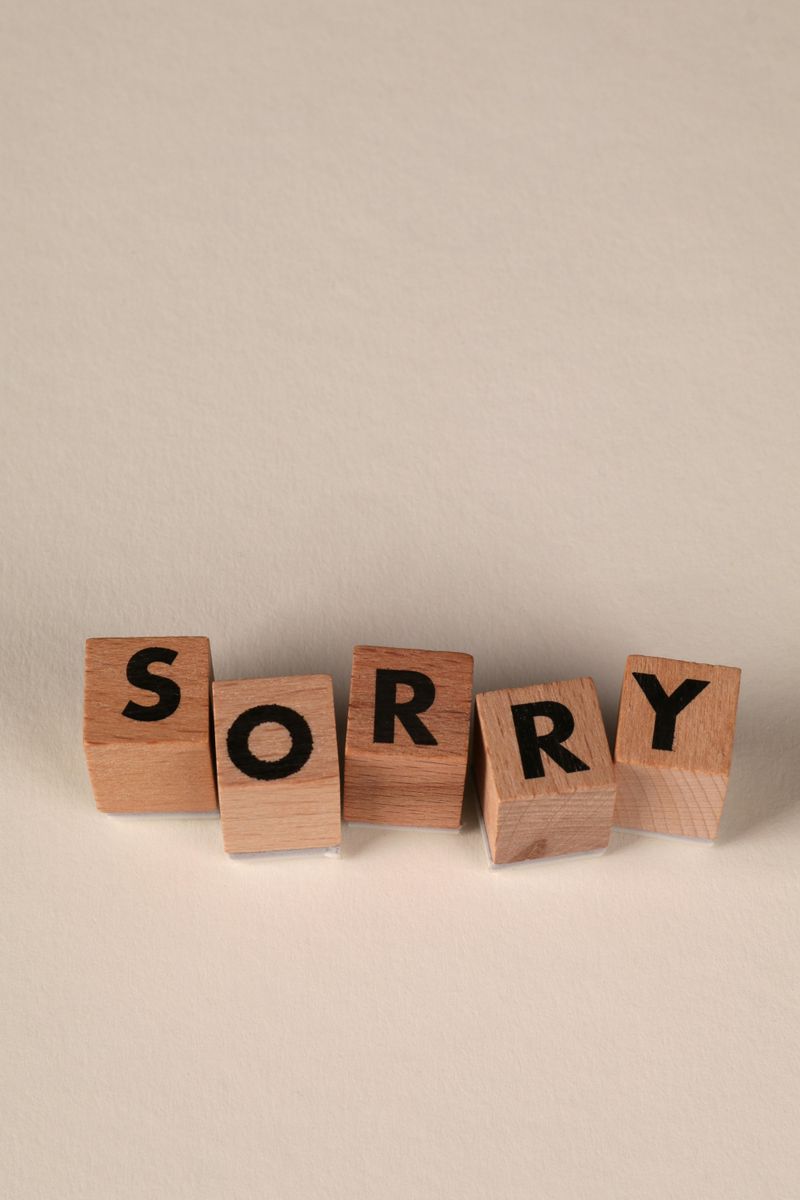
Two hands reach for the same cereal box at the exact same moment. Sorry slips out before your brain even registers what happened.
Half apology, half acknowledgment, the word arrives automatically.
Years of grocery aisles and church potlucks taught the reflex, where bumped elbows are inevitable and grace feels like the default setting.
2. Ope, Just Gonna Squeeze Past Ya

Crowded kitchens and narrow hallways practically require a certain phrase to exist. Out it comes with a sideways shuffle and a sheepish little grin as you squeeze past.
It works like verbal tiptoeing, softening the interruption before it even happens.
Even when there’s plenty of space, saying it just feels more polite than surprising someone mid task. Somehow, that tiny habit runs on pure social instinct, and it works every single time.
3. Welp…

Coffee sits cold in the mug as conversation settles into a natural pause. Knees get slapped and someone rises with a long, resigned sigh folded into a single syllable.
Across the Midwest, that sound signals the visit is winding down, carrying no offense, only recognition that time keeps moving.
Equal parts punctuation and permission, it clears the path for goodbyes without a trace of awkwardness.
4. If You Don’t like the weather, Wait Five Minutes

Morning sunshine can turn into a storm watch by lunchtime. Living here means keeping a jacket in the car all year because Mother Nature changes moods faster than any forecast can keep up.
Half joke and half survival advice, the saying sticks around for good reason.
Anyone who has worn shorts and a parka in the same afternoon understands it as a strange badge of honor earned through unpredictable weather.
5. It’s Not The Heat, It’s The Humidity

The thermometer reads eighty-five, but stepping outside feels like walking into a warm, wet towel.
Your shirt sticks to your back before you reach the mailbox.
Humidity turns summer into a full-contact sport, and this phrase is the official explanation for why you’re melting on the porch instead of enjoying a nice day. It’s science, it’s truth, and it’s a lot.
6. It’s Not The cold, It’s The Wind
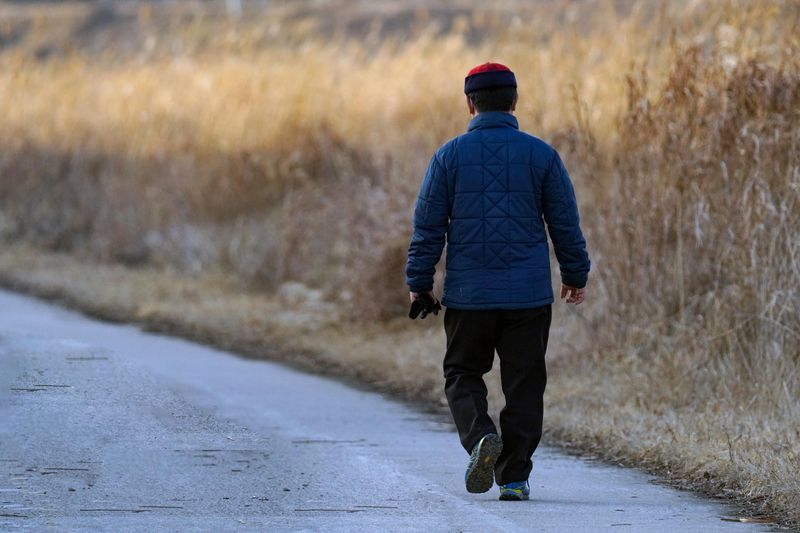
Twenty degrees without wind can feel surprisingly manageable.
Add a prairie gust cutting through three layers of fleece and the experience turns into a whole different challenge. Cold air stops feeling like weather and starts feeling like a dare just to step outside.
Winter logic mirrors summer humidity complaints, especially when your face goes numb halfway to the car.
7. Many Hands Make Light Work

Barn raisings and potluck prep showed generations that shared effort always beats going it alone.
When everyone pitches in, impossible tasks shrink and the work moves faster than anyone expected.
More than a feel good idea, community proves itself as a practical strategy that actually gets things done. That spirit shows up whenever neighbors arrive with casseroles after a hard week or lend muscle to haul furniture up a long flight of stairs.
8. Make Hay While The Sun Shines
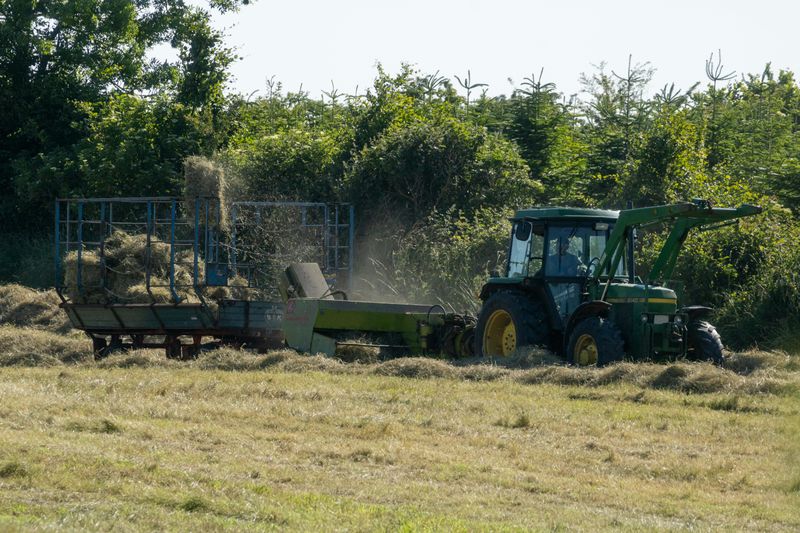
Farming schedules wait for no one.
When the weather cooperates, you work until the job is done, because tomorrow might bring rain and change the plan.
This phrase has jumped the fence from the field into everyday life, reminding you to seize the moment when conditions are right. Procrastination is a luxury the Midwest doesn’t indulge, especially when the forecast is unpredictable.
9. Waste Not, Want Not
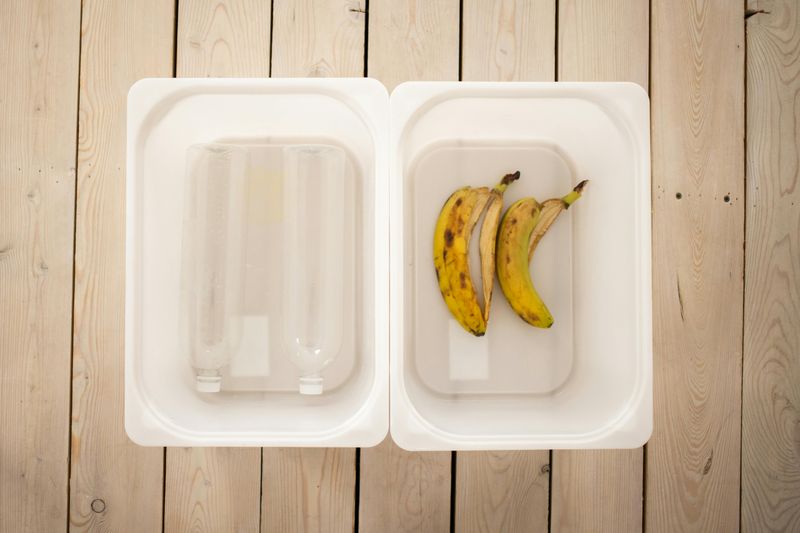
Leftovers transform into casseroles instead of getting tossed aside.
Empty jars are washed and saved for next summer’s jam. Usefulness decides what stays, since thrift reflects respect for what you have rather than stinginess.
Generations who endured lean years passed down a mindset that treats every resource as something meant to count twice.
10. Measure Twice, Cut Once
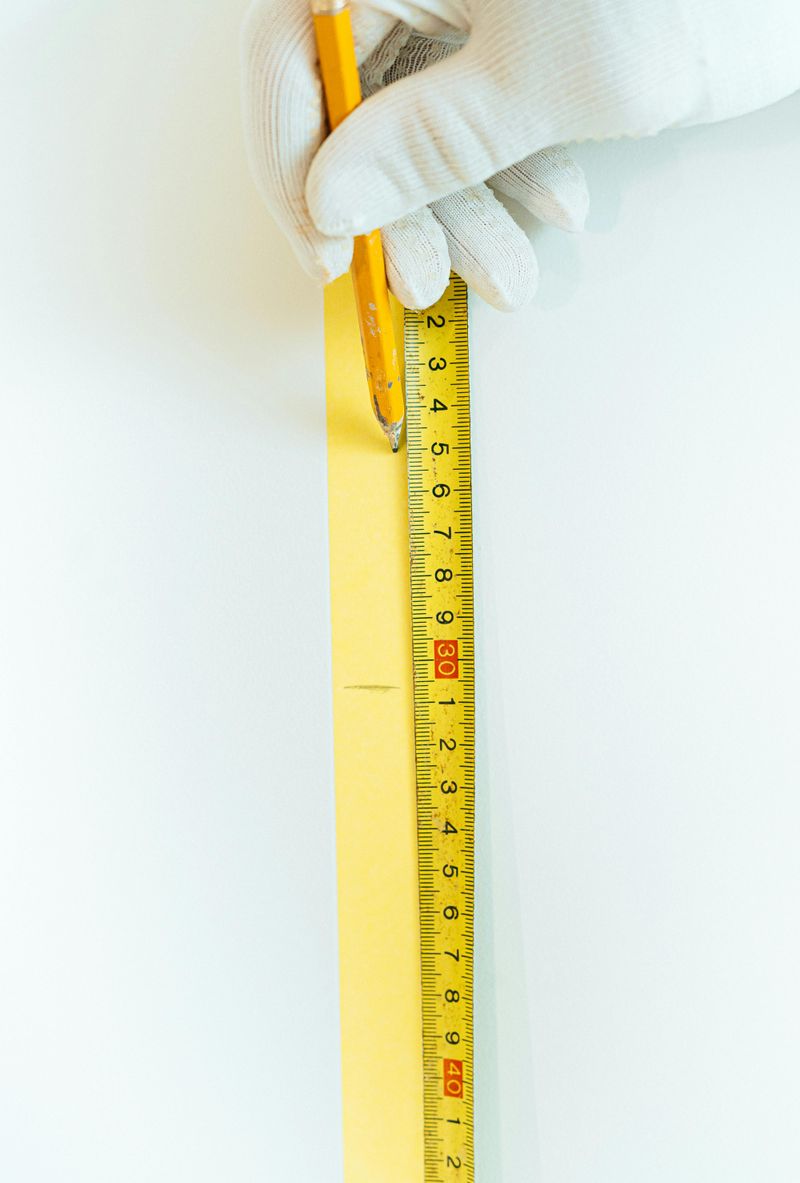
Haste almost always creates errors, and errors end up costing more time and materials in the long run.
Hidden inside the saying is a lesson in patience that sounds like simple carpentry advice.
Practical wisdom like that stretches far beyond the toolbox, applying just as easily to building a deck as planning a road trip. Give yourself an extra minute to do it right the first time, and future frustration has far less room to settle in.
11. Don’t Count Your Chickens Before They Hatch
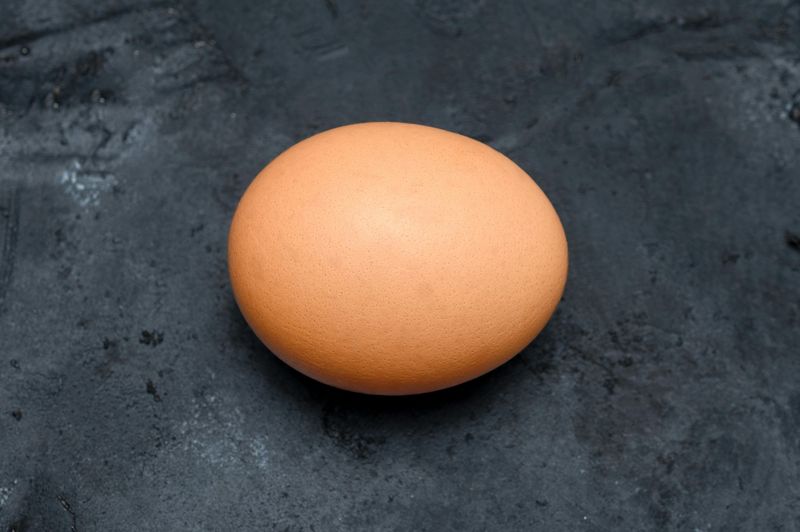
Hope has its place, but relying on it before results arrive often leads straight to disappointment.
Experience teaches patience, urging people to wait for proof before celebrating too soon.
Hard lessons usually shape that caution, learned after watching plans fall apart faster than they came together. Optimism still matters, while premature victory laps rarely end well.
12. If It Ain’t Broke, Don’t Fix It
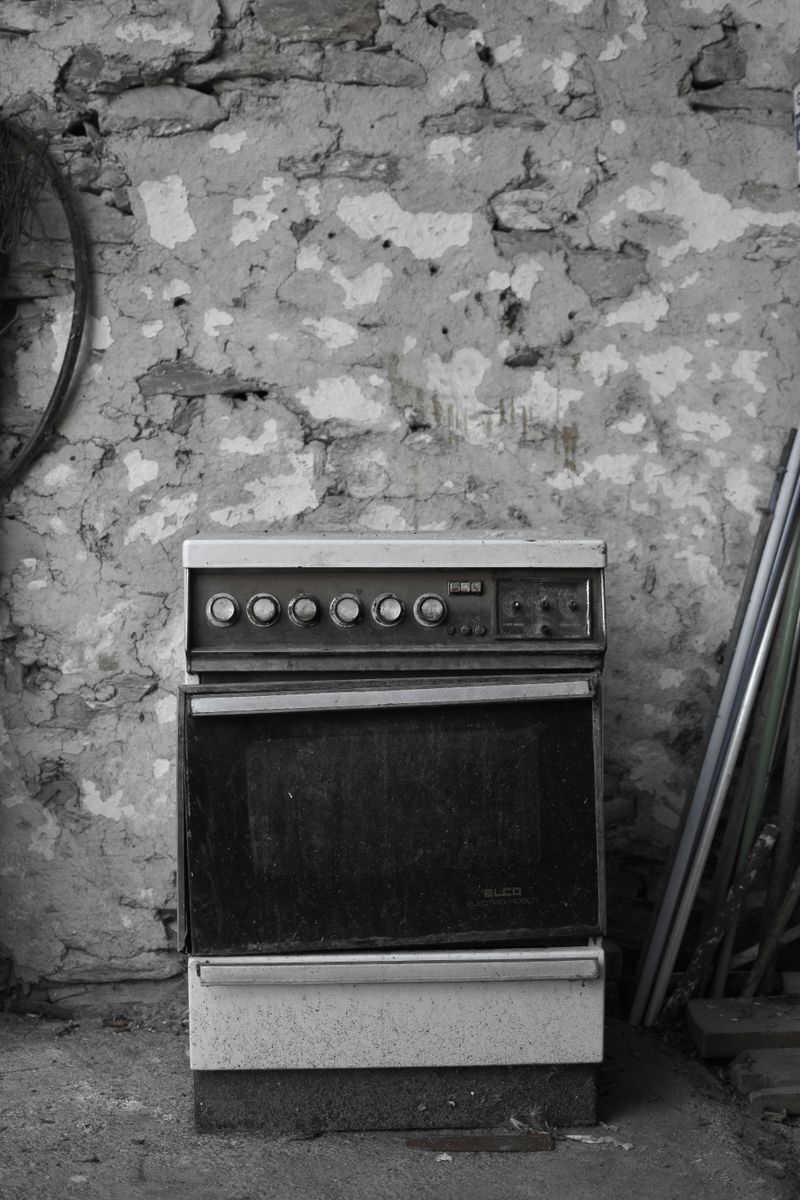
For decades, that washing machine has kept chugging along without missing a beat. Loud rattles and a cracked dial hardly matter when it still handles every load without complaint.
Replacing something simply because it is not shiny or new never feels necessary when it works perfectly well.
Practical thinking like that favors function over fashion while quietly saving money, a mindset deeply rooted in Midwest common sense.
13. The Early Bird Catches The worm

The alarm buzzes before dawn, and you’re already halfway through your to-do list by the time most people pour their first cup of coffee.
Getting a head start means less stress later and more time to handle whatever surprises the day throws at you. It’s a habit born from farm schedules and reinforced by a culture that respects productivity and preparation in equal measure.
Plenty of households have a go-to Midwest phrase that shows up daily. Those small lines of wisdom tend to travel fast once a neighbor repeats them.
Note: This article highlights commonly repeated regional expressions and light cultural observations. Interpretations of origin, usage, and regional reach can vary by community and household, and examples here are presented in a conversational, entertainment-focused style.