Scenes In Spirit That Hit Differently As An Adult
Time has a funny way of changing how a movie hits.
Spirit: Stallion of the Cimarron once felt like a big, sweeping adventure, full of daring escapes and emotional moments that landed fast and loud.
Watch it again later, and suddenly those same scenes carry a little more weight, like the story quietly grew up while nobody was looking.
1. Spirit’s Opening Run Across The Prairie
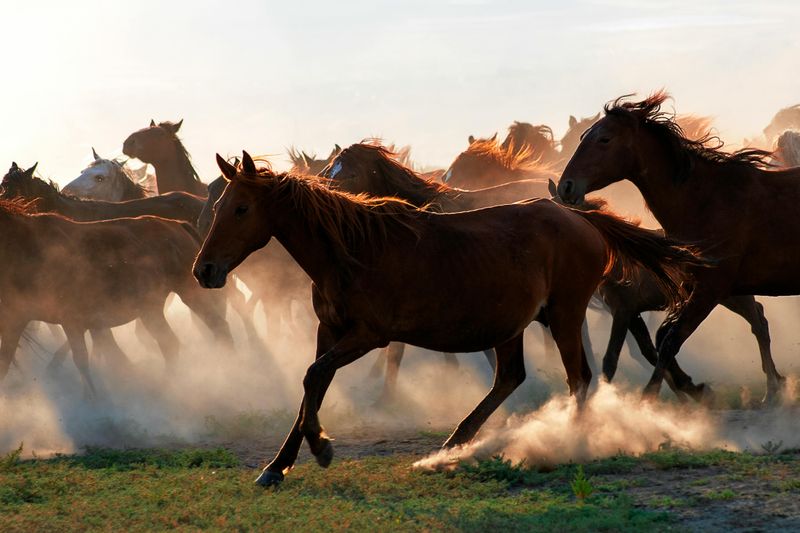
Opening run plays like a love letter to freedom before any real conflict shows up.
Childhood viewing leans into the gorgeous animation paired with a Bryan Adams song hitting its stride. Later perspective reframes that early freedom as the baseline the story is about to take away.
Joy unfolds on screen before it realizes how temporary it is. Feeling hits harder with time, settling in a way only grown-up eyes fully register.
2. When Spirit Grows Into The Herd’s Leader

From the outside, leadership can look effortless, yet those herd scenes quietly reveal the weight behind it.
Across the valley, every alert glance Spirit casts becomes a small act of responsibility nobody asked him to take on.
Later in life, that stretch lands differently, framing leadership as vigilance, responsibility, and risk rather than simple confidence. Sound familiar? It should.
Most adults recognize that same exhausted, watchful posture in their own bathroom mirror.
3. Spirit Drawn Toward The Soldiers’ Camp
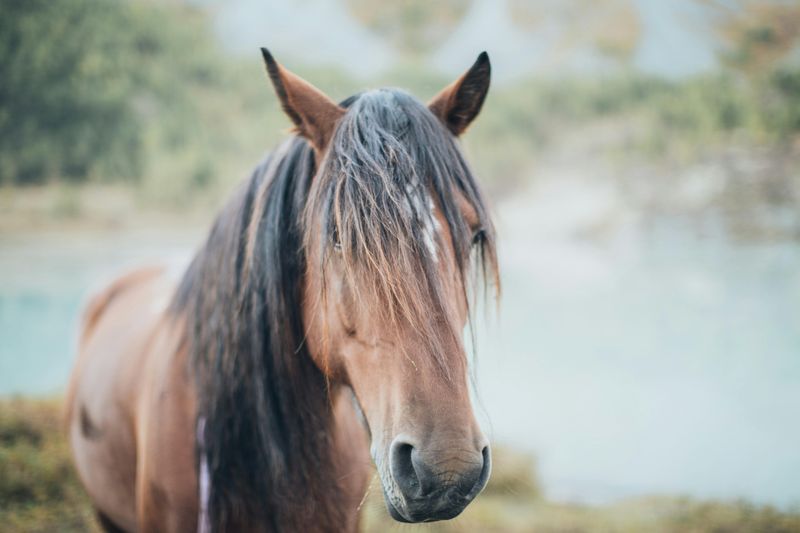
One sniff of something unfamiliar and the whole trajectory of a life shifts. That is genuinely haunting once you have made a few curious choices of your own that spiraled into something unmanageable.
Seen as an adult, that choice feels painfully familiar: one small step toward the unknown turns into a life-changing loss of control.
Curiosity does not read as harmless here. It becomes the start of a total loss of freedom.
4. The Colonel Tries To Break Spirit
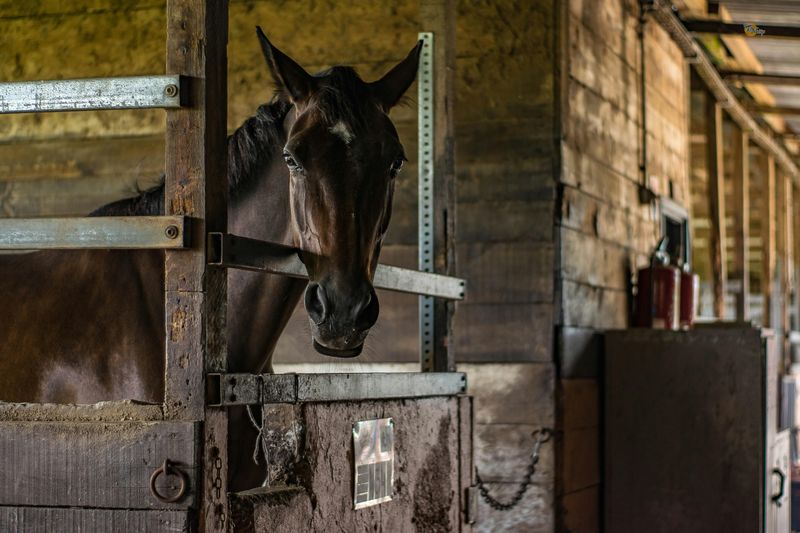
Kid eyes turned the Colonel into a straightforward villain, while a later watch makes the whole sequence feel like a blueprint for institutional control.
Intensity that once felt simple lands much harder now, because the scene is really about domination, punishment, and control.
Using days without food or water as a breaking tool goes far beyond ordinary cartoon-villain behavior. Documented tactics sit beneath that cruelty, and the movie never looks away from them.
5. Little Creek Treats Spirit With Dignity
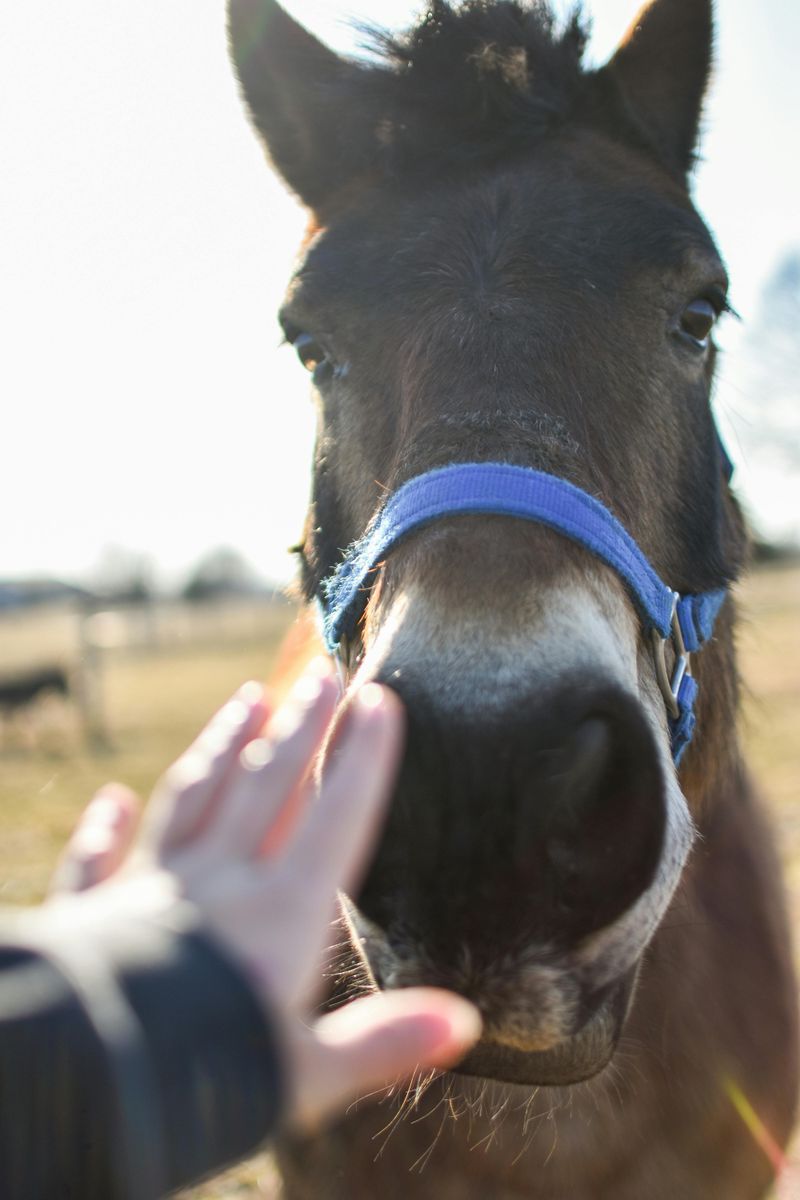
At a pivotal moment, Little Creek refuses to force a bridle on Spirit and never demands submission, reshaping the entire human-animal dynamic the film has been building toward. With age, deeper meaning comes into focus, since the relationship rests on mutual recognition rather than ownership.
Many people recognize the quiet relief of meeting someone who does not need control to feel secure.
Real respect like this remains rarer than it should be.
6. The Scenes With Rain That Reveal Spirit’s Softer Side
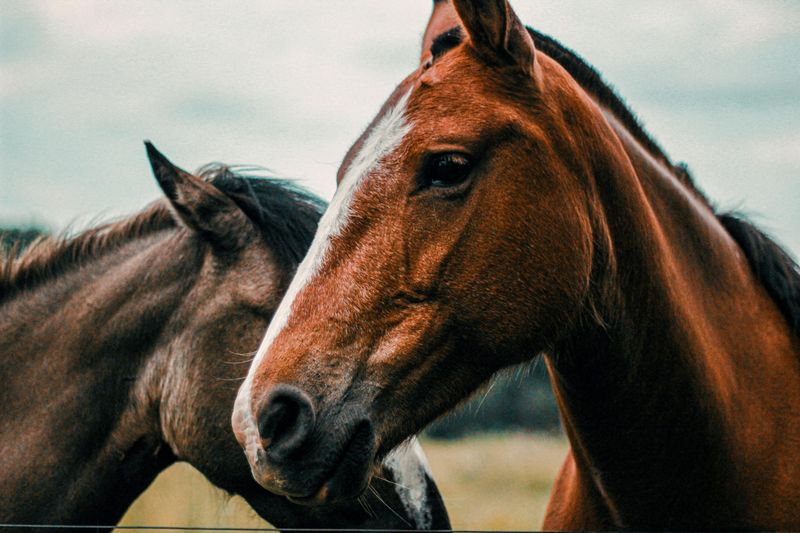
Rain does not fix Spirit or complete him. She just makes him quieter, and that is somehow more moving than any dramatic rescue.
Those moments between them feel less like a subplot and more like the film whispering that letting your guard down is not weakness. In adulthood, those beats feel less like a simple romance thread and more like the movie showing that vulnerability is part of strength.
Growing up means finally believing that.
7. The Waterfall Plunge
Plunge plays as pure chaos wrapped in gorgeous animation, and younger viewers read it as a thrilling stunt. Older viewers feel something closer to dread.
Sequence hits harder later because it plays like panic, sacrifice, and survival rather than simple adventure spectacle.
Mid-fall moment carries real uncertainty around survival, and the film earns every bit of that tension. Adrenaline and fear end up looking almost identical from the outside.
8. The Captured-Horses Transport Scene
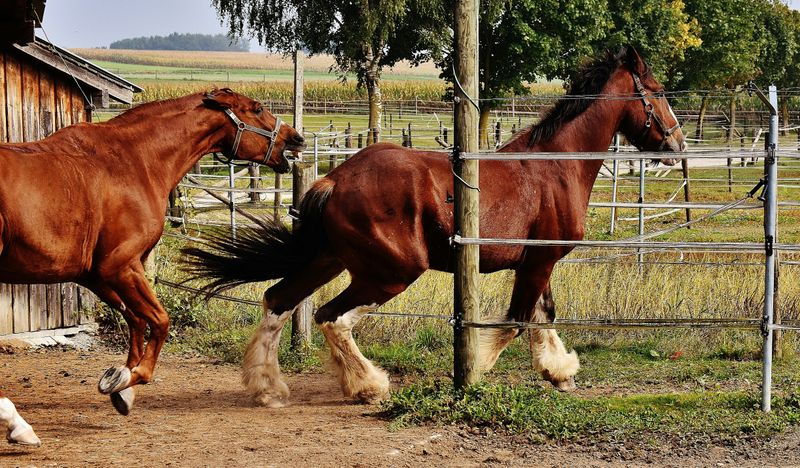
Surrounded by other captured horses, Spirit’s story widens into something much larger and harder to sit with.
As an adult, watching him confined among them carries a heavier weight, turning the film into a reflection on shared displacement rather than a single hero’s suffering. No names, no backstories, and no promise of rescue define the other horses.
Pure anonymity becomes the point, landing with the weight of a stone.
9. Spirit Realizes The Railroad Threat
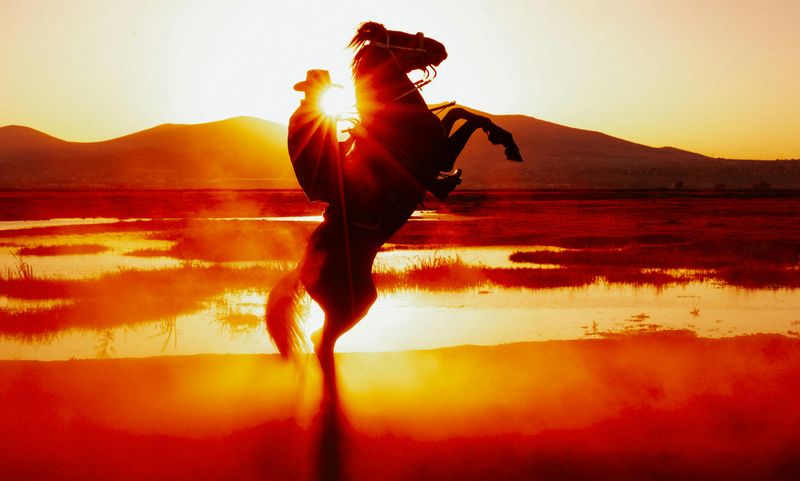
The railroad does not just threaten Spirit personally. It threatens everything the prairie represents.
That moment reads very differently once you are older because it shifts the movie into a story about expansion, erasure, and the cost of progress. The word progress starts to feel loaded when you understand who typically pays the price for it.
Spirit is not just a horse in this scene. He is a stand-in for every community that watched its world get paved over.
10. The Railroad Labor Sequence
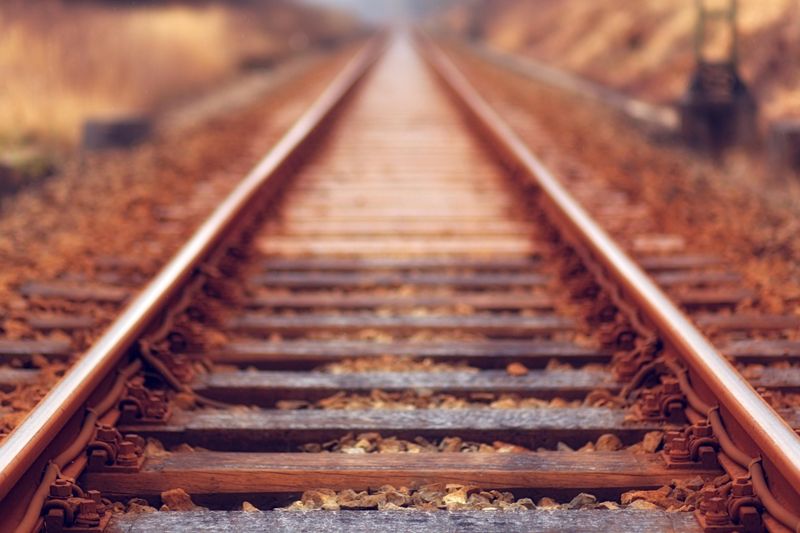
Big action sequence energy for a child shifts into something far grimmer for anyone who has ever felt trapped in a system demanding everything while offering nothing in return.
Adult perspective strips away the spectacle and reveals coerced labor wrapped in family-film momentum.
Pacing stays exciting on the surface, yet the underlying image remains bleak.
When Spirit pulls the train cart, the movie is at its most subduedly angry.
Note: This article is based on publicly available plot details and interpretive reading of scenes from Spirit: Stallion of the Cimarron.
The observations about how these moments feel differently in adulthood are editorial in nature and reflect thematic interpretation rather than official commentary from the filmmakers.