35 Scenic Small Towns And Cities In Florida
Palm-lined roads, salt air, and stretches of shoreline untouched by crowds define a quieter side of the Sunshine State that many travelers never see.
Beyond the noise of traffic and packed attractions, small coastal towns unfold with clear springs, weathered history, and sunsets that linger in soft pastels long after the day cools.
Old-world charm, barefoot island rhythms, and scenery that invites slower mornings all come together along Florida’s coast, offering scenic escapes that reward anyone willing to wander off the main route.
Disclaimer: This article is provided for general informational and travel inspiration purposes.
Readers are encouraged to confirm current conditions, hours, fees, and local guidelines with official sources before visiting, and to follow posted rules designed to protect wildlife, natural areas, and local communities.
1. Apalachicola
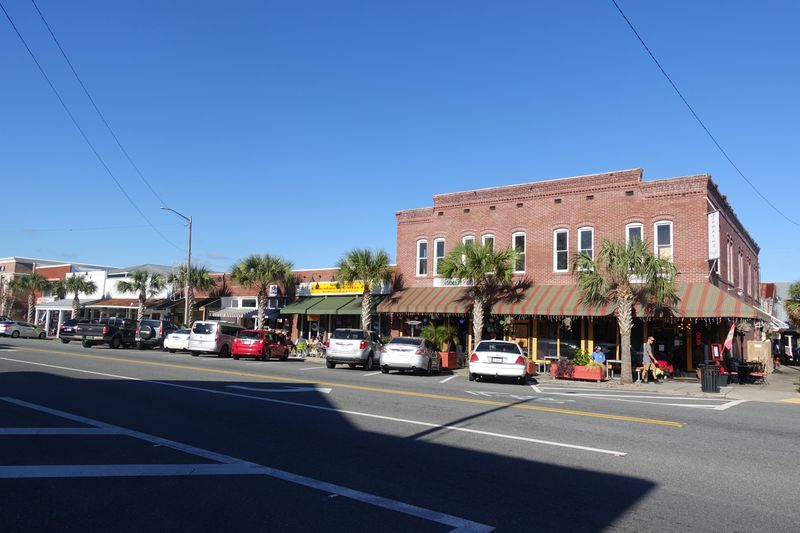
Oyster lovers know this Gulf Coast gem as the seafood capital of the Forgotten Coast.
Historic brick storefronts line Water Street, where galleries and antique shops invite leisurely browsing on lazy afternoons.
The Apalachicola River meets the bay here, creating a network of marshes and estuaries teeming with wildlife. Shrimpers and fishermen still dock at dawn, unloading the day’s catch while pelicans circle overhead.
If you’ve ever dreamed of tasting oysters straight from the source, this is your spot.
Along the Franklin County coastline, Apalachicola sits precisely at the mouth of the Apalachicola River on US-98.
2. Port St. Joe
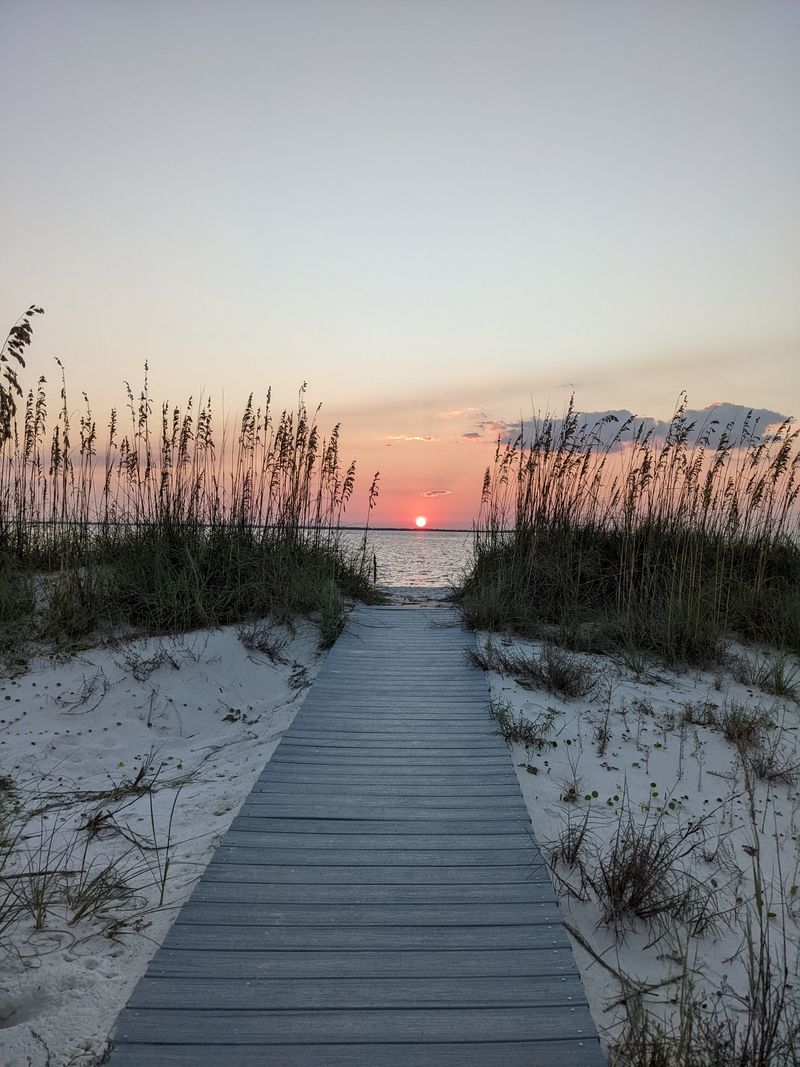
Sparkling turquoise waves lap against sugar-white sand on Cape San Blas, marking one of Florida’s most underrated stretches of shoreline. Port St. Joe maintains a low-key atmosphere, as no high-rises block the horizon and plenty of mom-and-pop cafes serve grouper sandwiches.
Visitors can explore the Cape San Blas Lighthouse, which was moved to George Core Park in 2014, creating a colorful photo stop steeped in coastal history.
Families spread blankets under beach umbrellas while kids hunt for sand dollars; meanwhile, everyone agrees sunsets here rival anything in the Caribbean.
If you drive 30 miles west, you’ll find Port St. Joe nestled on the deep-water harbor of St. Joseph Bay.
3. Mexico Beach
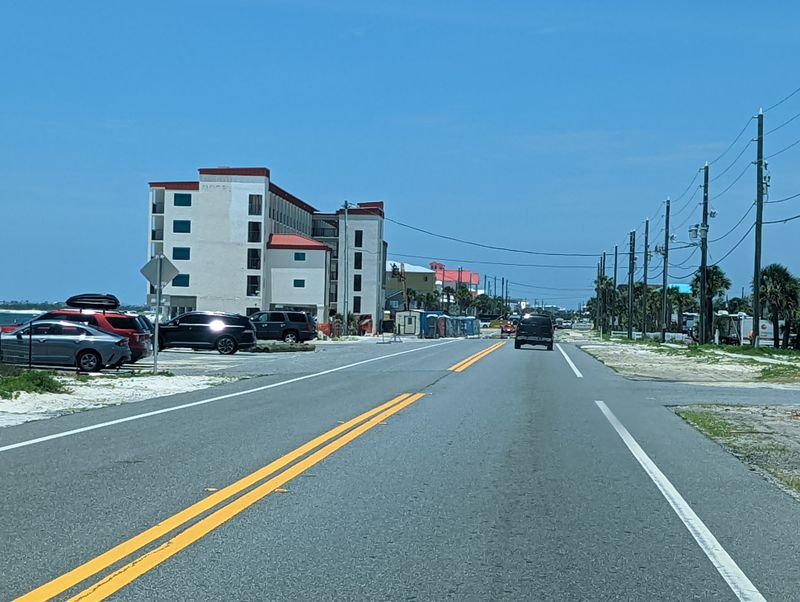
Calm, emerald waters make this tiny town feel like a secret only locals share.
Mexico Beach has worked steadily to rebuild after Hurricane Michael.
The public pier was destroyed in 2018, and the city is working with FEMA on a rebuild plan currently targeting 2027.
The vibe is barefoot and unhurried, with ice cream shops, tackle stores, and a single main road hugging the coast.
You won’t find chain restaurants or crowded boardwalks here, just pure, unfiltered beach town charm. It’s the kind of place where you lose track of time counting waves.
The tiny city of Mexico Beach is located on the southernmost tip of Bay County, right along the Gulf of Mexico.
4. Carrabelle
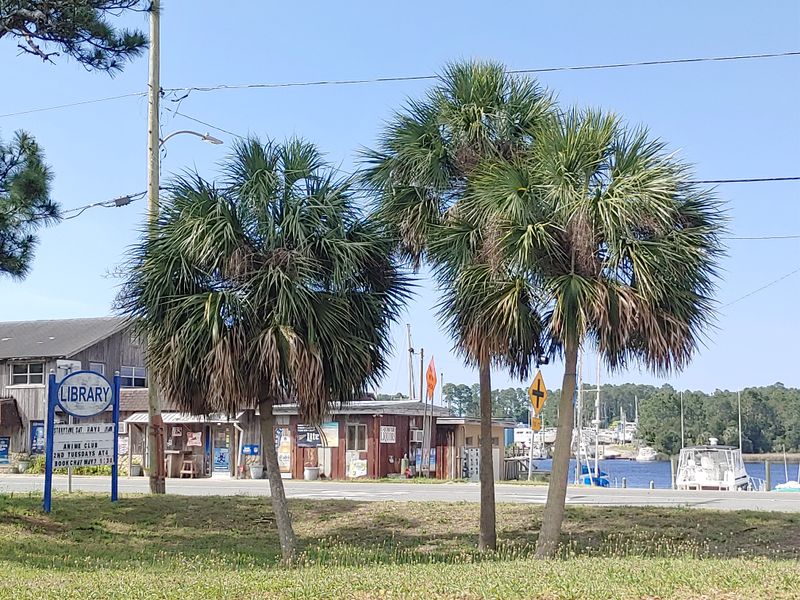
Known for its ‘Smallest Police Station in the World’ phone-booth landmark, which has become a favorite roadside stop.
Carrabelle sits where the Carrabelle River flows into the Gulf, creating a haven for anglers chasing redfish and trout.
Shrimp boats bob in the harbor, and the scent of salt and pine drifts through the air on breezy afternoons.
Downtown feels like stepping back to the 1950s, with vintage storefronts and friendly locals who wave from their porches. It’s a snapshot of Old Florida, unhurried and genuine.
In eastern Franklin County, Carrabelle marks the spot where the river enters St. George Sound.
5. St. George Island
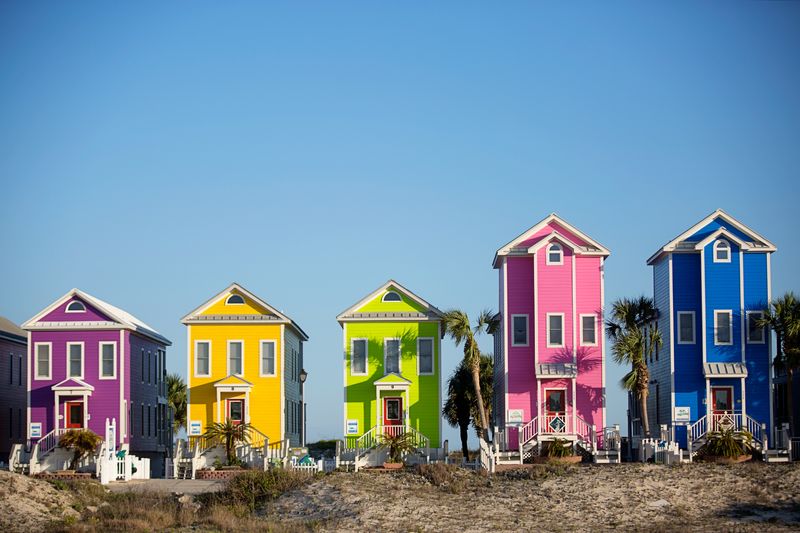
Along a secluded barrier island stretch miles of undeveloped beach, where sea oats sway and ghost crabs scuttle at dusk.
Protecting much of the eastern end, St. George Island State Park offers boardwalks over dunes and some of the best shelling in the Panhandle. Wide coastal views reward visitors who climb the Cape St. George Light, a structure reconstructed and opened to the public in 2008.
Sand, sun, and the rhythmic crash of waves replace boardwalks, arcades, and neon lights.
Accessed via the Bryant Patton Memorial Bridge, the barrier island of St. George Island protects the coast of Eastpoint.
6. St. Marks
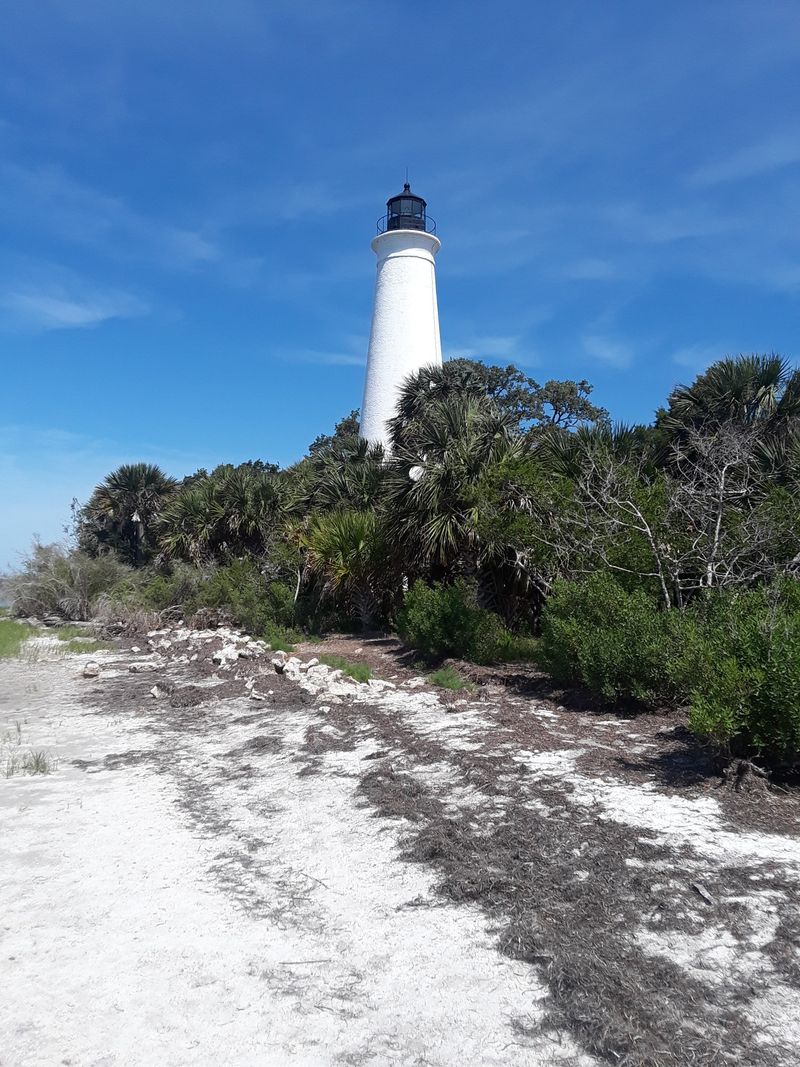
Historic illumination began in 1831 when the lighthouse was first lit where the St. Marks River meets the Gulf.
Salt marshes fill the surrounding St. Marks National Wildlife Refuge, offering trails where herons stalk and alligators sun themselves on muddy banks.
Flat, shaded paths wind through canopy roads and coastal hammocks along the Tallahassee-St. Marks Historic Railroad State Trail, a favorite for bikers and hikers.
Migration season transforms the area into a birdwatcher’s paradise. Binoculars and a sense of wonder are essential tools to pack for this journey.
Southern Wakulla County hides the quiet village of St. Marks, situated exactly where the Wakulla and St. Marks rivers merge.
7. Fernandina Beach
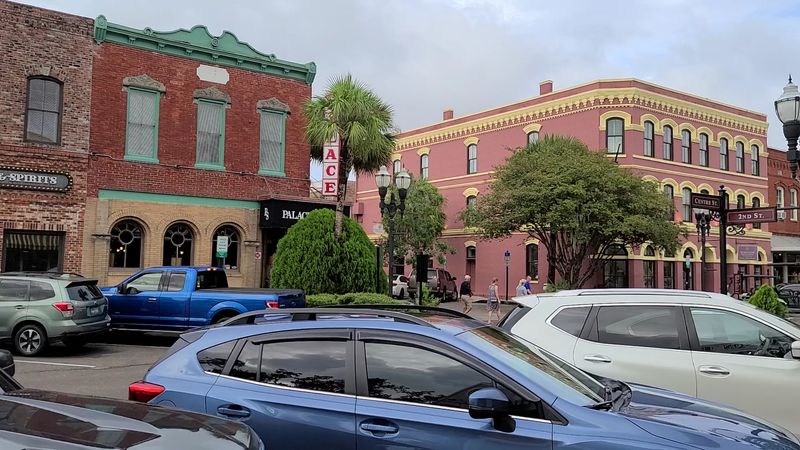
Victorian mansions and brick-lined streets give this Amelia Island town a storybook elegance.
Fernandina Beach’s downtown brims with boutiques, seafood restaurants, and the sort of porch-swing hospitality that makes you want to stay forever.
The shrimp fleet still operates from the working docks, and the annual Isle of Eight Flags Shrimp Festival celebrates that heritage with parades and plenty of fried seafood.
Fort Clinch State Park anchors the northern tip, where Civil War reenactors bring history to life. It’s coastal charm with a cultured twist.
On the northeastern edge of the state, Fernandina Beach occupies the northern tip of Amelia Island near the Georgia border.
8. St. Augustine
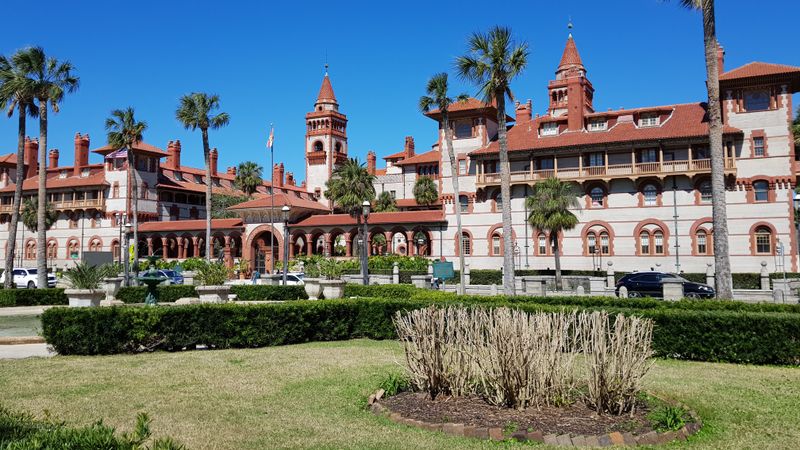
Deep within the annals of history, 1565 marks the founding of St. Augustine, widely recognized as the oldest continuously occupied European settlement in the contiguous United States.
Guarding Matanzas Bay, the Castillo de San Marcos features coquina walls weathered by time and cannon fire.
Spanish colonial buildings watch as horse-drawn carriages clip-clop past, while ghost tour guides spin tales of pirates and phantom lovers after dark.
Architecture fans find themselves dazzled by the red-tiled roofs and grand courtyards of Flagler College. Postcard views greet every visitor at the Bridge of Lions, no matter the hour. Discovery awaits history buffs who could wander here for weeks and still find something new.
Located in St. Johns County, the historic district of St. Augustine lies nestled between the San Sebastian River and Matanzas Bay.
9. St. Augustine Beach
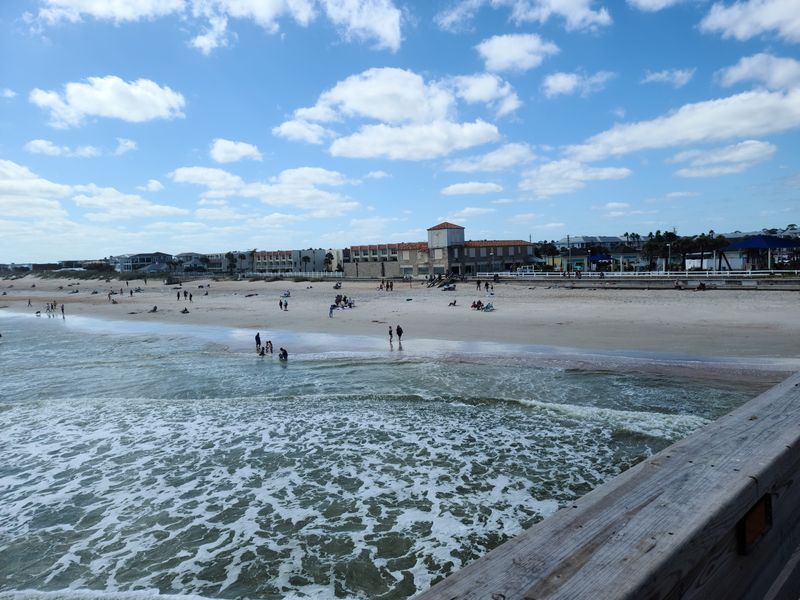
Across the bridge from historic downtown, a laid-back beach town trades cobblestones for flip-flops.
Anglers and sunrise watchers frequent the St. Augustine Beach Pier as it juts into the Atlantic, often arriving with coffee and cameras.
Music drifting from open-air patios and volleyball nets on the sand define the vibe, while surf shops and taco joints line A1A. Trails, camping, and some of the best waves on the First Coast await visitors at Anastasia State Park.
Beach days are always a priority in this location, acting like a fun-loving cousin to history.
Anastasia Island hosts St. Augustine Beach, situated just south of the St. Augustine Inlet.
10. Flagler Beach
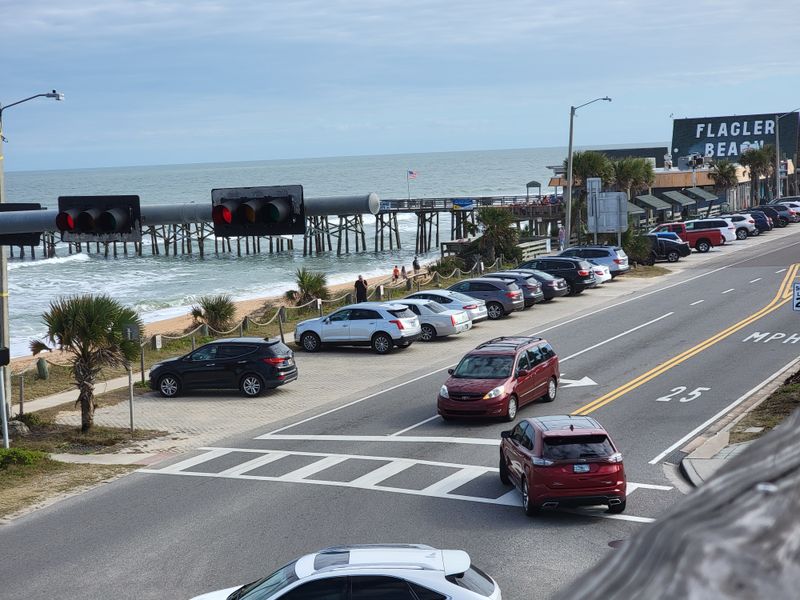
A1A runs right along the ocean here, so close you can almost touch the waves from your car window.
Flagler Beach keeps things refreshingly simple: a fishing pier, a handful of beachside restaurants, and miles of uncrowded sand where you can actually hear the surf.
The town’s funky, artsy vibe shows in murals, mom-and-pop shops, and the annual seafood festival that draws foodies from across the state.
Surfers catch morning sets, and families build sandcastles without dodging crowds. It’s the antidote to overdevelopment, a breath of salty, unspoiled air.
Situated between the Atlantic and the Intracoastal Waterway, the town of Flagler Beach spans the border of Flagler and Volusia counties.
11. Micanopy
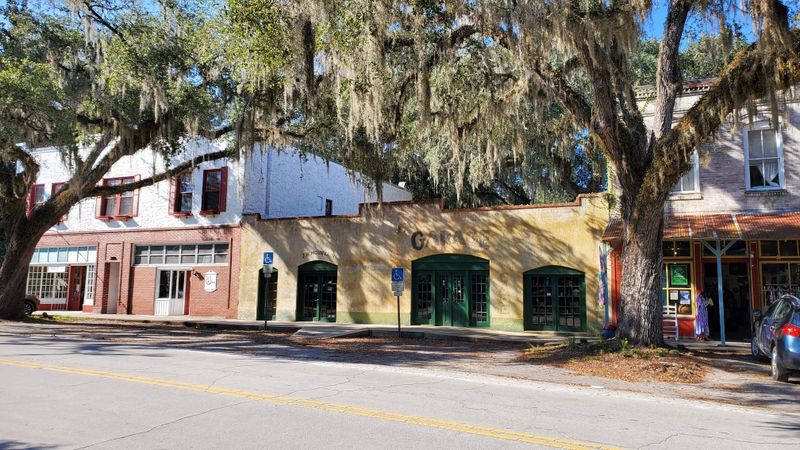
Canopies straight out of a Southern novel emerge as moss-draped oaks arch over Cholokka Boulevard.
Antique shops and historic homes feel frozen in time within Micanopy, which claims the title of Florida’s oldest inland town.
Southern hospitality and ghost stories whispered over breakfast await guests at the Herlong Mansion, a Greek Revival beauty.
Bison roam and alligators bask in marshy wetlands at Paynes Prairie Preserve State Park, located just beyond town limits. Stepping into a slower, gentler era becomes possible through this unique portal.
Alachua County contains the inland village of Micanopy, situated just 12 miles south of Gainesville on US-441.
12. Mount Dora
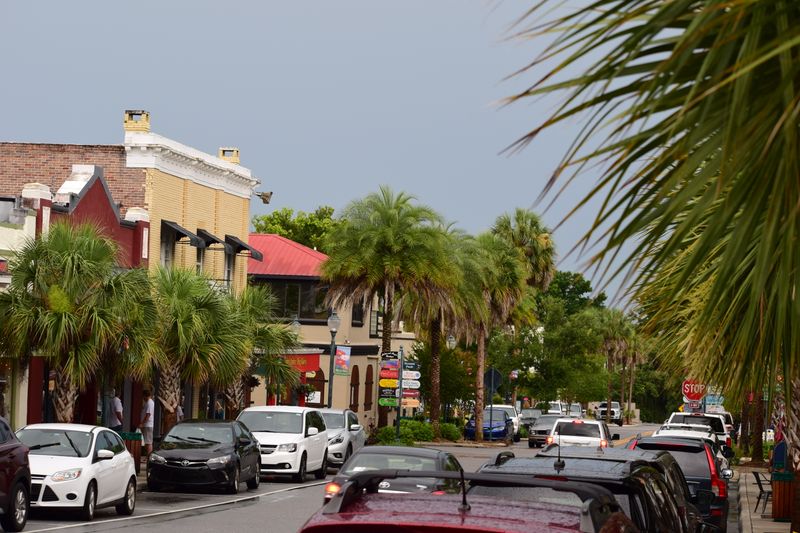
Rolling hills, yes, actual hills in Florida – surround this lakeside gem known for antique hunting and art festivals.
Mount Dora’s downtown feels like a New England village transplanted to Central Florida, with brick-paved streets, quirky boutiques, and the historic Lakeside Inn overlooking shimmering Lake Dora.
Monthly events like the Mount Dora Arts Festival and Craft Fair draw crowds, but the town never loses its small-town warmth. Hop on the historic trolley or rent a kayak to explore the lake’s quiet coves. It’s a place that celebrates the past while keeping things fresh and fun.
In the high-elevation “lake country,” Mount Dora overlooks the eastern shore of Lake Dora in Lake County.
13. DeLand
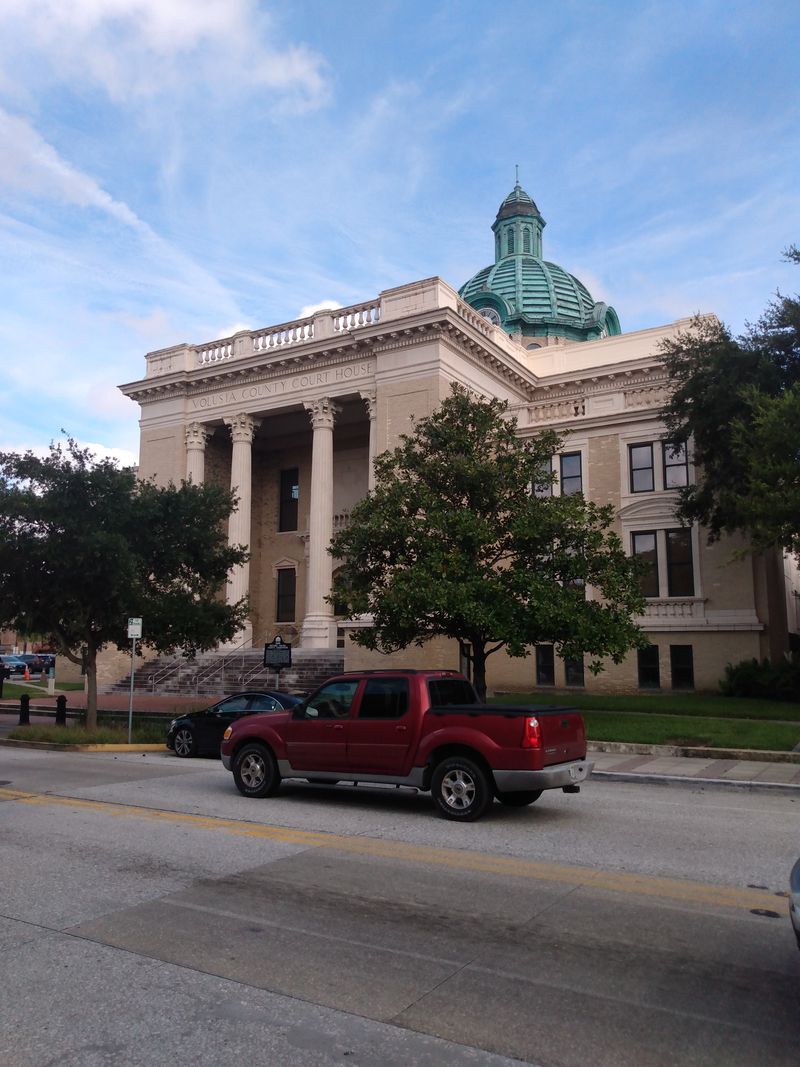
Youthful energy mixed with Old Florida charm pulses through DeLand, home to Stetson University.
Farmers markets, live music, and locally owned cafes line brick streets downtown where students and retirees mingle over lattes.
Classic films still flicker on the screen at the historic Athens Theatre, while vintage storefronts house everything from vinyl record shops to artisan chocolatiers.
Crystal-clear waters at nearby Blue Spring State Park offer a sanctuary where manatees gather in winter. Nature lovers return year after year to witness such a magical sight.
College-town buzz balances perfectly with timeless grace, ensuring every visit feels both lively and laid-back. Volusia County claims DeLand as its seat, positioned roughly 25 miles inland from the Atlantic coast.
14. Winter Park
Upscale yet welcoming, Winter Park blends Mediterranean-revival architecture with lush, lakeside beauty.
Park Avenue’s tree-canopied sidewalks invite leisurely window shopping, with boutiques, galleries, and sidewalk cafes offering everything from artisan pastries to handcrafted jewelry.
Rollins College’s red-tile roofs and waterfront campus add academic elegance, while the Charles Hosmer Morse Museum dazzles with the world’s most comprehensive collection of Tiffany glass.
Scenic boat tours glide through the Winter Park Chain of Lakes, revealing grand estates and hidden gardens. It’s sophistication without stuffiness, refinement with a warm smile.
Surrounded by a chain of lakes in Orange County, the upscale streets of Winter Park are just 15 minutes north of Orlando.
15. New Smyrna Beach
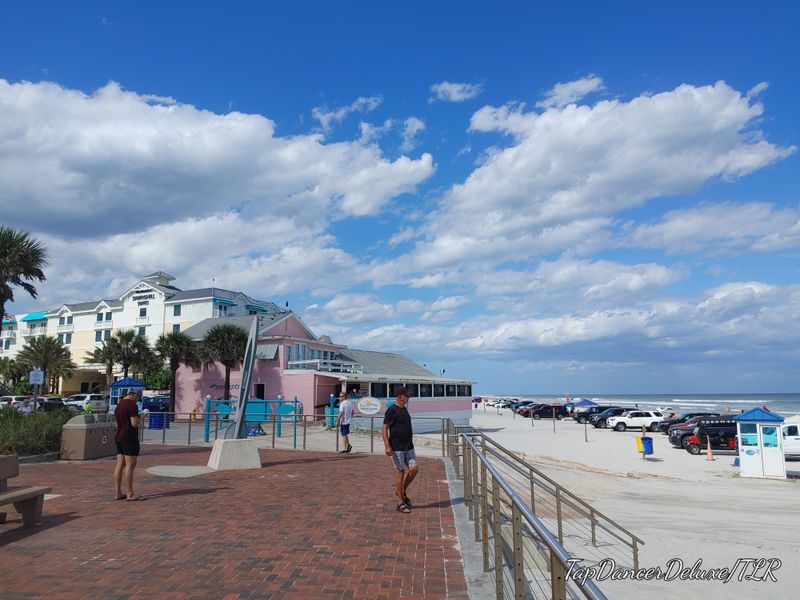
Consistent waves draw surfers to this central East Coast destination, yet the charm extends far beyond the breakers. Surf shops, ice cream parlors, and casual eateries fill Flagler Avenue, a place where flip-flops are always appropriate.
Wide and welcoming, the beach itself stretches for miles with plenty of room to spread out even on busy weekends.
Art galleries, cozy cafes, and waterfront dining line historic Canal Street, providing views of the Intracoastal Waterway.
Surf culture and small-town hospitality blend perfectly here, as everyone seems to know the tide schedule by heart.
Central Florida’s coast features New Smyrna Beach, sitting directly south of Ponce Inlet.
16. Cedar Key
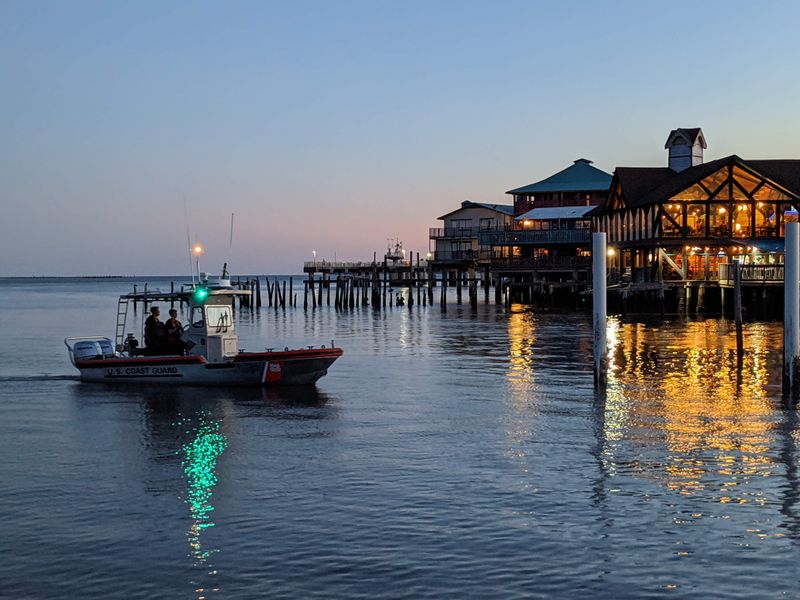
Accessible only by a winding causeway, Cedar Key feels like an island lost in time. Weathered fishing shacks perch on stilts above the water, and the scent of smoked mullet drifts from roadside smokehouses.
Artists and anglers share the town, drawn by spectacular sunsets that paint the sky in shades of tangerine and lavender.
The Cedar Key Historical Society Museum tells tales of the lumber and pencil industries that once thrived here. Today, the pace is slow, the people friendly, and the clam chowder legendary.
It’s a detour worth taking, every single time.
Cedar Key is a remote outpost in Levy County, located at the western terminus of State Road 24.
17. Crystal River
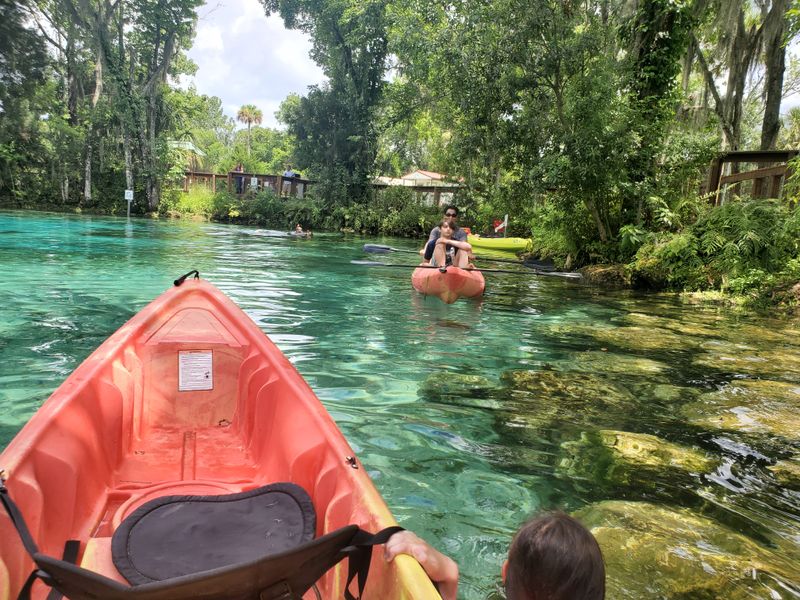
Warm spring waters provide a sanctuary where manatees glide, making Crystal River one of the few places where swimming alongside such gentle giants remains legal. Dozens of springs feed Kings Bay, maintaining a constant 72-degree temperature year-round.
Snorkelers don wetsuits and slide into clear water, marveling at sea cows munching on seagrass just inches away.
Waterfront dining, kayak trails, and a laid-back vibe that celebrates nature first await visitors beyond manatee encounters. Old Florida hospitality wraps around an unforgettable wildlife experience.
Citrus County hosts Crystal River along the “Nature Coast,” centering the town around the spring-fed Kings Bay.
18. Tarpon Springs
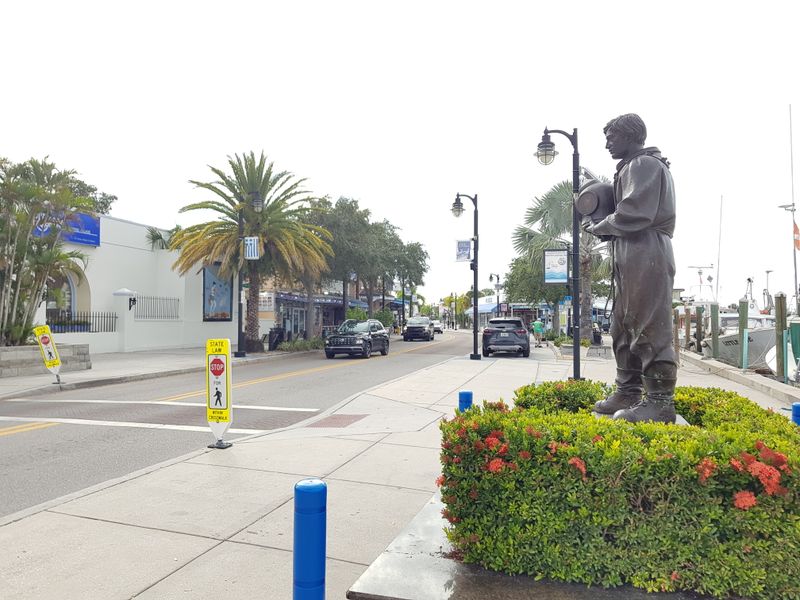
Greek heritage flavors every corner of this Gulf Coast town, stretching from sponge docks to family-run tavernas.
Early in the 1900s, Tarpon Springs became the sponge capital of the world when Greek divers arrived to harvest the sea floor.
Descendants of those divers still operate shops selling natural sponges, while the annual Epiphany celebration features participants retrieving a cross from the bayou. Spanakopita and baklava await those who stroll the docks and watch pelicans dive for fish.
Mediterranean culture feels transplanted to Florida here, paired perfectly with waterfront strolls and sunset views. Northern Pinellas County contains Tarpon Springs, which was built along the bayous and the Anclote River.
19. Dunedin
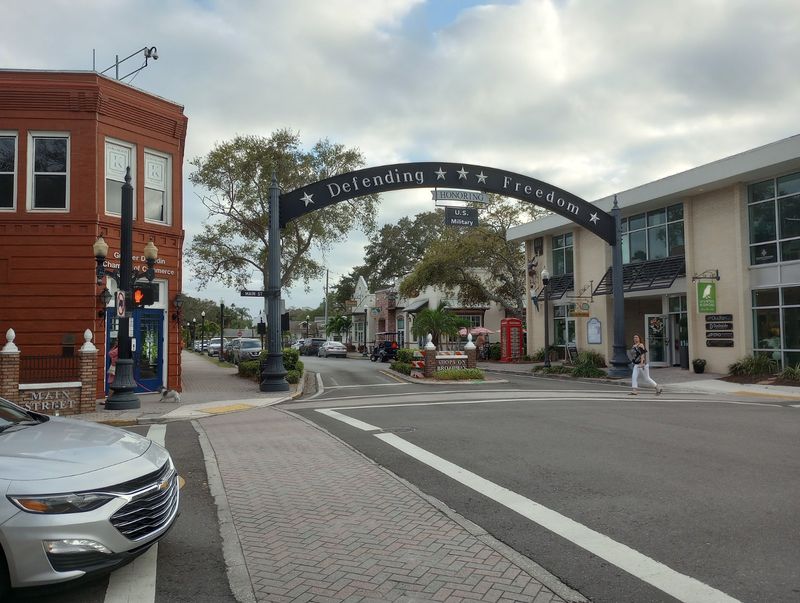
Scottish roots run deep in Dunedin, celebrated each spring with kilts, bagpipes, and the Highland Games. Downtown’s Main Street charms visitors with coffee shops, sidewalk cafes, and locally owned shops that feel refreshingly un-chain-like.
The Pinellas Trail runs right through town, perfect for biking to nearby beaches or Honeymoon Island State Park.
Art galleries and live music venues keep the cultural calendar full, and the marina offers sunset cruises through calm bay waters.
It’s a town that honors its heritage while embracing a creative, active lifestyle that keeps things interesting year-round.
Directly west of the city of Clearwater, Dunedin looks out over St. Joseph Sound.
20. Safety Harbor
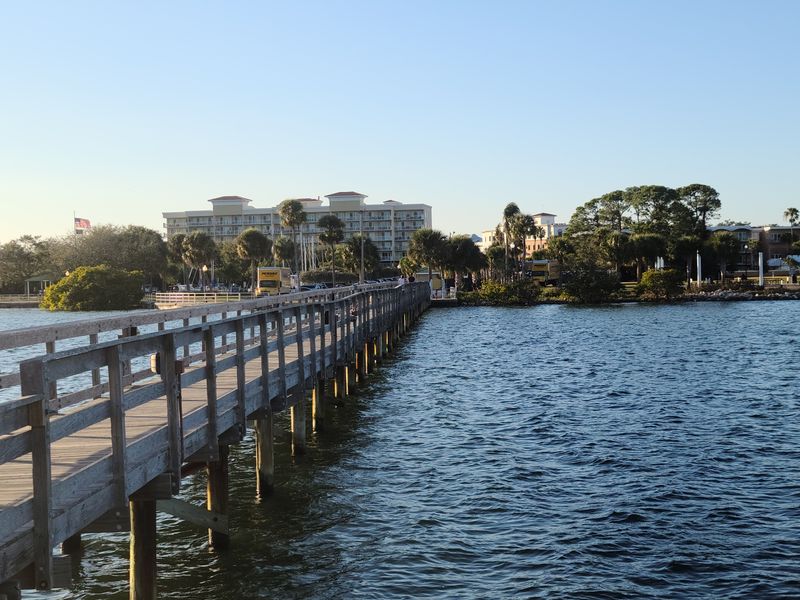
Native Americans once sought healing at these natural springs, and a retreat-like atmosphere still lingers in the town today.
Yoga studios, organic cafes, and a Saturday farmers market define the compact downtown of Safety Harbor where locals catch up over fresh produce. Wellness traditions continue at the Safety Harbor Resort and Spa, a destination built directly around the original mineral springs.
Waterfront parks perfect for paddleboarding or watching sailboats drift past sit where Tampa Bay laps at the western edge of town.
Slowing down, breathing deep, and appreciating simple things are activities this peaceful setting encourages.
Old Tampa Bay’s western shore hosts Safety Harbor, located just north of the Courtney Campbell Causeway.
21. Indian Rocks Beach
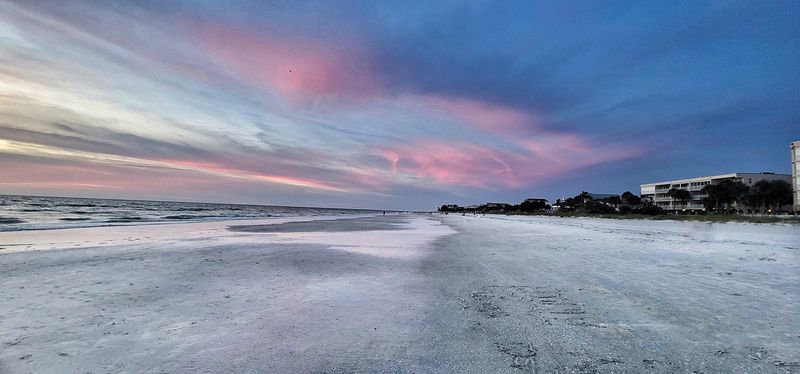
Soft sand and gentle Gulf waves create a perfect backdrop for a no-stress beach day.
Family-friendly and low-key vibes define Indian Rocks Beach, featuring public access points, casual seafood shacks, and a nature preserve with trails winding through coastal hammocks.
Pioneer life comes into focus at the nearby Pinellas County Heritage Village, where visitors find restored buildings and costumed interpreters. Legendary sunsets paint the sky in cotton-candy hues that reflect beautifully off the water.
Unwinding completely happens naturally in this beach town, as no itinerary is ever required.
Pinellas County includes the narrow barrier island community of Indian Rocks Beach, situated west of the Intracoastal Waterway.
22. Treasure Island
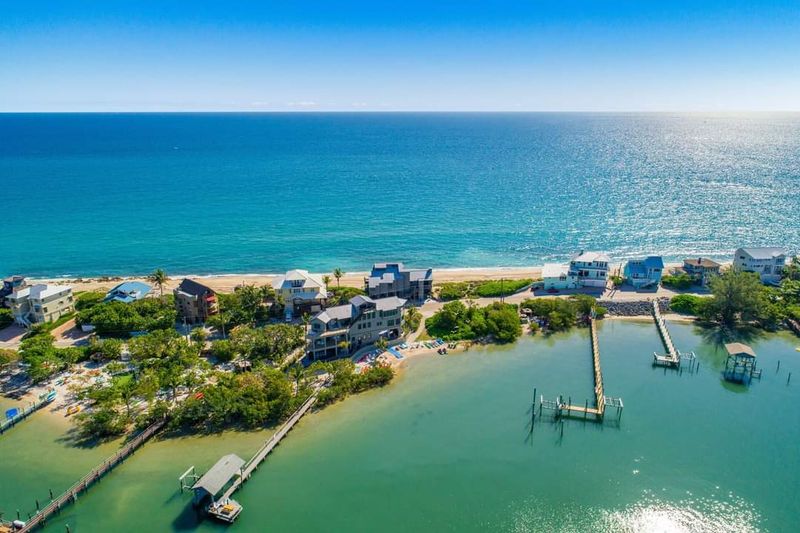
Wide, welcoming beaches and a quirky pirate theme make Treasure Island a favorite for families and fun-seekers. The sand here is powdery and white, perfect for castle-building marathons or long walks at dawn.
John’s Pass Village sits just to the south, a bustling boardwalk packed with shops, restaurants, and charter boats offering dolphin-watching cruises.
Street performers and live bands add to the festive vibe on weekends. Whether you’re hunting for seashells or hunting for the perfect fish taco, Treasure Island delivers a classic Gulf Coast experience with a smile and a splash of whimsy.
Between Madeira Beach and St. Pete Beach, the town of Treasure Island sits on a barrier island along the Gulf.
23. Anna Maria
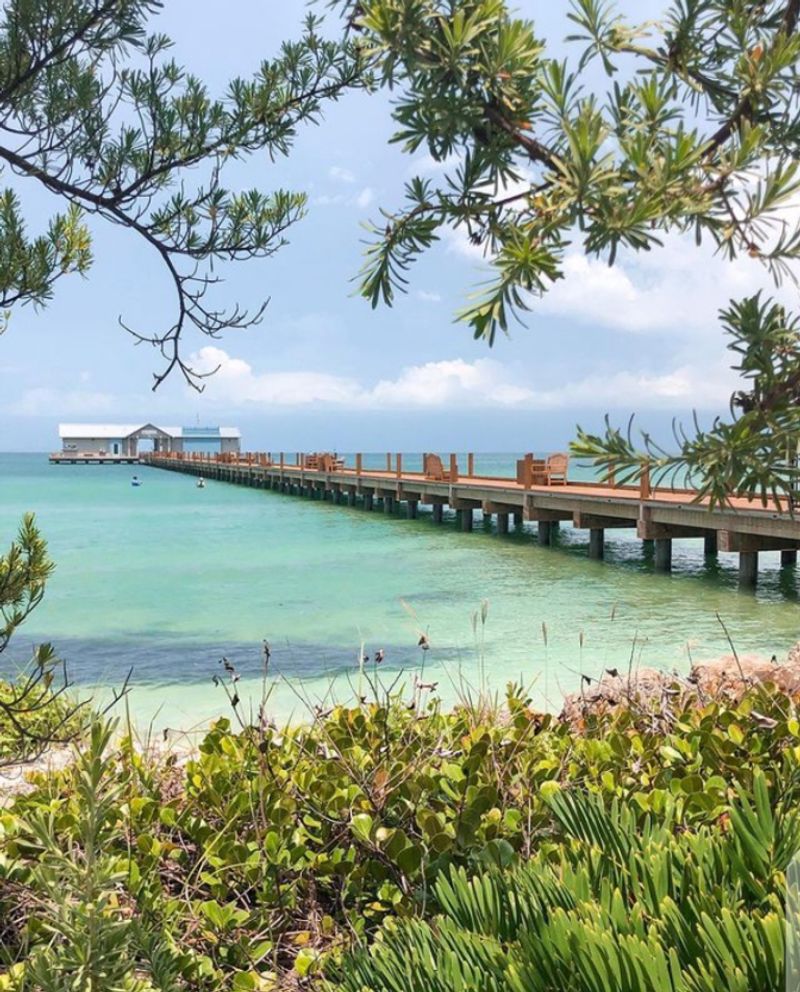
Storybook qualities define the northernmost town of Anna Maria Island, where pastel cottages and bougainvillea-draped porches line the streets. Boutiques, ice cream shops, and the City Pier fill historic Bridge Street, a main drag where anglers cast lines and pelicans pose for photos.
Golf carts serve as the preferred mode of transportation, adding to an unhurried and old-fashioned charm.
Sugar-white sand and water so clear you can spot stingrays gliding below make these beaches absolutely pristine.
Time feels measured in sunsets rather than hours in this location, ensuring every day feels like a vacation. Entrance to Tampa Bay marks the northern tip of Anna Maria Island, where the town of Anna Maria occupies the land.
24. Holmes Beach
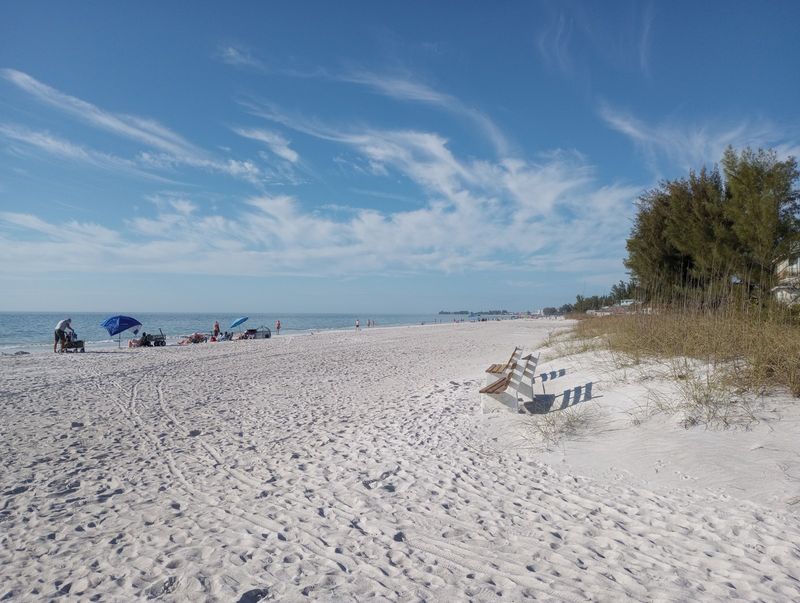
Midway along Anna Maria Island lies Holmes Beach, offering a quieter vibe than neighboring communities. Simple pleasures define the focus here, consisting of morning beach walks, lazy afternoons with a book, and sunset moments with toes in the sand.
Grouper sandwiches and key lime pie fill the menus of local eateries where nobody ever seems in a hurry.
Families find it easy to settle in for the day at Manatee Public Beach, as the site provides ample parking and facilities. Disconnecting from the world and reconnecting with the rhythms of the tide happens naturally at this destination.
Western Manatee County contains Holmes Beach, which borders the Gulf of Mexico in the center of the island.
25. Bradenton Beach
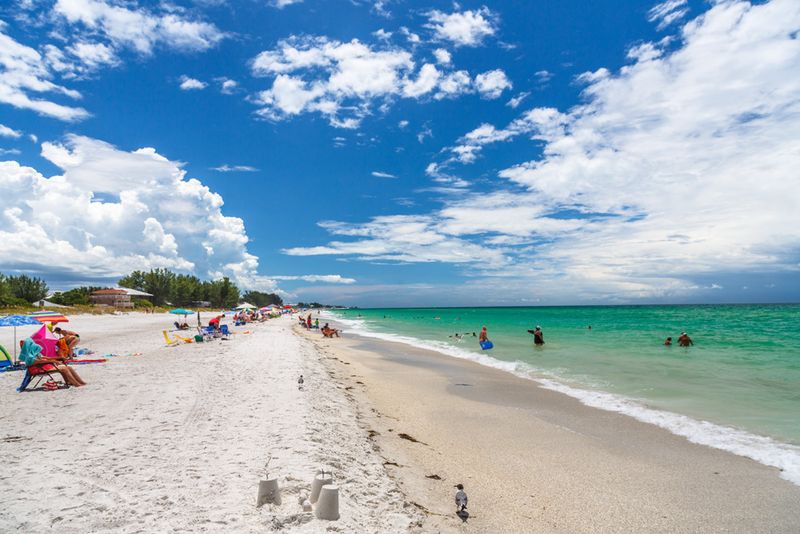
At the southern tip of Anna Maria Island, Bradenton Beach pulses with a slightly livelier energy.
Bridge Street bustles with casual eateries, souvenir shops, and the Historic Bridge Street Pier, a favorite spot for fishing and dolphin-spotting. The beach itself is wide and welcoming, with plenty of space for volleyball games and sandcastle competitions.
Coquina Beach, just south of town, features a cafe and nature trails through dunes dotted with sea oats. It’s the perfect blend of action and relaxation, where you can be as social or as secluded as you like.
Bradenton Beach is located at the southern end of the island, right next to Longboat Pass.
26. Venice
Thousands of shark teeth wash ashore here, transforming Venice Beach into a treasure hunter’s paradise.
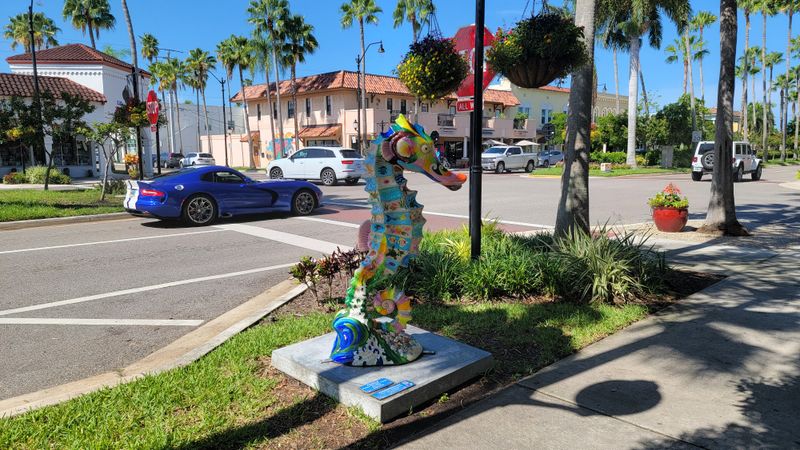
Venetian-inspired architecture, palm-lined streets, and a walkable downtown filled with galleries, theaters, and sidewalk cafes give the town its charm. Beachcombers crouch at the waterline sifting sand for fossilized teeth millions of years old where Venice Avenue leads straight to the Gulf.
Biking and walking paths stretch for miles along the Legacy Trail, connecting Venice to Sarasota.
Natural wonders and cultural pursuits both find a home here, making every visit feel well-rounded and rewarding.
Southwestern coastal views define Venice, located south of Sarasota where Venice Avenue meets the Gulf.
27. Punta Gorda
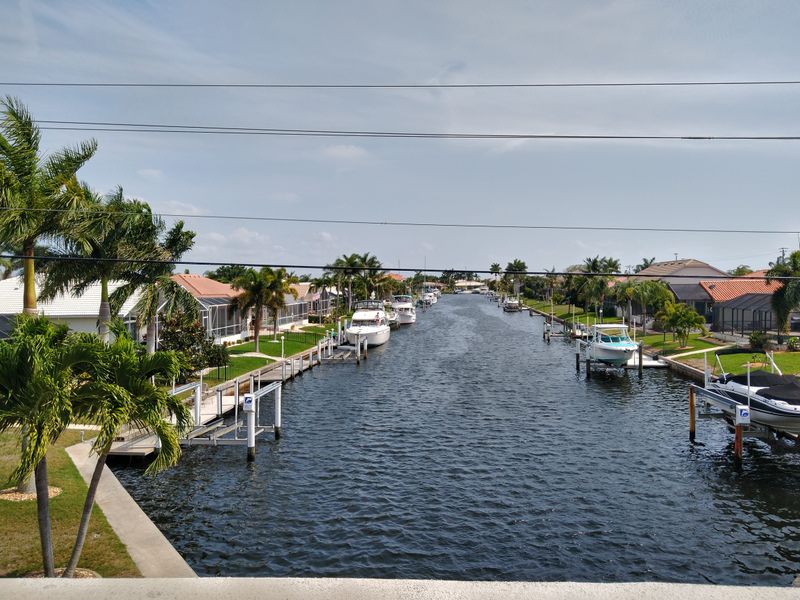
Sparkling beside this waterfront town, Charlotte Harbor serves as a place where manatees often visit the marina and dolphins play in the bay.
Brick streets, art galleries, and Fishermen’s Village define the historic downtown of Punta Gorda, featuring a shopping and dining complex built on old docks.
Jogging, biking, or simply watching the sunset paint the water in gold becomes easy along the Harborwalk, which stretches for miles.
Cultural depth comes from the Military Heritage Museum and Ponce de Leon Park, while kayak trails through mangrove tunnels offer adventure.
History, nature, and small-town friendliness balance in equal, generous measure within this community. Charlotte County hosts the waterfront city of Punta Gorda, sitting on the southern banks of the Peace River.
28. Everglades City
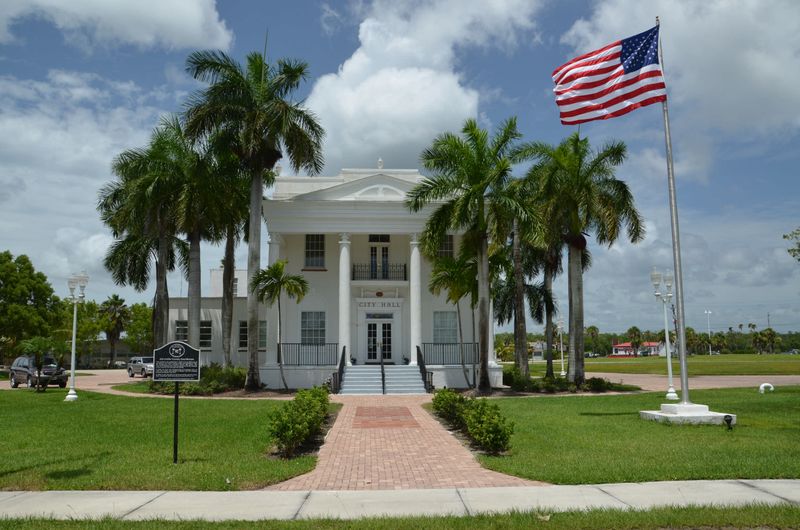
Sawgrass marshes echo with the roar of airboats as alligators sun themselves on muddy banks in this gateway to the Everglades. Ten Thousand Islands begin at the edge of Everglades City, creating a labyrinth of mangrove islets and waterways best explored by kayak or guided tour.
Tiny in scale, the town features a few seafood restaurants serving stone crab claws and swamp cabbage.
Chasing tarpon and snook in the backcountry, fishing guides launch at dawn. Wild, untamed Florida appears here at its finest, where nature still rules and adventure waits around every bend in the river.
Collier County contains Everglades City, situated at the mouth of the Barron River on Chokoloskee Bay.
29. Sanibel
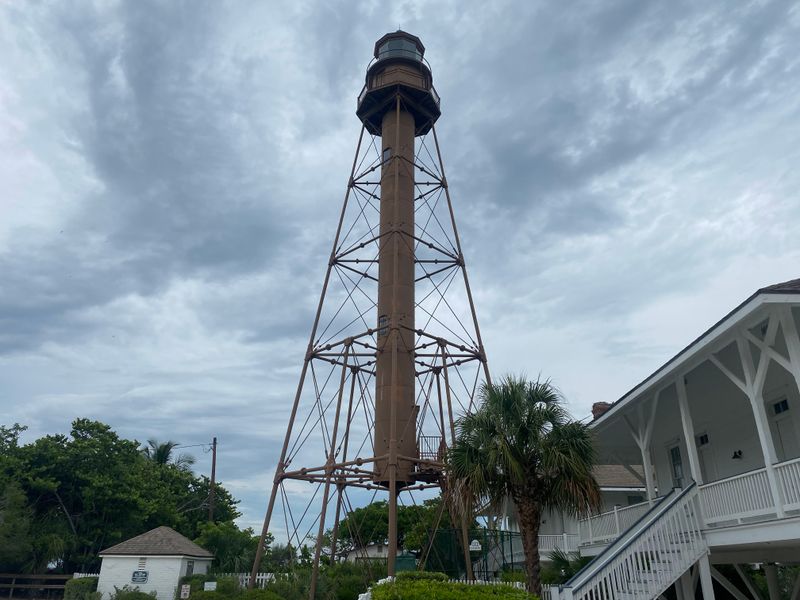
Shell collectors from around the world pilgrimage to Sanibel, where the island’s east-west orientation catches ocean treasures by the bucketful.
The famous Sanibel Stoop describes the posture of beachcombers hunting for conch shells, sand dollars, and lightning whelks along the tide line.
J.N. Ding Darling National Wildlife Refuge protects mangrove forests where roseate spoonbills and alligators thrive. Bike paths crisscross the island, connecting beaches, shops, and nature trails.
Sanibel feels like a tropical escape, yet it’s grounded in conservation and respect for the natural world that makes it so special.
Off the coast of Fort Myers, Sanibel is an island accessed via the Sanibel Causeway from the mainland.
30. Captiva
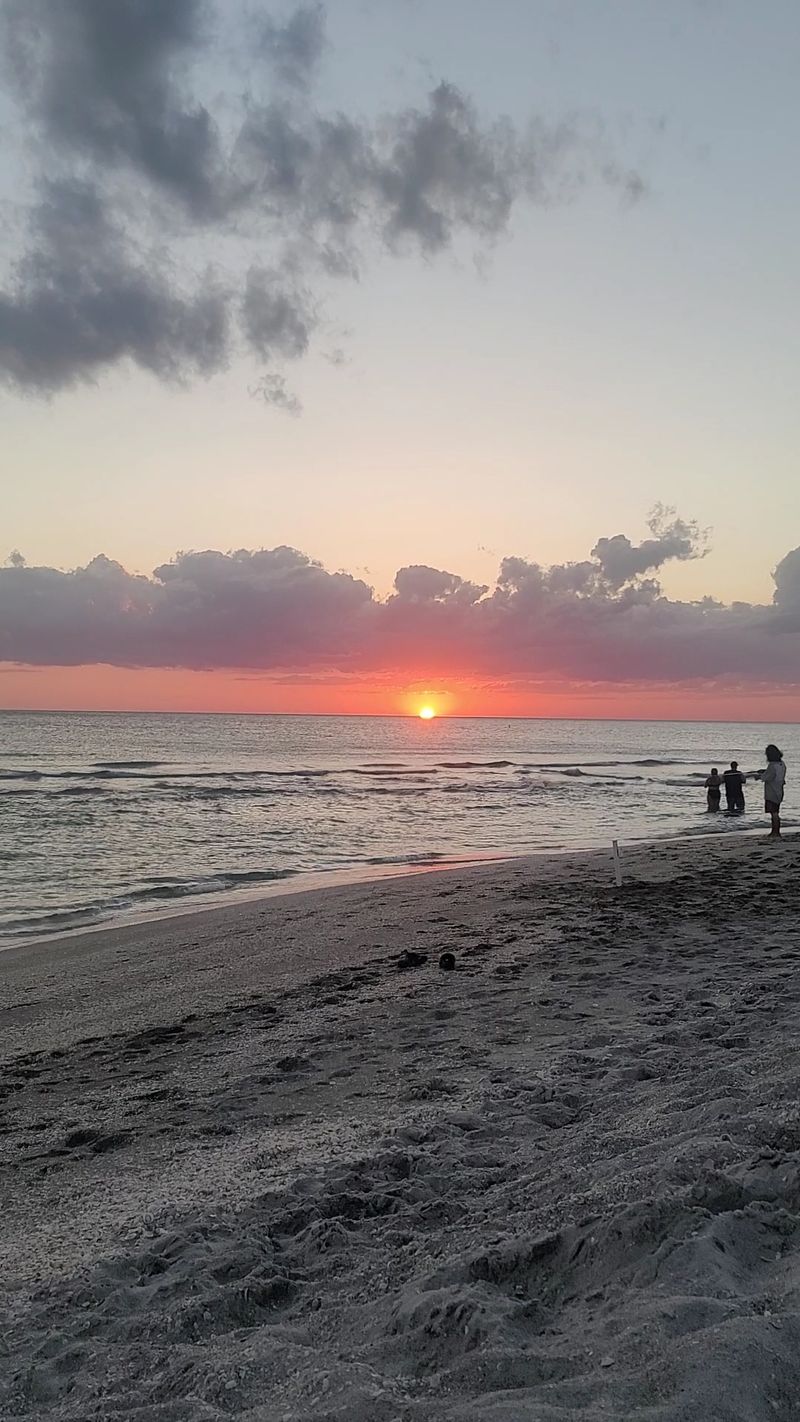
Secluded and romantic vibes define Captiva, located just north of Sanibel.
Pine Island Sound sits on one side and the Gulf on the other where the island narrows in places to just a sliver of sand. Vivid colors make sunsets at the beach feel like a private, almost unreal show.
Handfuls of restaurants and shops cluster near the north end, yet most visitors come for the beaches and a blissful sense of escape.
Honeymooners go there to disappear, watching as time slows to the pace of a pelican’s glide. Small Blind Pass bridge serves as the only separation between Captiva and Sanibel to the south.
31. Key Biscayne
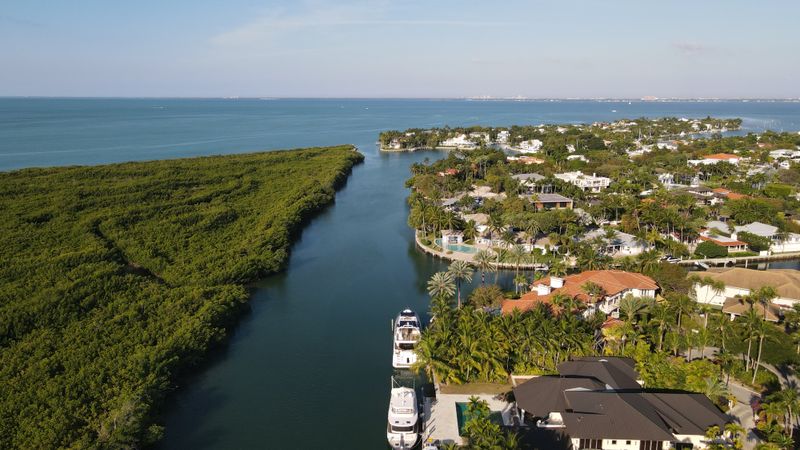
Miami’s skyline glimmers across the bay, but Key Biscayne feels worlds away from the urban hustle. Crandon Park Beach ranks among the nation’s best, with calm, clear water perfect for families and a stretch of sand that seems to go on forever.
Bill Baggs Cape Florida State Park anchors the island’s southern tip, were the historic lighthouse offers panoramic views.
Biking the island is a favorite pastime, with paths winding past mangroves and waterfront homes.
It’s a tropical escape with big-city convenience, the best of both worlds in one sun-soaked package. Reached by the Rickenbacker Causeway, the village of Key Biscayne is an island oasis south of Miami Beach.
32. Islamorada
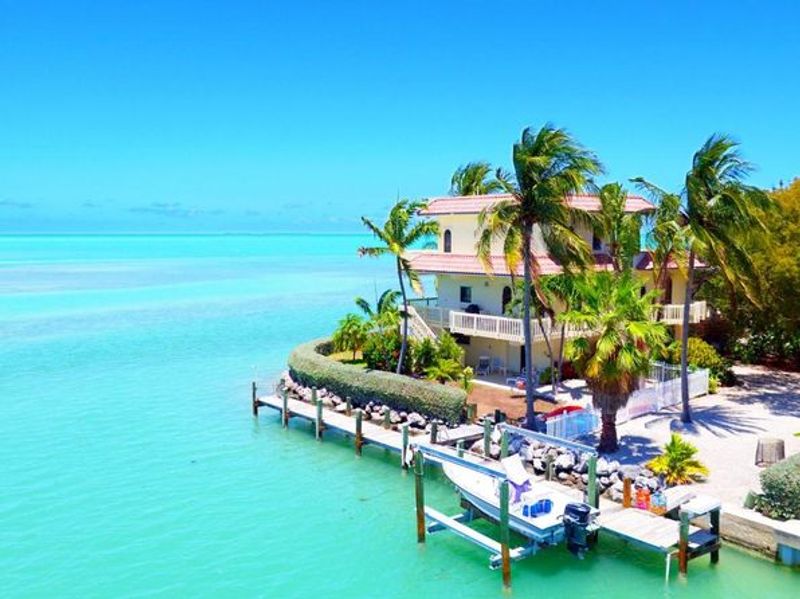
Anglers chasing marlin, sailfish, and tarpon in the deep blue Atlantic flock to Islamorada, widely recognized as the sportfishing capital of the world.
Turquoise water remains visible from almost every vantage point as the village spreads across several islands connected by the Overseas Highway. Massive tarpon await bucket-feeding at Robbie’s Marina, providing an experience that delights kids and adults alike.
Tiki bars, seafood shacks, and dive shops line the highway, each maintaining its own laid-back island vibe.
Sun-bleached and salt-kissed, Islamorada embodies the spirit of the Keys by remaining utterly content to live by the rhythm of the tides. Upper Keys geography includes this “village of islands,” which spans from Mile Marker 90 to 72.
33. Marathon
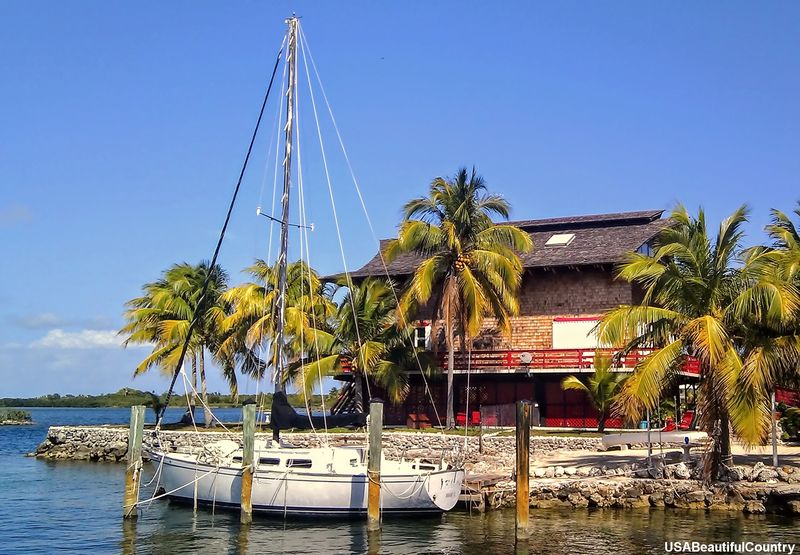
Base camp for exploring both the Upper and Lower Keys, Marathon offers a perfect central location halfway down the island chain.
Marvels of engineering appear in the form of the iconic Seven Mile Bridge, which has become one of the most photographed landmarks in Florida. Calm waters ideal for swimming and snorkeling characterize Sombrero Beach, a rare natural sand beach in the Keys.
Injured sea turtles find rescue and rehabilitation at The Turtle Hospital, where educational tours inspire conservation efforts.
Tourist amenities balance with authentic island culture, making it easy to enjoy a vacation while still finding the real Keys. Middle Keys geography includes the city of Marathon, which sits between Mile Marker 60 and 47.
34. Key West
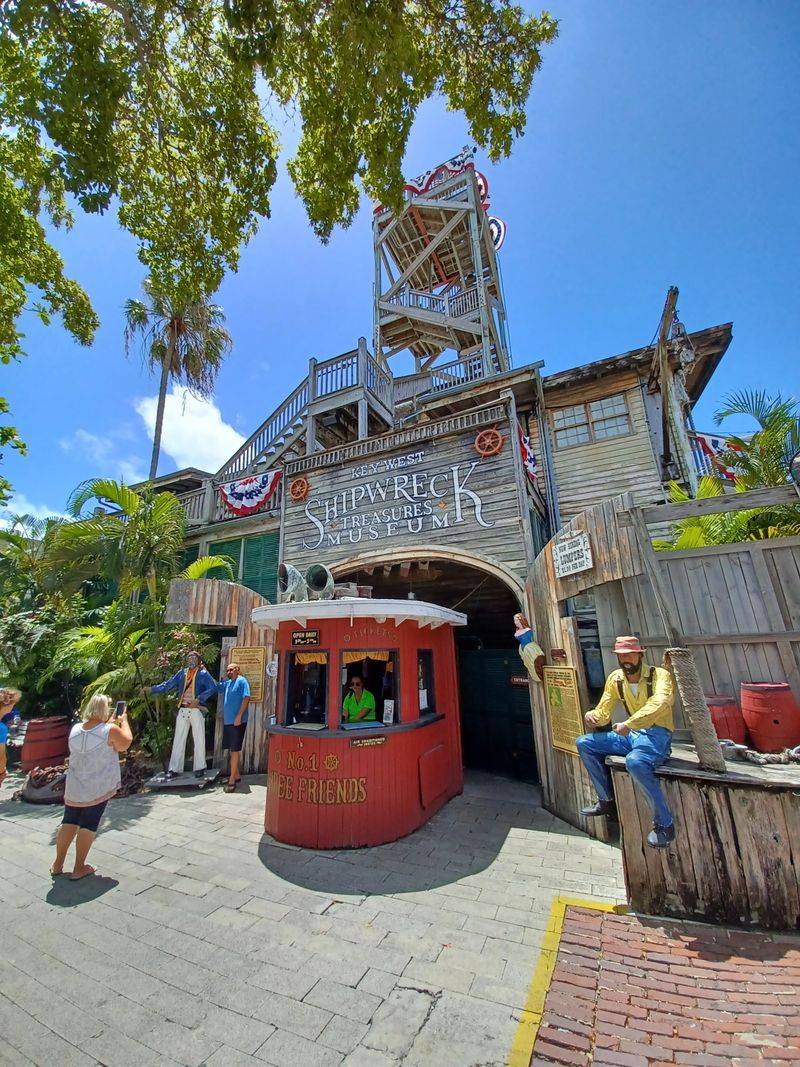
Roosters strut down Duval Street, and the party never seems to end in this legendary island town. Key West pairs history and art with easygoing island energy that feels unmistakably its own.
Hemingway’s house, the Southernmost Point buoy, and Mallory Square’s sunset celebrations draw crowds, but quieter moments await in the Garden District’s shaded lanes.
Snorkeling and diving trips depart daily for the coral reefs, while guided evening walks keep the historic side lively after sunset.
It’s colorful, quirky, and unapologetically itself, a place where you can be whoever you want to be. At the very end of US-1, the island of Key West marks the southernmost point of the continental U.S.
35. Stuart
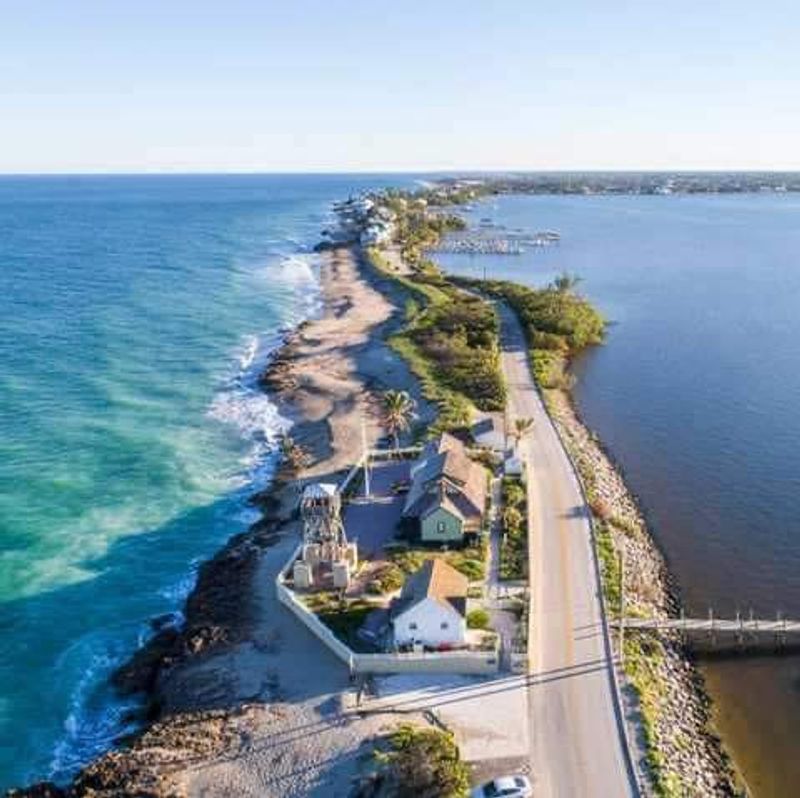
The St. Lucie River winds through downtown Stuart, where sailboats dock and waterfront restaurants serve fresh catch with river views.
Stuart’s revitalized downtown features art galleries, antique shops, and the Lyric Theatre, a beautifully restored venue hosting concerts and plays. The Riverwalk invites evening strolls, with benches perfect for watching the sunset gild the water.
Nearby beaches and nature preserves offer quick escapes into Florida’s wild side.
Stuart feels like a hidden gem on the Treasure Coast, a town that’s found the sweet spot between growth and preservation, progress and charm. Stuart is located on the Treasure Coast in Martin County, where the St. Lucie River joins the Indian River Lagoon.