5 Sci-Fi Books Even Better Than Dune
Frank Herbert’s Dune is a legend, no argument there. But some science fiction novels go even further, venturing into mind-bending territory that challenges readers in ways Dune only hints at.
These books dare to ask bigger questions, build stranger worlds, and leave readers staring at the ceiling at 2 a.m., pondering life, power, and the universe. Science fiction has always been the genre bold enough to hold a mirror to humanity and ask, “Are you sure about all this?” For anyone seeking a Dune-shaped book hole to fill, these five extraordinary novels deliver jaw-dropping adventures, unforgettable characters, and worlds that feel alive and dangerous.
Each has earned critical praise, prestigious awards, and devoted fan armies, proving they’re not just entertaining but unforgettable. Get ready to have your mind rearranged, your imagination stretched, and your sci-fi reading list upgraded with stories that linger long after the final page.
1. Hyperion by Dan Simmons
Seven strangers. One terrifying destination.
Zero guarantees of survival. Published in 1989, Hyperion by Dan Simmons borrowed its structure straight from Chaucer’s Canterbury Tales, giving each pilgrim a unique backstory told as a separate short story.
How clever is that? Each tale shifts genre entirely, from horror to romance to military thriller.
Along the way, readers meet the Shrike, a monstrous creature made of blades and nightmare fuel. Simmons packs religion, time travel, and political conspiracy into one unforgettable journey.
Hugo Award winner for Best Novel, Hyperion proves science fiction can be literary, layered, and absolutely terrifying all at once.
2. Foundation by Isaac Asimov
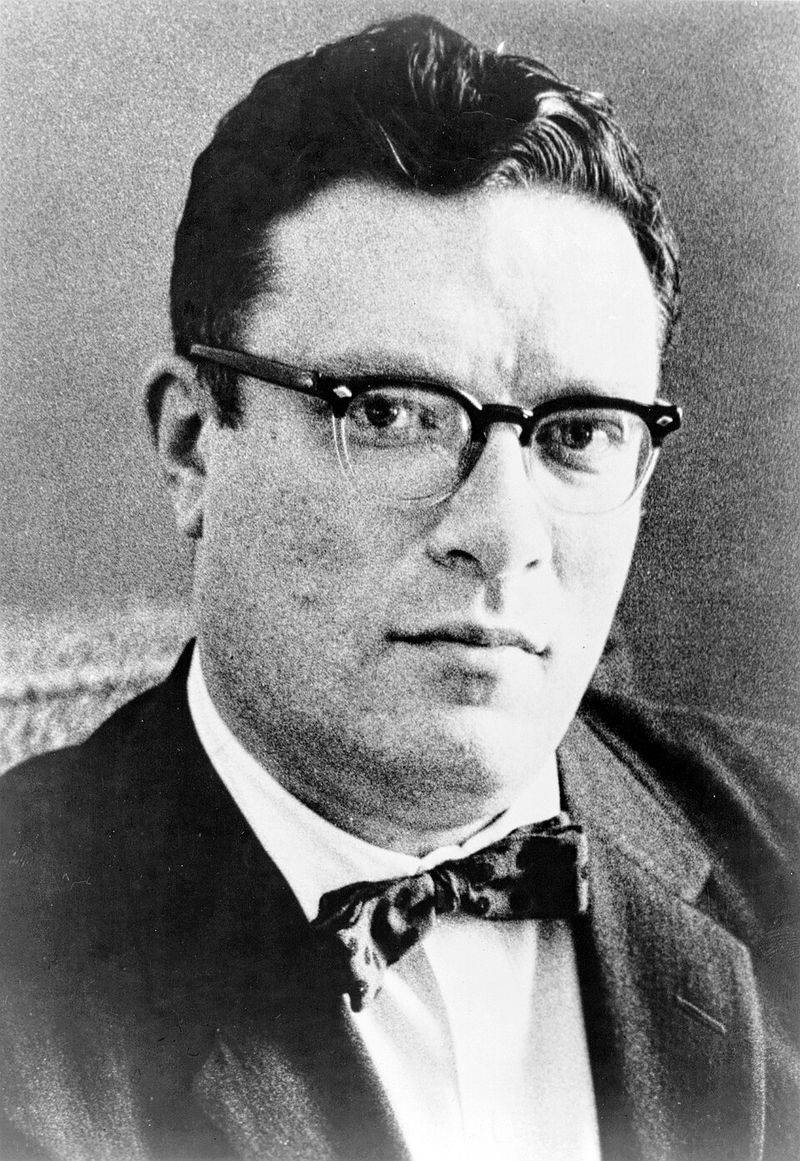
Math saving civilization sounds boring until Asimov makes it feel like the most urgent crisis in the galaxy. First published in 1951, Foundation follows mathematician Hari Seldon, who predicts the fall of a galactic empire using a science called psychohistory.
Spoiler: nobody listens until it is too late.
Readers who loved Dune’s political chess-match will feel right at home here. Asimov built an entire universe around one big idea: knowledge is power, and losing it costs everything.
The Foundation series won a Hugo Award for Best All-Time Series in 1966. Just saying, that is a pretty bold trophy case.
3. The Left Hand of Darkness by Ursula K. Le Guin

Published in 1969, Ursula K. Le Guin sent a human envoy to a frozen planet called Gethen, where every person is biologically neither male nor female until a monthly cycle temporarily changes status.
Bold move for any era, revolutionary for 1969.
Genvoy Genly Ai struggles to understand a culture built around concepts of loyalty and betrayal unlike anything on Earth. Le Guin forces readers to question assumptions baked so deep most people never notice carrying them.
Winner of both the Hugo and Nebula Awards, Left Hand of Darkness remains one of the most quietly earth-shattering novels ever written. Pure genius, honestly.
4. The Fifth Season by N.K. Jemisin
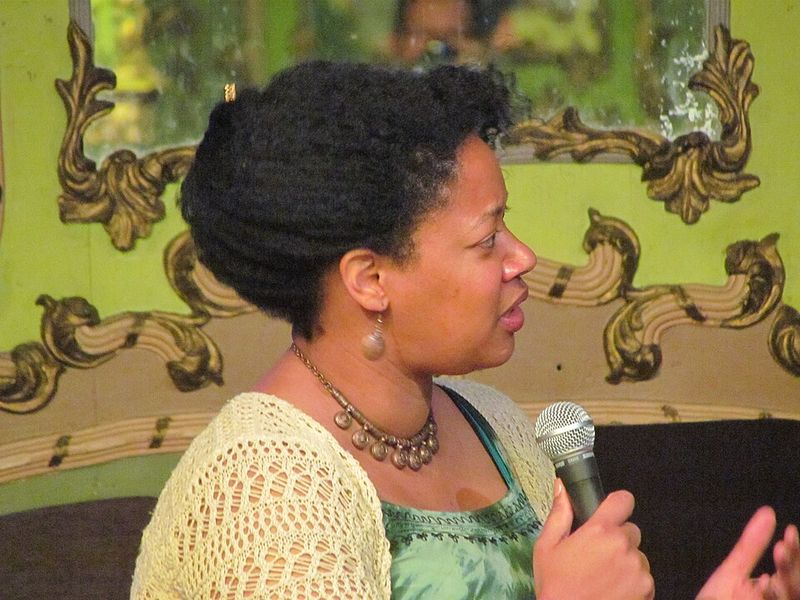
N.K. Jemisin broke publishing history by winning three consecutive Hugo Awards for Best Novel, one for each book in the Broken Earth trilogy.
The Fifth Season kicks everything off, and wow, does it kick hard. A world ravaged by constant seismic catastrophes sounds grim, and honestly, it is.
Certain people called orogenes can control earthquakes and volcanic eruptions, making society both fear and enslave them. Jemisin writes in second-person perspective, pulling readers directly into the chaos.
How disorienting! How brilliant!
If Dune made readers think about colonialism and power, Fifth Season makes those same conversations feel shockingly personal and impossible to ignore.
5. Children of Time by Adrian Tchaikovsky

Spiders. Intelligent, civilization-building, philosophizing spiders.
Adrian Tchaikovsky had absolutely no business making arachnids this compelling, and yet here everyone is, rooting for eight-legged characters harder than most human protagonists. Published in 2015, Children of Time won the Arthur C.
Clarke Award for Best Novel.
Humanity’s last survivors race toward a terraformed planet, only to discover an evolved spider species already running the show. Two civilizations on a collision course raises enormous questions about evolution, survival, and who gets to call a planet home.
Tchaikovsky alternates between human and spider perspectives seamlessly. Anyone nervous about spiders might finish the book strangely fond of their bathroom corner webs.