8 Sci-Fi Films Scientists Can’t Stop Raving About
Some movies exist purely for fun, others pull at the emotions, yet a rare group manages to impress even real scientists. Science fiction often borrows ideas straight out of research labs, and the best examples handle those concepts with surprising accuracy.
Complex topics like black holes, artificial intelligence, space travel, and genetics can easily become confusing, but great filmmakers know how to turn them into stories that feel exciting instead of overwhelming. Strong attention to detail, smart writing, and a bit of imagination help these films balance entertainment with real science.
Many experts have praised certain titles for getting the facts right while still delivering unforgettable action and drama. The result is a collection of movies that spark curiosity as much as they thrill audiences.
Each entry here proves that science fiction does not have to ignore reality to be spectacular, and sometimes the smartest stories are also the most fun to watch.
1. Gattaca (1997)
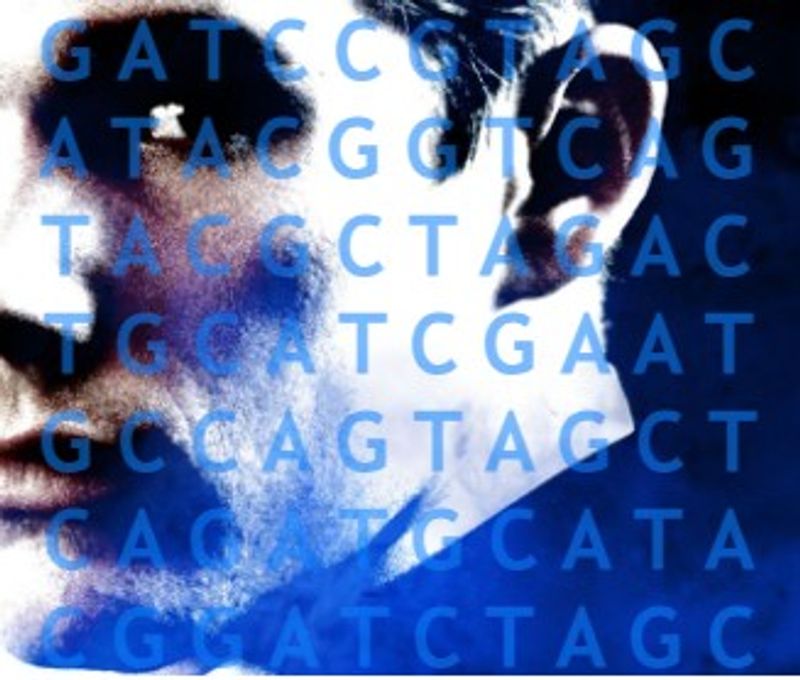
Imagine a world where your DNA is basically your resume. That is exactly what Gattaca explores, and scientists absolutely love it for that reason.
Released in 1997, this film paints a chilling picture of a society where genetic testing decides who gets the best jobs, relationships, and opportunities.
Geneticists praise it for how accurately it handles concepts like gene sequencing and designer babies. Though the technology shown was ahead of its time, much of it is now closer to reality than anyone expected.
If you care about bioethics, this film will seriously make you think twice about the future of science.
2. Contact (1997)
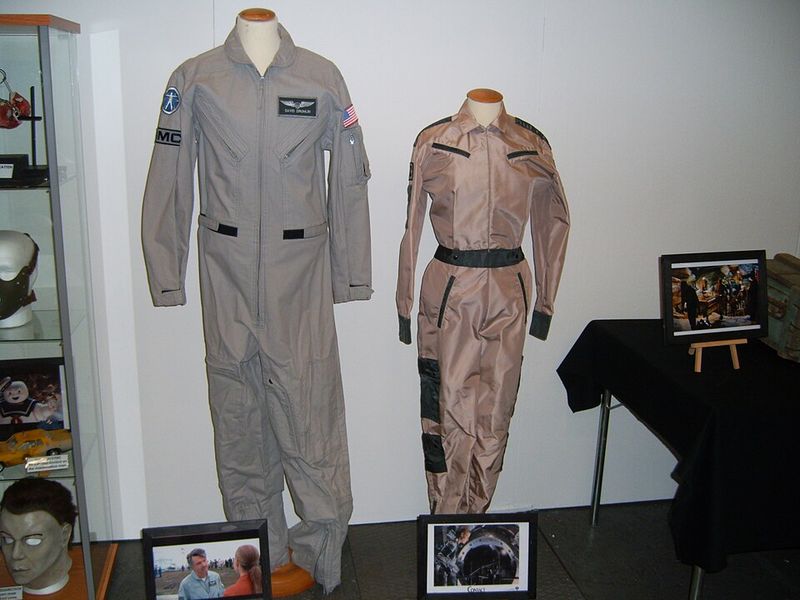
Carl Sagan wrote the novel, and the film adaptation brought his vision to stunning life. Contact follows Dr. Ellie Arroway, a radio astronomer who picks up a signal from deep space and fights to be taken seriously in a world full of skeptics.
Sound familiar? Real scientists have been there too.
Astronomers and physicists applaud this movie for showing science as it actually works: slow, frustrating, and incredibly rewarding. How does it feel to search for something you cannot prove exists?
Contact answers that question beautifully. It is one of those rare films where the science never takes a back seat to the drama.
3. 2001: A Space Odyssey (1968)
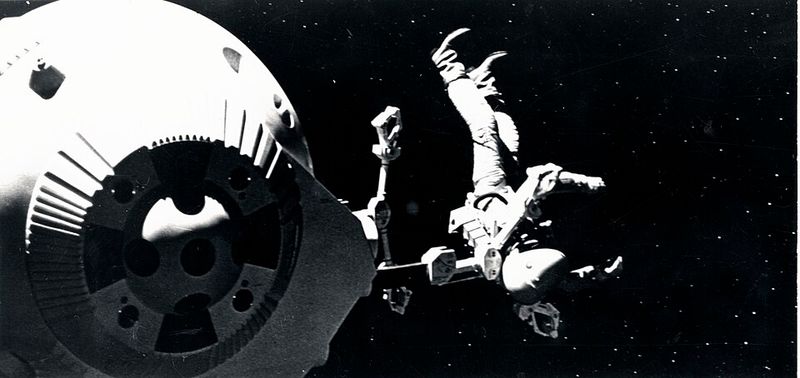
Stanley Kubrick made this film six years before the first moon landing, yet it still looks more realistic than most space movies made today. Scientists consistently rank it among the most accurate portrayals of space travel ever put on screen.
Zero gravity, silent space, and orbital mechanics are all handled with jaw-dropping precision.
HAL 9000, the ship’s artificial intelligence, sparked real conversations about machine ethics that researchers are still having today. Where most films fill space with sound effects and explosions, this one embraces the quiet truth.
Just saying, no movie has made a space station look that graceful before or since.
4. Interstellar (2014)
Physicist Kip Thorne did not just consult on this film. He co-produced it and helped generate the first scientifically accurate visual simulation of a black hole ever shown in a movie.
The result was so realistic that the team actually published a scientific paper based on the visuals they created.
Interstellar tackles time dilation, wormholes, and the theory of relativity in ways that are surprisingly faithful to real physics. Yes, some creative liberties were taken, but the core science holds up remarkably well.
For anyone curious about how gravity warps time, watching this film is practically a free physics lesson with stunning special effects included.
5. The Martian (2015)
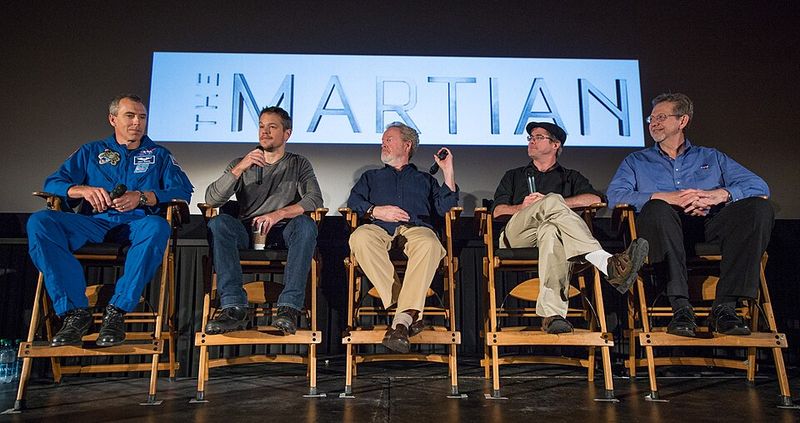
Stranded on Mars with only a bag of potatoes and a whole lot of ingenuity, astronaut Mark Watney becomes the most relatable problem-solver in sci-fi history. NASA engineers reportedly loved this film so much that they used it as an informal teaching tool.
That is a pretty solid endorsement.
The science behind growing food on Mars, calculating orbital trajectories, and surviving in a hostile environment is handled with remarkable care. Author Andy Weir did serious homework before writing the book, and the film honors that research faithfully.
If science class felt this exciting, attendance rates would probably be through the roof.
6. The Day the Earth Stood Still (1951)
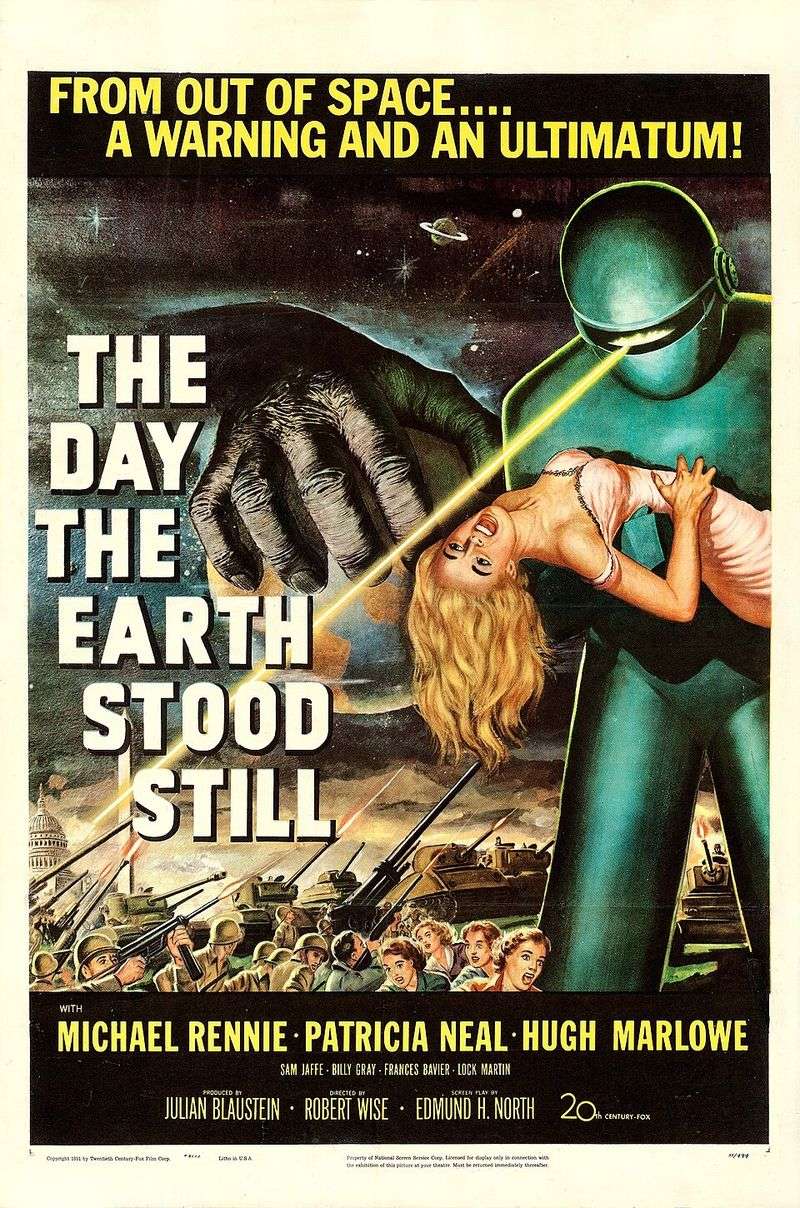
Few films from the 1950s still feel relevant today, but this one absolutely does. When alien visitor Klaatu lands in Washington D.C. with a warning for humanity, scientists and policymakers alike are forced to confront their own destructive habits.
Sound uncomfortably timely? That was the whole point.
Physicists and peace researchers have cited this film for decades as a powerful allegory for nuclear weapons and international cooperation. The robot Gort remains one of cinema’s most iconic figures, representing both the promise and the danger of advanced technology.
However you feel about old black-and-white films, this one earns its legendary reputation with every single scene.
7. Blade Runner (1982)
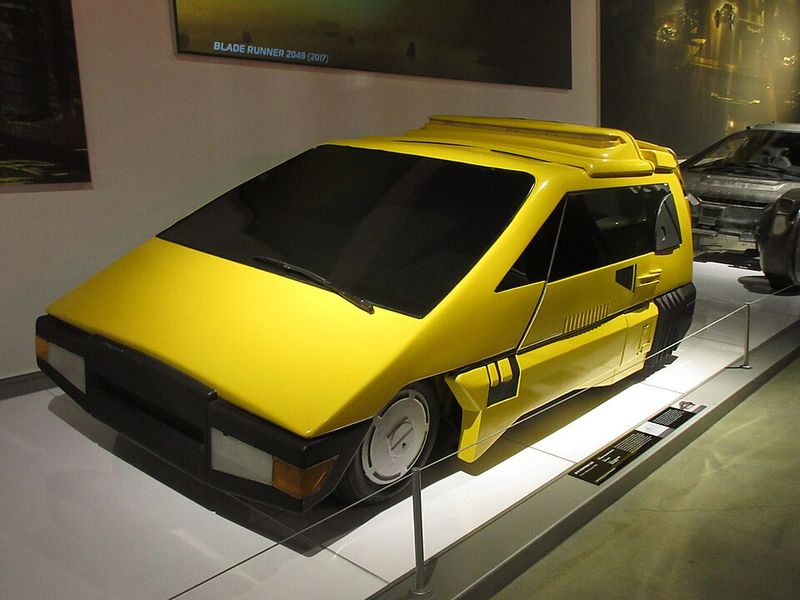
What makes someone human? Blade Runner has been asking that question since 1982, and scientists still do not have a clean answer.
Ridley Scott’s neo-noir masterpiece follows a detective hunting down rogue androids called replicants, but the film is really about consciousness, identity, and empathy.
Neuroscientists and AI researchers reference it constantly when discussing what separates human thought from machine processing. The Voight-Kampff test, used to identify replicants, echoes real debates about measuring emotional intelligence.
Though the film is set in a gritty 2019 Los Angeles, its questions feel even more urgent now that artificial intelligence is an everyday reality. Chew on that one for a while.
8. Gravity (2013)
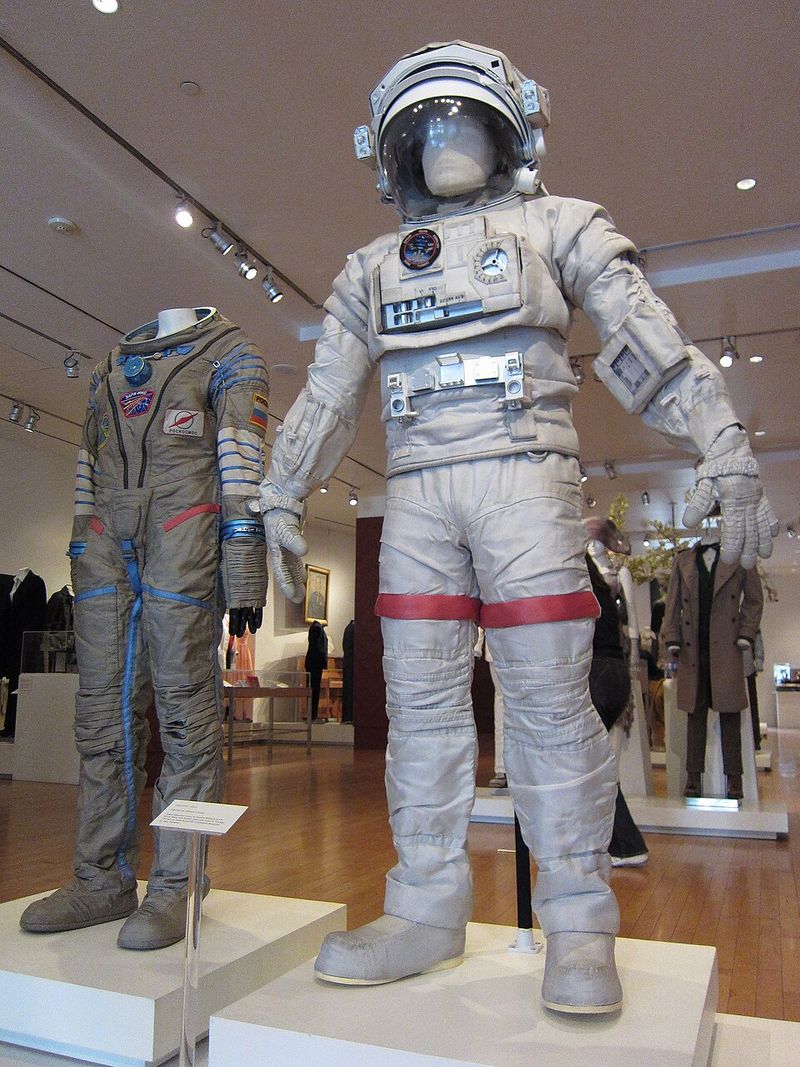
Alfonso Cuaron’s Gravity opens with a fact on screen: in space, there is no sound, no air, and no way to survive without the right equipment. Astronauts at NASA reportedly watched it together and gave it high marks for capturing the terrifying reality of working in orbit.
That kind of praise does not come easily.
The film depicts orbital debris, spacewalk mechanics, and the physical demands of space accurately enough to impress real experts. Some details were adjusted for drama, but the overall experience is hauntingly believable.
If you have ever wondered why astronaut training takes years of preparation, watching Sandra Bullock fight for survival in zero gravity will answer that question fast.