10 Secrets Only True Fans Know About One Flew Over The Cuckoo’s Nest
Jack Nicholson’s rebellious grin and Nurse Ratched’s icy stare turned One Flew Over the Cuckoo’s Nest into an unforgettable storm of chaos and courage in 1975. Behind those iconic performances lies a world of wild stories, daring choices, and shocking truths that even devoted fans might have overlooked.
Real mental patients wandered the set, lending the film a raw edge, while the director confronted his own painful past, weaving personal truth into every frame. Every scene pulses with rebellion, tension, and dark humor, making the movie more than a story; it became an experience that rattled audiences to their core.
Dive deep into the untold secrets and behind-the-scenes madness that made Cuckoo’s Nest a cinematic legend you can’t stop watching.
1. Filmed Inside A Real Mental Hospital With Actual Patients
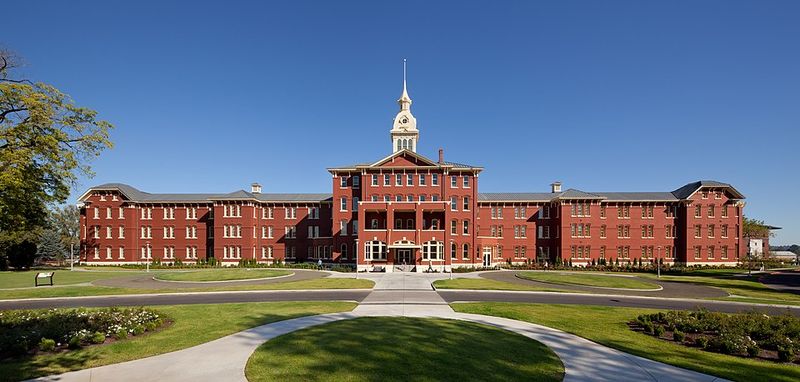
Most movie sets are carefully constructed illusions, but not this one. Director Miloš Forman chose to film at Oregon State Mental Hospital in Salem, bringing raw authenticity to every frame.
Real patients wandered through scenes as extras, blurring the line between fiction and reality in ways that still give viewers chills. Their presence added an eerie genuineness that no Hollywood set could replicate.
Walking those actual hallways meant the cast experienced the environment firsthand, making their performances all the more powerful and believable.
2. Jack Nicholson Saw The Whole Story As A Failed Seduction
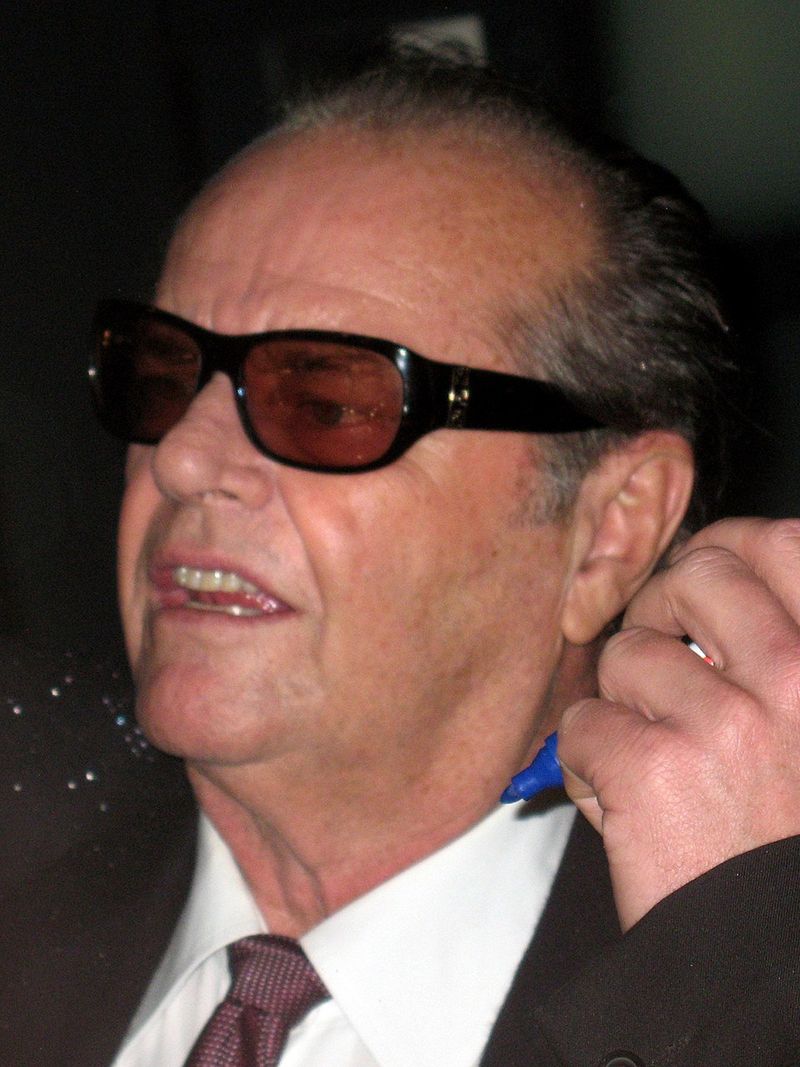
While most viewers saw a battle of wills between McMurphy and Nurse Ratched, Nicholson had a completely different take. He privately told Louise Fletcher that he viewed the entire film as his character trying unsuccessfully to seduce her character throughout the story.
This secret interpretation shaped their chemistry in unexpected ways. Fletcher was the only person Nicholson shared this perspective with during filming, creating a unique tension between them.
That hidden dynamic added layers to their interactions that audiences felt without quite understanding why.
3. The Director Connected Nurse Ratched To Communist Oppression
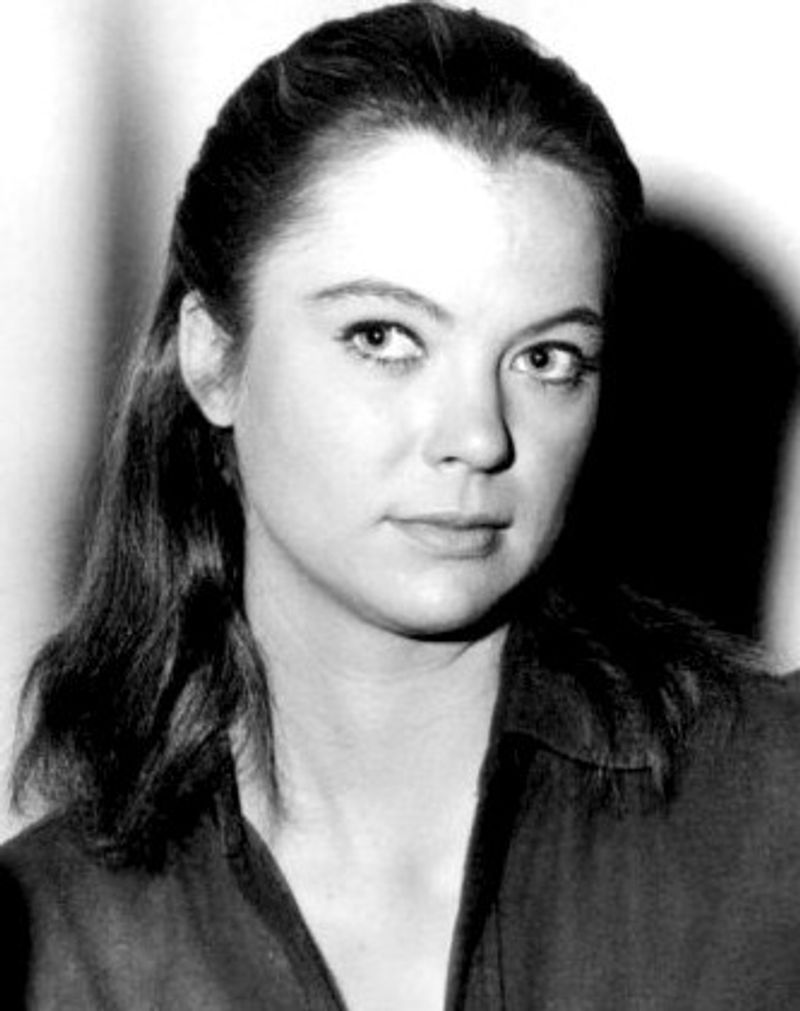
Miloš Forman didn’t just see Nurse Ratched as a villain in a mental hospital drama. Having fled Czechoslovakia, he recognized her controlling methods as eerily similar to the Communist Party tactics he’d experienced firsthand in his homeland.
That personal connection fueled his vision for the character’s chilling authoritarianism. Every rule she enforced and every freedom she crushed reminded him of the oppression he’d escaped.
Understanding this background makes Ratched’s tyranny feel even more sinister and historically resonant than a simple movie antagonist.
4. Five Major Stars Almost Played McMurphy Instead
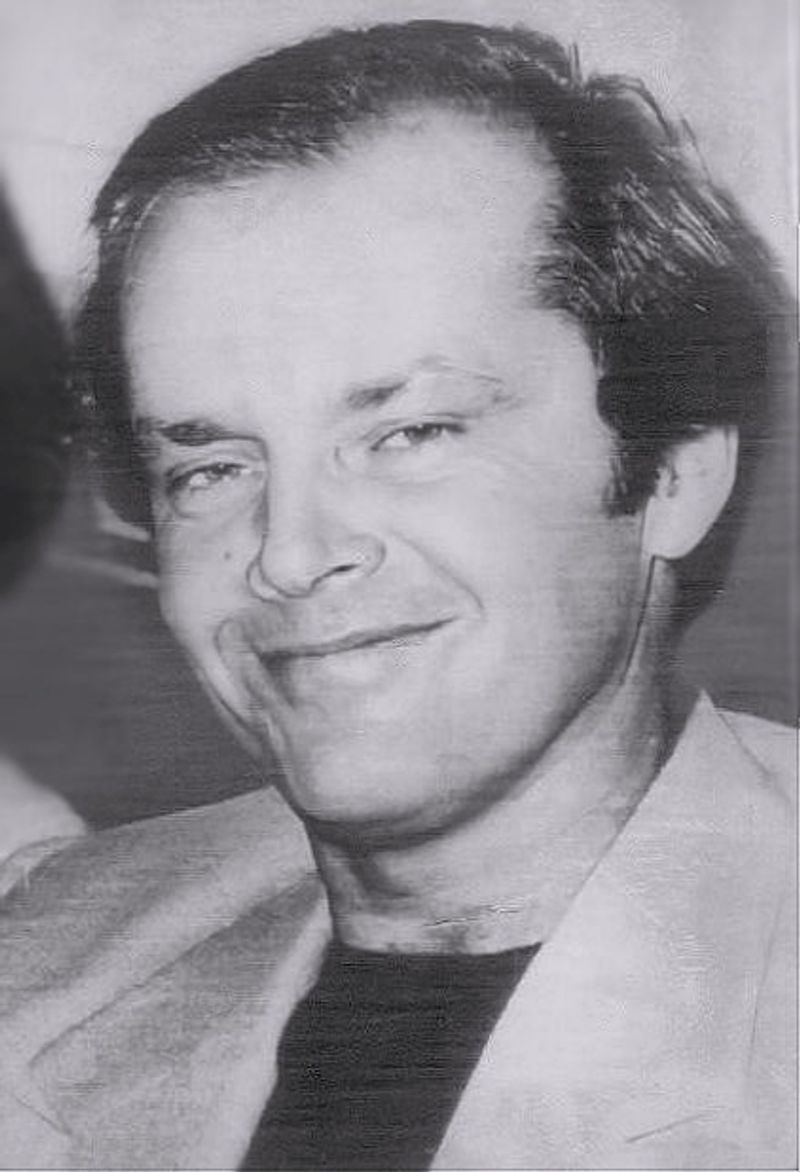
Before Nicholson’s iconic portrayal became cinema history, Hollywood’s biggest names circled the role. James Caan, Burt Reynolds, Steve McQueen, Marlon Brando, and Gene Hackman all considered stepping into McMurphy’s rebellious shoes.
When Nicholson finally signed on, production halted for six entire months just to accommodate his packed schedule. Imagine how different the film would feel with any of those other legends leading the charge.
Sometimes the perfect casting is worth the wait, and this delay proved absolutely golden for movie history.
5. Louise Fletcher Lied To Stay In Character Off-Set
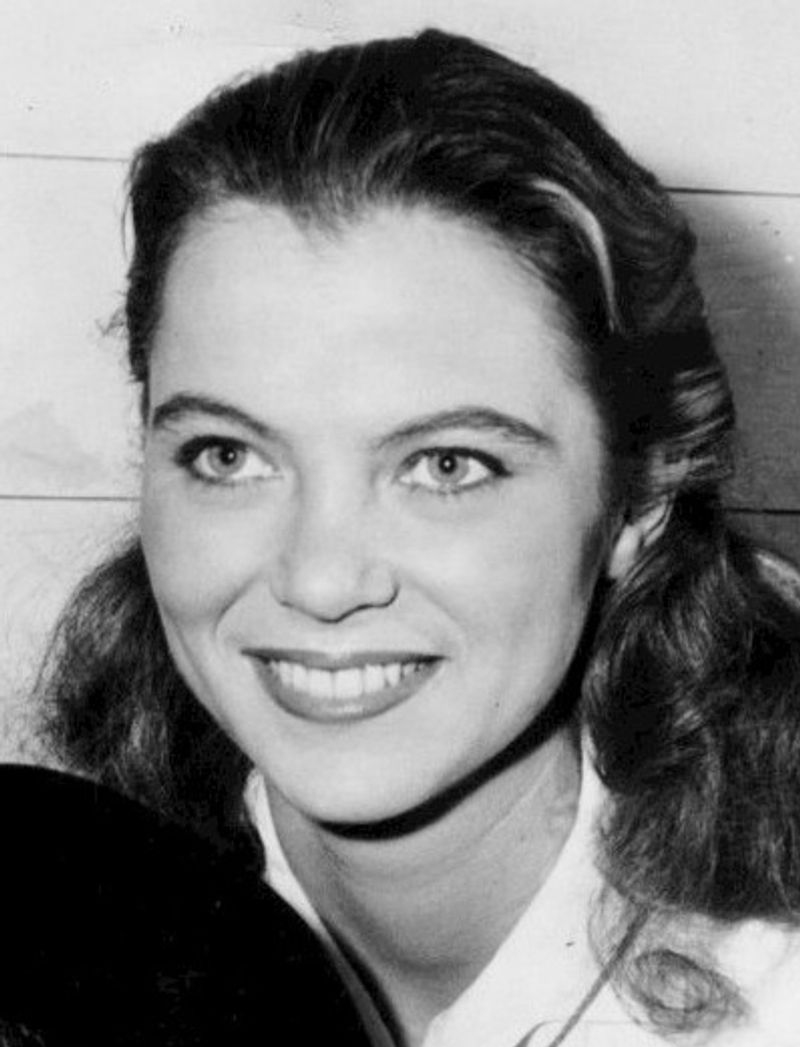
Method acting reached new heights when Fletcher deliberately isolated herself from the entire cast throughout filming. She wanted to maintain Nurse Ratched’s cold, distant demeanor even when cameras stopped rolling, so she avoided bonding with her co-stars completely.
Fletcher even fabricated a story about a stranger bothering her at her accommodations to justify moving elsewhere. Her dedication to staying emotionally removed created the authentic chill that made Ratched so terrifyingly believable.
That level of commitment transformed her performance into something unforgettable and genuinely unsettling.
6. The Fishing Scene Took A Week And Made Everyone Seasick
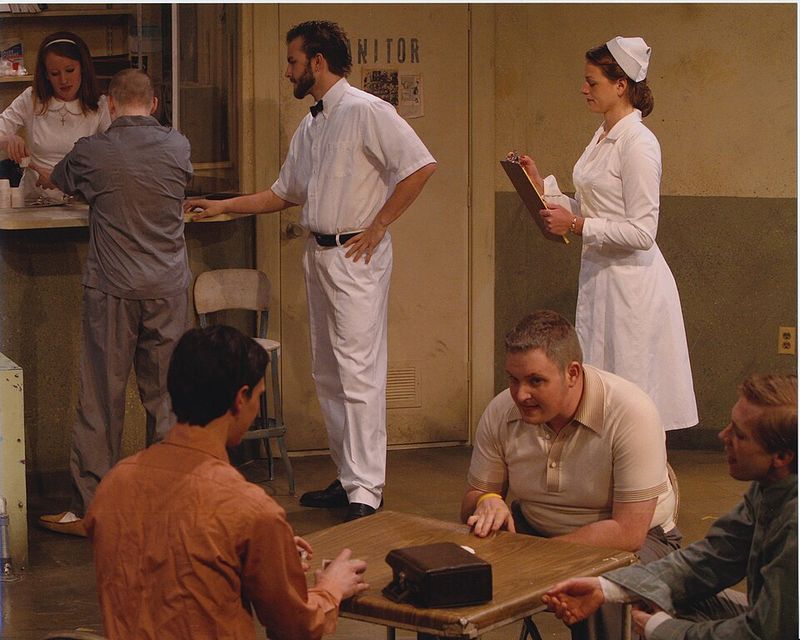
That memorable fishing trip wasn’t just challenging for the characters—it was pure torture for the actors too. Filmed last during production, this single scene consumed an entire week of shooting on actual ocean waters.
Every cast member except Nicholson suffered from brutal seasickness as the boat rocked endlessly. Their green faces and genuine discomfort added unintended realism to the chaotic adventure McMurphy orchestrated.
Sometimes the best performances come from actors genuinely struggling through uncomfortable situations rather than just pretending.
7. A Real Doctor Diagnosed An Actor With Leukemia On Set
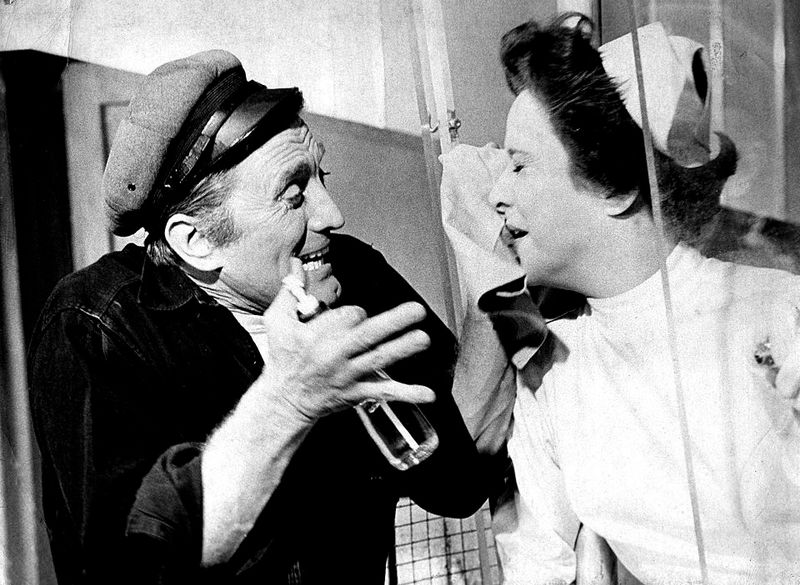
Dr. Dean R. Brooks wasn’t just playing the hospital administrator—he actually ran Oregon State Mental Hospital in real life.
During filming, he noticed something concerning about William Redfield, who portrayed Harding, and diagnosed him with leukemia.
Redfield kept this devastating news completely private from the cast and crew while finishing his performance. Tragically, he passed away just eighteen months after production wrapped.
His professionalism in the face of such heartbreaking news adds poignant weight to his final screen appearance.
8. Author Ken Kesey Hated The Film And Never Watched It
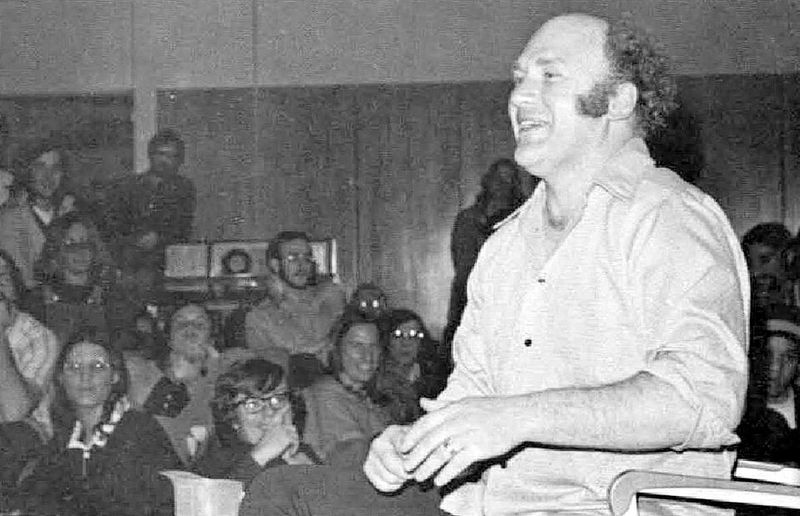
Creating the original novel didn’t mean Kesey approved of Hollywood’s interpretation. He despised that the film focused on McMurphy instead of telling the story through Chief Bromden’s eyes like his book did.
His disappointment ran so deep that he actually sued the producers over creative differences. Kesey claimed he never sat through the entire movie, refusing to watch what they’d done to his beloved story.
Sometimes artists and filmmakers see the same material through completely incompatible lenses, creating tension that never heals.
9. Three Different Cinematographers Worked On The Film
Behind-the-scenes chaos doesn’t always show up on screen, but this production had serious cinematography drama. Haskell Wexler started filming and worked for thirty days before being replaced by Bill Butler, who also lasted exactly thirty days.
Then William A. Fraker stepped in specifically for the challenging boat scene that required specialized skills.
Despite three different visual artists handling the camera, the film maintains remarkable consistency throughout.
This rotating door of talent somehow created a cohesive masterpiece that won the Oscar for Best Picture anyway.
10. Nicholson Took Profit Percentage Instead Of Salary And Became Rich
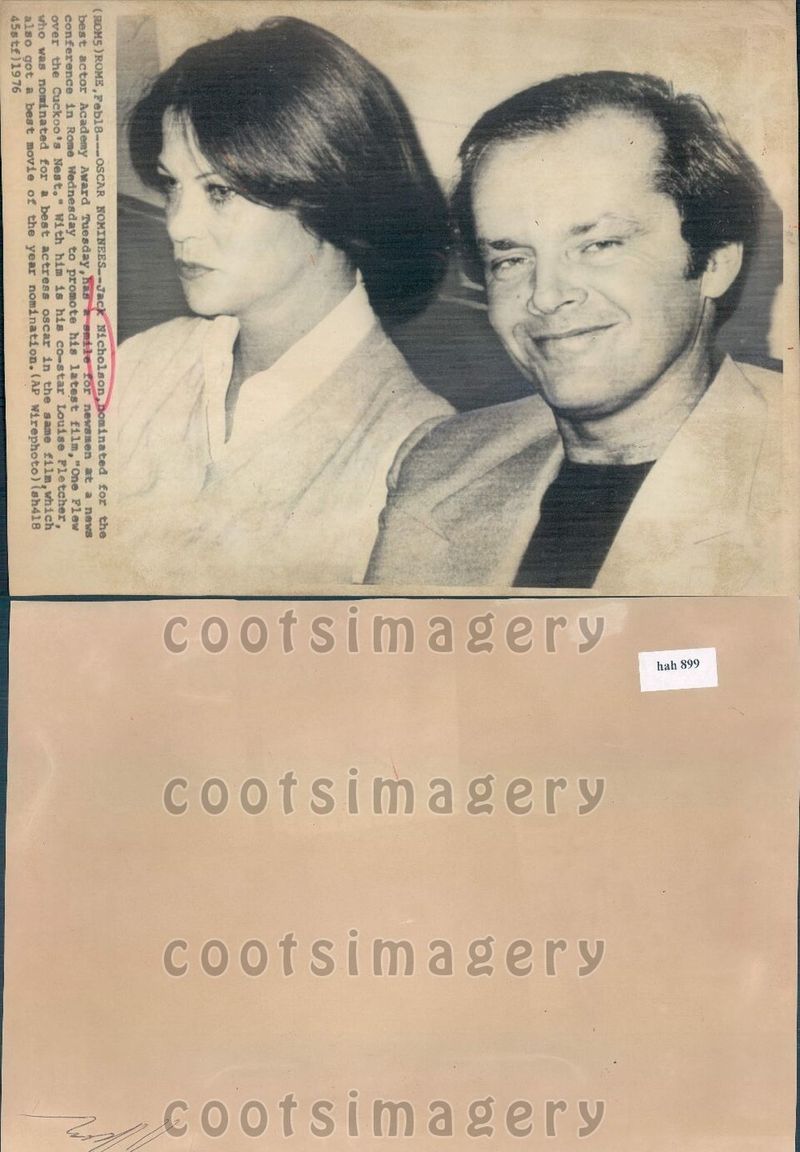
Sometimes the biggest gambles pay off spectacularly. Instead of accepting a modest guaranteed salary, Nicholson negotiated for a percentage of the film’s profits, betting on the movie’s success rather than playing it safe.
When One Flew Over the Cuckoo’s Nest grossed over $120 million at the box office, his risky decision transformed into a financial windfall. That choice earned him far more than any upfront payment could have provided.
Smart business instincts combined with faith in the project made Nicholson much wealthier than he ever expected.