The Strongest And Weakest Seinfeld Storyline In Every Season
Seinfeld built its reputation on making small problems feel absurdly important, which is exactly why its highs and lows can be so much fun to compare.
When the show was firing on all cylinders, even a petty grudge or a bad social encounter could turn into comedy that felt weirdly perfect.
When a storyline missed, the difference was noticeable fast. A joke stretched too far, a premise felt thinner than usual, or the rhythm that normally made everything click just was not quite there.
Every run of the show had ideas that landed beautifully and others that never fully found their footing, and putting those side by side says a lot about how Seinfeld worked when it was at its sharpest.
Disclaimer: This article is intended for general informational and entertainment purposes only. Comparisons of storylines across Seinfeld seasons reflect editorial opinion, and individual fans may strongly disagree on which plots worked best or least effectively.
Season 1: Jerry and Elaine vs. The Robbery Stakeout
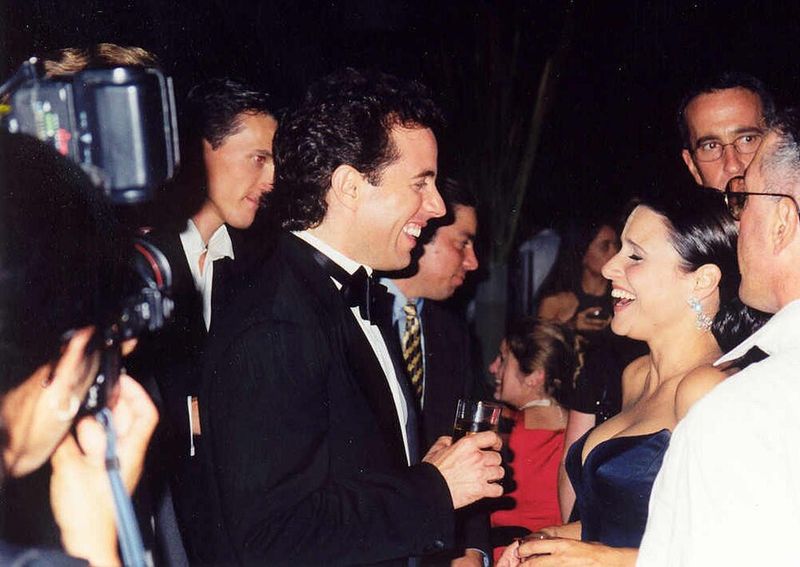
Will they, won’t they? Jerry and Elaine’s early dance around their past relationship gave Season 1 its emotional backbone.
Watching two adults try to define something undefined felt refreshingly real and quietly funny at the same time.
However, “The Robbery” stakeout plot with the missing necklace landed with a thud. The conflict felt thin, the stakes were low, and the humor never quite arrived.
If Season 1 was still finding its footing, this episode was the stumble. The Jerry-Elaine tension, though, proved the show had real heart hiding underneath all those coffee cups.
Season 2: George’s Romantic Panic vs. The Cadillac Gift
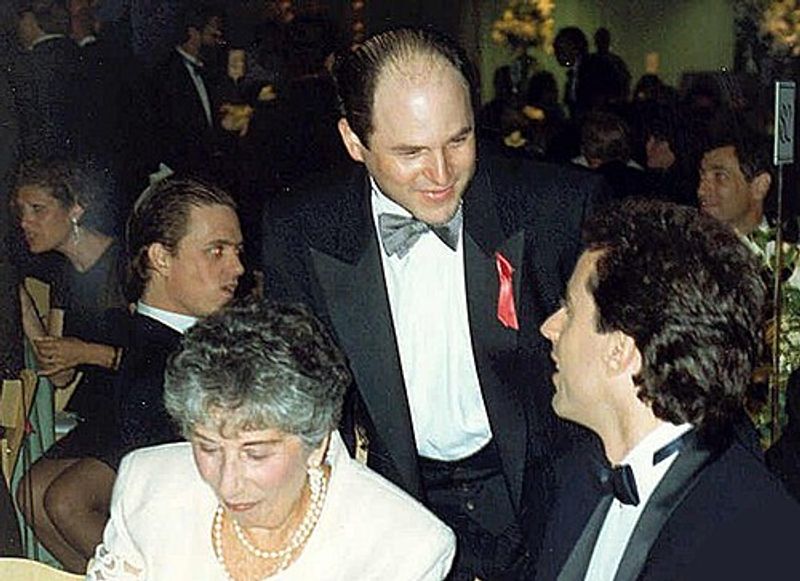
George Costanza panicking over romance is basically a competitive sport, and Season 2 made it an art form.
“The Phone Message” and “The Deal” showed George at his most hilariously self-destructive, sabotaging perfectly good situations because he simply could not stop overthinking.
On the flip side, Jerry buying his father a Cadillac as the central conflict in “The Pony Remark” felt surprisingly flat. The storyline lacked the sharp edge the show was already developing.
George’s romantic chaos was electric. The Cadillac subplot? More like a slow Sunday drive through Queens with no destination.
Season 3: Parking Garage Genius vs. The Dog Disaster
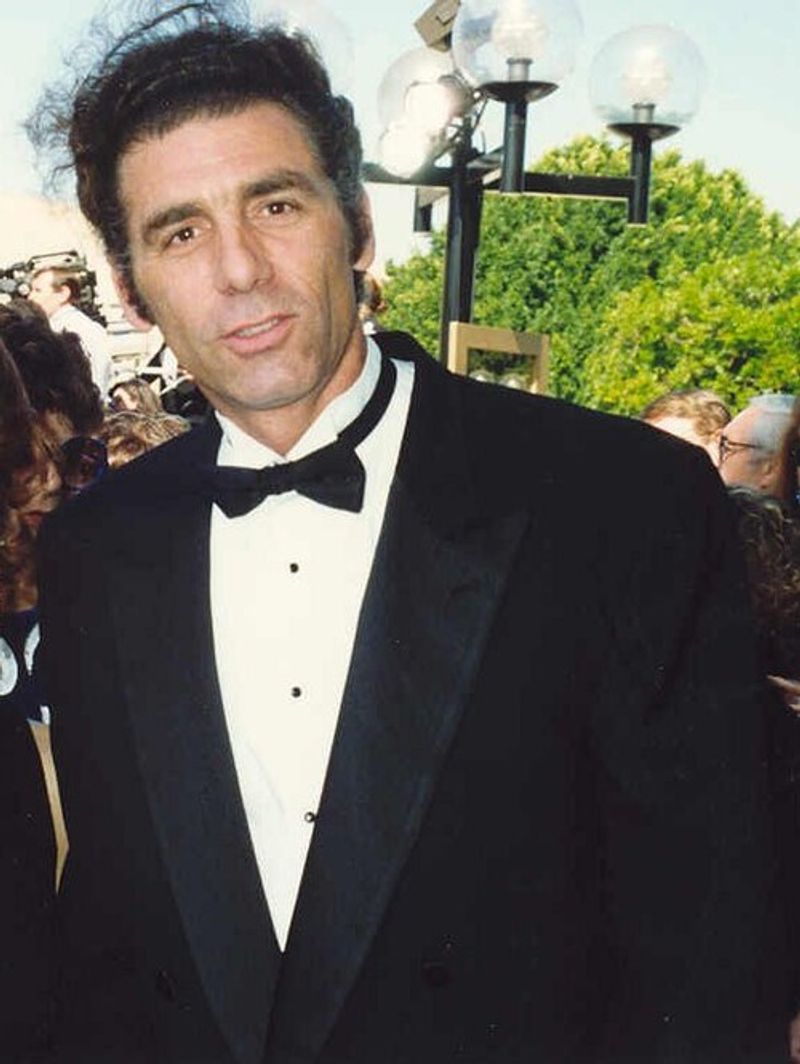
“The Parking Garage” is one of those episodes where nothing happens and everything happens.
The gang wanders around a mall parking structure for an entire episode, and somehow it becomes a masterclass in comedic frustration.
Real-time storytelling, mounting panic, and perfect character work made it unforgettable.
“The Dog,” however, is the season’s awkward footnote. Jerry gets stuck babysitting a stranger’s loud, badly behaved dog, and the episode drags along with it.
The concept had potential but never found its bite. Sometimes even Seinfeld needed a reminder that not every quirky premise deserves a full episode.
Season 4: The NBC Pilot Arc vs. The Watch Mix-Up
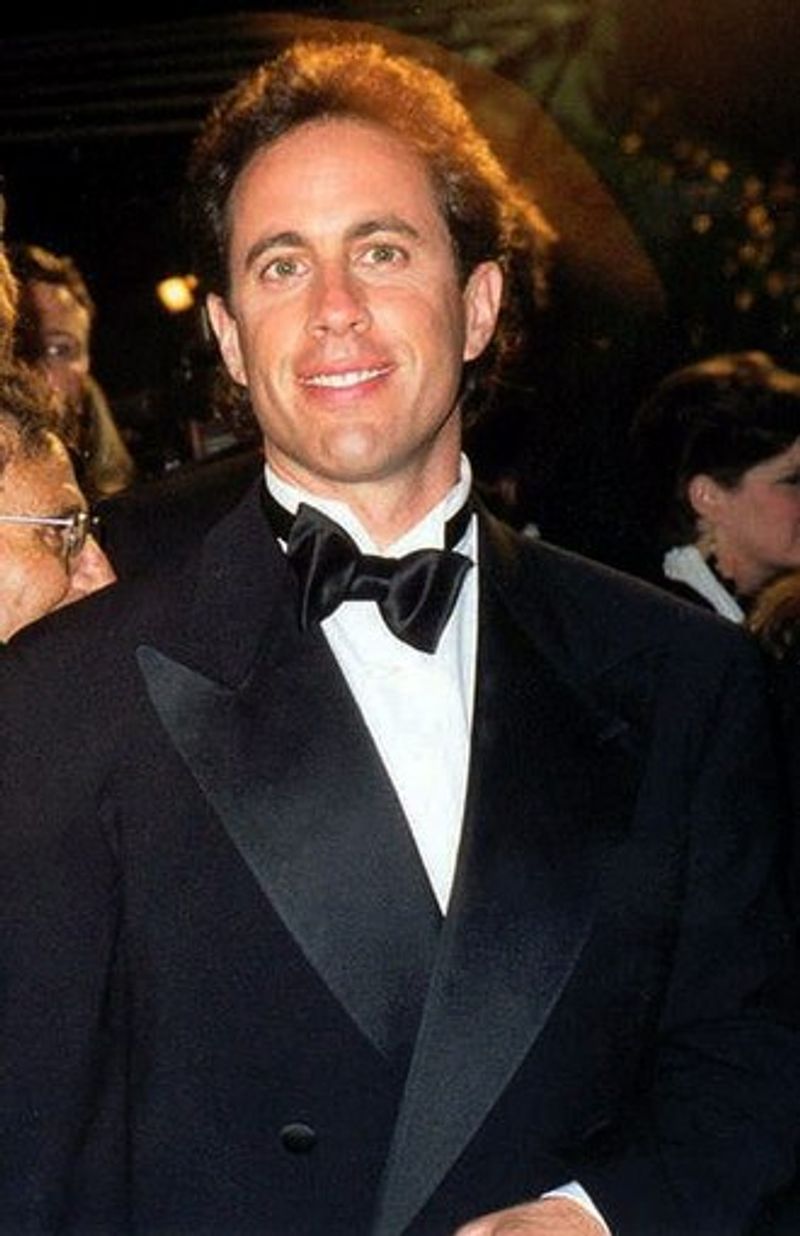
George and Jerry pitching a show about nothing to NBC executives is basically Seinfeld winking at itself in the mirror.
The multi-episode arc was bold, brilliantly self-referential, and gave the season a narrative spine that most sitcoms never attempt. It remains one of television’s great comedic experiments.
Meanwhile, the wallet and watch mix-up in “The Watch” felt like filler dressed up as plot. The confusion was forced, the payoff thin, and it lacked the clever construction that made the NBC arc shine.
Season 5: The Yankees Arc vs. The Laugh Problem

George doing the opposite of every instinct and landing a job with the New York Yankees is peak Seinfeld logic.
The buildup through Season 5 transformed him from lovable loser to accidental winner, and watching that arc unfold was genuinely satisfying television with a comedic punch at every turn.
Contrast that with Jerry’s dating subplot involving a girlfriend with a strange laugh, and the season shows its weaker side. The premise felt recycled from the show’s long list of quirky-girlfriend plots.
How many times can Jerry bail on someone for a superficial reason? Apparently, many. Too many, some would say.
Season 6: George’s Engagement Trap vs. Mr. Pitt’s Tiny Tasks

Watching George fall into an engagement with Susan and then spend the rest of the season desperately trying to escape it was dark comedy at its finest.
The storyline had real stakes, genuine character development, and a slow-burn tension that kept viewers both laughing and slightly uncomfortable.
Elaine’s running thread of doing tiny, pointless errands for her boss Mr. Pitt, including his sock situation, felt like a comedic end. The jokes never escalated into anything memorable.
Season 7: Engagement Panic Peaks vs. The Toothbrush Worry

Season 7 took George’s engagement dread to its darkest and funniest extreme. Every episode added another layer of panic, regret, and hilariously misguided escape attempts.
The payoff was controversial but unforgettable, and the journey there was some of the best character writing the show ever produced.
Meanwhile, Jerry’s anxiety over toothbrush-in-the-toilet style concerns fell into a tier of smaller, forgettable subplots.
The material felt minor compared to the massive emotional weight Susan’s storyline carried. Some episodes coasted on charm alone without delivering real comedic firepower.
Season 8: George’s Fake Foundation vs. Jerry’s Mechanic Romance
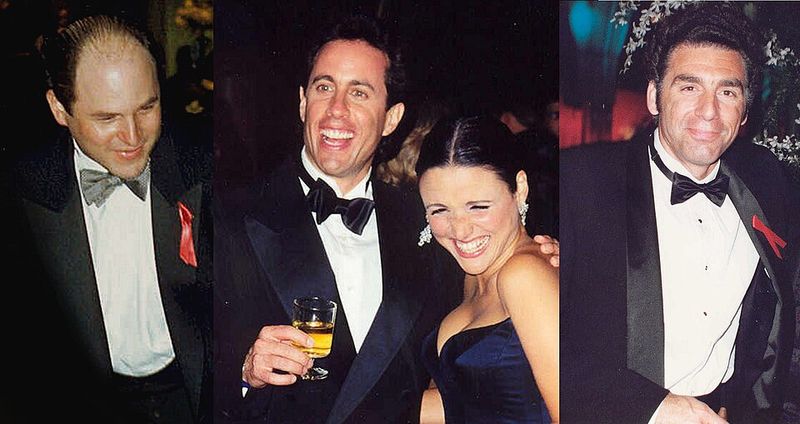
Post-Larry David, Season 8 leaned hard into absurdity, and George’s fake charitable foundation was proof that the show still had comedic teeth.
The storyline captured everything great about George: the arrogance, the laziness, and the spectacular collapse waiting just around the corner. Kramer’s detours added to the season’s chaotic energy.
Jerry dating his mechanic, however, sat in that forgettable corner of the season’s smaller romance plots. The relationship never sparked anything truly funny or surprising.
After eight seasons of quirky-girlfriend storylines, this one felt like a tune-up that nobody actually needed.
Season 9: The Grand Moral Collapse vs. Sally Weaver Returns
“The Merv Griffin Show,” “The Strike,” and the series finale formed one of TV’s most satisfying send-offs.
The gang’s complete moral collapse, built across nine seasons of petty selfishness, finally caught up with them in a finale that felt both earned and brilliantly cruel. Festivus forever, by the way.
Sally Weaver returning as a repeated annoyance, though, was the season’s most tiresome thread. A character designed to irritate worked once but wore out its welcome fast.
Not every recurring bit lands on repeat. Sometimes the joke is funnier the first time.