15 Shakespeare Beliefs That Are Not Quite Right
Shakespeare has been around so long that the myths started clinging to him almost as tightly as the ruffled collar.
Say his name and people suddenly get very confident, even when the fact in question sounds a little suspicious on contact.
School lessons, pop culture, half-remembered trivia, and dramatic people on the internet have all helped build a version of Shakespeare that is not always entirely accurate. That is where things get fun.
Plenty of ideas attached to him sound smart, familiar, and just believable enough to keep repeating themselves for centuries. Then you look closer and the whole thing gets wobblier than a badly staged sword fight.
Either way, Shakespeare is much more interesting without the dusty bundle of assumptions piled on top of him.
1. Someone Else Wrote The Plays
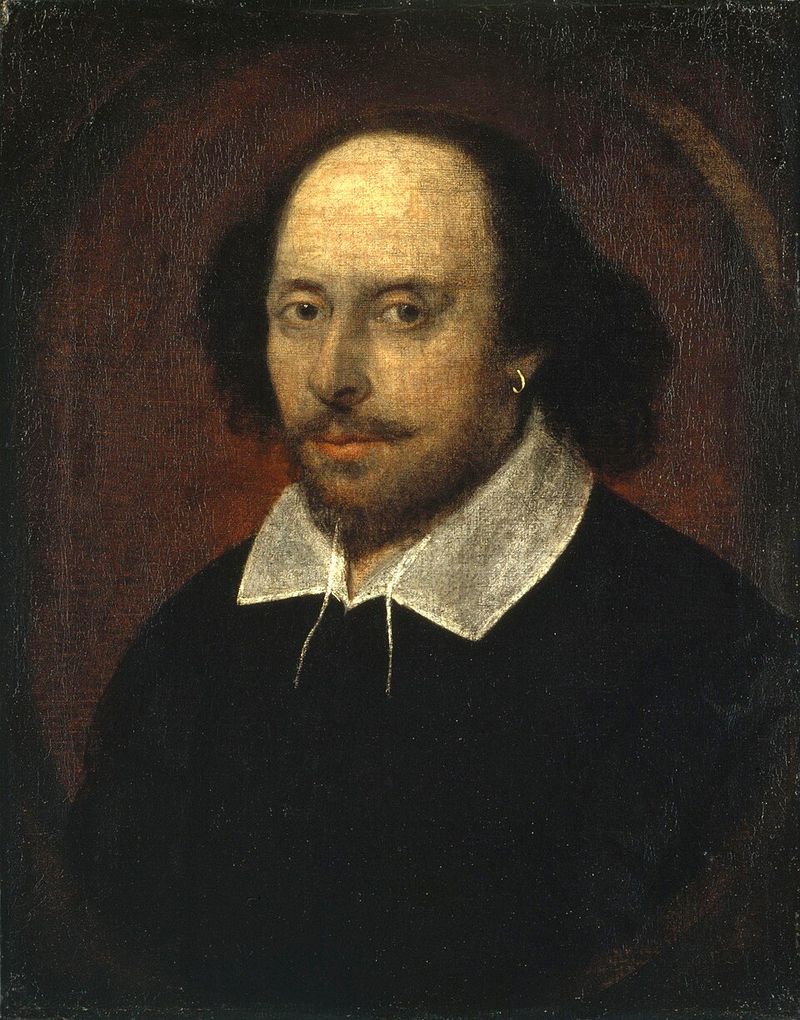
Plot twist alert! Some people love to claim that Shakespeare did not actually write his own plays. Sounds like a blockbuster mystery, right?
However, that idea is a much later conspiracy theory, not something people believed during his lifetime.
Folks who actually knew Shakespeare, his neighbors, fellow actors, and business partners, identified the man from Stratford as the playwright. No secret author was hiding behind the curtain.
The conspiracy grew centuries after his passing, fueled more by snobbery than by solid evidence.
Scholars today are pretty clear: the man from Stratford wrote the plays. Case closed, no spoilers needed.
2. Almost Nothing Is Known About Him
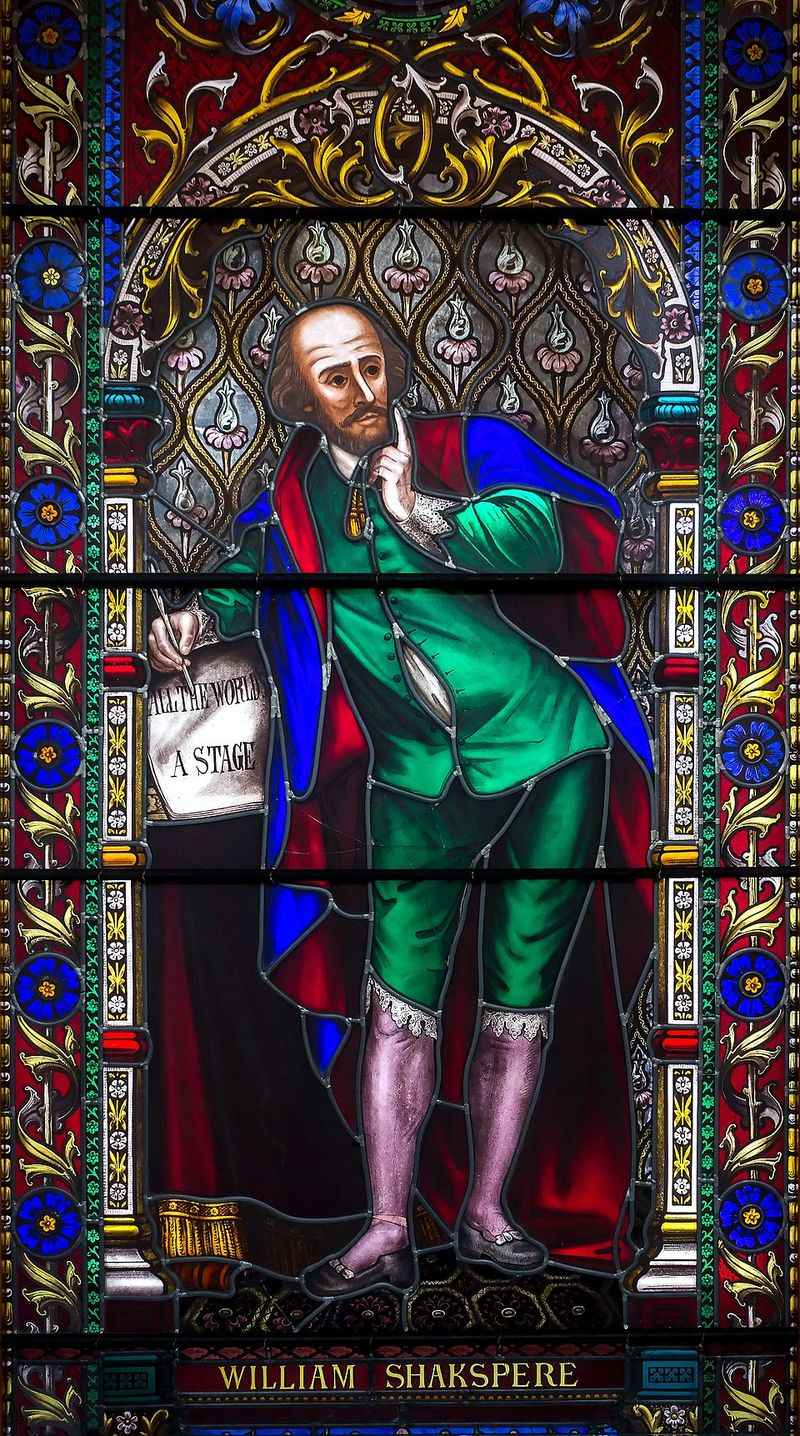
Surprise! Shakespeare is actually one of the better-documented writers of his era.
Sure, gaps exist, but scholars have tracked down a solid paper trail covering his family, property deals, legal disputes, and career moves.
Records show his baptism, his marriage license, business transactions in Stratford and London, and his membership in the Globe Theatre company.
How cool is that? That is far more than we have for many of his fellow playwrights.
Calling him a total mystery is a stretch. The real picture is incomplete in spots, yes, but definitely not blank.
3. He Was Just An Uneducated Country Boy
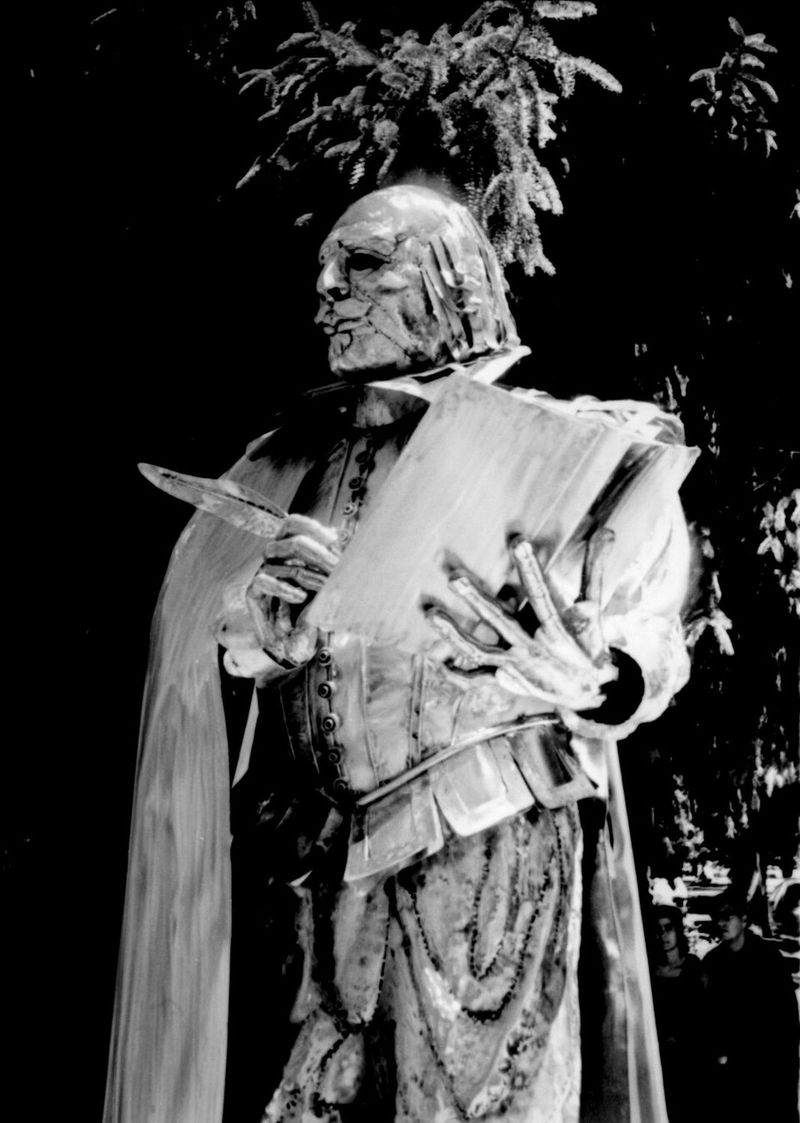
No college degree? No problem, apparently.
Many people assume Shakespeare stumbled into genius without any real schooling. However, attending university was not the only path to serious education back then.
King’s New School in Stratford offered a genuinely tough curriculum packed with Latin, rhetoric, classical literature, and logic.
Students there read Ovid, Cicero, and Virgil before they were teenagers. That kind of training would give any sharp mind a powerful literary toolkit.
Calling him uneducated simply because he skipped university misses the point entirely. Grammar school in his day was no joke, trust us.
4. He Was The Undisputed Greatest Writer Of His Time
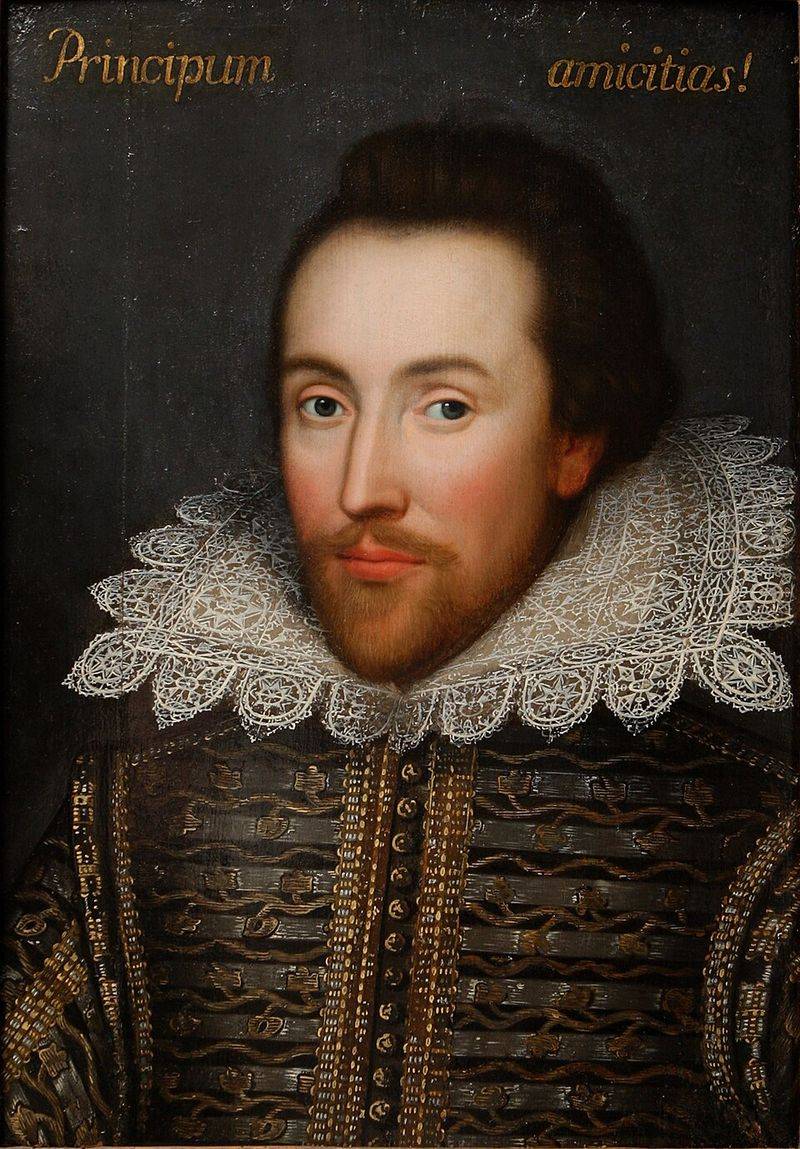
Hold on before you crown him. Shakespeare was respected and commercially successful during his lifetime, absolutely.
However, the idea that everyone back then bowed down to him as the unbeatable champion of writing? That is mostly a later invention.
Writers like Christopher Marlowe, Ben Jonson, and John Fletcher were also celebrated and popular. Jonson even poked fun at Shakespeare in public.
The towering legend we know today was largely built up over the following centuries, not handed to him on a silver platter in 1600.
5. He Always Wrote Alone
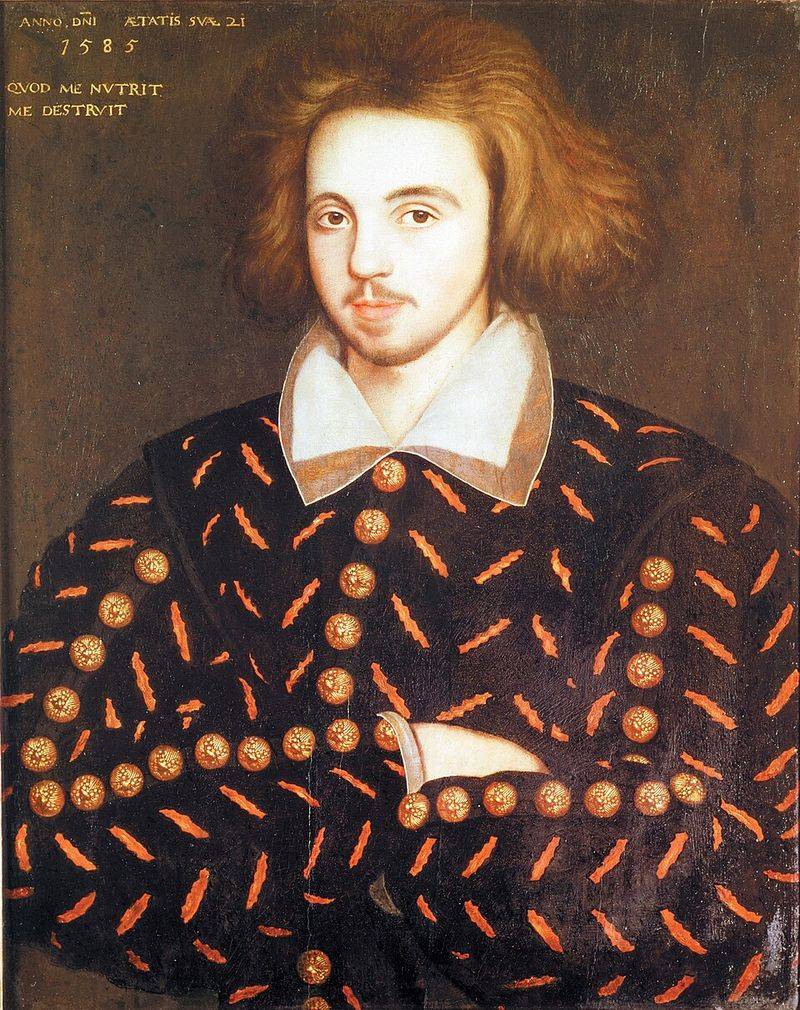
Lone genius alert: cancelled. Many readers picture Shakespeare alone in a candlelit room, conjuring masterpieces from thin air.
Reality check: collaboration was totally normal in the Elizabethan theater world.
Modern scholarship, backed by major academic editions, now credits Christopher Marlowe as a co-author on the Henry VI plays.
Shakespeare also worked alongside John Fletcher on later plays like The Two Noble Kinsmen and Henry VIII.
Thinking of him as a solo act misses how the theater industry actually worked. Playwrights teamed up, shared ideas, and built on each other. Honestly, it sounds a lot like a writers room today.
6. His Marriage Was Definitely Miserable
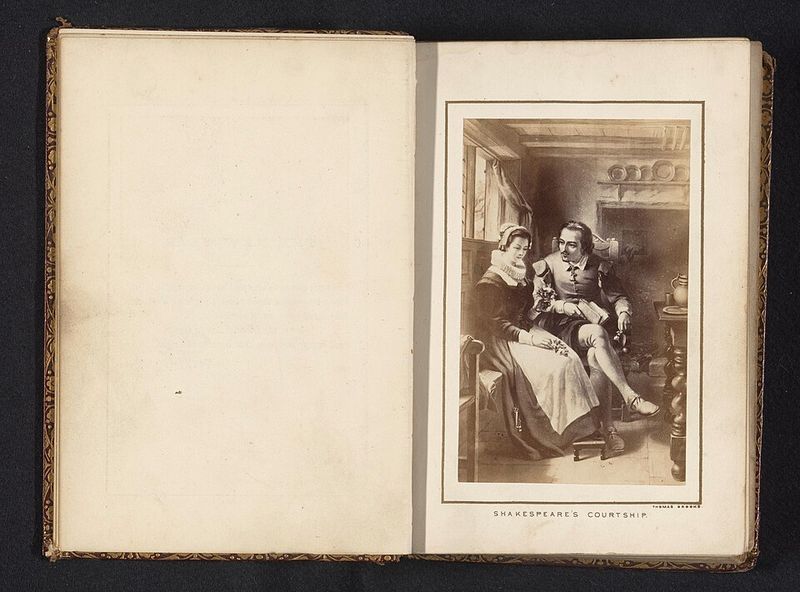
Poor Anne Hathaway has taken a lot of heat over the years.
The old story goes that Shakespeare abandoned her in Stratford, rushed off to London, and basically ghosted his own marriage. Dramatic, sure, but the evidence is shakier than most people realize.
Recent research actually suggests Anne may have spent time in London with him, which punches a big hole in the “total separation” myth.
Also, Shakespeare left her the second-best bed in his will, which some scholars interpret as a term of affection, not a snub. Reading that as a cold marriage might say more about us than about them.
7. Every Story He Told Was Totally Original
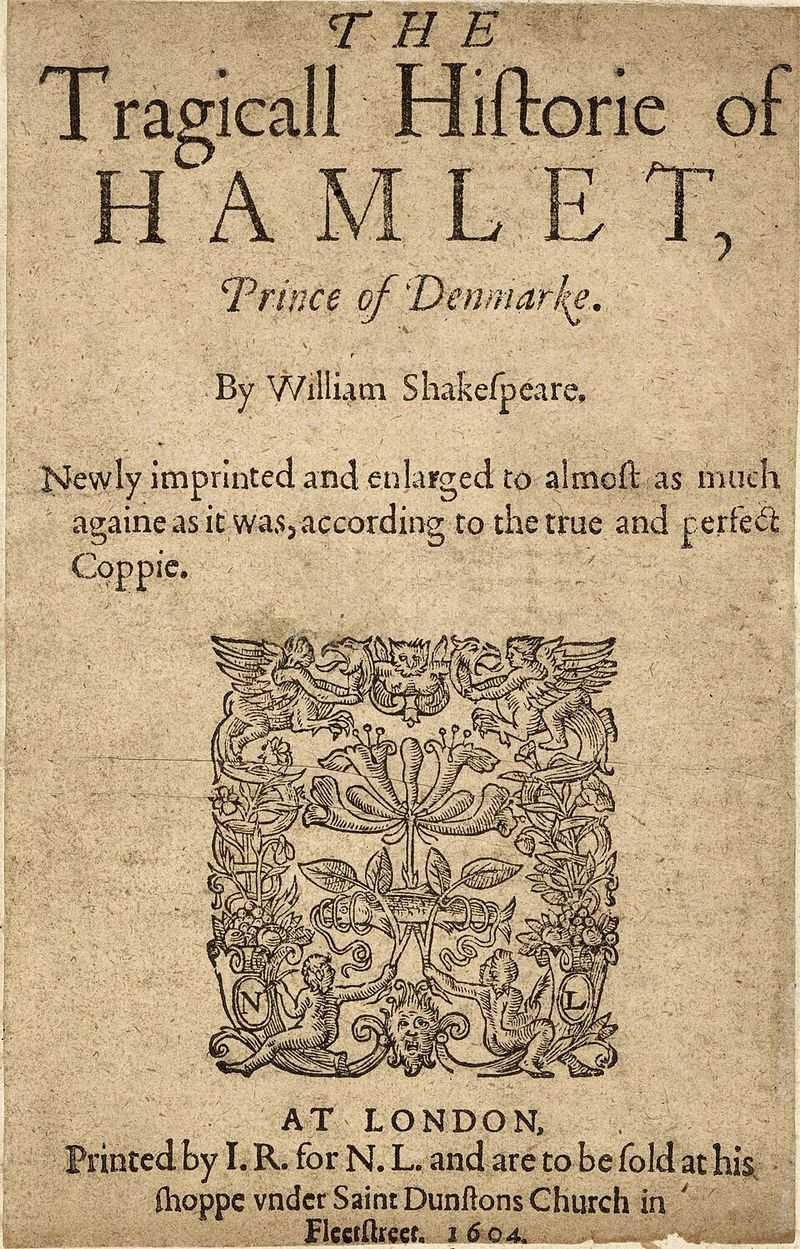
Spoiler: Romeo and Juliet was not Shakespeare’s original idea. Neither was Hamlet.
Actually, a huge chunk of his plays were built on earlier stories, chronicles, Italian novellas, Scandinavian legends, and classical sources.
What made Shakespeare extraordinary was not inventing plots from scratch but transforming borrowed material into something emotionally electric and linguistically brilliant.
Think of it like a remix artist who takes a decent song and turns it into a chart-topping hit.
Originality in his era meant fresh language, deep characters, and theatrical power. He delivered all three spectacularly, even when working from someone else’s basic outline.
8. His History Plays Are Basically Accurate
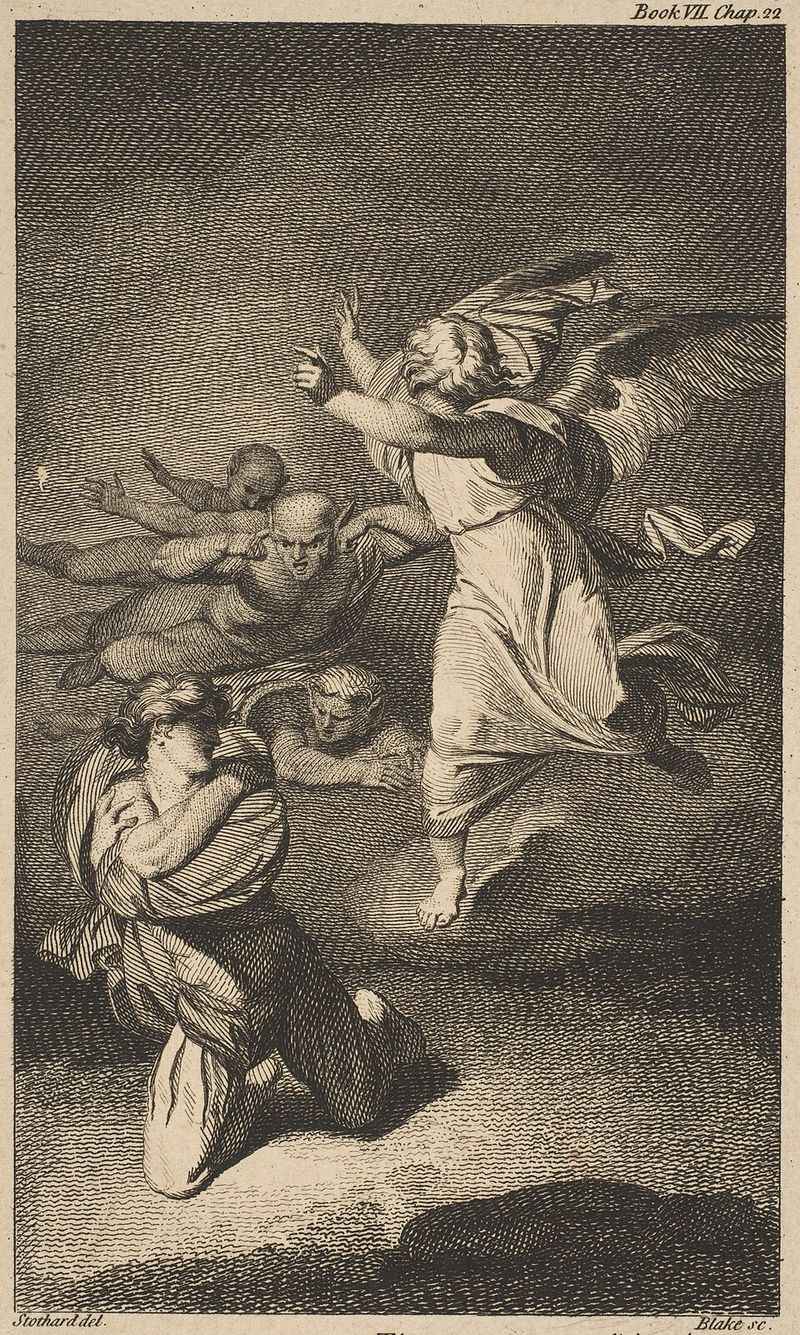
If you learned history from Shakespeare, you might want to double-check a few things. His history plays are incredible drama, but they were never meant to be textbooks.
Take Richard III as a classic example. That unforgettable villain with a hunched back and pure evil energy?
Much of that portrait came straight from Tudor-era sources that had serious political reasons to paint Richard as a bad creature. It was basically royal-approved propaganda dressed up as history.
Scholars remind us that Shakespeare was a playwright first, not a journalist. His history plays reveal how stories get shaped by whoever is in power at the time.
9. His Work Was Only For The Educated Elite
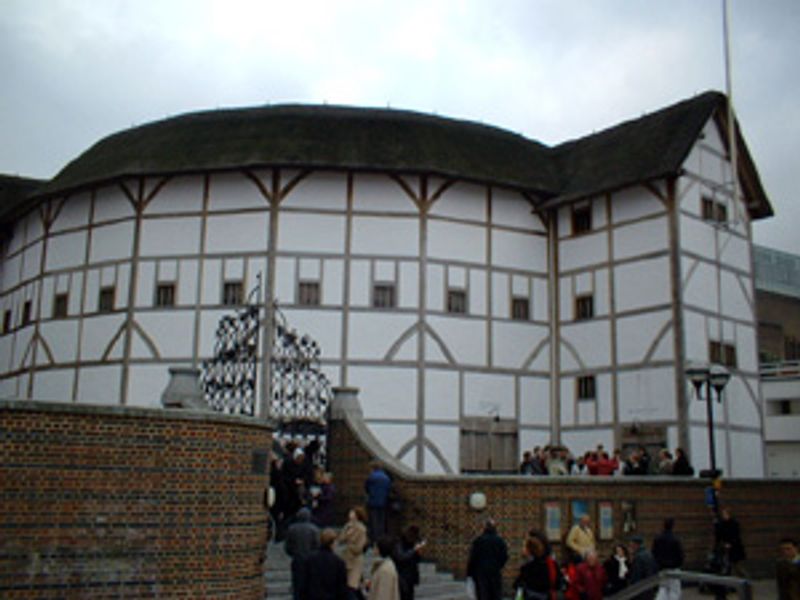
Here is something that might flip your assumption entirely: Shakespeare wrote for the crowd, not just the court.
The Globe Theatre was a commercial venue packed with people from all walks of life, from nobles in the fancy seats to regular folks standing in the yard.
His plays are loaded with slapstick humor, dirty jokes, sword fights, ghosts, and crowd-pleasing spectacle. If the groundlings in the pit were not entertained, the show flopped. Period.
Courtly language and deep philosophy shared the stage with bawdy puns and pratfalls. That mix of high and low is actually one of his greatest strengths as a writer.
10. The Texts Have Always Stayed The Same
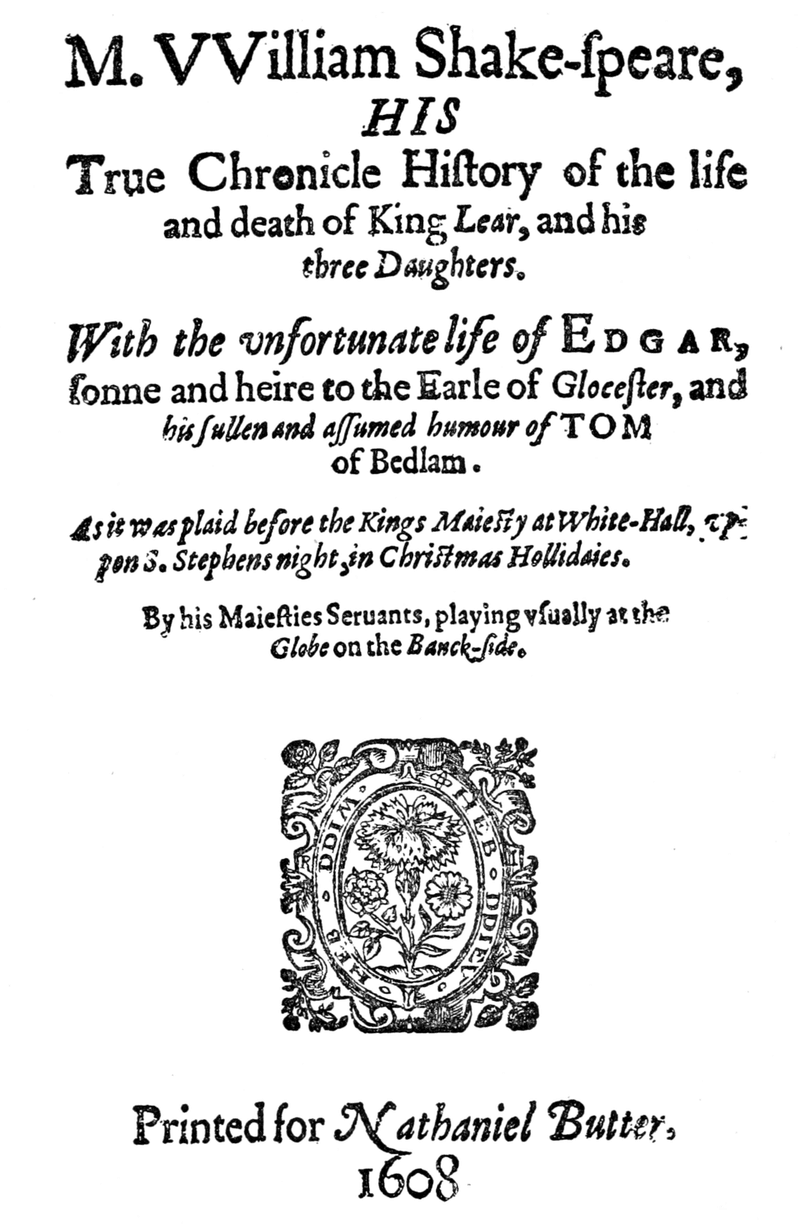
If you think there is one clean, fixed original text for each Shakespeare play, prepare for a surprise.
His works survive in multiple versions, and some plays look quite different depending on which source you pick up.
Hamlet, for example, exists in a short “bad” quarto, a longer quarto, and the First Folio version, and they do not always agree. King Lear has two significantly different versions that scholars still debate today.
The tidy idea of one perfect original text is much neater than the messy, fascinating reality of how Elizabethan plays were actually printed, copied, and passed around.
11. He Was Just A Poet Who Avoided The Stage
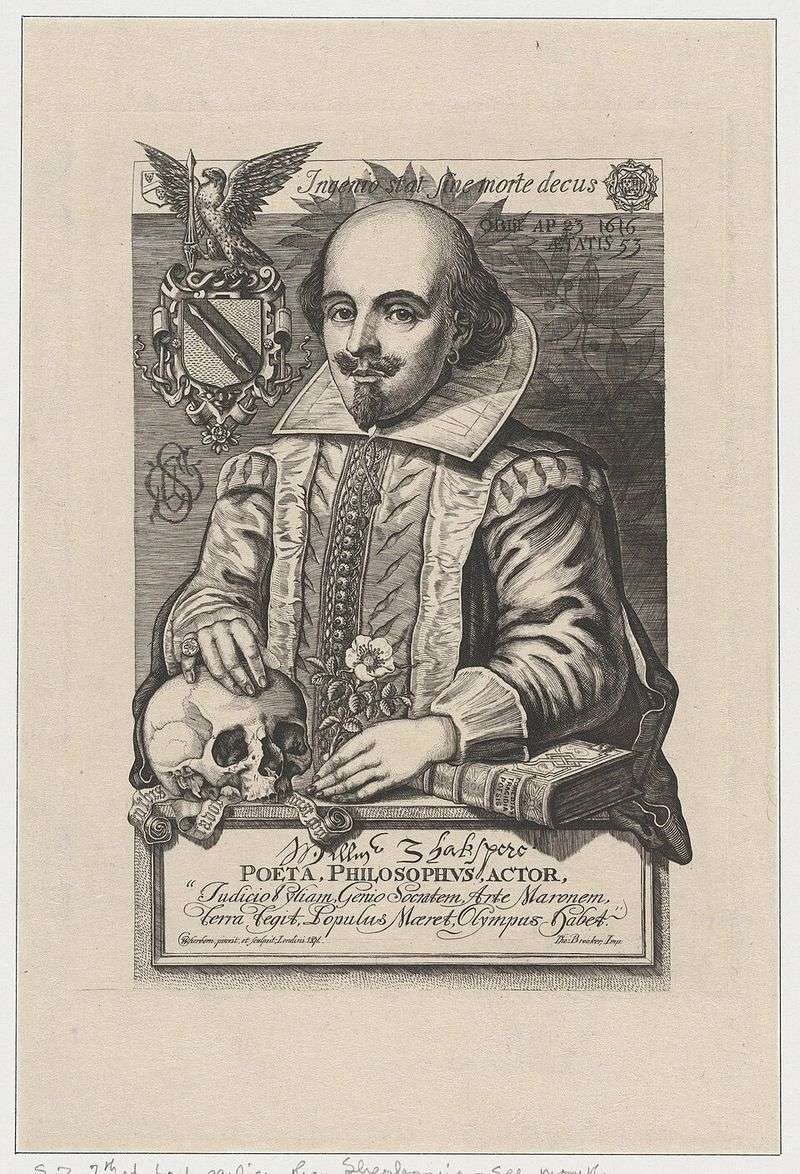
Poet in an ivory tower? Not even close. Shakespeare was a working man of the theater in every sense.
Beyond writing, he was a performing actor and a shareholder in the Lord Chamberlain’s Men, one of the most successful theater companies of his era.
That business stake meant he had skin in the game financially. If a play bombed, his wallet felt it.
That practical pressure likely shaped how he wrote, always keeping the audience in mind.
Knowing the stage from the inside out gave his scripts a theatrical electricity that pure desk-bound writers often miss. He was a theater professional through and through.
12. His Reputation Has Always Been Rock Solid
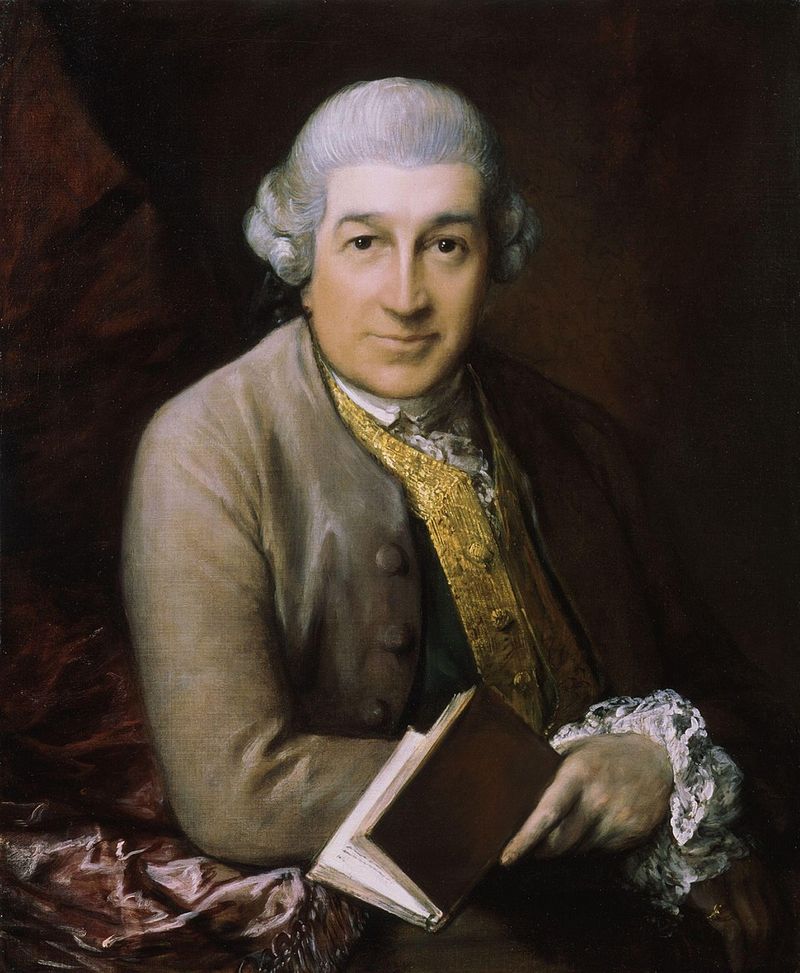
Actually, his reputation has had some wild ups and downs.
During the Restoration period in the late 1600s, his plays were considered a bit rough and were often heavily rewritten to suit newer tastes. Some editors basically gave his tragedies happy endings. Wild, right?
The massive, almost mythological Shakespeare we know today was largely constructed during the 18th and 19th centuries, especially around events like the 1769 Jubilee organized by actor David Garrick.
Centuries of storytelling, editing, and cultural celebration built the legend we inherited. His reputation was shaped as much by history as by his actual writing.
13. We Know Exactly What He Looked Like
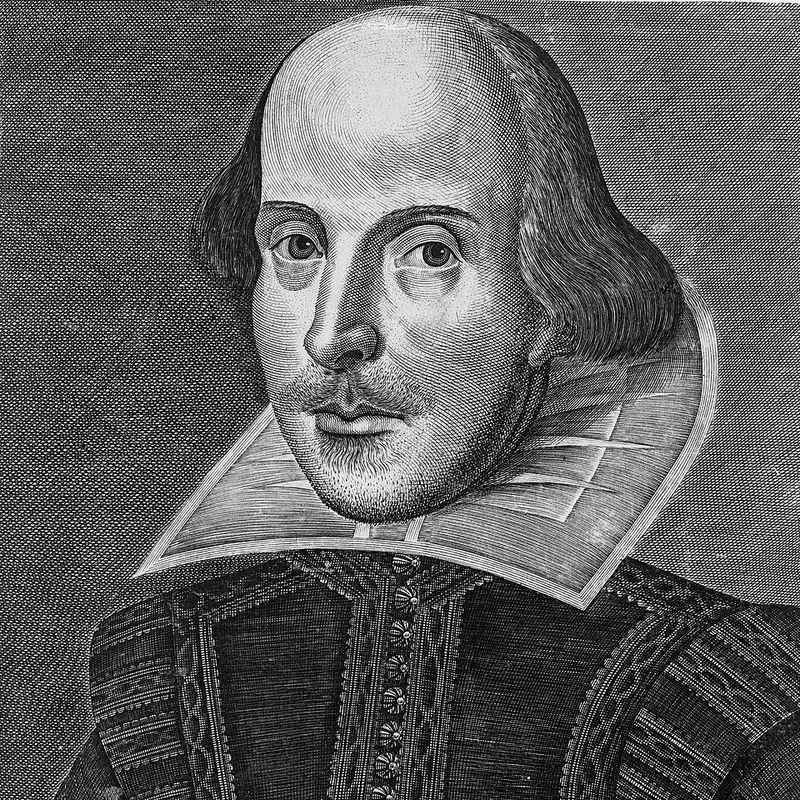
Scroll past any Shakespeare image you have ever seen and ask: how sure are we, really? Scholars are actually quite cautious about this.
Only a small number of likenesses exist, and several are disputed, stylized, or created well after his passing.
The famous Chandos portrait, one of the most recognized images, cannot be definitively confirmed as Shakespeare.
The Droeshout engraving in the First Folio is our strongest candidate, but even that was made by an engraver who likely never met him in person.
So the face on all those coffee mugs and classroom posters? Possibly accurate. Possibly not. Nobody can say for certain.
14. Every Profound Quote Online Is His
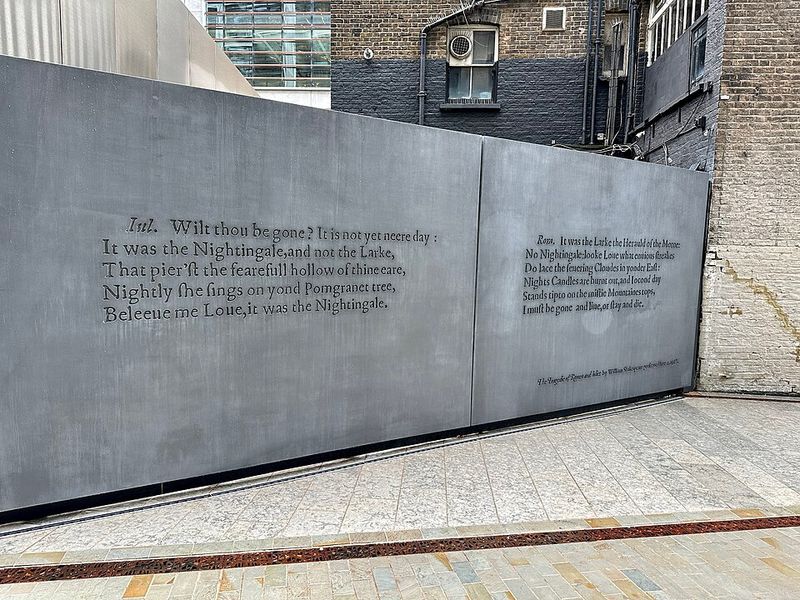
“Be yourself. Everyone else is already taken.” Shakespeare? Nope, that is Oscar Wilde. “Well-behaved women seldom make history”? Also not him.
Yet both have floated around the internet under his name at various points.
Shakespeare’s massive fame has turned him into a quote magnet. If something sounds wise, old-fashioned, or poetic, the internet slaps his name on it and hits share.
Researchers and fact-checkers have traced dozens of popular misattributions back to other writers entirely.
Before quoting him in your next essay, do a quick check. His actual writing is brilliant enough without borrowing lines from strangers.
15. He Was A Remote, Almost Superhuman Genius
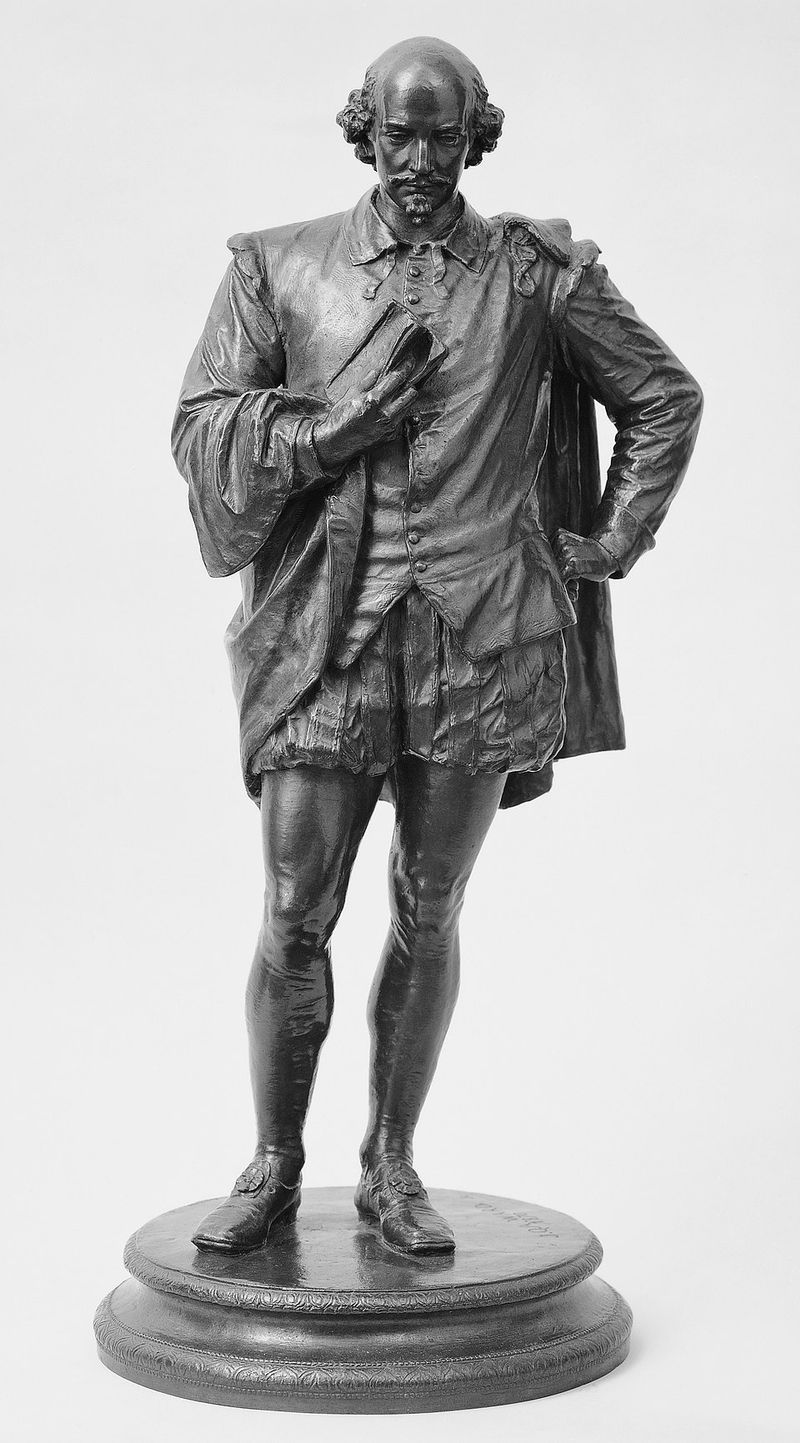
Here is the most interesting reframe of all: modern scholars argue that treating Shakespeare like a magical, untouchable genius actually makes him harder to understand and appreciate.
The real story is more grounded and honestly more impressive. He was a working playwright hustling in a competitive, commercial theater world.
He had business partners, difficult actors, and audiences who would walk out if bored. Sound familiar? It should, because that pressure is very human.
What makes his work remarkable is not that it fell from the sky but that it was built in the real world, under real constraints, and still somehow became timeless.