17 Albums That Shaped The Sound Of 1975
1975 landed like a turning point that nobody could quite name in the moment, yet the records told the story anyway.
Album culture mattered then. Fans sat with full tracklists, memorized deep cuts, argued over sequencing, and let side two change the mood of an entire night.
Producers and engineers chased new sounds in the studio, and artists chased bigger ideas in the writing, sometimes even risking commercial comfort for a bolder statement.
These seventeen albums did more than rack up sales or critical praise. Each one helped define what 1975 sounded like, and the echoes still show up in playlists, samples, and modern records that keep borrowing that year’s heartbeat.
Disclaimer: This list reflects editorial opinion and a particular view of musical influence, not definitive fact or universal consensus about the most important albums of 1975.
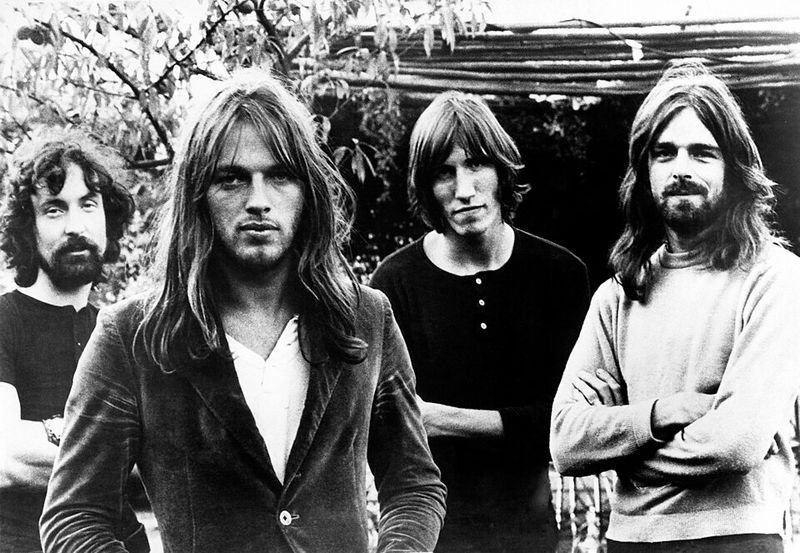
1. Pink Floyd — Wish You Were Here
Ever notice how some albums feel like they’re reading your diary?
Pink Floyd’s masterpiece arrived in September 1975, wrapping massive studio budgets around surprisingly vulnerable emotions.
The title track became an instant classic, but the whole record tells a story about absence and the music industry’s soul-crushing machine.
What makes this special is how the band used cutting-edge production not to hide feelings but to amplify them.
2. Bob Dylan — Blood on the Tracks
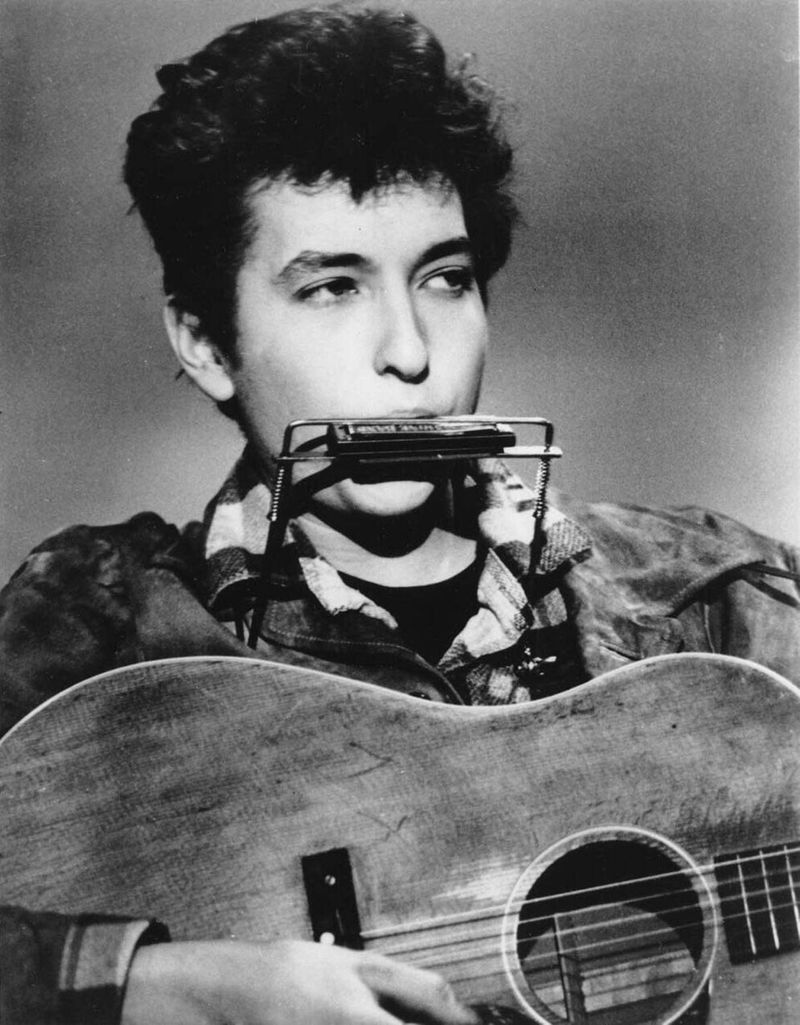
Released in January 1975, this record hit listeners like a confession they weren’t supposed to hear.
Dylan, then in his mid-thirties, channeled heartbreak into poetry that felt uncomfortably real.
Songs like Tangled Up in Blue rewrote the rules for how personal songwriters could get without losing their audience.
The album’s genius lies in its conversational honesty. Dylan doesn’t preach or perform; he simply tells stories that happen to devastate.
3. Bruce Springsteen — Born to Run
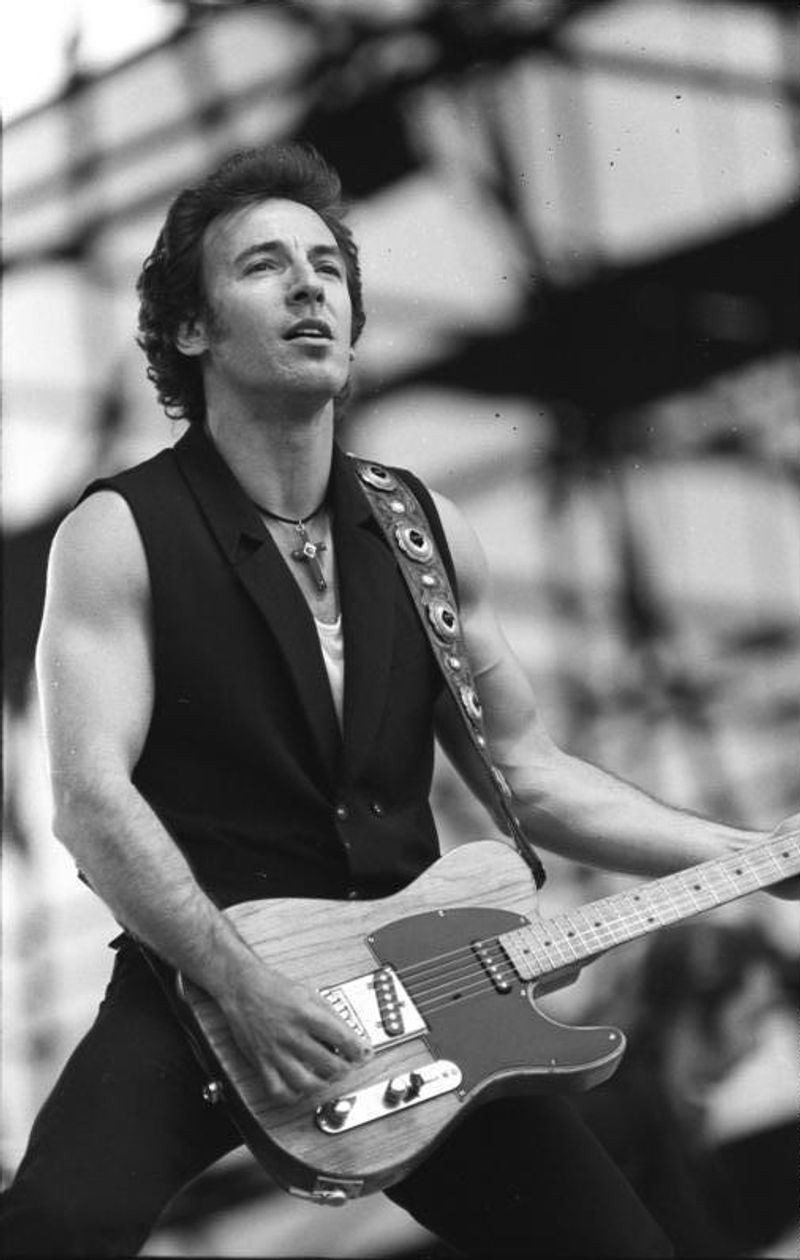
August gave us Springsteen’s breakout moment, a record that sounds like driving too fast with the windows down.
The Boss crafted anthems that felt bigger than life but rooted in working-class struggles everyone recognized.
Thunder Road and the title track became instant classics, painting pictures of small-town dreams and highway escapes.
What’s wild is how this album invented a whole sound: cinematic rock with Phil Spector’s wall-of-sound energy.
4. Led Zeppelin — Physical Graffiti
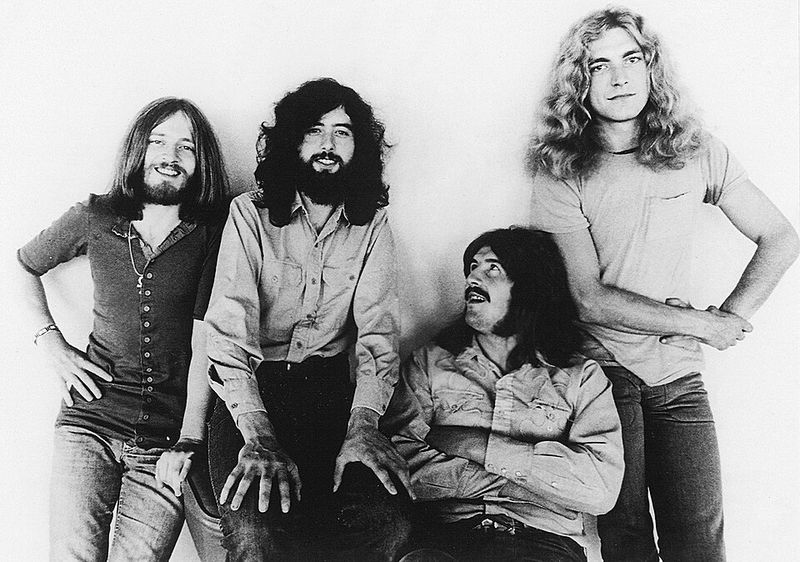
This sprawling double album proved hard rock could stretch in multiple directions simultaneously.
Kashmir alone justified the price, with its hypnotic riff and orchestral ambition.
The album’s beauty is its refusal to pick one mood. Acoustic ballads sit next to thundering rockers, blues grooves transition into mystical epics.
It’s messy, ambitious, and utterly captivating.
Later bands learned from Zeppelin that bigger doesn’t mean bloated when you’ve got the songs to back it up.
5. Patti Smith — Horses

Smith, a poet turned rock performer, kicked off her debut with a transformed version of Gloria that sounded like a revolution announcement.
Her voice carried attitude and intelligence in equal measure, proving punk could be cerebral without losing its edge.
The album’s raw production became a statement: imperfection as authenticity.
Smith’s lyrics mixed high art references with street-level urgency.
6. Queen — A Night at the Opera
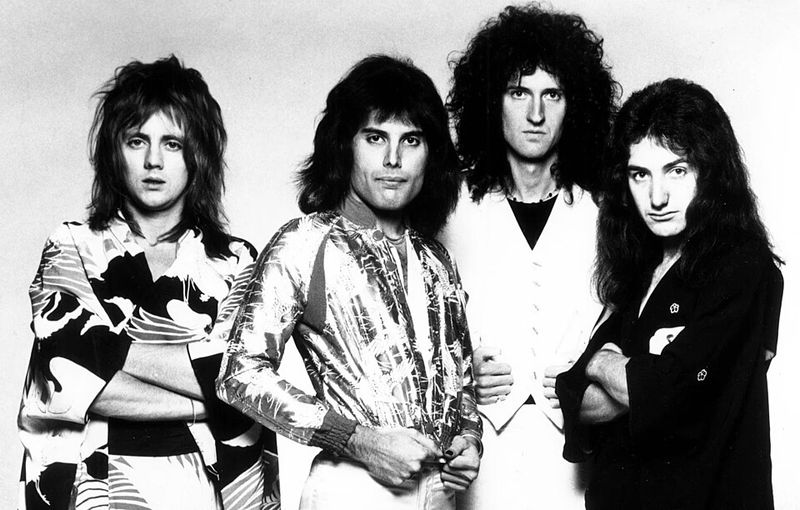
We can say thanks to this record for showing how rock could be operatic, theatrical, and still massively popular.
Bohemian Rhapsody became the centerpiece, a six-minute genre-hopping epic that radio stations initially thought was too weird to play. Spoiler alert: they were hilariously wrong.
Queen threw everything into this album – harmonies stacked like wedding cakes, guitar solos that screamed, piano parts that danced. The band treated the studio like a playground where rules didn’t apply.
Their maximalist approach influenced everyone from prog rockers to pop producers who learned that more could definitely be more.
7. David Bowie — Young Americans
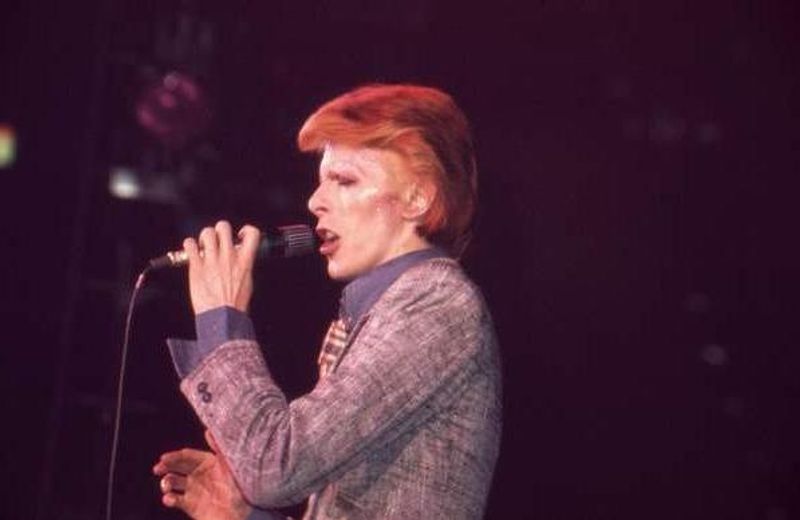
In March of 1975, we saw Bowie pivot into soul and R&B territory, confusing rock fans and thrilling everyone else.
Fame, co-written with John Lennon, became a funk-driven hit that proved Bowie could master any genre he touched. The album’s Philadelphia soul sound felt both authentic and distinctly Bowie-weird.
What makes this remarkable is how it normalized genre-hopping for rock stars. Bowie showed that reinvention wasn’t selling out but a simple artistic evolution.
8. Fleetwood Mac — Fleetwood Mac
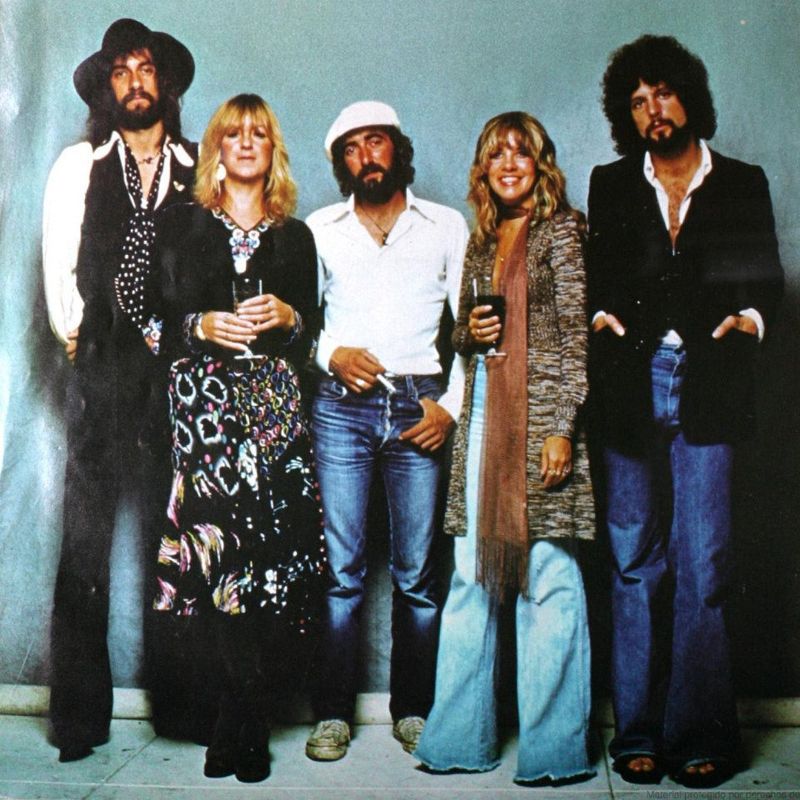
Introducing Lindsay Buckingham and Stevie Nicks made a huge impact on the band’s sound.
Rhiannon showcased Nicks’s mystical songwriting, while Buckingham’s guitar work added pop polish to their blues-rock foundation. This lineup would soon dominate the decade.
The album’s success came from balancing accessibility with substance. Songs felt radio-friendly without being disposable, hooky without being simple.
9. Paul Simon — Still Crazy After All These Years
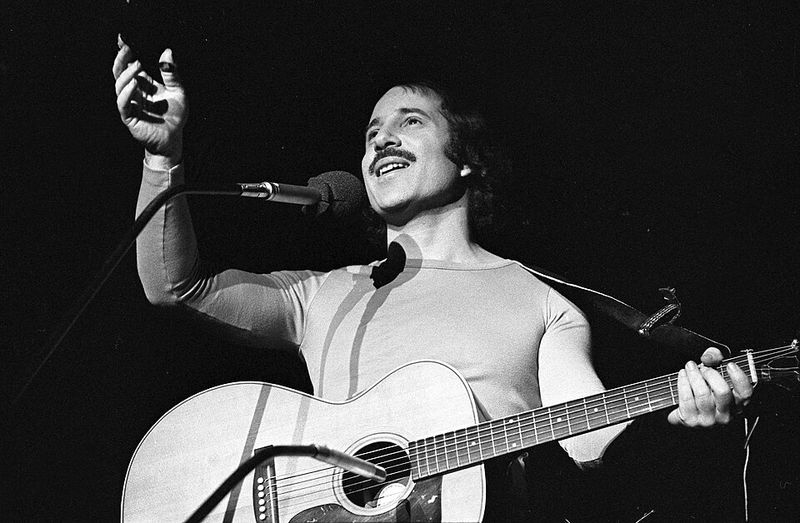
This year also delivered Simon’s mature pop masterpiece, where jazz instrumentation met precision songwriting.
The title track became a standard, its melody deceptively simple while its lyrics captured adult disillusionment perfectly.
What’s impressive is how the album sounds sophisticated without being pretentious. Horn arrangements swing, rhythms bounce, and Simon’s voice delivers wisdom with a shrug.
10. Neil Young — Tonight’s the Night
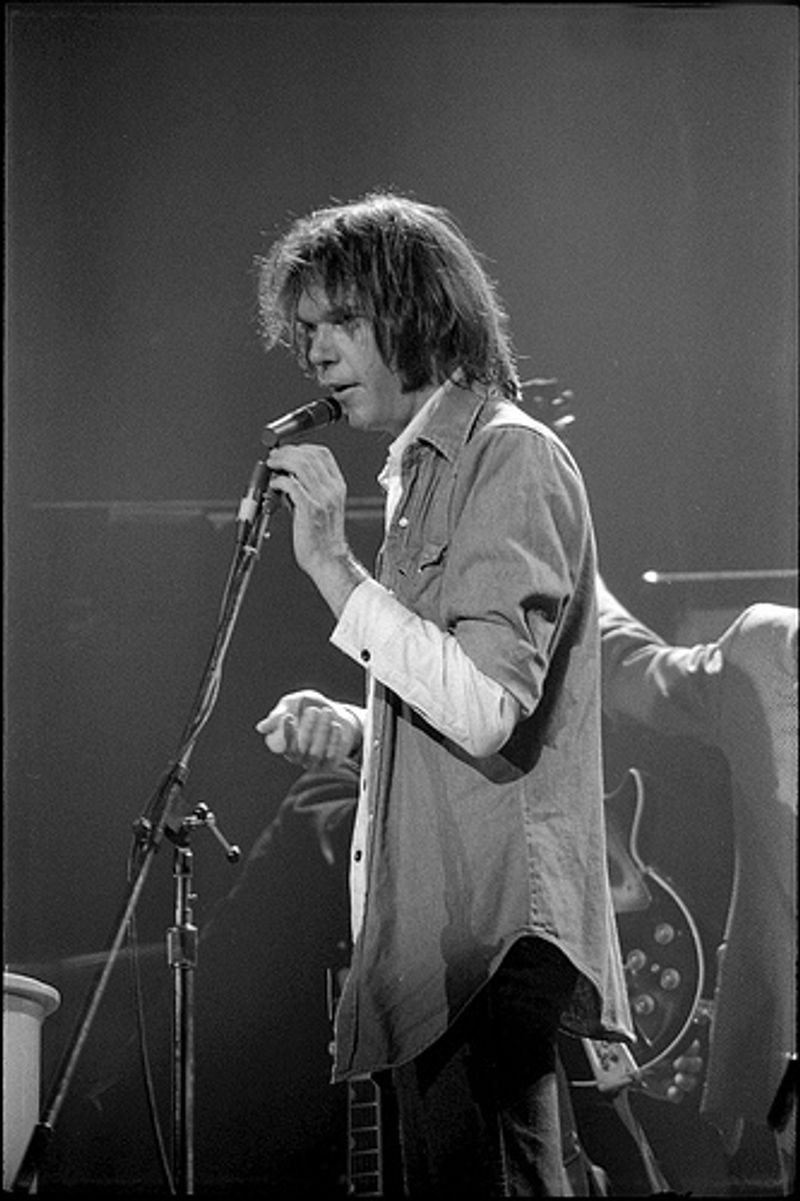
Recorded as a tribute to friends that passed away, the album sounds intentionally rough, like grief captured on tape.
Young’s voice cracks, guitars feedback, and the whole thing feels like stumbling through darkness searching for meaning.
Here’s the thing: this album legitimized lo-fi production as artistic choice rather than technical limitation.
Generations of indie rockers learned from Tonight’s the Night that authenticity sometimes means leaving in the mistakes, the rough edges and the pain.
11. Aerosmith — Toys in the Attic
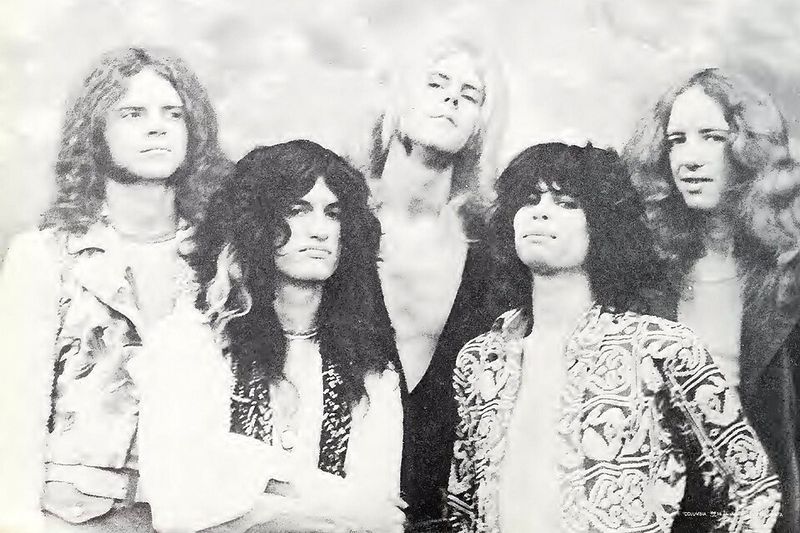
April 1975 unleashed Aerosmith’s commercial breakthrough, packed with riffs that stick in your brain like gum on a sneaker.
Sweet Emotion’s bass line became instantly recognizable, while Walk This Way created a blueprint for hard rock hooks. The band sounded dangerous but accessible, streetwise but arena-ready.
This album’s influence on hard rock cannot be overstated. Their groove-focused approach inspired countless bands who wanted rock that moved your hips and your head simultaneously.
12. Eagles — One of These Nights
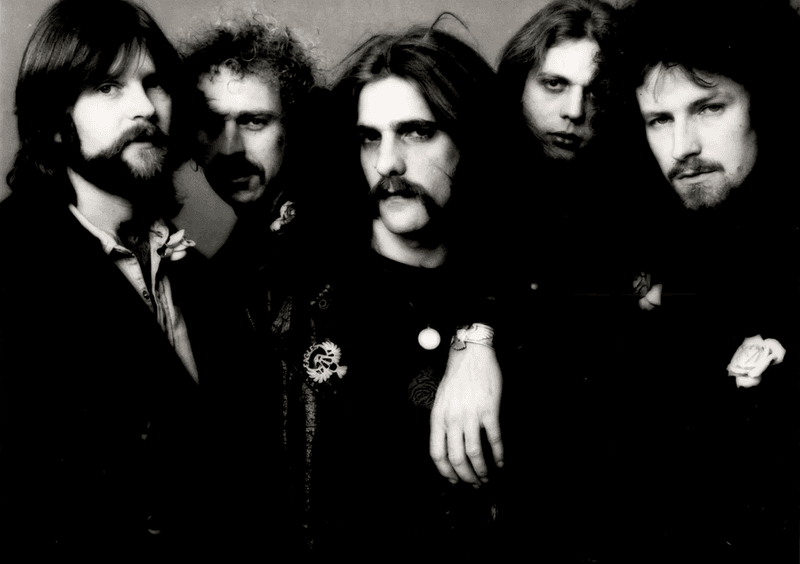
A record that perfected the Eagles’ crossover formula: country roots with rock muscle and pop sheen.
The title track’s falsetto vocals surprised fans, while Lyin’ Eyes told stories with cinematic detail.
What made this record extra interesting and special was how it dominated multiple radio formats simultaneously. Country stations played it, rock stations embraced it, and pop charts couldn’t resist.
The Eagles showed that careful production and strong songwriting could create music that appealed to everyone without pandering to anyone.
13. Joni Mitchell — The Hissing of Summer Lawns
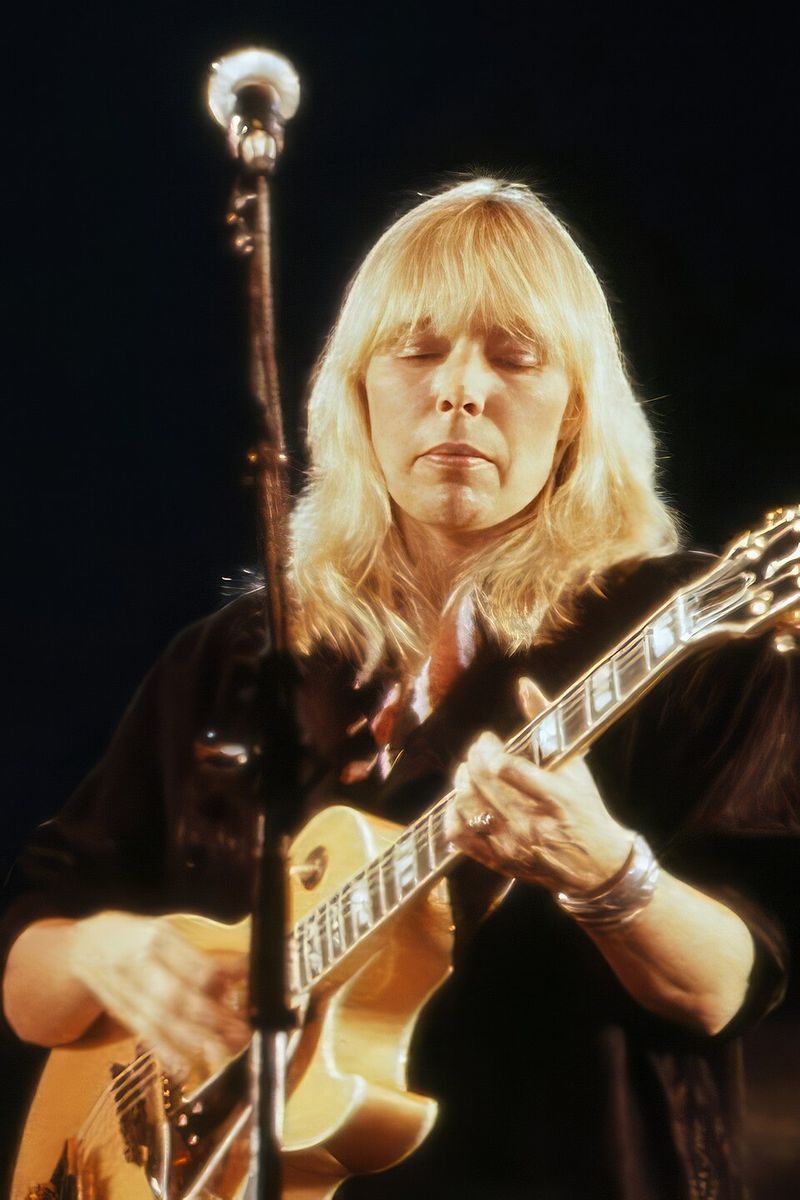
Confusing even her biggest fans, November of 1975 is marked as the time Mitchell pushed into experimental territory.
Jazz rhythms collided with synthesizers and African percussion, while her lyrics dissected suburban emptiness with surgical precision.
Critics initially dismissed it, but time proved Mitchell right. The album’s adventurous spirit influenced art-pop and alternative music for decades.
14. Willie Nelson — Red Headed Stranger
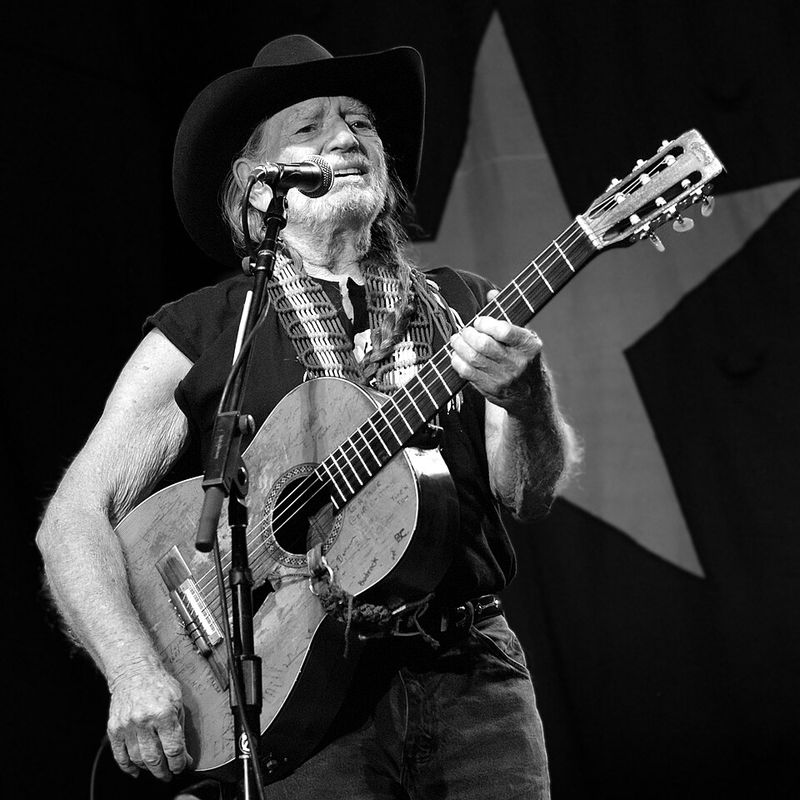
Recorded cheaply with minimal instrumentation, the album told a Western tale of love and murder with cinematic scope.
Blue Eyes Crying in the Rain became a surprise hit, proving that simple could be powerful. Nelson’s gamble paid off spectacularly.
The album’s stripped-down production shocked Nashville but captivated listeners tired of over-produced country.
15. KISS — Alive!
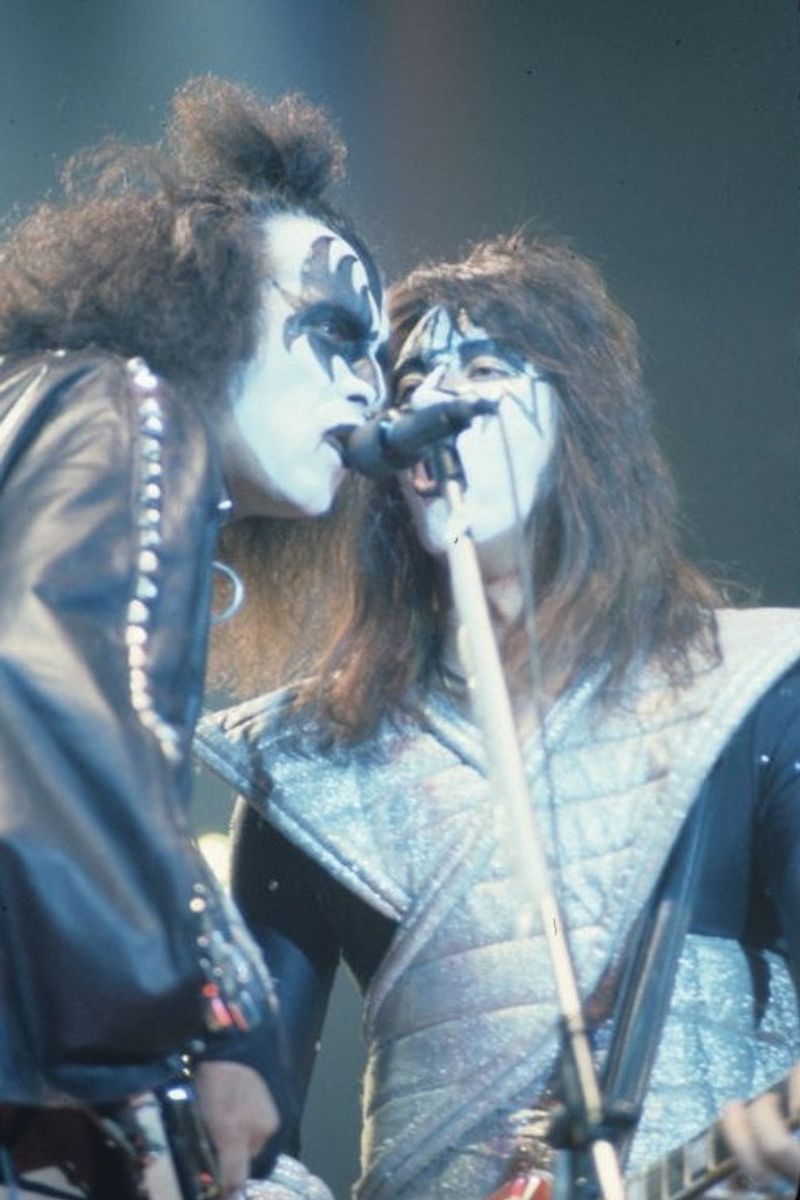
KISS at their most explosive, a live album that saved their career and defined arena rock excess.
The recording – enhanced in the studio, sure – made every song sound massive, dangerous, and impossibly fun. Gene Simmons breathed fire, Paul Stanley soared, and suddenly KISS became unavoidable.
This album taught the music industry that live records could outsell studio albums when you captured the right energy.
16. Lou Reed — Metal Machine Music
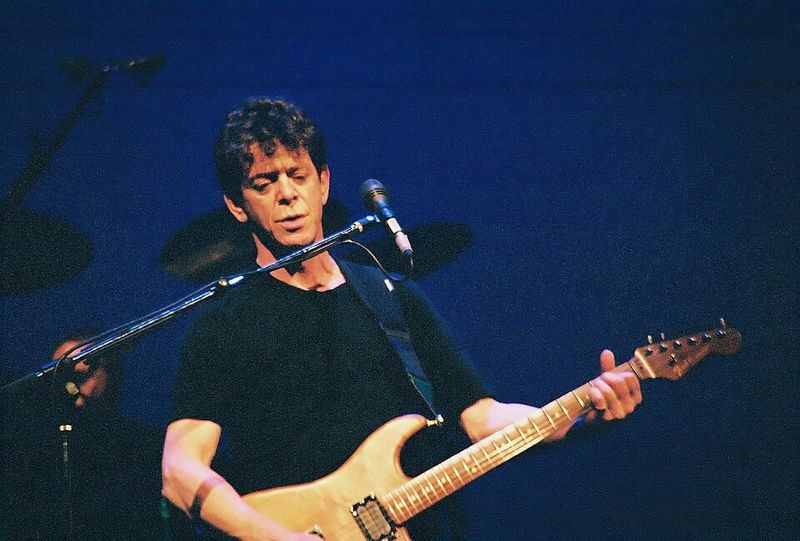
Now get this: a double album of pure guitar feedback and noise. No songs, no lyrics, just an hour of abrasive sound. An interesting idea, right?
Reed claimed it was serious art; critics thought it was a joke. Both were probably right.
Here’s why it matters: Metal Machine Music became hugely influential for noise rock, industrial music, and experimental scenes.
Reed showed that rock artists could create challenging, uncommercial work and call it art. The album remains polarizing, but its impact on underground music is undeniable and continues today.
17. ABBA — ABBA
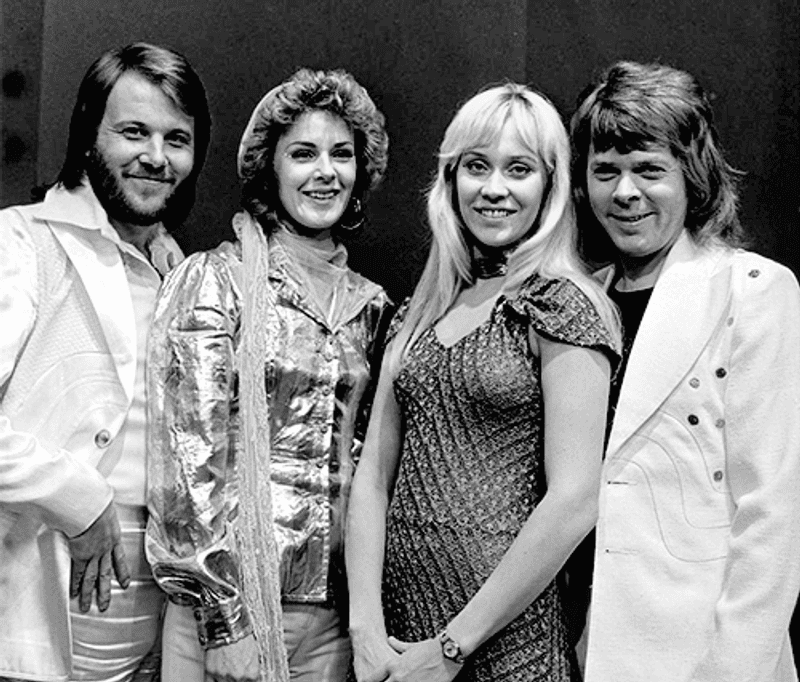
We can’t talk about the 70s and not mention ABBA’s international breakthrough, where Swedish pop perfection met universal appeal.
Mamma Mia and SOS showcased their gift for melodies that burrow into your brain and refuse to leave. The production was immaculate and the hooks absolutely unstoppable.
ABBA proved that pure pop craft could conquer the world without apology. This album established ABBA as pop royalty and showed that catchy didn’t mean disposable.