15 Shows Families Gathered Around The TV For In The 1950s
Ah, the 1950s, a time when the TV actually commanded attention instead of waiting politely for you to press “play.”
Families gathered around the miracle box in the living room, eyes wide as characters tumbled through slapstick chaos or rode across the wild west like it was right outside the window.
Early shows turned living rooms into mini theaters, glued everyone to the couch, and made channel choices feel like serious family business.
1. I Love Lucy (1951-1957)
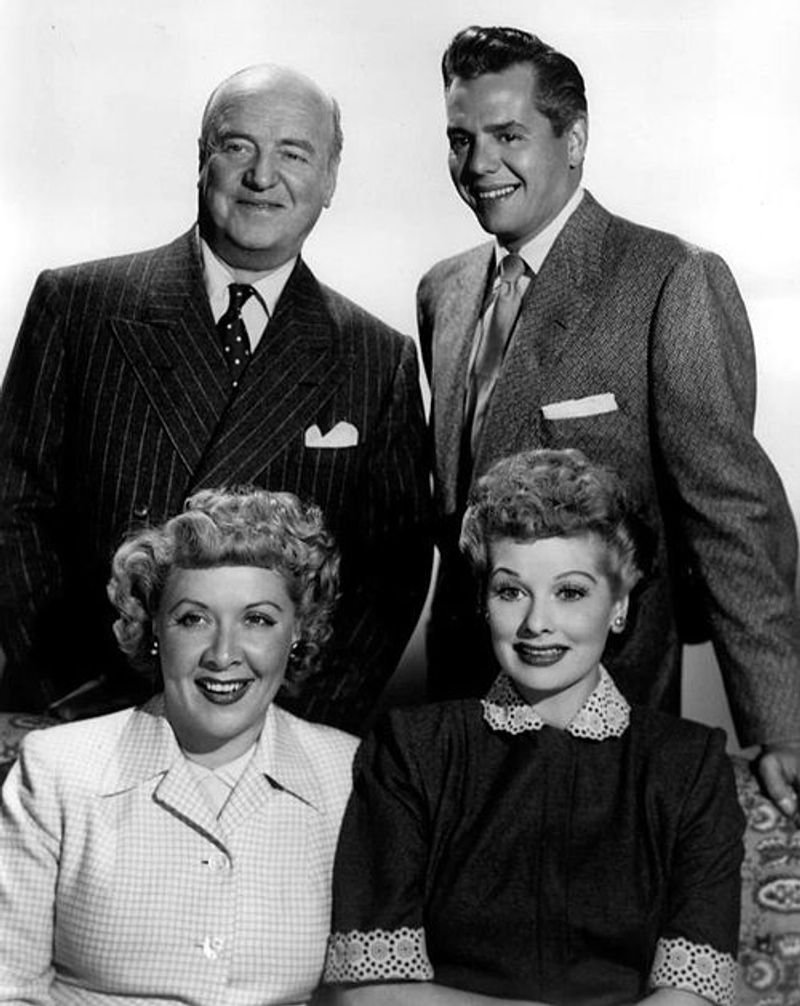
Nobody could keep a straight face when Lucy Ricardo hatched another scheme.
Lucille Ball turned pratfalls into pure gold, making audiences howl every single week. The show ran six seasons and never once lost its spark.
Lucy was the kind of character viewers rooted for even when her latest plan was clearly headed for trouble. Families still quote her chocolate factory meltdown like it happened yesterday.
2. The Adventures Of Ozzie And Harriet (1952-1966)
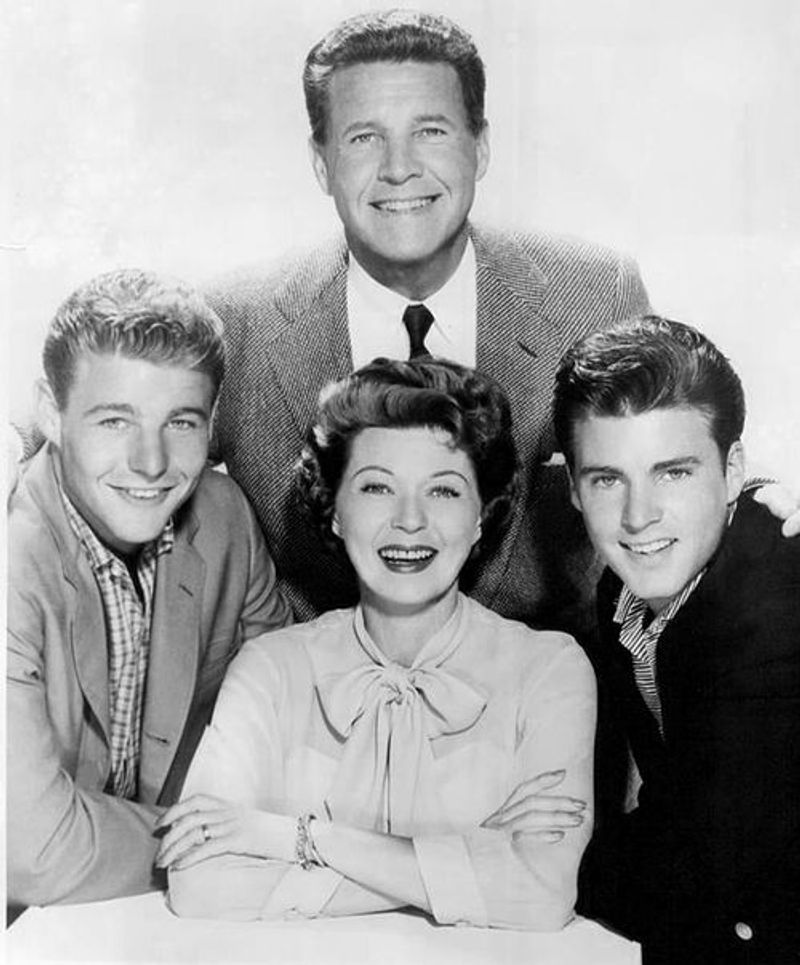
Real family life shaped The Adventures of Ozzie and Harriet long before television leaned on documentary-style storytelling. Domestic routines unfold as Ozzie Nelson putters around the house while Harriet Nelson keeps daily life running smoothly.
Growing up on camera, David Nelson and Ricky Nelson made audiences feel like friendly neighbors peeking through the window.
Fourteen seasons of gentle, cheerful domestic life played out like a comforting routine many viewers returned to each week.
3. The Danny Thomas Show / Make Room For Daddy (1953-1964)

Danny Williams storms through the front door loud, loving, and a little chaotic, and families adored every minute. Across the living room, Danny Thomas brings warmth and sharp comic timing to a father forever one misunderstanding away from a meltdown.
Real family friction shows up regularly, yet humor keeps the arguments from turning bitter.
Eleven seasons on the air proved something simple. Slightly messy households make far better television than perfect ones.
4. Father Knows Best (1954-1960)
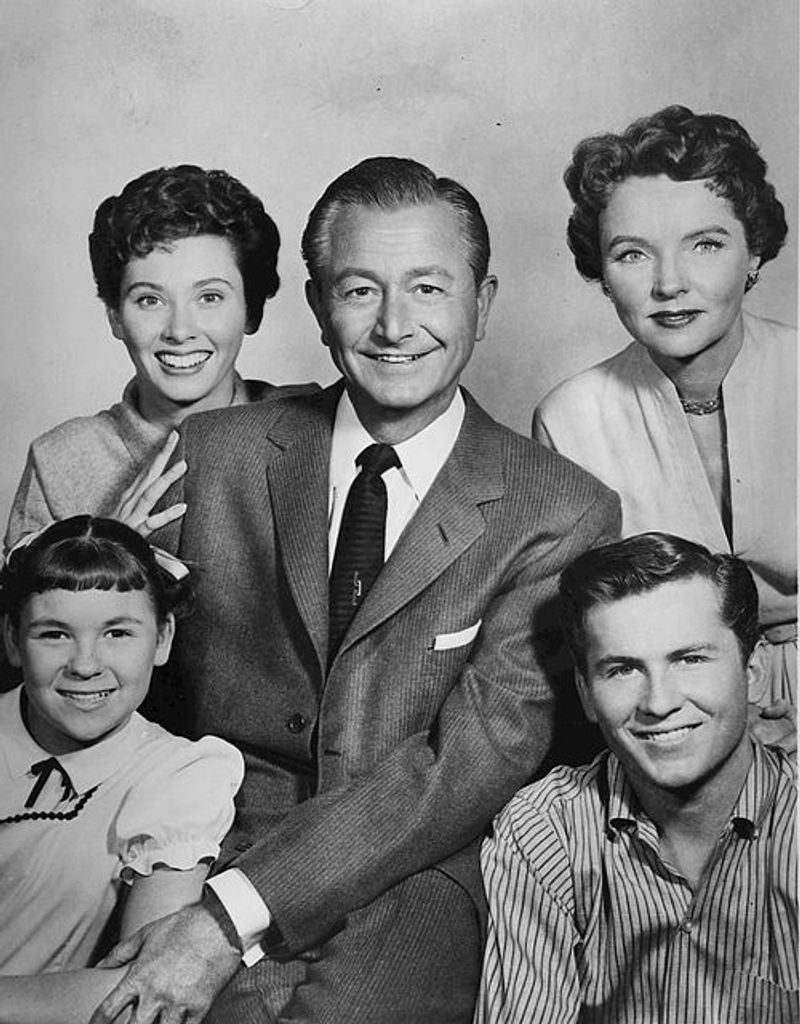
Calm authority and thoughtful advice made Jim Anderson look like the dad every other television father struggled to match.
Warm, steady presence from Robert Young turned Father Knows Best into a template for the idealized American household. Critics sometimes labeled the series overly perfect while fans embraced it as reliable Sunday night comfort.
Six seasons of cardigan-wearing wisdom and gentle moral lessons still capture a vivid picture of mid-century family life.
5. Lassie (1954-1973)
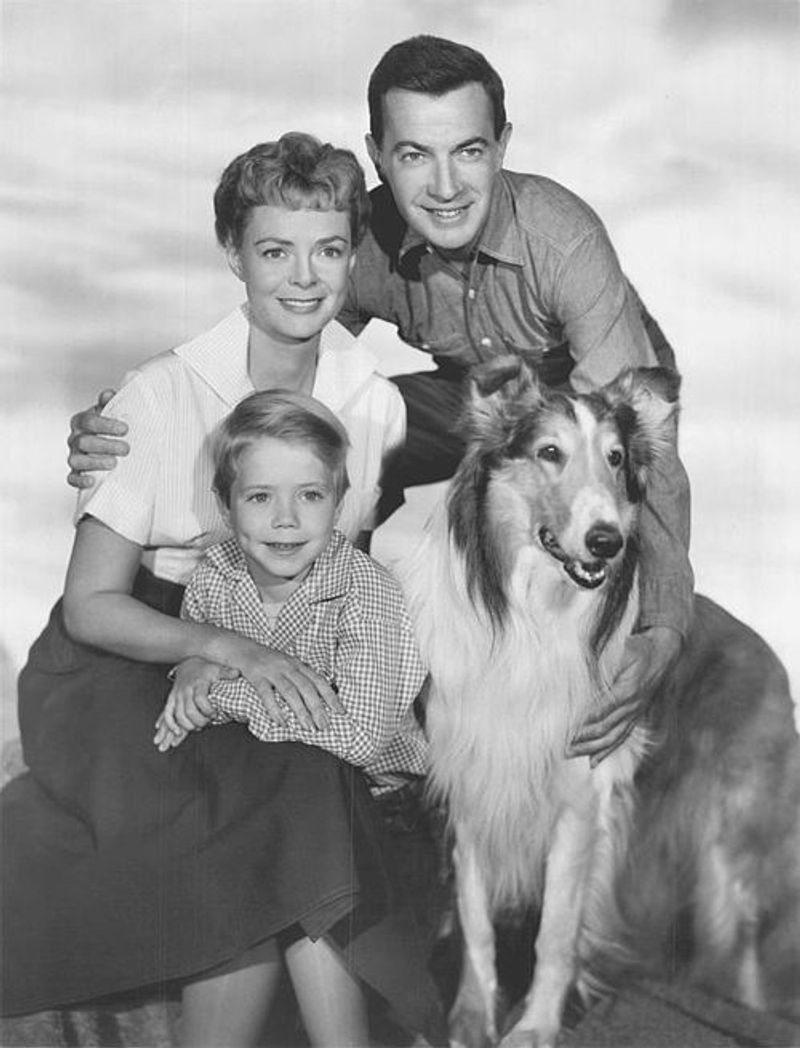
Somehow, Collie and the child in the center produced all the drama required for a Sunday night. Lassie was usually the first to notice trouble before anyone knew the barn door was open.
The series passed through a number of youthful owners over the course of about 20 years.
Loyalty never wavered, no matter which family welcomed the famous dog. Pure good-dog energy carried the show week after week.
6. The Honeymooners (1955-1956)
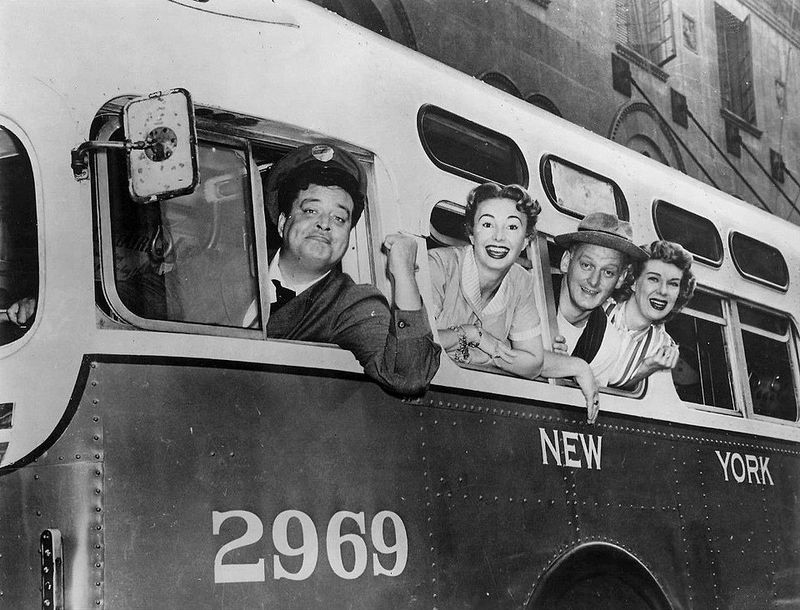
Big promises and bigger bluster defined Ralph Kramden, whose explosive catchphrases became part of television history. Boisterous charm from Jackie Gleason transformed a loud bus driver into the unforgettable center of The Honeymooners.
Only thirty-nine episodes ever aired, yet the dialogue remains quoted more than many shows that lasted hundreds.
Small Brooklyn apartment could barely contain a personality that large.
7. The Jack Benny Program (1950-1965)
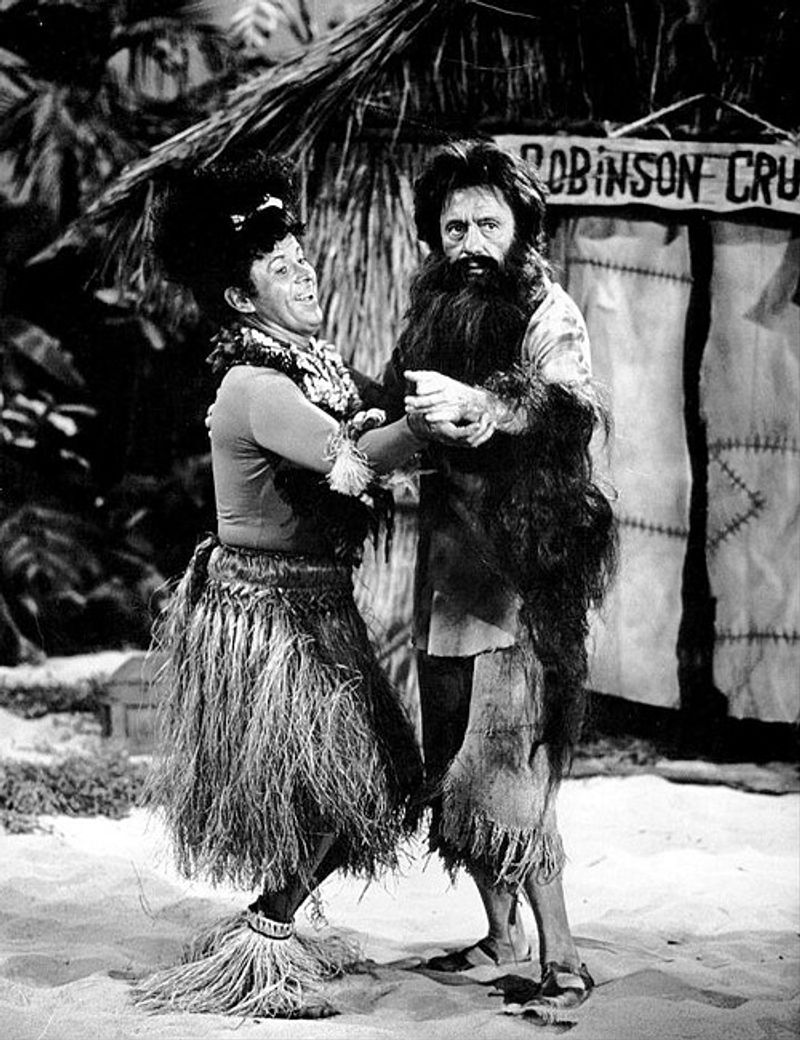
Jack Benny could get a laugh just by standing still and letting the silence do the work.
His radio persona translated perfectly to television, and the running gag about his age and stinginess never got old no matter how many years passed.
The show blended sketch comedy, music, and celebrity guests into something the whole family could enjoy together. Timing was his superpower.
8. Gunsmoke (1955-1975)
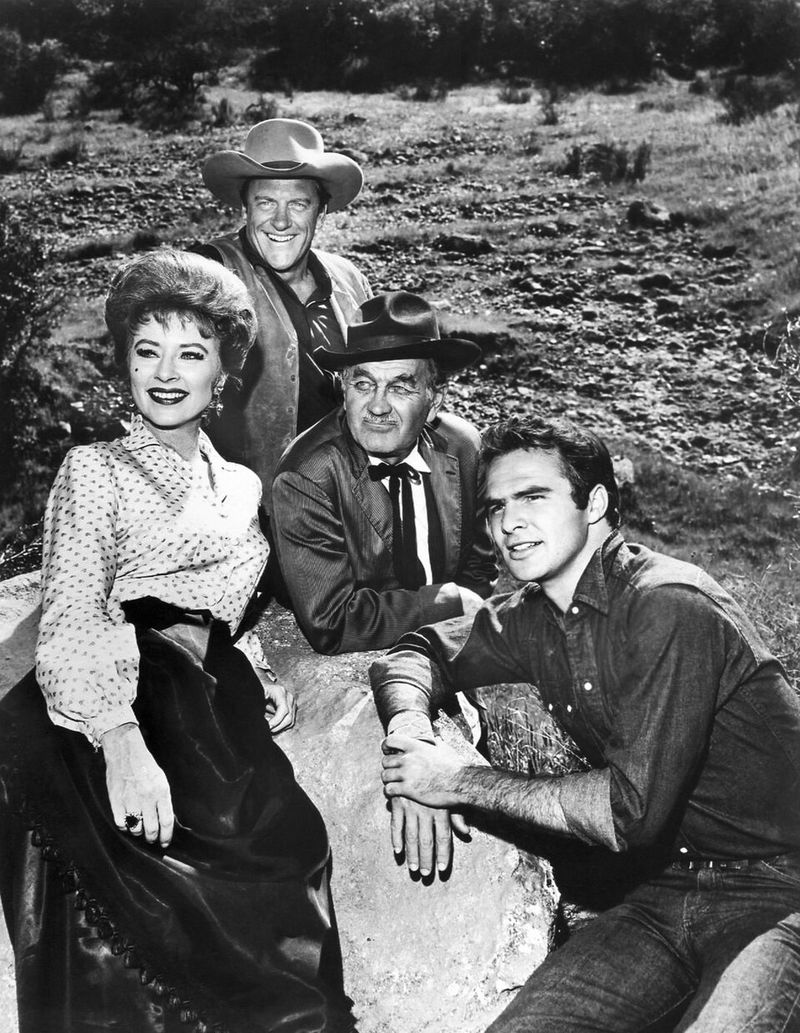
Slow steps and quiet words defined Matt Dillon, yet every problem in Dodge City still found a solution before the credits rolled.
Moral complexity entered the Western genre through Gunsmoke at a time when most cowboys lived in simple shades of good or bad. For many years, Gunsmoke stood as one of the defining long-running primetime dramas in American television.
Plenty of living rooms saved the best chair for whoever wanted to watch that one.
9. The Ed Sullivan Show (1948-1971; Huge 1950s Family-Viewing Staple)
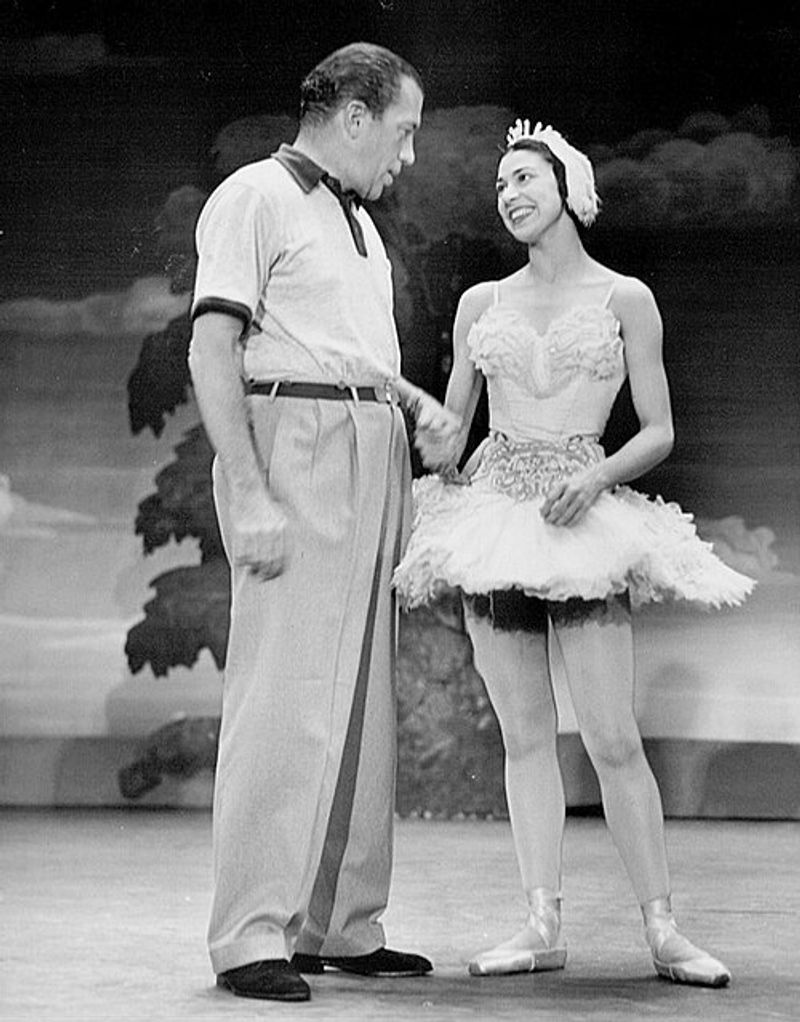
Sunday night meant Ed Sullivan, full stop.
From acrobats to opera singers to Elvis Presley’s headline-making appearances, the variety show packed more entertainment into one hour than many programs managed all week. Ed himself was famously stiff, which somehow made the whole spectacle more charming.
Families planned their evenings around it. Missing it felt genuinely unacceptable.
10. Leave It To Beaver (1957-1963)
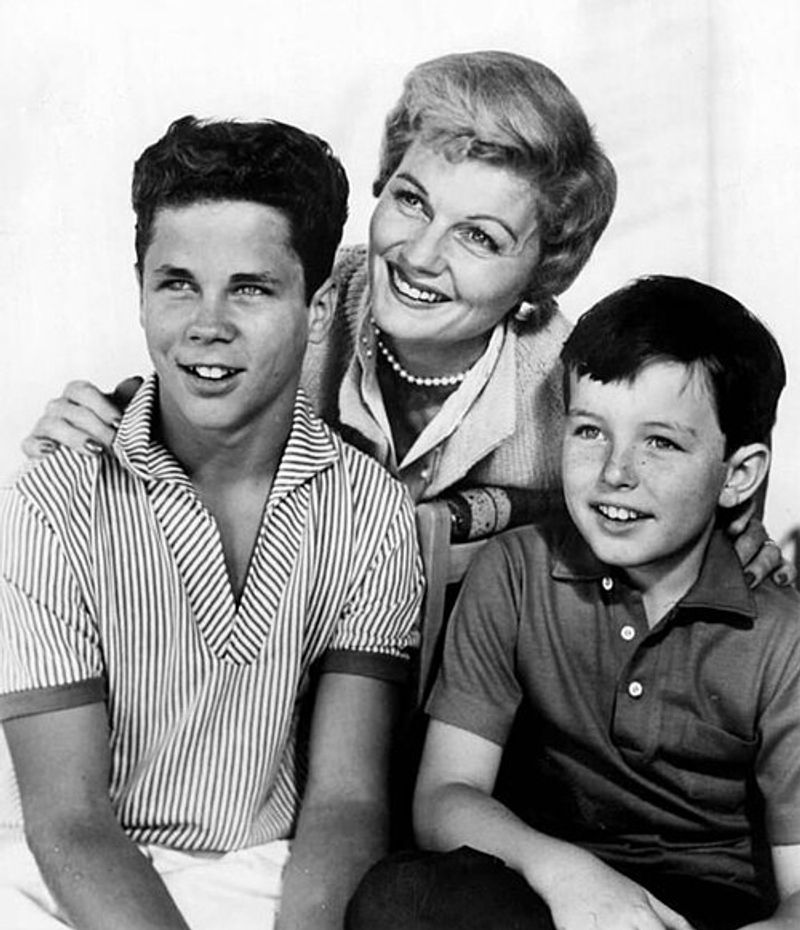
Good intentions and terrible planning guided almost every adventure for Theodore “Beaver” Cleaver.
Patient guidance from Ward Cleaver and June Cleaver set a standard for television parents that many shows tried to match.
Gentle humor across Leave It to Beaver captured suburban childhood with a fond realism even when life appeared a little too tidy. Young viewers often recognized pieces of themselves in Beaver’s everyday misadventures.
11. Perry Mason (1957-1966)
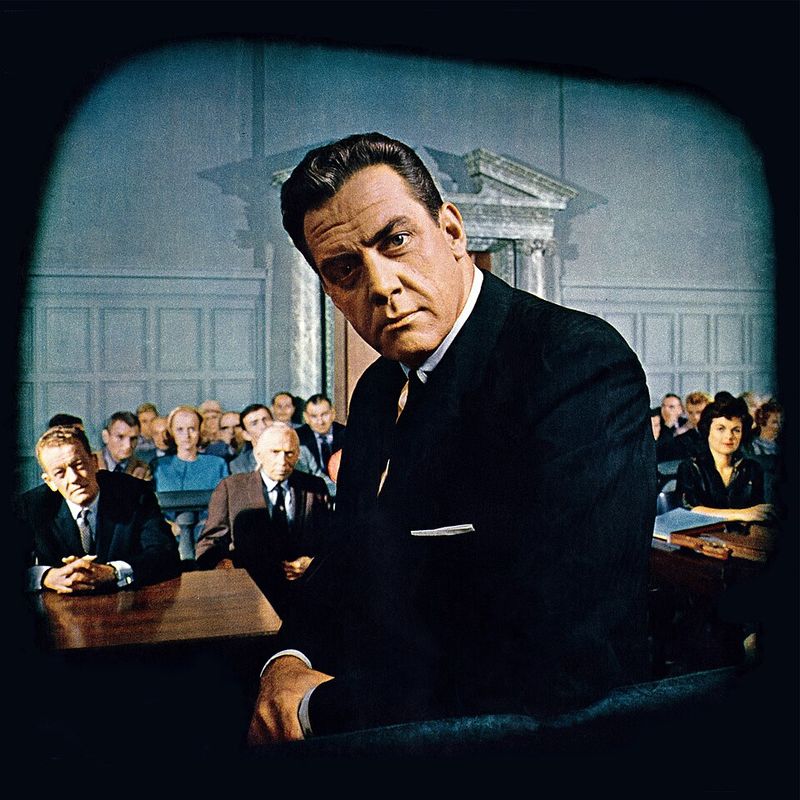
Every week Perry Mason defended a client who seemed trapped by the evidence, and the show built toward a final-turn courtroom revelation.
Raymond Burr played the brilliant lawyer with a calm authority that made courtroom drama feel like a chess match worth watching.
The formula never changed, and nobody cared. Families crowded around the screen waiting for the moment the responsible party cracked under Mason’s questioning.
12. The Donna Reed Show (1958-1966)
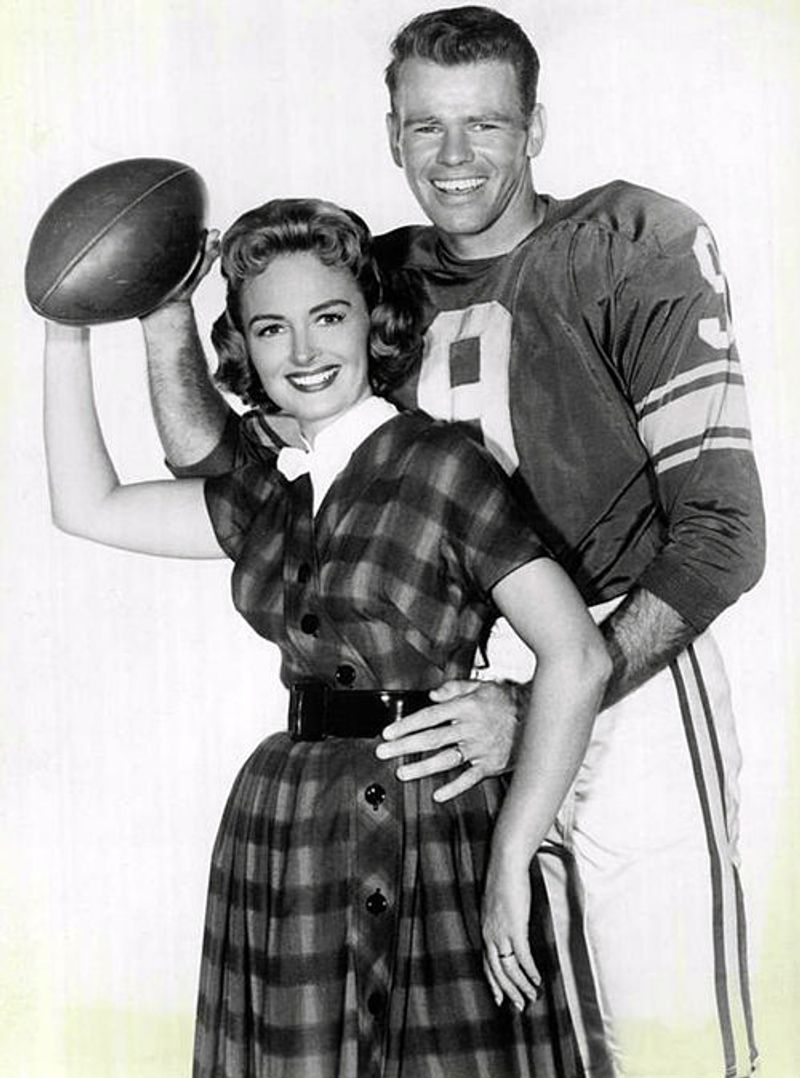
Grace, humor, and perfectly coordinated outfits defined the way Donna Stone handled her household long before breakfast. Underneath the pearls, Donna Reed gave the character real opinions and a quietly sharp wit.
Warmth in that performance kept the role from ever feeling like a cardboard cutout.
Comedy and heartfelt moments shared equal space throughout the series. Watching the show often felt like stepping into a home where everyone genuinely liked each other.
13. Dragnet (1951-1959)
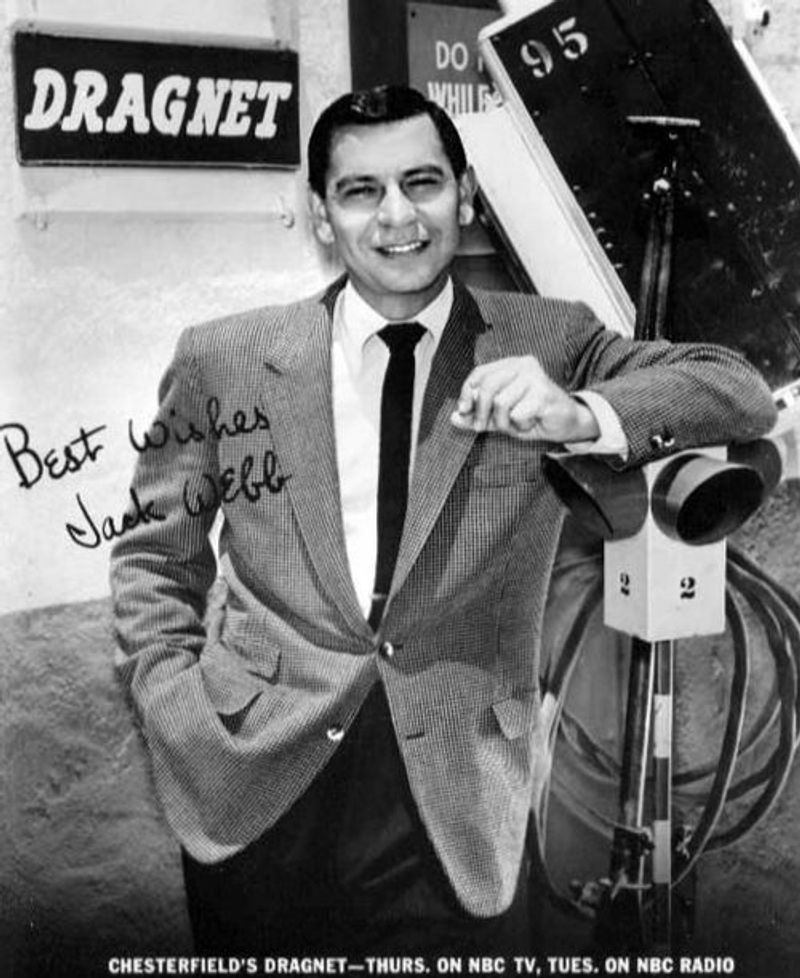
Just the facts, ma’am. Unblinking seriousness defined Joe Friday as portrayed by Jack Webb.
Real-life police procedure shaped Dragnet, which closely tied its stories and style to the Los Angeles Police Department.
Two stark musical notes from the theme often silenced a room and pulled viewers straight into the investigation.
14. Bonanza (1959-1973)
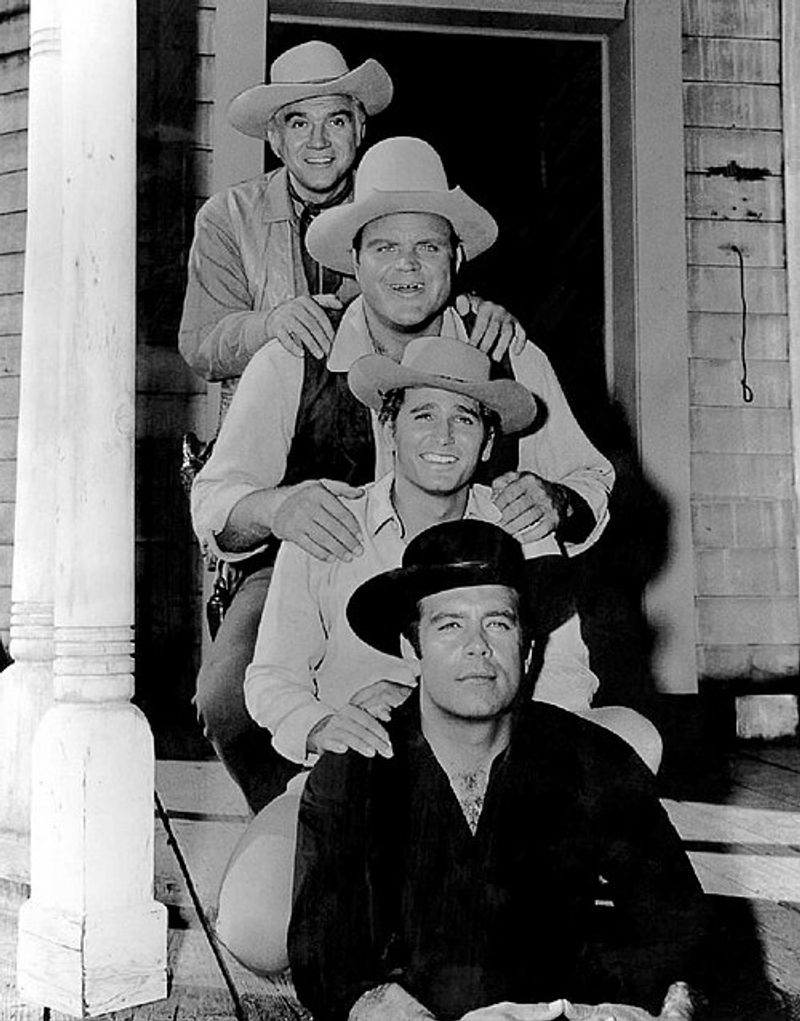
Four Cartwright men and one vast Nevada ranch generated enough stories to carry fourteen seasons.
Color television found an early showcase in Bonanza, with the Ponderosa’s sweeping landscapes giving proud owners of new sets something to display.
Across that ranch, Ben Cartwright guided three very different sons toward the right path. Sunday evenings spent on the Ponderosa often felt like time with family.
15. The Twilight Zone (1959-1964)
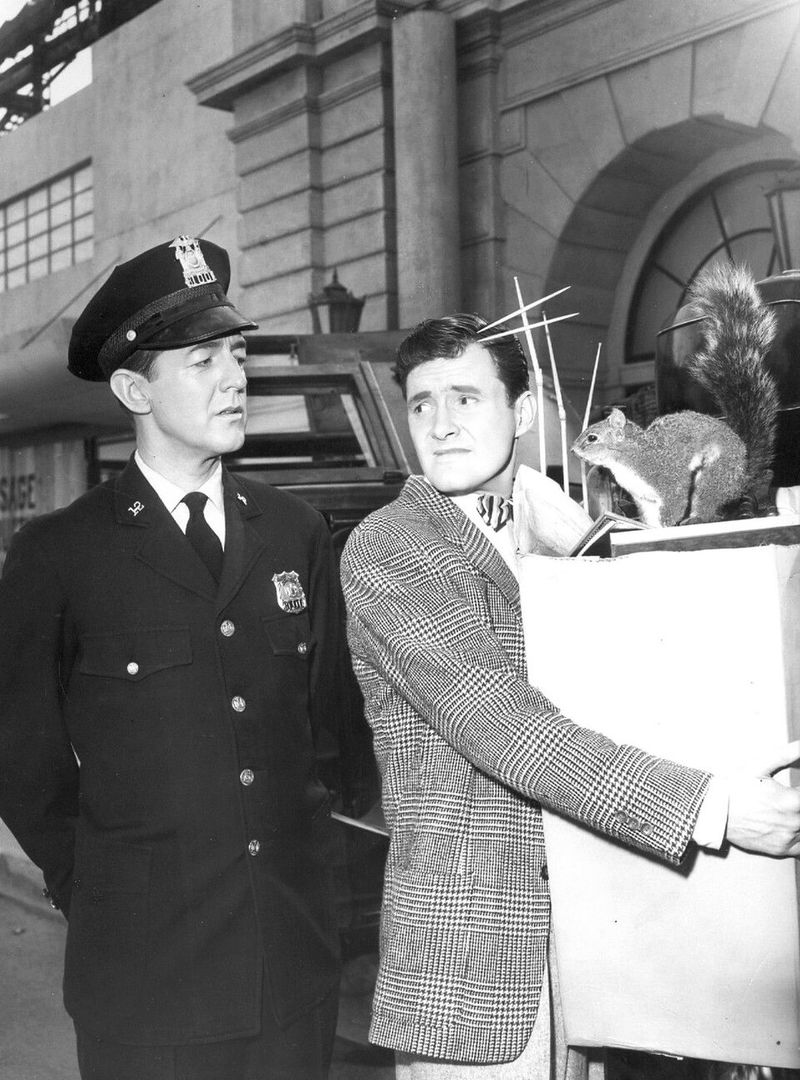
Rod Serling stepped into frame and immediately made everyone on the sofa a little nervous.
Each episode dropped ordinary people into extraordinary situations, using science fiction and fantasy to ask questions about human nature that straight dramas were too cautious to touch.
The twist endings became legendary. Watching late on a Friday night while the rest of the house went quiet was practically a rite of passage.
Note: This article is a nostalgic editorial roundup based on widely recognized television history, public broadcast records, and long-established cultural memory surrounding these programs.
Rankings, descriptions, and character impressions are presented for general informational and entertainment purposes, and individual memories or viewing preferences may differ.