Simple Kitchen Methods To Extend The Freshness Of Potatoes
Potatoes can be a dinner lifesaver or a science experiment gone wrong, depending on how you store them. A few quick habits keep spuds from turning green, sprouting eyes, or going mushy long before you’re ready to cook.
Less waste, fewer grocery runs, and better-tasting meals all start with simple storage tricks that take seconds to use.
Important: This article is for general informational and entertainment purposes only and is not medical, safety, or professional advice.
1. Store In A Cool, Dark Place
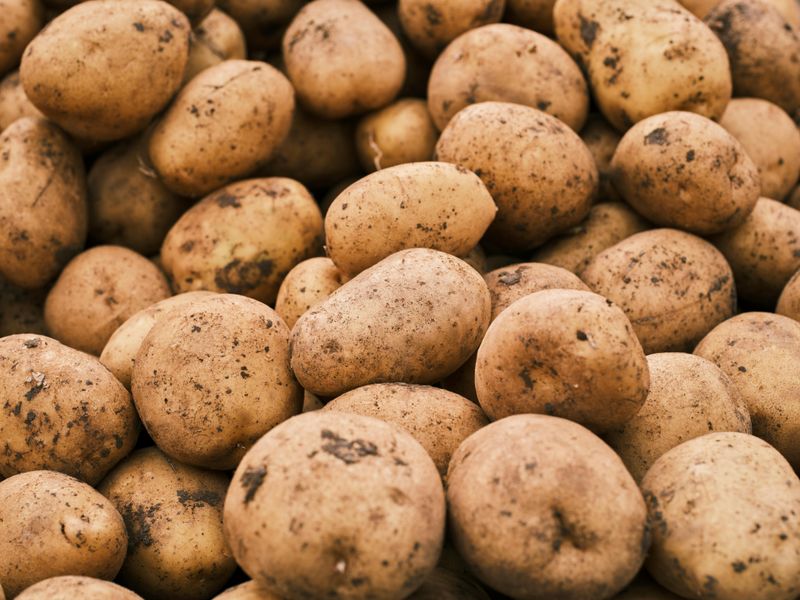
A pantry corner, unheated cupboard, or basement cellar gives potatoes the perfect environment to stay firm and flavorful for weeks.
Temperatures around 50 to 60 degrees Fahrenheit help slow sprouting, while refrigerator-level cold can convert starches to sugars and change flavor and texture. Darkness is just as important because even a sliver of sunlight can kickstart chlorophyll production, turning your spuds green and bitter.
Think of it as creating a cozy cave where potatoes can nap undisturbed until dinner time. This simple habit is the foundation of every other freshness trick on the list.
2. Block Light To Prevent Greening
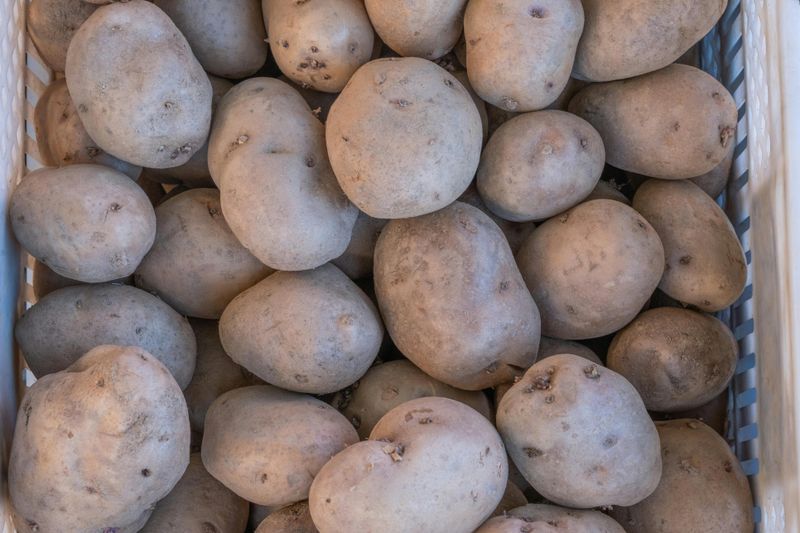
Leaving potatoes in the light encourages greening and can coincide with higher glycoalkaloids (including solanine and chaconine), which can cause illness. Even indoor light over time can cause greening.
If greening is light and shallow, trim it away generously; if the potato is very green, bitter, or heavily sprouted, discard it.
Covering your storage basket with a clean dish towel or tucking potatoes into a closed cabinet are both easy fixes that keep light at bay. Your taste buds will thank you when every bite stays sweet and earthy.
3. Use A Breathable Container
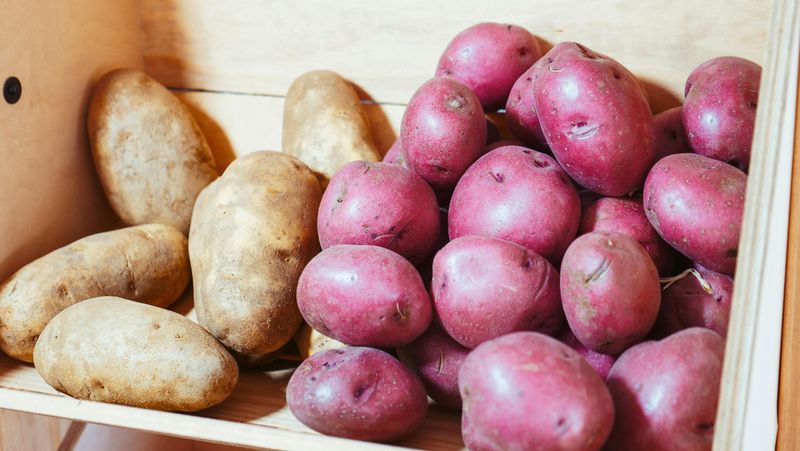
Paper sacks, burlap bags, and open wicker baskets let air circulate around each potato, preventing moisture buildup that leads to mold and soft spots.
Plastic containers with tight lids trap humidity, creating a mini sauna that accelerates decay instead of slowing it down. Natural fibers wick away excess moisture while still shielding the potatoes from direct light, striking the perfect balance between protection and ventilation.
It is like giving your spuds a breathable blanket instead of a plastic raincoat.
4. Skip Sealed Plastic Bags
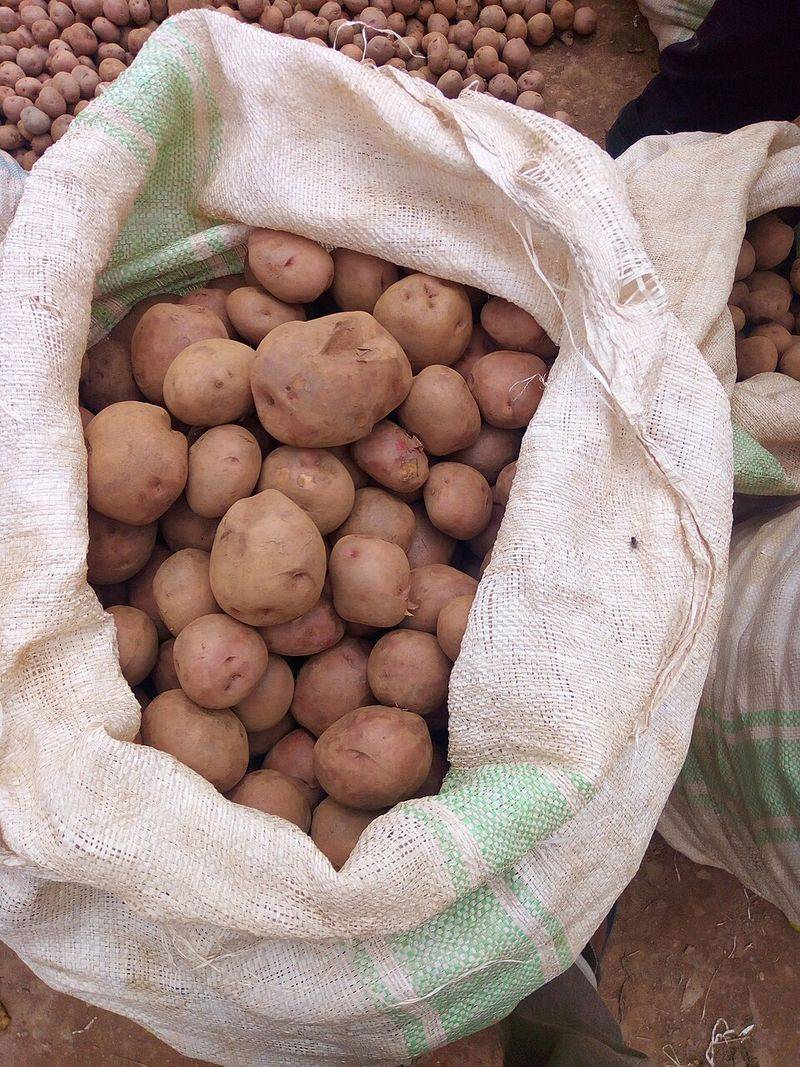
Sealed plastic traps moisture released by potatoes, turning the bag into an ideal place for mold and spoilage. Within a few days, condensation can build up on the inside, followed soon by soft spots or musty odor.
Plastic can work in a pinch if it is vented, but paper or mesh is usually better for airflow.
Better option involves moving potatoes into paper bag or open basket right after bringing them home. Bit of effort early on prevents having to throw away slimy mess later.
5. Keep Potatoes Dry And Unwashed
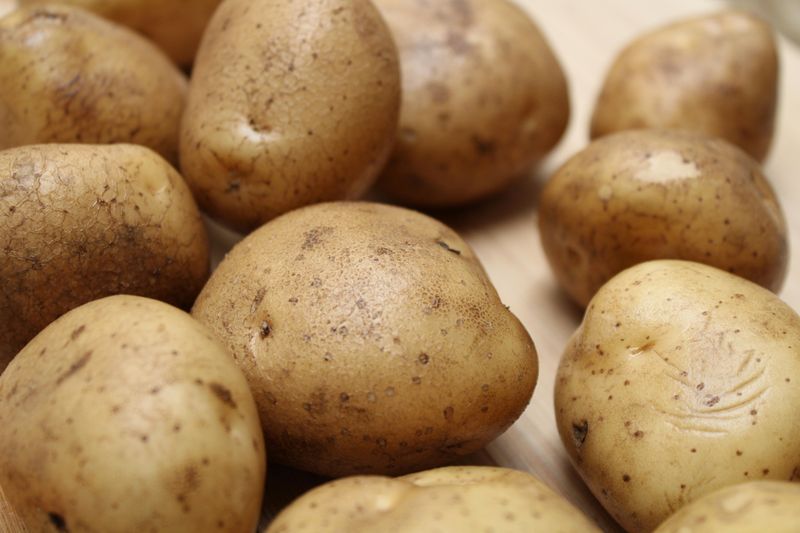
Washing potatoes before storage introduces moisture that clings to the skin and invites mold to take hold.
Extra dirt is fine to leave on for storage, since washing adds moisture that can speed spoilage. Brush off loose soil, then rinse right before cooking.
When you are ready to cook, a quick rinse under cold water removes any soil in seconds, and you can scrub or peel as needed.
This habit is especially helpful during busy weeks when you want to grab a potato and go without worrying about whether it has been sitting in dampness.
6. Store Away From Onions
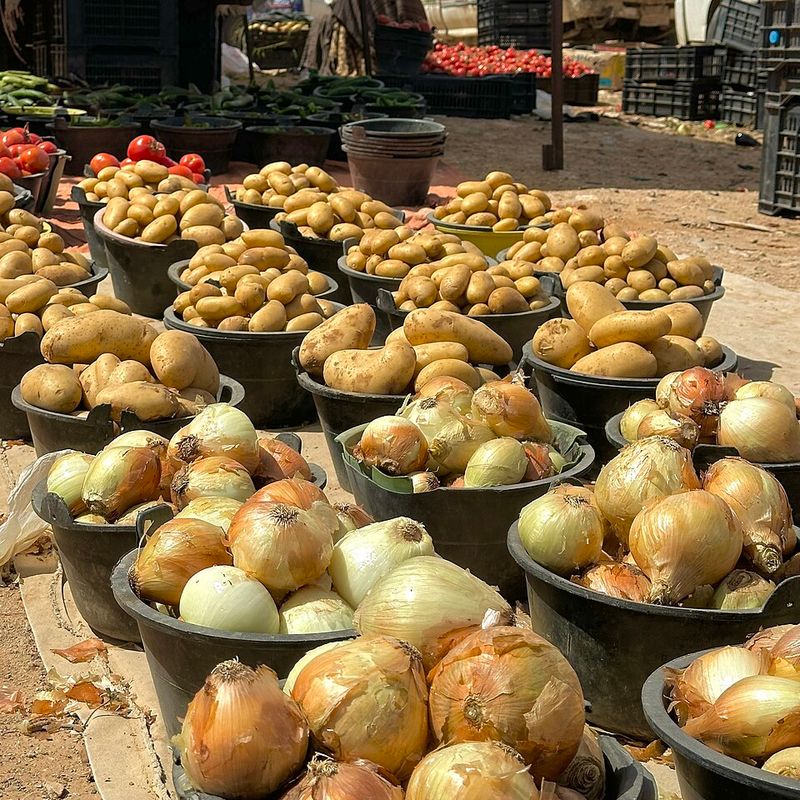
Storing onions near potatoes can speed sprouting and spoilage, so keeping them apart helps both last longer.
Ethylene from onions tells potatoes to wake up and start growing, while moisture from potatoes can make onions soften faster. Keeping them in separate bins, shelves, or even different corners of the pantry breaks this cycle and extends the life of both vegetables.
It is a classic case of good fences making good neighbors, even in the kitchen.
7. Check Weekly And Pull Any That Start Turning Green Or Sprouting
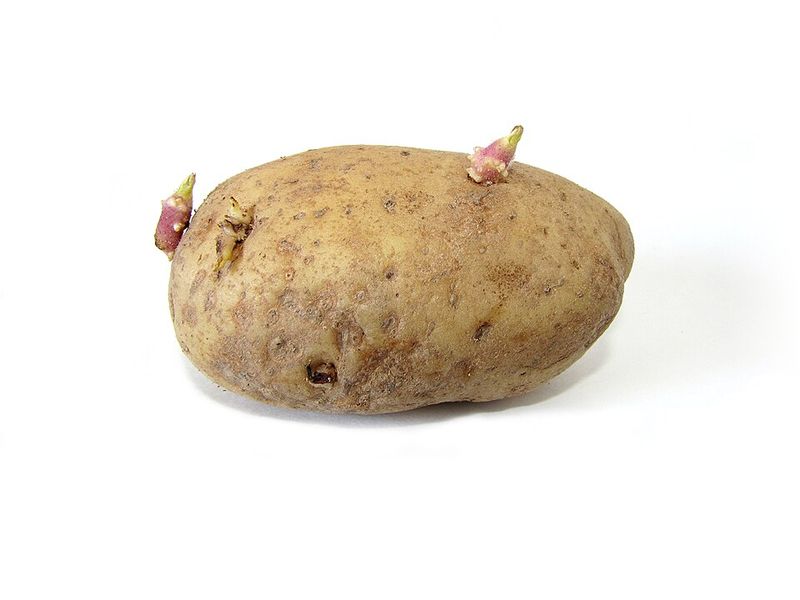
Quick weekly inspection takes less than a minute and catches problems before they spread to rest of your stash.
Look for any potatoes with green patches, soft spots, or tiny sprouts poking through the skin. Removing them early prevents release of moisture and gases that push neighboring potatoes to spoil as well.
Slightly sprouted potatoes remain usable once sprouts and green areas are trimmed away, but tossing worst offenders protects healthy ones. Consider it routine health check for your pantry.
8. Remove Sprouters Right Away
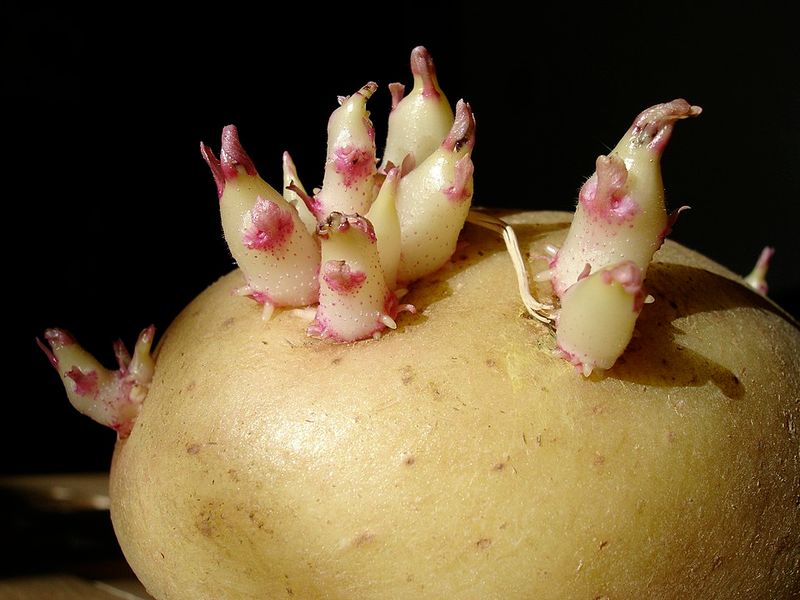
Once a potato begins sprouting, separate it and use it soon, since aging potatoes can encourage the rest of the batch to deteriorate faster.
Removing early bloomers stops that domino effect and keeps remaining potatoes dormant for weeks longer.
Small sprouts on firm potatoes can be trimmed away, letting you use them right away in soups, stews, or mashed dishes. Soft or shriveled texture signals compost time instead.
Speed matters here, so do not wait until your next big pantry cleanout.
9. Toss Any That Are Soft, Leaking, Or Smell Off
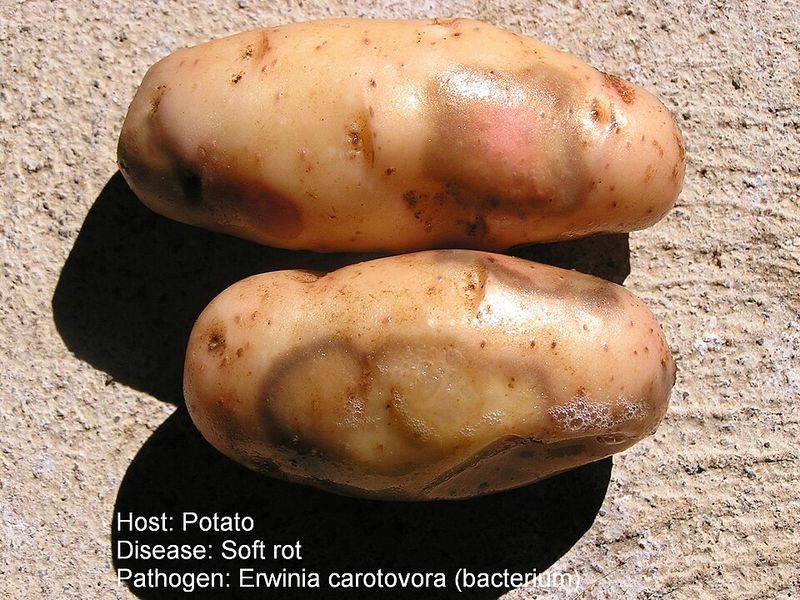
Soft spots, oozing liquid, or a sour, musty odor are all signs that a potato has crossed the point of no return.
One rotten potato can spread bacteria and fungi to its neighbors faster than you might expect, so removing it immediately protects the rest of your supply. Do not try to salvage a potato that feels squishy or smells unpleasant, even if only part of it looks bad.
Wrap it in newspaper or a bag before tossing it to contain the smell and prevent any leakage in your trash can.
10. Store In Smaller Batches
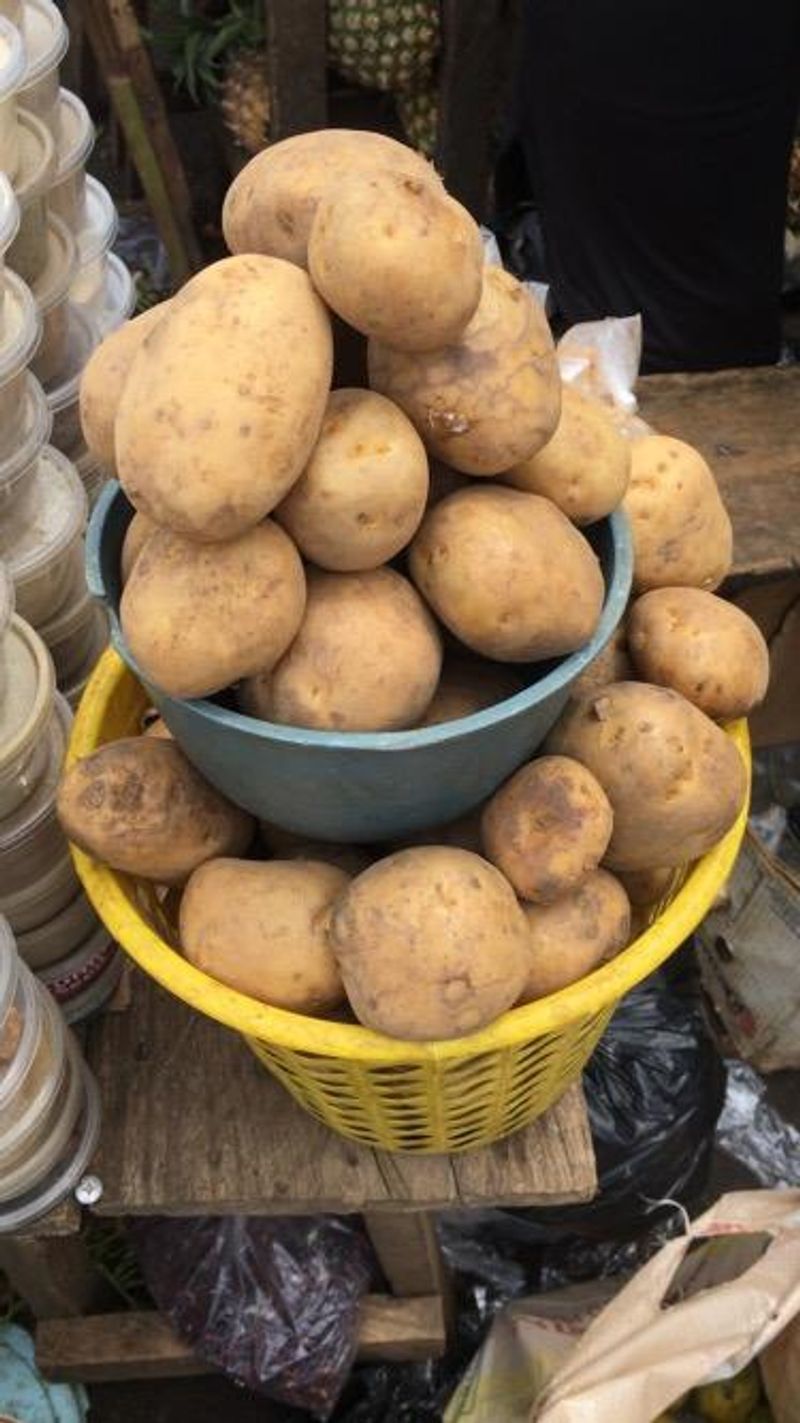
Dividing a large bag into smaller portions reduces bruising and makes weekly checks easier, which helps you catch problems early.
Smaller batches also improve airflow, making it easier to spot any problem potatoes during your weekly check. You can rotate through one container at a time, ensuring nothing sits forgotten in the back of the pantry for months.
This method is especially handy if you buy in bulk or harvest your own potatoes, turning a mountain of spuds into manageable, inspectable piles.