15 Singers Exposed For Using Someone Else’s Voice And Getting Caught
Music holds a wild little secret, and it does not always match what ears expect. For decades, some of the biggest stars in pop, R&B, and country have faced moments where vocals on stage or in studio did not quite belong to them. Lip syncing scandals, hidden vocal doubles, and ghost singers have all stepped into the spotlight at one point or another.
What sounds like pure magic sometimes turns out to be a carefully crafted illusion built behind studio doors. For fans, the shock can hit hard.
A voice that felt personal suddenly becomes a mystery, leaving questions about talent, authenticity, and how much of the performance was ever real. Some artists managed to recover, leaning into honesty or reinventing image, while others saw careers unravel in record time.
Technology has only raised the stakes. Advanced tools can now replicate voices with eerie precision, blurring lines even further and making it harder to tell what is genuine.
Each story ahead pulls back the curtain on moments that stirred controversy, sparked debate, and changed how audiences listen to music forever.
1. Milli Vanilli: The Grammy Disaster
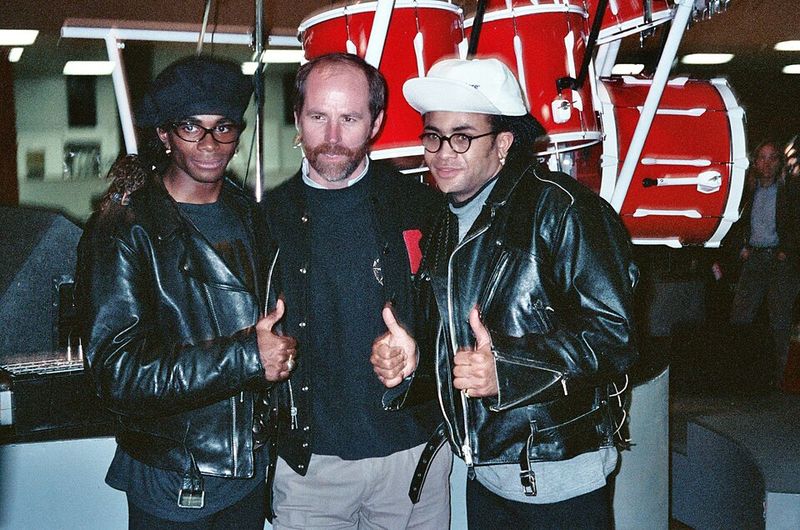
Winning a Grammy and then having it ripped away sounds like a nightmare, but for Fab Morvan and Rob Pilatus, it became reality. The duo known as Milli Vanilli charmed millions in the late 1980s with hits like “Girl You Know It’s True.” Neither of them sang a single note on any recording.
Session vocalists provided every lyric while the two performed elaborate dance routines and lip-synced flawlessly. When a backing track malfunctioned live in 1989, the jig was up.
The Recording Academy revoked the Grammy in 1990, marking one of music history’s most humiliating falls.
2. Ashlee Simpson’s SNL Nightmare
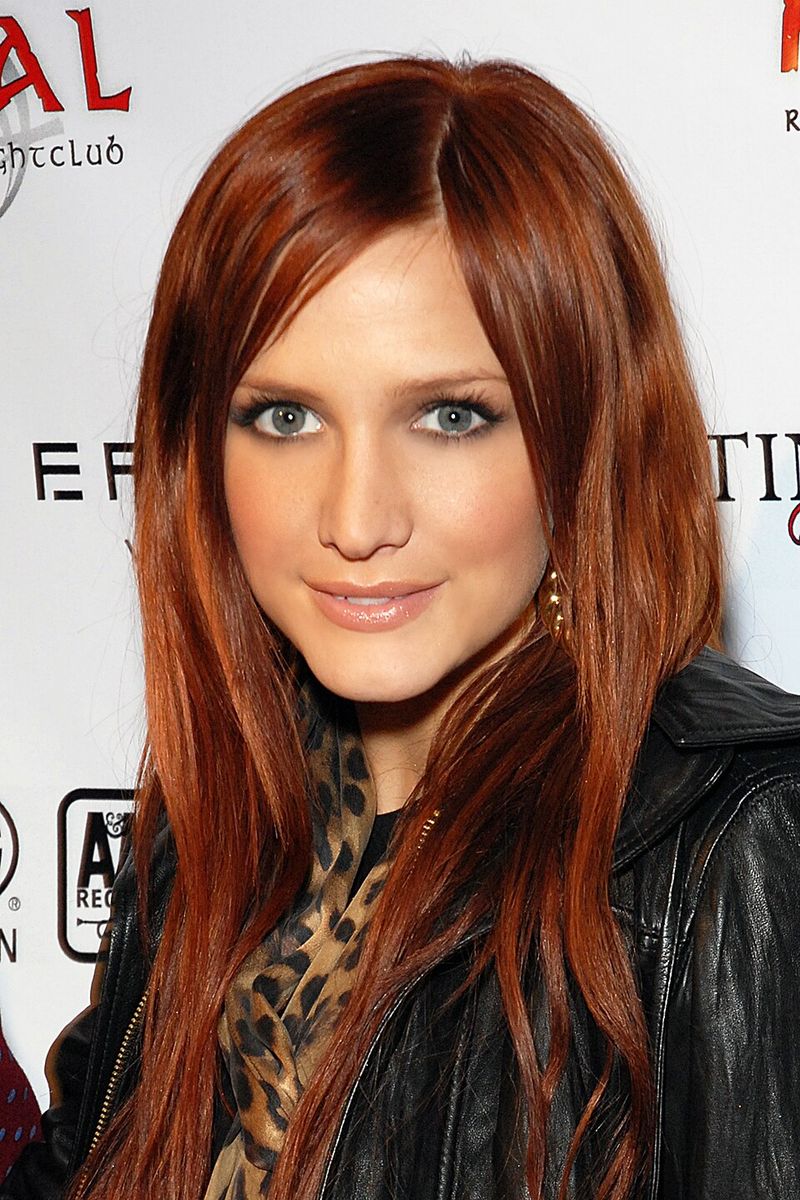
Live television has zero mercy, and Ashlee Simpson learned that lesson hard in October 2004. During her appearance on Saturday Night Live, the wrong vocal track started playing while her band launched into a completely different song.
She awkwardly shuffled across the stage before walking off entirely.
The moment went viral before “going viral” was even a common phrase. Simpson later blamed acid reflux for pre-recording the vocals, but people were not buying it.
The incident became one of the most replayed TV blunders ever and seriously dented her pop credibility at a critical point in her career.
3. Beyonce’s Inauguration Controversy
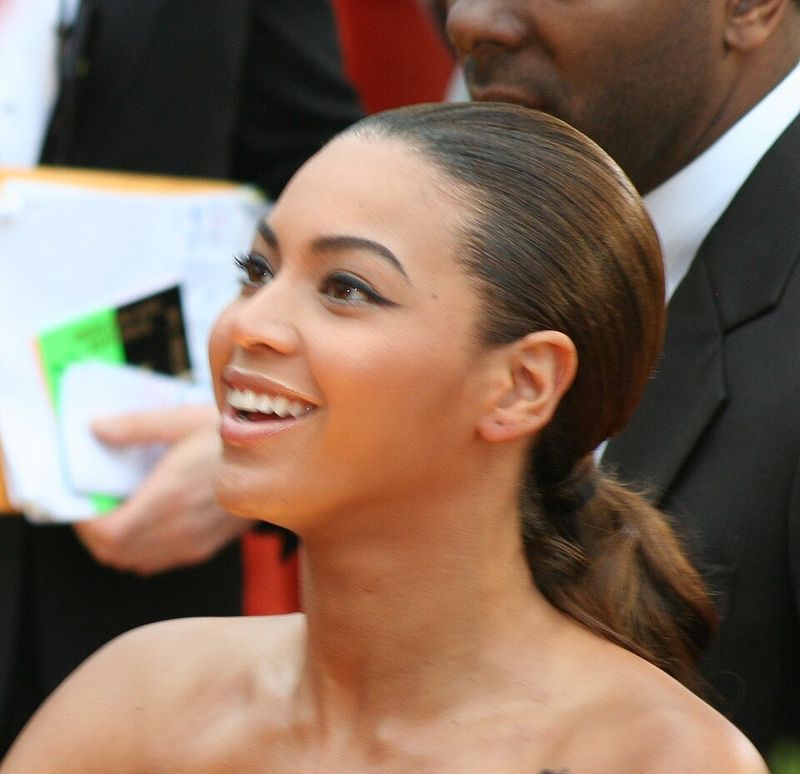
Performing at a presidential inauguration is one of the biggest honors a singer can receive. So eyebrows shot up when it was revealed that Beyonce may have sung to a pre-recorded track during President Obama’s 2013 inauguration ceremony.
The Marine Band confirmed no live music was played, sparking immediate media frenzy.
Beyonce addressed the situation at a Super Bowl press conference, where she sang the national anthem live and flawlessly to silence critics. Her team cited a lack of rehearsal time as justification for using the pre-recorded version.
Most fans forgave her instantly, but the moment still lives rent-free in pop culture memory.
4. Britney Spears and the Lip Sync Era
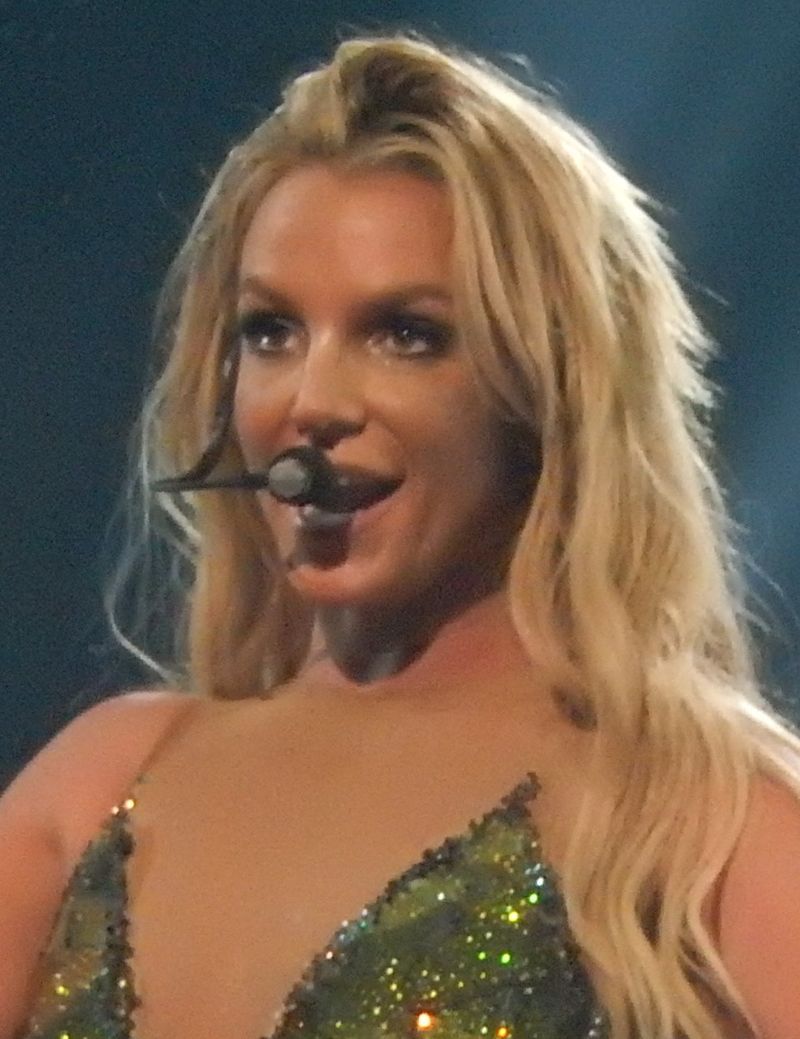
Few pop stars have faced more scrutiny over live vocals than Britney Spears. For much of her concert career, particularly during her Las Vegas residency era, critics and fans openly debated how much of what people heard was actually live.
Videos circulated online showing clear mismatches between her mouth movements and the audio.
Supporters argued that performing complex choreography while singing live is physically demanding and nearly impossible. Ticket prices often topped hundreds of dollars, which made fans feel entitled to real vocals.
The debate around Britney helped spark a broader conversation about what fans actually deserve when buying concert tickets.
5. Cher’s Voice Cloned Without Permission
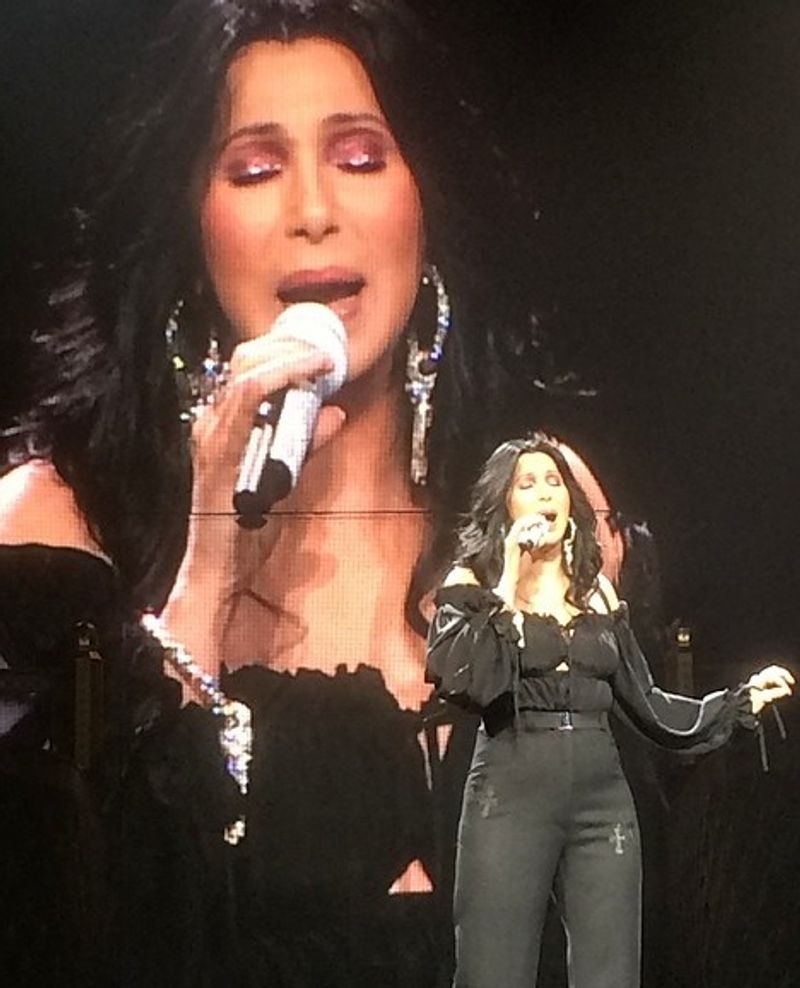
Discovering your own voice on a song you never recorded is the kind of plot twist nobody wants. In October 2023, music legend Cher went public about hearing an AI-generated cover of a Madonna song using her cloned voice, all without her knowledge or consent.
She described the experience as deeply unsettling.
Cher emphasized how much personal effort goes into crafting her unique vocal identity over decades of performing. Having a computer replicate and distribute it felt like a serious violation.
Her outcry helped push conversations about AI voice regulation into mainstream news, making her one of the loudest voices against unauthorized vocal cloning.
6. Selena Gomez Shocked By AI Cover

Hearing your voice singing a song you never recorded is genuinely alarming, and Selena Gomez said exactly that in 2023. An AI-generated version of The Weeknd’s “Starboy” featuring a cloned version of her voice circulated widely online, reaching millions of listeners before she even knew it existed.
Gomez publicly called the situation “scary,” pointing out how realistic and convincing the fake vocal sounded. Fans initially could not tell the difference, which raised serious questions about trust and authenticity in the streaming age.
Her reaction sparked important discussions about digital consent and how the law needs to catch up fast.
7. Bette Midler vs. Ford Motor Company
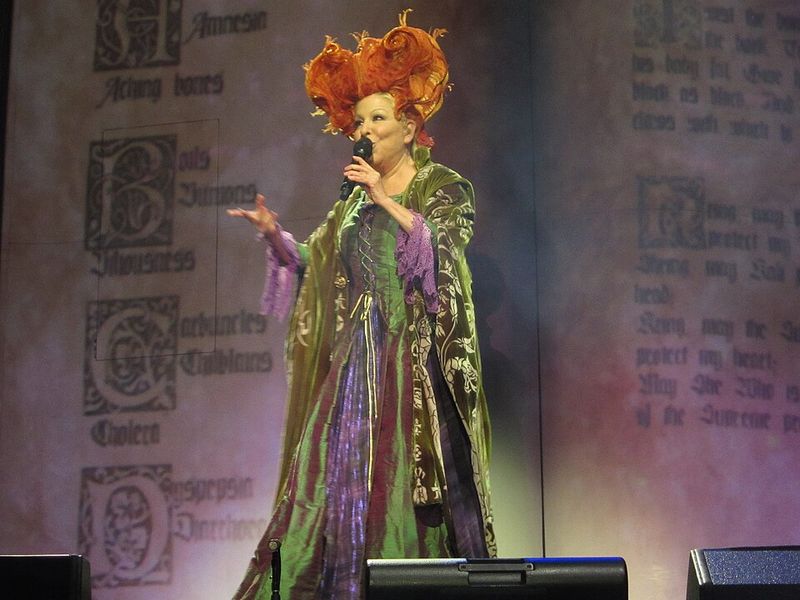
Back in 1988, a car commercial nearly rewrote the rules of vocal identity forever. Ford Motor Company wanted Bette Midler to sing for a Mercury advertisement, but she declined.
Instead of accepting her decision, the company hired a sound-alike singer to mimic her voice almost perfectly.
Midler took Ford to court, and the Ninth Circuit Court of Appeals ruled in her favor. The landmark case established that a performer’s distinctive voice is protected as part of personal identity.
It set a powerful legal precedent that artists could use to fight unauthorized vocal imitation long before AI even existed as a concept.
8. Kayne West’s Auto-Tune Dependency
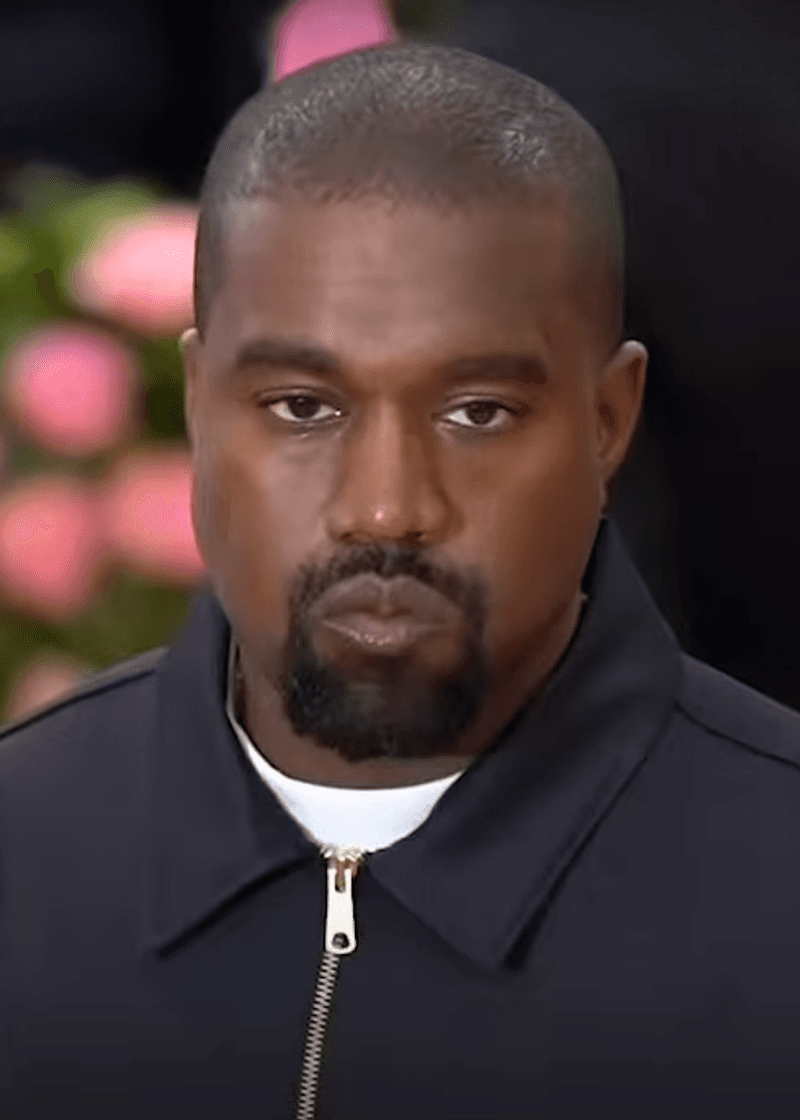
Auto-Tune has been part of music production for decades, but few artists leaned into it as boldly as Kanye West did during his “808s and Heartbreak” era in 2008. Critics argued the album revealed how heavily processed vocals could mask limited singing ability.
Kanye openly embraced the technology rather than hiding it.
Purists called it a shortcut while fans called it innovation. Regardless of opinion, the album influenced an entire generation of artists who followed suit.
Live performances often exposed the gap between studio polish and raw vocal ability, sparking ongoing debates about authenticity in modern music production and performance.
9. The Black Eyed Peas Super Bowl Fiasco
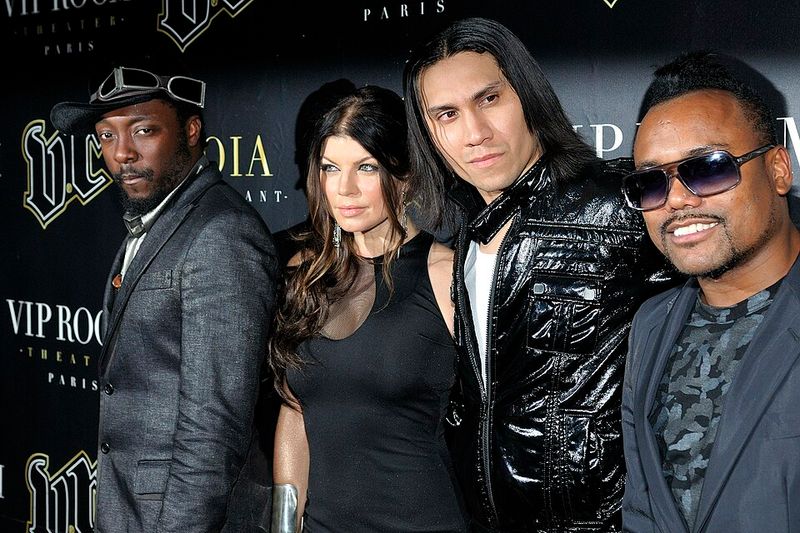
Super Bowl halftime shows are massive productions watched by hundreds of millions of people worldwide. When The Black Eyed Peas hit the stage in 2011, critics immediately noticed the vocals sounded heavily pre-recorded and out of sync.
The performance received some of the harshest reviews in Super Bowl halftime history.
Will.i.am’s vocal pitchiness was painfully apparent during moments where the backing track did not cover the gaps. Music journalists ranked it among the worst halftime shows ever staged.
Still, the group’s massive commercial success meant the controversy barely dented album sales. Fans mostly shrugged it off while critics wrote lengthy takedowns about declining live performance standards.
10. Mariah Carey’s New Year’s Eve Disaster
Only a couple live performance meltdowns have been dissected as thoroughly as Mariah Carey’s 2016 New Year’s Rockin’ Eve performance in Times Square. Carey stopped attempting to sing mid-performance, citing issues with in-ear monitors and a track that was not working properly.
She openly told the crowd the production had failed her.
Critics and fans debated furiously about what actually happened. Some believed she was relying too heavily on pre-recorded vocals while others sympathized with genuine technical difficulties.
Regardless of the cause, the moment became an instant meme and dominated entertainment news for weeks. Carey later addressed it publicly with a mix of humor and frustration.
11. Luciano Pavarotti’s Pre-Recorded Opera Scandal
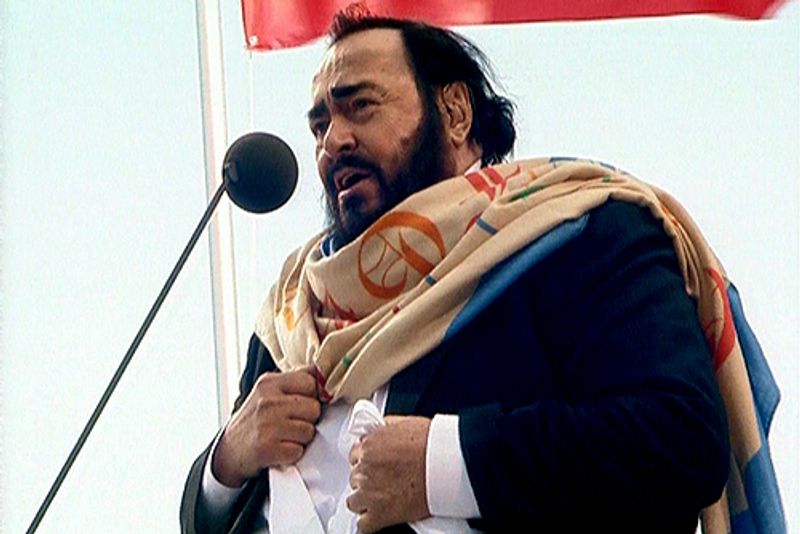
Opera is considered one of the most technically demanding vocal art forms on the planet, so the revelation involving Luciano Pavarotti hit purists especially hard. During a 1992 outdoor concert in Hyde Park, London, evidence emerged suggesting Pavarotti had performed to a pre-recorded vocal track rather than singing entirely live.
Given the outdoor acoustics and his health concerns at the time, some defended the decision as practical. Opera fans hold live performance to an almost sacred standard.
The controversy damaged his reputation among classical music critics and sparked debates about whether pre-recorded vocals are ever acceptable in a genre built entirely on raw vocal power.
12. T-Pain and the Auto-Tune Confession
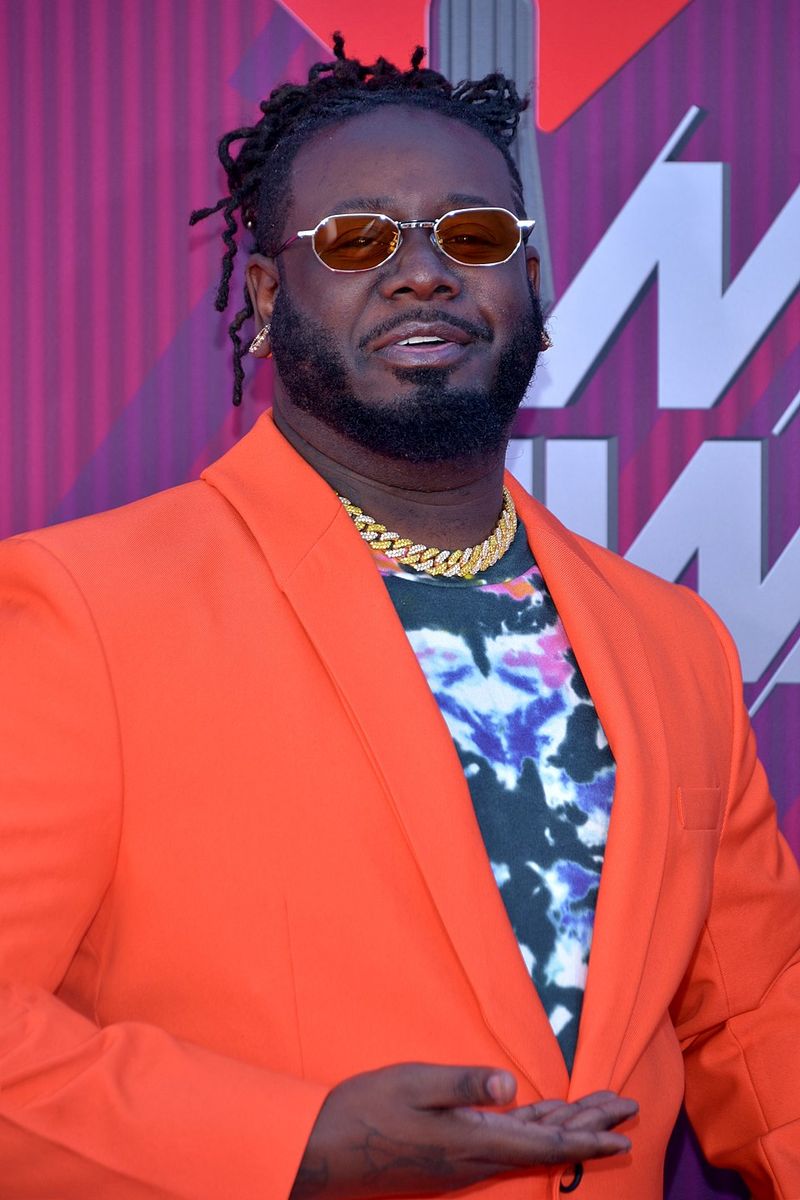
Auto-Tune became T-Pain’s signature sound so completely that most listeners assumed it was purely an artistic choice. However, during a candid appearance on NPR’s Tiny Desk Concert series in 2014, T-Pain performed without any vocal processing and revealed a genuinely powerful natural singing voice that had been hidden for years.
His confession was surprisingly emotional. He admitted that heavy reliance on Auto-Tune had actually masked insecurities about his natural voice rather than purely serving as a creative tool.
The performance moved many viewers to tears and completely reframed his legacy. Proving vocal authenticity sometimes means stripping everything away and standing bare before an audience.