16 Slow-Burn Horror Films That Let The Dread Sink In Properly
Some horror movies lunge for your nerves right away. Others take their time, and that patience is exactly what makes them so effective.
Slow-burn horror knows how to let a mood settle in, thicken, and quietly take over before you fully realize how uneasy you have become.
A strange house feels stranger, a conversation starts sounding wrong, dread is slowly creeping. That kind of horror asks for patience, but it usually pays it back with something far more lasting than a quick jolt.
By the time these films finally tighten their grip, the dread already feels rooted deep in the story, which is what makes the best slow-burn horror so hard to shake once it gets there.
Disclaimer: This article is intended for general informational and entertainment purposes only. Film selections and interpretations of slow-burn horror reflect editorial opinion, and individual responses to pacing, tone, and intensity may vary.
1. The Shining (1980)
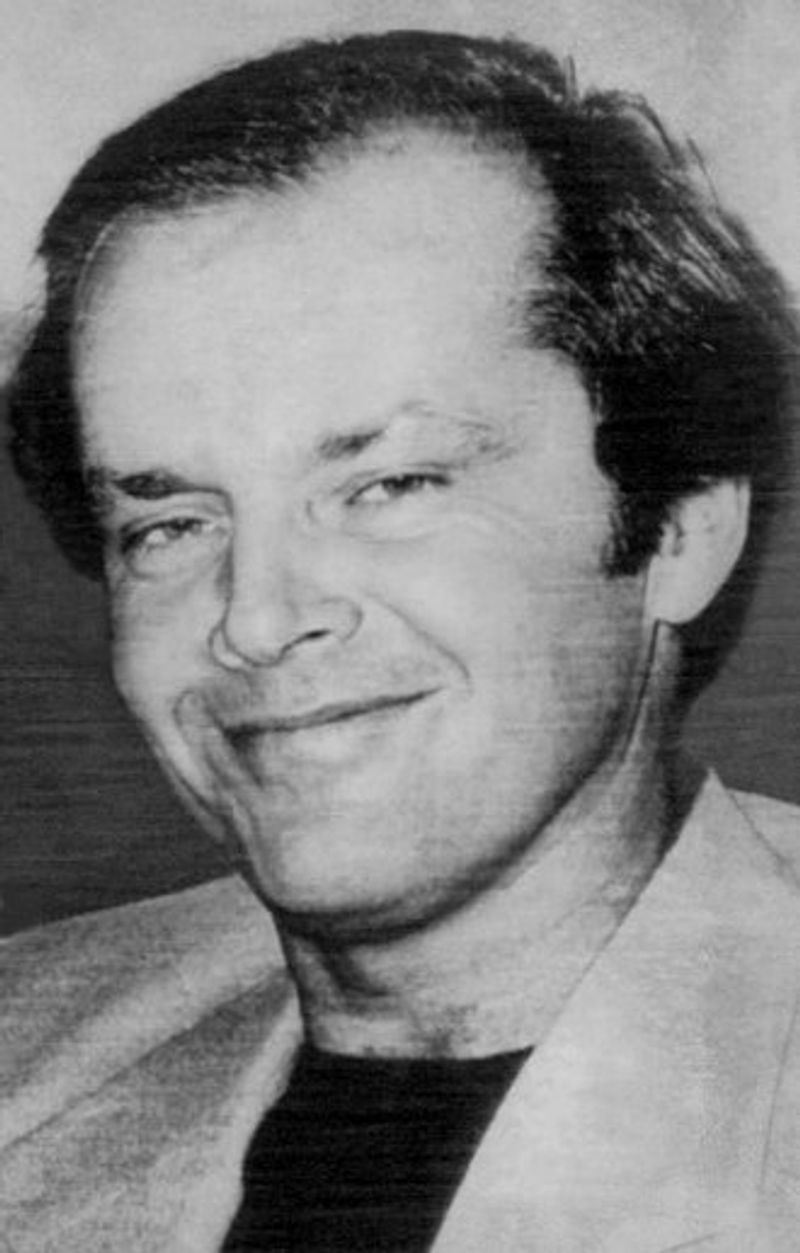
Few films have burrowed into pop culture quite like Stanley Kubrick’s masterpiece.
Jack Nicholson plays a writer who takes his family to an isolated mountain hotel for the winter, and things go sideways in the most unforgettable way possible. The Overlook Hotel feels alive, watching, waiting.
Kubrick builds tension through long, quiet hallways, strange visions, and a slow unraveling of sanity. No jump scares needed here.
By the time the famous axe scene arrives, your nerves are already completely shredded. Iconic for a reason.
2. Rosemary’s Baby (1968)
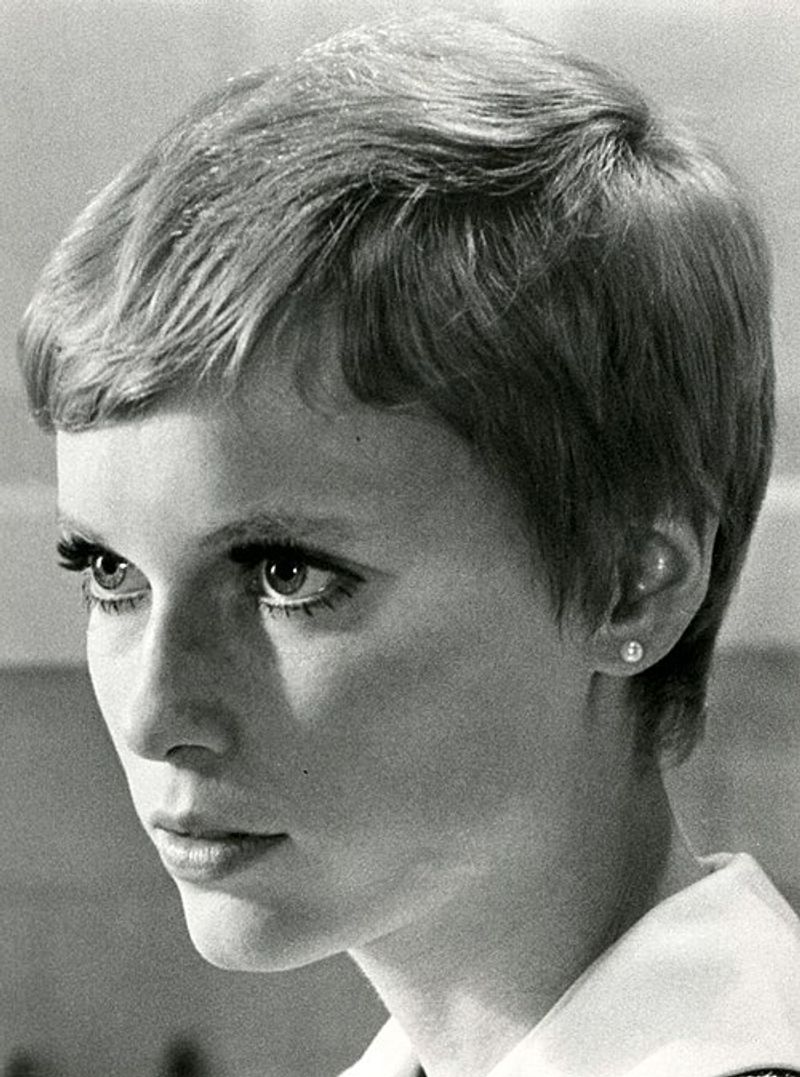
Roman Polanski’s classic proves that paranoia is scarier than any monster.
Mia Farrow plays Rosemary, a young woman who moves into a gothic Manhattan apartment building with her ambitious husband. Strange neighbors, odd rituals, and a mysterious pregnancy follow.
What makes this film so deeply unsettling is how ordinary everything looks at first. The horror hides in polite smiles and casseroles.
By the time Rosemary starts questioning reality, you are right there with her, doubting everything you thought you understood.
3. The Witch (2015)
Set in 1630s New England, this film drops a Puritan family into an isolated farm at the edge of a very dark forest.
Something is out there. Something ancient. And the family’s strict religious beliefs make every strange event feel like divine punishment.
Director Robert Eggers used actual historical documents to craft the dialogue and setting, making the whole thing feel terrifyingly real.
The slow dread builds like storm clouds on the horizon. If talking goats and creaking wood do not unsettle you, the ending absolutely will.
4. Hereditary (2018)
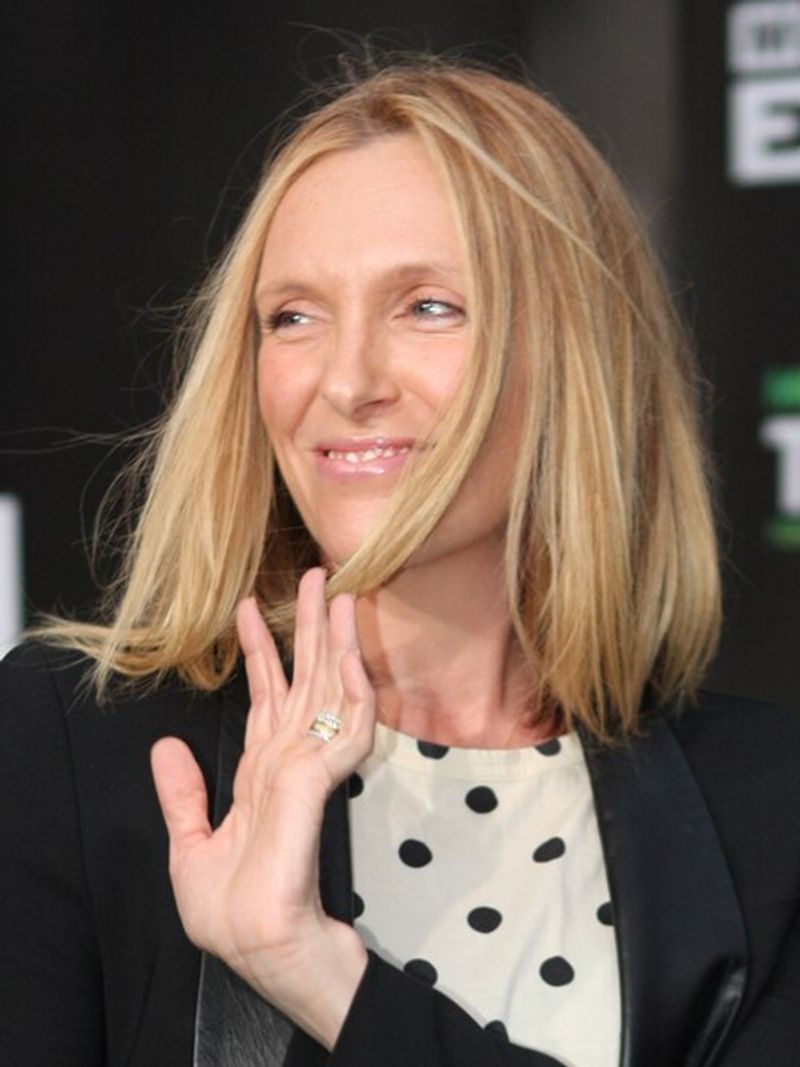
Grief is terrifying on its own. Now add secret cults, family trauma, and something lurking in the shadows of a mountain home.
Hereditary follows the Graham family as they unravel after the passing of their mysterious grandmother, and trust us, the secrets she left behind are genuinely horrifying.
Ari Aster’s debut feature is a slow emotional gut-punch. The horror escalates so gradually that you barely notice how tense you have become.
Then one scene arrives midway through that will make your jaw hit the floor.
5. It Comes at Night (2017)
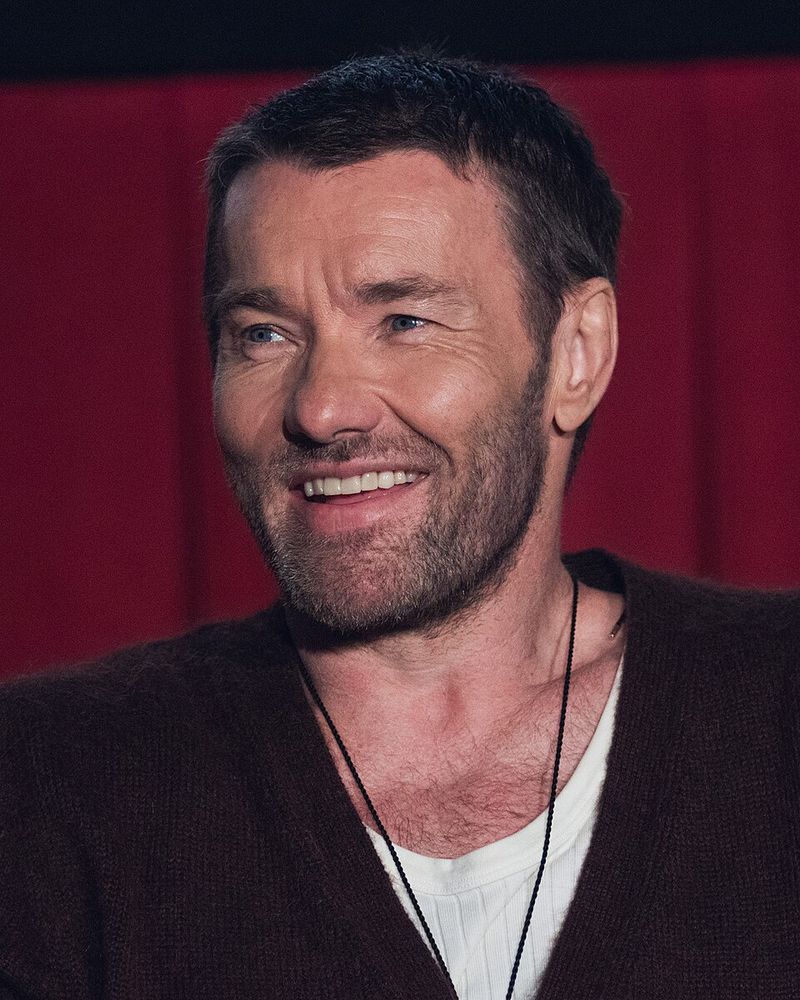
How do you trust strangers when the world outside your door has collapsed? That question drives this incredibly tense film.
Two families share a boarded-up house in the woods during an unnamed plague, and the tension between them slowly becomes more frightening than whatever lurks outside.
Director Trey Edward Shults keeps the threat deliberately vague, which somehow makes everything worse.
The film is more about human fear than scary beings, which makes it hit closer to home than most horror films ever dare to go.
6. Saint Maud (2019)
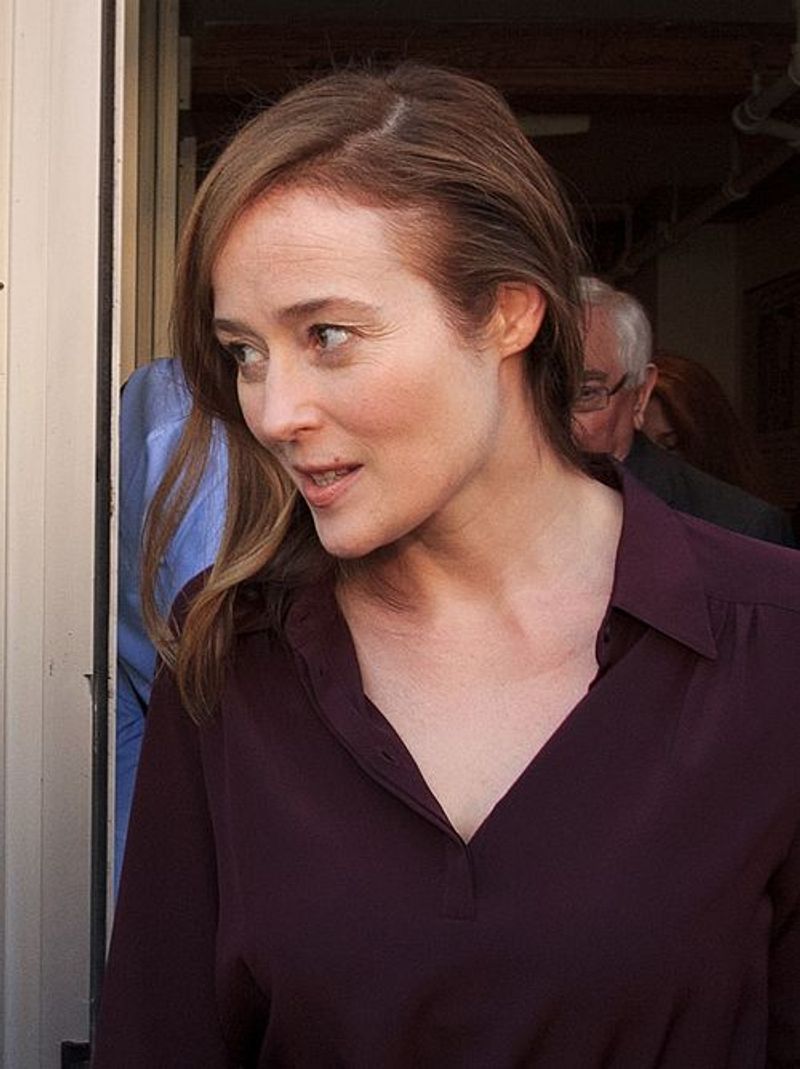
Religious devotion and psychological collapse make for a chilling combination.
Morfydd Clark plays Maud, a devout hospice nurse who becomes obsessed with saving the soul of her terminally ill patient, played by Jennifer Ehle.
What starts as faith quietly transforms into something far more disturbing.
Rose Glass directs with extraordinary restraint, letting Maud’s inner world slowly bleed into the film’s reality.
By the final scene, you genuinely cannot tell where belief ends and madness begins. Hauntingly brilliant and deeply uncomfortable cinema.
7. The Others (2002)
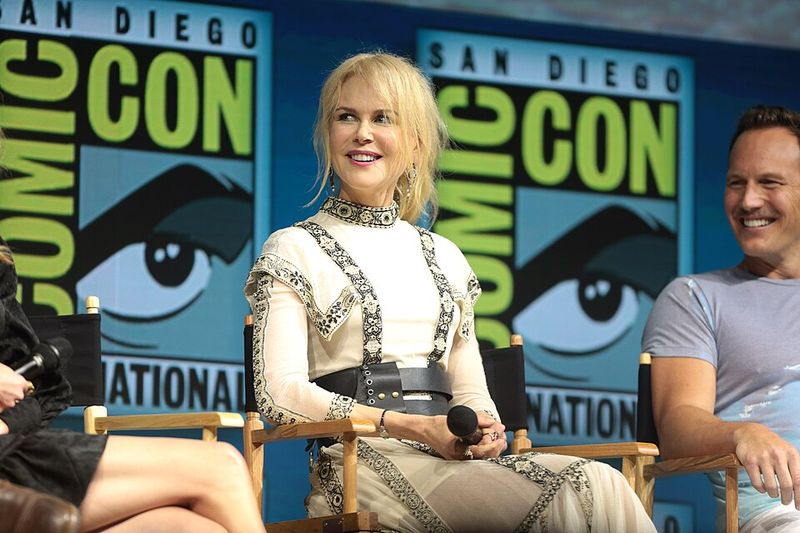
Nicole Kidman gives one of her finest performances in this ghost story set in a fog-drenched manor on the island of Jersey just after World War II.
Her two children are severely light-sensitive, forcing the family to live in near-total darkness. Then the strange sounds begin.
Alejandro Amenabar builds tension through shadow and silence rather than spectacle. The atmosphere is suffocating in the best possible way.
The twist ending rewrites everything you thought you knew, and unlike most horror twists, this one actually earns it.
8. The Babadook (2014)
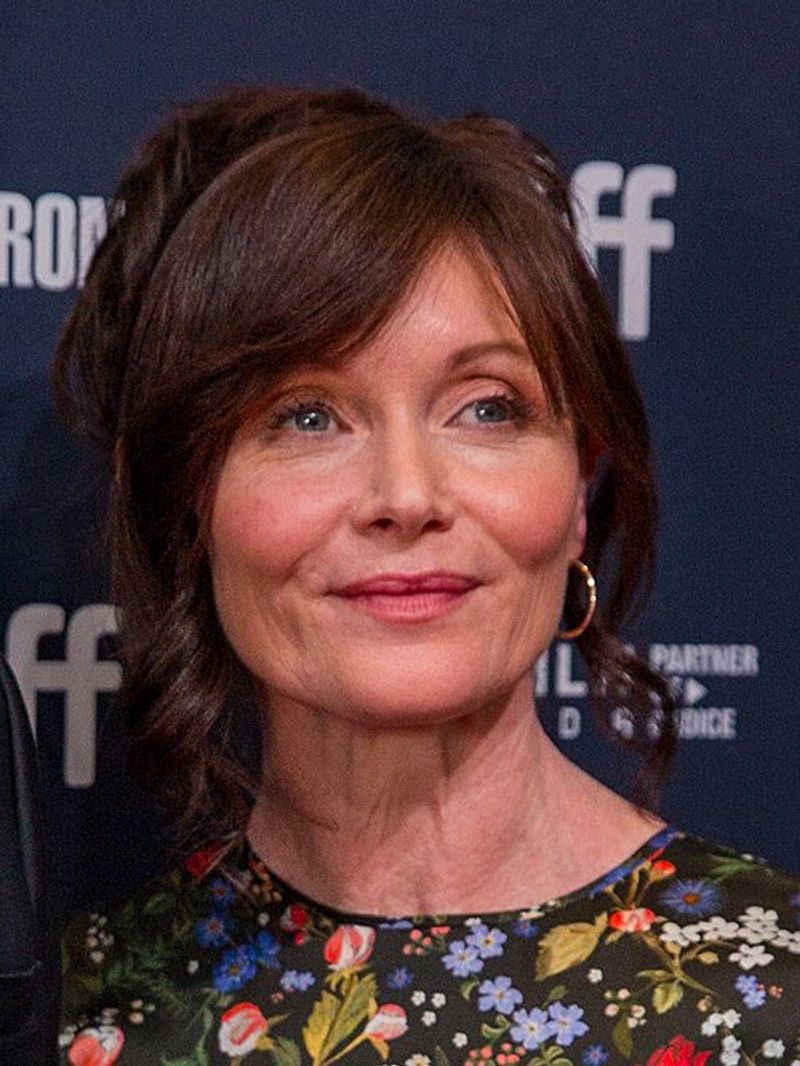
Grief wears many masks, and in this Australian film, it wears a very tall hat.
A widowed mother and her troubled young son discover a mysterious pop-up book about a creature called the Babadook, and things deteriorate fast from there.
The creature is terrifying. The grief is even more so.
Jennifer Kent’s debut feature works on two levels simultaneously: a genuinely scary horror film and a raw portrait of depression and loss. The Babadook himself is one of cinema’s most memorable creatures.
9. The Blackcoat’s Daughter (2015)
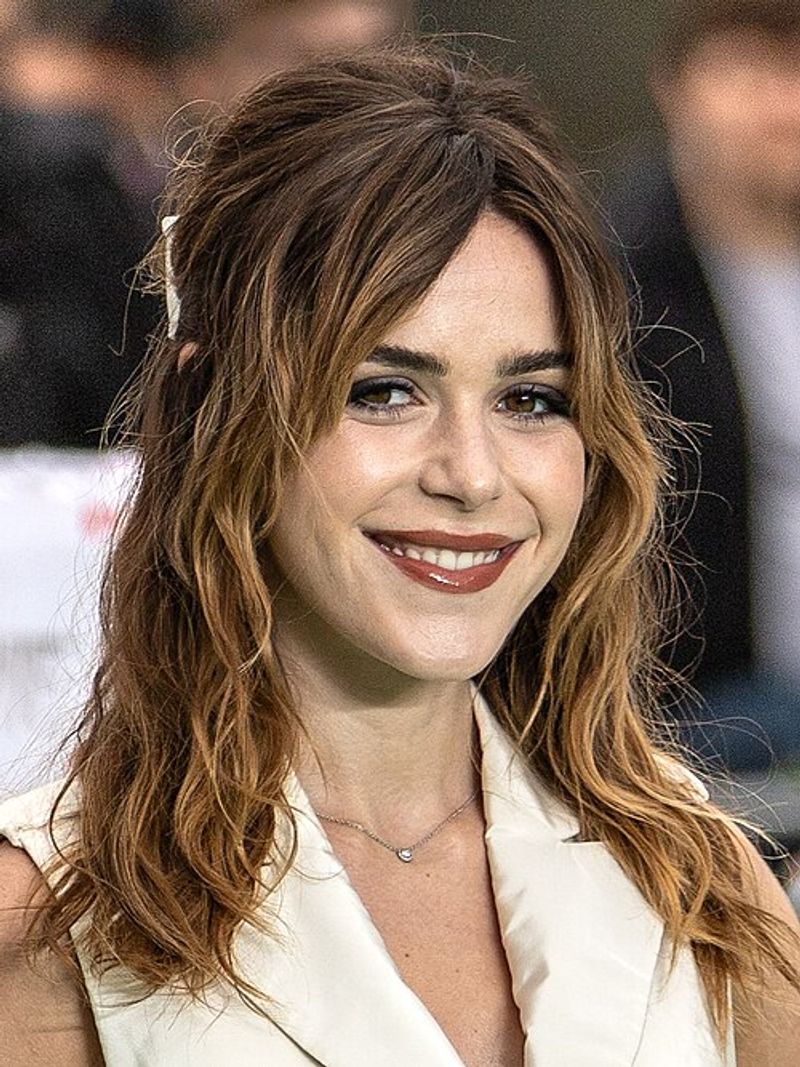
Two girls are left behind at a boarding school over winter break while a third storyline unfolds in parallel, slowly revealing how the threads connect.
Oz Perkins directs with an almost unbearable patience, letting silence and cold empty hallways do most of the heavy lifting.
The film has a fractured timeline that rewards careful attention.
Kiernan Shipka delivers a quietly unnerving performance that gets stranger and more frightening as the story progresses.
10. A Tale of Two Sisters (2003)

South Korean cinema has a gift for blending beauty and dread, and this film is a perfect example.
Two sisters return home from a psychiatric facility to live with their cold stepmother in a stunning countryside house. Strange visions and dark family secrets follow almost immediately.
Director Kim Jee-woon layers the film with gorgeous visuals that contrast sharply with the creeping horror underneath.
The story is emotionally complex and rewards multiple viewings because the twist changes everything.
11. The Innocents (1961)
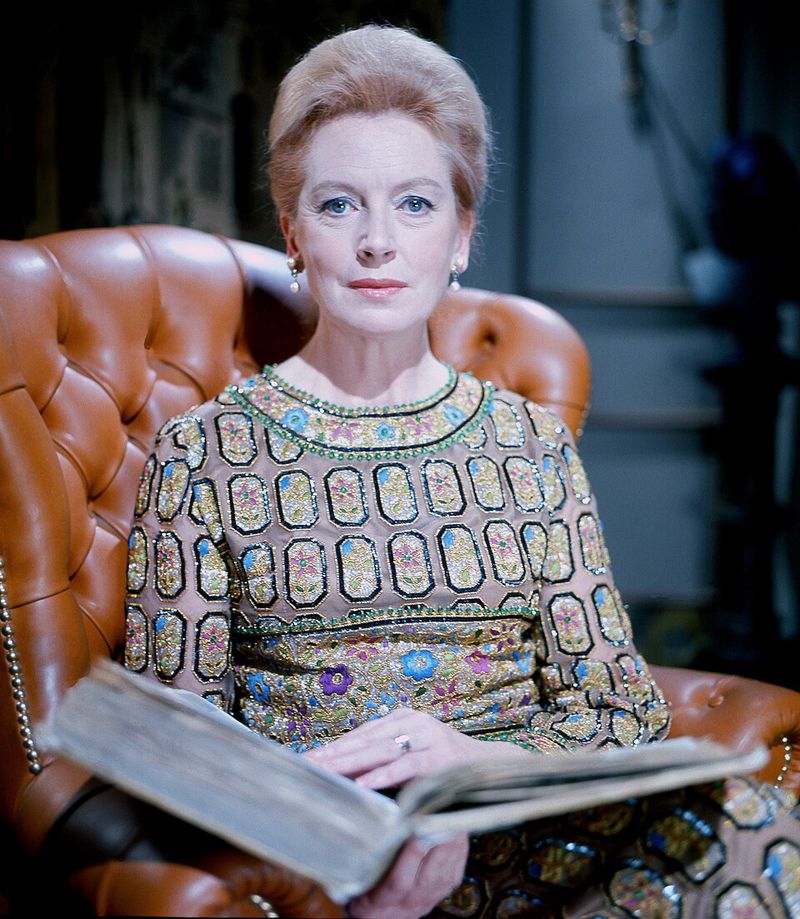
Based on Henry James’s novella The Turn of the Screw, this black-and-white British film remains one of the most beautifully crafted ghost stories ever put on screen.
Deborah Kerr plays a governess who begins to suspect that her two young charges are being influenced by the spirits of former servants.
Freddie Francis’s cinematography turns every shadow into a question mark. Are the ghosts real, or is the governess losing her mind?
The film never fully answers that question, and that ambiguity is exactly what makes it so enduringly frightening.
12. Relic (2020)
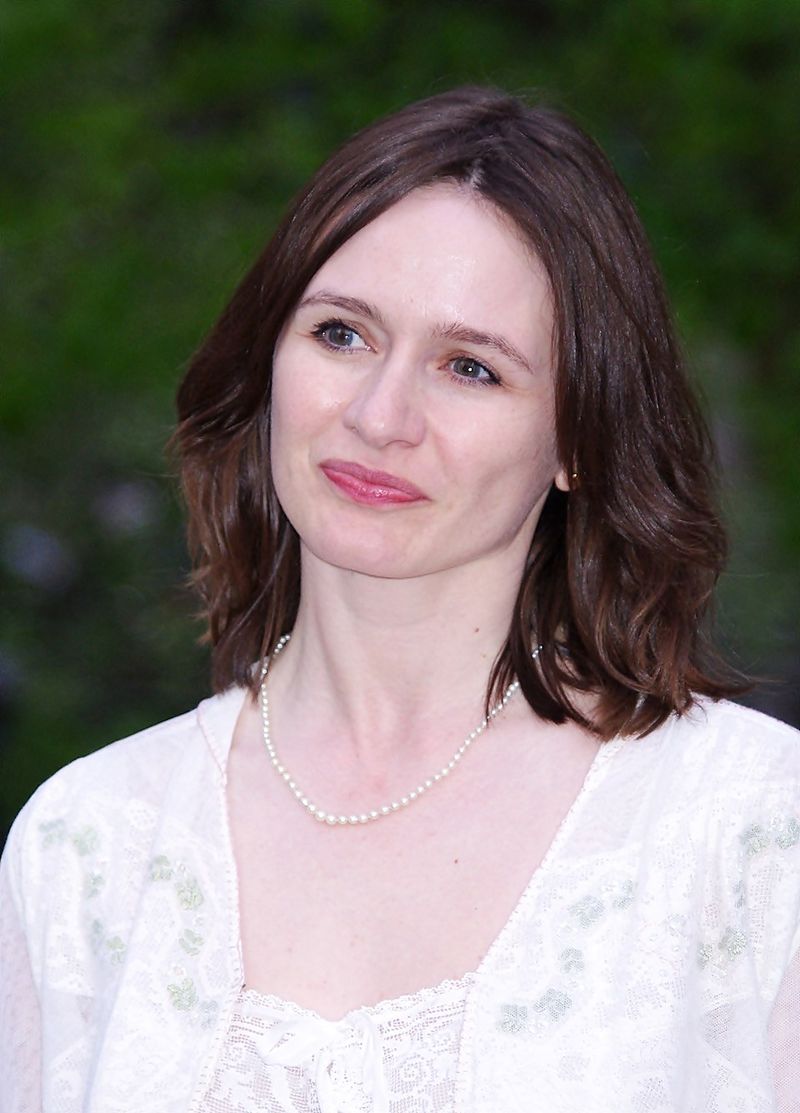
Dementia and horror make for a devastatingly effective combination in this Australian film.
A daughter and granddaughter travel to check on an elderly woman who has gone missing from her home, only to find her returned with no memory of where she went.
Then the house itself starts behaving strangely. Natalie Erika James uses the crumbling house as a metaphor for a mind deteriorating from within.
The film is heartbreaking and terrifying in equal measure.
13. The Night House (2020)
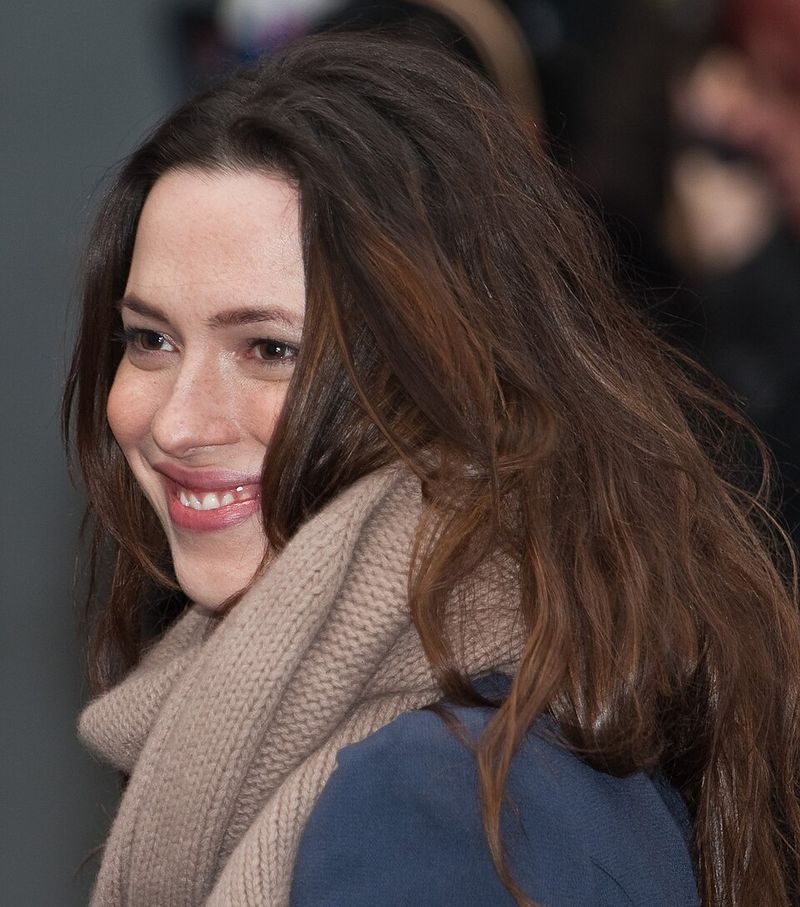
Rebecca Hall delivers a powerhouse performance as a widow who begins discovering disturbing secrets about her recently deceased husband after finding strange blueprints for a mirror-image house hidden in his belongings.
Grief and paranoia collide in spectacular fashion here.
David Bruckner directs with incredible visual imagination, using architecture and reflection to create some genuinely mind-bending scare sequences.
The film asks hard questions about what we really know about the people closest to us. Terrifying, clever, and emotionally resonant in ways most horror films simply are not.
14. Cure (1997)
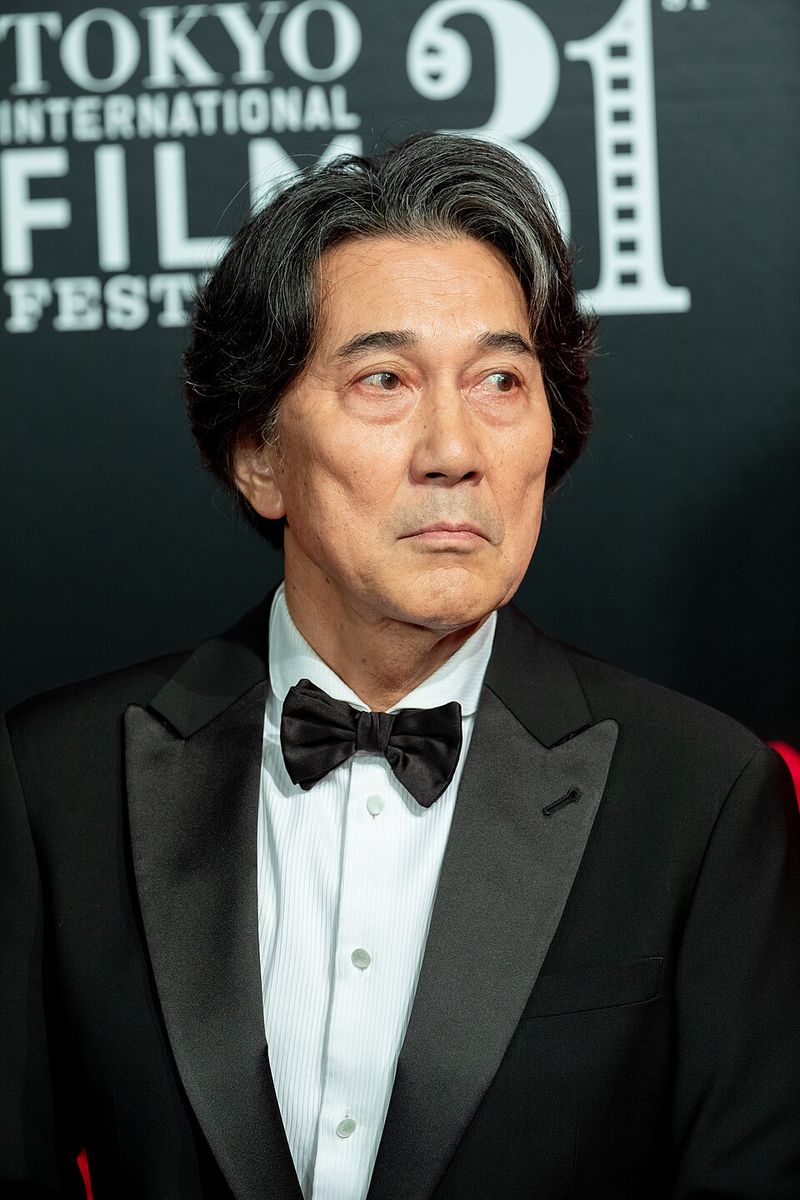
Japanese director Kiyoshi Kurosawa crafted one of the most quietly terrifying films of the 1990s with this psychological thriller.
A Tokyo detective investigates a series of murders committed by unconnected people who share no apparent motive, each leaving the same strange mark on their victims.
The film moves at a deliberate, hypnotic pace that mirrors the mental deterioration it depicts. Koji Yakusho is outstanding as the increasingly rattled detective.
15. The Invitation (2015)
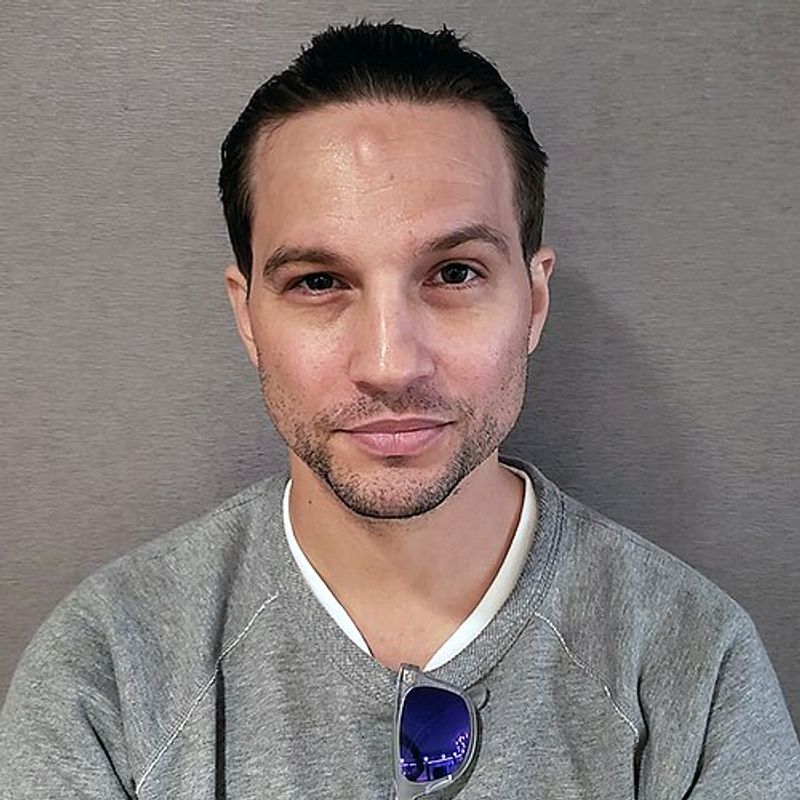
Picture a dinner party where everything seems slightly off but you cannot quite explain why. That feeling sustains this entire film.
A man attends a gathering hosted by his ex-wife and her new partner in the Hollywood Hills, and something about the evening feels deeply, uncomfortably wrong from the start.
Karyn Kusama directs with surgical precision, making every polite conversation feel loaded with hidden menace.
The film plays brilliantly with the question of whether the protagonist is paranoid or perceptive.
16. Under the Skin (2013)
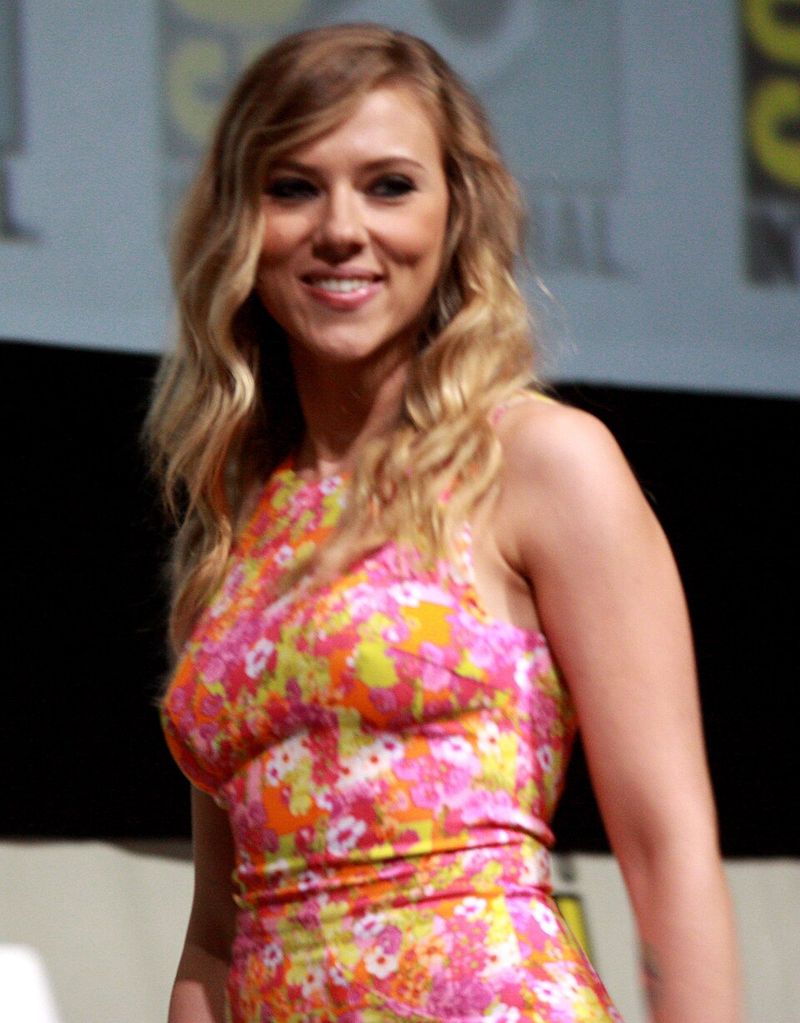
Scarlett Johansson plays an alien entity wandering the streets of Scotland, luring men into a terrifying void.
Jonathan Glazer shot much of the film using hidden cameras with real unsuspecting people, giving it a documentary eeriness that no studio production could replicate artificially.
Words like atmospheric barely scratch the surface here. The film operates on a purely sensory level, using sound design and abstract visuals to create profound unease.
There is almost no traditional plot, yet the dread accumulates steadily.