15 Slow-Burn Movies Celebrated For Their Lasting Influence
Patience is the price of admission here, and the payoff can hit harder than any jump scare.
Slow-burn films don’t sprint to the finish, they simmer, stacking tension through atmosphere, detail, and the kind of pacing that dares you to lean in.
Stick with the ride, and these masterpieces reward you with endings that linger like goosebumps.
Disclaimer: This article highlights films often described as slow-burn classics and summarizes commonly discussed themes and influence in critical conversation. Interpretations of “influence” and “lasting impact” are subjective, and individual viewing experiences can vary widely.
15. Night Of The Living Dead (1968)
George Romero changed horror forever with a black-and-white nightmare that took its sweet time building dread.
Seven strangers trapped in a farmhouse realize survival means more than just boarding up windows. The real terror comes from watching ordinary people crack under pressure while zombies shuffle closer with each passing hour.
This independent film proved that low budgets and patient storytelling could create cultural earthquakes that still rumble through every zombie story today.
14. The Conversation (1974)
A paranoid masterpiece about a surveillance expert who listens for a living was crafted by Francis Ford Coppola.
Gene Hackman plays Harry Caul, a man so careful about privacy that he barely exists outside his recording equipment. When a seemingly innocent conversation hints at murder, Harry’s world spirals into obsessive uncertainty.
Mirroring its protagonist’s meticulous nature is the film’s methodical pace, proving suspense doesn’t need car chases when you have crackling audio tape and mounting guilt.
Echoing through every modern thriller about technology and trust is the movie’s profound influence.
13. Stalker (1979)

Andrei Tarkovsky’s science fiction meditation follows three men venturing into a mysterious Zone where wishes supposedly come true.
The journey unfolds like a philosophical poem, with long takes that force viewers to contemplate existence alongside the characters. Ruins, puddles, and overgrown landscapes become characters themselves, whispering about hope and human desire.
This Soviet masterpiece influenced countless filmmakers who learned that cinema could move at the speed of thought rather than action.
12. Blade Runner (1982)

Immersing us in a perpetually rainy 2019 Los Angeles, Ridley Scott’s neon-soaked vision poses a fundamental question: what makes us human? In this future, Harrison Ford hunts replicants through a city that feels both lived-in and utterly exhausted.
The film’s deliberate pacing allows viewers to absorb every detail of its dystopian world, with flying cars overhead and origami figures turning up in quiet corners.
Its influence on science fiction aesthetics and philosophical storytelling remains unmatched, shaping cyberpunk aesthetics and modern debates about AI, consciousness, and mortality.
11. 2001: A Space Odyssey (1968)

Beginning with apes discovering tools and ending with a star child floating through space is Stanley Kubrick’s cosmic ballet.
Between those moments, astronauts drift through the void while a computer named HAL develops unsettling opinions about the mission. Matching the silence of space itself is the film’s glacial pace, with scenes that unfold like visual symphonies set to classical music.
Trusting audiences to find meaning in silence and spectacle is something no movie before or since has done so boldly.
10. Taxi Driver (1976)

A character study that crawls through New York’s grimy streets like a fever dream was born from the collaboration of Martin Scorsese and Robert De Niro.
Travis Bickle drives his cab through neon-lit nights, growing more alienated with each fare. This unhurried approach lets loneliness and rage simmer until they boil over into shocking violence.
Generations of filmmakers exploring the dark corners of the American psyche were influenced by its portrait of urban isolation and mental deterioration. The film proves that heroes and villains sometimes share the same face.
9. The Shining (1980)

Into a hypnotic descent into madness that unfolds room by room, Stanley Kubrick transformed Stephen King’s haunted hotel story.
Jack Torrance takes a winter caretaker job at the Overlook Hotel, bringing his family into corridors that remember every terrible thing that ever happened there. Building claustrophobia and dread through symmetrical shots and steadicam glides, the film’s methodical pacing creates a feeling that is both elegant and menacing.
Horror movies learned from this masterpiece that terror works best when given time to seep into your bones.
8. Citizen Kane (1941)
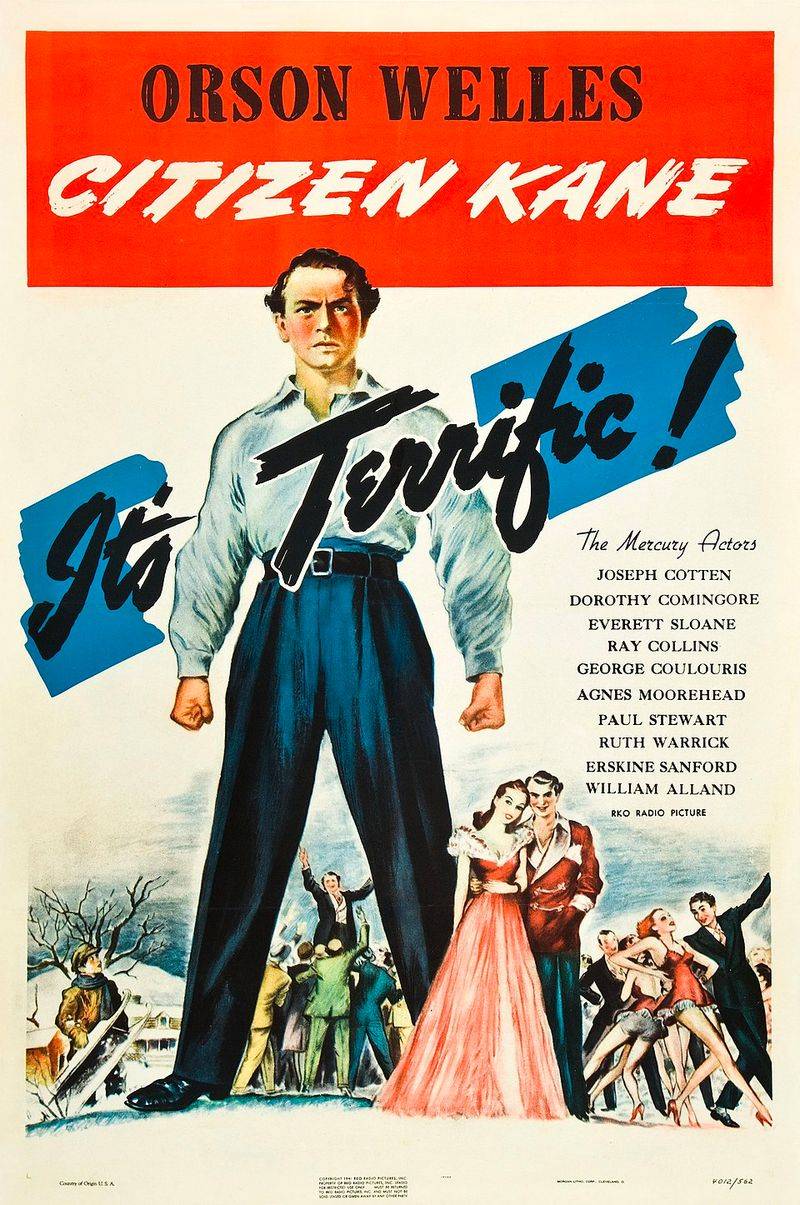
Orson Welles revolutionized cinema with a mystery that investigates one word: Rosebud.
Journalists piece together the life of Charles Foster Kane through flashbacks that reveal how wealth and ambition can hollow out a human soul. The film’s innovative techniques – deep focus cinematography, non-linear storytelling, and expressionistic lighting – changed what movies could be.
Its patient exploration of memory and loss taught filmmakers that great stories could unfold like archaeological digs, uncovering truth layer by careful layer.
7. Solaris (1972)

Tarkovsky’s second appearance on this list explores a space station orbiting a planet that materializes human memories. Psychologist Kris Kelvin arrives to find scientists haunted by physical manifestations of their deepest regrets and lost loves.
The film moves like a dream, with scenes that linger on faces and landscapes while pondering grief, guilt, and what it means to confront the past.
Science fiction took a lesson here: spaceships can explore inner space as powerfully as the cosmos.
6. Barry Lyndon (1975)
An 18th-century epic that appears to be filmed by candlelight was painted by Kubrick, a visual feat achieved because key interior sequences were shot using candlelight, aided by ultra-fast lenses.
Redmond Barry schemes his way from Irish poverty to English aristocracy, discovering that climbing social ladders requires sacrificing everything that makes life worth living.
Matching the era it depicts is the film’s stately pace, with compositions that resemble classical paintings come to life. Remaining visible in every costume drama that values beauty and melancholy equally is its profound influence on period filmmaking and cinematography.
5. Apocalypse Now (1979)

Sending Captain Willard up a river into the heart of darkness, Francis Ford Coppola crafted a journey that took its time revealing hell. Each stop along the Nùng River peels away another layer of sanity as Vietnam War madness unfolds in surreal episodes.
Matching the boat’s progression deeper into chaos is the film’s hypnotic rhythm, with helicopter attacks and jungle temples blurring the line between war movie and fever dream.
Changing cinema’s relationship with conflict forever was its influence, depicting warfare as psychological collapse rather than heroic adventure.
4. Once Upon A Time In The West (1968)
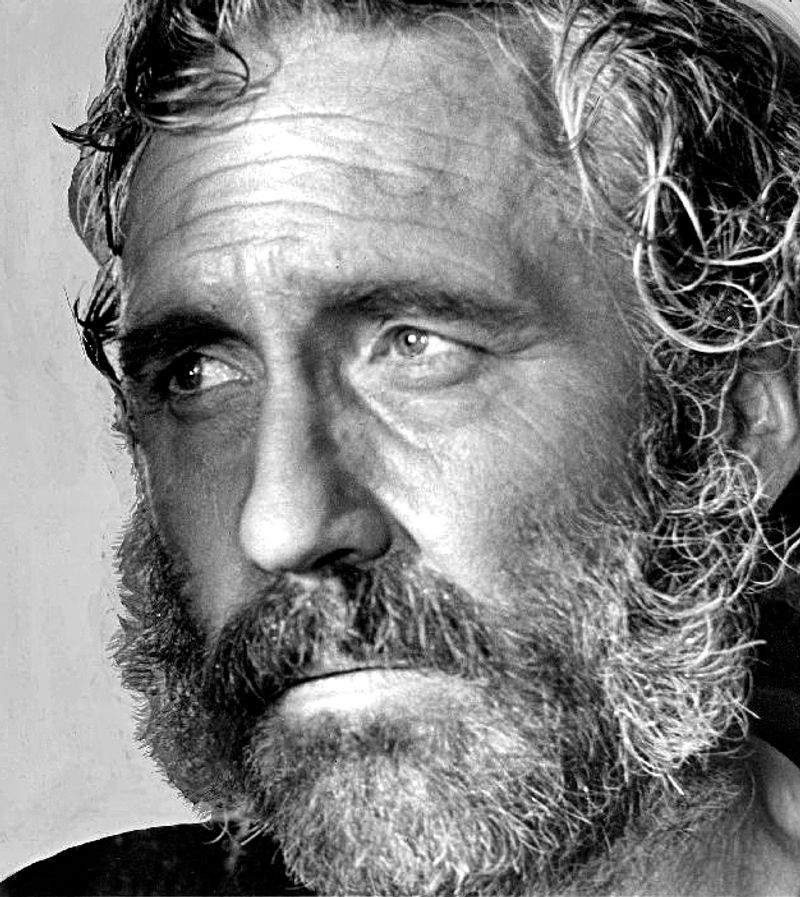
Sergio Leone stretched the Western to operatic lengths, opening with a ten-minute scene of men waiting at a train station.
Three gunmen swat flies and creak leather while Ennio Morricone’s harmonica wails across the desert.
When the train finally arrives, every second of waiting pays off in violence and revelation. The film’s epic pacing transforms revenge stories and railroad progress into myth, teaching filmmakers that anticipation could be more powerful than action.
Westerns learned to breathe differently after Leone showed them how.
3. There Will Be Blood (2007)

Chronicling the rise of oilman Daniel Plainview with the patience of geological time was the work of Paul Thomas Anderson.
Daniel Day-Lewis crawls from silver mines to oil derricks, accumulating wealth and losing humanity in equal measure. Allowing ambition and madness to ferment slowly is the film’s deliberate pacing, with long scenes of drilling and deal-making that build toward explosive confrontations.
From this epic, modern cinema learned that character studies could feel as vast and unforgiving as the American landscape itself.
2. Mulholland Drive (2001)

A Los Angeles fever dream that refuses to explain itself was crafted by David Lynch – and that ambiguity is precisely the point.
Naomi Watts arrives in Hollywood with dreams and a mysterious woman with amnesia, and reality starts folding in on itself like origami made of nightmares.
Lulling viewers into a false sense of security is the film’s languid pace, before it pulls the rug out from under logic itself. Proving that movies could be puzzles rewarding endless interpretation, its influence on surreal and non-linear storytelling remains profound.
1. No Country For Old Men (2007)
The Coen Brothers adapted Cormac McCarthy’s novel into a cat-and-mouse chase where death carries a cattle gun and an unforgettable silhouette.
Javier Bardem’s Anton Chigurh pursues stolen money across Texas with the inevitability of fate, while Tommy Lee Jones plays a sheriff who realizes he’s outmatched by modern evil. The film’s measured pacing and minimal score create unbearable tension from silence and landscape.
Thrillers discovered that removing music and rushing could make violence more terrifying than any jump scare.