18 Must-Know Slow Cooker Tips To Transform Every Meal
Your slow cooker is like a kitchen superhero that does all the hard work while you go about your day.
Whether you’re a busy parent, a student with a packed schedule, or someone who just loves coming home to a hot meal, mastering these simple tricks will take your cooking game to the next level.
Get ready to unlock flavors, save time, and make every dish taste like you spent hours in the kitchen—even when you didn’t!
1. Never Lock That Lid
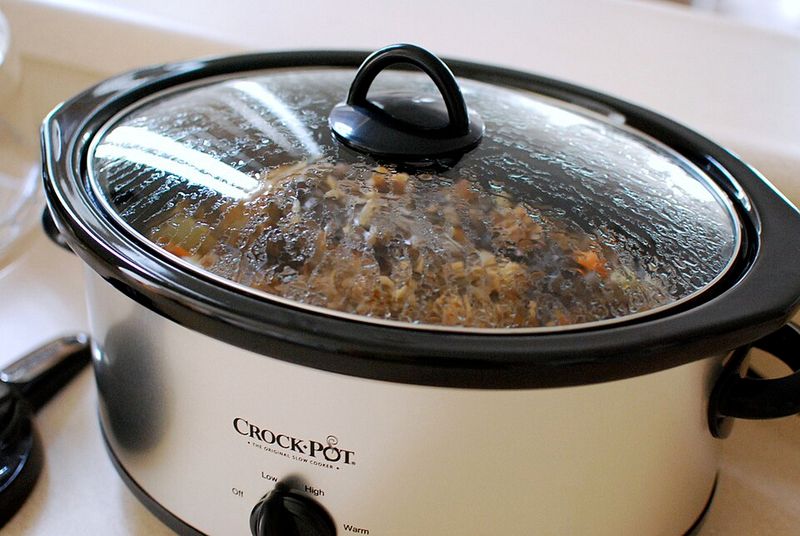
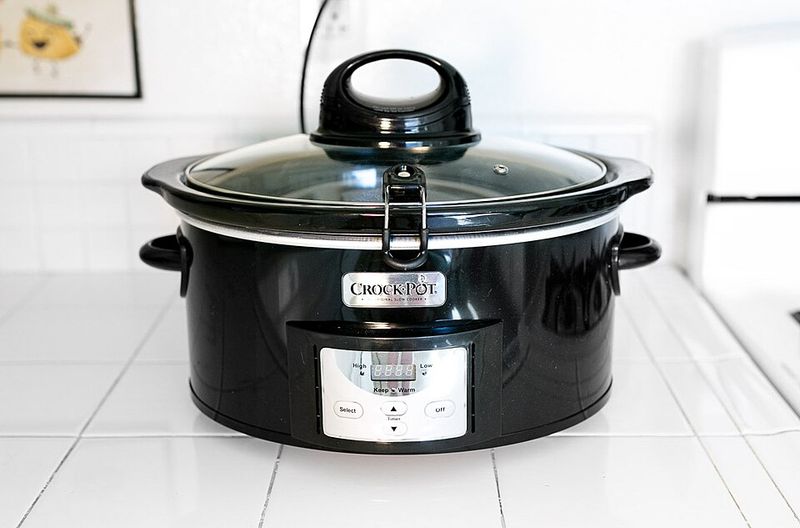
Locking your slow cooker lid might seem like a smart safety move, but it’s actually a recipe for disaster.
When you twist that lid into the locked position during cooking, pressure builds up inside just like in a pressure cooker—except your slow cooker wasn’t designed for that kind of stress.
This can damage your appliance or even cause a messy explosion of food.
Save the locking feature for transporting your slow cooker to potlucks, not for everyday cooking at home.
2. Keep a Lid on Your Curiosity
Every time you lift that lid to peek at your bubbling masterpiece, you’re letting out precious heat and moisture.
It takes about 20 to 30 minutes for your slow cooker to recover the lost temperature, which means your meal takes even longer to cook.
Think of it like opening the oven door repeatedly while baking a cake—nothing good comes from it.
Trust the process and resist the urge to check on things until the timer goes off.
3. Start With a Warm Welcome
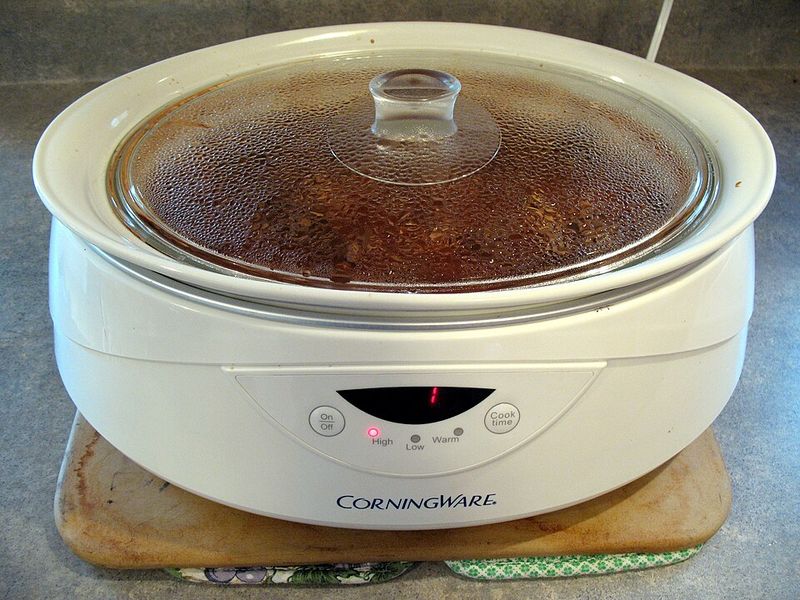
Preheating your slow cooker for about 20 minutes before adding ingredients might sound unnecessary, but it’s a total game-changer.
This simple step gives your food a head start and helps everything cook more evenly from the get-go.
It’s especially helpful on busy mornings when you’re rushing to get out the door.
Just flip it on while you’re chopping vegetables or gathering ingredients, and you’ll shave time off your total cooking duration.
4. Layer Like a Pro Chef
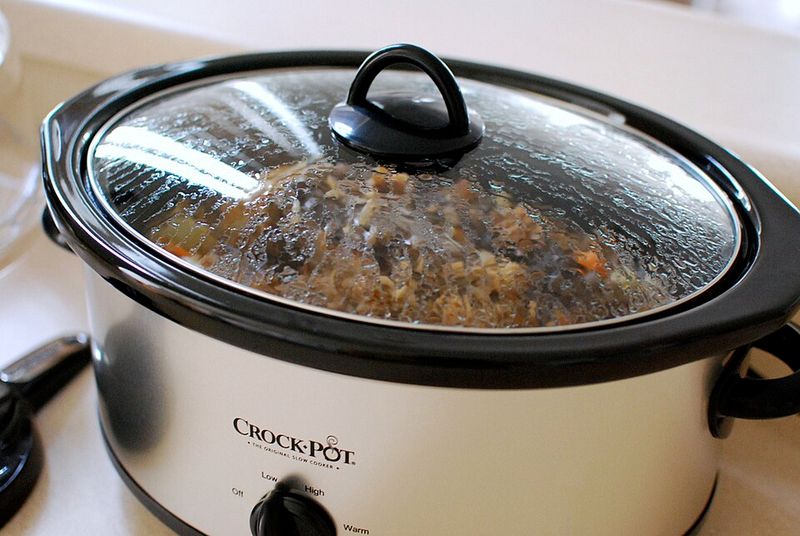
Root vegetables like carrots, potatoes, and onions take longer to cook than meat, so they belong at the bottom where the heat is strongest.
Place your meat in the middle layer, then pour liquids and sauces over the top to create a flavorful bath that drips down through everything.
This strategic stacking ensures everything finishes cooking at the same time.
No more crunchy carrots alongside fall-apart tender chicken—just perfectly cooked ingredients in every bite.
5. Give Meat a Golden Start

Browning your meat in a hot skillet before it hits the slow cooker might feel like extra work, but the flavor payoff is absolutely worth it.
That gorgeous caramelized crust adds depth and richness that slow cooking alone just can’t achieve.
Plus, searing seals in juices and gives your final dish a restaurant-quality appearance.
Just a few minutes over high heat transforms ordinary ingredients into something extraordinary that’ll have everyone asking for your secret.
6. Room Temperature is Your Friend
Tossing ice-cold ingredients straight from the fridge into your slow cooker creates uneven cooking zones and extends your total time.
Letting everything sit out for 15 to 20 minutes while you prep brings ingredients to room temperature, which means they’ll all heat up at the same rate.
This is especially important for meat, which can stay cold in the center while the edges overcook.
A little patience at the start leads to much better results at dinner time.
7. Save the Cream for Later
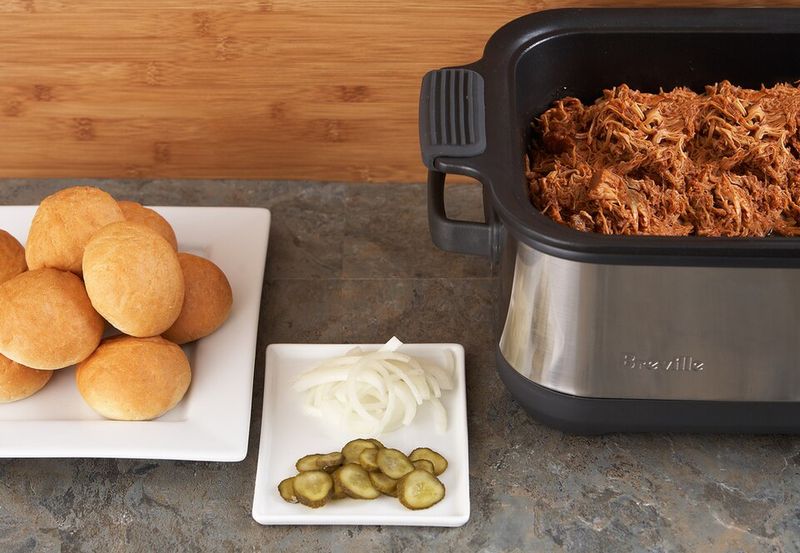
Dairy products like milk, cream, sour cream, and cheese don’t handle long cooking times very well—they curdle, separate, and turn grainy.
Nobody wants a pot of broken, lumpy sauce after hours of patient waiting.
Instead, stir in your dairy during the last 30 to 60 minutes of cooking when things are almost done.
This way you get all that creamy, dreamy richness without the weird texture that makes everyone wrinkle their nose.
8. Fill It Just Right
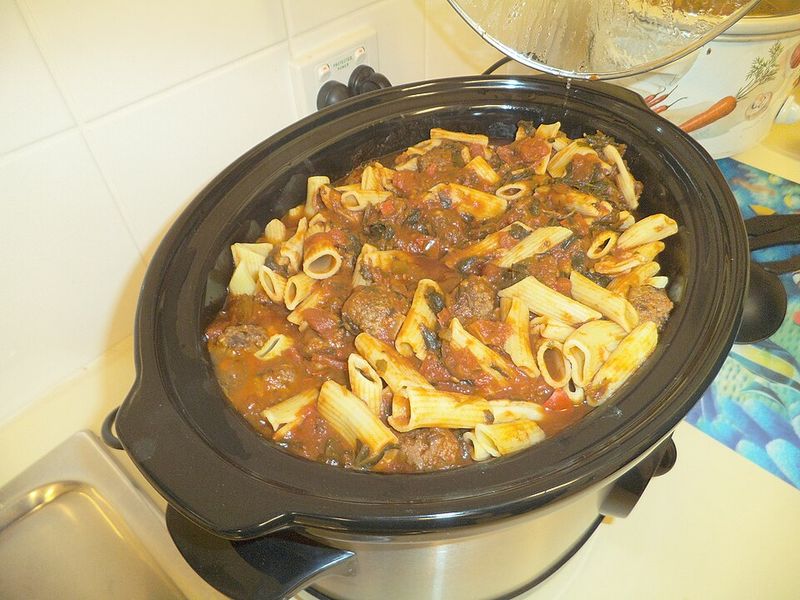
Your slow cooker works best when it’s between half and two-thirds full—not too empty, not overflowing.
Overfilling prevents proper heat circulation and can lead to undercooked food in the middle, while too little food cooks too quickly and dries out.
Think of it like Goldilocks finding the perfect porridge.
If you’re making a smaller batch, consider using a smaller slow cooker, or just accept that it might finish faster than the recipe suggests.
9. Fresh Herbs Deserve Better Timing
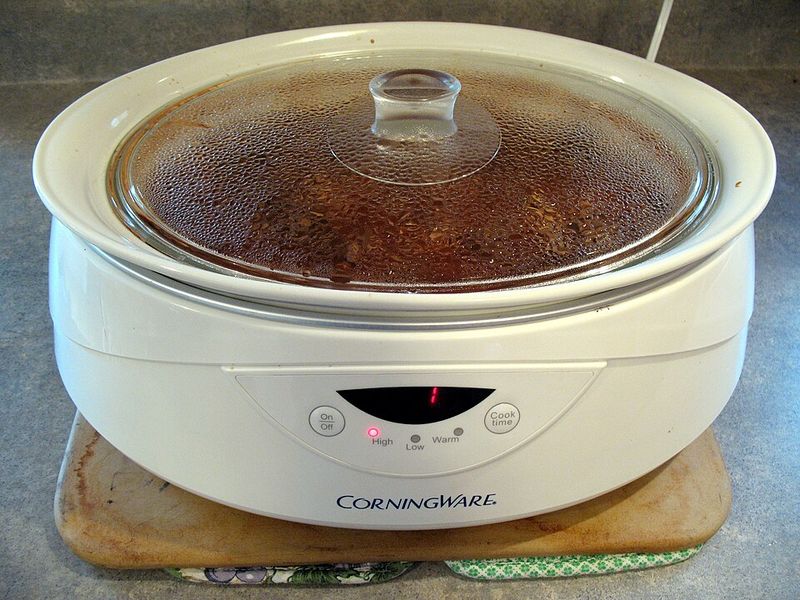
Delicate herbs like basil, cilantro, and parsley lose their bright flavor and gorgeous color when they’re cooked for hours on end.
They turn brown, mushy, and taste more like grass than the fresh pop you were hoping for.
Save these beauties for the final 15 minutes of cooking, or even better, sprinkle them on top right before serving.
Your dishes will look Instagram-worthy and taste like they came from a fancy restaurant instead of your countertop.
10. Thicken Sauces With One Simple Trick
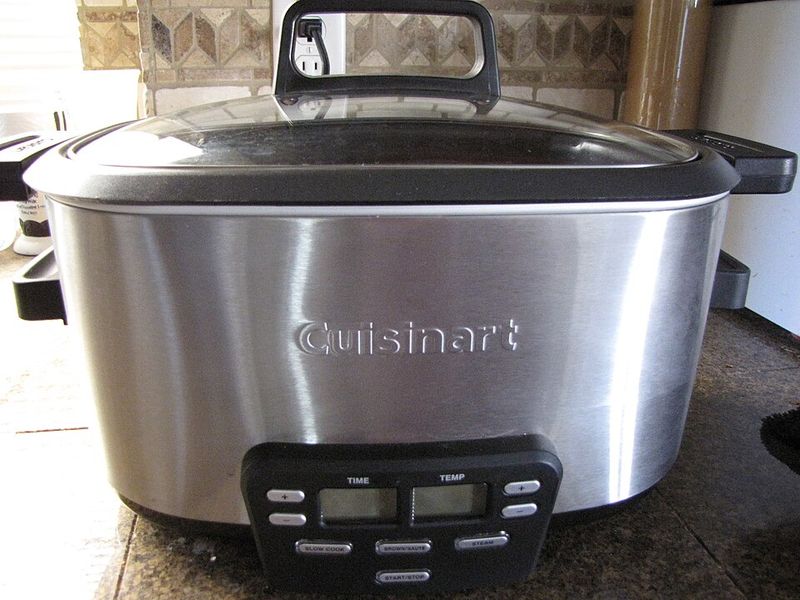
Watery sauce pooling at the bottom of your slow cooker can be disappointing after all that waiting.
The fix is super easy: just remove the lid, crank the heat to high, and let everything bubble away for the last 30 minutes.
As the liquid evaporates, your sauce naturally thickens into a rich, clingy coating that hugs every ingredient.
No cornstarch slurry needed—just time, heat, and a little evaporation magic working in your favor.
11. Pasta Needs Special Treatment
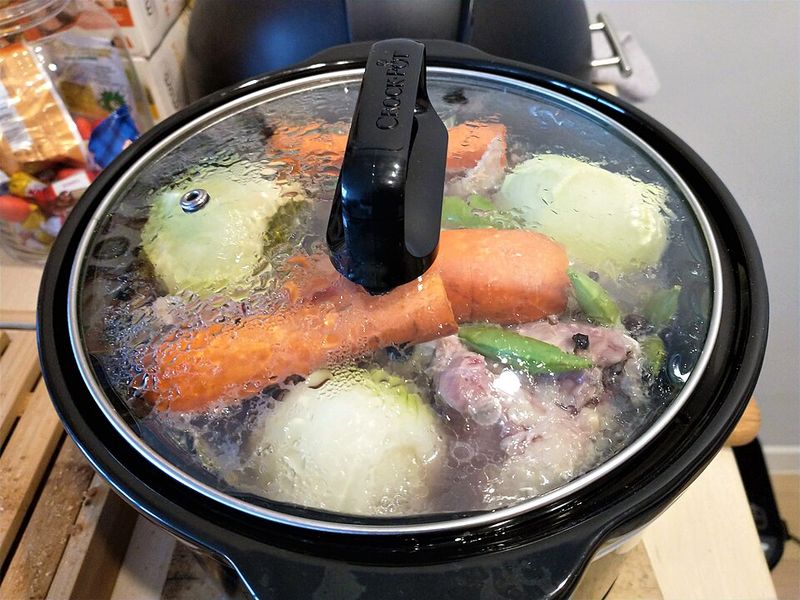
Adding pasta at the beginning of slow cooking guarantees you’ll end up with a mushy, bloated mess that barely resembles actual noodles.
Pasta cooks quickly and absorbs tons of liquid, so it needs just 20 to 30 minutes in the slow cooker.
Add it near the end, or cook it separately on the stovetop and stir it in right before serving.
Your pasta will have that perfect al dente bite instead of dissolving into starchy goop that nobody wants to eat.
12. Liners Make Life Easier
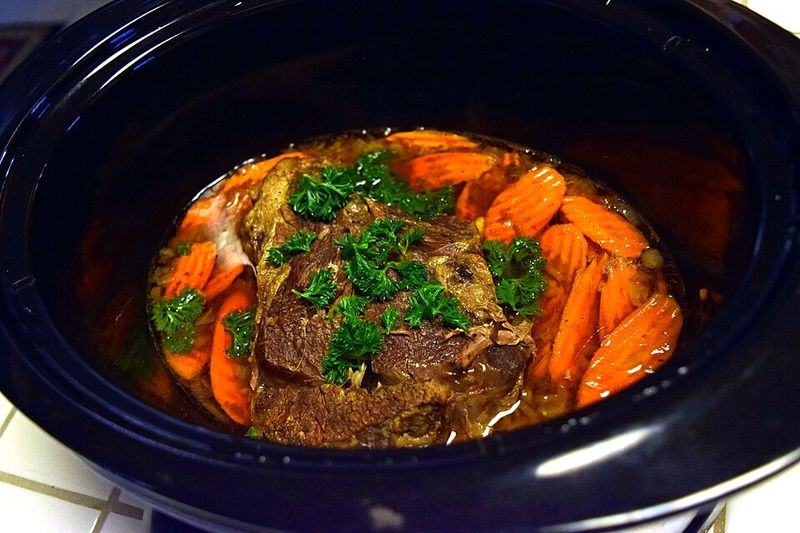
Scrubbing baked-on food from your slow cooker insert is nobody’s idea of a good time, especially after a long day.
Slow cooker liners are heat-safe plastic bags that fit inside your pot and catch all the mess.
When dinner’s done, you just lift out the liner, toss it, and your slow cooker is basically clean already.
They’re inexpensive, widely available, and worth every penny if you hate doing dishes as much as most people do.
13. Delicate Veggies Come Last
Vegetables like spinach, zucchini, bell peppers, and tomatoes turn to complete mush if they cook for hours on end.
Nobody wants slimy, unrecognizable vegetables floating in their stew.
Add these tender ingredients during the last 10 to 15 minutes so they soften just enough while keeping their shape and texture.
They’ll still absorb all those delicious flavors but won’t disintegrate into vegetable soup that looks more like baby food than dinner.
14. Season With Confidence
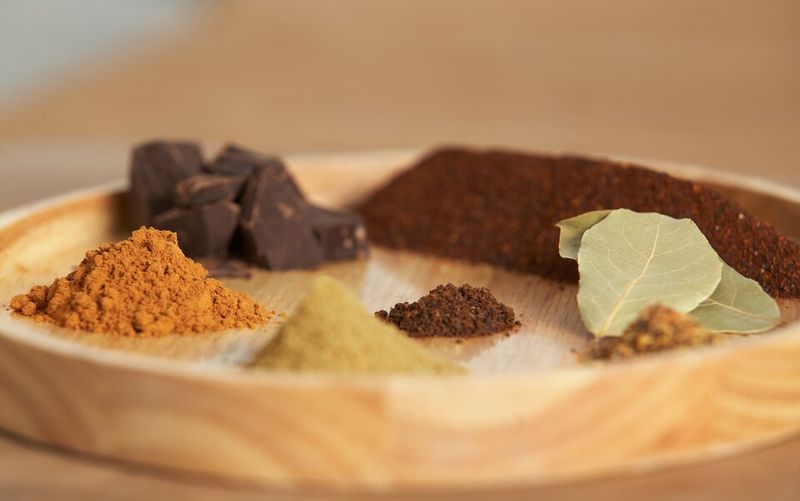
Long, slow cooking mellows out flavors and can make your seasoning taste weaker than you intended.
Don’t be shy with your salt, pepper, garlic, and spices—use a bit more than you normally would for stovetop cooking.
You can always taste and adjust at the end if needed.
Bold seasoning ensures your final dish has enough punch to make taste buds dance instead of serving up something bland that needs a salt shaker intervention at the table.
15. Choose Lean Cuts Wisely
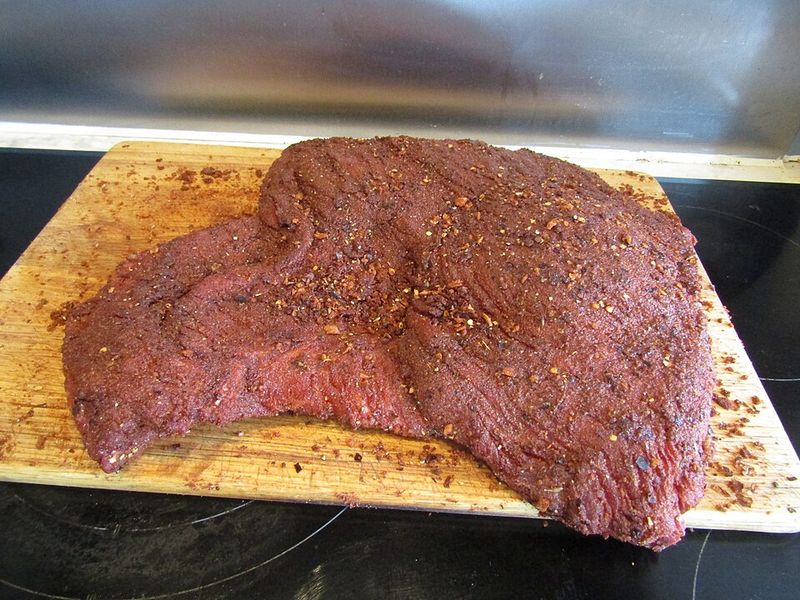
Fatty cuts of meat can leave you with a greasy pool of oil floating on top of your dinner—not exactly appetizing.
Lean options like skinless chicken breasts, pork loin, or trimmed beef work beautifully in the slow cooker.
They stay tender from the moist cooking environment without releasing excessive fat.
If you do use fattier cuts, consider trimming visible fat beforehand or skimming the surface with a spoon before serving for a cleaner, healthier final dish.
16. Control Sodium From the Start
Regular store-bought broths can pack a shocking amount of sodium that intensifies as liquids reduce during cooking.
Before you know it, your healthy home-cooked meal tastes saltier than fast food.
Opt for low-sodium or no-sodium broths so you control exactly how much salt goes into your dish.
You can always add more seasoning to taste, but you can’t take it out once it’s in there making your dinner taste like the ocean.
17. Check Temperature for Safety
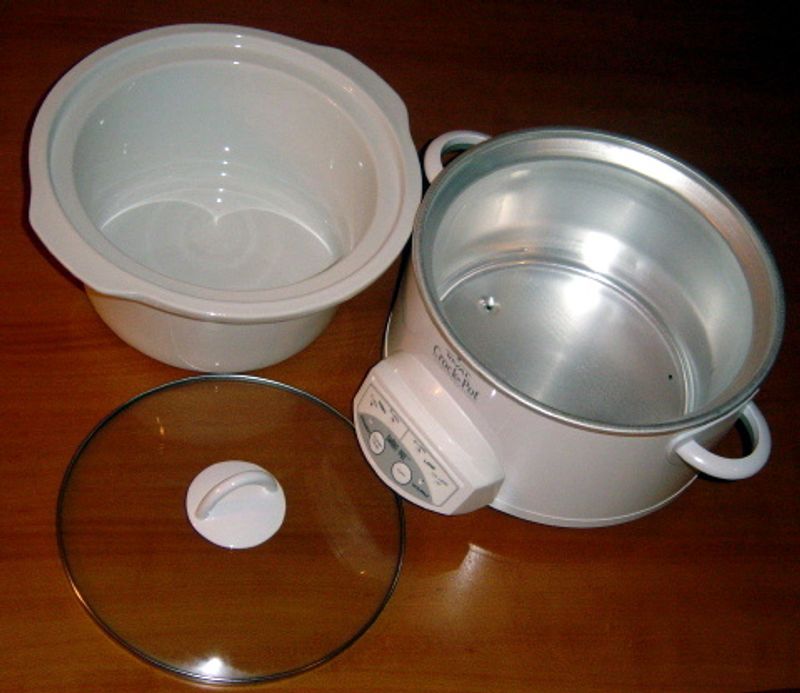
Just because your slow cooker has been bubbling away for hours doesn’t automatically mean your meat is safe to eat.
Different meats need different internal temperatures—chicken should hit 165°F, while pork needs 145°F.
A quick-read meat thermometer takes the guesswork out and ensures you’re not serving undercooked food that could make someone sick.
It’s a small investment that protects your family’s health and your reputation as a cook who knows what they’re doing.
18. Cool Down Before Storing

It’s tempting to shove your leftovers straight into the fridge while they’re still piping hot, but that’s not great for food safety.
Hot food raises the temperature inside your refrigerator, putting other foods in the danger zone.
Let your slow cooker meal cool on the counter for about 30 minutes to an hour before transferring to storage containers.
This protects your other groceries and ensures your leftovers stay safe and delicious for tomorrow’s lunch or dinner reheating session.