14 Songs From The ’60s And ’70s With Discussed Hidden Meanings
Music from the 1960s and 1970s changed the world in ways that still echo today.
Plenty of classic hits from those decades carried messages that went far deeper than their catchy melodies suggested.
Fans and critics have spent years debating what certain lyrics really meant, uncovering layers that the artists sometimes confirmed and sometimes denied.
Here are fourteen unforgettable tracks that sparked conversations about their true intentions.
Disclaimer: Song meanings and lyric interpretations can be subjective, and many well-known tracks invite multiple readings that may shift across time and listeners.
This article discusses commonly reported viewpoints, artist statements when available, and long-running public debates, but it does not claim to provide definitive explanations for every lyric.
Any references to mature historical themes are included for cultural context only and are not presented as endorsement of harmful behavior.
1. Lucy In The Sky With Diamonds
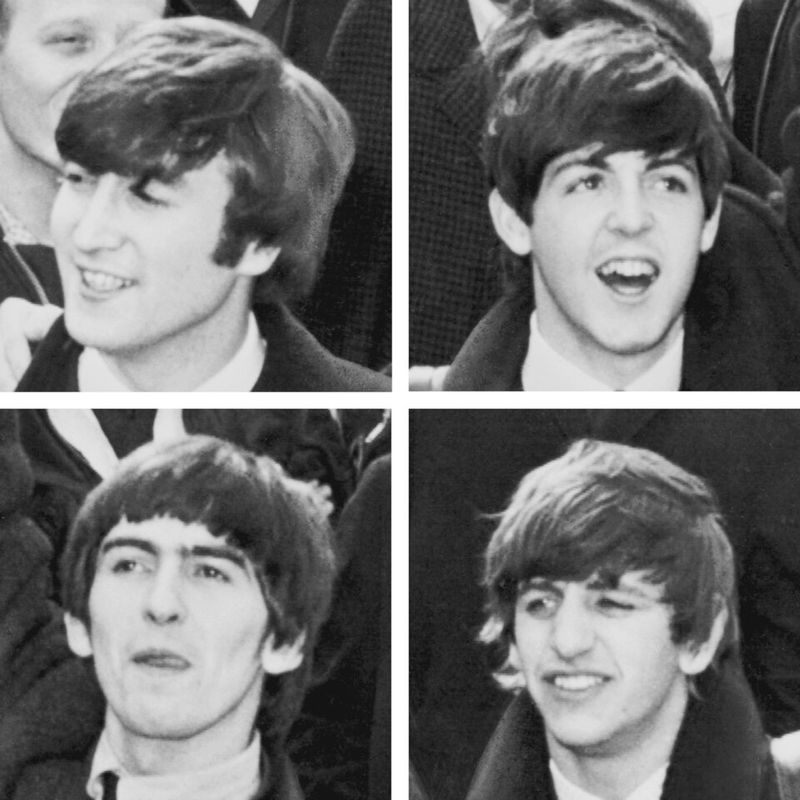
John Lennon said the title was inspired by Julian Lennon’s drawing and rejected claims of intentional drug references.
Initials in the title match ‘LSD,’ which helped fuel decades of debate about psychedelic influence, even with repeated denials.
Dreamlike imagery about tangerine trees and marmalade skies added to the mystery.
Whether intentional or coincidental, the debate continues to fascinate listeners who love dissecting every Beatles lyric.
Like finding a hidden treasure in your attic, discovering new interpretations keeps this song alive for every generation.
2. White Rabbit

Grace Slick borrowed characters from Lewis Carroll’s Alice tales and transformed them into something far more provocative.
Many listeners connected the song to psychedelic-era symbolism, a link Grace Slick has addressed directly in interviews.
References to pills that make you larger or smaller felt like more than innocent storybook imagery.
Jefferson Airplane never shied away from countercultural themes, so fans read deeper meanings into every line.
It’s the kind of track that sounds different depending on your mood and mindset.
3. Purple Haze
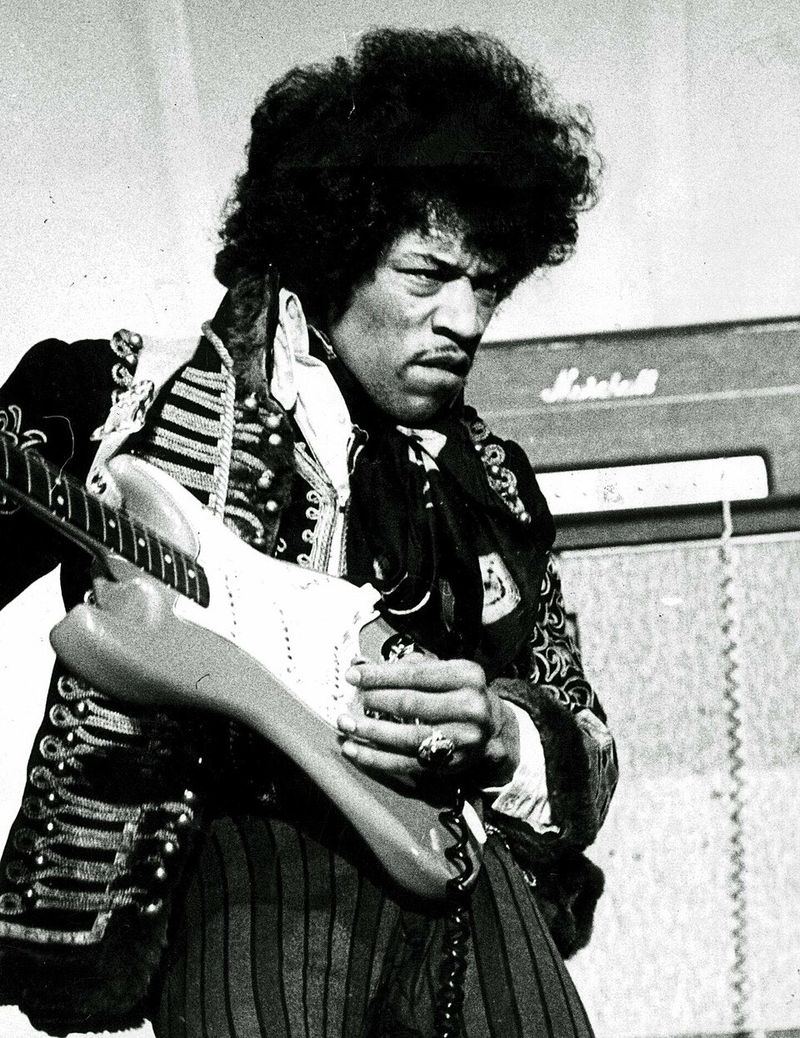
Jimi Hendrix created a sonic landscape that felt otherworldly, using guitar riffs that seemed to bend reality itself!
Interpretations vary widely, and Hendrix gave more than one explanation over time, which kept the mystery alive.
Fuzzy, distorted sounds matched the ambiguous lyrics perfectly and left plenty of room for personal interpretation.
Mystery only added to the legend of the track, whether it described a vivid dream or a specific feeling.
This song invites you to find your own meaning, acting like a riddle wrapped in layers of feedback!
4. Sympathy For The Devil
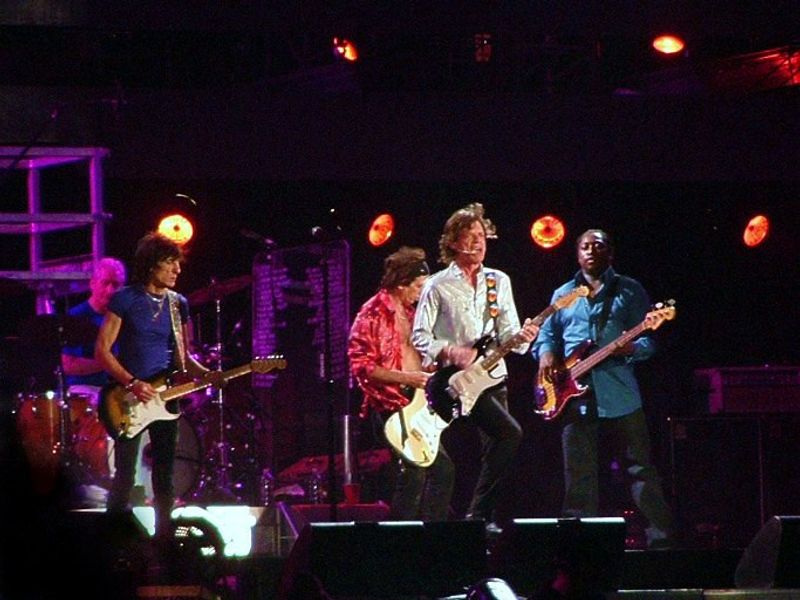
Evil itself finds a voice through these lyrics, weaving a dark path through centuries of human tragedy and violence!
Rather than glorifying darkness, the music forces listeners to confront uncomfortable truths about history and human nature.
This specific narrator approach makes people question who really deserves blame for the world’s suffering.
Unsettling energy radiates from the samba-influenced percussion, perfectly matching the provocative lyrics.
Listening to this track might make you think twice about every headline you read!
5. Puff, The Magic Dragon
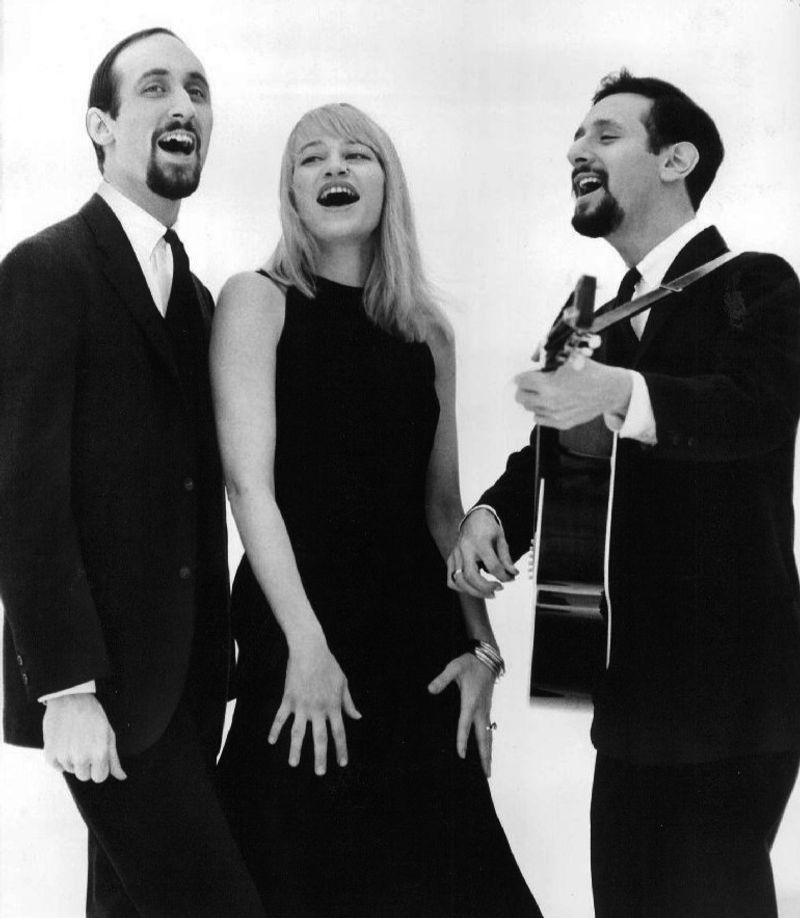
Peter, Paul and Mary delivered what seemed like a sweet children’s tale about friendship and imagination.
Rumors swirled for decades that the dragon represented something far less innocent, despite the songwriters’ repeated denials.
The songwriters repeatedly said the song is about childhood and growing up, and they denied deliberate drug references.
Little Jackie Paper stops visiting Puff, symbolizing how adult responsibilities replace youthful dreams.
Like packing away your favorite toys, this bittersweet story reminds us what we leave behind.
6. The Sound Of Silence
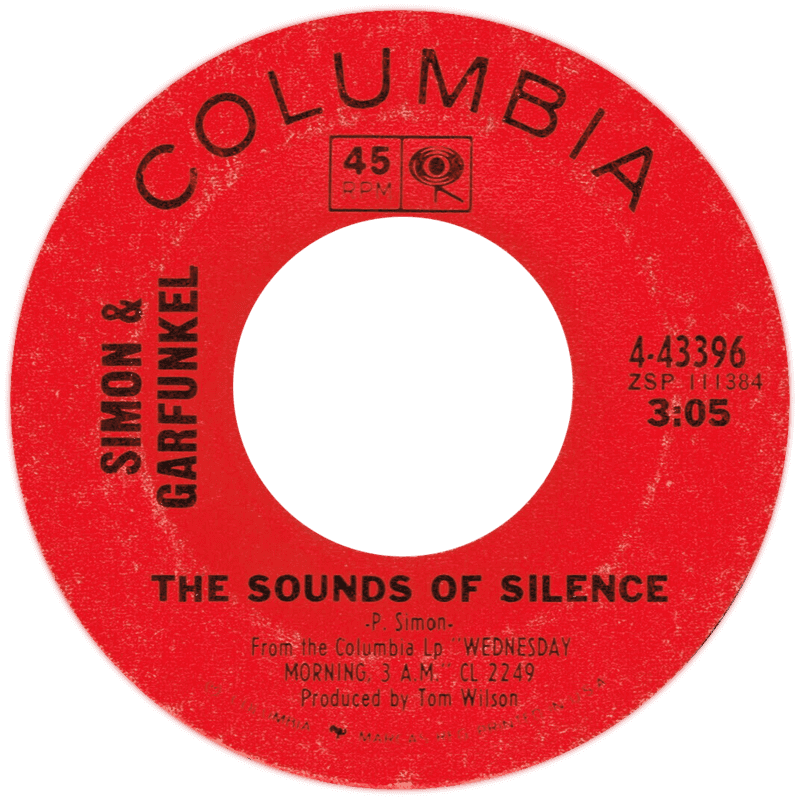
Haunting imagery fills this track as it describes people talking without ever truly communicating!
Modern alienation and disconnection serve as central themes, even though the song arrived long before smartphones existed.
Many readings connect the ‘neon god’ image to modern alienation and misplaced devotion in public life.
Frustration builds through quiet verses that lead into emotional crescendos, mirroring the struggle to be heard.
Moments spent feeling alone in a crowded room find their perfect soundtrack in this timeless melody!
7. Space Oddity

David Bowie introduced Major Tom as an astronaut drifting away from Earth and all connection to humanity.
Isolation and disconnection became metaphors that felt both literal and deeply emotional.
Ground Control loses contact, and Major Tom drifts, isolated, with the outcome left hauntingly unresolved.
The song captured feelings of alienation that many people experience without ever leaving the planet.
Like watching someone drift away despite your best efforts, it’s beautifully sad and strangely comforting.
8. Lola
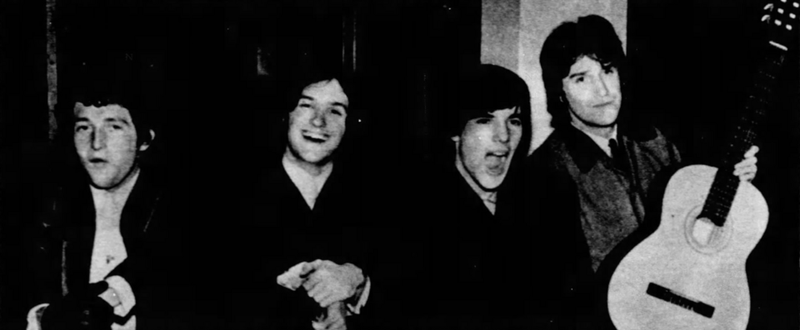
Bold storytelling took center stage in 1970 when Ray Davies described a nightclub encounter full of unexpected twists!
Endless discussion followed the release as the song addressed themes that mainstream music rarely dared to touch.
Listeners found freedom in the lyrical ambiguity, allowing everyone to interpret the relationship however they chose.
Presenting the narrative without a hint of judgment felt truly revolutionary for the era.
Opening minds and starting important conversations, this track feels like meeting someone who challenges every one of your assumptions!
9. American Pie

Don McLean created a musical puzzle that fans have been solving for over fifty years.
The day the music died referred to the 1959 plane crash that killed Buddy Holly, Ritchie Valens, and The Big Bopper.
Beyond that tragedy, the lyrics weave through cultural shifts and lost innocence across an entire decade.
Every verse sparked debates about which musicians and events McLean referenced.
It’s like a time capsule that rewards careful listening with new discoveries every time.
10. Stairway To Heaven

Epic storytelling reached new heights when Led Zeppelin crafted rock’s most analyzed and misunderstood masterpiece!
Rumors of backmasking suggested hidden messages appeared when playing the track in reverse, though most people dismissed these as mere coincidence.
Countless interpretations were sparked by spiritual imagery and cryptic references to a lady buying a stairway.
Mirroring a journey toward enlightenment, the music builds from gentle acoustic notes into thunderous electric crescendos.
Everyone hears something unique in these lyrics, much like staring at clouds and seeing different shapes!
11. You’re So Vain

Carly Simon turned the song into a famous guessing game, later confirming that Warren Beatty is the subject of one verse, while other parts refer to additional unnamed people.
Speculation about the mystery man became almost as famous as the song itself.
Warren Beatty, Mick Jagger, and James Taylor all got mentioned as possible subjects, but Simon kept the secret for decades.
The irony that people assumed the song was about them proved the lyrics absolutely correct.
It’s the musical equivalent of reading your diary and wondering if anyone recognizes themselves.
12. Brown Sugar
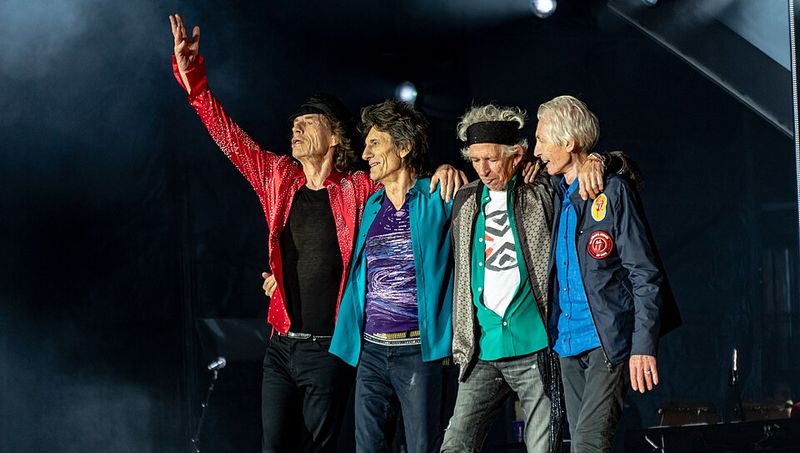
Provocative lyrics from the Rolling Stones pushed boundaries, sparking immediate controversy and debate that continues to this day!
Due to the uncomfortable subject matter, many listeners questioned exactly what message the band intended to send.
Debate around the lyrics grew over time, and the band ultimately stopped performing it on some tours after decades as a live staple.
A strange cognitive dissonance grew from the massive gap between the catchy groove and the disturbing content.
Finding something truly troubling in a favorite piece of art forces you to reconsider what you are actually celebrating!
13. Hotel California

The Eagles framed the song as an allegory about the ‘high life’ and disillusionment behind glittering promises
The hotel you can check into but never leave became a metaphor for countless traps people fall into.
Whether describing the music industry, substance abuse, or spiritual emptiness, the imagery worked on multiple levels.
Don Henley and the band offered their own explanations while leaving room for personal interpretation.
It’s the kind of warning that sounds beautiful even as it describes something deeply troubling.
14. Gimme Shelter
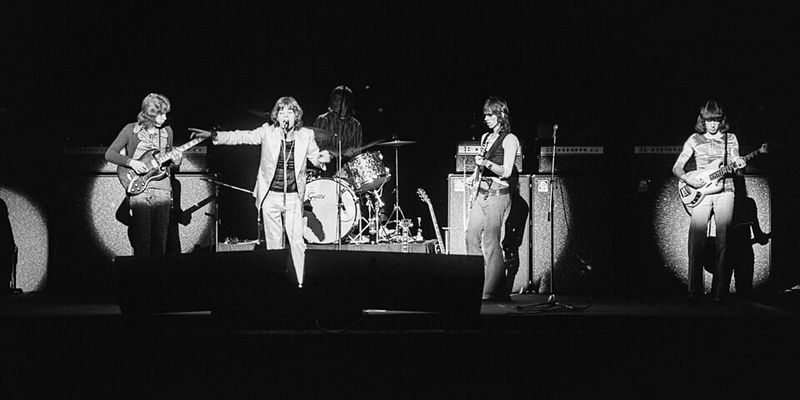
Urgent warnings about violence and chaos allowed the Rolling Stones to capture the apocalyptic mood of 1969 perfectly!
Beyond merely setting a dark atmosphere, the track served as coded commentary on war, social unrest, and moral collapse.
Desperation reached a fever pitch through Merry Clayton’s powerful backing vocals, making the message feel dangerously immediate.
Because the song arrived during a year defined by assassinations and the Altamont tragedy, the lyrics felt chillingly prophetic.
Demanding total attention like a storm siren cutting through noise, this anthem remains hauntingly relevant today.