Popular Songs Rooted In Real World Criminal Cases
Music has always borrowed heat from real life, and sometimes that heat comes from headlines nobody forgets.
A few well known songs trace their spark back to criminal cases, court records and public mysteries that gripped entire communities.
The result can be chilling, haunting, or strangely reflective, especially when a lyric starts echoing details you recognize.
Ahead are popular tracks with roots in real world cases, plus the stories that helped shape them.
1. I Don’t Like Mondays by The Boomtown Rats
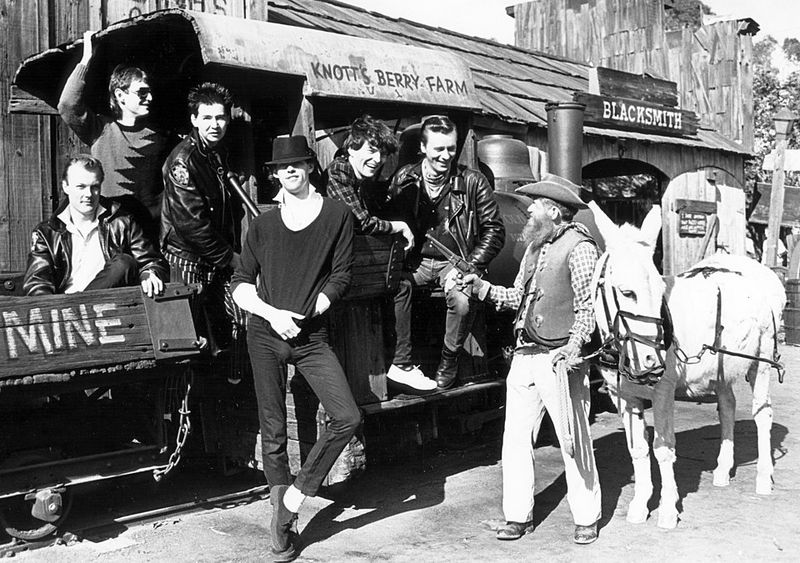
Back in 1979, a school shooting in San Diego shocked the nation when Brenda Ann Spencer opened fire, killing two adults and injuring eight children. Her chilling explanation? “I don’t like Mondays.”
Bob Geldof of The Boomtown Rats heard the quote on the news and immediately wrote this haunting track. The song captures the senselessness of violence while becoming a worldwide hit that still resonates today.
2. Hurricane by Bob Dylan
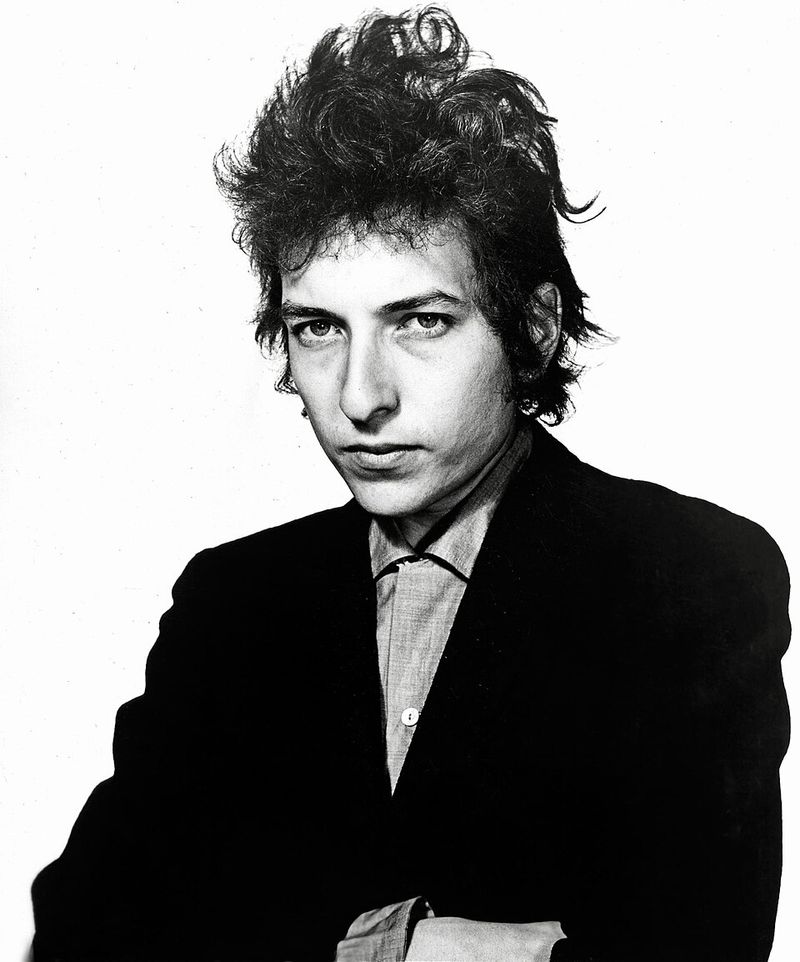
Rubin “Hurricane” Carter was a middleweight boxer whose murder conviction sparked massive controversy. Dylan became convinced of Carter’s innocence and turned the case into a protest anthem.
Released in 1975, the song paints Carter as a victim of racial injustice and a flawed legal system.
Though the case remains debated, Dylan’s passionate storytelling helped bring national attention to Carter’s fight for freedom.
3. Nebraska by Bruce Springsteen
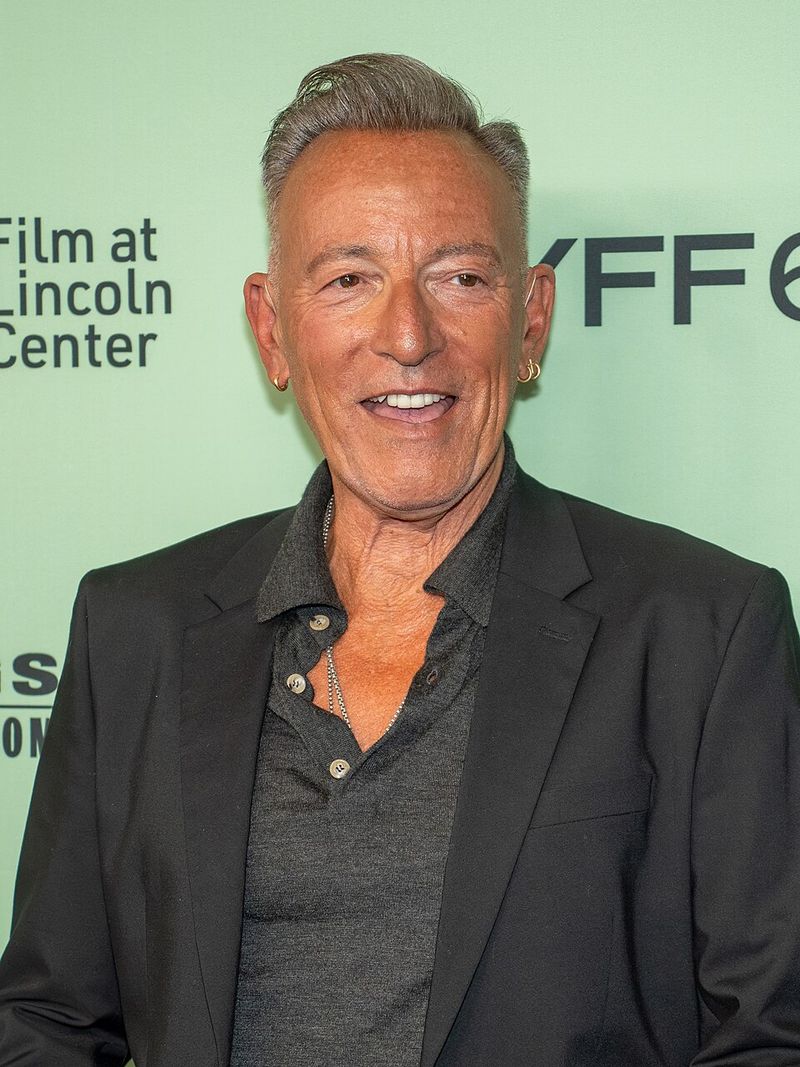
Charles Starkweather and his teenage girlfriend Caril Ann Fugate went on a killing spree across Nebraska and Wyoming in 1958, murdering eleven people.
Springsteen recorded this song alone with just his guitar and harmonica.
The track uses Starkweather’s own voice, creating an eerie first-person narrative.
Its stripped-down sound perfectly captures the emptiness and horror of the crimes, making it one of Springsteen’s most chilling recordings.
4. Polly by Nirvana

In 1987, a young girl was kidnapped after a punk rock concert in Tacoma, Washington, enduring unimaginable torture before escaping.
Kurt Cobain read about the case and felt compelled to write from the attacker’s perspective. The song’s quiet, unsettling tone makes it even more disturbing.
Cobain wanted listeners to confront the evil mindset behind such crimes, creating one of Nirvana’s most emotionally heavy tracks despite its gentle melody.
5. Suffer Little Children by The Smiths
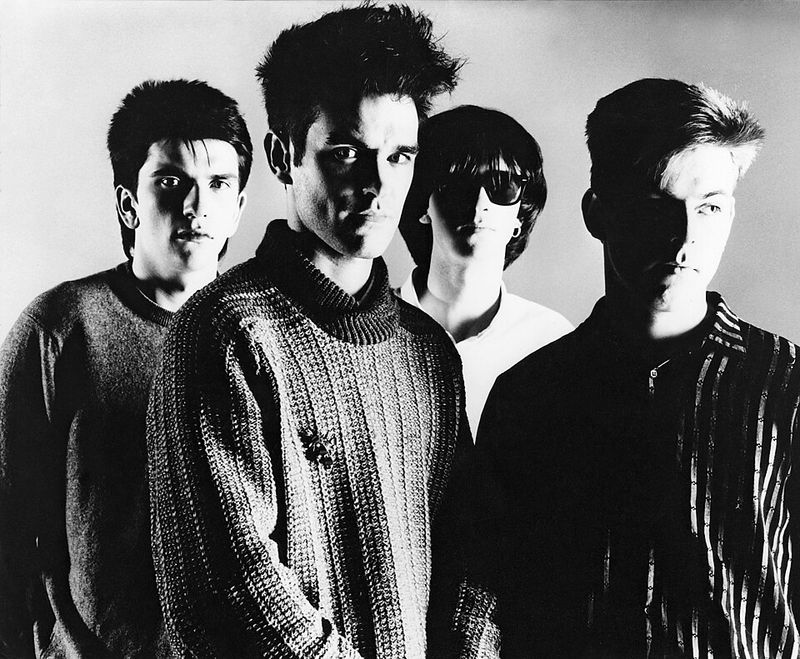
Between 1963 and 1965, Ian Brady and Myra Hindley murdered five children in what became known as the Moors murders. Morrissey wrote this haunting tribute to the victims, naming them individually in the lyrics.
When released in 1984, the song sparked outrage from victims’ families who felt it was exploitative.
The Smiths defended it as a memorial, but the controversy nearly destroyed their early career before families eventually accepted its intent.
6. Midnight Rambler by The Rolling Stones
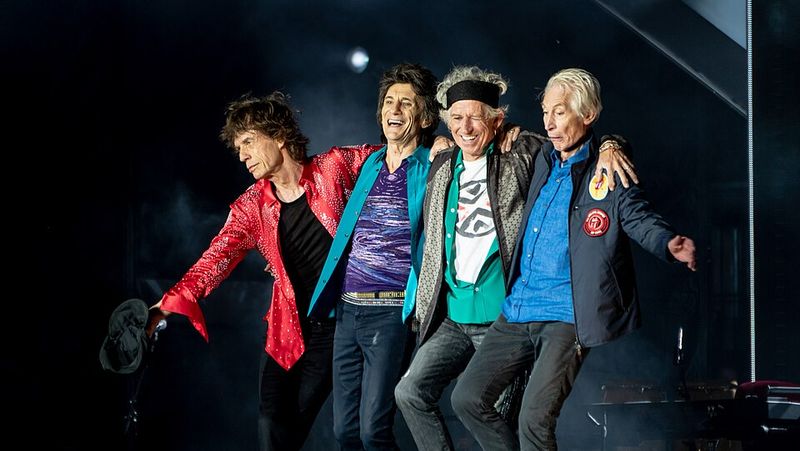
Albert DeSalvo confessed to being the Boston Strangler, a serial killer who terrorized the city in the early 1960s. The Rolling Stones created this dark, bluesy track as a “loose biography” of the killer.
Mick Jagger’s menacing vocals and the song’s shifting tempo create genuine unease.
Though DeSalvo’s guilt remains questioned by some, the Stones captured the fear that gripped Boston during those terrifying years in this extended jam.
7. Diane by Hüsker Dü
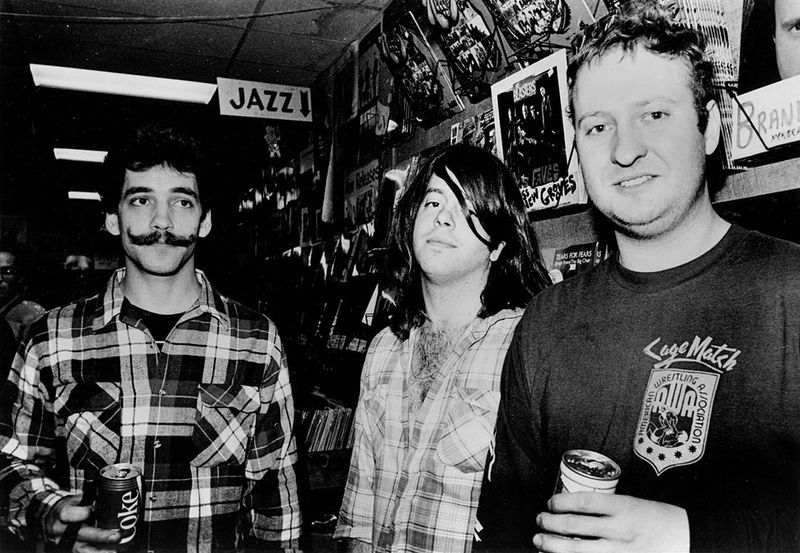
Joseph Ture Jr. murdered Diane Edwards in 1980, a crime that shocked the Minneapolis punk community. Bob Mould of Hüsker Dü knew Edwards and channeled his grief into this explosive hardcore track.
The song’s raw intensity and breakneck speed mirror the violence of the crime itself.
Clocking in at under two minutes, it’s a furious blast of emotion that helped define the hardcore punk sound while serving as a memorial to a friend.
8. Tom Dooley by The Kingston Trio
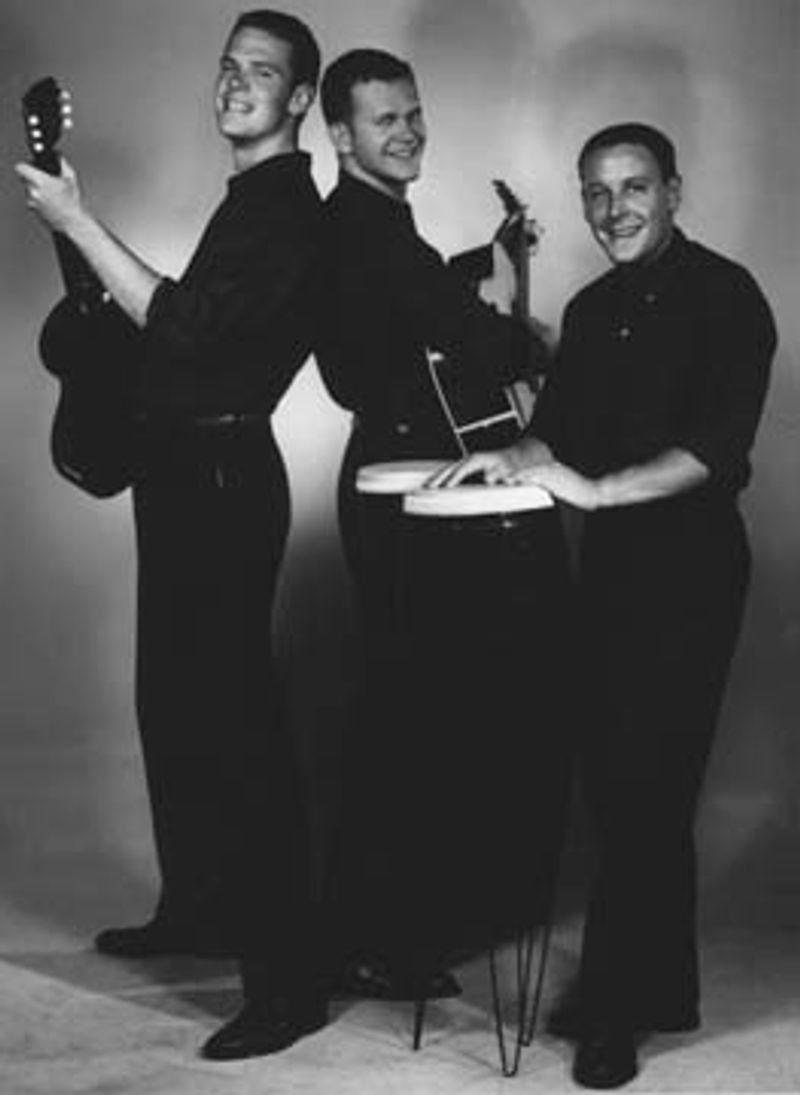
Way back in 1866, Tom Dula was hanged for murdering Laura Foster in North Carolina. The case became a folk ballad passed down through generations before The Kingston Trio recorded it in 1958.
Their version became a massive hit, topping the charts and sparking the folk music revival.
Though historians still debate Dula’s guilt, the song immortalized his story, proving that even century-old crimes can capture the public imagination.
9. Here’s to You by Joan Baez and Ennio Morricone
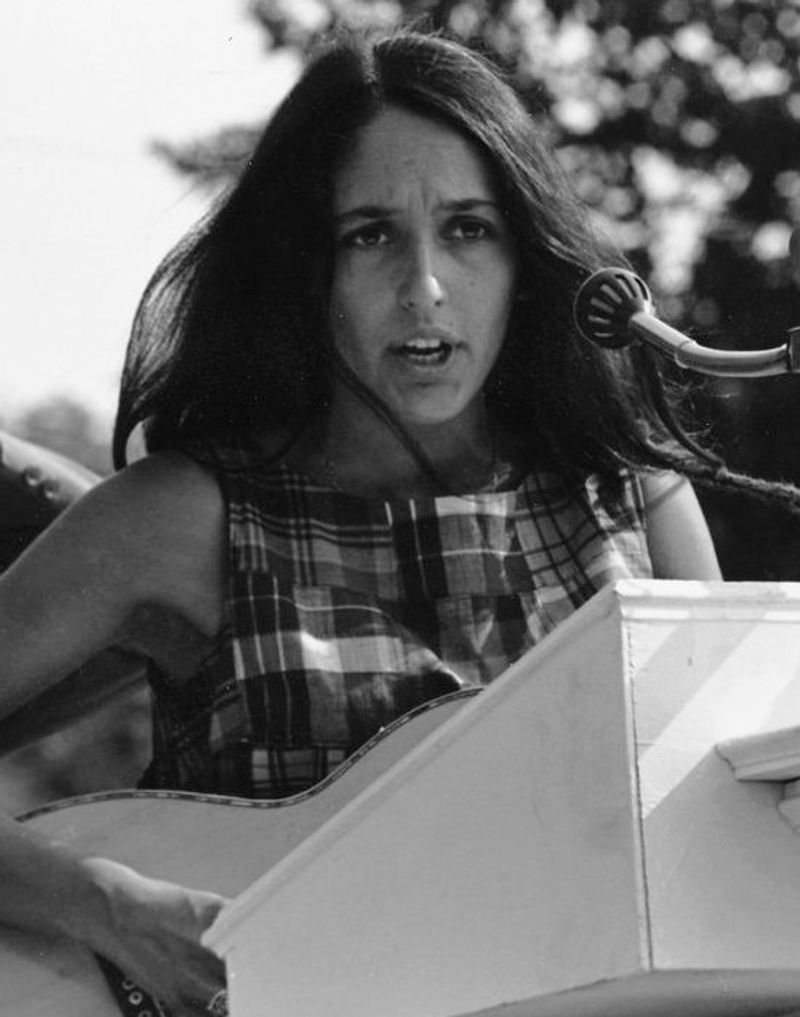
Nicola Sacco and Bartolomeo Vanzetti were Italian immigrants executed in 1927 for robbery and murder despite worldwide protests claiming their innocence.
Their trial became a symbol of anti-immigrant prejudice and injustice.
Composed for a 1971 film about the case, this haunting anthem features Baez’s crystalline voice over Morricone’s soaring arrangement.
10. The Ballad of Bonnie and Clyde by Georgie Fame
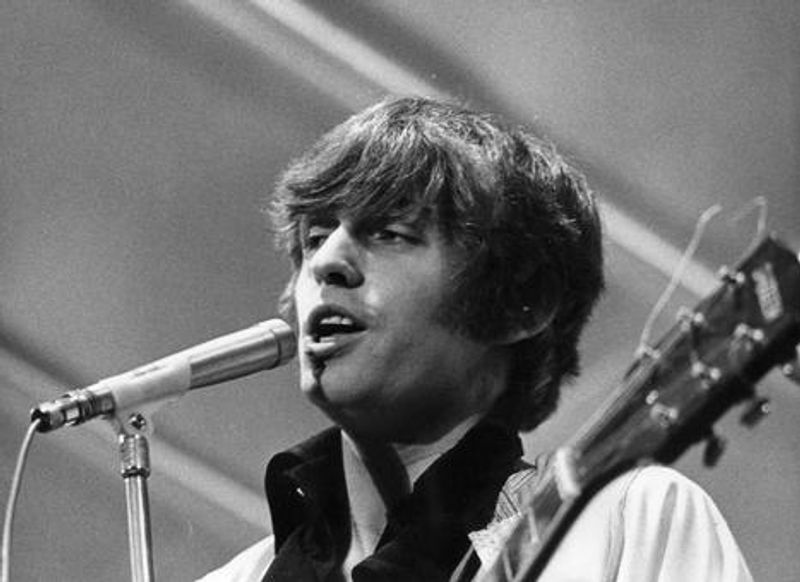
Bonnie Parker and Clyde Barrow robbed banks across the Depression-era South before dying in a police ambush in 1934. The 1967 film starring Warren Beatty and Faye Dunaway romanticized their story.
Georgie Fame released this catchy single right after the film’s success, riding the wave of Bonnie and Clyde mania.
Though historically loose, the song’s jazzy organ and storytelling style made it a number one hit in the UK.
11. The Legend of Bonnie and Clyde by Merle Haggard
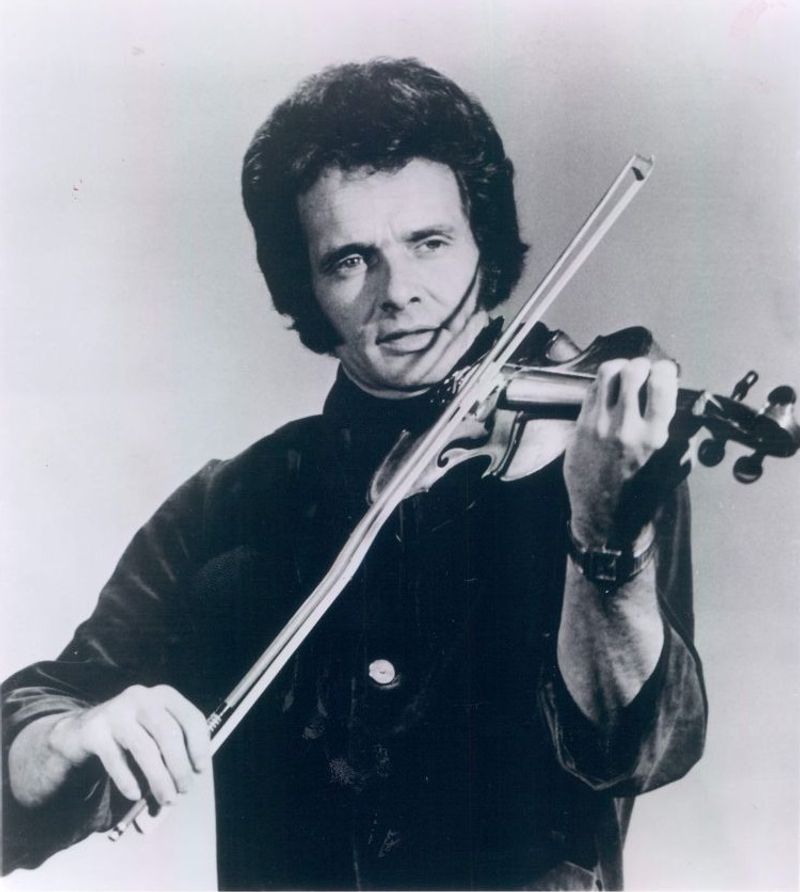
Merle Haggard took a more country approach to the outlaw couple’s story, stripping away the Hollywood glamour. His version focuses on their criminal rampage and violent end rather than romance.
Released in 1968, Haggard’s gravelly voice and straightforward lyrics present Bonnie and Clyde as cautionary figures.
The song became a country hit, proving that America’s fascination with these Depression-era criminals crossed all musical genres and generations.