15 Songs Translated Into Dozens of Languages Worldwide
Music has a way of slipping past every barrier. A melody rises, and suddenly language stops mattering.
One chorus echoes across borders, reshaped into new words, yet carrying the same feeling at its core. Songs gain new lives as they travel, shifting from one culture to another while keeping their original spark alive.
Some tracks rise through global pop success, turning into multilingual anthems sung in dozens of countries. Others carry the weight of tradition, passed down and reimagined across generations.
A familiar tune can sound completely different in another language, yet still feel instantly recognizable, almost like hearing an old friend in a new voice. The journey behind these translations often surprises.
A hit born in one corner of the world can resurface somewhere unexpected, adapted with local flavor, rhythm, and emotion. What remains constant is the connection: people everywhere finding meaning in the same notes, the same pulse, the same shared experience.
Ready to hear how far these songs have traveled? Press play on the list and explore how music keeps rewriting itself across cultures, one version at a time.
1. Ai Se Eu Te Pego by Michel Telo

Hold the record books steady, because one Brazilian party anthem blew every translation chart out of the water. Michel Telo’s “Ai Se Eu Te Pego” became the most translated song in history, boasting a jaw-dropping 131 versions in languages ranging from Afrikaans all the way to Welsh.
Originally released in 2011, the track spread like wildfire across Europe, Asia, and beyond. Soccer stars were caught dancing to it on camera, which sent curious fans scrambling to find the song instantly.
If a melody can make professional athletes bust a move mid-celebration, you know it has serious global power.
2. Silent Night (Stille Nacht, Heilige Nacht)
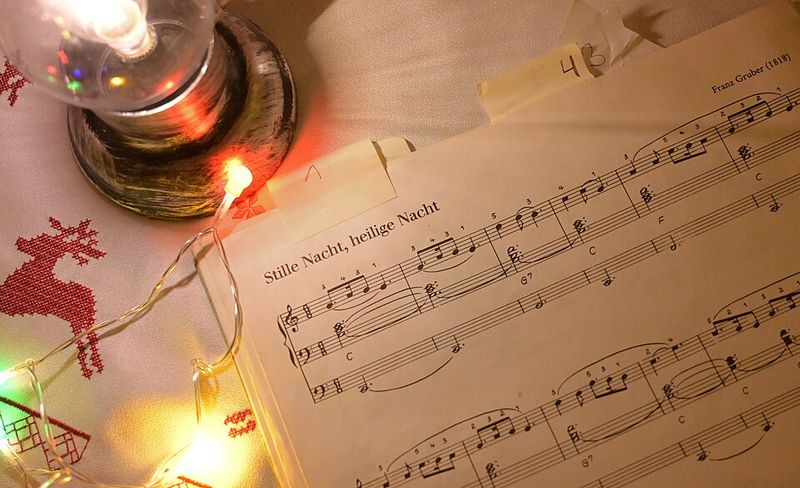
Written on a cold Austrian night in 1818, “Stille Nacht” started as a simple poem by Joseph Mohr and was set to music by Franz Xaver Gruber. Over 200 years later, it has been translated into more than 100 languages, making it arguably the most traveled Christmas carol ever written.
How did a small village hymn conquer the world? Traveling folk singers called the Rainer Family performed it across Europe and eventually America, spreading the melody far and wide.
UNESCO even added it to the Intangible Cultural Heritage list in 2011. Not bad for a song written in a hurry on Christmas Eve!
3. Happy Birthday to You

No song on Earth gets sung more often than “Happy Birthday to You,” and science actually backs that claim up. Originally composed in 1893 by sisters Mildred and Patty Hill as a classroom greeting song, it has since been translated into over 30 languages and sung at millions of parties every single day.
For a long time, the copyright situation around it was famously messy, keeping it out of movies and TV shows for decades. A court ruling in 2016 finally declared it public domain.
Now everyone can sing it freely, in any language, without worrying about legal confetti raining down.
4. Its a Small World (After All)
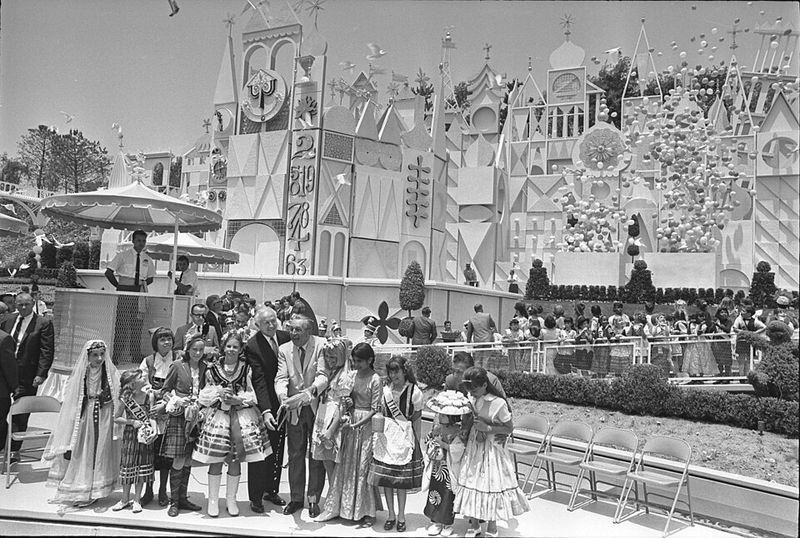
Composed by the Sherman Brothers in 1963 for UNICEF’s benefit at the New York World’s Fair, “It’s a Small World” was literally designed to celebrate global unity. Since then it has been translated into over 25 languages and sung by children across virtually every continent.
If you have ever ridden the famous Disney attraction, you already know the melody is practically impossible to shake loose from your brain. Researchers have actually studied why certain songs get stuck so easily, and repetitive, simple melodies rank highest.
Consider it the friendliest earworm ever created, just trying to remind everyone that the world is actually quite a cozy neighborhood.
5. BTS Songs Translated Into 59 Languages

South Korean supergroup BTS did something no other non-English act has ever pulled off at their scale. A staggering 239 of their songs have been translated into 59 different languages by devoted fans called the ARMY, making BTS the most translated non-English musical act in history.
Fan translators work around the clock so supporters everywhere can understand every lyric, every joke, and every heartfelt message. Korean to Spanish, Japanese, Arabic, Swahili, you name it.
It is a volunteer-powered translation marathon fueled entirely by love for the music. Honestly, the dedication of the ARMY could probably solve a few diplomatic crises if redirected strategically.
6. What a Wonderful World by Louis Armstrong
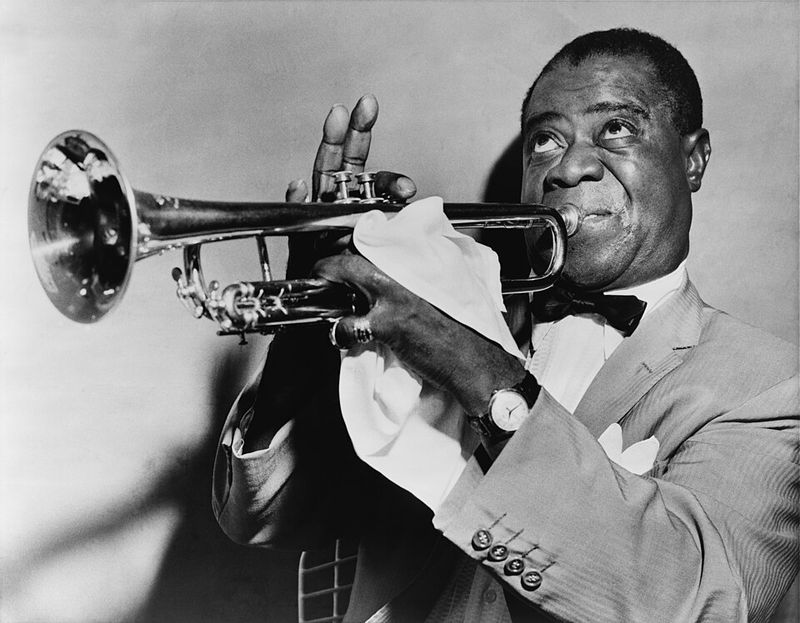
Louis Armstrong recorded “What a Wonderful World” in 1967, and although it started slowly in America, it became an international sensation after appearing in the 1987 film “Good Morning, Vietnam.” Since then, the song has been translated and covered in dozens of languages across Europe, Asia, Latin America, and Africa.
Armstrong’s gravelly, warm voice carried genuine emotion that transcended every language barrier without needing a single translation. However, when singers do translate it, the message of appreciating simple beauty resonates just as powerfully.
Few songs have made as many people pause, look around, and genuinely appreciate the sky, the trees, and the faces of strangers smiling back.
7. My Way by Frank Sinatra

Originally a French song called “Comme d’habitude” by Claude Francois and Jacques Revaux, “My Way” was transformed into an English anthem by Paul Anka and made legendary by Frank Sinatra in 1969. After conquering English-speaking audiences, it was translated into Spanish, Japanese, Filipino, Italian, and many more languages.
In the Philippines, “My Way” became so culturally embedded that karaoke singers there perform it constantly, creating an almost mythological local connection to the song. Every language version captures the same bold spirit of living life on your own terms.
A song about independence apparently sounds equally thrilling in any language you choose to belt it out in.
8. Besame Mucho

Written in 1940 by 16-year-old Mexican composer Consuelo Velazquez, “Besame Mucho” became one of the most recorded songs in history. Translated into over 20 languages including English, Japanese, French, Arabic, and Italian, it has appeared on more than a million recordings worldwide.
Even the Beatles recorded a version early in their career, which tells you everything about how universally beloved the melody is. The song’s title means “Kiss Me a Lot” in Spanish, and somehow every translated version keeps that same longing, romantic energy alive perfectly.
Velazquez reportedly wrote it before she had ever even been kissed, which makes the whole story wonderfully, impossibly charming.
9. Que Sera Sera (Whatever Will Be Will Be)
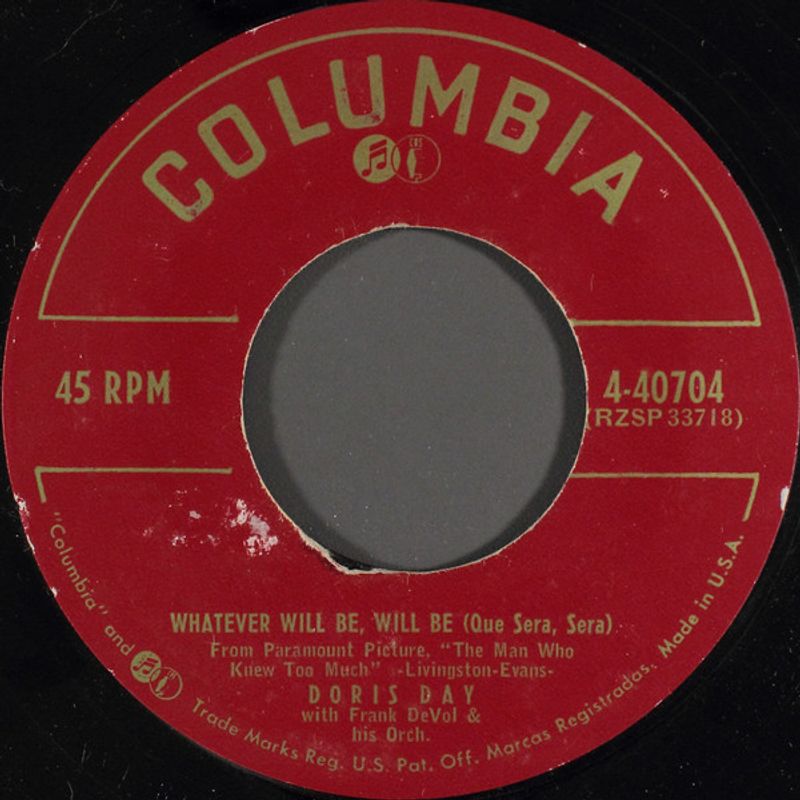
Doris Day sang “Que Sera, Sera” in Alfred Hitchcock’s 1956 film “The Man Who Knew Too Much,” and the song won the Academy Award for Best Original Song immediately after. Its breezy, philosophical message about accepting the future was so universally appealing that it was quickly translated into French, German, Italian, Japanese, and many other languages.
The title itself is already a mix of languages, combining Spanish and Italian phrasing, which gave it an international flavor right out of the gate. Versions appeared across Europe and Asia throughout the 1960s and 1970s.
A song reminding everyone to relax about the future apparently never goes out of style anywhere on the planet.
10. La Bamba
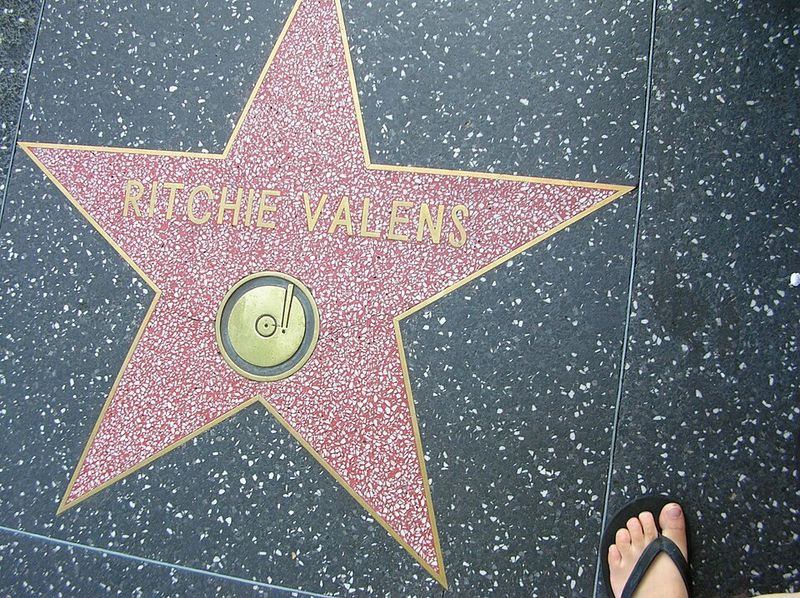
Long before Ritchie Valens made it a rock and roll classic in 1958, “La Bamba” was a traditional Mexican folk song rooted in the Veracruz region going back centuries. Valens’ electric version launched it into global stardom, inspiring translations and covers in English, French, Japanese, Italian, and several other languages.
The 1987 biographical film about Valens brought a whole new generation of fans to the song, pushing international covers even further. Its infectious rhythm, built on a simple repeating chord pattern, makes it almost irresistible to musicians of every background.
Somehow a centuries-old regional folk tune managed to become a universal rock anthem. Music history is wonderfully unpredictable like that.
11. Edelweiss from The Sound of Music

Composed by Rodgers and Hammerstein for the 1959 Broadway musical “The Sound of Music,” “Edelweiss” has one of the most interesting cases of mistaken identity in music history. So many people around the world assumed it was a traditional Austrian folk song that it spread across dozens of countries as if it actually were.
Translated versions appeared in German, Japanese, Spanish, French, and many other languages, often performed at cultural events and school concerts. The melody is so simple and heartfelt that singers everywhere adopted it naturally.
If a song convinces an entire planet it is ancient folklore when it was written in 1959, it has clearly done something very right.
12. Imagine by John Lennon

Released in 1971, John Lennon’s “Imagine” has become one of the most covered and translated songs in music history. Versions exist in Spanish, French, German, Japanese, Arabic, Russian, and dozens of other languages, each carrying the song’s core message of global peace forward into new cultural spaces.
After Lennon’s passing in 1980, the song’s emotional weight grew even heavier worldwide. It plays at international peace events, disaster memorials, and Olympic ceremonies regularly.
However translated, the central idea of a world without division hits just as hard in Tokyo as it does in London. Some messages are simply too important to stay locked inside one language.
13. Bella Ciao

Originally an Italian resistance anthem sung by anti-fascist partisans during World War II, “Bella Ciao” has experienced a remarkable modern revival after being featured in the Netflix series “Money Heist” (La Casa de Papel). Suddenly a wartime folk song became a global pop culture phenomenon, translated into over 40 languages almost overnight.
Versions in Arabic, French, Turkish, Greek, and even Korean flooded streaming platforms as fans of the show connected the song to themes of rebellion and freedom. Few songs have traveled so dramatically across time periods and continents.
If you ever needed proof that great storytelling can resurrect a melody, “Bella Ciao” is your exhibit A.
14. Gangnam Style by Psy

When Psy dropped “Gangnam Style” in July 2012, nobody predicted it would become the first YouTube video to hit one billion views. The song’s ridiculous, joyful energy needed no translation to make people laugh and dance, but that did not stop fans worldwide from creating translated versions in English, Spanish, French, Mandarin, Arabic, and many more languages.
Parody versions and lyric translations exploded across every corner of the internet faster than anyone could count them. The horse-riding dance move became a universal language all by itself, honestly.
Psy reportedly said he never expected the song to leave South Korea. Sometimes the universe has bigger plans for a good beat than even the artist does.
15. O Sole Mio
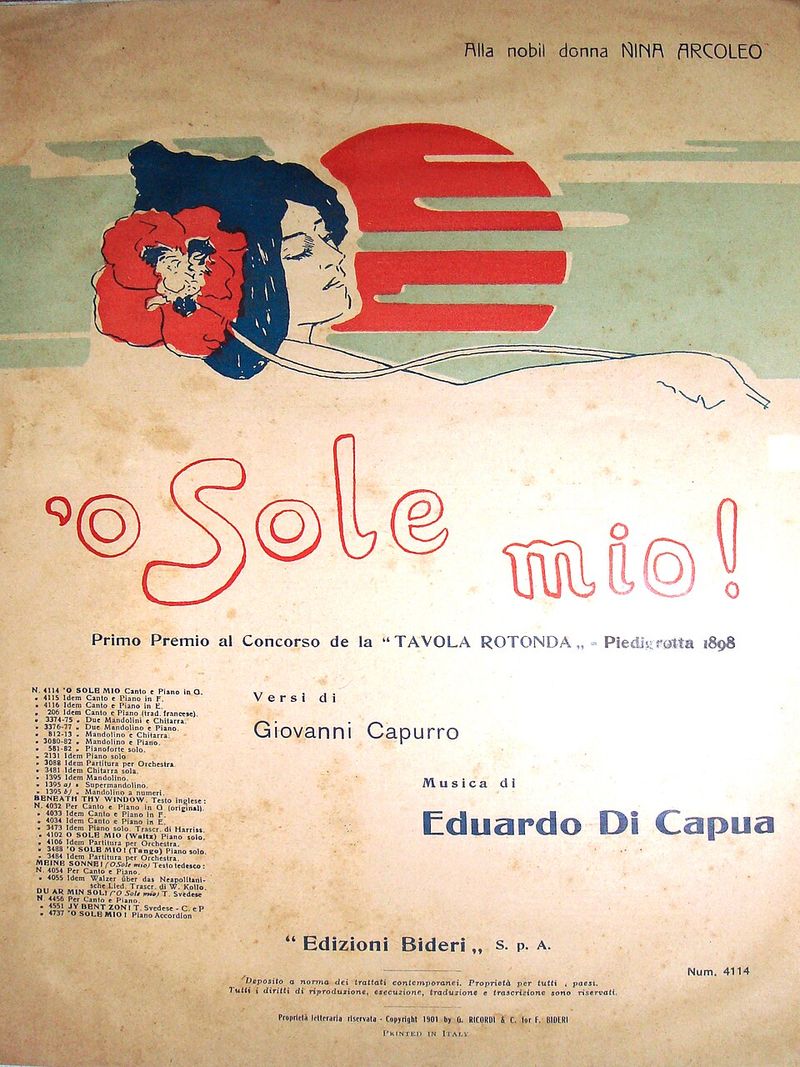
Written in 1898 by composer Eduardo di Capua and lyricist Giovanni Capurro, “O Sole Mio” is one of the most recognized Italian songs ever created. Translations and adaptations have appeared in English, Spanish, French, German, Japanese, and dozens of other languages over more than a century of performances worldwide.
Elvis Presley adapted it into “It’s Now or Never” in 1960, turning it into one of his biggest hits and introducing the melody to an entirely new generation of fans. Opera legends, pop stars, and street musicians have all claimed it as their own across the decades.
A song celebrating sunshine and the beauty of Naples somehow became everybody’s song, everywhere, always.