18 South Korean Movies That Defined Recent Cinema
South Korean cinema has quietly become one of the most exciting forces in global filmmaking, and the world finally took notice when Parasite swept the Oscars in 2020.
From nerve-shredding thrillers to deeply poetic dramas, Korean films pack emotions that hit you like a plot twist you never saw coming.
Whether you are a longtime fan or just starting your K-movie journey, this list covers 18 films that changed the game forever.
Get ready, because your weekend watchlist is about to get a serious upgrade.
Disclaimer: This article is intended for general informational and entertainment purposes only. Film selections and assessments of South Korean cinema’s impact reflect editorial perspective, and individual viewers may differ on which titles most defined recent film history.
1. Parasite (2019)
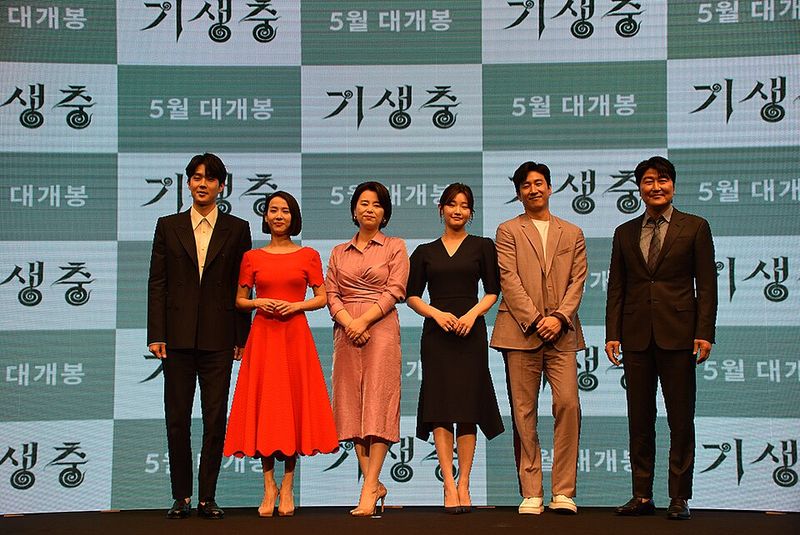
History was made on Oscar night 2020 when this film became the first non-English language movie to win Best Picture.
Directed by Bong Joon-ho, Parasite follows the Kim family, who cleverly infiltrate the wealthy Park household one by one. What starts as a clever con slowly turns into something far darker and more dangerous.
If you have ever felt the sting of inequality, this film will speak directly to your gut. Bong uses sharp humor and shocking twists to expose how class divides can tear lives apart.
2. Oldboy (2003)
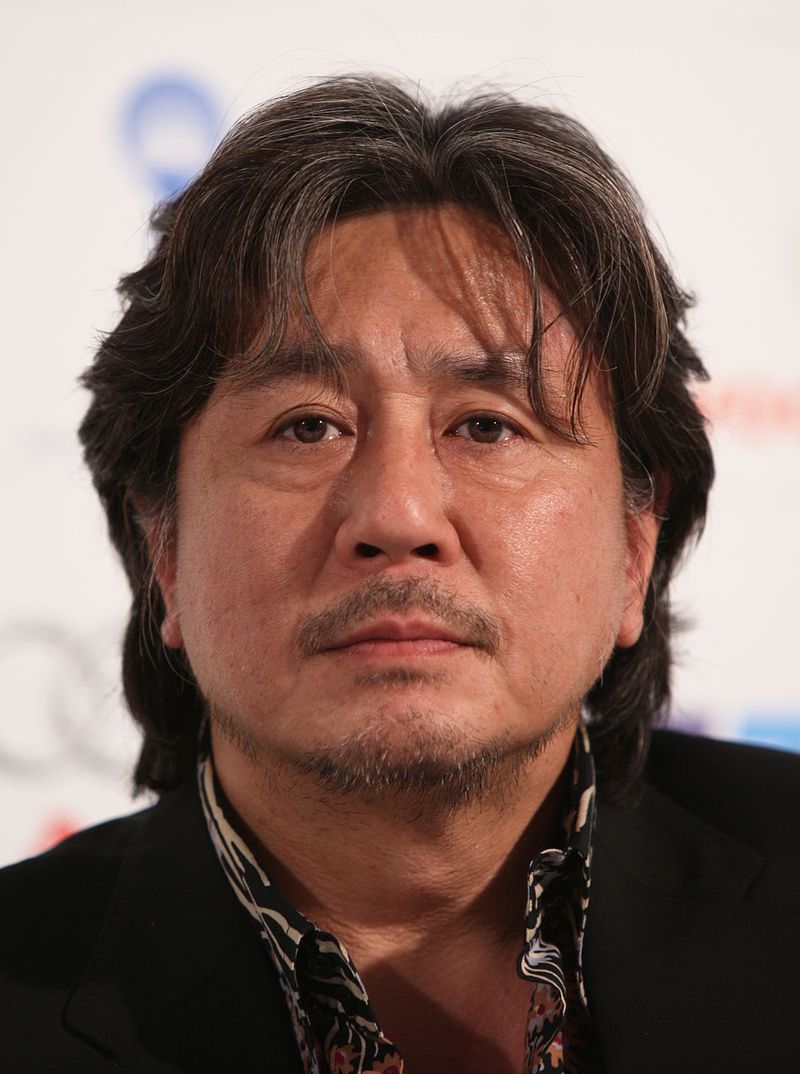
Locked in a room for 15 years with no explanation, Oh Dae-su is suddenly released and given five days to find out why. Park Chan-wook crafted one of the most jaw-dropping revenge stories ever put on screen.
The hallway fight scene alone became legendary in cinema history.
Oldboy is the kind of film that rewires your brain after the credits roll. Every clue is hidden in plain sight, and the final revelation hits harder than a freight train.
Calling it just a thriller feels like calling a hurricane just a bit of wind. Absolutely unforgettable filmmaking.
3. The Handmaiden (2016)

Adapted from British author Sarah Waters’ novel Fingersmith, Park Chan-wook relocated the story to 1930s Japanese-occupied Korea and turned it into something breathtakingly original.
A con artist, a Japanese heiress, and a fake count all orbit a scheme that twists and flips multiple times across three acts.
Few films are this visually gorgeous and this wickedly plotted at the same time. Every time you think you understand what is happening, the rug gets pulled out from under you again.
How Park managed to make a period drama feel as thrilling as an action movie is genuinely impressive.
4. Burning (2018)
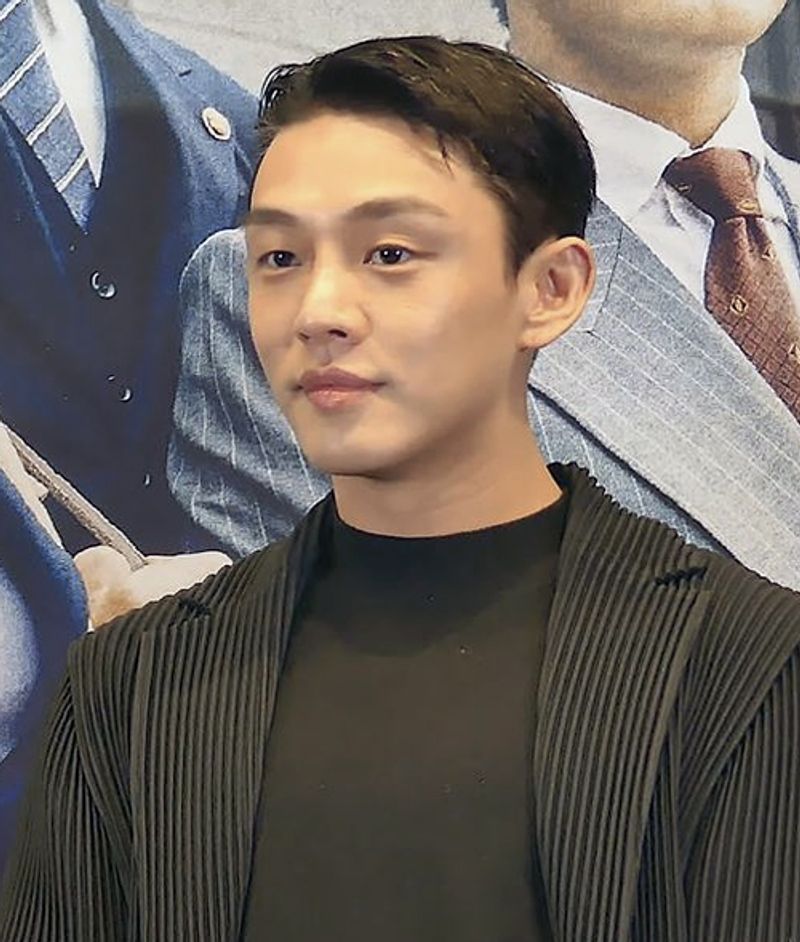
Loosely inspired by a Haruki Murakami short story, Burning is the kind of film that simmers quietly and then haunts you for days after watching.
Jong-su, a young delivery worker, reconnects with a childhood friend who returns from a trip with a mysterious new companion named Ben.
Director Lee Chang-dong never gives you easy answers, and that is exactly the point. Is Ben a charming rich kid, or something far more sinister?
The film asks big questions about class, creativity, and invisible rage in modern society.
5. Mother (2009)
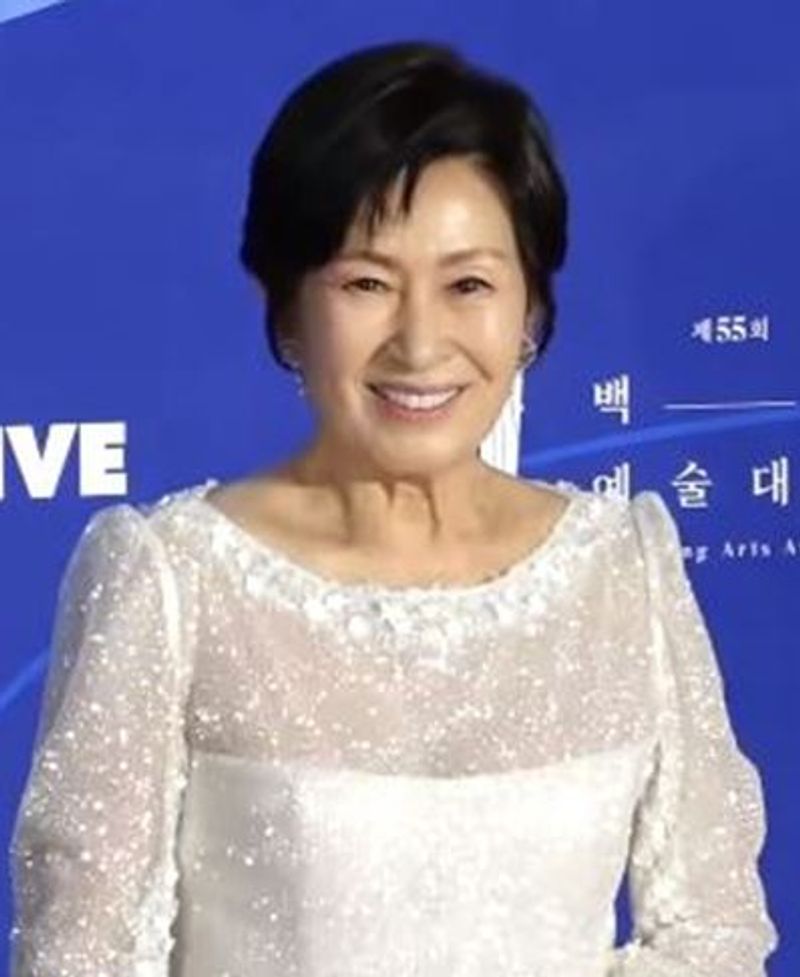
When her intellectually disabled son is accused of a crime, a fiercely devoted mother refuses to accept the verdict and launches her own investigation.
Bong Joon-ho once again proves he can make any genre feel completely fresh and emotionally overwhelming at the same time.
Kim Hye-ja delivers one of the greatest performances in Korean cinema history, turning a seemingly simple maternal love story into something deeply unsettling.
The opening dance scene and the closing one bookend the film in a way that will stay with you forever.
6. Peppermint Candy (1999)
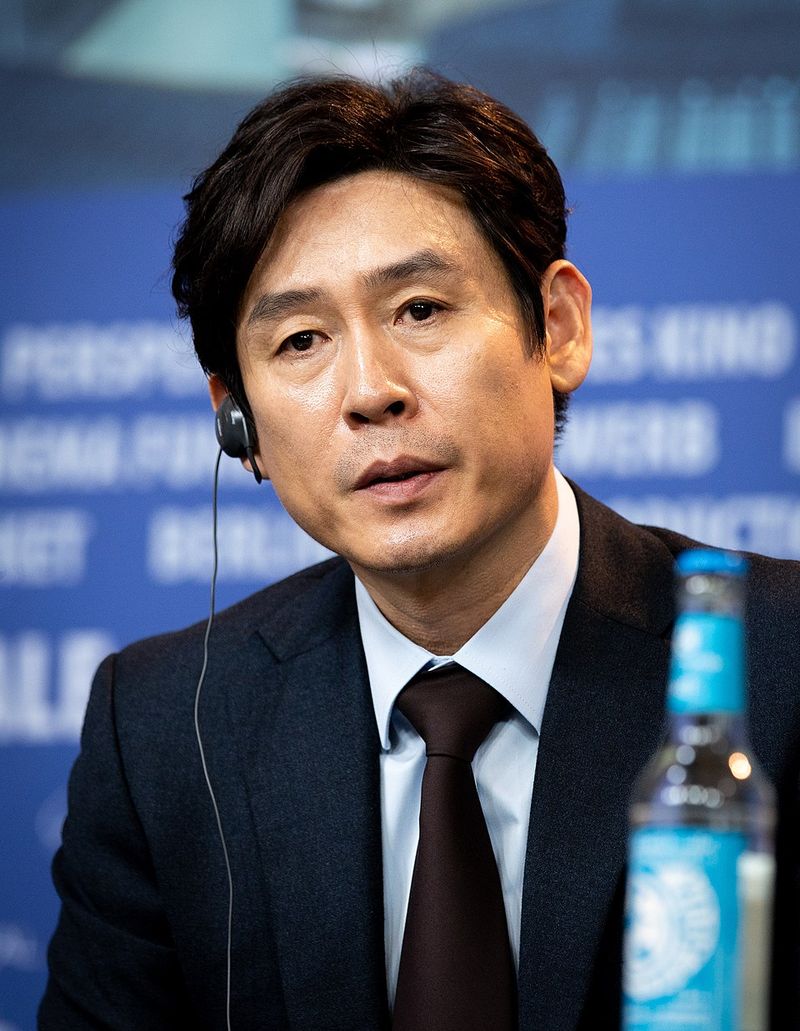
Starting at a man’s tragic final act and then traveling backward in time across 20 years, this film by Lee Chang-dong is one of the most structurally bold stories in Korean cinema.
Each chapter peels back another layer of how a hopeful young man became utterly broken by life and history.
Personal tragedy and national trauma are woven together here in a way that feels deeply Korean but also universally human.
The reverse timeline is not just a gimmick. It makes every happy memory feel like a gut punch because you already know how the story ends.
7. Secret Sunshine (2007)
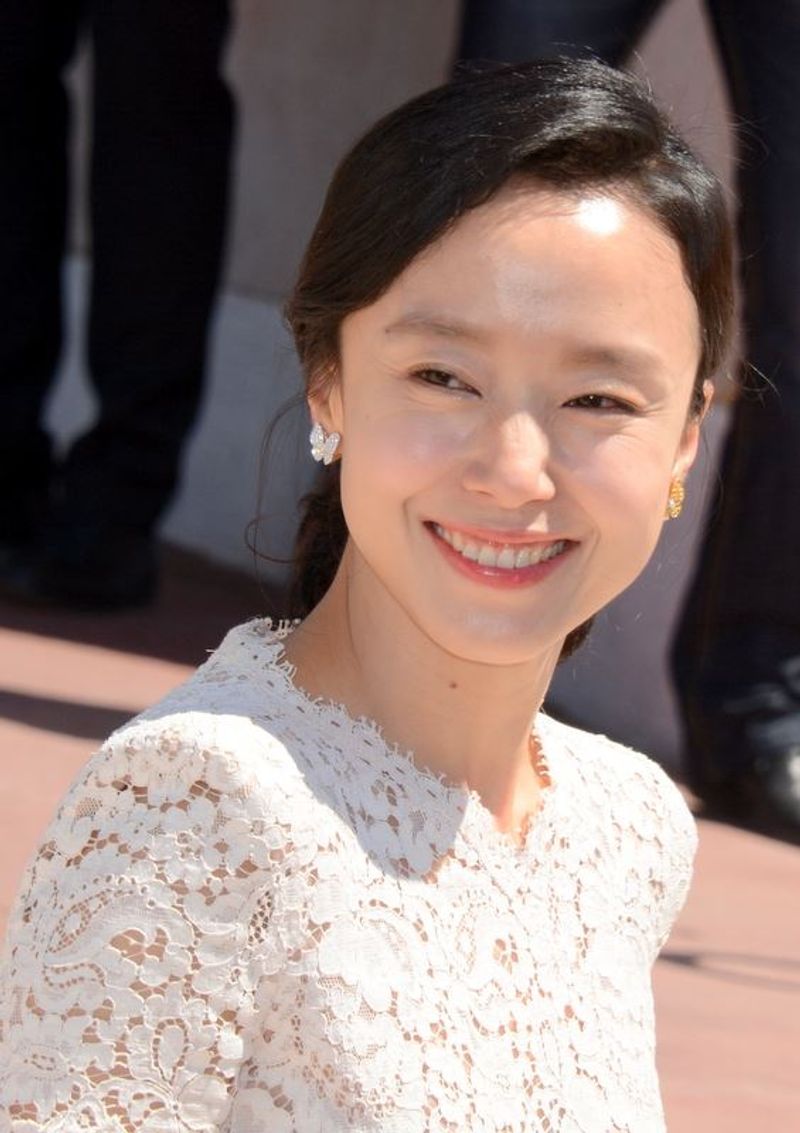
After losing her husband, a young widow moves to her late husband’s hometown with her small son, hoping for a fresh start.
What follows is one of the most honest and uncomfortable explorations of grief, faith, and forgiveness ever committed to film by director Lee Chang-dong.
Jeon Do-yeon won Best Actress at Cannes in 2007 for her raw and fearless performance here. The film does not offer easy comfort or neat resolutions, which makes it feel startlingly real.
If you have ever struggled with loss or questioned why bad things happen to good people, this film will feel like it was made just for you.
8. Train to Busan (2016)
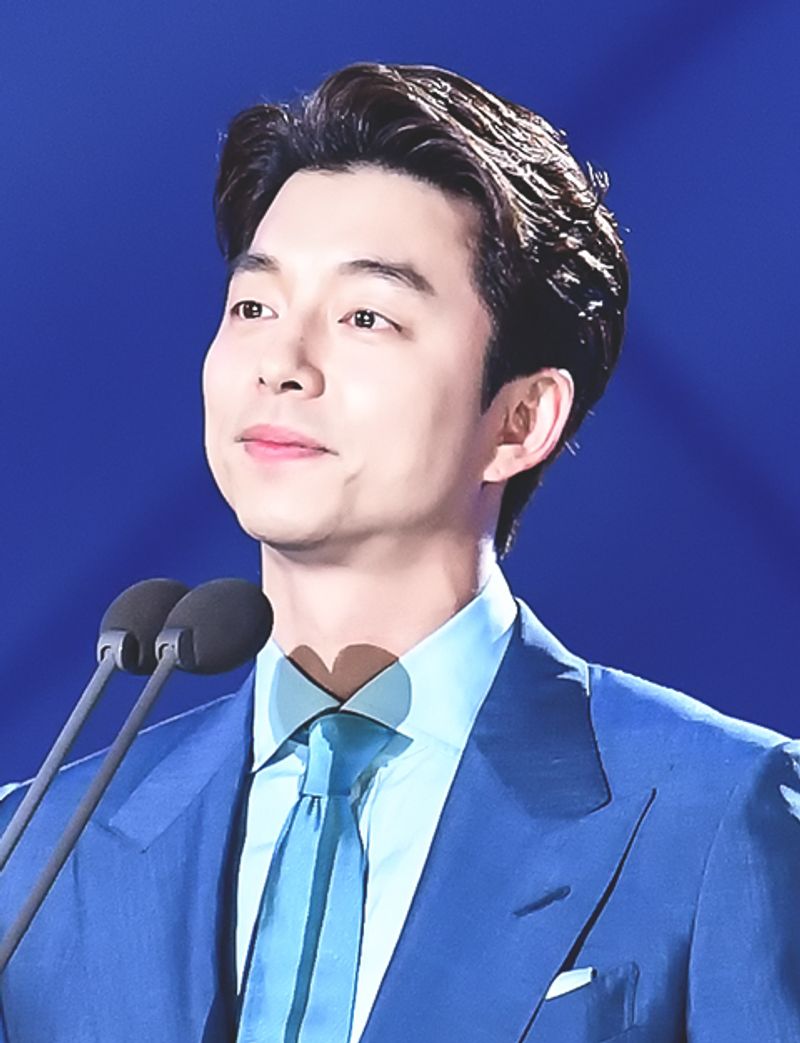
Few zombie films have ever made audiences cry as hard as they scream, but Train to Busan pulls off that remarkable double act with ease.
A father and daughter board a train to Busan as a zombie outbreak erupts across South Korea, turning the carriages into a terrifying battleground.
The film works as a thrilling action-horror ride and as a story about parental love and human selfishness under pressure.
It became one of the highest-grossing Korean films internationally and helped launch a global K-horror wave.
9. A Tale of Two Sisters (2003)
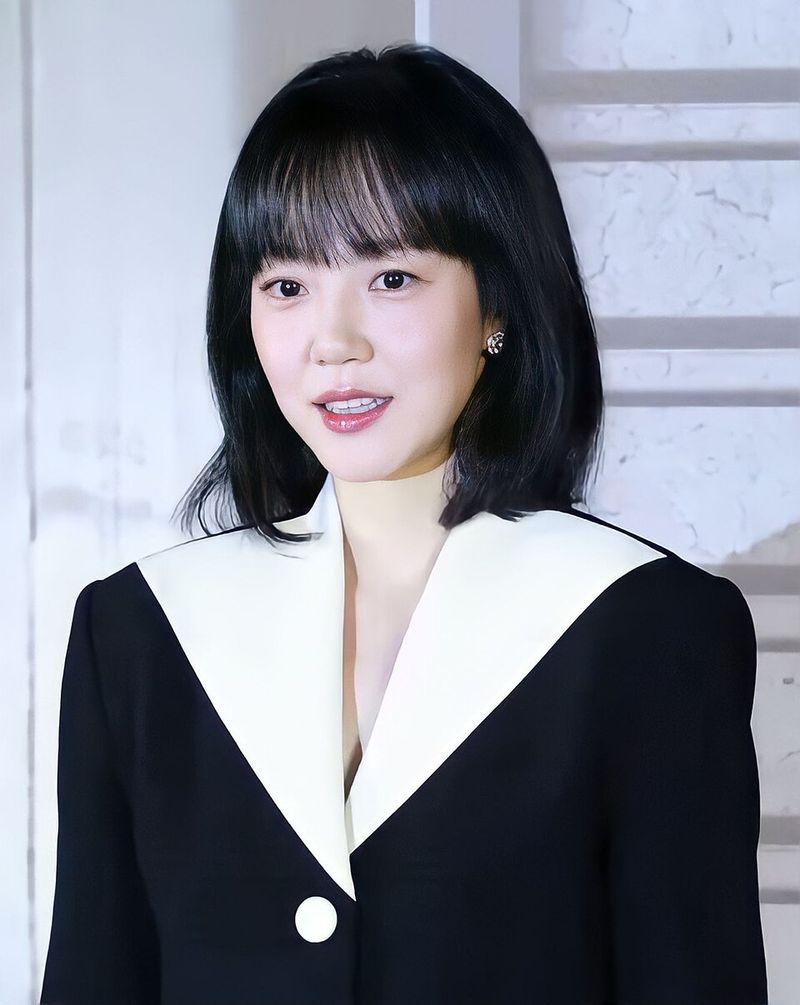
Returning home after time in a psychiatric facility, two sisters find their cold stepmother waiting and a house full of secrets that refuse to stay buried.
Kim Jee-woon’s psychological horror film is visually stunning and deeply unsettling in equal measure.
The film draws on a classic Korean folktale called Janghwa, Hongryeon, giving it a mythic quality that lingers long after viewing.
Nothing is quite what it seems here, and every rewatch reveals new layers hidden in plain sight.
10. The Wailing (2016)
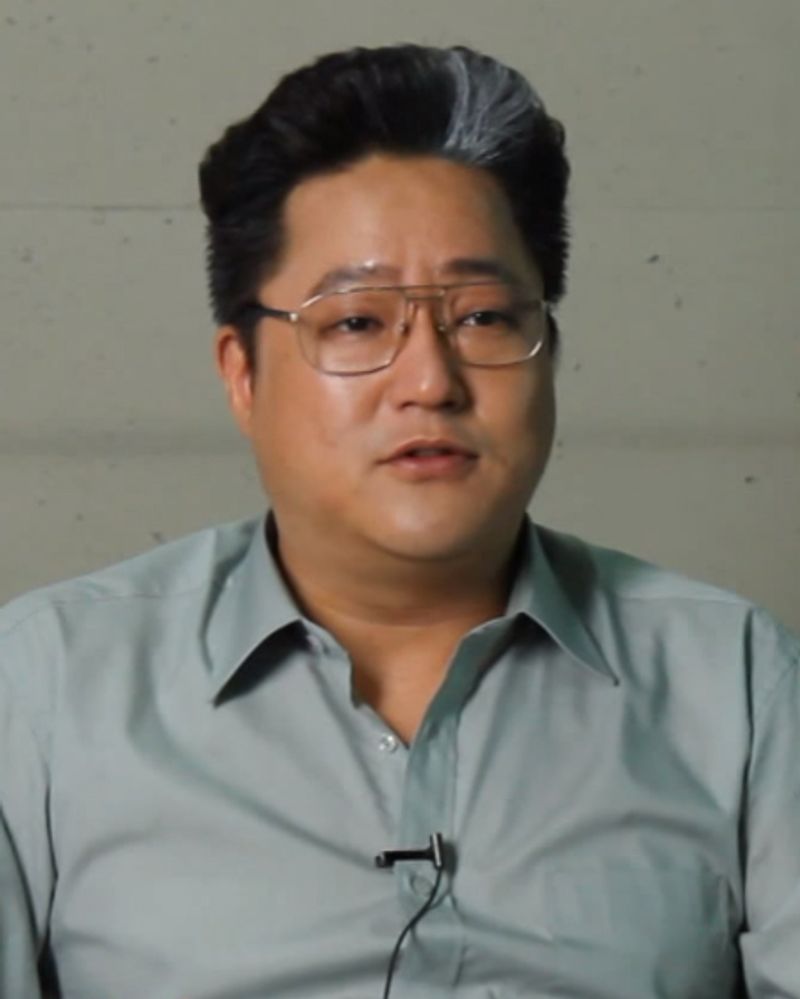
A wave of unsettling passings begins spreading through a small mountain village after a mysterious Japanese stranger arrives, and a bumbling local policeman finds himself at the center of a supernatural nightmare.
Na Hong-jin’s The Wailing is genuinely one of the scariest and most ambitious horror films of the decade.
Running nearly two and a half hours, the film builds dread with incredible patience before unleashing total chaos.
Religious symbolism, folk horror, and family tragedy all collide in a finale that sparks endless debate among fans.
11. Joint Security Area (2000)
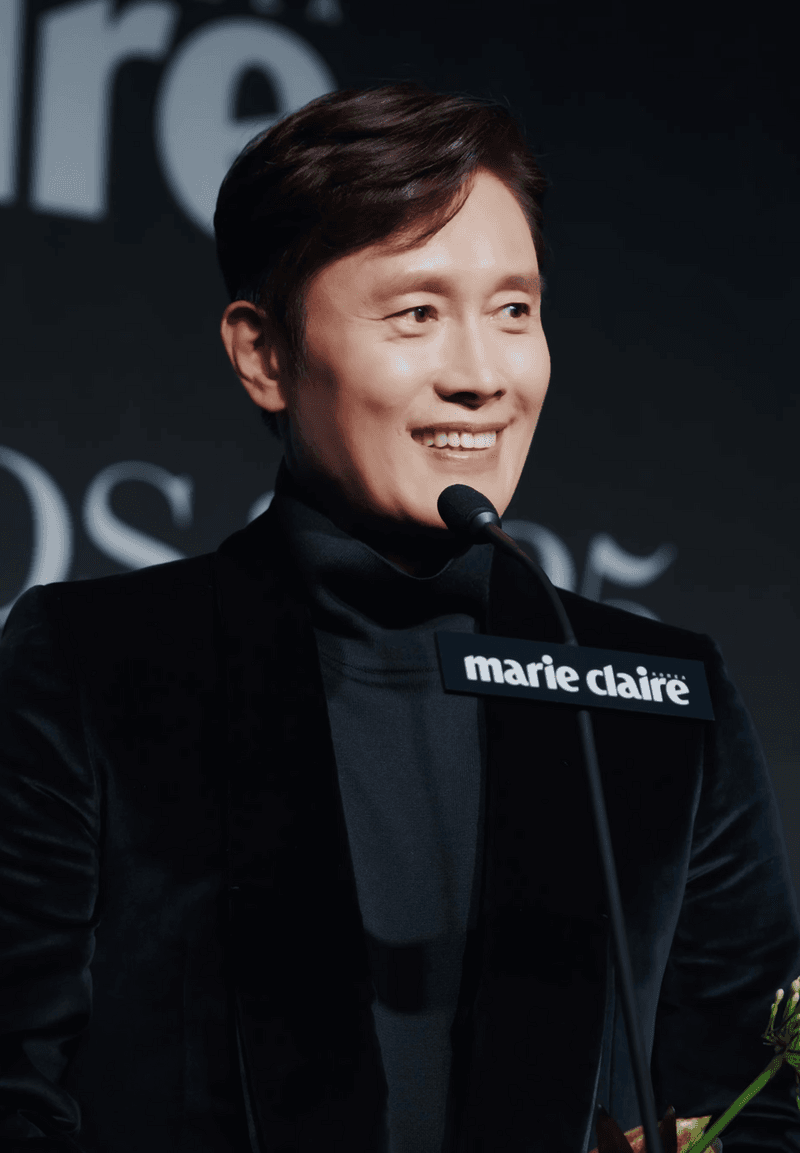
Before Park Chan-wook became famous for his Vengeance Trilogy, he made this gripping political thriller set in the demilitarized zone between North and South Korea.
When a soldier is found deceased at the border, a Swiss-Korean investigator tries to uncover the truth about what really happened between the soldiers on both sides.
What sets this film apart is its genuine warmth and humanity. The soldiers from both sides secretly became friends, which makes the tragedy all the more painful.
Joint Security Area taps into the deep emotional wound of Korean division in a way that is both thrilling and genuinely heartbreaking.
12. The Chaser (2008)
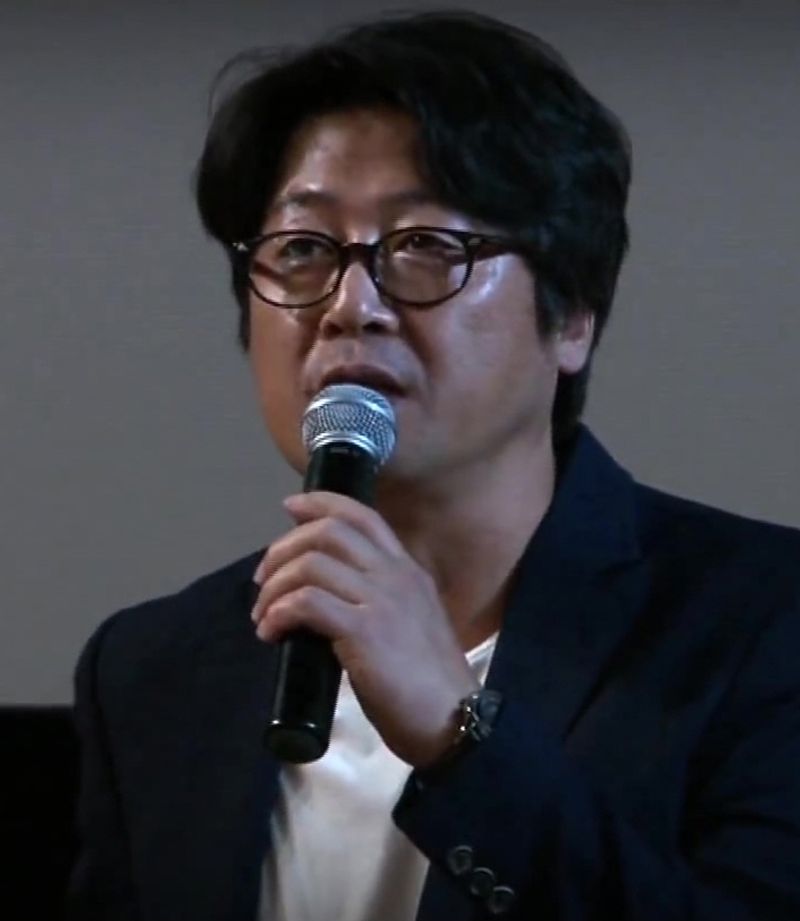
Here is a thriller that grabs you by the collar in the first ten minutes and never lets go.
A former detective turned manager suspects a man is targeting his workers and sets out to catch him, but the real horror is how the system keeps getting in the way.
Director Na Hong-jin made his debut here with a film that feels raw, relentless, and completely real. The villain is introduced early, which removes the whodunit element and replaces it with pure unbearable tension.
13. The Man from Nowhere (2010)
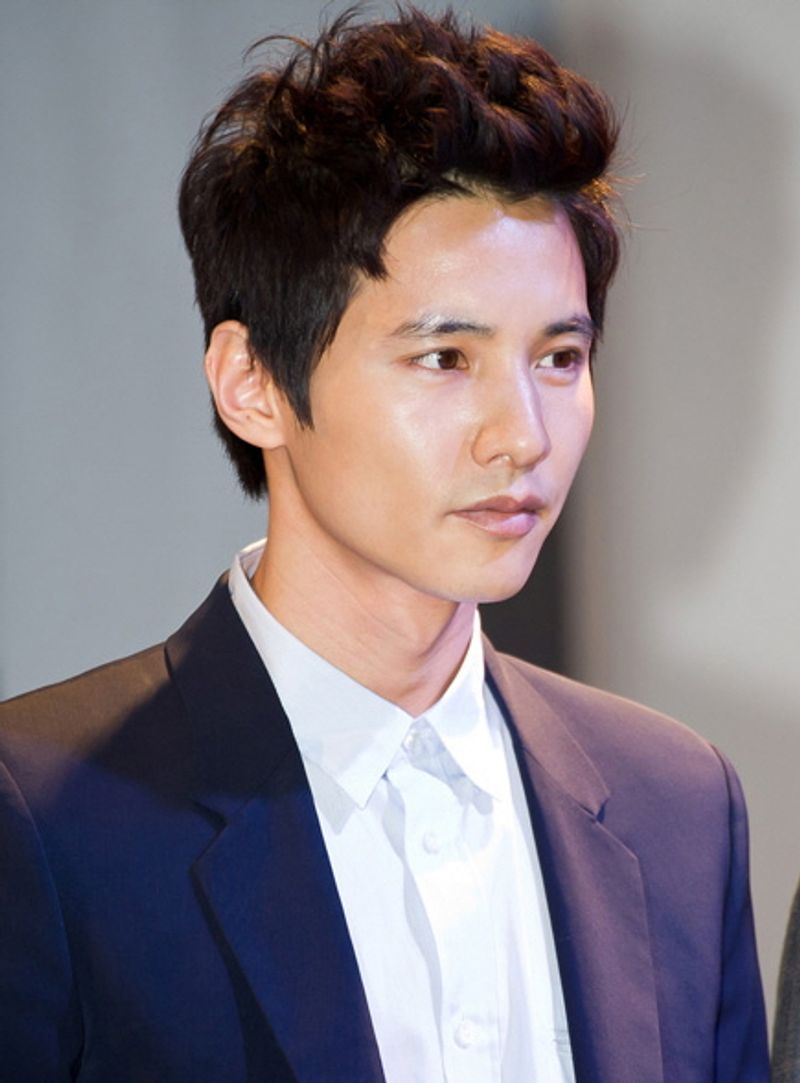
Cha Tae-sik runs a small pawnshop and mostly keeps to himself, but his only real connection to the world is a scrappy little girl named So-mi who lives next door.
When she gets pulled into a dangerous criminal network, this quiet man reveals a very different and very lethal past.
Won Bin delivers a physically and emotionally commanding performance that turned him into a massive star.
The action sequences are breathtakingly choreographed, but the heart of the film is the bond between a broken man and a lonely child.
14. Spring, Summer, Fall, Winter… and Spring (2003)
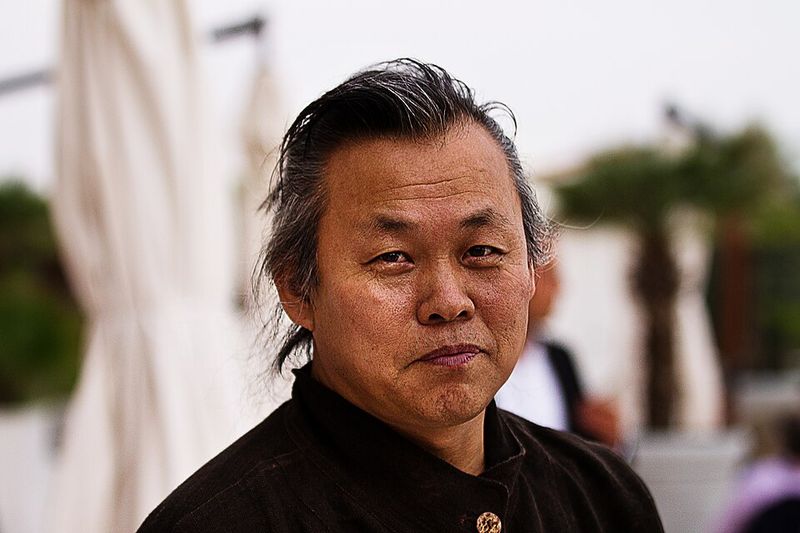
Set entirely on a tiny floating monastery in the middle of a stunning mountain lake, Kim Ki-duk’s meditative masterpiece follows a young Buddhist monk through four seasons of life, passion, sin, and eventual redemption.
There is almost no dialogue, yet every frame speaks volumes.
Each season represents a different stage of human life, and the film cycles back to spring as a quiet reminder that life, like nature, keeps beginning again.
If you think a film with almost no talking could not hold your attention, this one will prove you beautifully wrong.
15. Decision to Leave (2022)

Park Chan-wook returned to form with this achingly elegant romantic mystery about a detective who becomes dangerously obsessed with the widow of a man who fell from a mountain.
Is she a grieving wife or a calculating criminal? The answer keeps shifting like sand beneath your feet.
Tang Wei and Park Hae-il share a magnetic chemistry that makes every scene crackle with unspoken tension. The film is visually gorgeous, with Park’s signature precision applied to every single shot.
Decision to Leave won Best Director at Cannes 2022, and it absolutely deserved it.
16. The Host (2006)
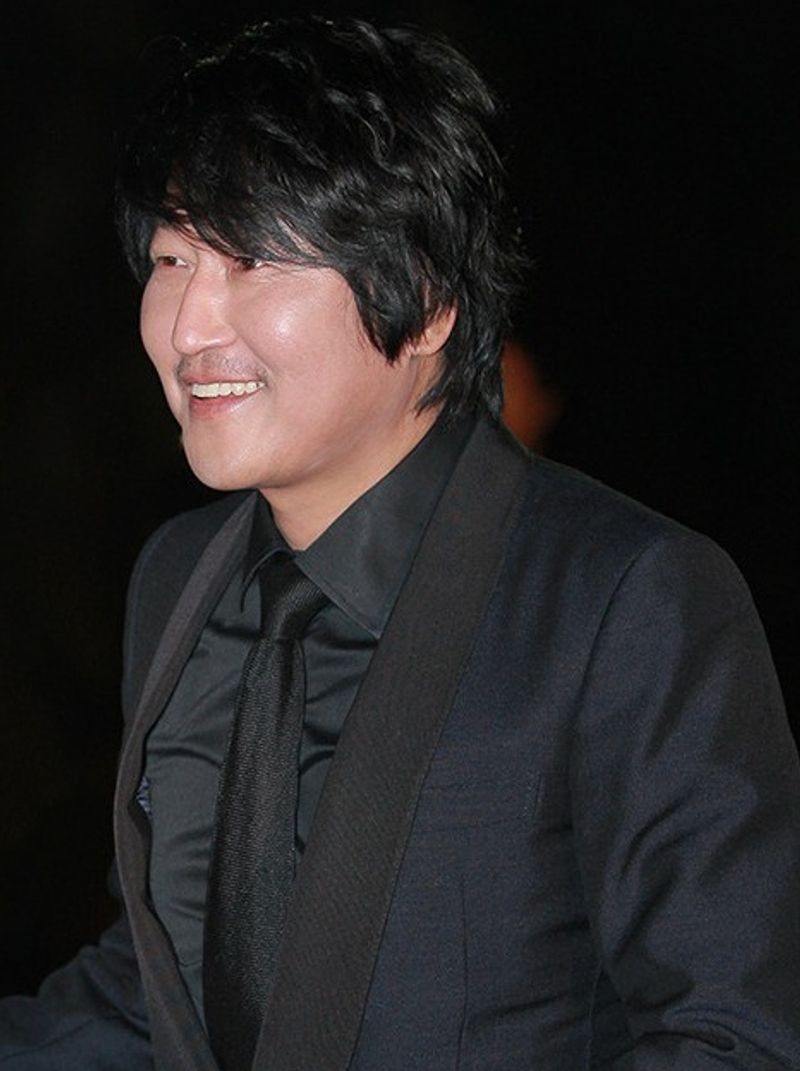
A giant mutant creature emerges from Seoul’s Han River and snatches a young girl, and her chaotic, lovably dysfunctional family refuses to wait for the useless government to save her.
Bong Joon-ho took the genre and stuffed it full of sharp political satire and genuine family emotion.
Released in 2006, The Host became the highest-grossing Korean film of all time at that point, and it is easy to see why.
The creature design is spectacular, but what really sets this apart is how funny and touching the family dynamics are even in the middle of total mayhem.
17. 3-Iron (2004)
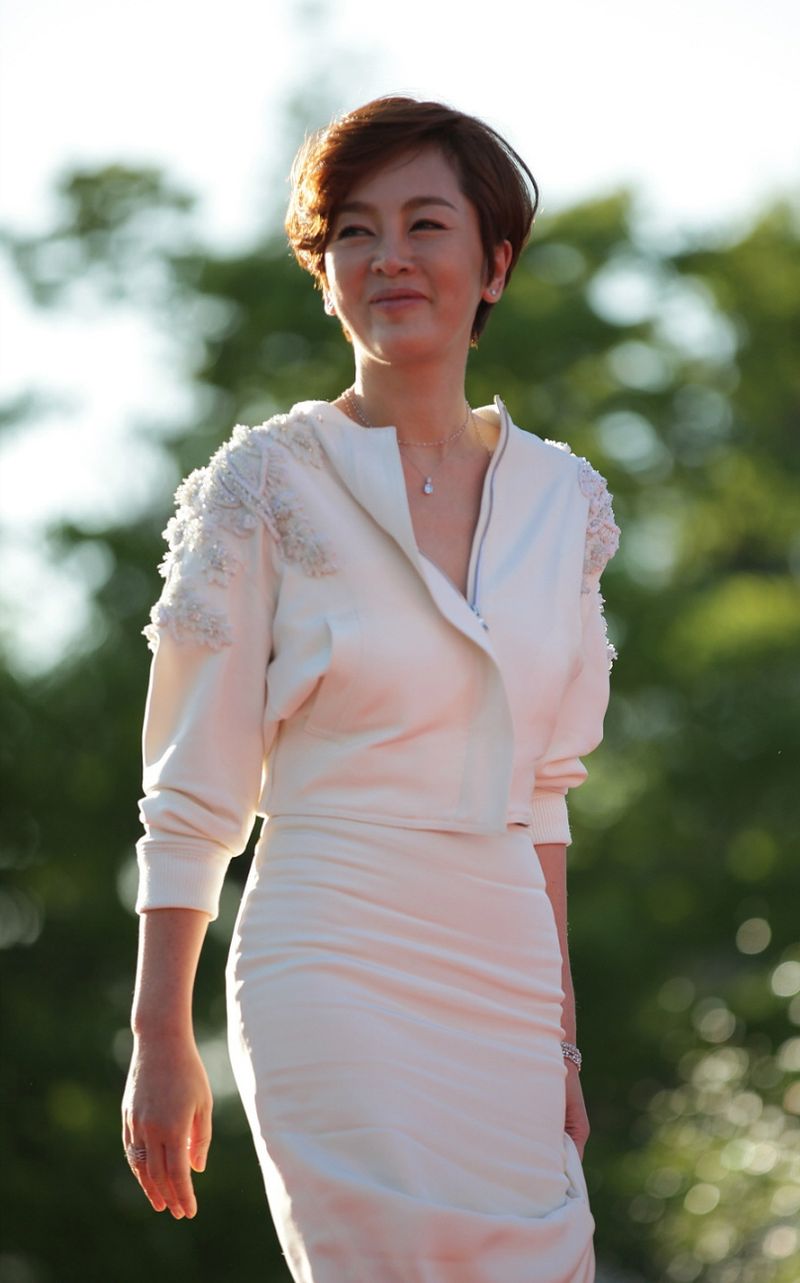
Without speaking a single word of dialogue, the lead character of 3-Iron drifts from empty home to empty home, fixing broken things and living temporarily in other people’s spaces.
When he meets a silent woman trapped in an unhappy marriage, the two form a bond that exists almost entirely beyond words.
Director Kim Ki-duk creates something genuinely magical here, a love story told almost entirely through action, glance, and silence.
The film blurs the line between reality and fantasy in its final act in a way that is quietly mind-bending.
18. Extreme Job (2019)
Five bumbling detectives go undercover by taking over a fried chicken restaurant to surveil a drug lord next door, but their chicken recipe accidentally becomes the most popular in the city.
Yes, this is a real plot, and yes, it is absolutely hilarious from start to finish.
Extreme Job became the second highest-grossing Korean film of all time upon release in 2019, proving that audiences were hungry for something fun alongside all the serious masterpieces.
The action sequences are genuinely impressive, but the comedy lands every single time. It is the perfect reminder that Korean cinema is not just dark thrillers and art house poetry.