20 Spain Destinations That Belong On Every Bucket List
Picture yourself wandering sun-soaked streets where history whispers through every cobblestone, gazing at architectural wonders that seem to defy gravity itself.
The fiery flamenco rhythms of Andalusia collide beautifully with the futuristic skylines of Valencia, a combination packing more adventure per square mile than a Marvel movie marathon.
Crave medieval castles? Jaw-dropping beaches?
Culinary experiences that make your taste buds do the happy dance? These 20 destinations prove why this European gem deserves top billing on your travel wish list.
1. Sagrada Familia, Barcelona
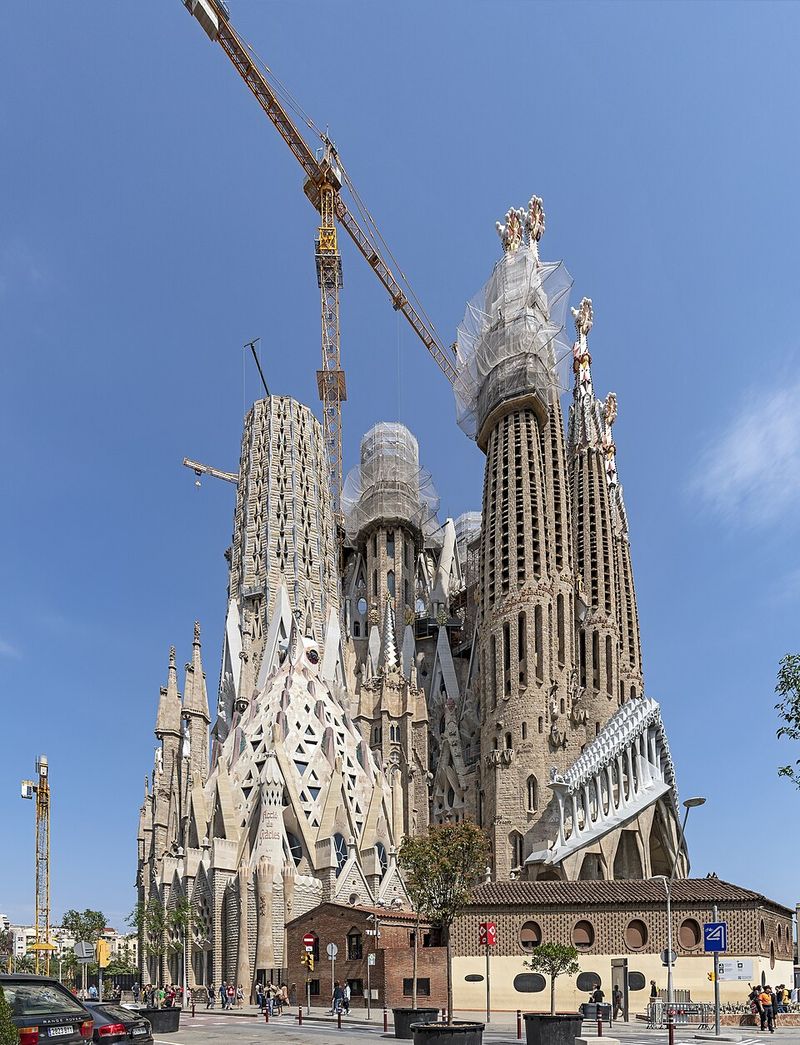
Antoni Gaudí turned architecture into pure magic when he designed this basilica that looks like it sprouted from a fairytale forest.
Construction started way back in 1882 and continues today, making it the world’s longest-running building project (talk about dedication!).
Inside, columns branch toward the ceiling like massive trees, and sunlight streams through stained glass windows, painting rainbow patterns across the floors.
Visitors stand speechless as they crane their necks upward, trying to absorb every wild detail of this UNESCO World Heritage masterpiece.
2. Alhambra, Granada
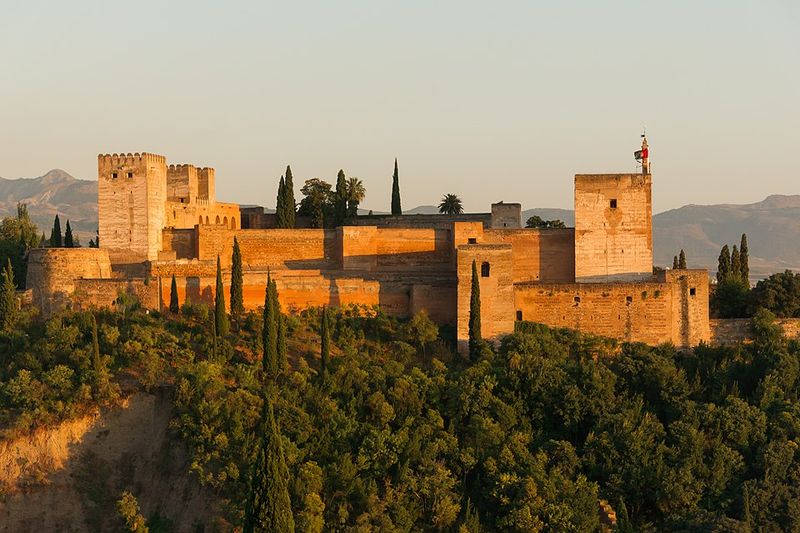
Perched atop a hill overlooking Granada, this Moorish palace complex whispers tales of sultans and ancient dynasties.
Intricate geometric patterns cover every surface, from delicate stucco walls to reflective pools that mirror the surrounding architecture.
Walk through the Court of the Lions where twelve marble beasts guard a central fountain, their expressions frozen in time for centuries.
Beyond the ornate halls, the Generalife gardens offer peaceful pathways lined with fragrant flowers and bubbling fountains that’ll transport you straight back to medieval times.
3. Park Güell, Barcelona
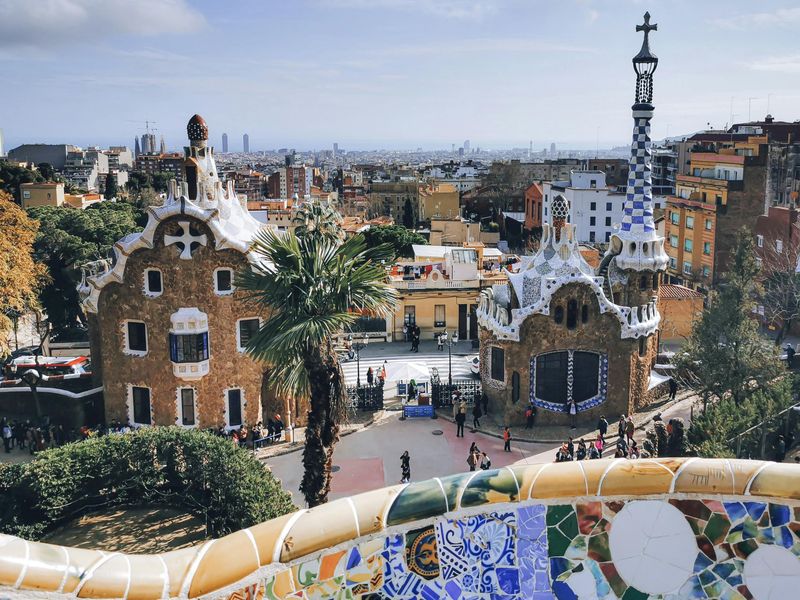
Gaudí strikes again with this whimsical wonderland where buildings seem to melt like candy and colorful mosaics cover every curved surface.
The famous serpentine bench snakes along the main terrace, decorated with broken ceramic pieces that create a kaleidoscope effect.
Gingerbread-house-style structures guard the entrance, looking like they were plucked straight from Hansel and Gretel’s neighborhood.
From the elevated viewpoints, Barcelona spreads out below like a living map, with the Mediterranean Sea sparkling in the distance like scattered diamonds.
4. Seville Cathedral, Seville
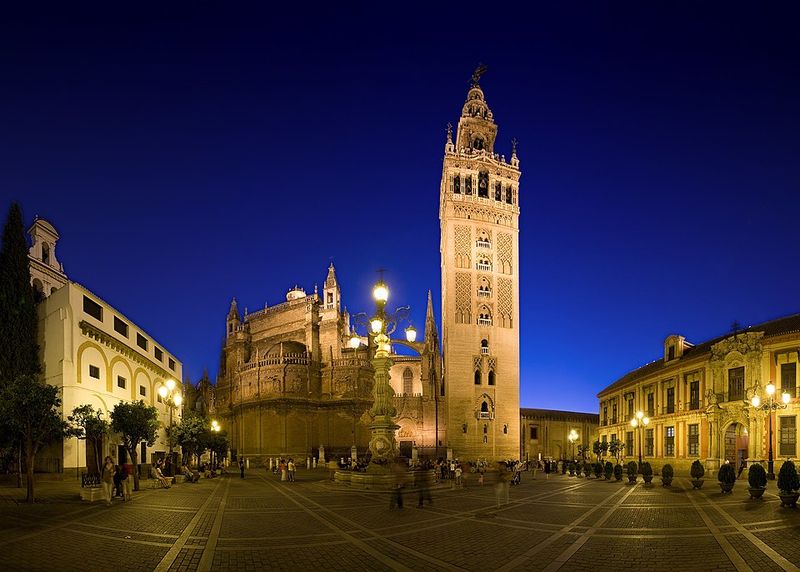
This Gothic giant holds the title of world’s largest cathedral, and one step inside proves they weren’t messing around with that claim.
Christopher Columbus found his final resting place here, with his elaborate tomb carried by four regal statues representing Spanish kingdoms.
Climb the Giralda tower (originally a minaret from the mosque that stood here before) for views that’ll make your Instagram followers weep with envy.
Orange trees perfume the courtyard, creating a sensory experience that blends sight, scent, and centuries of fascinating history into one unforgettable visit.
5. Ibiza, Balearic Islands
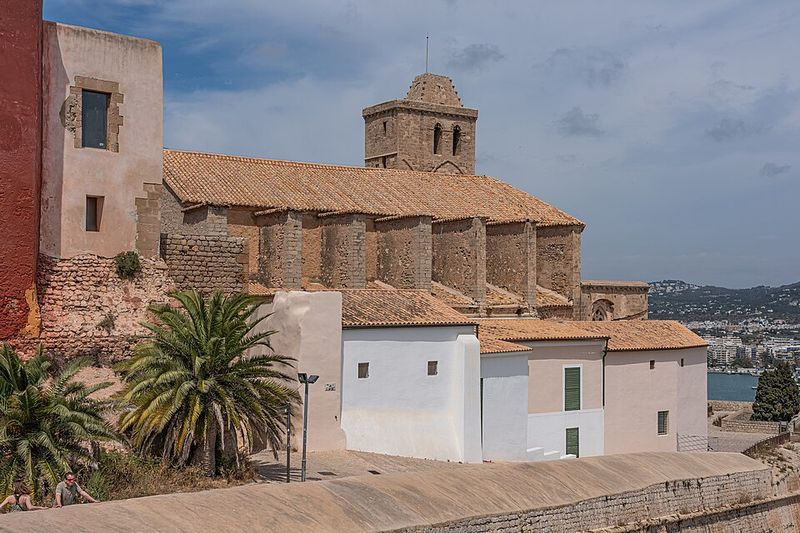
Beyond the famous party scene lies an island of surprising contrasts, from hidden coves with crystal-clear waters to ancient fortified towns.
Dalt Vila, the old town, rises above the harbor with whitewashed buildings stacked like sugar cubes within massive stone walls.
Beaches range from bustling stretches with beach clubs to secluded spots where you might be the only person making footprints in the sand.
Watch the sunset from Café del Mar (a tradition since forever) as the sky transforms into a canvas of oranges, pinks, and purples that photographers dream about.
6. Camino de Santiago
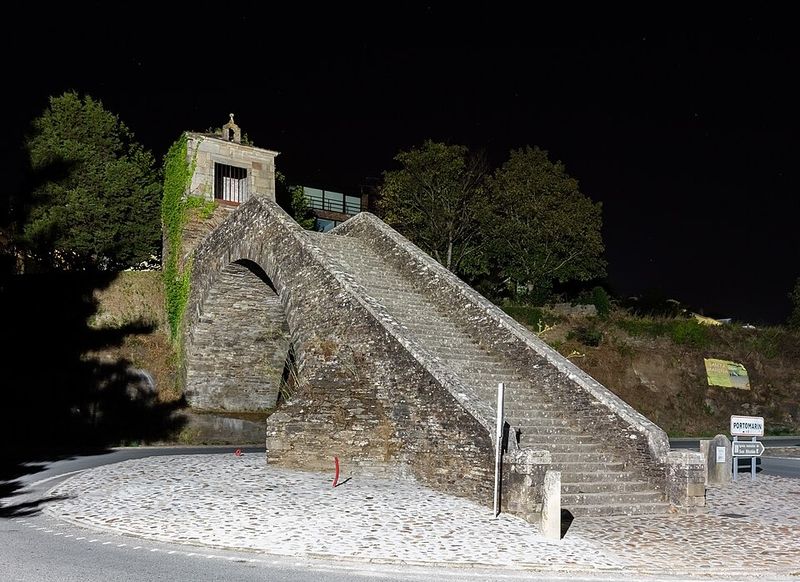
Pilgrims have walked these ancient paths for over a thousand years, following yellow arrows and scallop shell symbols toward spiritual fulfillment.
Multiple routes crisscross northern regions, each offering unique landscapes from coastal cliffs to rolling farmland and medieval villages.
Whether you tackle the full journey or just a section, the experience connects you with fellow travelers from every corner of the globe.
Reaching the Cathedral of Santiago de Compostela feels like crossing a finish line and starting a new chapter simultaneously, leaving walkers forever changed.
7. Costa Brava, Catalonia
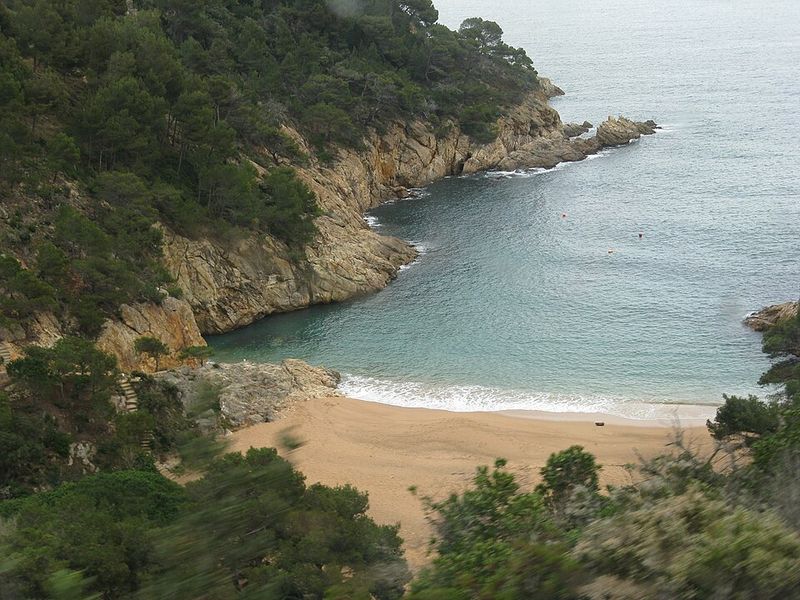
Rugged cliffs plunge dramatically into sapphire waters along this stunning coastline that earned its name (Wild Coast) honestly.
Charming fishing villages like Cadaqués and Tossa de Mar cling to hillsides, their white buildings glowing against the deep blue Mediterranean backdrop.
Hidden coves accessible only by foot or boat offer private swimming spots that feel like your own personal paradise.
Salvador Dalí found inspiration here, and his surreal museum in Figueres proves that this region’s beauty can bend reality itself into extraordinary shapes.
8. Picos de Europa National Park
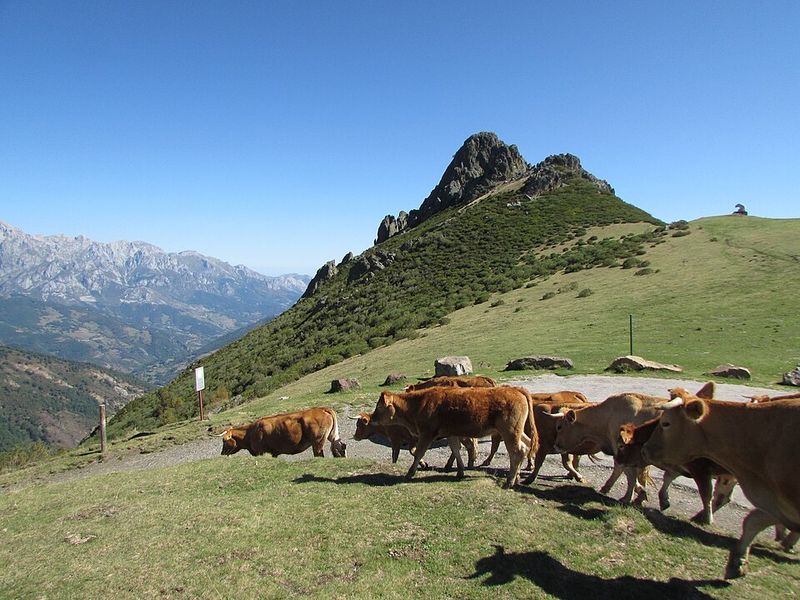
Jagged limestone peaks rise like dragon teeth from green valleys, creating one of the most dramatic mountain landscapes in all of Europe.
Hiking trails wind through meadows dotted with grazing cows, past rushing rivers, and up to viewpoints that’ll steal your breath (literally and figuratively).
Tiny stone villages preserve centuries-old traditions, where locals still make cheese using methods their great-great-grandparents taught them.
Wildlife enthusiasts might spot Cantabrian brown bears, chamois, or golden eagles soaring overhead, making this a nature lover’s ultimate playground for adventure.
9. Penedès Wine Region
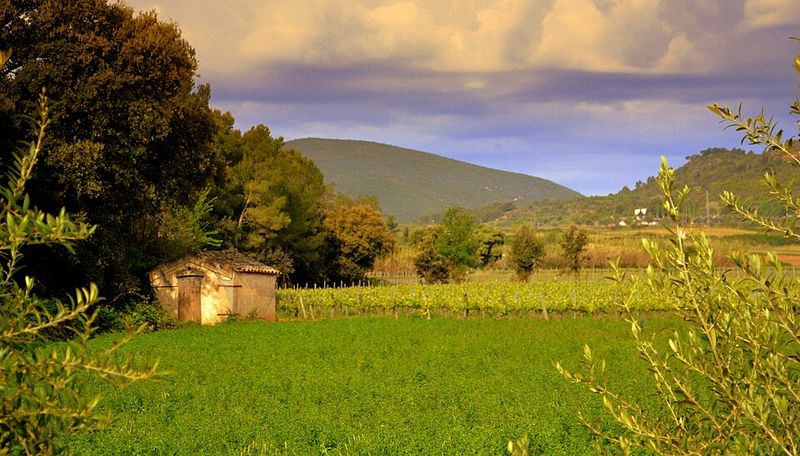
Rolling vineyards stretch toward distant mountains in this region that produces Spain’s famous sparkling Cava using traditional methods.
Family-run wineries welcome visitors for tours through underground cellars where millions of bottles age patiently in cool darkness.
Learn how the second fermentation happens right inside each bottle, creating those delightful bubbles that tickle your nose.
Beyond the bubbly, this area also crafts excellent still wines, and many estates offer tastings paired with local cheeses and cured meats that showcase Catalonian culinary traditions beautifully.
10. Cueva de Altamira, Cantabria
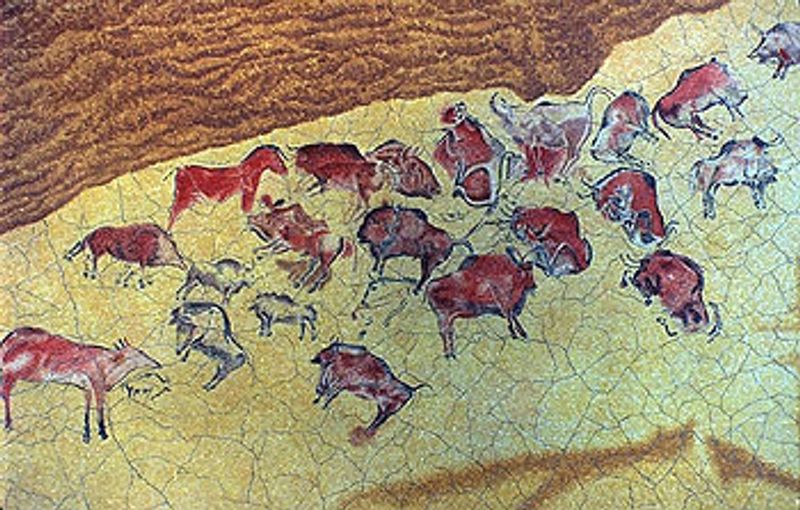
Prehistoric artists created masterpieces on these cave walls around 36,000 years ago, using natural pigments to paint bison, horses, and deer.
The original cave stays closed to protect the delicate paintings, but an exact replica lets visitors experience the wonder without causing damage.
Standing beneath these ancient artworks connects you directly to human ancestors who gazed at the same images by flickering firelight.
The attached museum explains how these Stone Age Picassos created their art, what tools they used, and why these caves matter to understanding human history.
11. Ronda, Andalusia
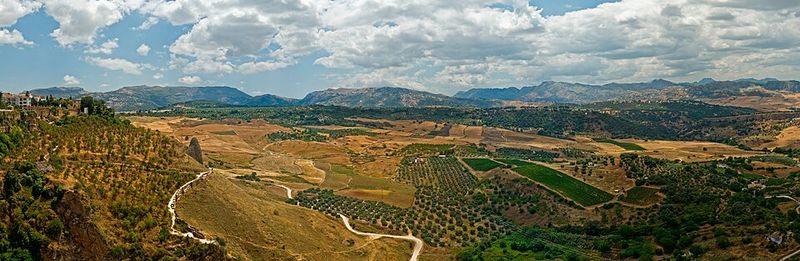
A massive gorge splits this mountaintop town in two, with the dramatic Puente Nuevo bridge spanning the 390-foot chasm like something from an adventure movie.
Peer over the edge (if you dare) to see the Guadalevín River far below, carving deeper into the rock with every passing century.
One of the oldest bullrings in existence sits here, its circular arena inspiring Hemingway and countless other writers.
Whitewashed buildings cluster along the cliff edges, creating postcard-perfect views at every turn that’ll fill your camera roll faster than you can say cheese.
12. Salamanca, Castile and León
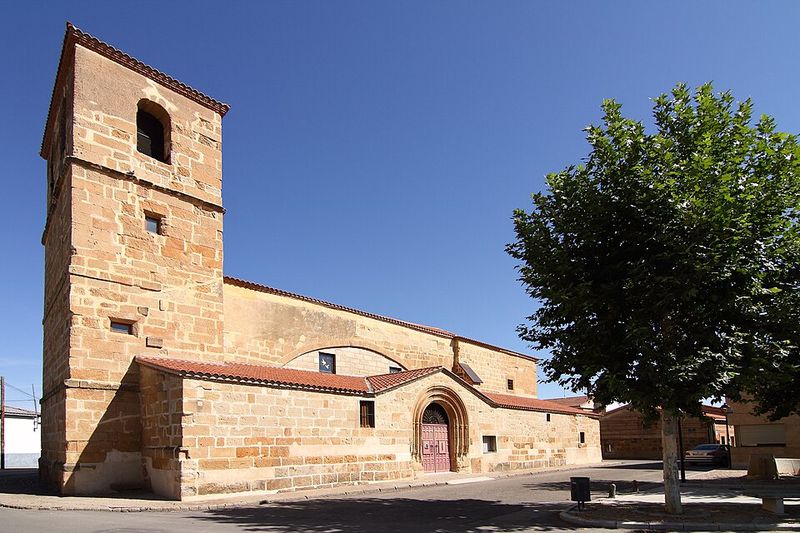
Golden sandstone buildings glow like honey in the sunlight throughout this university city that’s been educating students since 1218.
The Plaza Mayor ranks among the most beautiful town squares in existence, with ornate arches and medallions decorating every inch of its perimeter.
Hunt for the tiny carved frog hidden on the university’s facade (legend says finding it brings good luck and academic success).
At night, the city transforms as students spill into streets and plazas, creating an energetic atmosphere that proves this ancient place remains forever young at heart.
13. Córdoba, Andalusia
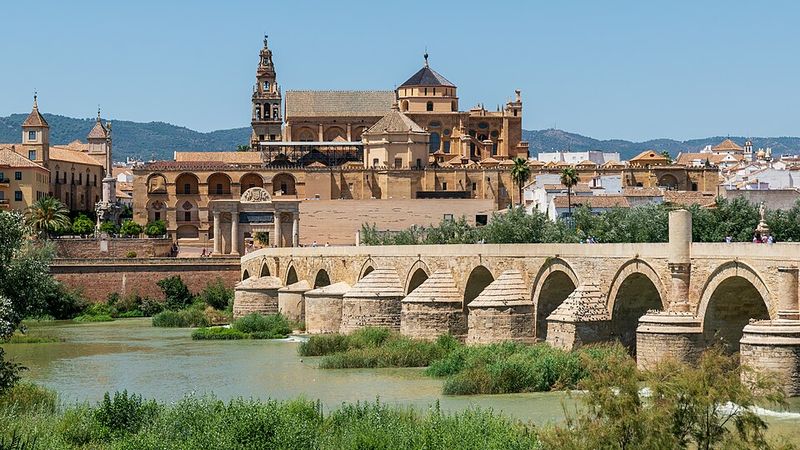
The Mezquita stands as an architectural marvel where Islamic and Christian elements blend in ways that shouldn’t work but absolutely do.
Forest-like columns topped with red and white striped arches create a hypnotic pattern that seems to extend infinitely in all directions.
Wander through the Jewish Quarter’s narrow cobblestone streets, where flower-filled patios hide behind wooden doors waiting to surprise curious explorers.
During May, the annual patio competition transforms the neighborhood into a blooming wonderland as residents compete to create the most spectacular floral displays imaginable.
14. Valencia, Valencian Community
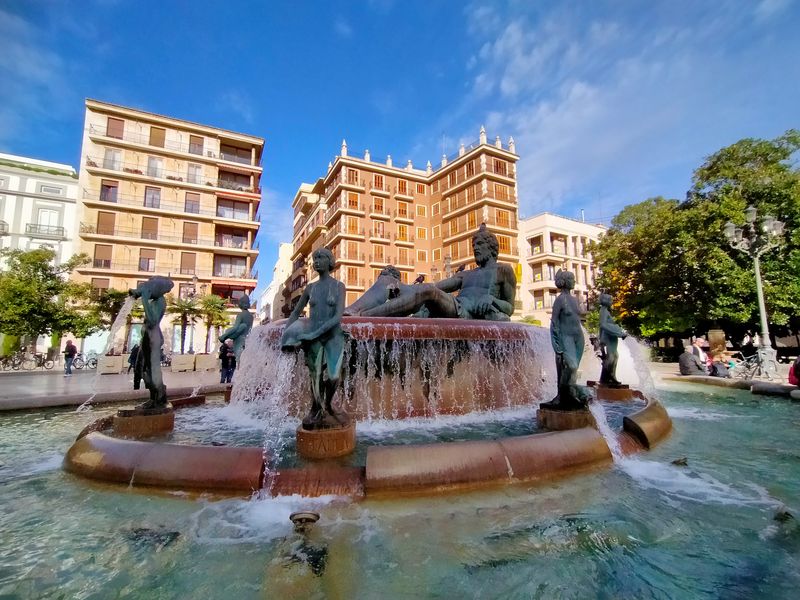
Futuristic white structures rise from a former riverbed like something beamed down from a sci-fi movie in the City of Arts and Sciences complex.
The oceanographic park holds Europe’s largest aquarium, where dolphins perform and sharks glide past enormous viewing windows.
Historic neighborhoods contrast sharply with modern architecture, and the Central Market overflows with fresh produce, seafood, and local specialties.
Try authentic paella where it was invented, savoring saffron-scented rice cooked over open flames in wide, shallow pans that feed entire families at once.
15. Madrid, Community of Madrid
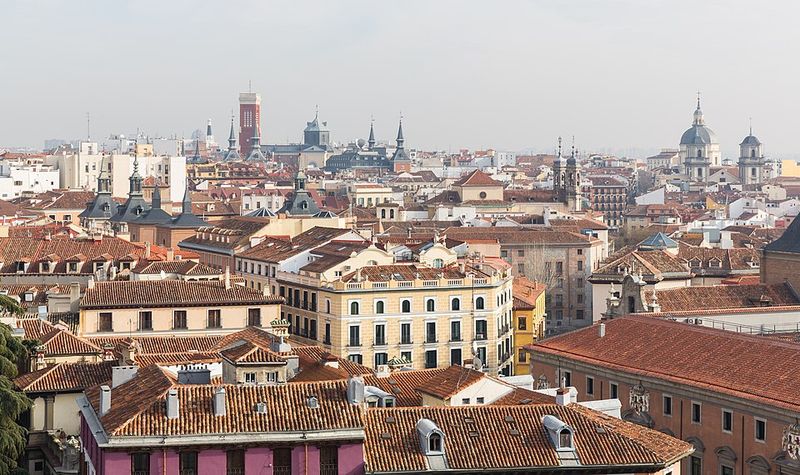
The capital pulses with endless energy, from world-class museums like the Prado to sprawling Retiro Park where locals row boats across tranquil ponds.
Royal Palace rooms drip with chandeliers and gold leaf, showcasing the opulence that Spanish monarchs enjoyed for centuries.
Tapas culture reaches its peak here, where hopping between bars to sample small plates counts as both dinner and entertainment.
Gran Vía boulevard lights up after dark like Broadway, with theaters, shops, and restaurants creating a vibrant scene that keeps the city awake until dawn.
16. Menorca, Balearic Islands
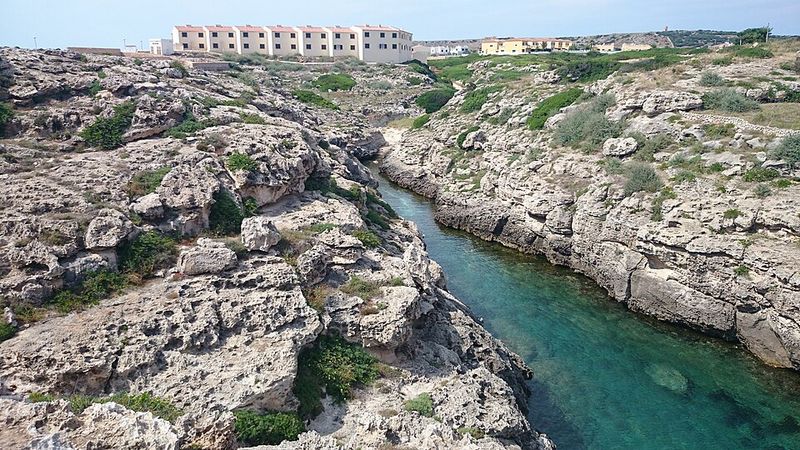
While its sister island Ibiza parties hard, Menorca keeps things refreshingly low-key with pristine beaches and ancient stone monuments.
Turquoise waters lap against soft white sand in protected coves that require short hikes through pine forests to reach.
Mysterious talayots (Bronze Age stone towers) dot the landscape, remnants of civilizations that thrived here thousands of years before Instagram existed.
The capital Mahón sits atop dramatic cliffs overlooking one of the Mediterranean’s deepest natural harbors, where local gin distilleries continue traditions started during British rule.
17. Santiago de Compostela, Galicia
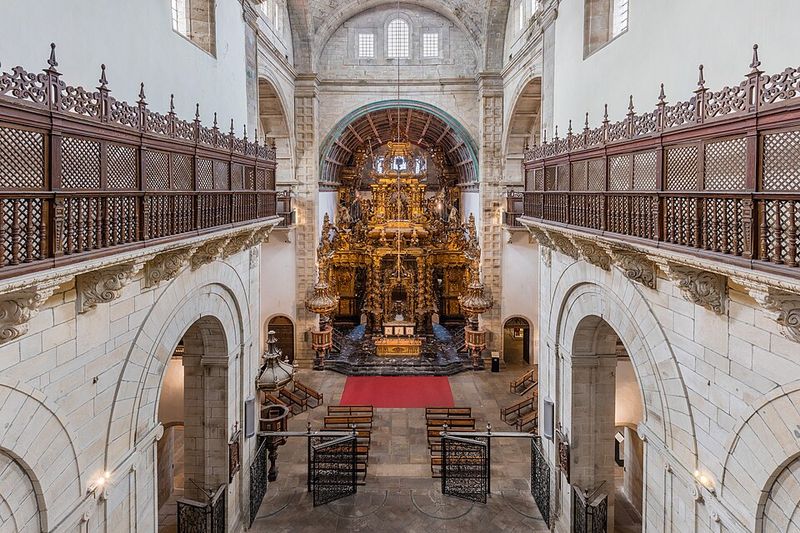
Pilgrims weep, laugh, and embrace strangers in the plaza facing the cathedral after completing their long journey along the Camino.
The massive Botafumeiro incense burner swings through the cathedral during special masses, requiring eight people to operate its pendulum-like arc.
Stone buildings and covered walkways create a medieval atmosphere throughout the old town, especially when rain glistens on ancient cobblestones.
Local pulpo (octopus) served on wooden plates with paprika and olive oil tastes especially delicious after you’ve walked hundreds of miles to get here.
18. Canary Islands
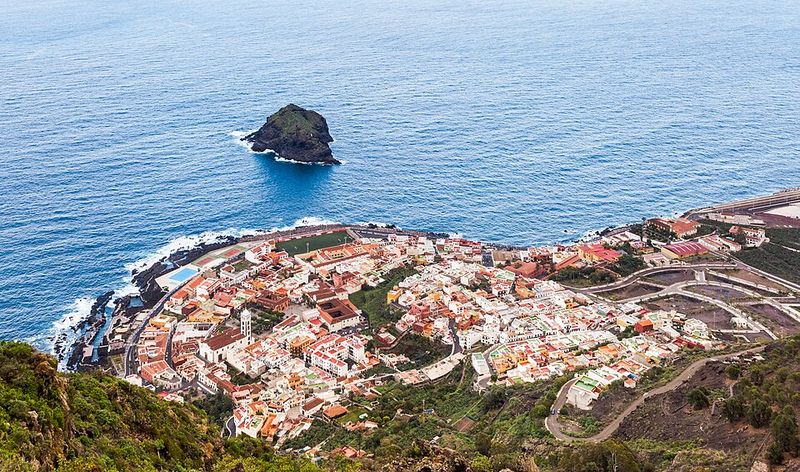
Seven volcanic islands float off Morocco’s coast, each offering wildly different landscapes from lunar-like lava fields to misty laurel forests.
Tenerife’s Mount Teide rises as Spain’s highest peak, where you can ride a cable car nearly to the summit for otherworldly views.
Black sand beaches on Lanzarote contrast sharply with golden stretches on Fuerteventura, proving variety is this archipelago’s superpower.
Year-round sunshine and spring-like temperatures make these islands perfect for escaping winter, with whale watching, surfing, and stargazing topping the activity list.
19. Toledo, Castile-La Mancha
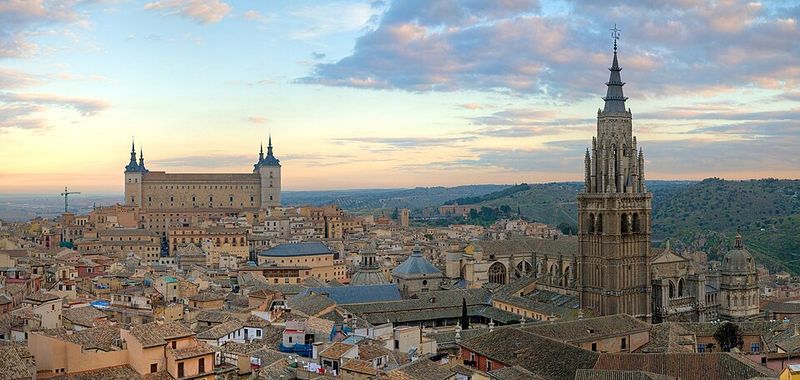
Medieval walls encircle this hilltop city where Christian, Muslim, and Jewish cultures coexisted for centuries, leaving behind an architectural treasure trove.
Narrow streets twist and turn like a maze, leading to hidden plazas where El Greco’s paintings hang in churches and museums.
The Alcázar fortress dominates the skyline, its imposing walls rising above the Tagus River that wraps around the city like a moat.
Sword-making traditions continue in workshops where craftsmen forge Toledo steel using techniques perfected over generations, creating blades fit for modern-day knights and collectors alike.
20. Bilbao, Basque Country
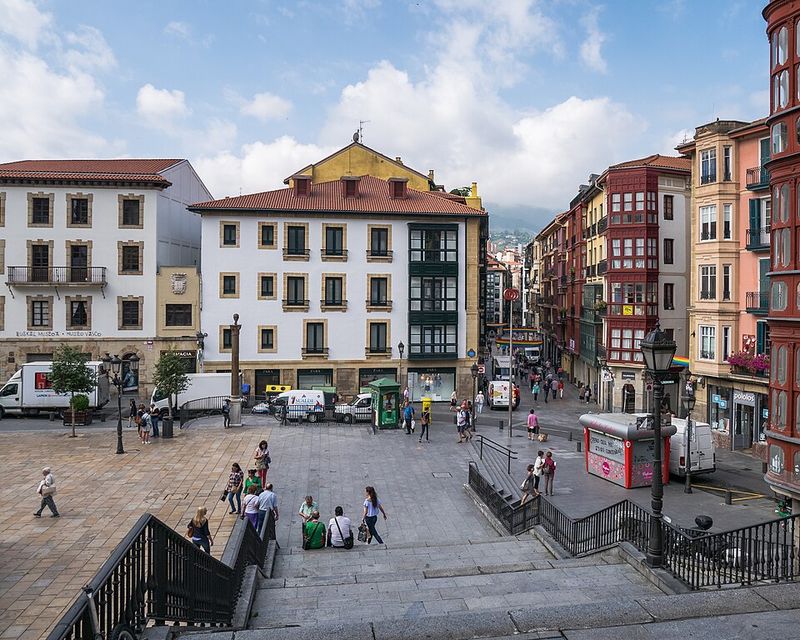
Frank Gehry’s titanium-clad Guggenheim Museum transformed this industrial port city into an international art destination practically overnight.
The building itself counts as a sculpture, with curved metallic surfaces reflecting clouds and changing appearance throughout the day.
Beyond the museum, pintxos bars pack the old quarter, where creative small bites balance atop bread slices like edible works of art.
Funicular railways climb surrounding green hills to viewpoints where the city spreads below, showing how Bilbao successfully reinvented itself while maintaining Basque character and traditions.