13 Sports Movie Villains Fans Love To Hate
Some movie bad guys are so perfectly awful that you almost want to cheer for them, almost. Sports movies have a unique talent for crafting villains who make your blood boil and your popcorn fly.
A sneaky golfer, a cold-blooded boxer, a ruthless coach who trains kids like soldiers—these characters linger in your memory long after the credits roll. A great sports movie villain thrives on arrogance, cunning, and zero remorse.
They do not just aim to win; they want to crush every dream standing in their way, turning friendly competition into high-stakes personal battles. Every sneer, every cheat, every merciless play feels designed to make audiences gasp, groan, or shout at the screen.
The best villains leave a mark on the hero’s journey and on pop culture itself. Fans quote their lines, imitate their gestures, and even laugh at the audacity of their schemes.
They are unforgettable because they push protagonists to their limits, revealing courage, heart, and resilience that might never have appeared without such extreme opposition. These sports movie villains are outrageous, cunning, and wildly entertaining.
Watching them fail is almost as satisfying as seeing the underdog triumph, and their legendary antics keep audiences talking, laughing, and cringing long after the final whistle blows.
1. Shooter McGavin (Happy Gilmore, 1996)

Nobody points finger guns quite like Shooter McGavin. Played by Christopher McDonald in Happy Gilmore, Shooter is the kind of guy who schedules his smirk before breakfast.
He is polished, entitled, and absolutely cannot stand that a hockey-playing loudmouth is outdriving him on every hole.
Shooter does not just compete, he schemes. Hiring a heckler, bribing officials, threatening Happy’s grandmother’s house, the guy has no floor.
However, every dirty move he pulls only makes Happy’s eventual triumph feel sweeter.
McDonald plays him so perfectly that fans still quote the character decades later. Pure, concentrated, golf-clad villainy.
2. Ivan Drago (Rocky IV, 1985)
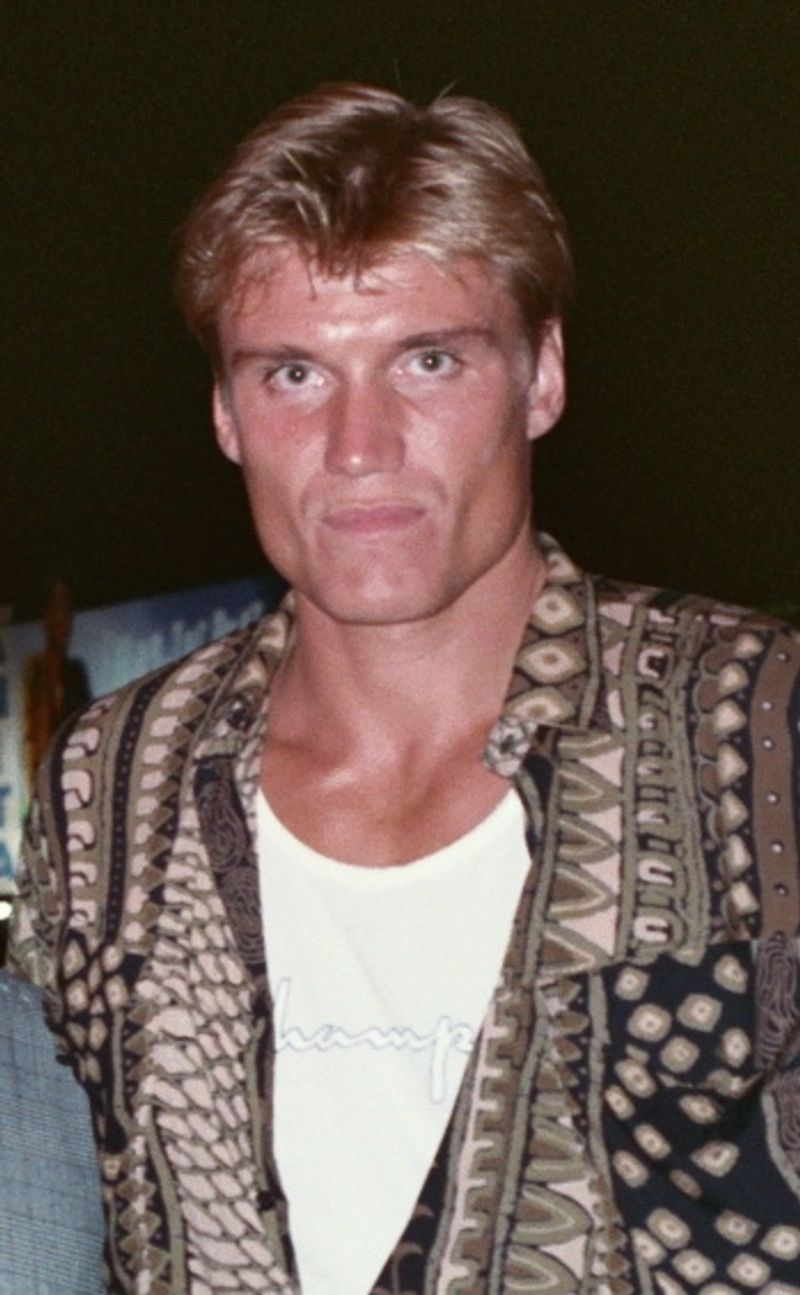
Cold as Siberia in January, Ivan Drago does not just fight opponents, he destroys them. Played by Dolph Lundgren in Rocky IV, Drago is the ultimate human weapon, scientifically engineered, emotionally detached, and built like a skyscraper made of bad news.
His infamous line, after ending Apollo Creed in the ring, made audiences gasp worldwide. No remorse, no hesitation, just terrifying efficiency.
Drago represents more than one man’s ego. He symbolizes a cold, mechanical system that strips away humanity.
Rocky beating him feels like punching an entire ideology square in the jaw.
3. Clubber Lang (Rocky III, 1982)
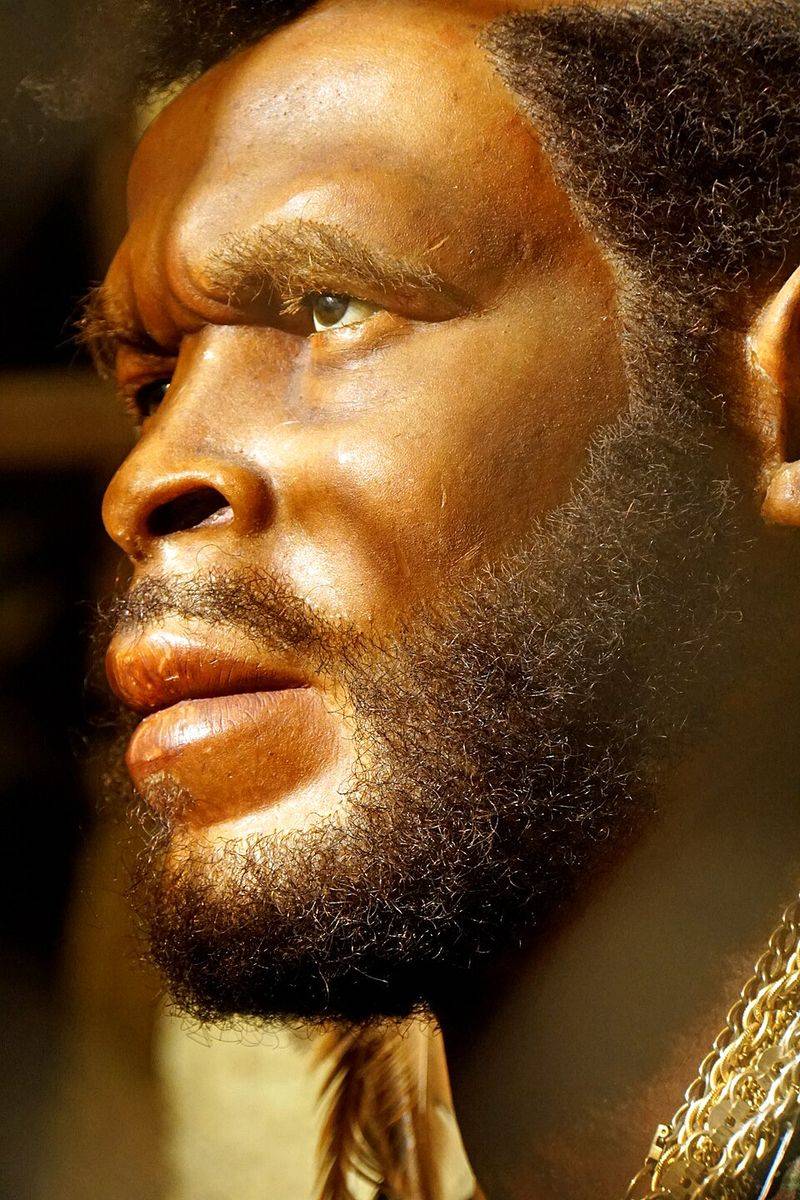
Pure aggression wrapped in a championship belt. Mr. T’s Clubber Lang arrives in Rocky III like a wrecking ball aimed at everything Rocky Balboa has built.
Loud, brutal, and brimming with contempt, Lang does not just want the title, he wants to humiliate the champion on the way down.
His taunts toward Rocky’s wife Adrian crossed every line audiences knew existed, instantly making him one of the most despised figures in boxing movie history. Yet somehow, you could not look away.
Clubber is raw hunger personified. Mr. T brought such ferocious energy to the role that the character became a cultural landmark.
Pity the fool who forgets him.
4. John Kreese (The Karate Kid, 1984)
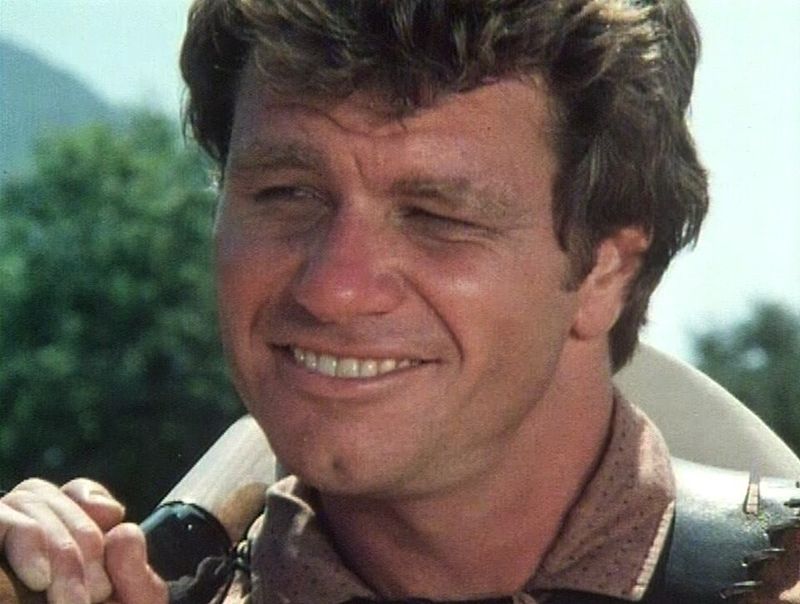
Strike first. Strike hard.
No mercy. John Kreese, played by Martin Kove in The Karate Kid, built an entire dojo around a philosophy that sounds less like martial arts and more like a villain’s manifesto.
He does not teach students how to fight. He teaches them how to destroy.
What makes Kreese especially chilling is his influence over impressionable teenagers. He weaponizes young people against a kid who just wants to fit in and stop getting sand kicked on him.
Decades later, Cobra Kai the series gave Kreese even more sinister depth. However, the original film captured his menace perfectly in just a few unforgettable scenes.
5. Biff Tannen (Back to the Future, 1985)

Not every sports villain wears a jersey, but Biff Tannen earns his spot here as the quintessential bully-turned-corrupt-powerhouse. Thomas F.
Wilson’s portrayal in Back to the Future gave audiences a character so infuriatingly smug that every scene he appeared in practically crackled with hateable energy.
Biff starts as a sports-obsessed high school bully who terrorizes George McFly, and in alternate timelines, grows into a full-blown corrupt tycoon. His obsession with domination, whether on the sports betting circuit or over everyone around him, makes him a timeless antagonist.
Wilson played Biff across multiple films and timelines, yet the character never lost his power to make viewers clench their fists.
6. Icebox’s Rival Coach (Little Giants, 1994)
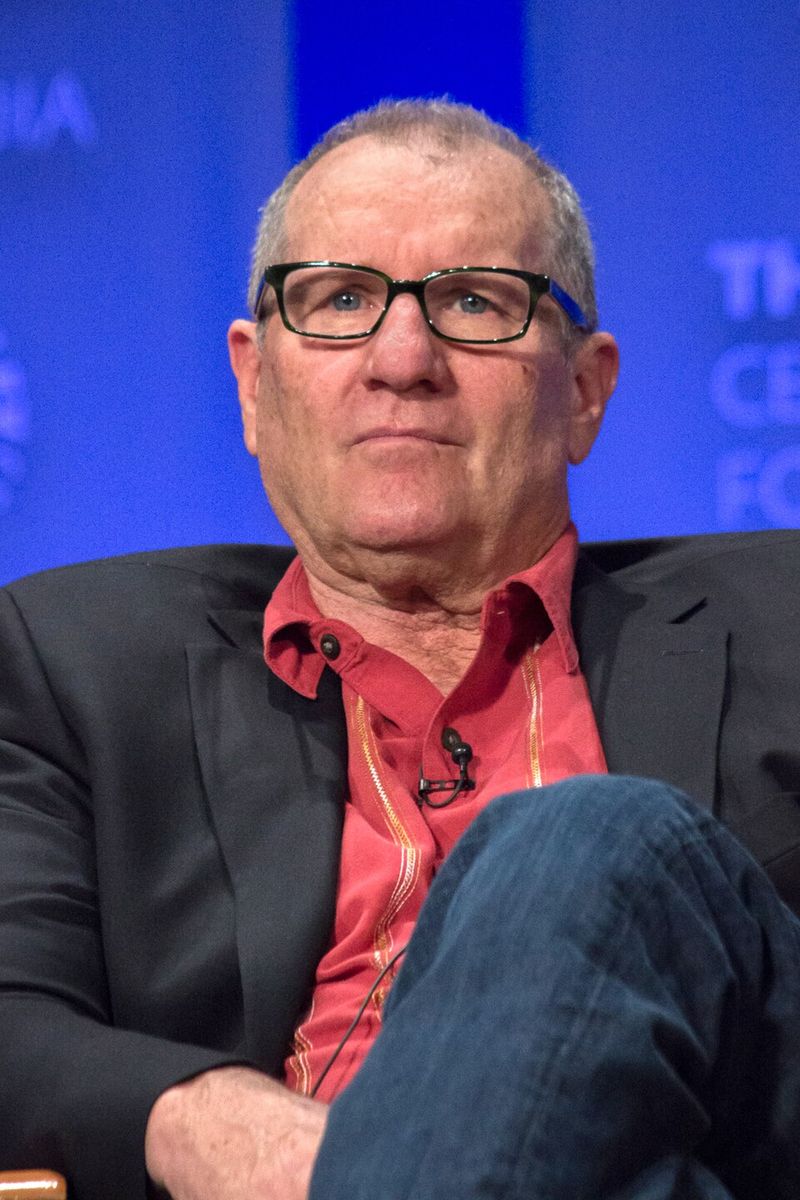
Kevin O’Shea, played by Ed O’Neil in Little Giants, is the older brother who turned sibling rivalry into a full-contact sport. As coach of the polished Urbania Cowboys, Kevin cuts his own niece from the team because she is a girl, sparking the entire underdog story that follows.
He is not a cartoon villain. He genuinely believes winning is everything and that sentiment makes him far more relatable, and far more dangerous.
His dismissal of the Little Giants as a joke fuels every practice montage and game-day miracle.
O’Neill plays the role sharp and funny, giving Kevin just enough charm to make his eventual humbling deeply rewarding. Rooting against him feels absolutely wonderful.
7. Roy Turner (Bad News Bears, 1976)
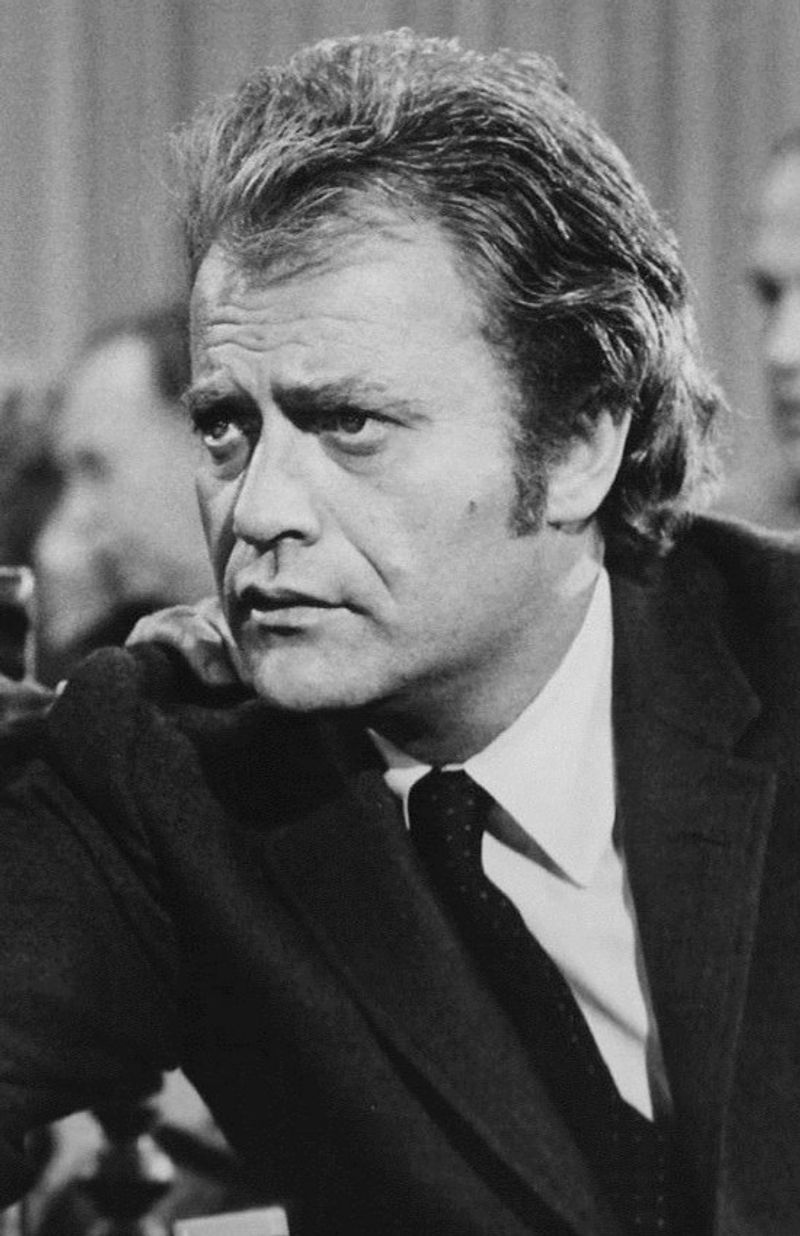
Youth sports should build character. Roy Turner, the rival coach in Bad News Bears, seems to have missed that memo entirely.
Driven purely by winning, he pushes his young players with the kind of pressure usually reserved for championship-level professional athletes, not kids in cleats.
His sharp contrast with the lovably flawed Buttermaker highlights everything wrong with adult egos invading children’s sports. Turner yells, intimidates, and prioritizes trophies over the well-being of actual human children.
The film uses Turner brilliantly to make a larger point about competition culture. If a sports movie villain makes you genuinely worried for fictional children, the filmmakers absolutely nailed the character.
8. Chet Steadman’s Rival (Rookie of the Year, 1993)
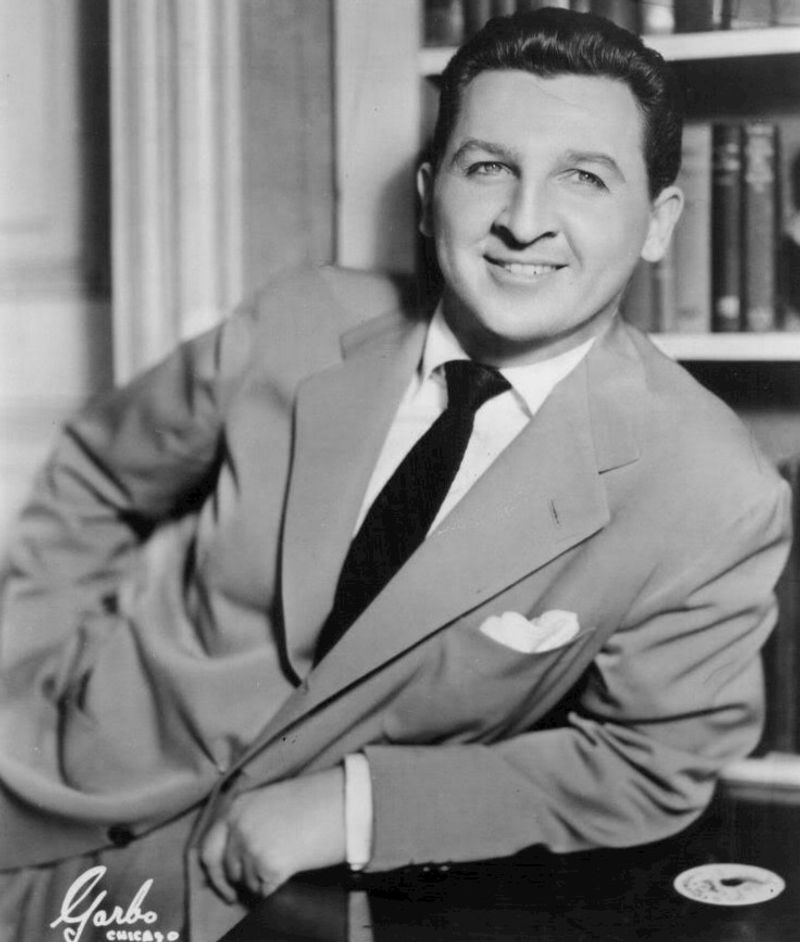
Larry Fisher, the Cubs’ slippery general manager played by Eddie Bracken in Rookie of the Year, is the kind of sports executive who treats a twelve-year-old pitching phenom as a financial asset rather than a kid. He is polished, opportunistic, and delightfully easy to dislike.
Fisher sees Henry Rowengartner’s freakish fastball arm purely as a ticket to profit. The moment the kid’s usefulness fades, Fisher is ready to move on without a second thought.
No loyalty, no heart, just numbers on a spreadsheet.
His scheming adds a layer of real-world sports business cynicism to a film built for younger audiences. Even kids watching could sense something deeply unfair about how Fisher operated.
9. Ernie Smits (The Cutting Edge, 1992)
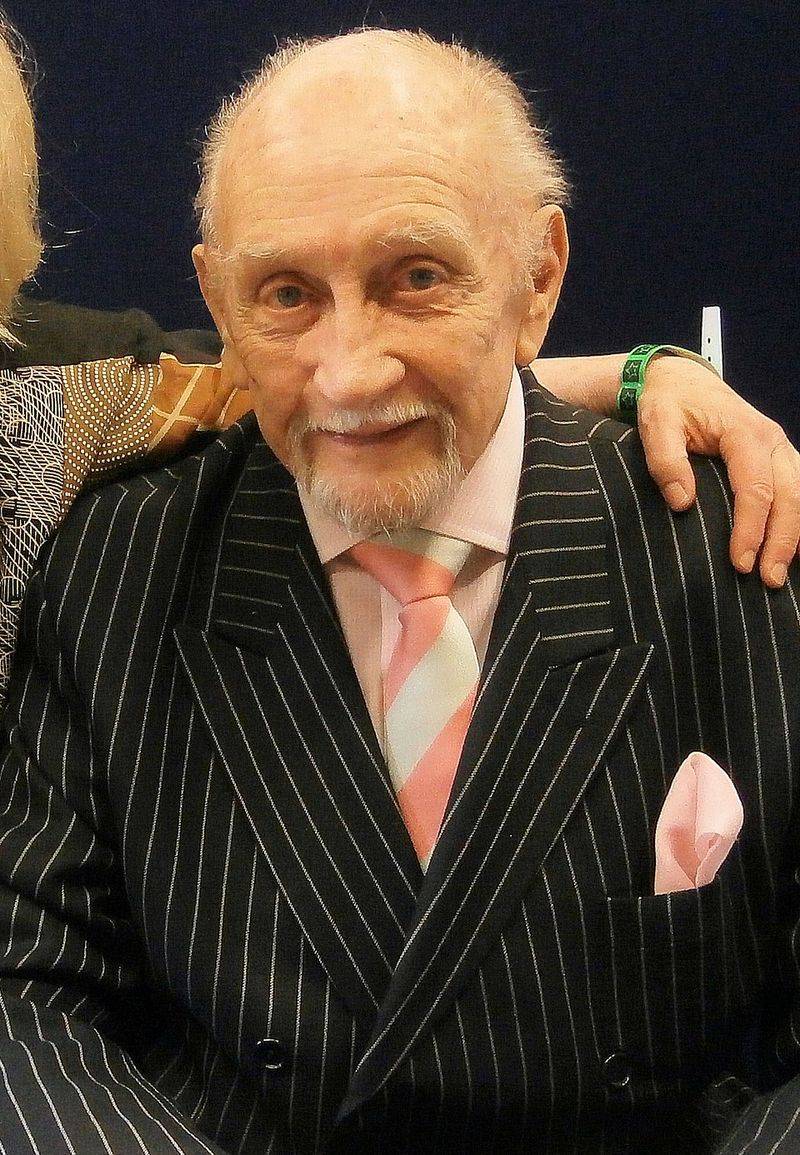
Figure skating movies have a special category of villain: the overbearing, credit-stealing coach who manipulates skaters for personal glory. Anton Pamchenko, played by Roy Dotrice in The Cutting Edge, fits perfectly.
Cold, controlling, and obsessed with legacy, Pamchenko treats his skaters like chess pieces.
He pairs the fiery Kate Moseley with the reluctant Doug Dorsey and then micromanages every inch of their partnership. His need for control nearly destroys the duo’s chemistry before it can even form.
However, watching Pamchenko’s careful manipulation unravel as Kate and Doug find their own rhythm is enormously satisfying. Control freaks rarely enjoy losing grip, and audiences rarely enjoy watching them keep it.
10. Bob Sugar (Jerry Maguire, 1996)
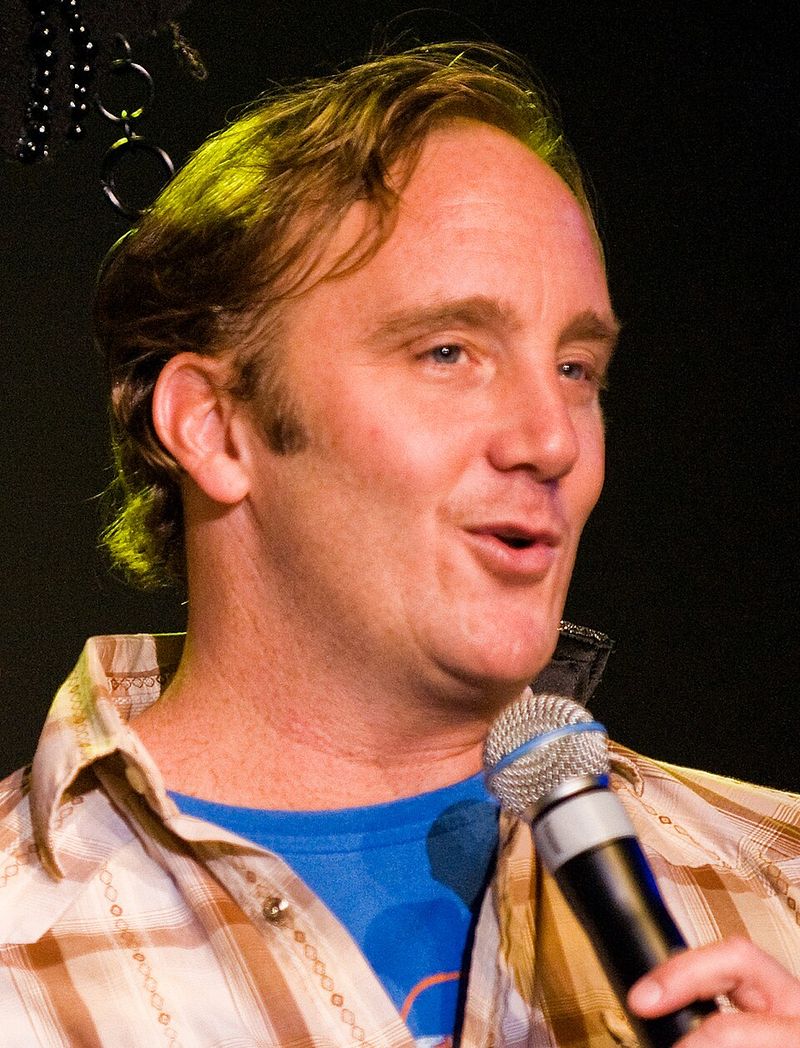
Betrayal dressed in a sharp suit. Bob Sugar, played by Jay Mohr in Jerry Maguire, fires his mentor Jerry over the phone, then immediately poaches every client.
No warning, no loyalty, just cold efficiency. Sports movies rarely deliver a villain quite so perfectly timed.
Sugar represents the ruthless corporate machinery behind professional sports, where relationships are transactional and kindness is a liability. Watching him thrive while Jerry struggles makes audiences genuinely furious on behalf of a fictional sports agent, which is remarkable storytelling.
Mohr plays Sugar with a skin-crawling confidence that makes every scene uncomfortable. You almost respect the audacity, but mostly you just want someone to cancel his agency contract permanently.
11. Warden Hazen (The Longest Yard, 2005)
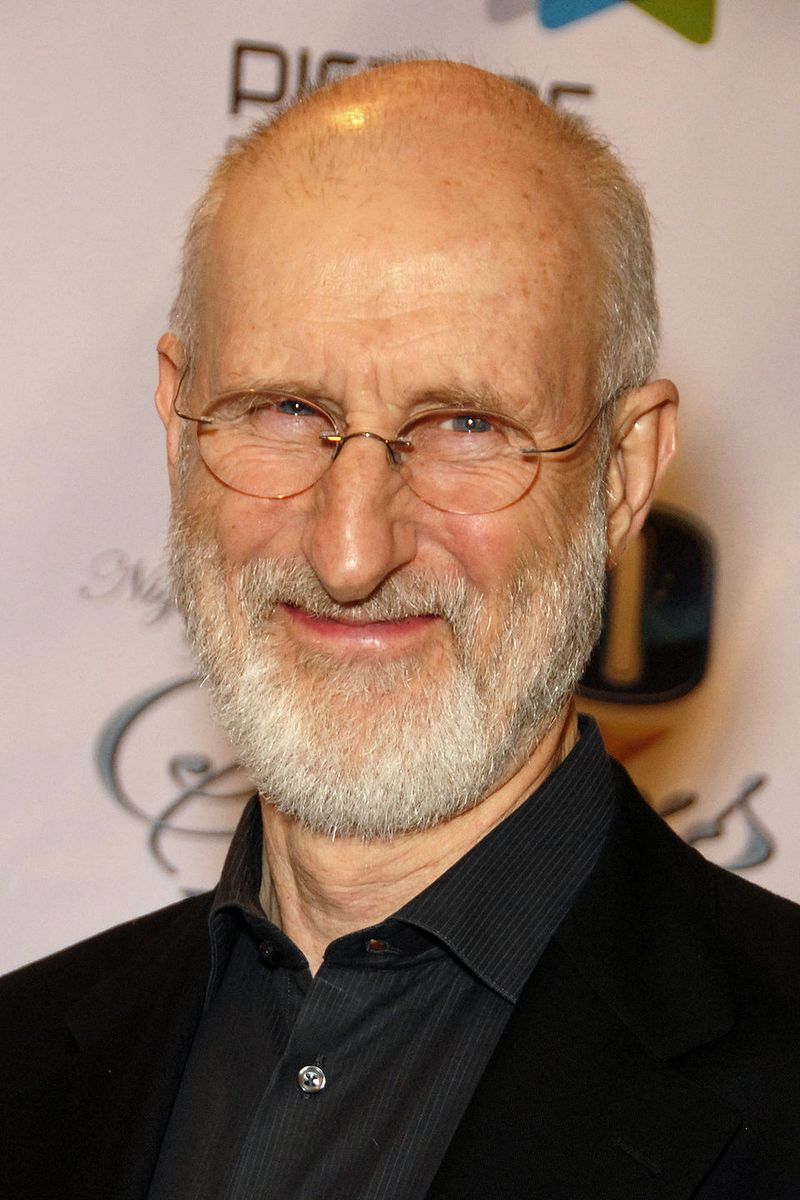
Power corrupts, and nobody in sports movie history wears corruption quite like Warden Hazen in The Longest Yard. Played by James Cromwell, Hazen runs his prison like a personal kingdom and uses football to maintain absolute control over inmates and staff alike.
Hazen rigs the game, threatens players, and manipulates the outcome with zero subtlety. He is the kind of authority figure who mistakes fear for respect, and the film gleefully exposes every crack in that foundation.
Cromwell brings a chilling dignity to the role that makes Hazen feel genuinely dangerous rather than cartoonish. Watching the prisoners finally push back against his rigged system delivers one of the most crowd-pleasing finales in sports comedy history.
12. Freddie Schembechler (Blue Chips, 1994)
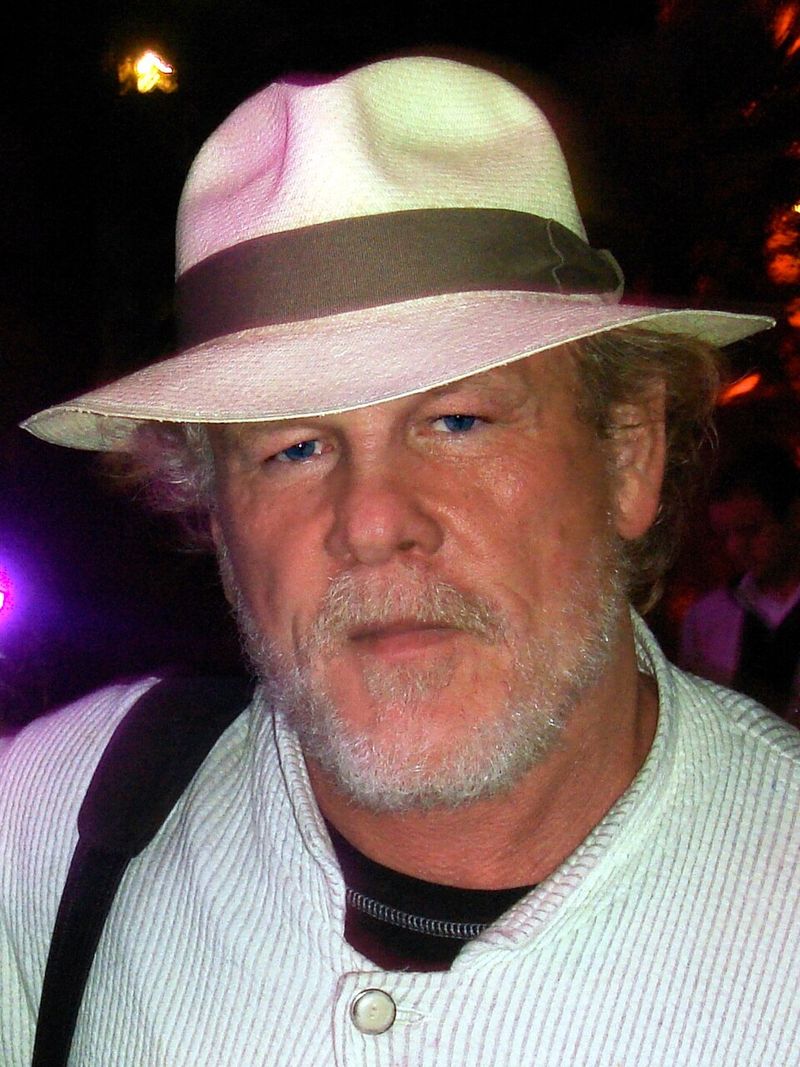
College sports corruption rarely gets a more entertaining face than Happy in Blue Chips. Played by Nick Nolte, Coach Pete Bell is actually the moral center of the film, but the boosters pressuring him into illegal recruiting represent a villain hiding in plain sight within the sports system.
The real antagonist is the culture of corruption itself, embodied by wealthy boosters who buy players like luxury cars and expect championships in return. No accountability, no consequences, just checkbooks and demands.
Blue Chips works because the villain is a broken system rather than one sneering individual. Fans who follow college sports recognized every uncomfortable detail, making the film land harder than any halftime speech ever could.
13. Chazz Michael Michaels (Blades of Glory, 2007)
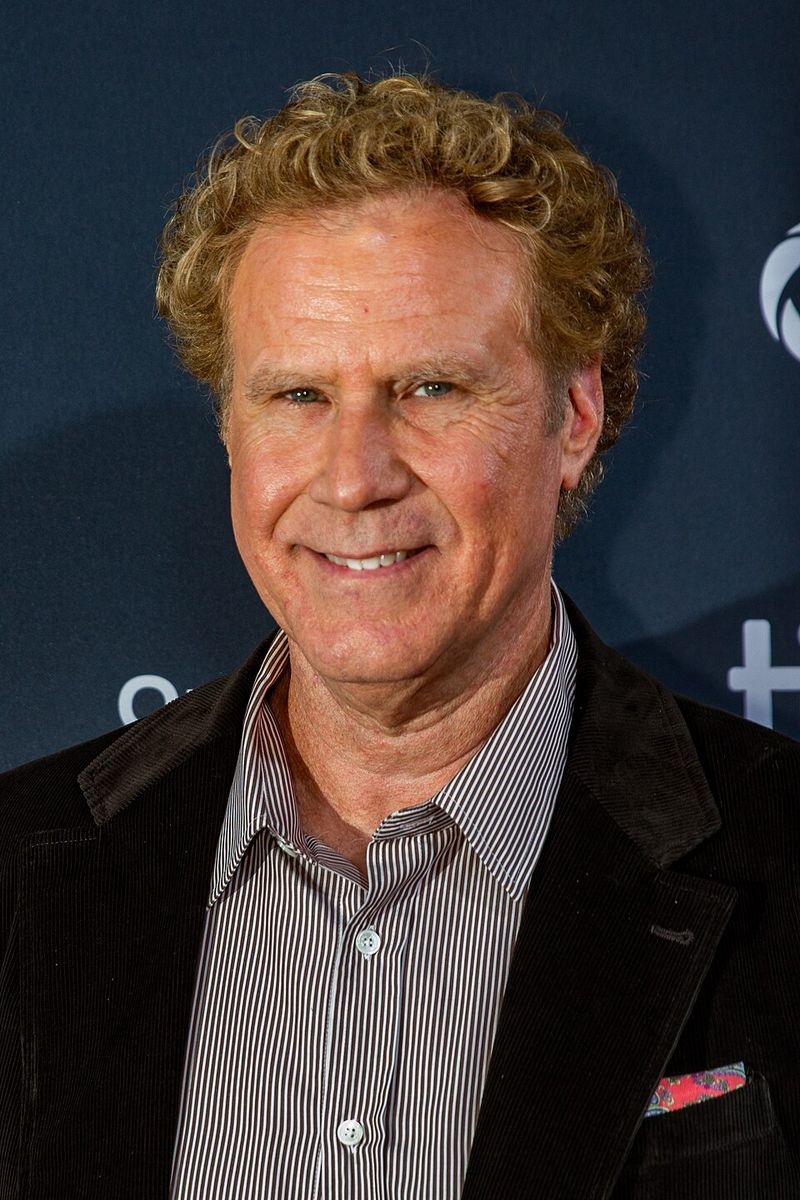
Chazz Michael Michaels describes himself as a panther on ice, and honestly, that sentence alone earns him villain status. Played by Will Ferrell in Blades of Glory, Chazz is ego wrapped in sequins, a self-appointed legend who treats every rink like his personal runway.
Still, Chazz gets a redemption arc, which makes the real villains the Van Waldenberg siblings, Jimmy and Stranz, played by Will Arnett and Amy Poehler. Scheming, manipulative, and hilariously petty, the Van Waldenbergs sabotage rivals and gaslight their own sister without blinking.
Arnett and Poehler turn competitive figure skating villainy into pure comedy gold. Watching their elaborate schemes collapse is as satisfying as a perfect triple axel landing every single time.