5 Iconic Spots Featured In Wuthering Heights
Few stories grip the soul like Wuthering Heights, Emily Brontë’s stormy tale of love, revenge, and windswept moors. Emerald Fennell’s 2026 adaptation channels Heathcliff and Catherine’s wild intensity, capturing moorlands that echo every heartbreak, betrayal, and forbidden passion. Fans of Thriller atmospheres in gothic romance or the brooding intensity of Rebecca will feel right at home.
Iconic scenes unfold near ancient ruins and sweeping Yorkshire landscapes, each echoing the drama that inspired decades of adaptations, from 1939 classics to modern reinterpretations.
Step into the moors and experience the real-life settings that brought Wuthering Heights to cinematic life; discover the haunting beauty that has fueled novels, films, and pop culture for generations.
1. Bridestones Moor
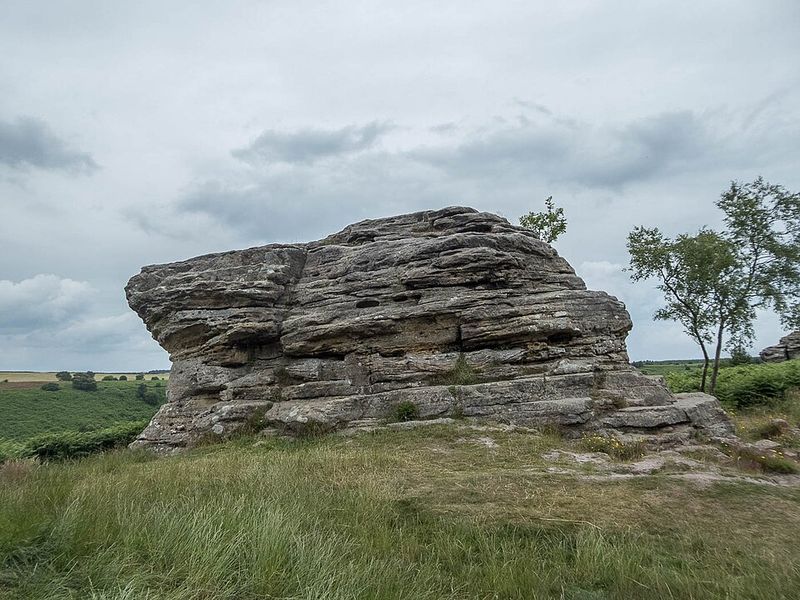
Carved by centuries of wind and rain, Bridestones Moor near Todmorden looks like something straight out of a fantasy film. Its towering sandstone formations twist into almost alien silhouettes, making it the perfect stand-in for Bronte’s otherworldly moorland.
Scenes filmed here capture the eerie, untamed atmosphere that makes Wuthering Heights so unforgettable. If rocks could tell stories, these ancient gritstone giants would have some seriously dramatic tales to share!
2. Booze Moor, Arkengarthdale
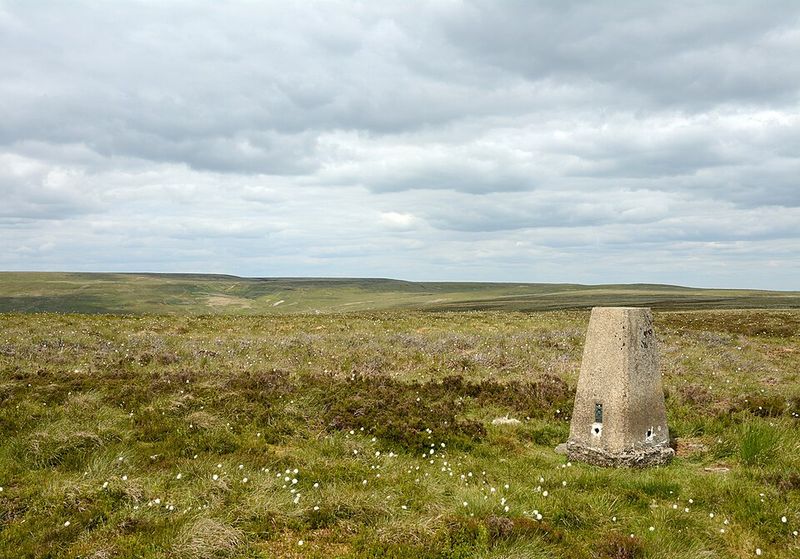
Yes, Booze is a real place, and no, we are not pulling your leg! Booze Moor in Arkengarthdale is one of the most remote and cinematic landscapes in all of Yorkshire.
Stretching wide under dramatic skies, this high exposed moorland gave the 2026 film its most breathtaking wide-angle shots. The sheer emptiness here speaks volumes about the isolation Heathcliff and Catherine feel throughout the story.
Wild, windswept, and wonderfully moody.
3. Reeth Moor
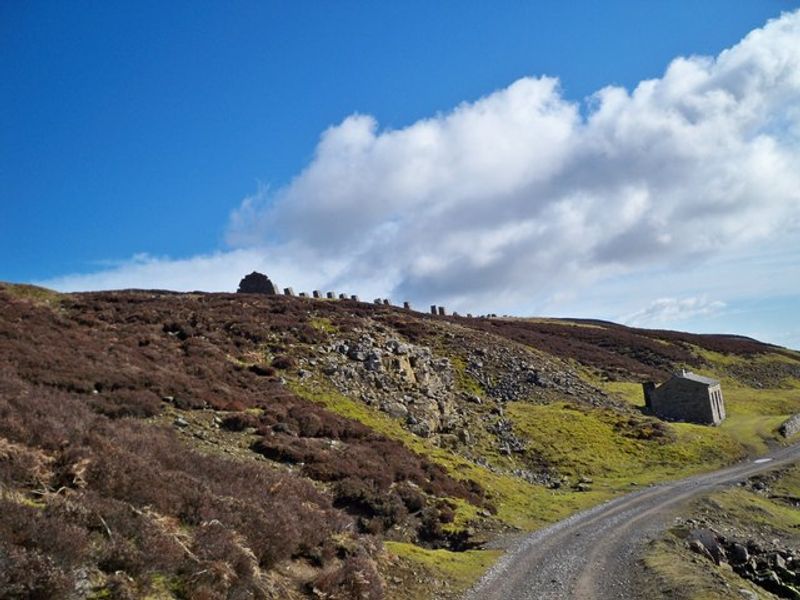
Rolling across Swaledale like a rumpled green blanket, Reeth Moor carries the kind of quiet intensity that Bronte herself might have admired on a stormy afternoon walk. The landscape here feels alive, brooding, and endlessly cinematic.
How could any filmmaker resist those sweeping heather-covered hillsides? Reeth Moor brings a raw, grounded energy to the film, grounding the story’s emotional chaos in something real, rugged, and deeply Yorkshire.
4. Seal Houses Moor
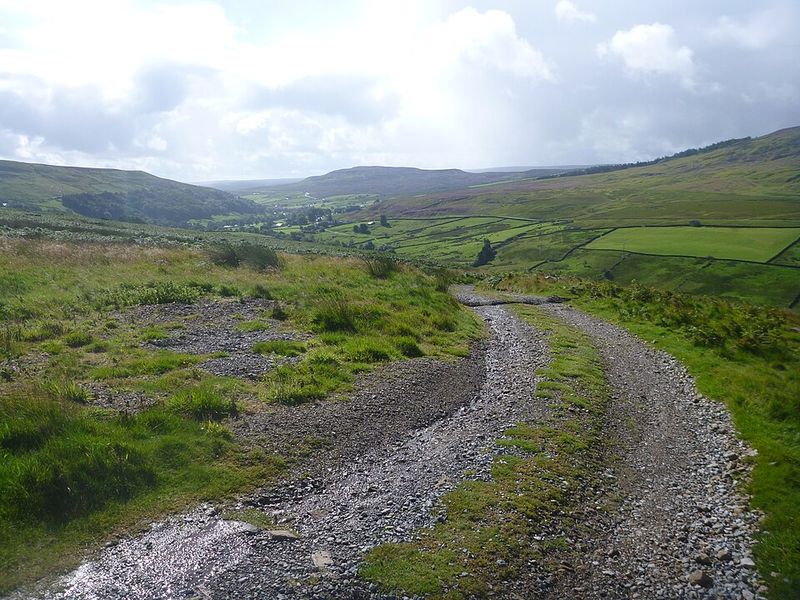
Where the horizon stretches endlessly and silence wraps around you like a cold fog, Seal Houses Moor delivers exactly the kind of desolate grandeur that Wuthering Heights demands. This quiet corner of the Yorkshire Dales rarely gets the spotlight, but the 2026 film changed that.
Scenes shot here radiate isolation and longing. The moor’s stark beauty makes every frame feel like a painting, moody, gorgeous, and impossible to look away from.
5. Knole
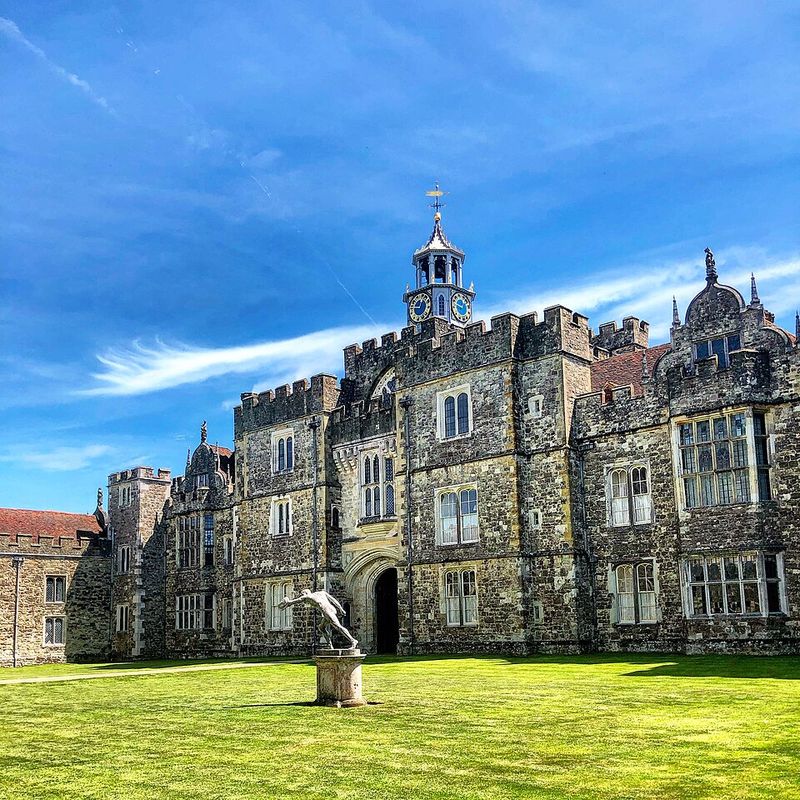
Though Knole sits in Kent rather than Yorkshire, its ancient stone walls and sprawling estate carry an atmosphere that feels centuries old and completely timeless. This grand historic house has appeared in countless period productions, and Wuthering Heights is no exception.
Knole’s weathered grandeur adds a layer of aristocratic tension to the film’s visual storytelling. Sometimes the best moor scenes need a stately contrast, and Knole delivers that beautifully.
Share this with someone who loves a good historical setting!