12 Spy Movies That Defined The Genre
Close the door. Check the room. We do not talk about this out loud.
For decades, films have slipped coded messages, dead drops, and escape routes onto the screen, teaching audiences how espionage feels long before they understand how it works.
Every glance mattered, every move carried risk. The films ahead didn’t just entertain.
They wrote the playbook, one quiet mission at a time.
Important: This article reflects editorial commentary on influential spy films and genre milestones, with “defined the genre” representing cultural impact rather than a single measurable metric. Availability, versions, and ratings can vary by region and platform.
12. Dr. No (1962)

Arrival in Jamaica marks the beginning of a new kind of spy adventure, complete with a metal-handed villain and effortless cool. Debut status matters here, as Dr. No introduced audiences to 007 along with sharp suits, sleek cars, and a license to thrill.
Glamour replaced grim seriousness, proving espionage stories could feel exciting rather than weighed down by Cold War heaviness.
Future spy films followed the blueprint, borrowing gadgets, attitude, and confidence from what worked so well the first time.
Moments like a signature catchphrase or a stylish escape still echo that influence, tying modern espionage fantasies back to where it all began.
11. From Russia With Love (1963)
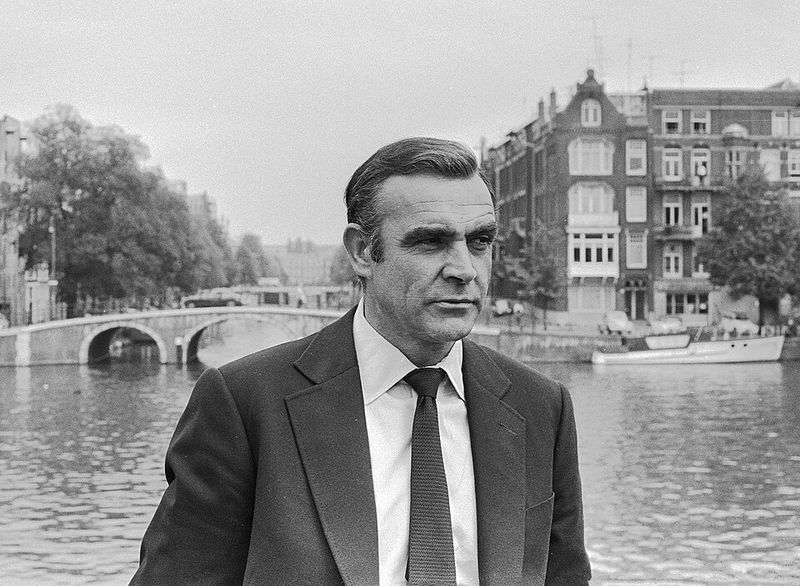
Cold War tension replaces tropical glamour as a second mission unfolds aboard trains and in cramped compartments.
In From Russia with Love, higher stakes take shape through sharper villains, tighter fights, and gadgets grounded in practicality rather than fantasy. Proof arrives quickly that early success was no fluke.
Espionage and action merge into a formula built on suspense, danger, and momentum that still holds up decades later.
Icon status follows small details, with a weapon-packed briefcase showing how spies could stay clever, dangerous, and stylish all at once.
10. Goldfinger (1964)
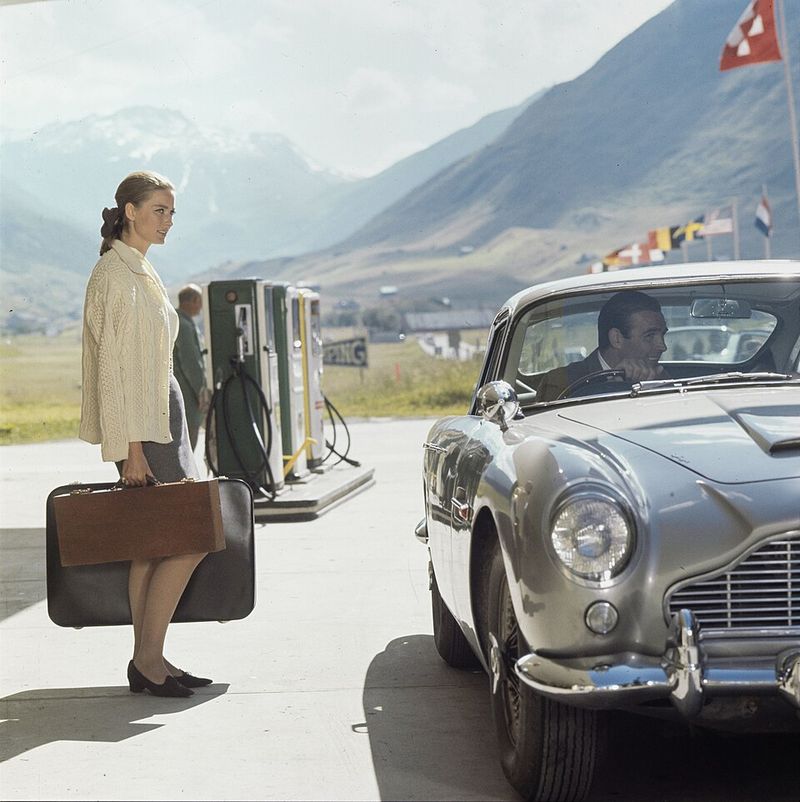
Goldfinger turned the Bond formula into pure spectacle, pairing an outrageous Fort Knox plot with signature gadgets. Goldfinger took the spy formula and turned the volume up to eleven, creating the template every Bond film since has followed.
The Aston Martin DB5 became more famous than most real-world sports cars.
This movie showed that spy films could be pure spectacle without losing their edge. When your calendar reminds you it’s movie night, this is the one that defined what big-screen espionage should feel like.
9. North By Northwest (1959)
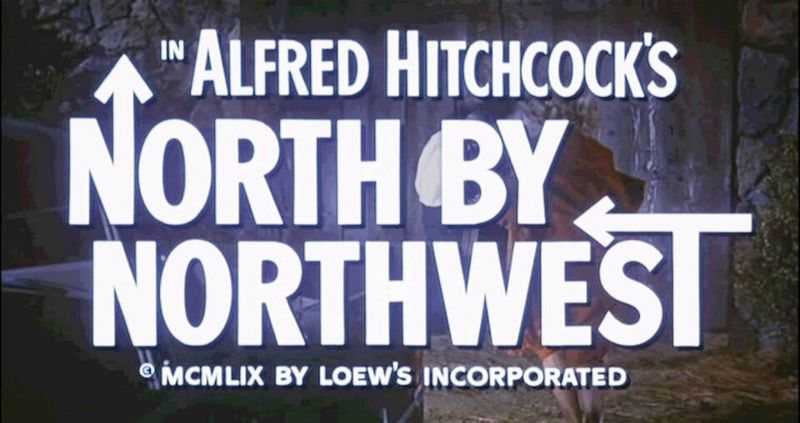
Mistaken identity turns everyday life into a relentless chase. An advertising executive becomes the target in North by Northwest, forced to outrun danger from crop-dusting planes to the heights of Mount Rushmore after being confused for a spy.
Ordinary vulnerability fuels the suspense, as an innocent man scrambles to survive a situation he never chose.
Direction by Alfred Hitchcock transforms paranoia into pulse-pounding momentum, proving gadgets are optional when tension is built with precision. Lasting influence traces back here, with the famous plane sequence still tightening nerves and shaping every spy story built around someone pulled into peril by accident.
8. Notorious (1946)
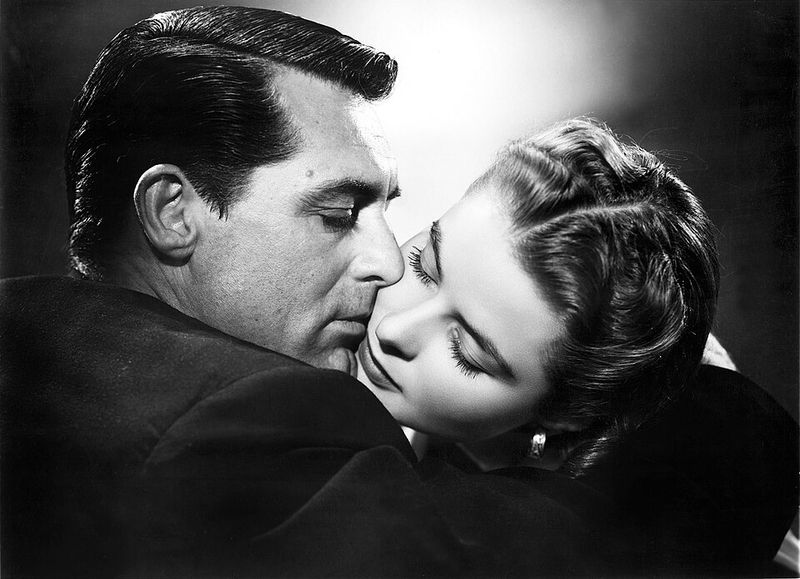
Espionage meets romance in a story where trust is the rarest commodity.
A woman is recruited to infiltrate a Nazi-connected group in South America while falling for her handler, creating tension that comes from the heart, not just the mission. Hitchcock proved that spy stories could be as much about emotional danger as physical peril.
The famous kissing scene showed that passion and suspense mix perfectly. When your kettle clicks off and you settle in for a classic, this one delivers suspense that feels personal and real.
7. The 39 Steps (1935)
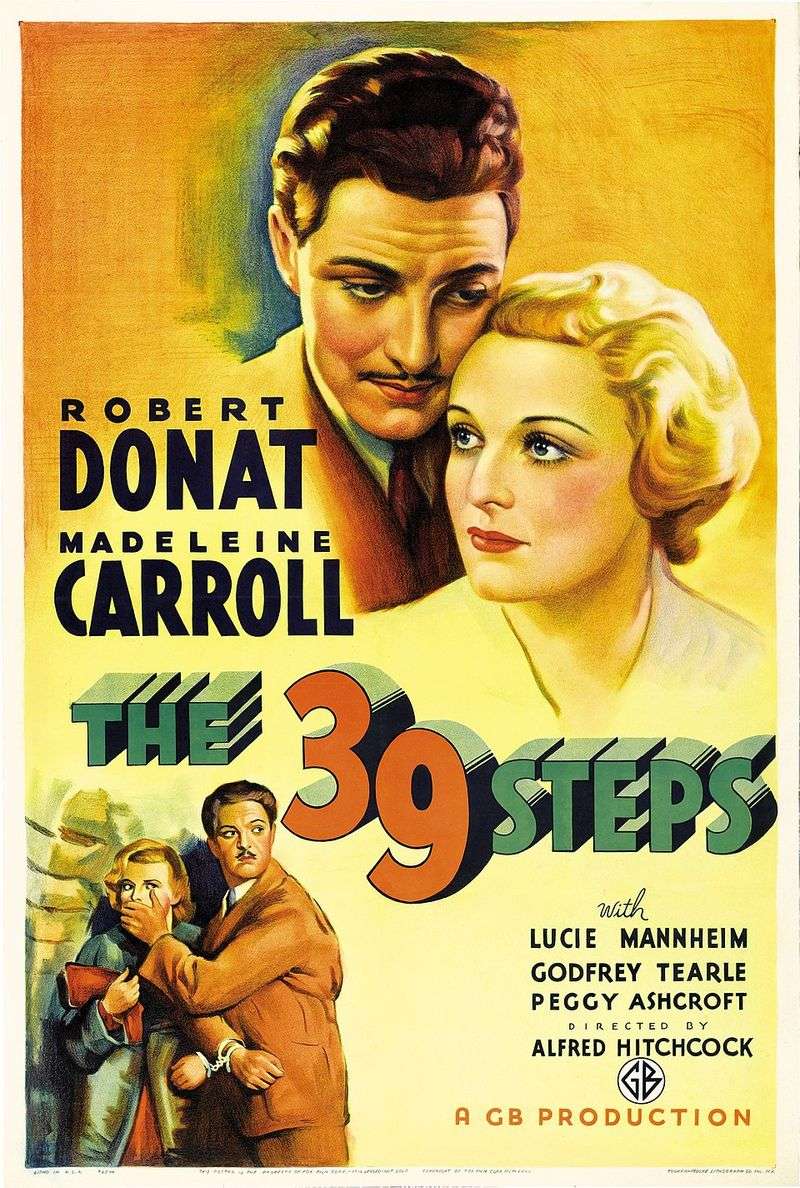
Nightlife excitement collapses into danger when an ordinary man wakes up framed for murder with spies closing in. Early momentum in The 39 Steps established the chase-driven template, where shifting alliances and constant twists make trust impossible.
Innocent figures pulled into espionage first took shape here, long before the genre had formal rules.
Speed and suspense proved essential, showing decades ahead of Bond or Bourne that spy stories could move fast and keep audiences guessing. Modern thrillers built on paranoia and blurred loyalties still trace their DNA back to this groundbreaking classic.
6. Foreign Correspondent (1940)
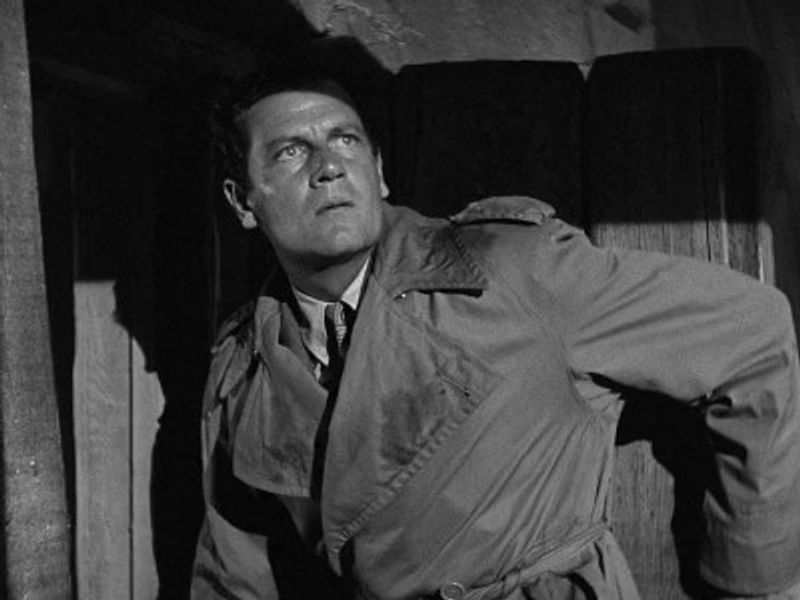
Urgency pulls a journalist into danger after an overseas assignment spirals into spies, assassinations, and wartime secrets. Blending reporting with espionage, Alfred Hitchcock frames truth-seeking as just as perilous as any covert mission in Foreign Correspondent.
World War II tension drives the story forward, delivering suspense that rarely pauses for breath.
Ordinary settings turn treacherous, with the famous windmill sequence revealing how familiar places can conceal deadly stakes. Momentum like this still works on busy days, offering a reminder that curiosity often opens the door to unexpected adventure.
5. Charade (1963)
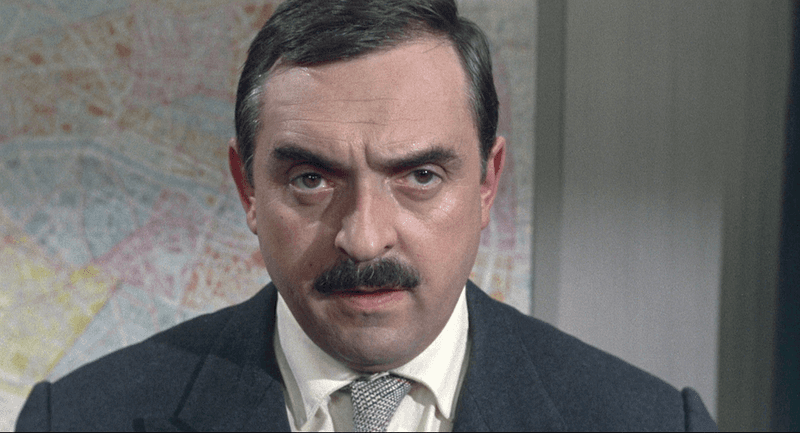
Paris intrigue unfolds through stolen gold and a widowed woman unsure which charming stranger offers help and which carries lethal intent.
Playful wit defines Charade, blending Hitchcock-style suspense with romantic comedy sparkle without dulling the danger. Chemistry between Cary Grant and Audrey Hepburn turns peril into something irresistibly fun to watch.
Espionage proves lighter on its feet here, delivering elegance and excitement that still fit perfectly into quiet moments when smart entertainment feels just right.
4. Marathon Man (1976)
Sudden danger crashes into ordinary life when a graduate student is dragged into a nightmare of Nazi war criminals, stolen diamonds, and a notorious interrogation sequence that still unsettles viewers.
Grit replaces glamour in Marathon Man, presenting espionage as brutal, paranoid, and rooted in street-level fear rather than fantasy.
Infamy followed the dental torture sequence, which continues to make audiences squirm decades after its first shock. Raw intensity reshaped expectations, proving spy thrillers could feel visceral and uncomfortably real.
Moments like this still land hard, delivering relentless tension for anyone ready to dive into something that doesn’t soften its intensity.
3. Mission: Impossible (Film Series)

The series became known for headline stunts that helped redefine the modern spy blockbuster.
This franchise redefined the modern spy blockbuster by making the stunts as important as the story, proving that audiences craved real danger performed by real actors. Each film pushed the limits of what action sequences could achieve.
The impossible became possible, and multiplex espionage was never the same. When your phone buzzes with plans for movie night, this series delivers adrenaline that keeps hearts pounding from opening to credits.
2. The Bourne Identity (2002)
Memory vanishes as danger arrives, leaving two bullets in a man’s back and skills with no explanation.
Espionage takes a sharp turn in The Bourne Identity, abandoning tuxedos and martinis in favor of shaky cameras, brutal hand-to-hand combat, and a hero who feels exposed and real.
Uncertainty drives the performance from Matt Damon, proving spies can be scared, confused, and still dangerously effective.
Genre expectations reset overnight, pushing spy thrillers toward speed, grit, and grounded realism. Modern espionage that feels plausible traces its turning point back to this moment.
1. Tinker Tailor Soldier Spy (2011)
No car chases, no explosions, just quiet rooms where every word could be a lie and every colleague might be a traitor. This film brought back the slow-burn, tradecraft-focused espionage story, proving that suspense doesn’t always need action.
Gary Oldman’s performance as the patient spy hunter showed that thinking can be as thrilling as fighting.
The movie reminded audiences that real espionage is about suspicion, patience, and piecing together clues. When your calendar reminder glares and you want something that respects your intelligence, this delivers smart, meticulous storytelling.