18 Standout Korean Horror Films To Know
Korean horror has a talent for getting under the skin long before anything fully explodes.
One scene can look calm, almost ordinary, and then the mood starts twisting until the whole thing feels off in a way your brain does not appreciate at all.
These films know how to weaponize atmosphere, family tension, grief, folklore, guilt, and the simple terror of realizing nobody in the room is nearly as safe as they look.
Jump scares may show up, sure, but they are rarely doing all the heavy lifting. Great Korean horror likes to creep closer first.
It builds dread with patience, then drops something disturbing enough to follow you around long after the credits.
For anyone ready to meet the films that made this corner of horror impossible to ignore, this lineup is a very good place to start.
Disclaimer: This article is intended for general informational and entertainment purposes only. Film selections and interpretations of Korean horror reflect editorial opinion, and individual viewers may differ on which titles best represent the genre’s strongest and most influential entries.
1. Phone (2002)

How dangerous can a phone number really be? In this 2002 Korean chiller, the answer is very.
A journalist changes her number to escape a stalker, only to discover her new number comes with a supernatural curse attached.
Phone cleverly taps into early 2000s anxieties around technology and communication, wrapping them in ghost-story packaging that genuinely delivers.
The film features one of the most unsettling child performances in Korean horror history, and that scene will stay with you for days.
2. A Tale of Two Sisters (2003)

Inspired by a Joseon-era Korean folktale called Janghwa Hongryeon, this film is as gorgeous as it is deeply disturbing.
Two sisters return home after time in a mental institution, only to face their cold stepmother and a house full of dark secrets.
Director Kim Jee-woon layers every scene with visual symbolism and psychological tension so thick you could cut it. Nothing is straightforward, and the story rewards patient viewers who pay close attention.
It was so well-received internationally that Hollywood remade it in 2009.
3. Into the Mirror (2003)
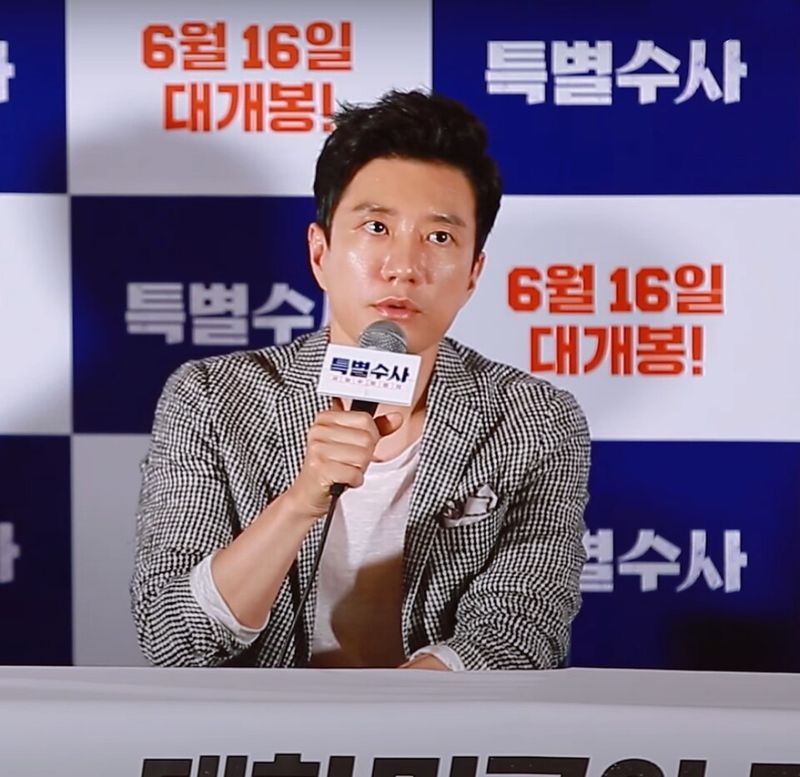
Mirrors have always been creepy, and this film leans into that fear with full commitment.
Into the Mirror follows a former cop turned security guard investigating a series of mysterious passings inside a department store before its grand reopening.
The concept of mirrors showing something different from reality is used here to brilliant and terrifying effect.
Though it was later remade in the United States as Mirrors in 2008, the Korean original carries a quieter, more psychological dread that feels far more unsettling.
4. R-Point (2004)
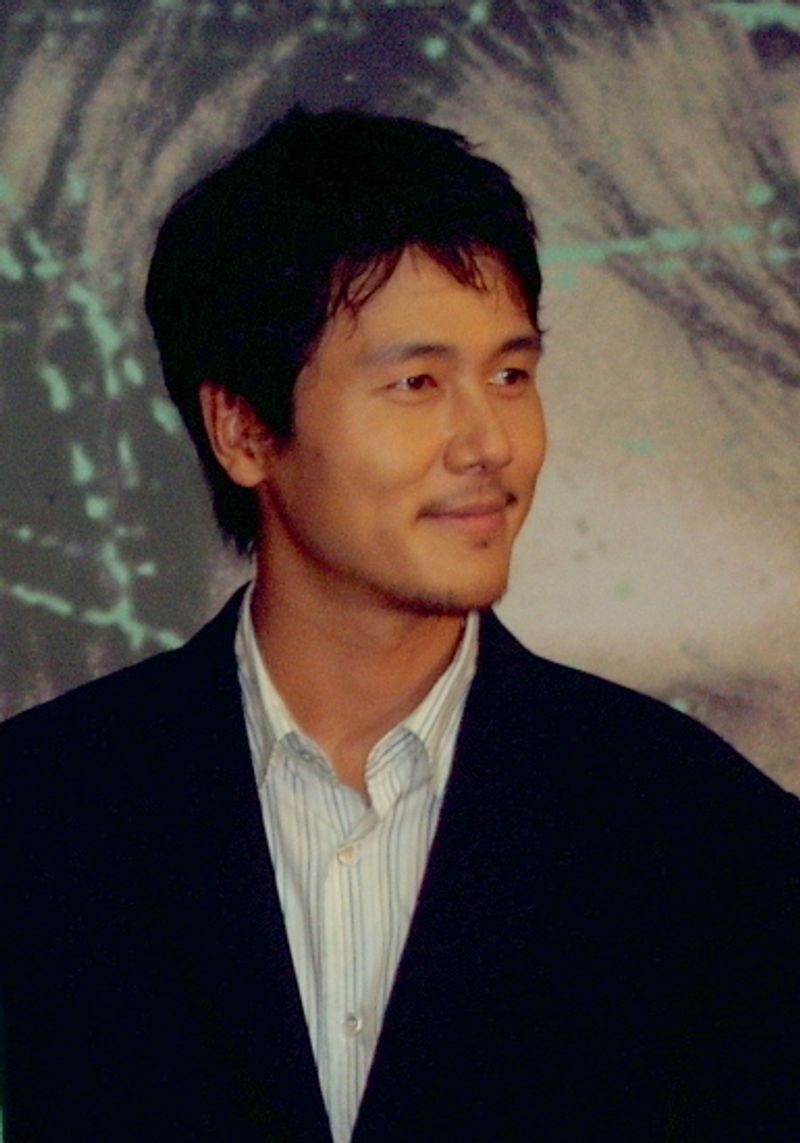
War horror is a rare subgenre, and R-Point does it better than almost anyone.
Set during the Vietnam War, a squad of Korean soldiers is sent to investigate a distress signal from a unit that was officially listed as gone months earlier.
What follows is a slow-burn nightmare that blends military tension with supernatural horror in ways that feel genuinely original.
The isolated jungle setting and the growing paranoia among soldiers create dread that builds steadily without relying on cheap jump scares.
5. Three… Extremes (2004)
Three horror directors, three countries, one anthology of pure nightmare fuel.
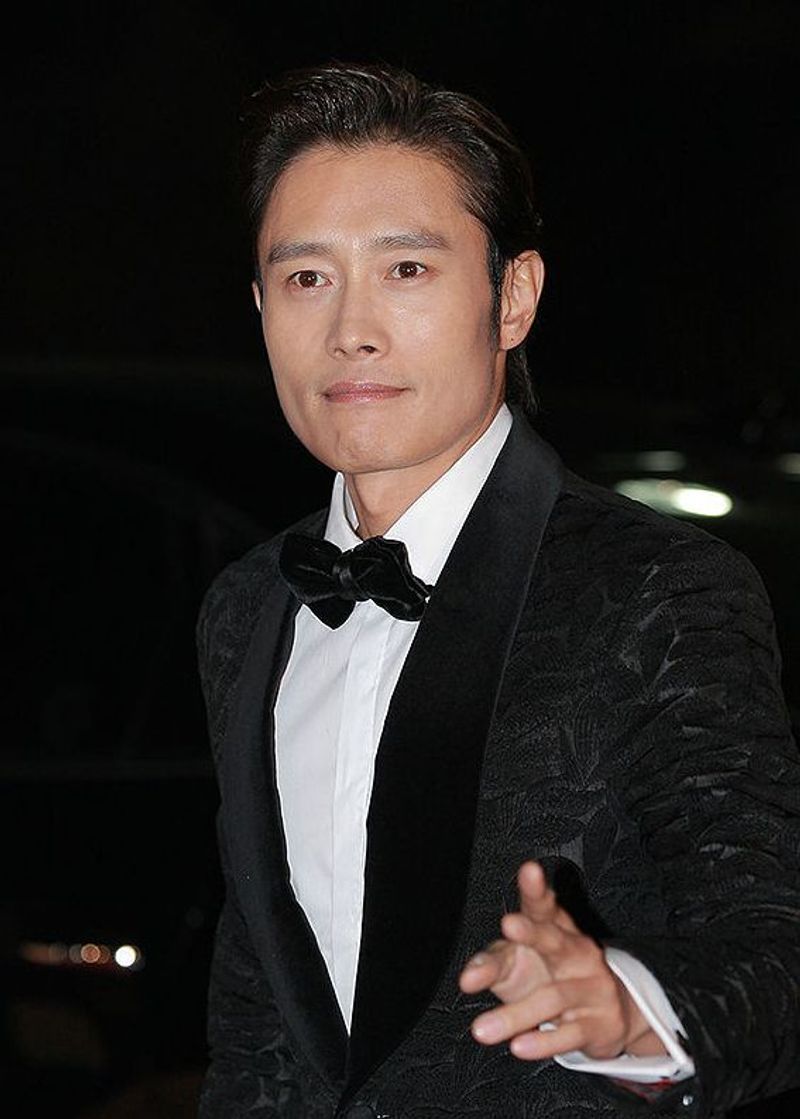
Three… Extremes brought together Fruit Chan from Hong Kong, Park Chan-wook from South Korea, and Takashi Miike from Japan, each delivering a short film designed to disturb on a primal level.
Park Chan-wook contributed Cut, a darkly twisted tale about a filmmaker held hostage in a surreal recreation of his own home. It is wildly inventive and morally complex in ways that feel uniquely Korean.
The anthology format means you get three completely different flavors of horror in one sitting.
6. The Red Shoes (2005)

Loosely inspired by Hans Christian Andersen’s classic fairy tale, The Red Shoes takes that story somewhere far darker and far more Korean.
A woman going through a painful divorce discovers a pair of pink shoes on a Seoul subway platform and brings them home.
From that moment, obsession and violence follow wherever the shoes go. The film plays with vanity, desire, and the cost of wanting what belongs to someone else.
Visually, it is stunning, with bold colors used deliberately to unsettle rather than comfort.
7. The Host (2006)

Bong Joon-ho, the genius behind Parasite, delivered one of the most thrilling creature movies ever made with The Host.
A mutant creature rises from the Han River in Seoul and snatches a young girl, sending her dysfunctional family on a desperate rescue mission.
The family at the center is flawed, funny, and deeply lovable, making every moment of danger genuinely tense.
Blockbuster entertainment with actual ideas underneath, that is the Bong Joon-ho guarantee.
8. Thirst (2009)
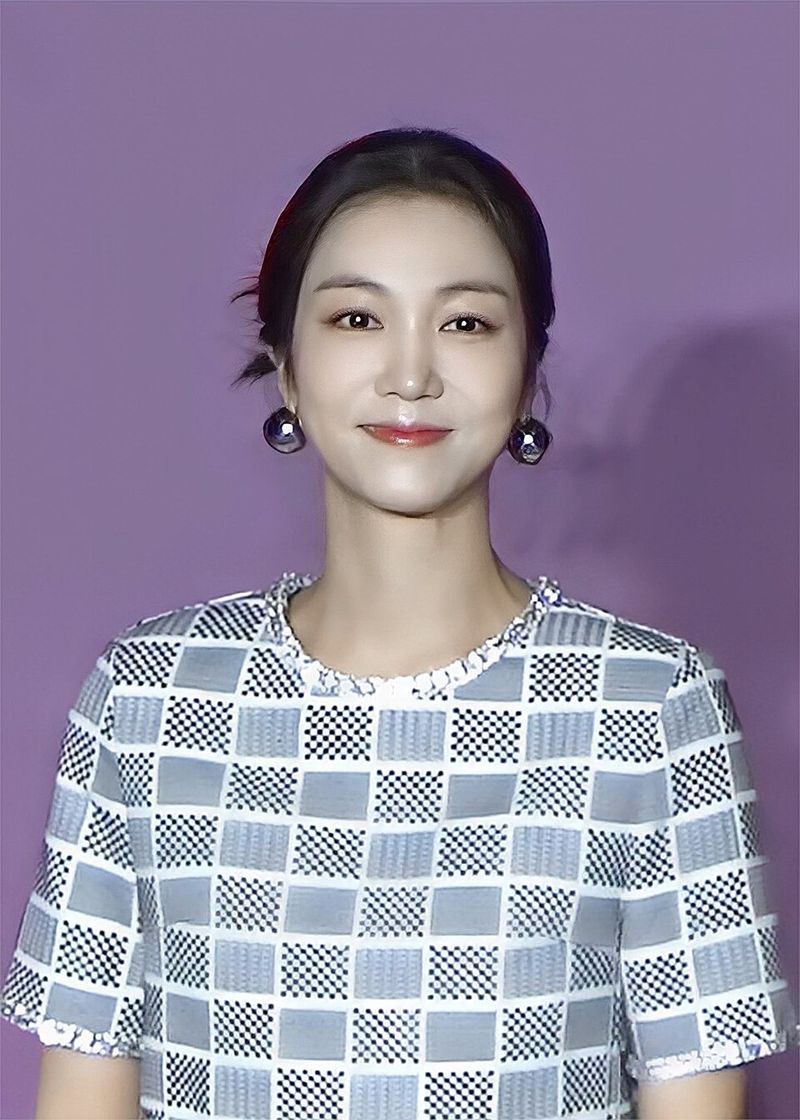
What happens when a priest becomes a vampire? Park Chan-wook answered that question with Thirst, one of the most unusual and morally complex horror films ever made.
A devoted Catholic priest volunteers for a medical experiment and emerges as something no theology class prepared him for.
The film blends horror, dark romance, and biting social commentary into something completely singular.
It won the Jury Prize at the Cannes Film Festival in 2009, which tells you everything about its artistic ambition.
9. I Saw the Devil (2010)
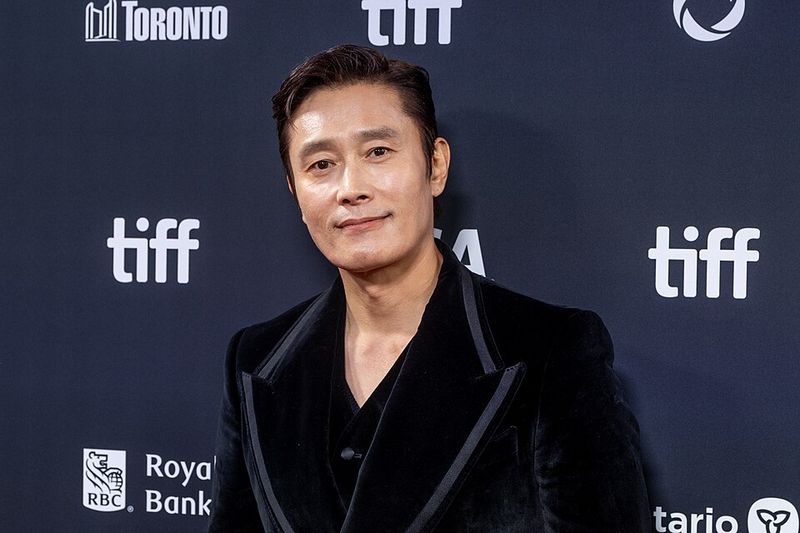
Revenge thrillers do not get more intense or morally complicated than this.
After a man murders his fiancee, a special agent decides not to report the crime but instead begins hunting him personally, catching and releasing him repeatedly to prolong the suffering.
However, the film asks a devastating question: how much vengeance does it take before the hunter becomes the villain?
Director Kim Jee-woon crafts something relentlessly brutal yet thoughtful, featuring career-best performances from Lee Byung-hun and Choi Min-sik.
10. Bedevilled (2010)
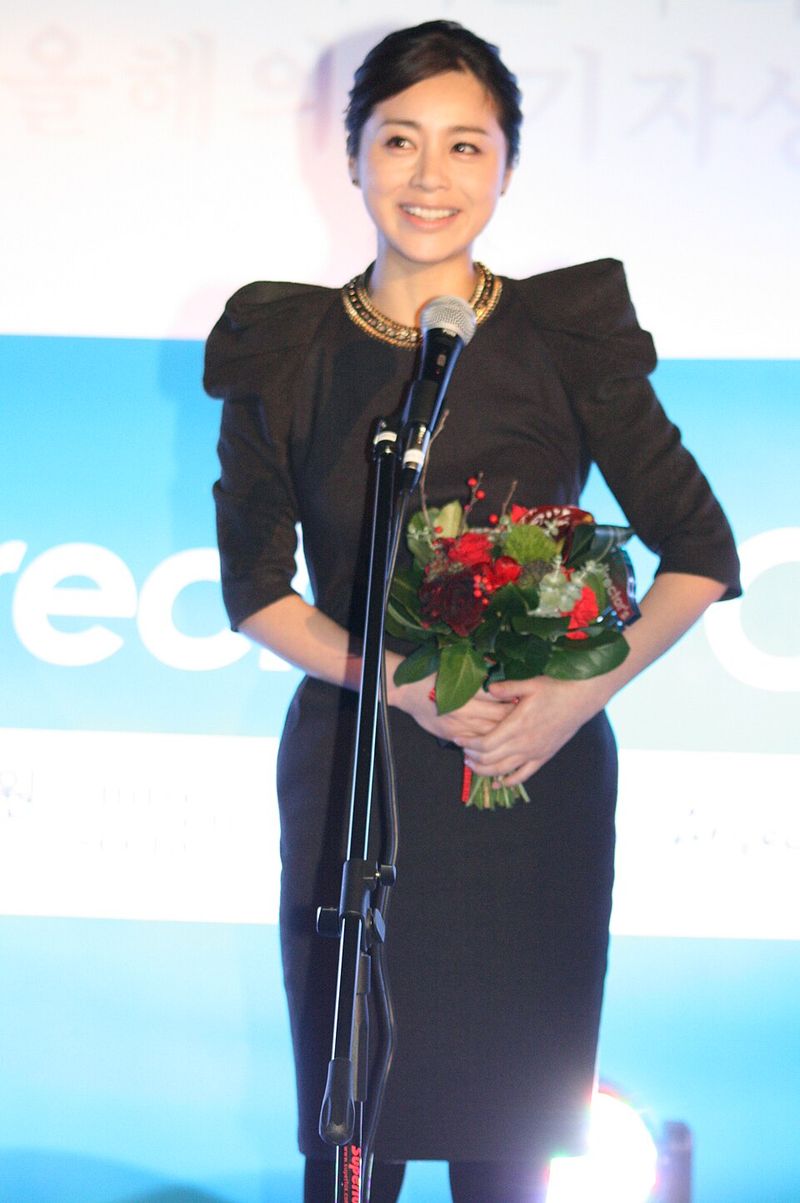
Set on a remote Korean island, Bedevilled is the kind of film that starts slowly and then hits you like a freight train you never saw coming.
A city woman visits her childhood friend on the island, only to find her living in a state of brutal oppression at the hands of the local community.
What unfolds is furious and deeply emotional, driven by one of the most powerful performances in Korean cinema.
Though it fits within the horror genre, Bedevilled is really about injustice and what happens when someone finally has nothing left to lose.
11. Hide and Seek (2013)
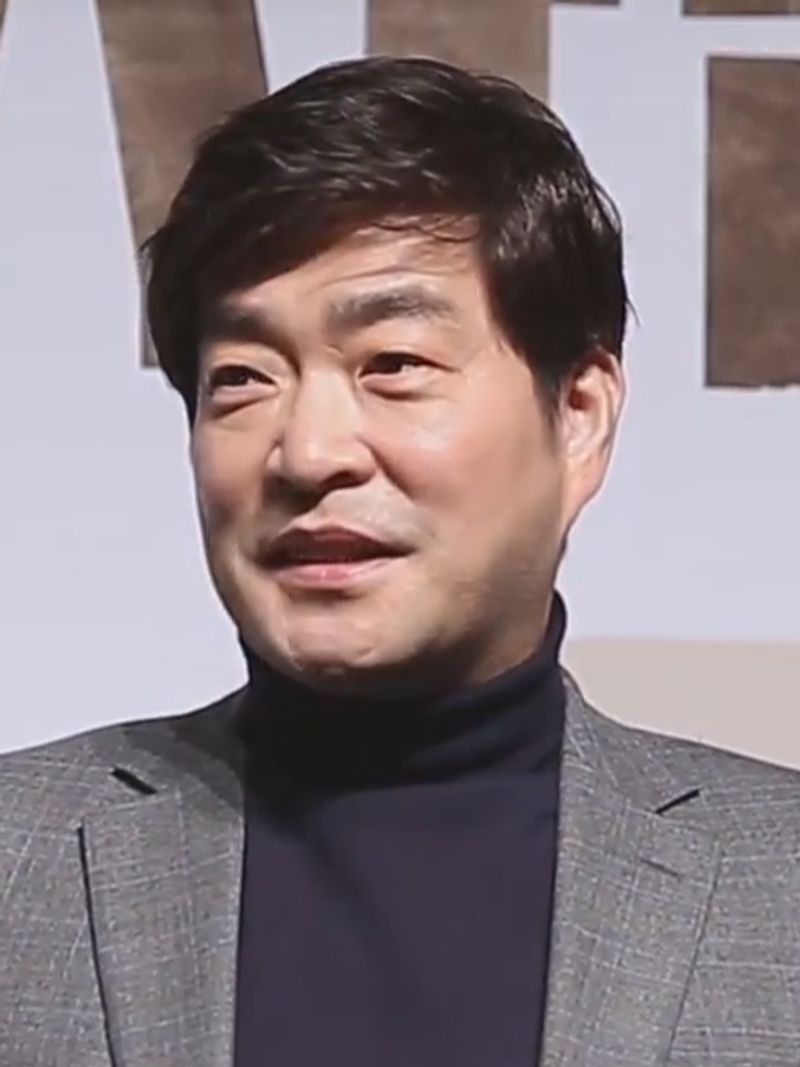
Apartment living in Seoul looks very different after watching Hide and Seek.
A successful businessman goes searching for his missing estranged brother in a rundown apartment complex and discovers something terrifying lurking in the building’s hidden spaces.
The film taps into very real urban fears about strangers living closer than you realize, about the people you never quite see but somehow sense.
It became a massive box office hit in South Korea, proving that audiences love horror rooted in everyday settings.
12. Train to Busan (2016)
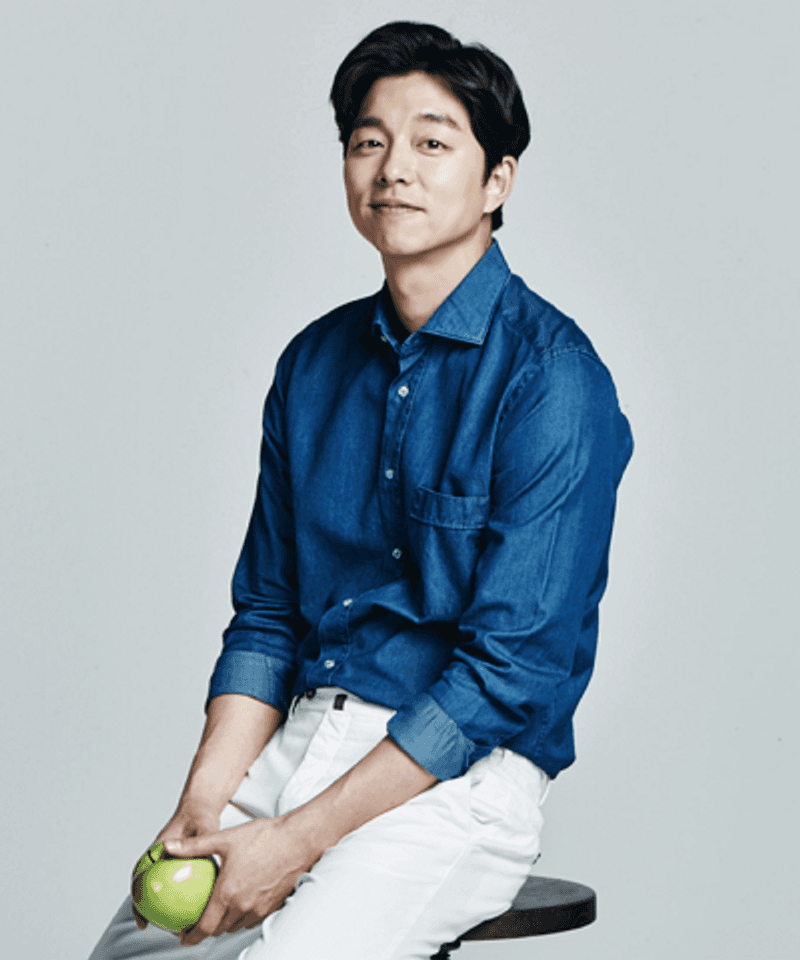
Zombie films were everywhere in 2016, but Train to Busan arrived and reminded everyone how it should be done.
A father and daughter board a train from Seoul to Busan just as a zombie outbreak erupts across the country, turning the journey into a desperate fight for survival.
Where most zombie films focus on spectacle, this one focuses on people. The characters feel real, the relationships feel earned, and the emotional gut-punch at the end hits harder than any jump scare could.
13. The Wailing (2016)

Few films in recent memory have left audiences as collectively confused and desperate to talk to someone as The Wailing.
A bumbling village policeman investigates a series of violent passings and mysterious illnesses that begin after a strange Japanese man arrives in town.
Director Na Hong-jin layers the film with folklore, religious symbolism, and moral ambiguity until the ground beneath your assumptions completely disappears.
Running at nearly two and a half hours, it earns every minute.
14. The Mimic (2017)

Based on the Korean legend of the Jangsan Tiger, a creature said to mimic human voices to lure victims deeper into the mountains, The Mimic builds its horror from something genuinely rooted in cultural mythology.
A grieving family moves near Jangsan Mountain and discovers a young girl living alone in the woods. Though the girl seems harmless, strange sounds and sinister events quickly follow.
The film handles grief and parental guilt with surprising depth while still delivering effective scares.
15. Gonjiam Haunted Asylum (2018)

Gonjiam Psychiatric Hospital is a real abandoned building in South Korea, listed among the world’s scariest places by CNN.
This found-footage film uses that real location brilliantly, following a horror web show crew who live-stream their night inside the asylum for online viewers.
The pacing is masterful, building dread slowly through atmosphere before unleashing full chaos.
Found-footage as a genre can feel tired, but Gonjiam: Haunted Asylum uses the format purposefully, making the live-stream element feel chillingly modern and immediate.
16. #Alive (2020)
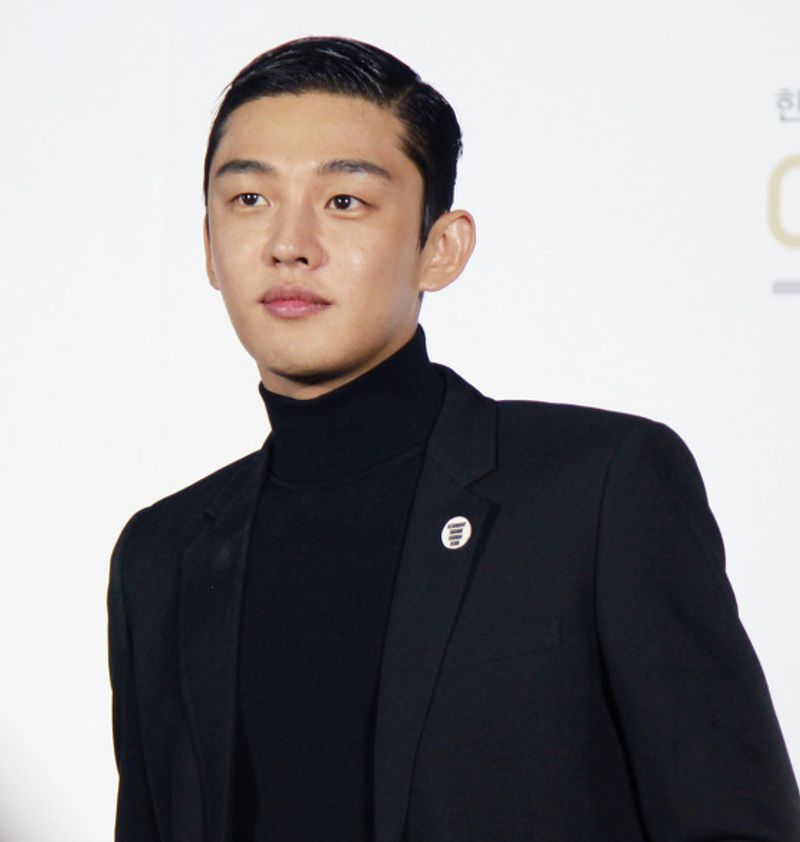
Released during a year when the whole world suddenly understood what isolation felt like, #Alive arrived at the perfect unsettling moment.
A young gamer wakes up to find his apartment building overrun by zombies and must survive alone with dwindling supplies and no outside contact.
The film captures the specific loneliness of being trapped indoors with terrifying accuracy, which hit particularly close to home for 2020 audiences everywhere.
17. The Call (2020)

Time travel and horror make an unexpectedly brilliant combination in The Call.
Two women living in the same house but twenty years apart discover they can communicate through an old telephone, and what begins as a fascinating connection quickly spirals into something terrifying.
The film is built on a ticking clock structure that keeps tension at maximum throughout, and the performances from Park Shin-hye and Jun Jong-seo are absolutely electric.
Every choice made in the past reshapes the present in real time, creating a nightmare of consequences neither woman fully controls.
18. Sleep (2023)

Sometimes the scariest thing in the room is the person sleeping right next to you.
Sleep follows a pregnant woman who begins to fear her loving husband after he starts exhibiting terrifying behavior in his sleep, including violent episodes and whispering unsettling phrases.
Director Jason Yu uses the confined setting of a single apartment to create claustrophobic dread that escalates beautifully.
The film premiered at the Cannes Film Festival in 2023, introducing a bold new voice to Korean horror.