10 Famous Stars Who Buy Into Conspiracy Theories
Some of the biggest names in Hollywood, music, and TV have shared truly wild ideas about the world. Aliens, secret governments, fake moon landings, and hidden civilizations are just a few of the theories certain celebrities have promoted, often very publicly.
It can be surprising when someone you admire on the big screen starts talking about chemtrails or vaccine cover-ups, but it happens more often than expected. Fame doesn’t come with a fact-checker, and social media makes it easy for stars to broadcast beliefs that spark debates, go viral, and influence millions of fans.
Cryptic tweets, interviews, and public statements reveal how celebrity culture can amplify curiosity, conspiracy, and imagination all at once. Scroll through and get ready to embrace the weird: these celebrity theories are stranger than fiction, entertaining, and sometimes so bizarre you might just question reality itself.
1. Jenny McCarthy and the Anti-Vaccine Movement
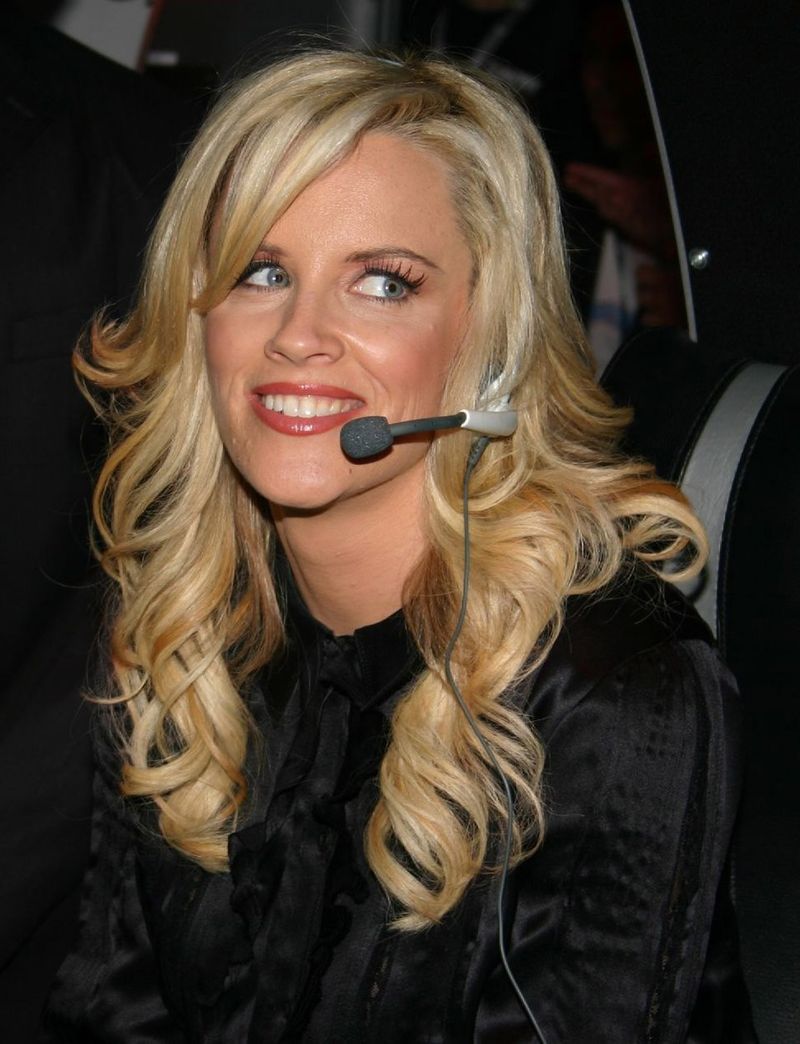
Celebrity controversies rarely carry as much real-world weight as the anti-vaccine campaign led by actress and TV host Jenny McCarthy. Starting around 2007, she began publicly claiming a link between childhood vaccines and autism, largely inspired by her son Evan’s diagnosis.
Medical experts and major health organizations consistently rejected the connection, calling it scientifically unsupported. Still, McCarthy pushed forward, writing books and appearing on major talk shows to spread her message.
Her influence was enormous and genuinely alarming to public health officials. Vaccination rates dropped in several communities, and outbreaks of preventable diseases followed.
Passion without peer-reviewed evidence can be a surprisingly dangerous combination.
2. Bruce Willis Questions 9/11
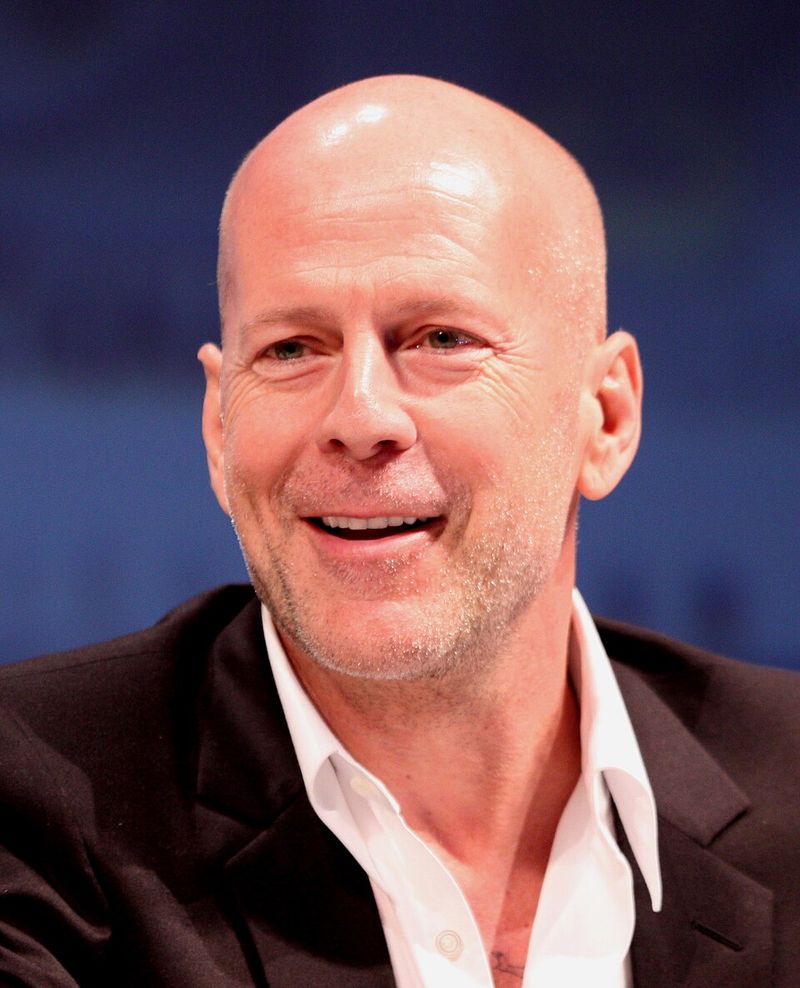
Action hero Bruce Willis, famous for saving fictional cities in blockbuster films, once turned his skeptical eye toward a very real and painful moment in American history. In interviews, Willis expressed doubts about the official story surrounding the September 11, 2001 attacks.
He suggested there was more happening behind the scenes than what the public had been told. Critics pointed out he offered no concrete evidence, just suspicion.
Questioning major historical events is something many people do, but spreading doubt without verified facts can muddy public understanding of real tragedies. Even action stars should fact-check before firing off controversial opinions.
3. Mark Ruffalo Doubts the Official 9/11 Story
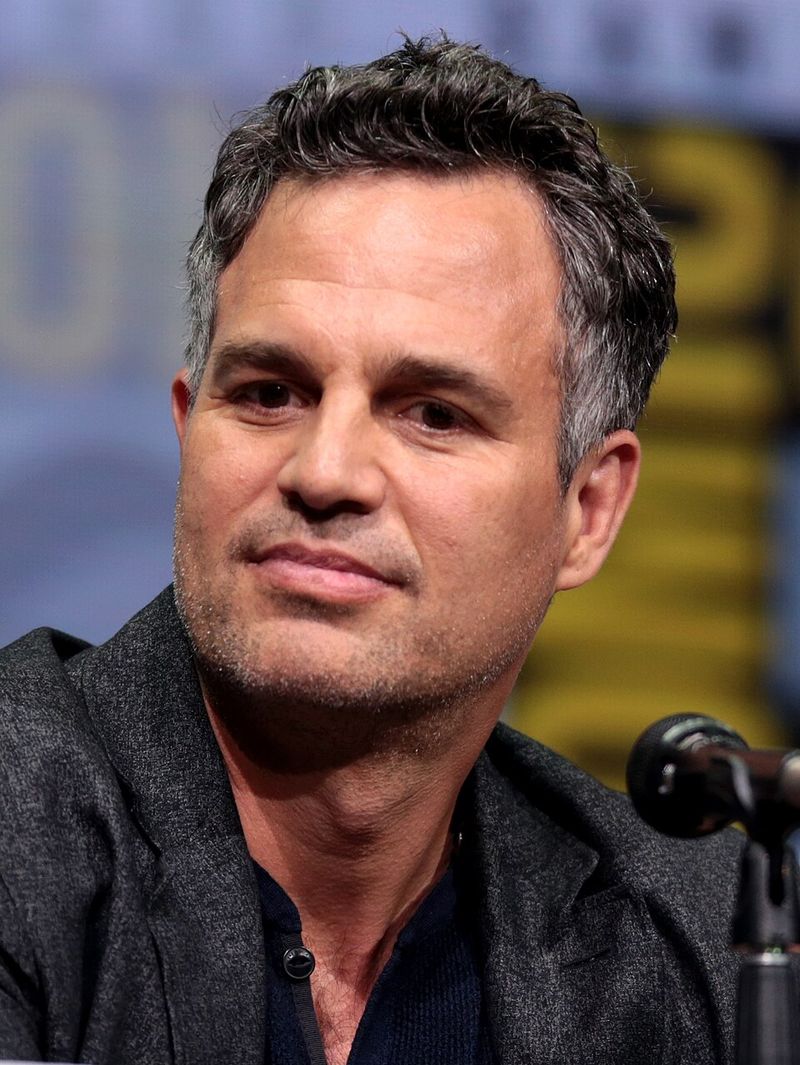
Before Mark Ruffalo became everyone’s favorite Hulk, he was stirring up controversy by publicly questioning what really happened on September 11, 2001. Unlike a passing social media comment, Ruffalo gave interviews where he expressed serious doubts about the official government explanation.
Ruffalo later walked back some of his statements, acknowledging he had gone too far. Still, the moment highlighted how quickly celebrity platforms can amplify unverified ideas to massive audiences.
He has since focused more on environmental activism, a cause backed by actual scientific consensus. Even the smartest, most well-meaning stars can stumble hard when venturing outside their expertise.
4. Kylie Jenner Spots Chemtrails
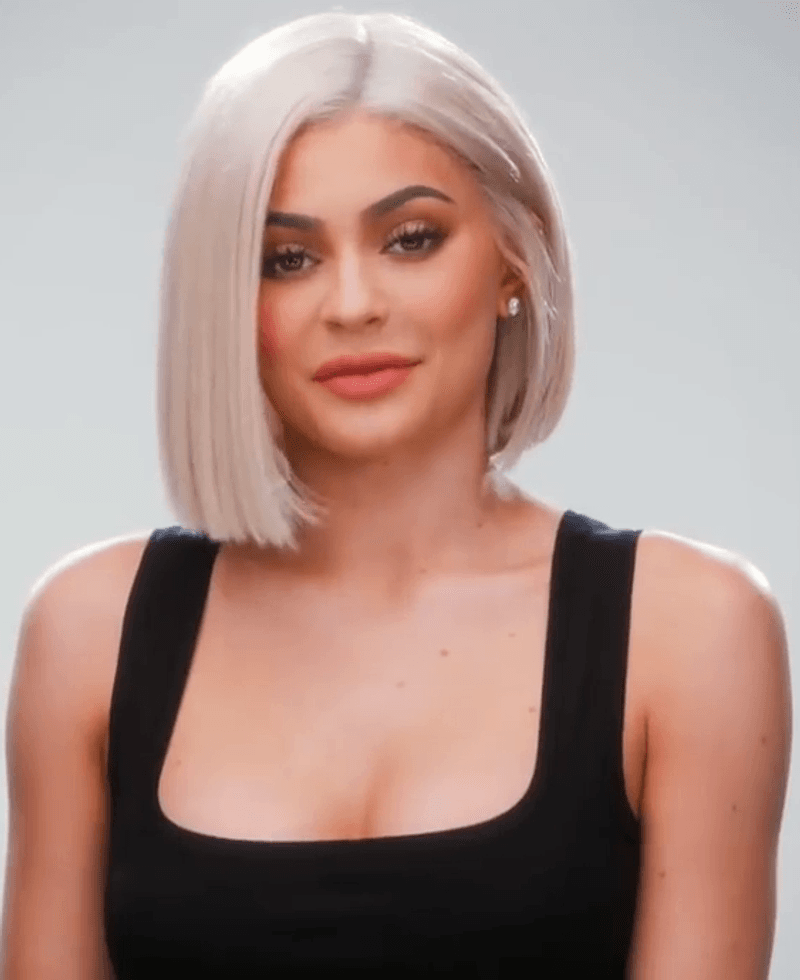
Back in 2015, a single tweet sent Kylie Jenner’s followers into a frenzy. She posted a photo of airplane contrails streaking across the sky and asked if anyone else noticed chemtrails, suggesting something suspicious was being sprayed by aircraft.
The chemtrail conspiracy theory claims governments or corporations secretly release chemical or biological agents through airplane exhaust. Scientists have repeatedly explained contrails are simply water vapor freezing at high altitudes, nothing more sinister.
Still, Kylie’s post reached millions instantly. A casual social media moment became a full-blown viral conspiracy discussion.
It is a sharp reminder of just how much influence a single celebrity post can carry.
5. Whoopi Goldberg Questions the Moon Landing
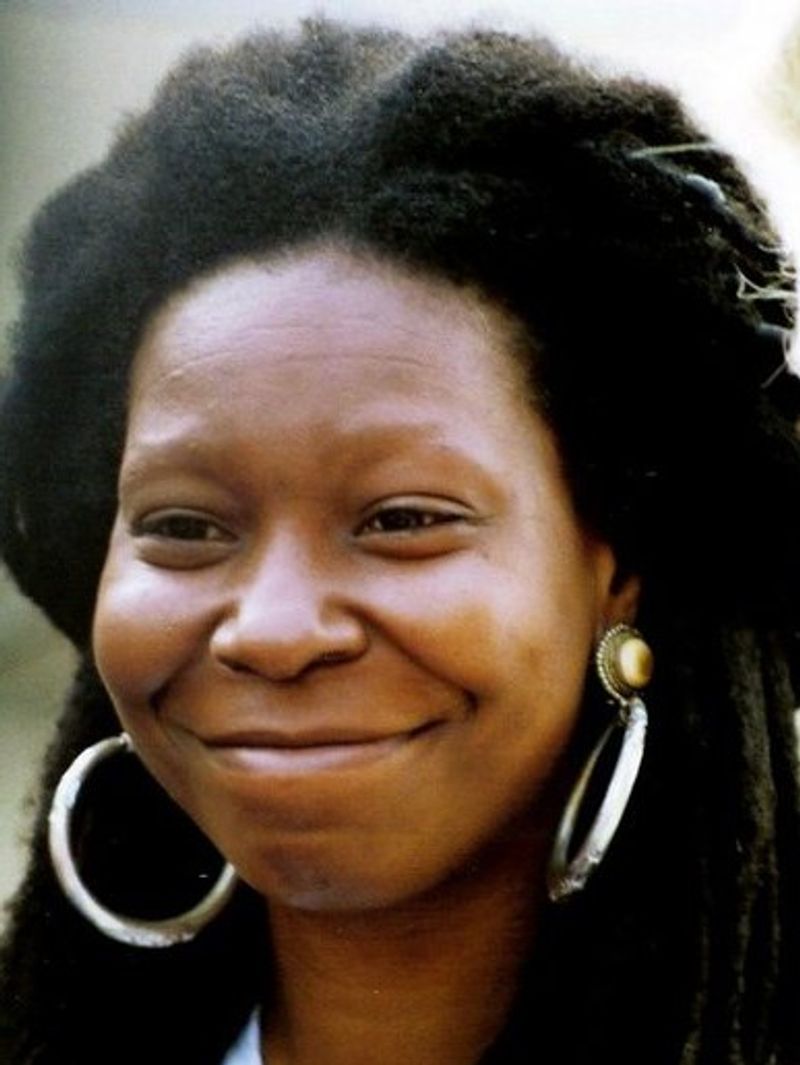
On a live episode of The View, Whoopi Goldberg dropped a bombshell by expressing doubts about whether humans actually walked on the moon in 1969. Her comments sparked immediate backlash from viewers, scientists, and fellow hosts alike.
NASA’s Apollo 11 mission is one of the most thoroughly documented events in human history, supported by hundreds of thousands of engineers, scientists, and astronauts. Moon rocks, laser reflectors, and independent international tracking all confirm it happened.
Goldberg later softened her stance, but the clip circulated widely. It goes to show how one offhand comment on live television can reignite a decades-old conspiracy and confuse a whole new generation of viewers.
6. Madonna Claims a COVID Vaccine Was Hidden
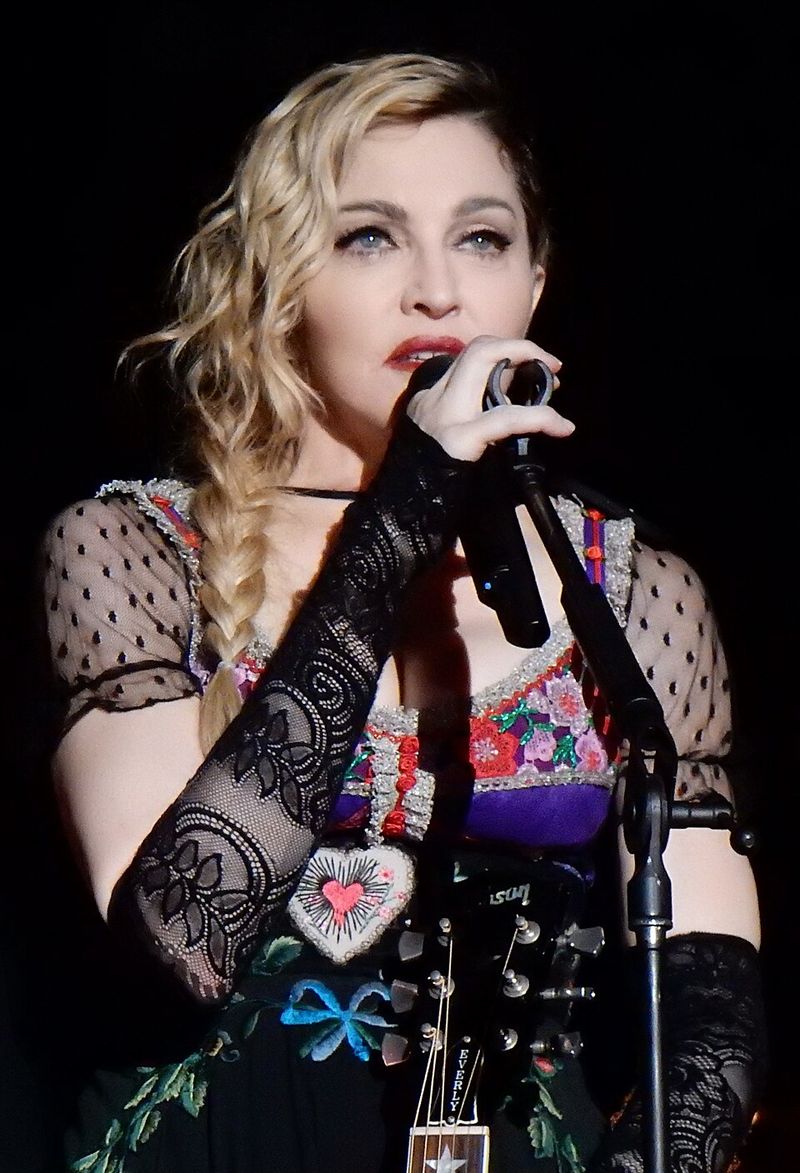
During the early days of the COVID-19 pandemic, pop icon Madonna posted a video claiming a cure already existed but was being deliberately hidden by powerful pharmaceutical companies and governments for financial gain. The video was eventually removed by Instagram for spreading misinformation.
Health authorities worldwide confirmed no approved vaccine or cure existed at that point in the pandemic. Scientists were racing around the clock to develop one safely.
Madonna’s reach is enormous, spanning decades and continents. Misinformation posted by someone of her status can genuinely slow public trust in medicine.
Even legends have a responsibility to verify claims before broadcasting to millions of followers.
7. Jaden Smith Believes in Hidden Civilizations
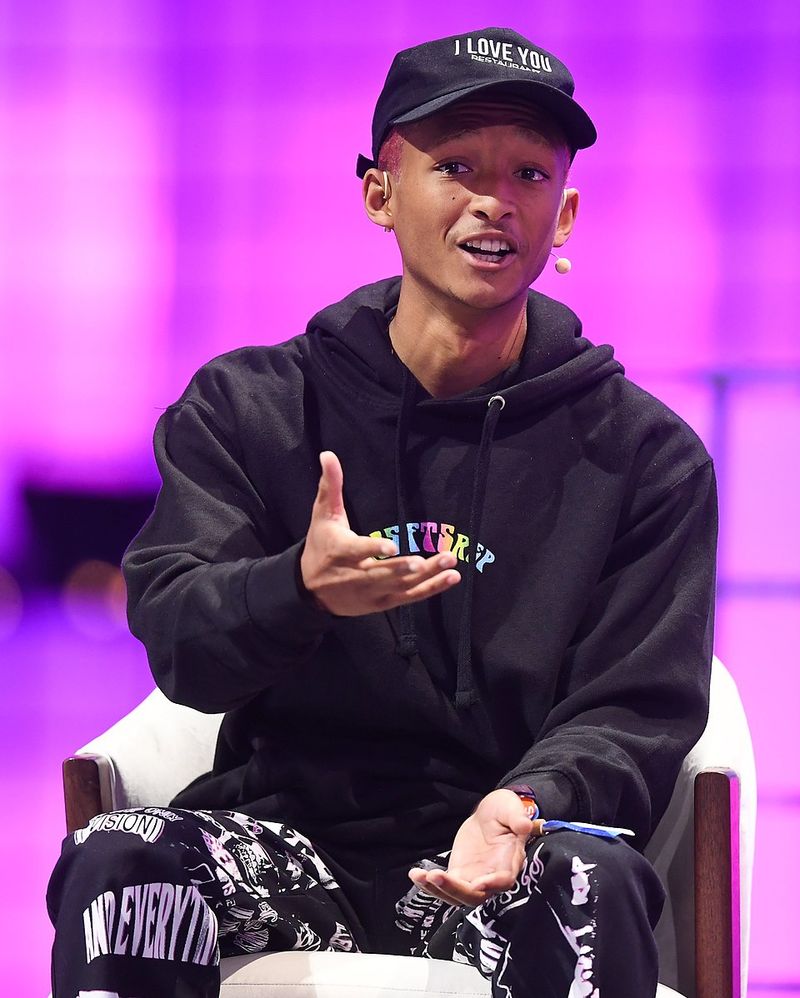
Will Smith’s son Jaden Smith has never been shy about sharing unconventional ideas, but one of his boldest claims involves hidden advanced civilizations secretly living on Earth. He has compared these supposed societies to Wakanda, the fictional high-tech nation in Black Panther.
According to Jaden, groups possessing extraordinary technology are intentionally keeping themselves separate from mainstream society. No verified evidence supports this claim, but it has earned him a loyal following of curious fans.
Jaden is genuinely creative and clearly passionate about big ideas. If only channeling that energy into fiction writing, he could build entire worlds.
For now, his real-world theories remain firmly in the unproven zone.
8. Roseanne Barr Promotes QAnon and Pizzagate
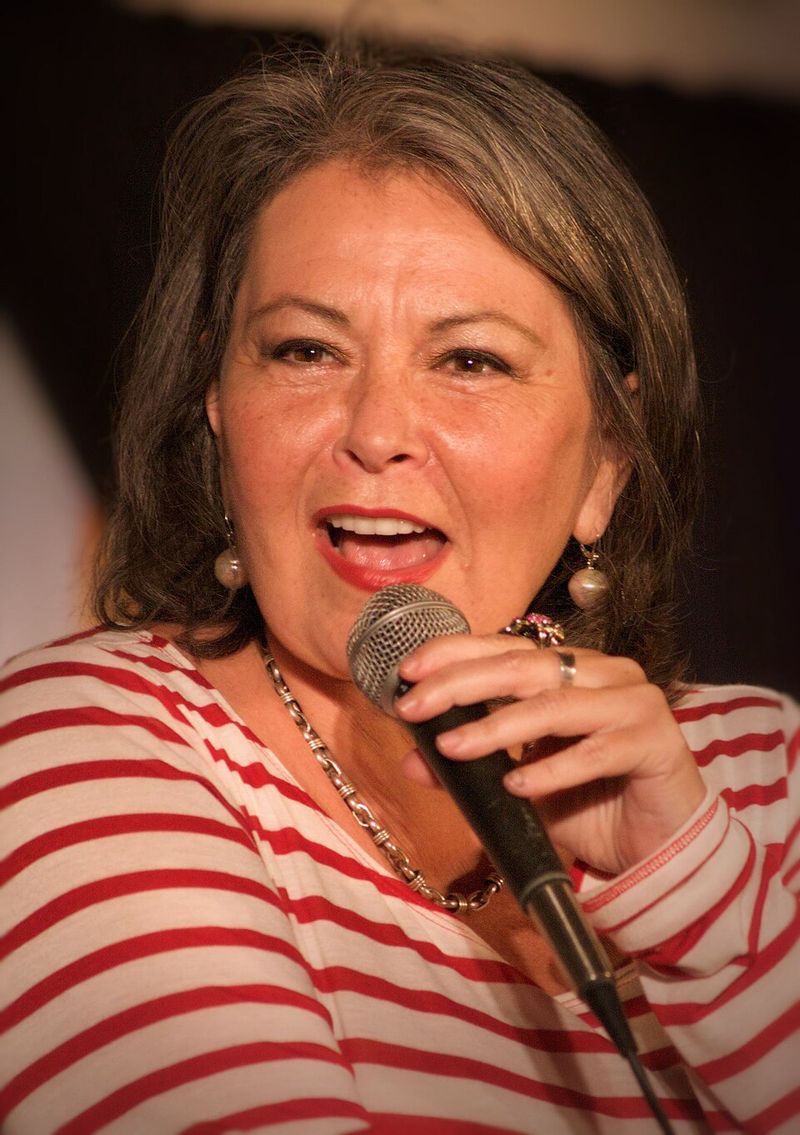
Roseanne Barr’s career implosion in 2018 was shocking, but her history with conspiracy theories had been building for years. Long before her show was canceled, she regularly promoted QAnon content online, a sprawling theory involving alleged secret government cabals and child trafficking rings.
She also amplified Pizzagate, a thoroughly debunked conspiracy that falsely accused innocent people of horrific crimes. Real-world consequences followed, including a man firing a weapon inside a Washington D.C. pizzeria while investigating the false claims.
Barr’s case is a stark example of how celebrity-fueled misinformation can cross from the internet into dangerous physical reality. Words and shares online carry weight far beyond a simple retweet or post.
9. Tim Commerford Says ISIS Is Fake
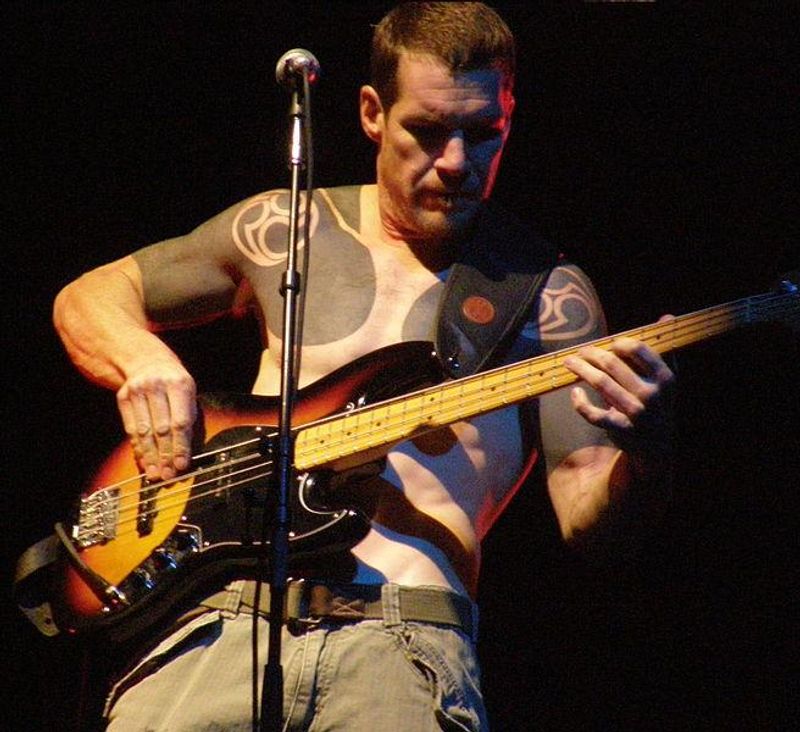
Rage Against the Machine bassist Tim Commerford has never been known for keeping quiet about politics, but one of his most eyebrow-raising claims involves ISIS. He publicly stated he does not believe ISIS is a real organization, suggesting it was fabricated to justify ongoing military operations in the Middle East.
Intelligence agencies, journalists, and governments across dozens of countries have documented ISIS’s existence and devastating impact extensively. Thousands of lives were tragically affected by the group’s real and brutal actions.
Commerford’s band built a legacy on challenging authority, which is admirable. However, denying the documented existence of a violent organization crosses a line from political skepticism into territory that dismisses real victims and real suffering entirely.
10. M.I.A. Says the CIA Built Social Media
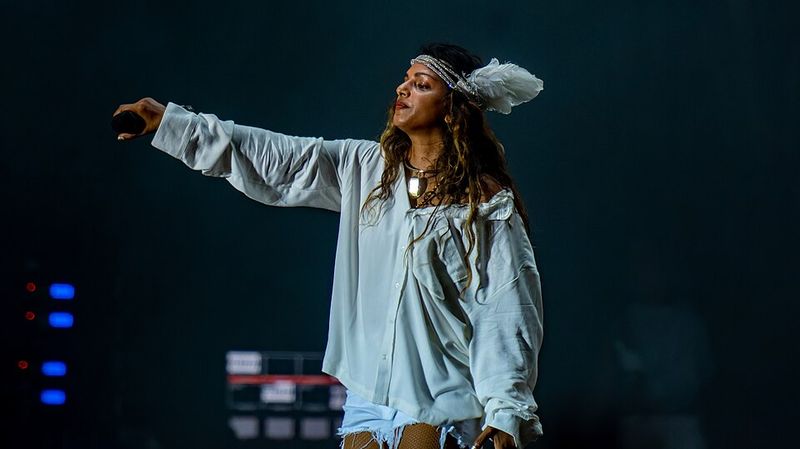
British-Sri Lankan rapper and artist M.I.A. has never been afraid to go against the grain, but her claim about social media raised serious eyebrows. She alleged the CIA played a foundational role in creating Facebook and Google, framing both platforms as tools for mass government surveillance and population control.
Facebook was famously created by Mark Zuckerberg in a Harvard dorm room, and Google launched as a Stanford research project. Both origins are extensively documented and publicly verifiable.
However, M.I.A. raises broader questions about data privacy and government access that many experts do consider legitimate concerns. Mixing valid worries alongside unverified claims can blur important conversations that genuinely deserve serious, evidence-based public attention.