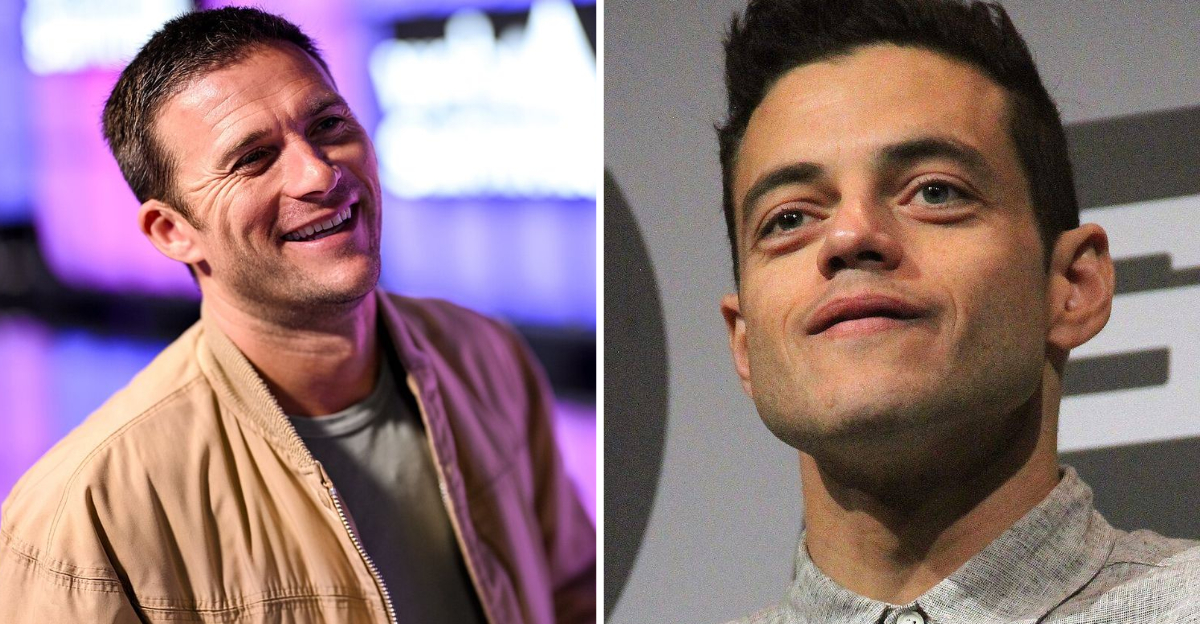
12 Famous Stars Who Quit Smartphones To Reclaim Their Lives
Scrolling, swiping, buzzing, pinging, and somehow still feeling empty. Sound familiar?
A surprising number of mega-famous celebrities have looked at smartphones and said, “No, thanks!” Not because they couldn’t afford the latest model, but because stepping away actually made life feel richer. Ed Sheeran swapped his phone for peace of mind.
Justin Bieber chose an iPad over endless notifications. Even Hollywood legends like Christopher Walken never bothered owning a cellphone at all.
Living without constant digital input allows more focus, creativity, and genuine connection with the world. Some stars use the break to write, compose, or simply enjoy quiet time with family and friends.
How do people who live in the spotlight manage to go off the grid and actually thrive? The stories behind each star’s digital breakup are equal parts inspiring, surprising, and just a little bit legendary.
Sometimes the boldest power move isn’t posting a viral status update. Sometimes it’s simply switching off entirely and reclaiming life on one’s own terms.
1. Ed Sheeran Goes Phone-Free
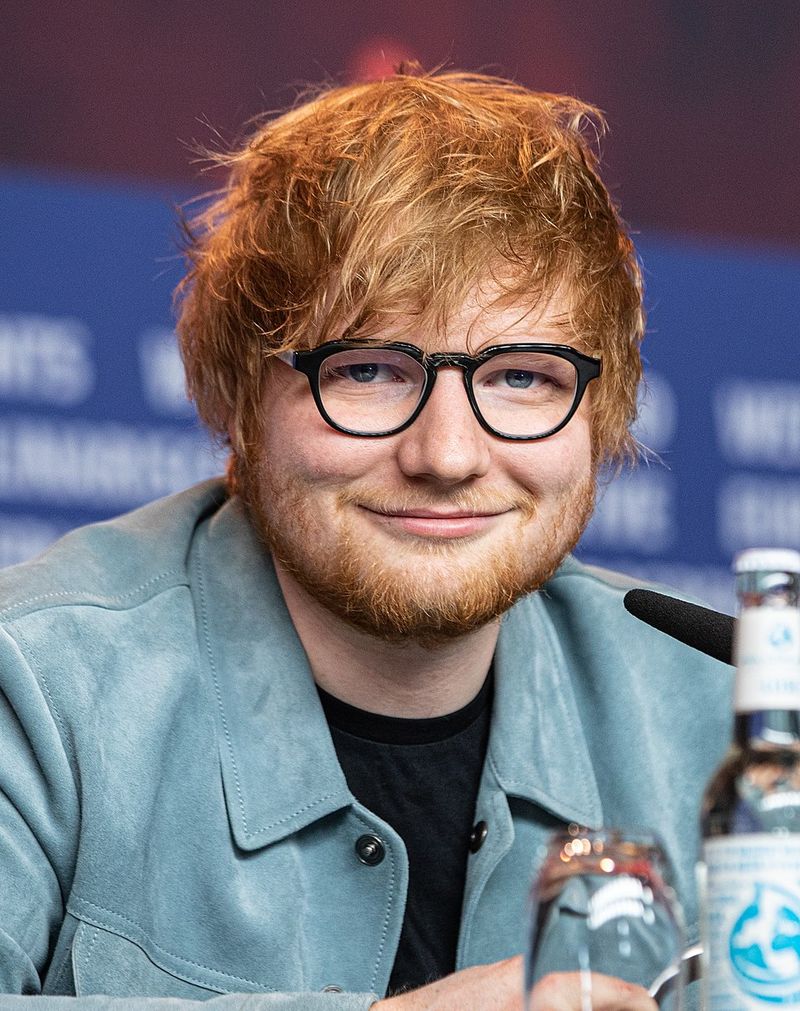
Back in 2015, Ed Sheeran made a move that shocked fans everywhere. He ditched his smartphone entirely and switched to using an iPad for basic communication.
No endless Instagram scrolling, no late-night Twitter rabbit holes, just music and real life.
Sheeran credits the decision for boosting his creativity and mental clarity. Songs started flowing more naturally once the constant buzz of notifications disappeared.
His Grammy-winning streak since 2015 might not be a coincidence!
If a chart-topping artist can write global hits without a smartphone, maybe the rest of us could survive without checking our feeds every five minutes too.
2. Justin Bieber Picks Peace Over Pings
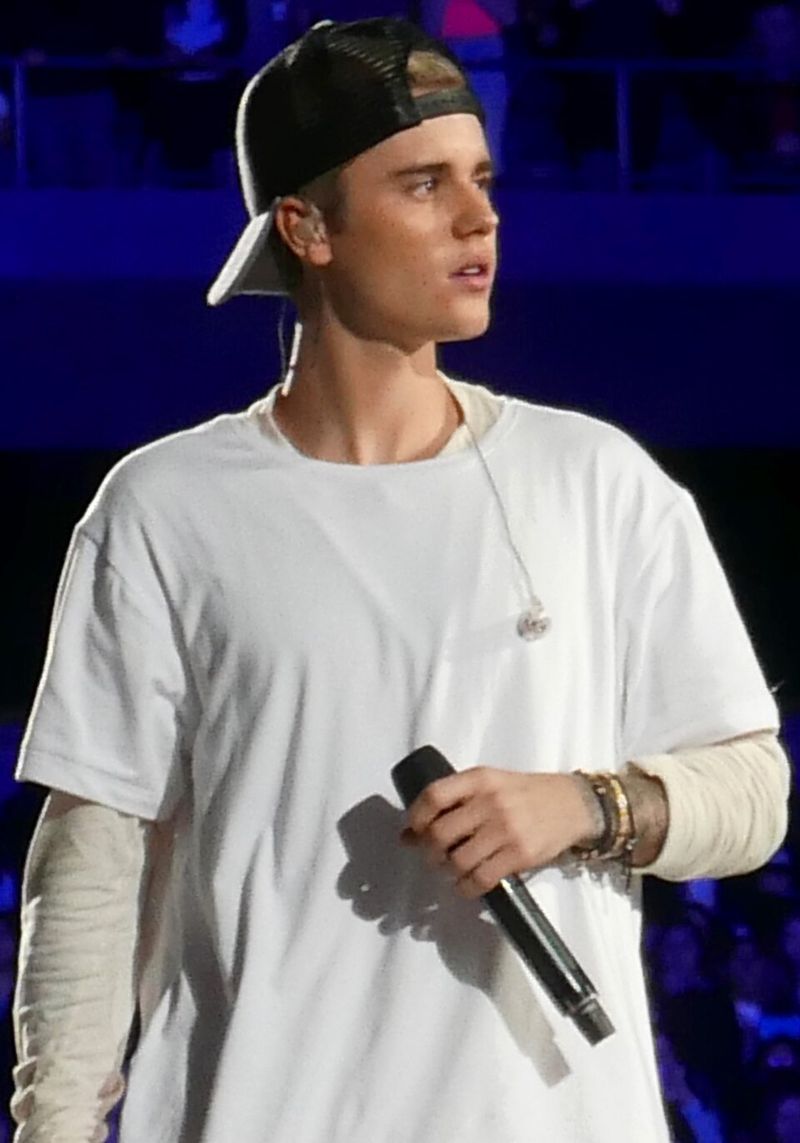
In 2021, Justin Bieber dropped a bombshell during an interview: he doesn’t own a cellphone. Not a cracked-screen budget model, not a shiny flagship, absolutely nothing.
Bieber uses an iPad instead, keeping communication intentional and limited. Setting boundaries around technology became a major part of protecting his mental health, something he has spoken openly about for years.
Fans were stunned, but honestly? It tracks.
After years of living under a microscope since childhood, choosing quiet over chaos sounds less like a quirky celebrity habit and more like genuinely smart self-care. Sometimes the healthiest upgrade has nothing to do with software.
3. Christopher Walken Never Plugged In
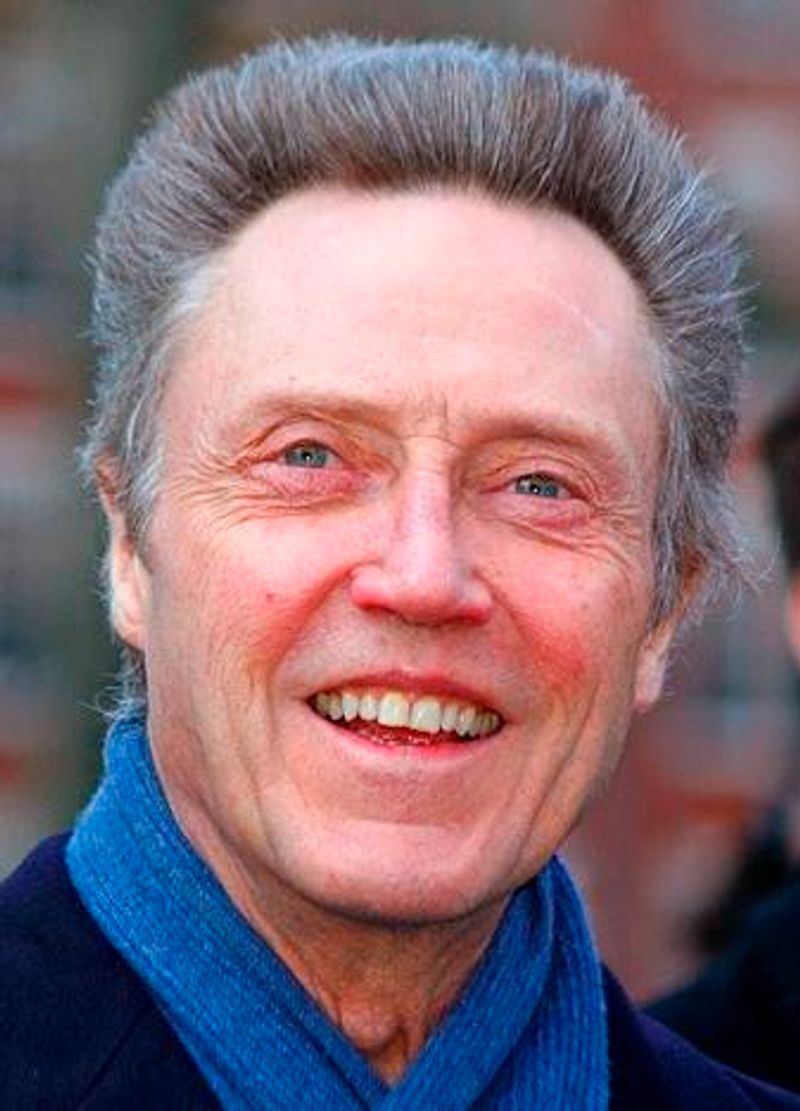
No cellphone. No computer.
No problem. Christopher Walken has lived entirely disconnected from personal digital devices, and he seems perfectly content about it.
His reasoning is refreshingly simple: if he needs a phone, someone nearby has one.
For a man who has delivered some of cinema’s most iconic performances, the absence of tech hasn’t slowed him down one bit. Walken’s career spans decades of legendary roles, all achieved without a single tweet or status update.
How does he manage schedules and scripts? Old-school communication, apparently.
Proof that talent and professionalism don’t require an app store subscription to function brilliantly.
4. Dolly Parton Rides The Fax Wave
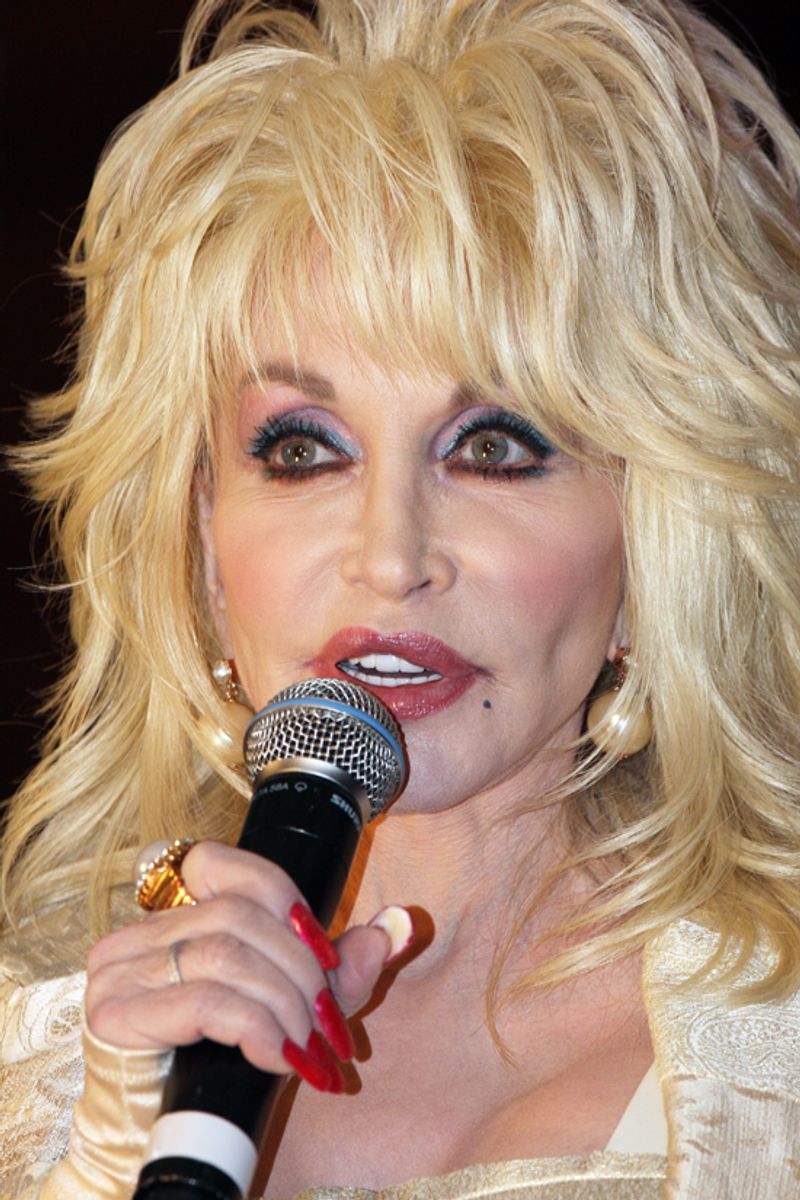
Forget texts and DMs. Dolly Parton communicates the old-fashioned way, by fax.
Yes, actual fax machines. Messages get scanned and forwarded as texts when necessary, but Parton prefers keeping it analog to protect privacy and dodge digital distractions.
Honestly, it’s the most Dolly thing imaginable. A woman who built an empire on heart and authenticity isn’t about to let a notification interrupt her creative flow.
Her Dollywood theme park, charity work, and record-breaking music career run just fine without social media dependency.
Parton once helped fund the Moderna COVID-19 vaccine research quietly and humbly. If fax machines produce results like THAT, maybe everyone should reconsider upgrading.
5. Shailene Woodley Chooses Real Connection
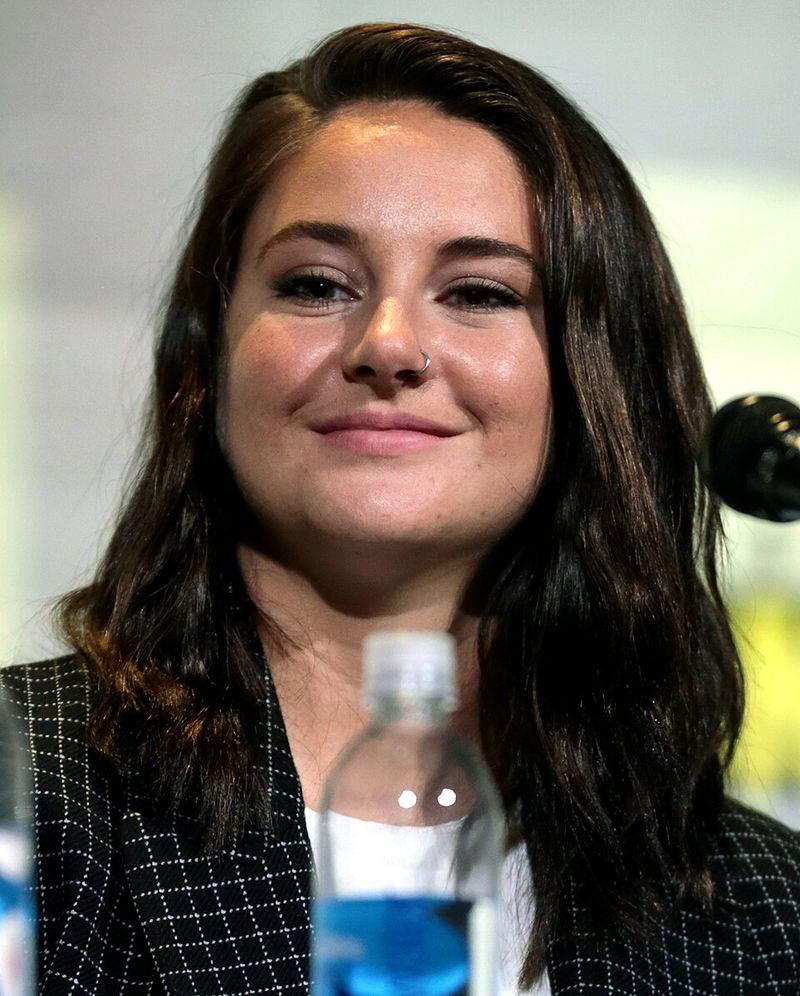
Long before digital detoxes became trendy, Shailene Woodley gave up her cellphone back in 2014. Privacy concerns played a big role, but so did a deeper desire for genuine human connection rather than curated online interaction.
Woodley has always been vocal about living close to nature and rejecting systems she finds harmful. Ditching her phone fit perfectly alongside her values of mindfulness and authenticity.
Fans of her work in “The Fault in Our Stars” know she brings raw emotional truth to every role, and unplugging likely feeds exactly that depth.
Freedom, she says, comes from stepping away from digital noise. Sounds like a plot twist worth trying.
6. Elton John Keeps It Classic
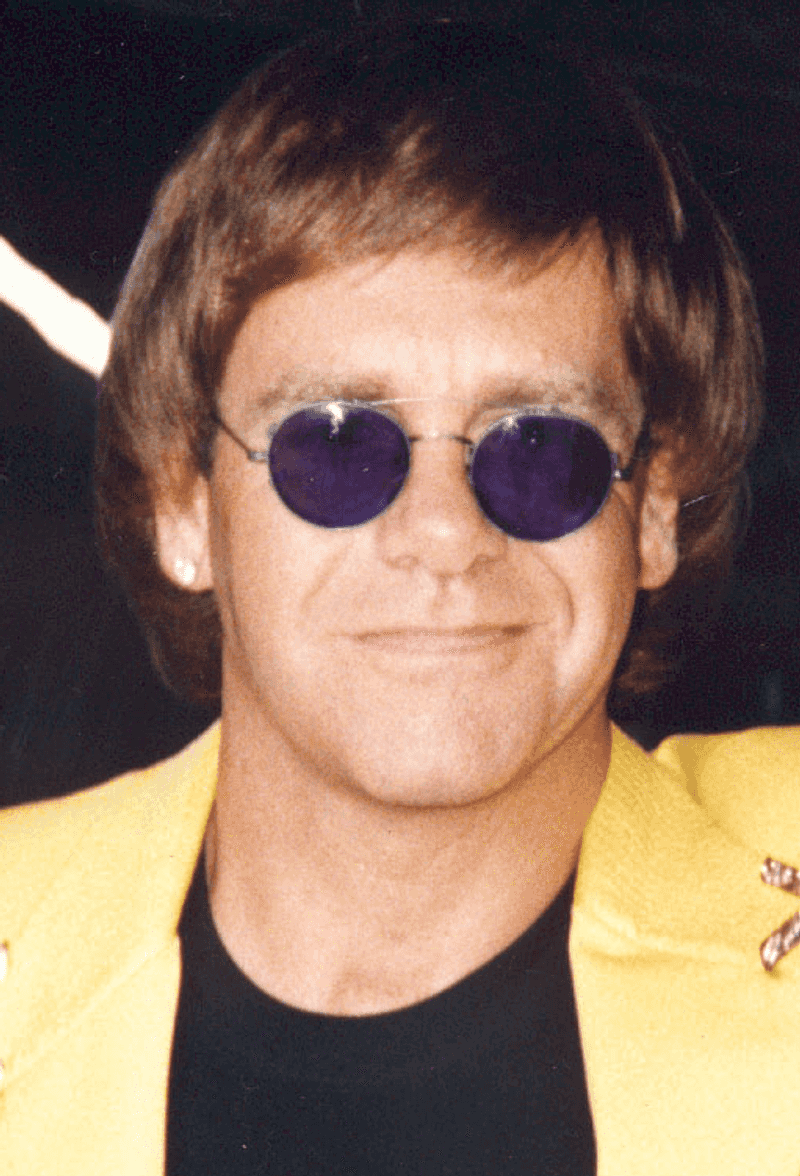
Famous for spectacular glasses, show-stopping performances, and a careful approach to modern tech, Elton John deliberately limits screen time and avoids social media rabbit holes to protect peace of mind. Selling over 300 million records worldwide brings immense pressure to stay digitally relevant, yet stepping back allows creative energy to flow toward music rather than metrics.
Memoir Me reveals a person deeply committed to growth and authenticity, and partially logging off fits that narrative perfectly. Choosing real-life connection over constant connectivity demonstrates that sometimes the most rock-and-roll move is simply putting down the phone and picking up the piano.
Prioritizing focus, creativity, and mental space ensures that artistry remains at the forefront, proving that even global superstardom benefits from moments of digital detachment.
7. Megan Fox Walks Away From Social Media
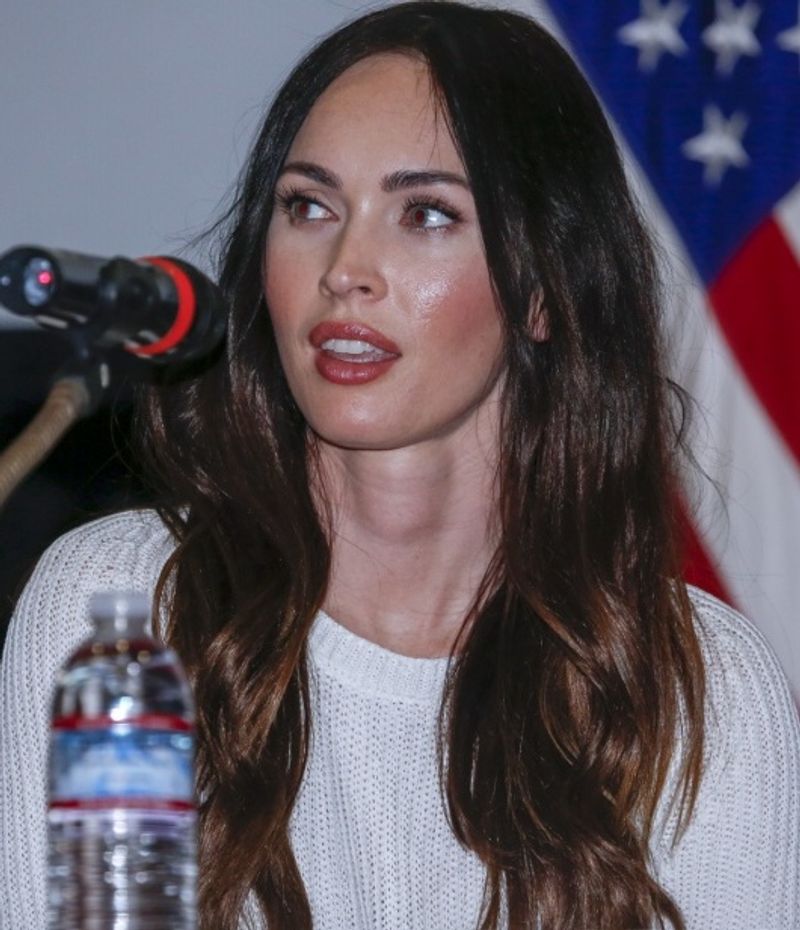
Megan Fox deleted her social media accounts multiple times over the years, citing toxic negativity and relentless online criticism as major reasons. Smartphones became gateways to abuse rather than connection, and she chose to shut those gates firmly.
Fox has been refreshingly honest about the mental toll of living under constant public scrutiny. Walking away from platforms, even temporarily, gave her breathing room to focus on family and creative projects without the noise of strangers’ opinions crowding in daily.
Choosing one’s own mental well-being over follower counts is genuinely courageous, especially for someone who lives in Hollywood’s brightest spotlight. Unbothered looks good on everyone.
8. Lorde Quit Instagram For Her Sanity
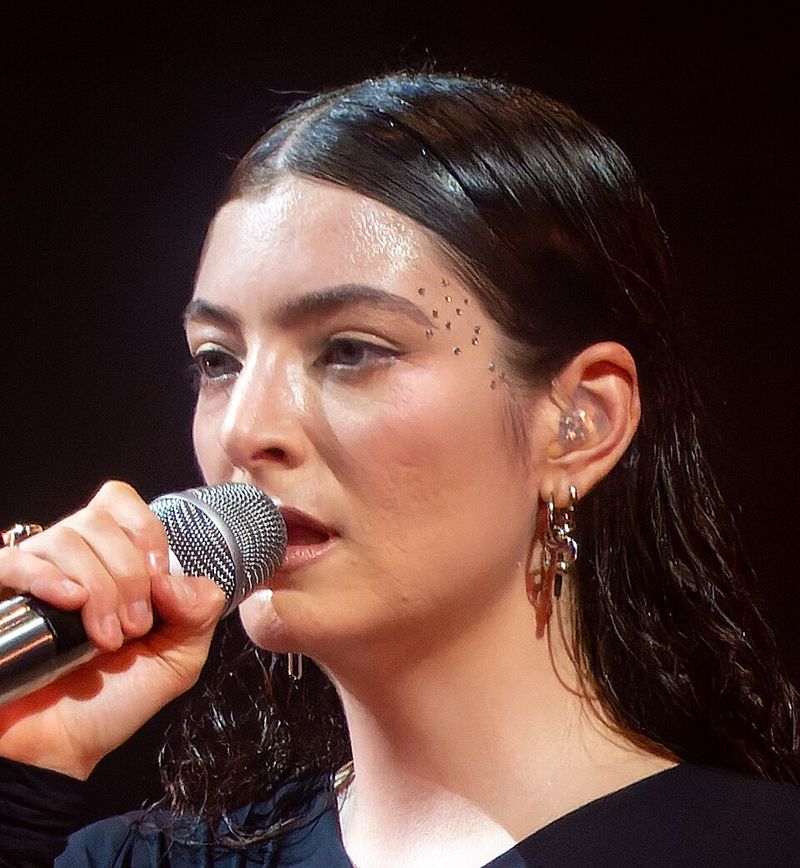
Deactivating Instagram, Lorde stepped away from smartphone-driven social media, calling constant online exposure genuinely harmful to creative thinking. For an artist whose music thrives on deep introspection, that approach makes perfect sense.
Songwriting, raw, poetic, and deeply personal, demands mental space that a buzzing phone cannot provide. Albums like Pure Heroine and Melodrama emerged from quiet reflection, not trending audio clips.
Logging off brought a sense of liberation, proving creativity needs silence the way plants need sunlight.
Stepping away from the endless scroll preserved an authentic voice, sharp, honest, and entirely her own. Choosing solitude over constant connectivity allowed focus, emotional clarity, and artistic growth to flourish in ways social media never could, highlighting the power of disconnecting in a hyper-connected world.
9. Jennifer Lawrence Keeps Phones Out
Refusing smartphones at social gatherings, Jennifer Lawrence makes it clear that real conversation takes priority over scrolling. Dinner parties reportedly ban phones entirely, encouraging guests to actually talk like humans from a pre-WiFi era.
a highly publicized privacy violation involving personal photos, a fierce protective instinct around digital devices emerged. Boundaries became non-negotiable, not just for safety but to preserve genuine human connection.
Oscar-winning performances in films like Silver Linings Playbook reflect someone deeply tuned into real emotion and interaction.
Keeping devices off the table, literally and figuratively, helps maintain balance and presence in an industry that often feels anything but grounded. Demonstrating that fame doesn’t require constant online visibility, Lawrence proves that prioritizing real-life connection can coexist with stardom, creating space for authenticity, focus, and meaningful moments beyond the glow of screens.
10. Keanu Reeves Avoids Social Media Entirely
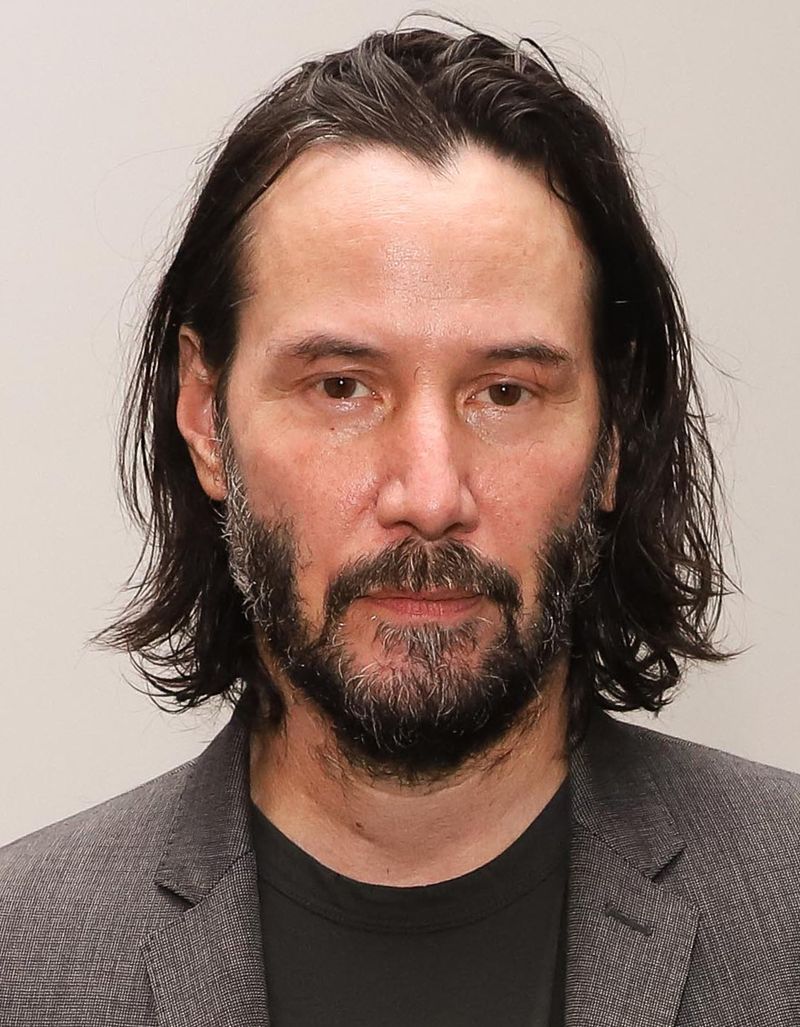
Living completely off social media, Keanu Reeves has zero verified accounts and avoids the smartphone-driven content cycle entirely. For someone the internet has collectively crowned its favorite human, choosing to stay off the grid feels almost mythically fitting.
Valuing privacy and real-world connection over digital performance, quiet living, motorcycle rides, and focusing on meaningful work serve as a personal operating system. No viral posts required.
Legendary humility defines every action. Stories of sharing movie earnings, helping strangers, and riding the subway like everyone else paint a portrait of someone grounded in reality, not retweets.
Proof that the coolest person in the room rarely needs to announce it, existing quietly while inspiring millions without ever logging on.
11. Adele Stepped Back From The Scroll
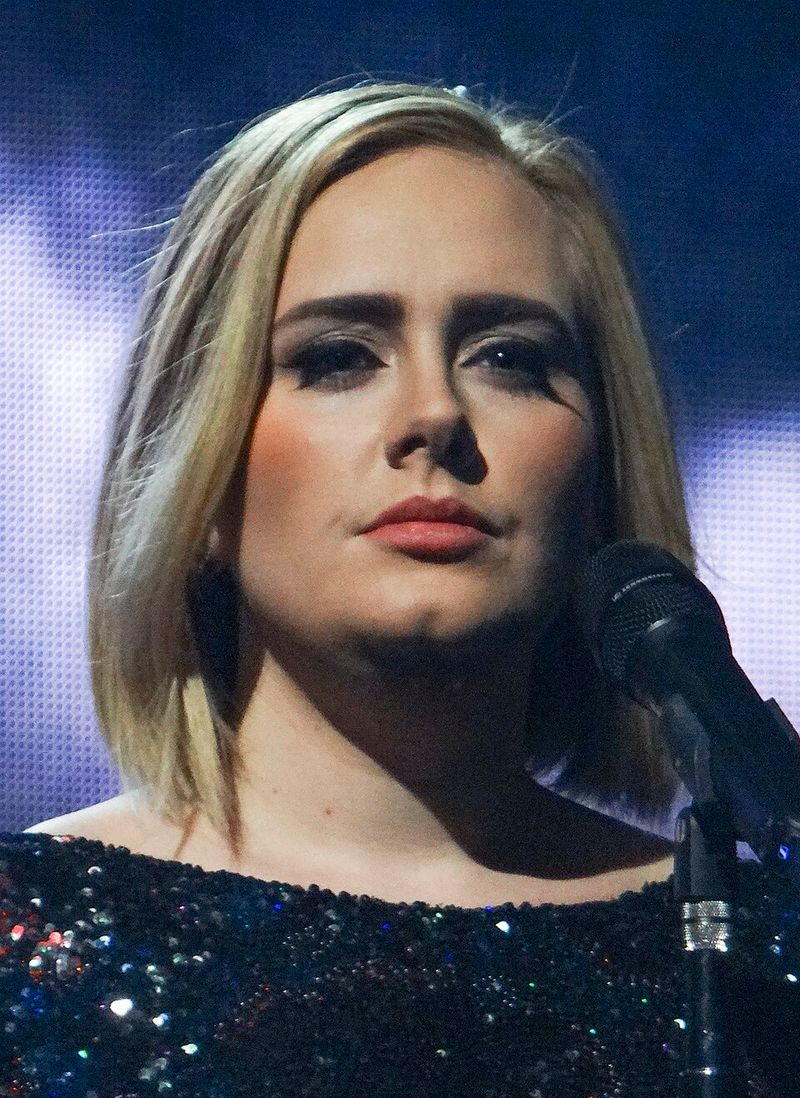
Adele has openly discussed stepping back from social media and reducing smartphone dependency during periods of personal transformation. Recording her deeply personal album “30” required emotional vulnerability that constant online noise would have disrupted entirely.
Pulling away from screens allowed her to process grief, change, and growth without millions of followers commenting in real time. Artistic honesty needs a safe container, and smartphones rarely provide one.
Adele’s voice has moved entire stadiums to tears because it carries lived truth. Protecting the mental space where emotions breathe and stories form is not a luxury for her, it’s a professional necessity.
Silence, it turns out, can sound absolutely extraordinary.
12. Dave Chappelle Rejects The Digital Circus
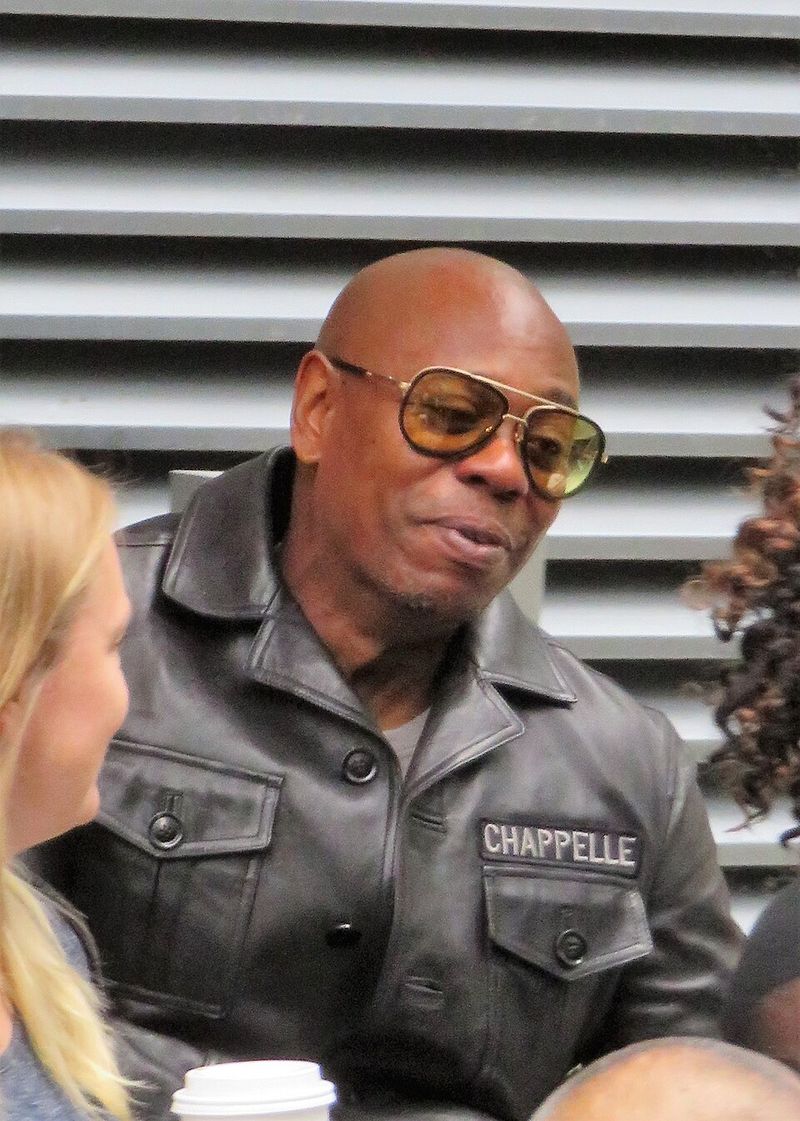
Dave Chappelle is famous for banning smartphones at his live shows entirely. Audience members must lock phones in special pouches before performances begin, creating a fully present, distraction-free comedy experience that feels almost radical in 2024.
Chappelle has spoken about how smartphones fragment attention and diminish the magic of live performance. Comedy lives and dies on shared human energy in a room, and glowing screens kill exactly that energy faster than any heckler could.
His commitment to real-world presence over digital documentation is a bold artistic statement. Laughing together, fully present and phone-free, turns out to be one of the most connecting experiences modern audiences can have.
Chappelle knew it first.