7 Classic Steak Dishes That Disappeared From Restaurant Menus
Remember when dining out meant watching flames dance over your steak or savoring rich sauces poured tableside?
Many beloved steak classics have quietly vanished from restaurant menus, replaced by modern trends and lighter fare.
These seven dishes once ruled steakhouses and fine dining spots, but today they’re mostly memories.
Let’s rediscover what made them special and why they faded away.
1. Steak Diane
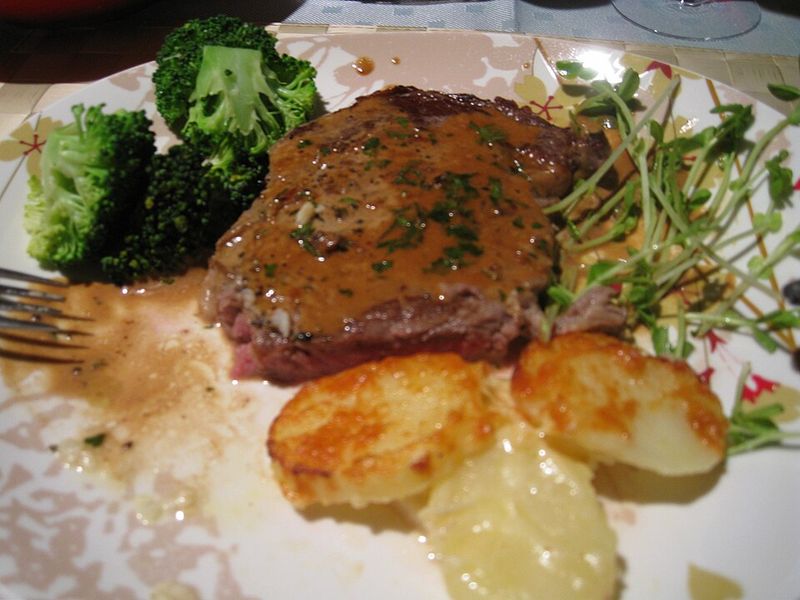
Picture this: your waiter wheels a cart to your table, ignites brandy over sizzling beef, and boom—dinner becomes dinner theater.
Born in the 1930s, Steak Diane was the showstopper of fine dining.
Tender medallions swam in a buttery, mustardy sauce packed with shallots and Worcestershire kick.
The tableside pyrotechnics weren’t just for show; they added a smoky depth that made every bite unforgettable.
By the 1980s, though, flashy presentations fell out of fashion.
Restaurants ditched the drama for simpler plating, and Steak Diane quietly exited stage left.
2. Steak Frites
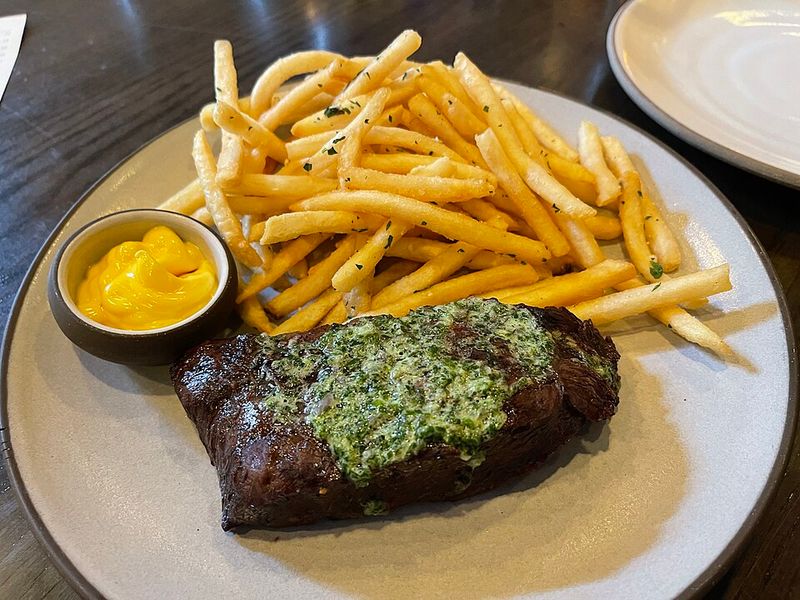
Nothing fancy here—just a perfectly grilled steak and a mountain of crispy fries.
Steak Frites was the ultimate French bistro comfort food, beloved for its simplicity.
American steakhouses embraced it too, serving juicy cuts alongside shoestring potatoes and maybe a dollop of herb butter.
What made it magic was the contrast: charred, beefy goodness meeting salty, crunchy spuds.
As menus got more adventurous and “elevated,” this humble pairing lost its spotlight.
Now you’ll mostly find it in old-school French spots or trendy gastropubs trying to bring it back.
3. Steak and Kidney Pie
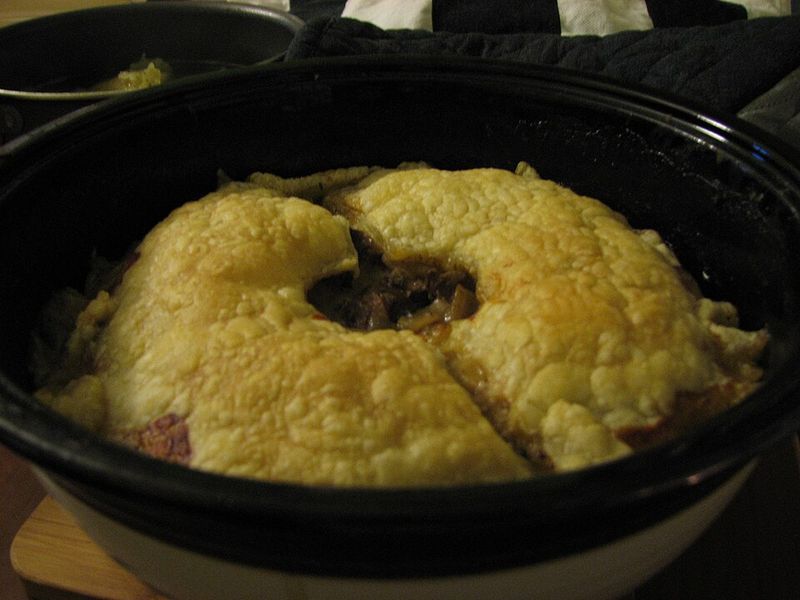
Ah, the dish that makes Americans squirm and Brits nostalgic.
Chunks of beef and kidney nestled in savory gravy, all wrapped in buttery pastry—pure pub perfection.
For generations, this hearty pie warmed bellies across the UK.
But kidney has a distinct flavor that modern diners often find too adventurous.
As tastes shifted toward milder, more familiar ingredients, restaurants quietly dropped it from their lineups.
Today, you’ll need to hunt down a proper British pub or make it yourself to experience this old-world treasure.
4. Steak au Poivre
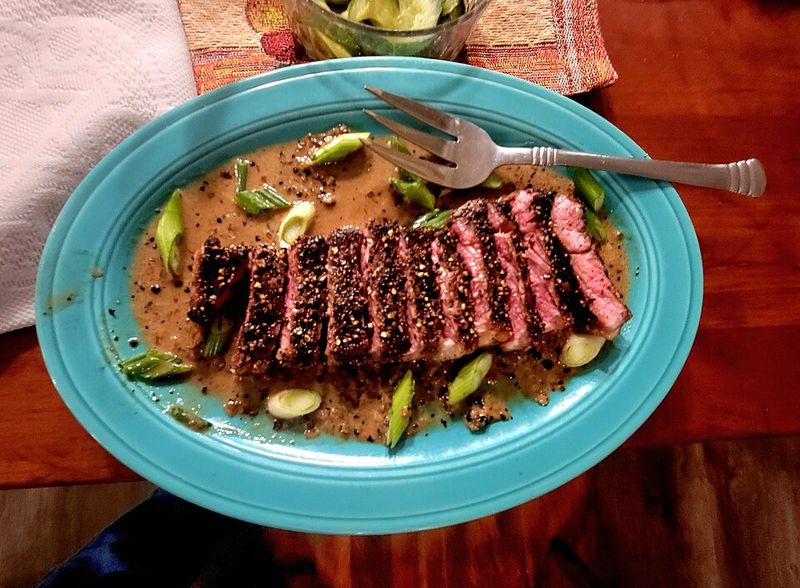
Cracked peppercorns form a crunchy, spicy crust on a perfectly seared steak.
Then comes the finishing touch: a velvety Cognac cream sauce that makes your taste buds sing.
Steak au Poivre was French indulgence at its finest, bold and unapologetically rich.
But as diners started craving lighter, healthier meals, heavy cream sauces became less appealing.
The dish felt too decadent for modern palates chasing kale and quinoa.
While some classic French restaurants still serve it, this peppery masterpiece has mostly retreated into culinary history books.
5. Surf and Turf
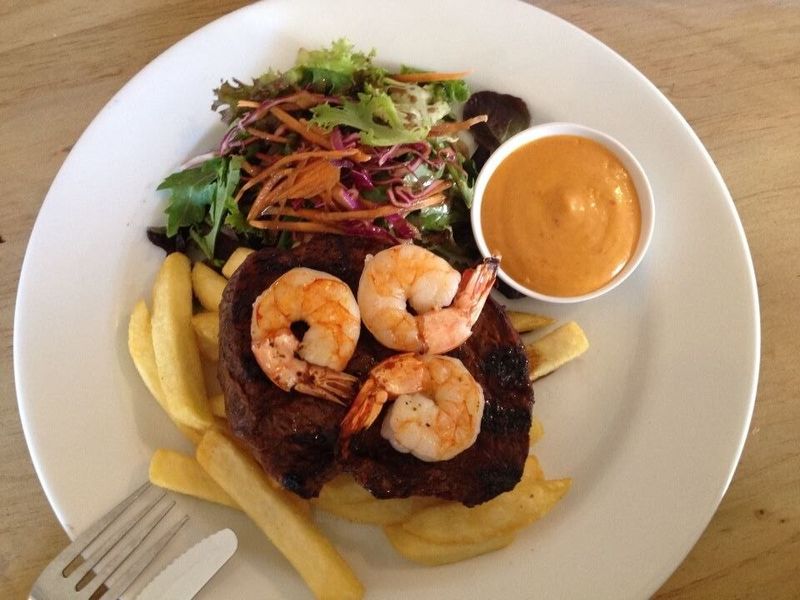
Why choose between land and sea when you can have both?
Surf and Turf paired a juicy steak with lobster tail or jumbo shrimp, screaming luxury and excess.
During the 1970s and 80s, ordering this combo meant you’d arrived—it was celebration food.
But lobster prices climbed, and tastes evolved toward more refined, less ostentatious dining.
The combo started feeling dated, almost kitschy.
While you can still find it at some steakhouses, it’s nowhere near as popular as it once was during its glamorous heyday.
6. Salisbury Steak
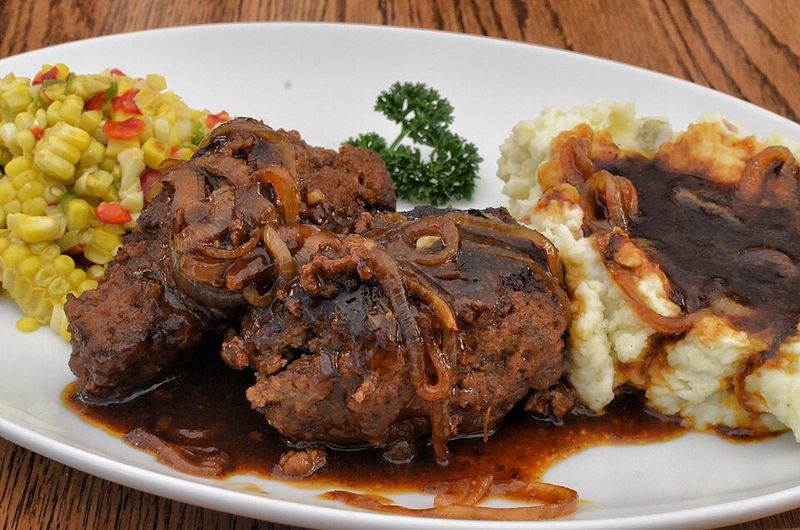
Ground beef shaped into oval patties, smothered in mushroom gravy—comfort food royalty.
Salisbury Steak once dominated diner menus and family restaurants across America.
Named after a 19th-century physician, it was hearty, affordable, and satisfying.
Then something happened: it became synonymous with TV dinners and school cafeterias.
That association killed its restaurant credibility faster than you can say “Hungry-Man.”
Nowadays, it’s mostly a nostalgic home-cooked meal rather than something you’d order out, despite its undeniable deliciousness when done right.
7. Swiss Steak
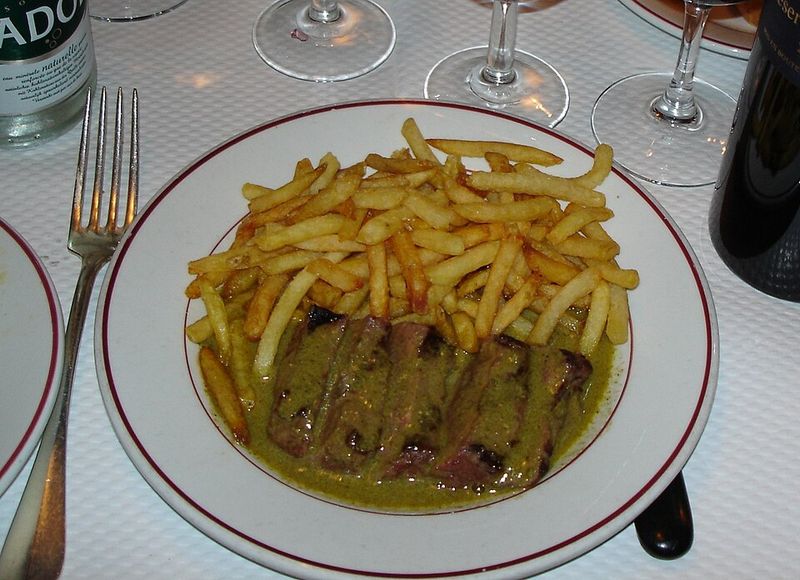
Don’t let the name fool you—this dish has nothing to do with Switzerland.
Swiss Steak involved braising tougher beef cuts in a tangy tomato sauce until fork-tender.
The “swissing” referred to a tenderizing technique, not the country.
Popular throughout the mid-1900s, it appeared on countless restaurant menus as an economical yet tasty option.
As dining shifted toward premium cuts and faster cooking methods, slow-braised dishes lost their appeal.
Swiss Steak became a relic of grandma’s kitchen, rarely seen outside retro diners or nostalgic home cooks.