5 Stephen King Concepts Hollywood Can’t Stop Repeating
Stephen King has been scaring readers since 1974, and Hollywood simply cannot stop borrowing his ideas. Over five decades, his stories have introduced some of the most unforgettable horror concepts ever written.
Filmmakers return to his playbook again and again because his themes tap into universal fears: losing control, facing the unknown, and watching the world unravel in terrifying ways. King writes about ordinary people in extraordinary situations, a formula that continues to resonate with audiences.
His ideas provide the perfect blueprint for suspense, tension, and chills that translate seamlessly onto the big screen. Haunted hotels, murderous clowns, supernatural forces, and psychological terror all owe their roots to King’s imagination.
This list breaks down five of his biggest ideas Hollywood keeps recycling, reimagining, and repackaging for new generations of terrified moviegoers. Every single one still works, proving King’s mastery of horror remains unmatched even decades later.
1. Supernatural Powers in Adolescence
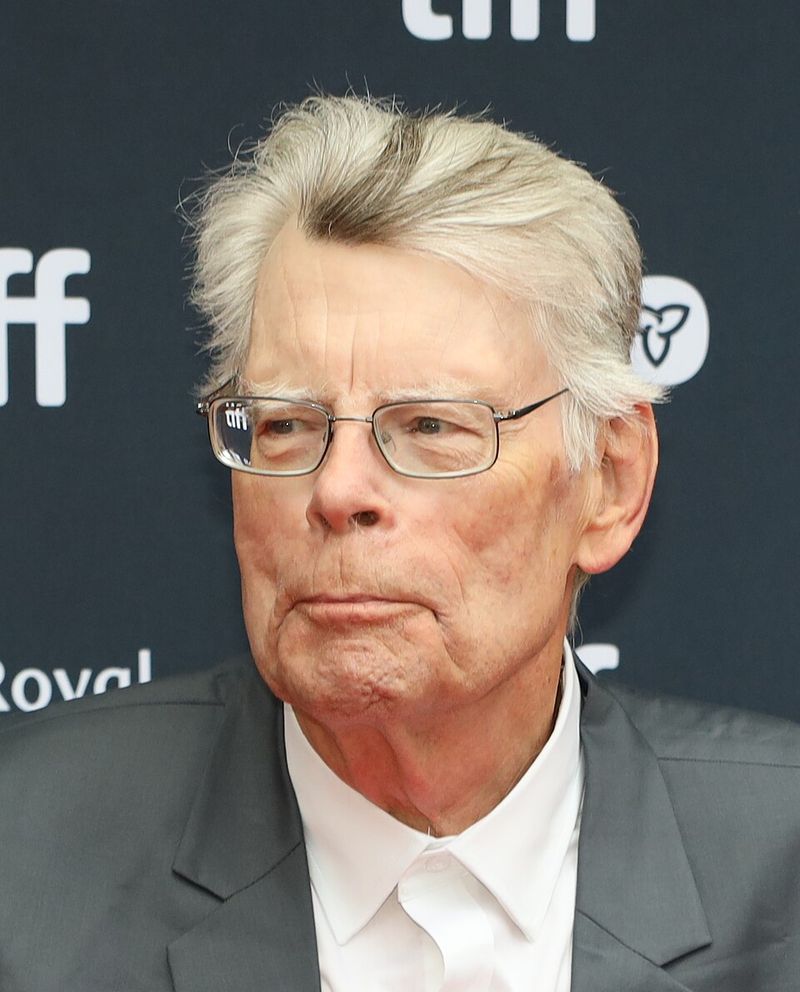
Few things are scarier than a teenager nobody listens to, until she can move objects with her mind. King introduced Carrie White in 1974, a bullied girl whose telekinetic powers explode in the most unforgettable prom scene in cinema history.
Hollywood adapted it twice, in 1976 and 2013, and neither version let audiences forget her.
Films like Jennifer (1978) and Ginger Snaps (2000) borrowed the same blueprint: a young girl, social isolation, and power nobody can control. King understood something powerful here.
Adolescence already feels chaotic and overwhelming, so adding supernatural abilities just cranks the volume up to maximum terrifying.
2. Children Turning Against Adults
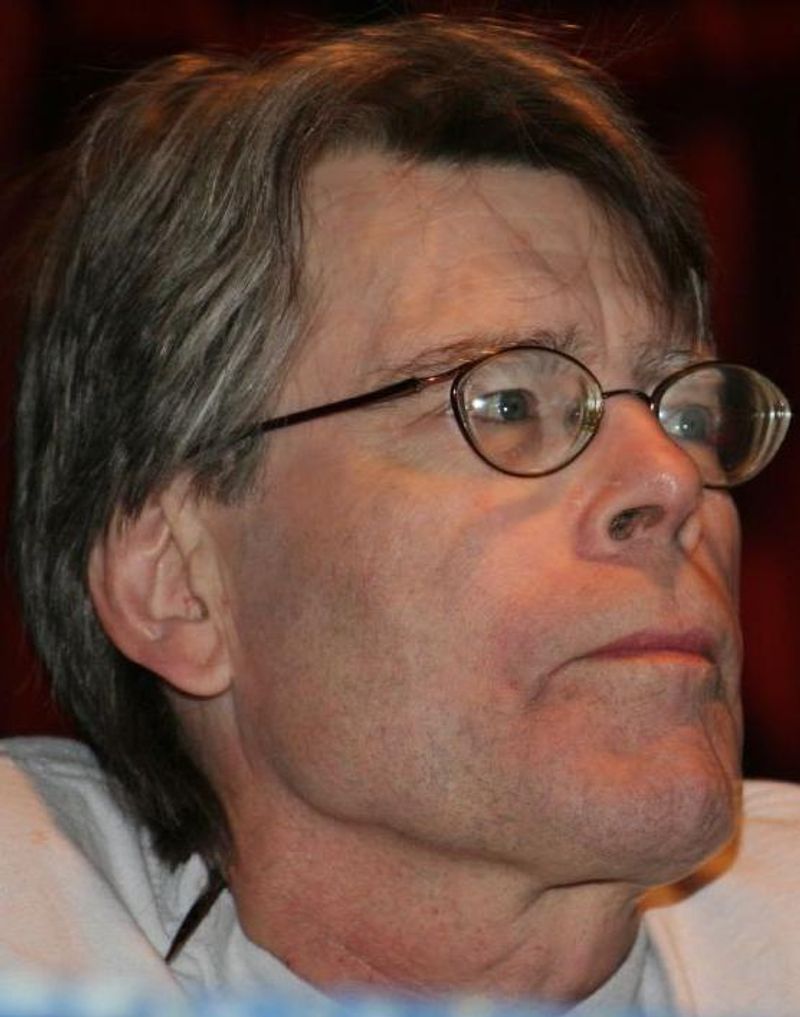
Kids are supposed to be innocent. King flipped that idea completely upside down in Children of the Corn, where an entire town of children murder every adult under the influence of a terrifying supernatural force hiding in the fields.
Hollywood has revisited this unsettling concept repeatedly. Sinister (2012) and The Witch (2015) both feature children committing shocking acts under dark influences.
How does King make it so creepy? Simple: adults trust kids instinctively, so betrayal from a child hits differently.
It is a psychological gut punch wrapped in a horror movie.
Just saying, corn fields have never looked the same since 1984.
3. Malevolent Machines

Cars are supposed to take you places safely. However, King had other plans when he wrote Christine in 1983, a story about a possessed 1958 Plymouth Fury that slowly corrupts its teenage owner and destroys everything around him.
Maximum Overdrive (1986), which King himself directed, pushed the concept further by having all machines rise against humanity simultaneously. Later films like The Wraith (1986) and Black Cadillac (2003) kept the killer vehicle tradition alive.
There is something uniquely unsettling about everyday objects turning hostile.
If your car ever starts acting weird, maybe, just maybe, do not ignore it.
4. Apocalyptic Pandemics
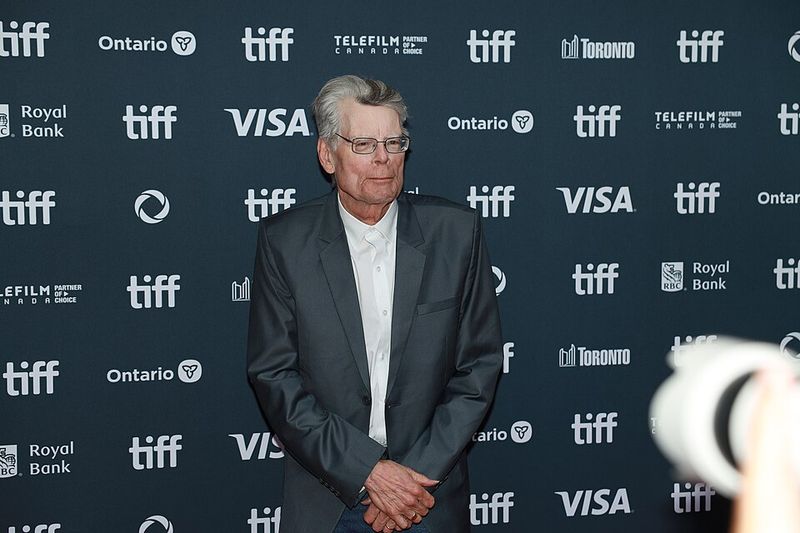
Long before 2020 made pandemic storylines feel uncomfortably real, King wrote The Stand in 1978, a massive novel about a superflu called Captain Trips wiping out 99% of humanity. Survivors must then choose sides in an epic battle between good and evil.
Hollywood borrowed heavily from King’s pandemic playbook. Outbreak (1995) and Contagion (2011) both explore societal collapse caused by infectious disease spreading beyond control.
Contagion in particular shot back to the top of streaming charts during the real COVID-19 pandemic. King essentially predicted our collective fear of invisible, unstoppable illness decades before it became everyone’s reality.
Chilling accuracy, honestly.
5. Creepy Clowns
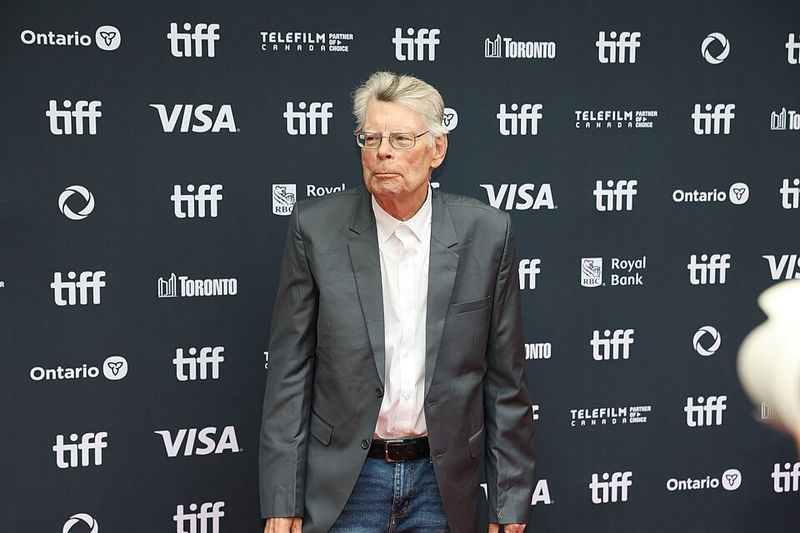
Pennywise the Dancing Clown might be the most iconic villain King ever created. Lurking in the sewers of Derry, Maine, Pennywise feeds on children’s fear by shapeshifting into their worst nightmares, but almost always appears as a grinning clown first.
It was adapted in 1990 and again in 2017 and 2019, each version traumatizing a brand-new generation of viewers. Terrifier (2016) and American Horror Story: Freak Show (2014) both leaned hard into sinister clown territory.
Before King, clowns were just birthday party entertainment. Now?
An entire generation cannot see face paint without backing slowly toward the exit.