10 Stephen King Films Built On Steady Horror And Tension
You know that feeling when a room is quiet… a little too quiet.
That slow, creeping dread is where these stories live, turning ordinary places into spaces that suddenly feel wrong. Fear does not jump out, it settles in, whispering that something is watching and waiting.
These adaptations bring that lingering, spine-tingling terror to the screen in ways that stay with you long after the credits roll.
Note: This article highlights selected film adaptations connected to Stephen King and discusses how tension and dread are used as storytelling tools; reactions to horror can vary widely by viewer.
1. The Shining (1980)

A lonely mountain hotel becomes the stage for a descent into psychological terror under Stanley Kubrick’s icy control. At the center, Jack Nicholson gives a bone chilling turn as Jack Torrance, a writer unraveling as isolation twists his mind.
Within the Overlook’s maze of endless corridors and ghostly visions, the building itself feels alive, watching, waiting, and whispering dread into every shadow. Unease seeps into each frame, from crimson flooded elevators to the manic “Here’s Johnny!” outburst that still echoes in horror history.
Slow, deliberate pacing tightens the suspense like a vice, making the final spiral into madness feel inescapable and deeply disturbing.
2. Misery (1990)

Rob Reiner’s adaptation turns a simple premise into edge-of-your-seat suspense. Author Paul Sheldon crashes his car during a blizzard and wakes up in the home of Annie Wilkes, who claims to be his biggest fan.
What starts as rescue quickly becomes captivity.
Kathy Bates won an Oscar for her portrayal of Annie, shifting between a gentle caretaker and a terrifying captor in seconds. The claustrophobic setting and Paul’s desperate attempts to escape create relentless tension that never lets up.
3. Carrie (1976)

Brian De Palma’s first King adaptation remains a landmark in horror cinema. Sissy Spacek plays Carrie White, a shy teenager tormented by cruel classmates and a strictly religious mother.
When Carrie discovers her telekinetic powers, the stage is set for one of cinema’s most memorable proms.
The film builds sympathy for Carrie before unleashing chaos, making the climax both horrifying and heartbreaking. That final scene still makes audiences jump decades later.
4. Christine (1983)
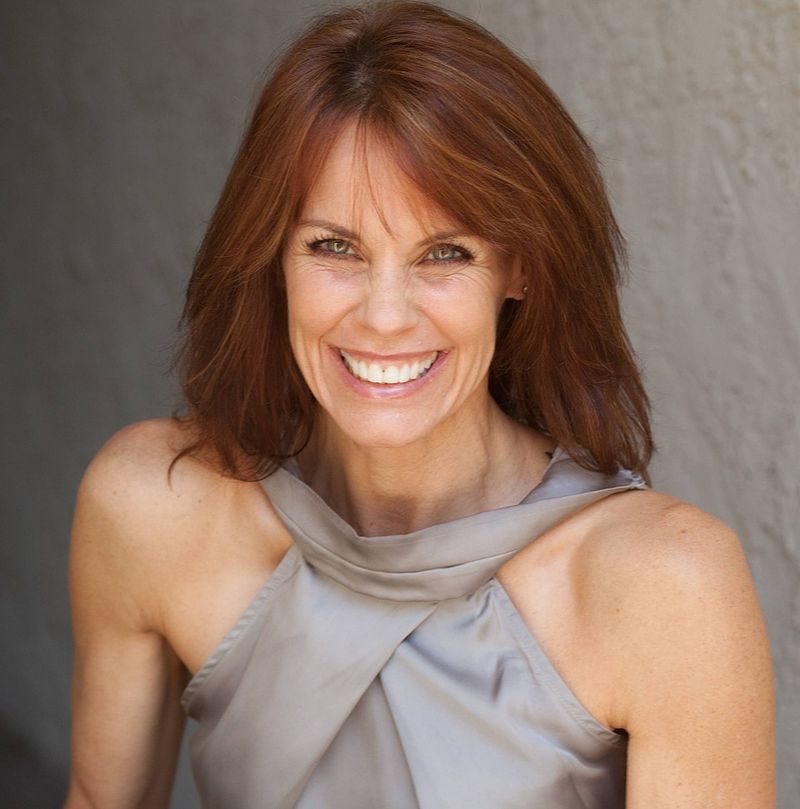
John Carpenter brings King’s killer car story to life with style and menace.
Nerdy teenager Arnie Cunningham buys a beat-up 1958 Plymouth Fury named Christine, and the car transforms him – literally and figuratively. As Christine’s jealous personality emerges, Arnie becomes increasingly obsessed and violent.
Carpenter creates genuine unease watching a vehicle stalk its victims, proving that horror can come from the most unexpected places. The car restoration scenes mirror Arnie’s dark transformation perfectly.
5. Pet Sematary (2019)

Some places hold secrets that should never be disturbed, and this chilling remake leans fully into that warning.
Behind the Creed family’s new home lies a burial ground with the power to return the dead back to life, only nothing that comes back is ever truly the same. Directors Kevin Kölsch and Dennis Widmyer refresh the tale with modern unease while preserving the story’s lingering sense of doom.
Grief drives every choice, pushing parents toward desperate decisions that feel both human and horrifying. With each resurrection, tension tightens until the finale arrives like a dark fate that was waiting all along.
6. It (2017)
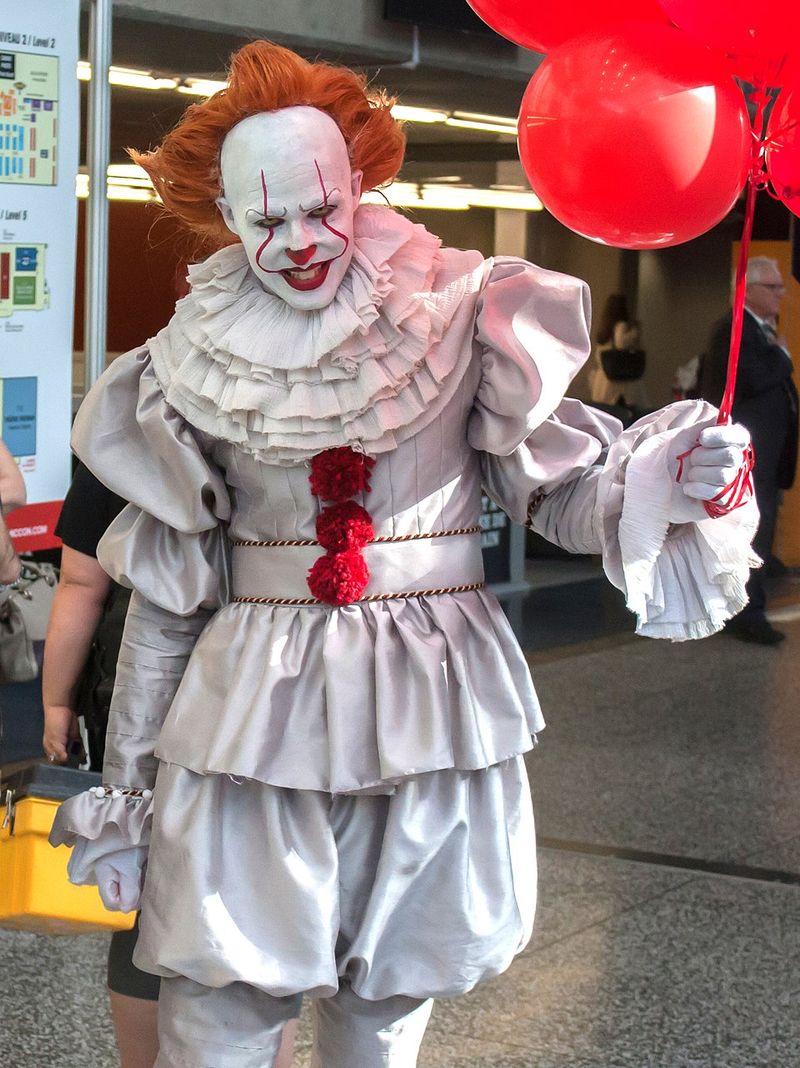
A familiar nightmare resurfaces as Pennywise returns to stalk a new generation. In the quiet town of Derry, the Losers’ Club faces a shape-shifting force that feeds on fear and preys on childhood vulnerability.
Under layers of greasepaint and grin, Bill Skarsgård gives the clown a mix of eerie playfulness and quiet, predatory menace. Sudden shocks jolt the audience, yet the deeper terror grows from buried trauma and the rot festering beneath small town innocence.
Long after the credits fade, those sewer shadows linger in the mind like something still waiting just out of sight.
7. Doctor Sleep (2019)
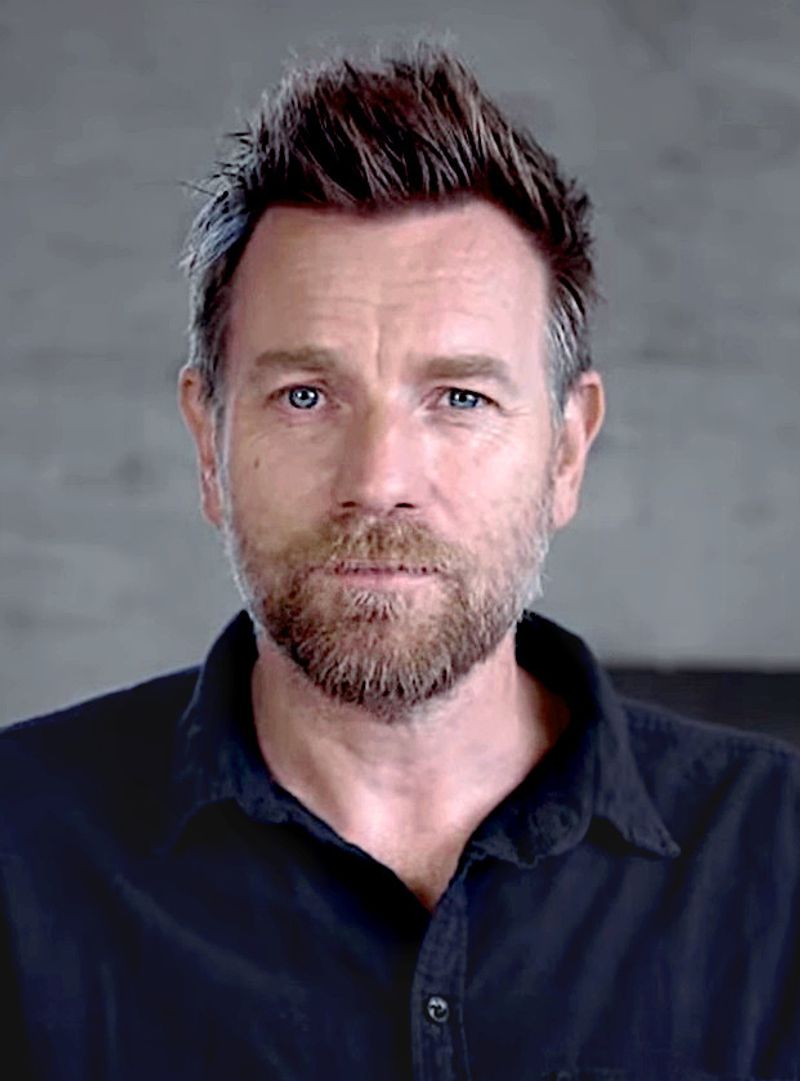
Mike Flanagan crafted a worthy sequel to The Shining that stands on its own merits. Ewan McGregor plays the adult Danny Torrance, still haunted by the Overlook Hotel’s ghosts.
When he meets a young girl with similar powers, they must face a cult that feeds on psychic children.
Flanagan balances King’s novel with Kubrick’s film aesthetic, creating something fresh yet familiar. The tension comes from Danny’s battle with his demons – both literal and metaphorical – as he protects the next generation.
8. Firestarter (2022)
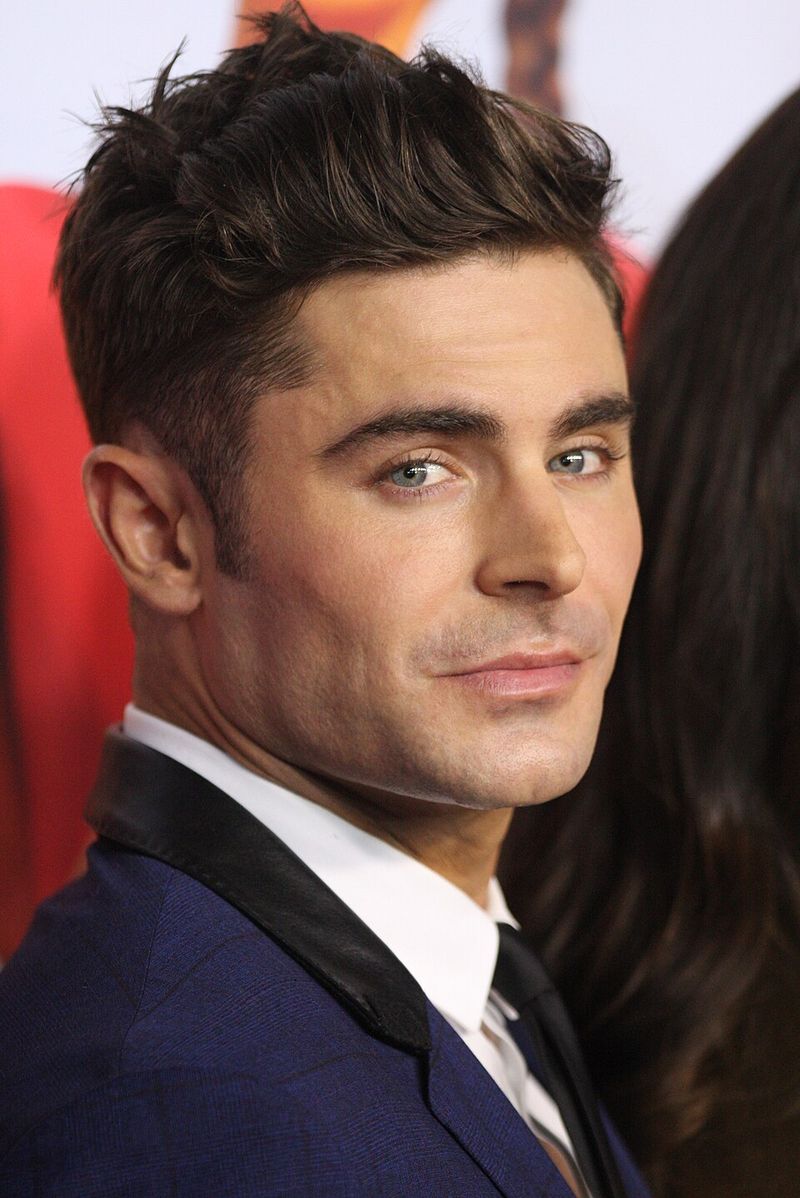
Danger ignites quickly in this modern take on a girl born with the power to start fires with her mind. At the center stands Charlie McGee, hunted by a secretive government agency that sees her as a threat rather than a child.
Ryan Kiera Armstrong brings raw emotion to the role, while Zac Efron plays a father fighting to shield his daughter and teach her control. Suspense grows as the risk of discovery closes in and Charlie wrestles with whether her gift will save them or turn her into a weapon.
Flames flicker as both shield and curse, lighting a path that grows more perilous with every step.
9. Creepshow (1982)
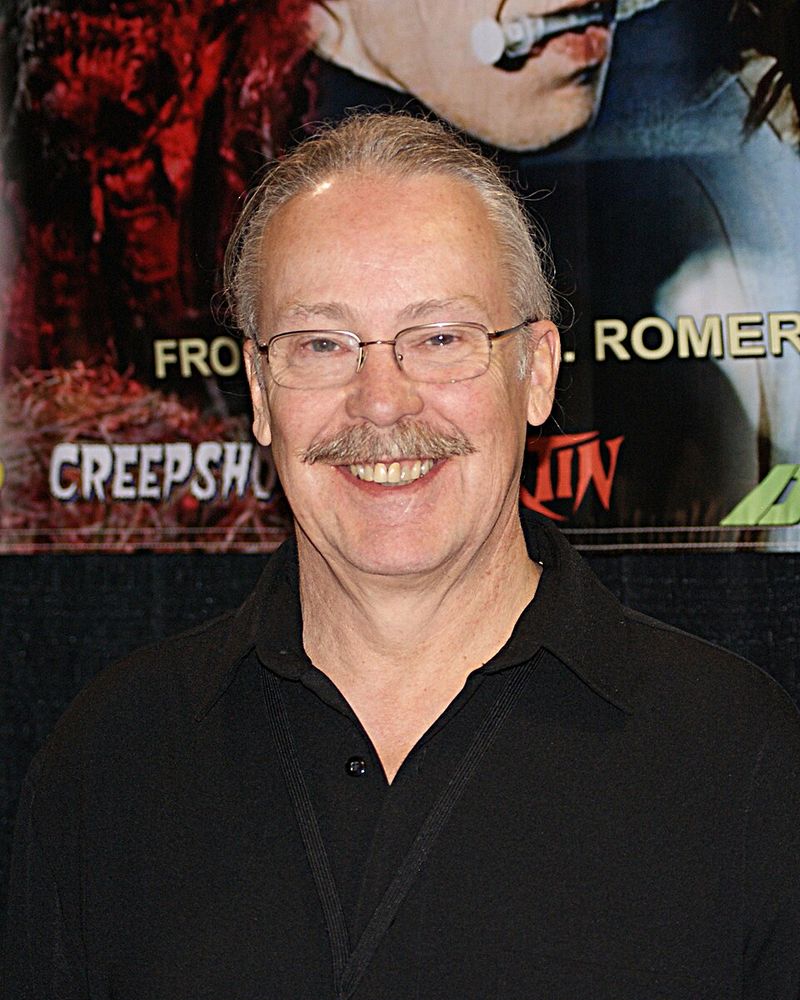
George A. Romero directed this anthology that reads like a comic book come to horrifying life.
Five tales of terror unfold, each with King’s signature blend of dark humor and genuine scares. From vengeful corpses to alien plants, the stories vary in tone but maintain consistent dread.
The comic-book framing device and vivid colors create a unique atmosphere that’s both playful and sinister. King himself appears in one segment, proving he can act as well as write nightmares.
10. Creepshow 2 (1987)

Comic book panels snap open again as Michael Gornick carries the anthology of terror forward with three fresh nightmares.
Among them, “The Raft” proves especially chilling, marooning four teenagers on a lonely platform while something hungry circles beneath the water.
Isolation tightens the fear, turning a small stretch of lake into a trap with no safe escape.
With fewer stories than the original, each segment lingers longer and digs deeper into its own flavor of horror. Between tales, the Creep reappears as host, cackling gleefully while dark humor bleeds into rising dread.