7 Steve Carell Movies Critics Embraced And 8 That Fell Short
Comedy careers are not supposed to come with emotional whiplash, yet Steve Carell somehow made that the brand.
One minute brings awkward laughs you can’t escape, the next delivers a performance serious enough to make everyone sit up straight. Some movies earned praise, awards, and rewatch status, while others inspired a quiet “huh” and a fast channel change.
Taking a look at his filmography means celebrating the highs, acknowledging the misfires, and appreciating an actor who never stayed in one lane for long.
Note: This article reflects film-criticism summaries and general audience reception and may include brief references to mature themes that appear in the movies discussed. Reception can vary by viewer, era, and publication, and any review metrics mentioned are snapshots rather than definitive judgments.
7. Crazy, Stupid, Love

Dinner plans collapse the moment life delivers unexpected news inside a familiar restaurant.
Cal Weaver lands at the center of Crazy Stupid Love, setting off a funny and surprisingly sincere path toward rediscovery.
Suave confidence enters the picture when Ryan Gosling steps in as a polished ladies’ man, guiding a newly single dad through lessons on style, conversation, and charm.
Laugh-out-loud moments share space with genuine emotion, supported by strong ensemble chemistry and a script that keeps turns unpredictable. Watching the transformation feels like seeing an awkward uncle become the coolest person in the room, equal parts absurd and oddly satisfying.
6. Battle Of The Sexes
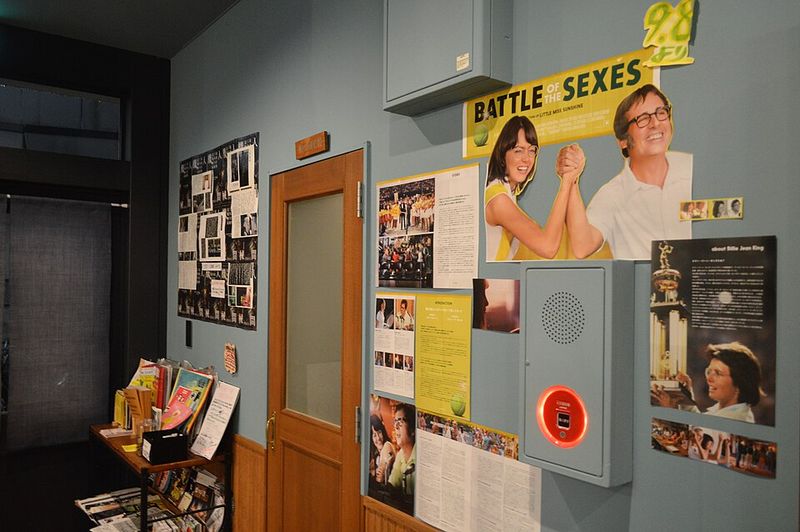
The year was 1973, and the whole world watched two tennis legends face off in a match that meant way more than sport. Steve Carell transforms into Bobby Riggs, the loud-mouthed former champion who challenged women’s tennis star Billie Jean King.
His performance captures both the showman’s swagger and the insecurities hiding underneath.
Critics praised how the film handles gender equality themes while keeping the story entertaining and accessible. You’ll find yourself rooting for history even though you already know how it ends.
5. Foxcatcher
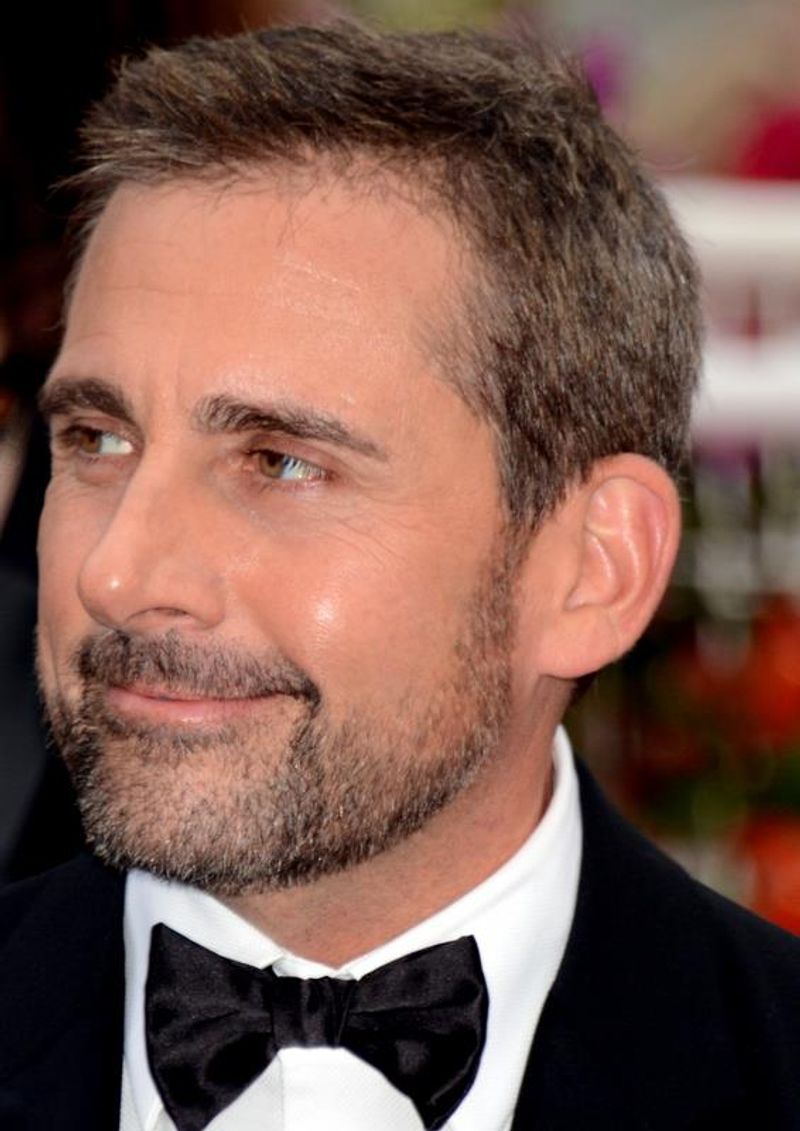
Comedy disappears completely as a disturbing true story takes center stage.
Unsettling transformation defines Foxcatcher, where John du Pont emerges as a wealthy heir fixated on Olympic wrestling and control.
Prosthetics and an icy stare erase familiarity, leaving Steve Carell nearly unrecognizable on screen. Mentorship offered to Mark and Dave Schultz slowly curdles into obsession, then slides toward tragedy.
Critical response focused on the shock of that shift, with an Oscar nomination confirming dramatic range equal to anything achieved in comedy.
4. The Big Short

Remember when the economy crashed in 2008 and nobody could explain why?
This film makes the complicated financial mess actually understandable, and Carell plays Mark Baum, a hedge fund manager who sees the disaster coming. His angry disbelief at Wall Street’s greed drives the entire story forward.
Critics loved how the movie turned dense economic jargon into compelling drama. Watching Carell’s character realize the scope of the crisis feels like watching someone discover their house is built on quicksand.
3. Despicable Me

Gravity-defying scarves and moon-sized ambitions kick off an animated caper built around unexpected heart. Villain duties take shape in Despicable Me, where Gru hatches a plan to steal the moon while stumbling into parenthood along the way.
Voice work from Steve Carell leans into a playful accent that blends mad scientist energy with genuine warmth.
Scene-stealing minions add chaos, yet emotional weight lands through a transformation that shifts focus from schemes to bedtime routines.
Critical response celebrated that balance of humor and heart, launching a franchise that proved even animated villains thrive once hugs and stories enter the picture.
2. Little Miss Sunshine
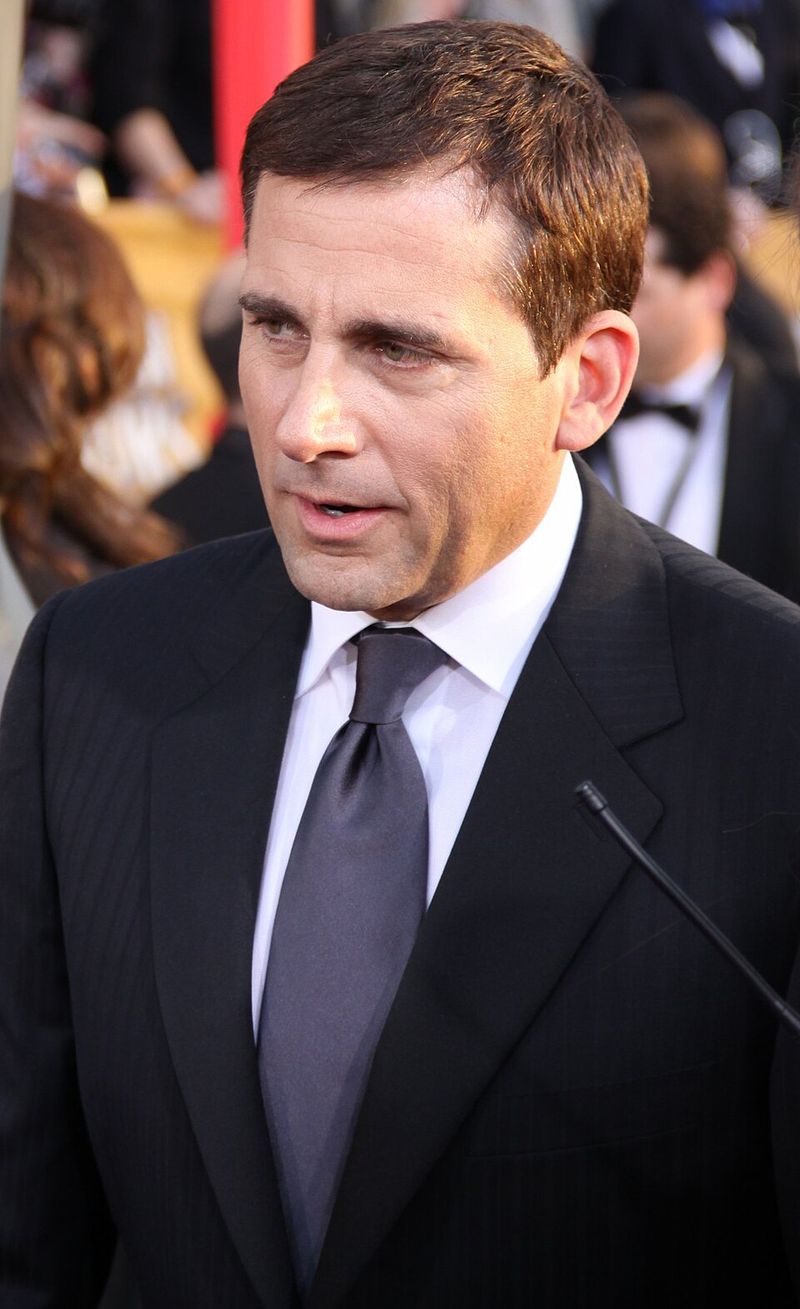
After going through a crisis and joining his family on a trip, Frank Ginsberg finds himself stranded in a van with his tumultuous family as they travel to a kid beauty contest. Carell plays a Proust scholar recovering after a mental-health crisis with quiet desperation and unexpected humor.
The road trip becomes a masterclass in dysfunction, yet somehow the family finds connection in their shared disasters.
Critics fell for the ensemble cast and the script’s perfect balance of dark comedy and genuine warmth. Sometimes the messiest families teach us the most about sticking together when the wheels literally fall off.
1. The 40-Year-Old Virgin
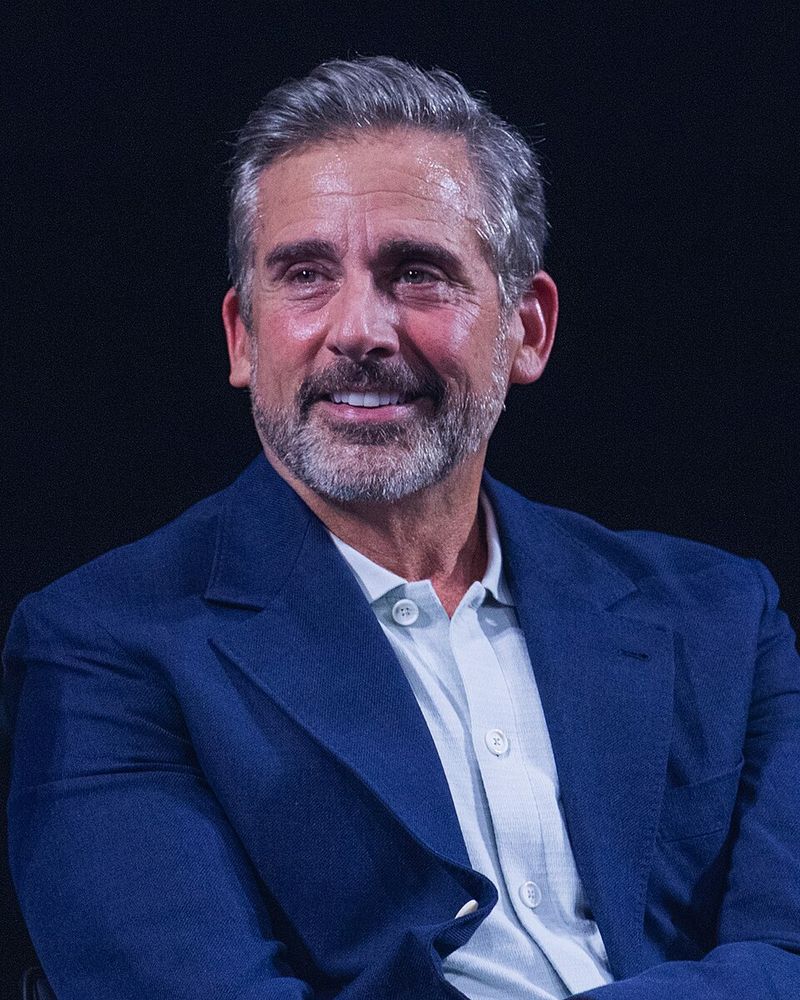
Action figures line the shelves, bike rides replace car keys, and romance has never entered the picture for Andy. Coworkers stumble onto the truth in The 40-Year-Old Virgin and decide fixing his love life becomes a group project.
Co-writing credit and performance work together here, as Steve Carell balances secondhand embarrassment with unexpected tenderness.
Pop culture memory tends to lock onto the infamous chest-waxing moment, which instantly earned legendary status. Critical praise followed for treating the character with empathy rather than cruelty, turning a bawdy setup into the role that pushed Carell from TV favorite to full-fledged leading man.
8. Evan Almighty

God tells a congressman to build an ark, and suddenly Evan’s life becomes a biblical comedy of errors.
The budget was massive, the special effects impressive, but critics found the script as waterlogged as the eventual flood. Despite Carell’s best efforts and commitment to the physical comedy, the movie sank under its own ambition.
It’s like watching someone try to recreate lightning in a very expensive bottle. The film proved that bigger budgets don’t always float better boats, especially when the story feels preachy instead of playful.
7. Get Smart

Clumsy confidence drives spy missions as Maxwell Smart stumbles forward on luck more than skill.
Classic television roots return in Get Smart, with Steve Carell reviving the character through gadgets, polished action, and broad physical humor. Supporting energy helps, especially with Anne Hathaway stepping in as a capable and charismatic Agent 99.
Tone wobbles throughout, leaving critics unsure if parody or straight action ever fully takes control.
Entertainment value stays intact for a lazy afternoon, even if the comedy never quite cracks the perfect code.
6. Minions

Bright chaos takes center stage as the little yellow henchmen step into an origin story of their own. A younger version of Gru briefly reappears through voice work in Minions, with Steve Carell returning in a smaller role.
Visual inventiveness and that nonsense-heavy minion language earned appreciation for sheer creativity. Stretching the concept proved divisive, as momentum thins once the joke runs long.
Best impact still comes in short bursts, making the experience feel like finishing an entire bag of candy when a few pieces would have hit the sweet spot perfectly.
5. Despicable Me 3
Gru discovers he has a twin brother, and Carell voices both characters with different accents and personalities.
The franchise’s third installment introduces new villains and family dynamics, but critics felt the magic was fading. The jokes feel recycled, the plot predictable, and even the minions seem tired of their own antics.
It’s like watching a birthday party where everyone’s having fun but you can tell the host is ready for guests to leave. Sometimes trilogies should stop at two, before the sequels start feeling like homework instead of entertainment.
4. Dinner For Schmucks

Morbid creativity sets the tone as Barry crafts elaborate dioramas built from unsettling miniature materials and oddball creations. Invitation to an awkward dinner drives the plot of Dinner for Schmucks, where wealthy hosts treat eccentric guests as punchlines rather than people.
Oblivious sweetness defines the central performance, with Steve Carell committing fully to Barry’s gentle sincerity. Critical response cooled quickly, citing a premise that felt more mean-spirited than satirical.
Sharper teeth existed in the French original, while this remake smooths edges until the bite disappears.
Earnest effort cannot fully rescue material that frames cruelty as comedy and expects laughter to follow.
3. Welcome To Marwen

After a brutal attack leaves him with serious injuries and lasting trauma, Mark Hogancamp builds a miniature World War II village populated by dolls representing people in his life.
Director Robert Zemeckis blends live action with motion-capture animation, creating a visually striking but emotionally distant film. Critics found the tone jarring and the story’s handling of trauma uncomfortable.
Carell tries his best, but the movie feels like two different films stitched together with mismatched thread. Sometimes ambitious visions need more than technical wizardry to connect with human hearts.
2. The Incredible Burt Wonderstone

Two childhood friends become famous Las Vegas magicians, then watch their act grow stale as a dangerous street magician steals their spotlight.
Carell and Steve Buscemi have great chemistry, and Jim Carrey’s over-the-top villain provides laughs. Yet critics felt the script never found its rhythm, bouncing between heart and humor without nailing either.
The magic tricks look impressive, but the story needed its own disappearing act. It’s a comedy that pulls a rabbit from a hat, then forgets what to do with the bunny once it appears.
1. Irresistible
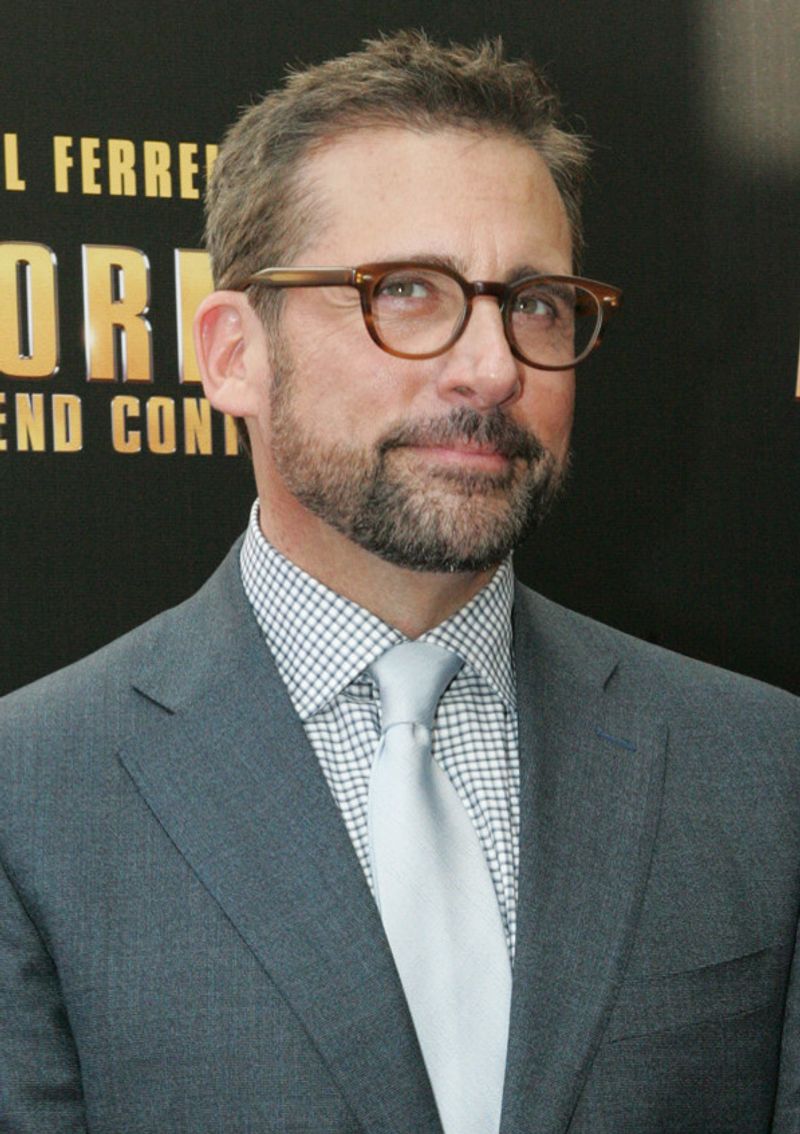
Viral footage from a town meeting sparks an unexpected political idea when a retired Marine colonel speaks his mind. Strategic ambition takes shape in Irresistible, built around the notion that the right candidate can be manufactured in the right moment.
Satirical intent guides the project from behind the camera, with Jon Stewart aiming for sharp commentary that many critics felt never fully landed.
Fish-out-of-water energy defines the central performance, as Steve Carell brings charm to a consultant dropped into unfamiliar territory.
Predictability undercuts momentum, leaving jokes skimming surfaces rather than cutting deep. Cleverness promised by the ending arrives softly, more shrug than sting.