10 Strange Jobs Once Done By Women That Have Disappeared Over Time
Long before robots replaced routines and computers took the wheel, women carved out careers that feel like punchlines in a history joke, only every role was real. Some jobs were so unusual, they sound like plot twists waiting for a reveal.
Women waded into muddy waters collecting leeches, essentially running early versions of medical “small business” operations. Others painted clock dials with glowing materials, turning every shift into a literal bright idea, even when the work carried hidden risks. Some woke entire neighborhoods at dawn, proving alarm clocks once had a human voice and a strong sense of punctuality.
History often highlights queens and warriors, yet these roles reveal another kind of power. Resourcefulness, resilience, and a knack for turning odd opportunities into survival.
Each job came with its own quirks, challenges, and a surprising amount of grit. These careers were not just occupations, they were acts of creativity wrapped in necessity.
Looking back at these forgotten paths feels like opening a dusty cabinet of wild inventions. Every story carries a spark, a wink, and a reminder that women have always been masters of making something out of anything, even when the job description sounded like a riddle.
1. Knocker-Upper
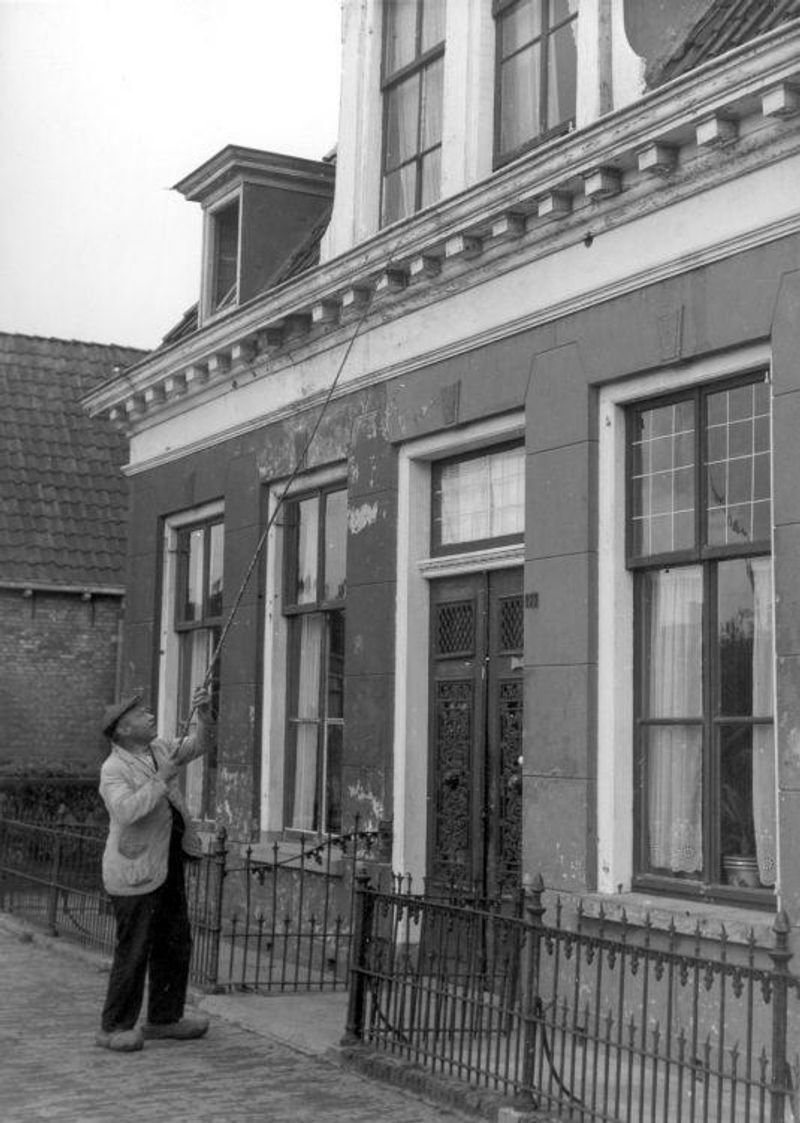
Every morning, before sunrise painted the sky, women armed only with long poles or peashooters walked through foggy streets on a very important mission: waking people up. Called knocker-uppers, these workers tapped on bedroom windows until sleepy clients stirred inside.
No snooze button existed back then, just a determined woman and a stick. Customers paid a small weekly fee for the service, making it a reliable, if exhausting, source of income.
How did knocker-uppers know when to stop knocking? Usually when the client knocked back!
Alarm clocks eventually made the job obsolete, but for decades, these women were basically human alarm systems.
2. Leech Collector

Wading knee-deep into cold, murky swamps might not sound like a dream job, but for leech collectors in the 1800s, it was simply Tuesday. Women would roll up skirts, step into ponds, and let leeches latch onto bare skin.
Doctors at the time believed leeches could cure almost everything, creating massive demand. Collectors would then peel off the leeches and sell them to apothecaries and hospitals for bloodletting treatments.
Repeated exposure caused serious wounds and infections over time, yet countless women continued doing it because the pay was steady. It was risky, muddy, and honestly a little heroic, just saying.
3. Radium Dial Painter
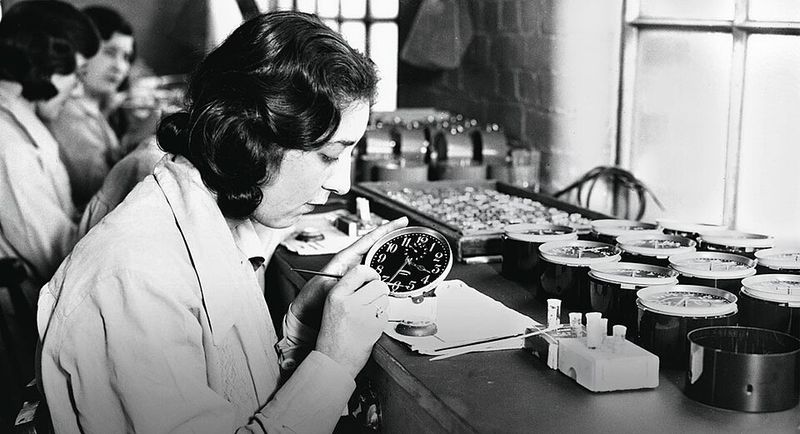
Glowing clock dials looked magical in the 1920s, but the secret behind the glow was radium, a radioactive element nobody fully understood yet. Young women were hired to paint dials, earning good wages for what seemed like simple, delicate work.
Supervisors instructed workers to point paintbrushes using lips, a technique called lip-pointing, to keep the bristles sharp. Nobody warned them about the invisible danger lurking inside every tiny brushstroke.
Over time, many developed radiation poisoning, bone fractures, and serious illness. However, their suffering eventually sparked landmark workplace safety laws.
The Radium Girls, as history remembers them, changed labor protections forever.
4. Human Computer
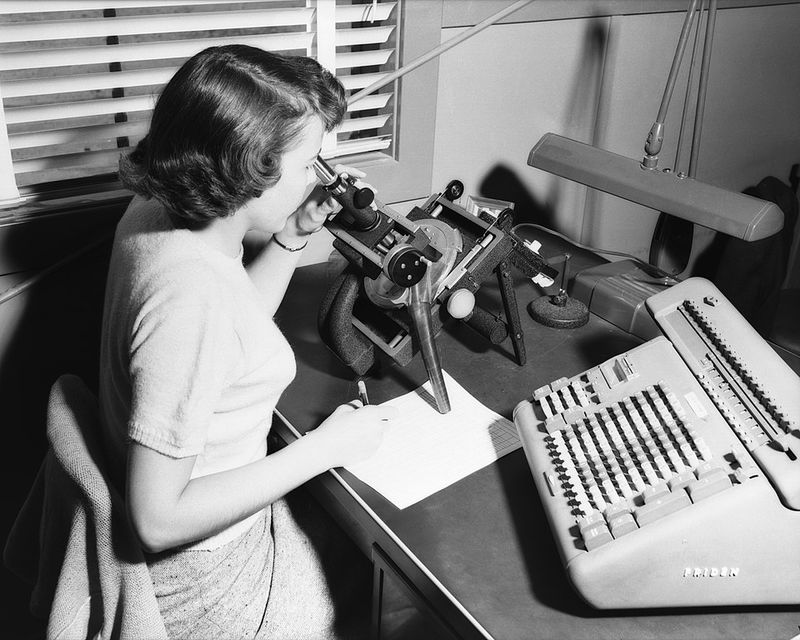
Before silicon chips existed, math problems did not solve themselves. Rooms full of women sat at long desks, crunching numbers by hand for hours, performing calculations that guided airplanes, rockets, and scientific research.
Called human computers, many worked for NASA and its predecessor NACA, calculating flight paths and aerodynamic data. Katherine Johnson, Dorothy Vaughan, and Mary Jackson became legends of the field, immortalized in the movie Hidden Figures.
Electronic computers eventually replaced pencil-and-paper calculations, but the impact of human computers never faded. Every moon landing, every satellite orbit, every aerospace breakthrough carried traces of brilliant minds doing extraordinary math.
5. Powder Monkey
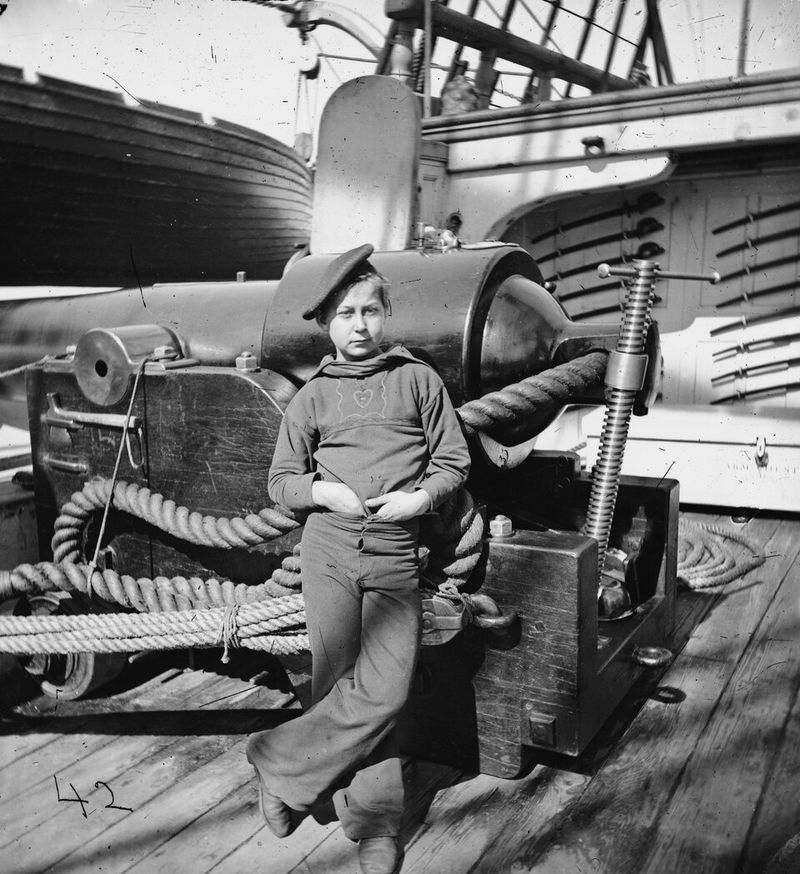
Naval battles were deafening, chaotic, and extremely dangerous, especially below deck where powder monkeys sprinted back and forth carrying gunpowder charges to the cannons. Some of these daring runners were women disguised as boys.
Speed was everything. A cannon crew could not reload without fresh powder, so powder monkeys had to be fast, fearless, and incredibly focused under fire.
One wrong move near an open flame meant catastrophe.
Historical records confirm women served in naval combat roles, often hiding identities to enlist. If courage had a job title back then, powder monkey would absolutely qualify.
Bold does not even begin to cover it.
6. Telegraphist
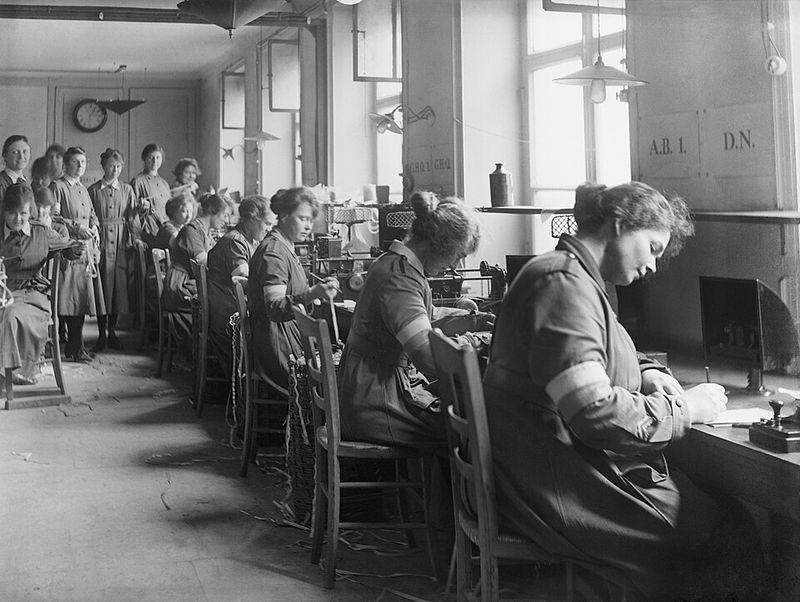
Clicking and tapping away in busy telegraph offices, women telegraphists were the internet of the 1800s. Long before emails or text messages, Morse code signals raced across copper wires, and skilled operators decoded every single one.
Women entered the field heavily during the American Civil War, proving they could master technical skills just as quickly as men. Employers also appreciated paying women lower wages, which opened doors while simultaneously being deeply unfair.
Telephones and eventually digital communication made telegraphs obsolete by the mid-20th century. However, the telegraphist era proved women excelled in technical, fast-paced communication careers, a legacy echoing strongly across every modern tech industry.
7. Lace Maker
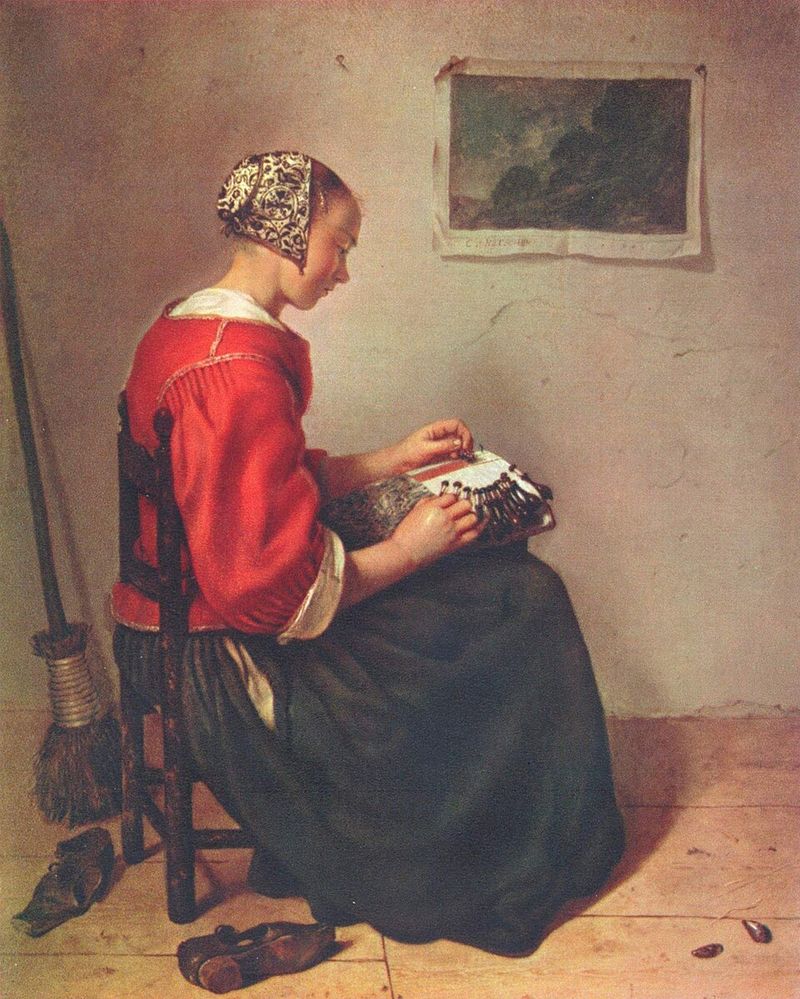
Creating lace by hand required patience measured not in hours but in weeks. Lacemakers, overwhelmingly women, sat for long hours manipulating dozens of tiny bobbins, weaving threads into breathtaking patterns worth more than gold by the yard.
Fine lace decorated royalty, clergy, and aristocracy across Europe for centuries. A single collar could represent months of meticulous labor.
However, the work destroyed eyesight over time and paid very little despite the incredible skill involved.
Industrial machines producing machine-made lace in the 19th century crushed the handmade lace industry almost overnight. What remained was an art form practiced by dedicated artisans, not a livable profession for thousands of working women.
8. Fulling Mill Worker
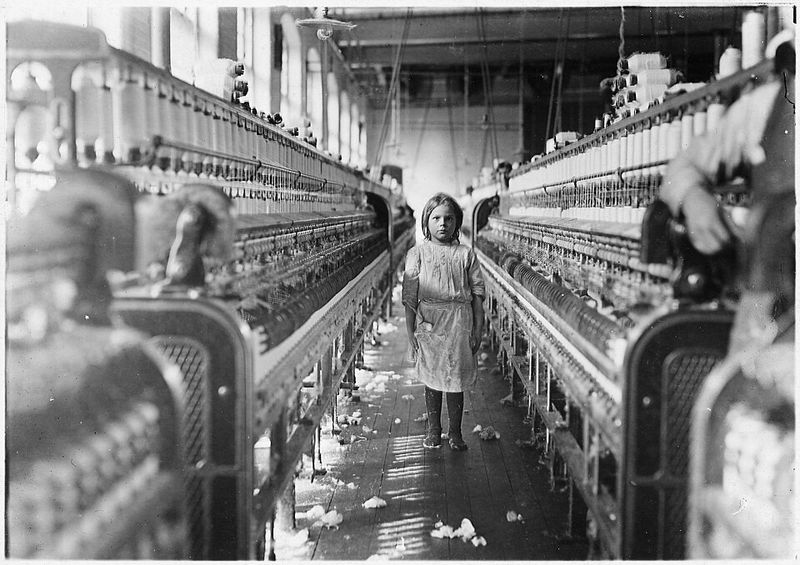
Making wool cloth waterproof and durable required a process called fulling, and for centuries, women did it by stomping barefoot on wet wool for hours inside large wooden troughs. Yes, exactly like stomping grapes, but for fabric.
The rhythmic trampling compressed wool fibers, creating a thick, water-resistant material ideal for cloaks and coats. Workers sang songs to keep rhythm going, making it one of history’s earliest workplace playlists.
Mechanical fulling mills powered by water wheels eventually replaced foot-powered labor, pushing women out of another skilled trade. Still, the image of women literally dancing cloth into existence carries an undeniably poetic, slightly hilarious charm.
9. Crossing Sweeper
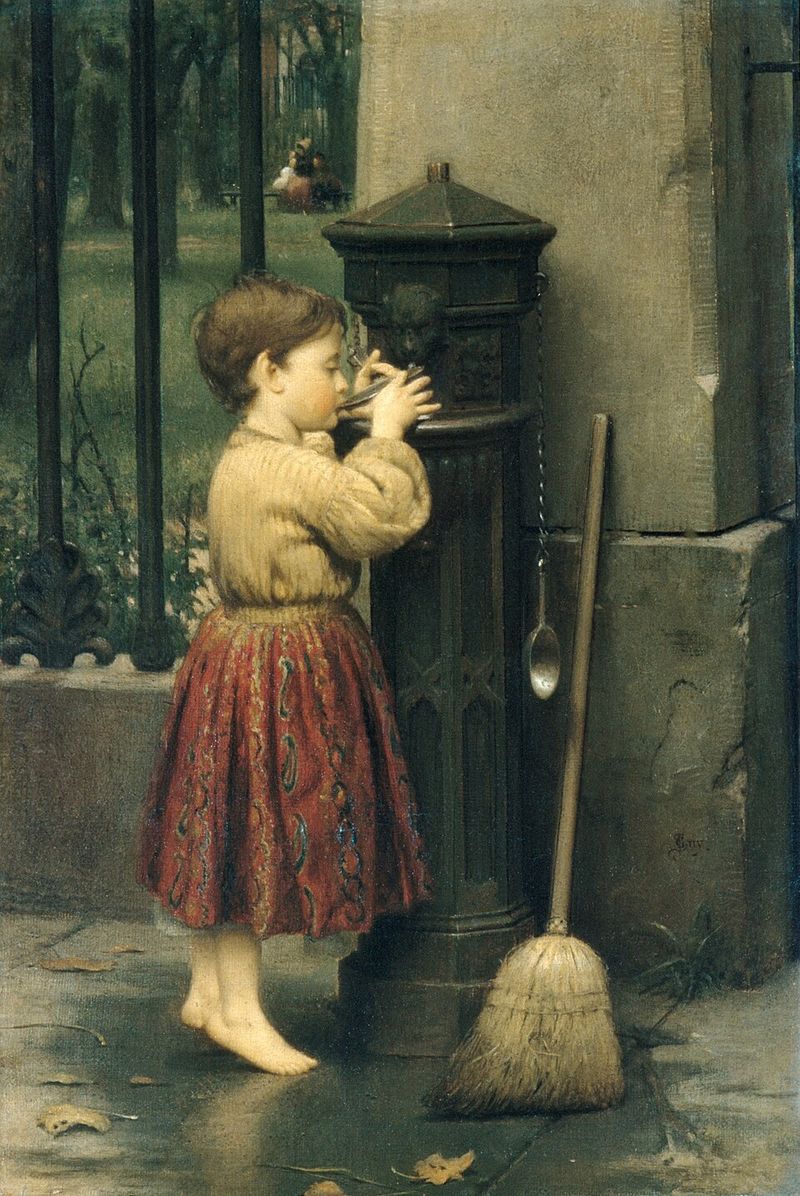
Horse-drawn carriages made Victorian streets incredibly messy, and crossing sweepers made a living keeping pedestrian paths clear enough to cross. Women and girls armed only with brooms stood at busy intersections, sweeping muck aside for a penny tip.
It sounds simple, but surviving meant working outdoors all day in cold, rain, and smog while dodging fast-moving horses. Regular customers sometimes became loyal tippers, making a few crossings genuinely profitable.
Paved roads, automobiles, and city sanitation services eliminated the need for crossing sweepers by the early 1900s. Popular novels from those days feature crossing sweepers, cementing their place in literary history forever.
10. Plague Nurse
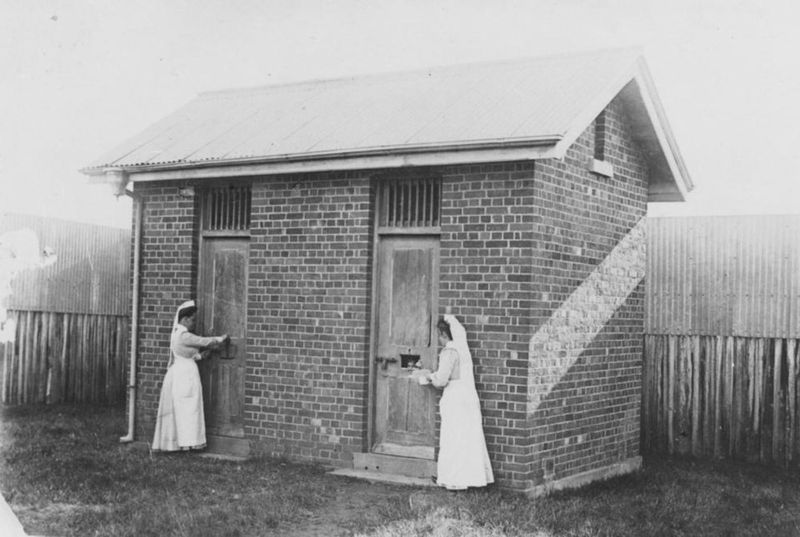
During Europe’s devastating plague outbreaks, most people ran in the opposite direction of sick patients. Plague nurses ran straight toward danger, caring for the dying when almost everyone else had fled in terror.
Often hired by city governments during epidemics, many of these nurses had already survived plague themselves, giving limited immunity. However, repeated exposure still proved fatal for a heartbreaking number of caregivers over the centuries.
No formal medical training existed, yet plague nurses administered herbal remedies, changed dressings, and provided comfort during humanity’s darkest hours. Long before Florence Nightingale became famous, unnamed women were quietly redefining what courage looked like on the front lines.