15 Ways Stranger Things Takes Creative Liberty With The 1980s
Stranger Things has turned ’80s nostalgia into a full-blown phenomenon, mixing supernatural thrills with the decade’s pop-culture spark.
Hawkins, Indiana feels instantly familiar, like a time capsule with monsters hiding in the margins.
Some details don’t perfectly match real 1980s life, yet that loose accuracy is part of the fun, making the show feel more like a wild memory than a history lesson.
Note: The content is provided for general informational and entertainment purposes and is not legal, financial, or professional advice.
This article reflects general historical context and pop-culture commentary and may simplify or interpret details for readability.
1. Walkie-Talkies That Work Like Movie Props
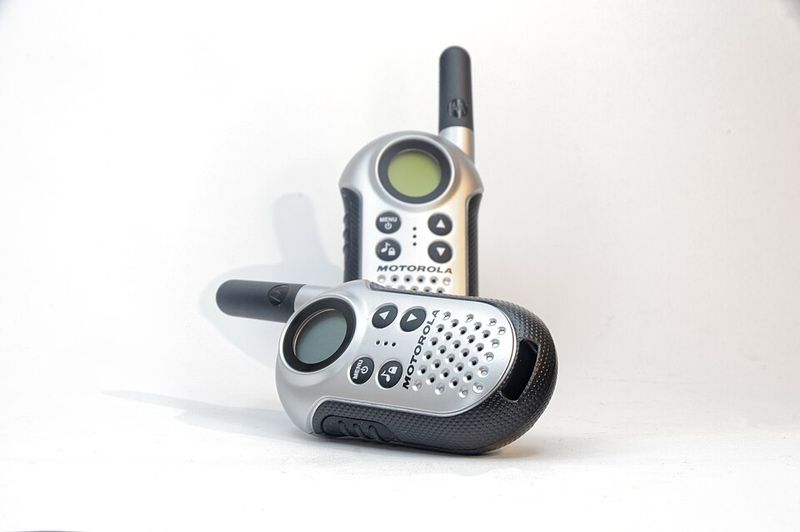
Hawkins’ younger residents rely heavily on their walkie-talkies to maintain contact during dangerous monster hunts and late-night adventures. 1980s communication devices possessed limited range and frequently crackled with heavy static, making clear dialogue across neighborhoods nearly impossible.
Television writers give these gadgets plot-friendly clarity and reach that feels far more reliable than what most children actually experienced in that decade. Toy walkie-talkies used back then would mostly produce buzzing and frustration if you tried calling a friend from across town.
Stranger Things transforms these plastic tools into dependable lifelines that miraculously never seem to lose signal at the wrong moment.
2. Dungeons And Dragons

D&D existed in the 1980s and had a devoted following, but it wasn’t the mainstream shorthand the series suggests.
The show treats it like a near-perfect code that everybody instantly understands, using its monsters and lore to name threats like the Demogorgon. Some of the terminology and expanded lore the kids reference came from later editions and weren’t part of the original rulebooks most players used back then.
It’s a clever storytelling device that adds depth and nostalgia.
Still, real 1980s kids might not have connected the dots quite so quickly.
3. Small-Town Mall Culture
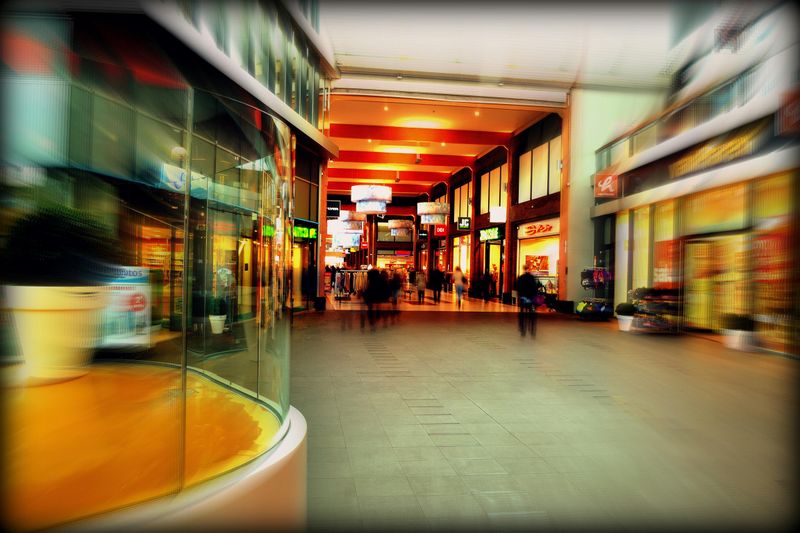
Retail centers dominated the landscape in the 1980s and functioned as vital social hubs for teenagers and families alike.
Starcourt Mall serves as the ultimate concentration of this phenomenon, acting as the primary setting for an entire season of supernatural adventures.
Nostalgic mall culture becomes a centerpiece that pulls every character into its orbit, ranging from ice cream parlors to hidden underground bases. Small towns historically featured such shopping centers, though these locations rarely felt so central to every aspect of daily life.
Fun exaggerations like these deliver a maximum retro punch that defines the aesthetic of the era.
4. New Coke Treated As Instantly Everywhere
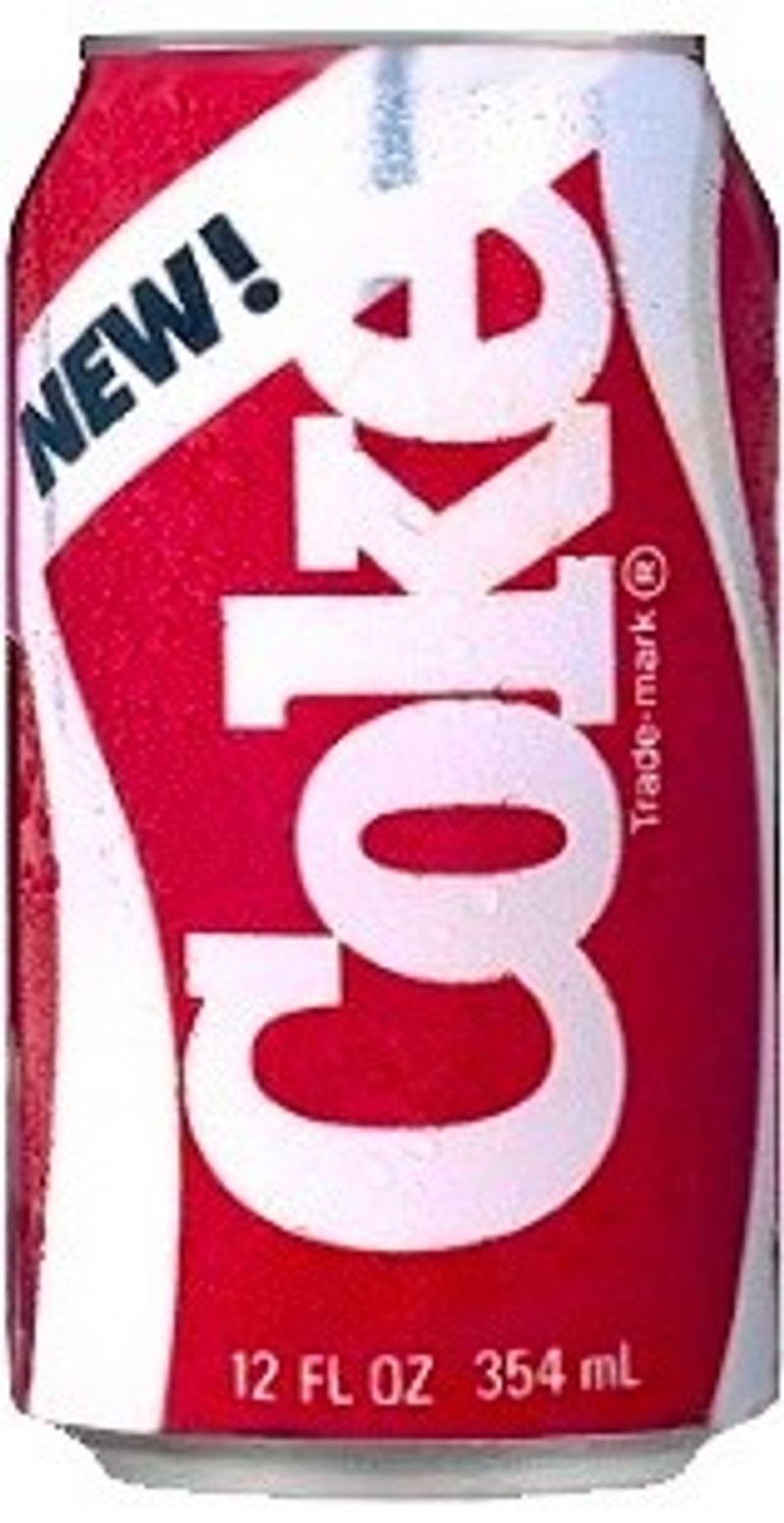
Season 3 is set in summer 1985, just months after Coca-Cola introduced New Coke on April 23, 1985, and during the period when backlash was peaking. The show uses this real-world moment as a big cultural beat, with characters reacting to the controversial flavor change.
Stranger Things heightens how omnipresent New Coke feels, making it seem like every store and vending machine switched over overnight.
In real life, distribution wasn’t perfectly uniform everywhere, and Coca-Cola brought back the original formula as ‘Coca-Cola Classic’ on July 11, 1985.
It’s a smart way to anchor the season in a specific time, even if the details are smoothed out for storytelling.
5. A Secret Government Lab That Can Do Almost Anything, Unnoticed

Government facilities in the 1980s operated like shadowy fortresses with seemingly unlimited resources and zero outside oversight.
Sinister vibes in the show echo real Cold War abuses like MKUltra, where secret experiments were conducted on unsuspecting citizens. Stranger Things scales this historical inspiration into a nearly all-powerful local force capable of opening interdimensional portals while remaining hidden from the public.
Secretive labs existed in reality, but they rarely managed to operate on such a massive scale without drawing significant attention from the surrounding community.
Creative liberties like these provide the high-octane fuel necessary to keep a mystery engine running smoothly throughout multiple seasons.
6. Cold War Villains Operating With Fantasy-Level Freedom

The series leans hard into peak Cold War paranoia, placing Soviet agents and secret bases right under an Indiana town.
Real espionage was tense and dangerous, but Stranger Things stretches plausibility so that Russian operatives can build massive underground facilities and run covert operations without immediate detection. It’s a thrilling exaggeration that lets suburban teen drama sit right next to international intrigue without slowing the pace.
The show trades realism for high-stakes excitement. Honestly, it works because the energy never dips.
7. Boombox Moments
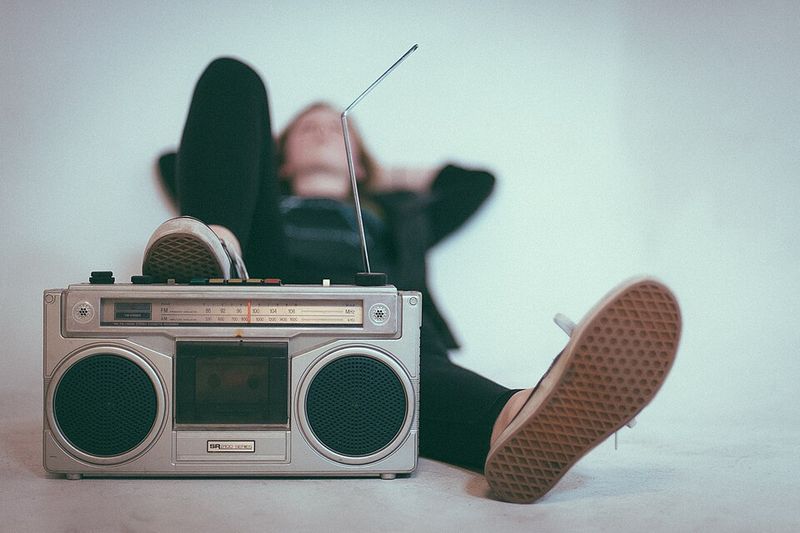
Boomboxes were real fixtures of 1980s street culture, carried on shoulders and blasting music in parks and on sidewalks. The series uses them like an always-ready emotional amplifier, showing up exactly when a scene needs an anthem or a mood boost.
In reality, lugging around a heavy boombox and keeping it stocked with batteries was less convenient than the show suggests.
Stranger Things makes every boombox moment feel effortless and perfectly timed, turning the device into a symbol of carefree rebellion that hits every nostalgic note.
8. Cassette Culture Made Frictionless
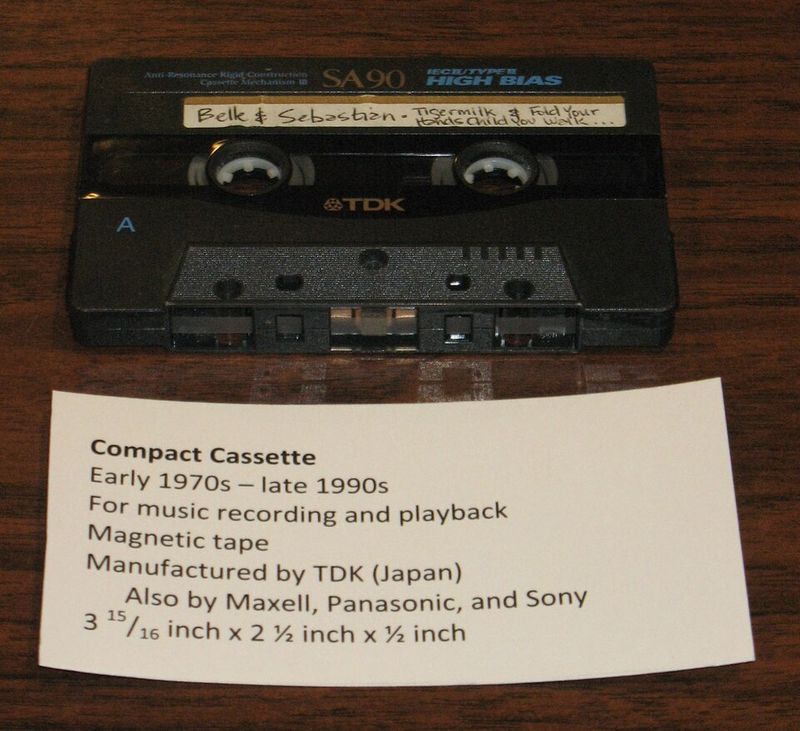
Mixtapes were a genuine labor of love in the 1980s, requiring patience, timing, and a willingness to sit through radio ads or album tracks.
The show smooths out the real-world hassle of recording, rewinding, labeling, and dealing with hiss and tape wear that plagued every cassette collection. Characters hand over mixtapes like they’re flawless playlists, with no mention of the inevitable tangles or broken reels.
It’s a romanticized version of cassette life that skips the frustration and keeps the sentiment.
Still, it captures the heart of what those tapes meant to people.
9. Kids Roaming Freely
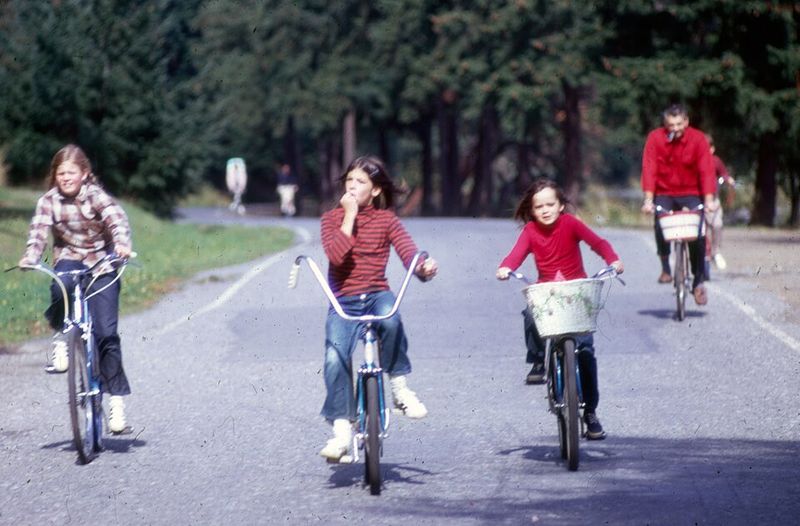
Younger generations in the 1980s enjoyed significant independence, often riding bikes across vast neighborhoods until the streetlights signaled it was time to head home. Stranger Things pushes this historical freedom even farther, allowing its protagonists to disappear for days without triggering immediate full-scale searches by their families.
Minimal adult oversight serves as a narrative engine that keeps the children at the very center of the supernatural action.
Real parents certainly granted more leeway during that era, but the show amplifies this autonomy so the adventure never pauses for mundane check-ins or strict curfews.
Nostalgic nods to a less supervised childhood provide a sense of wonder and stakes that define the entire series.
10. Payphones
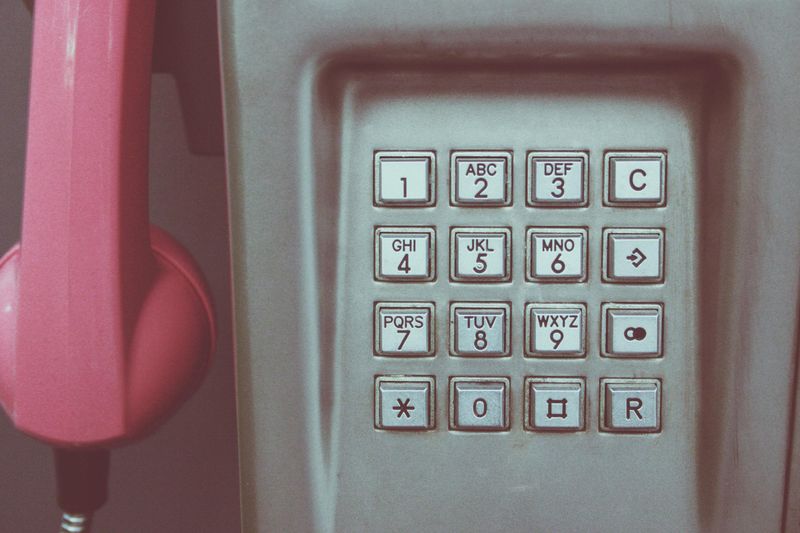
Public payphones served as ubiquitous fixtures in the 1980s, standing outside gas stations and on busy street corners across the nation.
Television writers treat these machines as reliably available emergency tools that appear exactly when characters require a quick call to escape imminent danger.
Real-world payphones frequently suffered from maintenance issues, remained occupied by other callers, or vanished from the specific spots where they were most needed. Stranger Things grants its protagonists plot-friendly phone access that conveniently smooths over the logistical hurdles of pre-cellular communication.
Small creative liberties like these maintain high narrative tension without getting bogged down in the frustrations of broken technology.
11. Home Phone
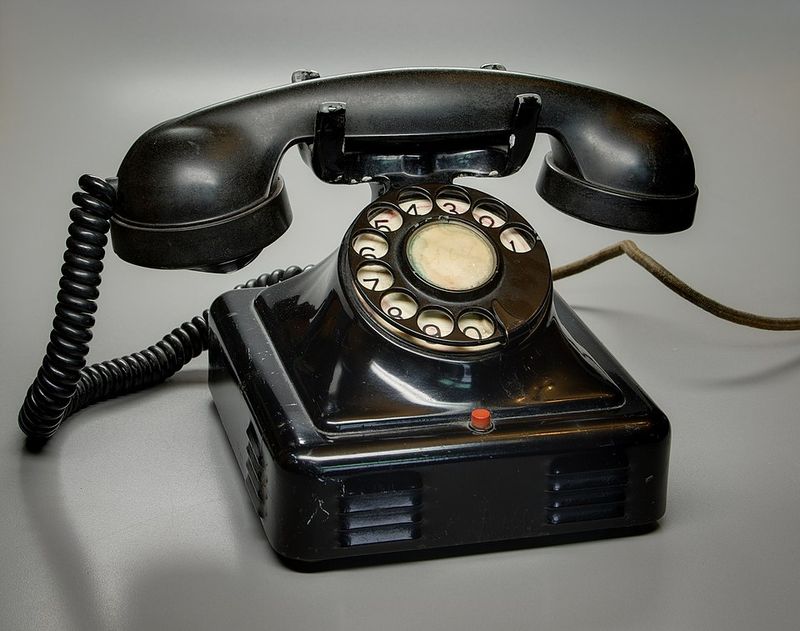
Landlines defined communication in the 1980s, connecting families and friends through long coiled cords and rotary dials. The series streamlines the messier realities like busy signals, party lines in some areas, and household rules around phone time that often caused sibling arguments.
Characters in Stranger Things make calls with cinematic ease, rarely interrupted by technical glitches or family conflicts over the line.
Real home phone life involved more negotiation and frustration.
The show keeps it simple so conversations can deliver story beats without distraction.
12. Personal Computers
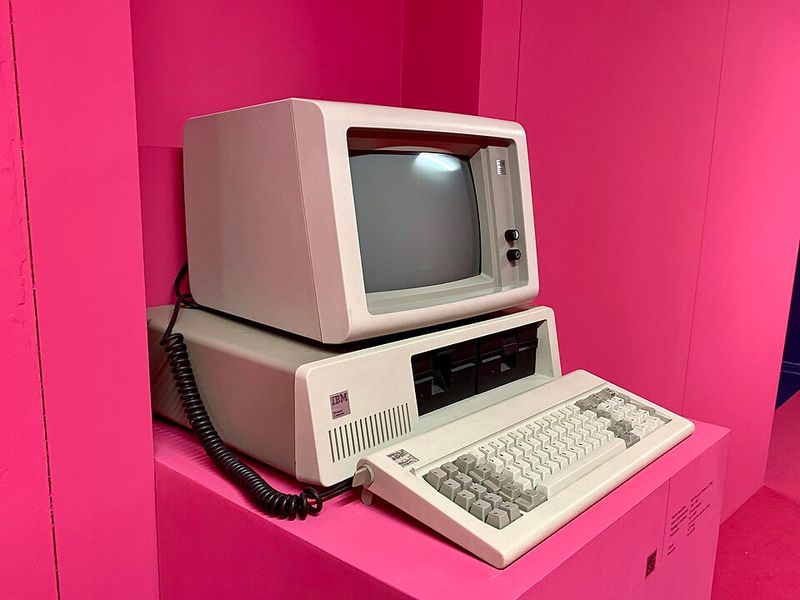
Personal computers were expensive and far from universal in the early 1980s, showing up in some schools and homes but not everywhere.
Television narratives often depict digital access and technical expertise as more widespread than historical records actually suggest. Characters like Dustin navigate complex systems with surprising ease, whereas real-world personal computers required immense patience and manuals thicker than a phone book to operate.
Stranger Things presents early computing as intuitive and accessible, transforming primitive technology into a convenient device for driving the plot forward.
Creative adjustments to technical history ensure that the mystery remains fast-paced and engaging for modern audiences.
13. VHS Life With Fewer Real-World Constraints

The era’s video culture was huge, with families renting movies from local stores and recording TV shows on bulky VCR machines.
The show glosses over practical limits like selection gaps, waits for popular titles, and how inconsistent availability could be, especially in small towns. New releases were often checked out for days, and late fees added up quickly.
Stranger Things presents VHS as a seamless part of life, skipping the rewind reminders and tracking issues that plagued every tape collection.
It’s a cleaner version of video nostalgia.
14. Nuclear-Era Dread Represented With Very Recognizable Symbols

Widespread anxiety regarding the Cold War defined daily life in the 1980s, punctuated by duck-and-cover drills and the frequent sight of fallout shelter signage.
Nuclear threats felt omnipresent, creating a backdrop of persistent cultural dread that permeated neighborhoods across America.
Visual shorthand involving Soviet flags and fallout symbols allows the series to establish an immediate mood without pausing for intricate historical nuances. Tapping into collective memory through these icons delivers instant tension while anchoring the supernatural horror in a recognizable reality.
Simplified cinematic portrayals of fear effectively replace the more complex political realities of the era to keep the narrative focused and fast-paced.
15. Hawkins As Generic Indiana
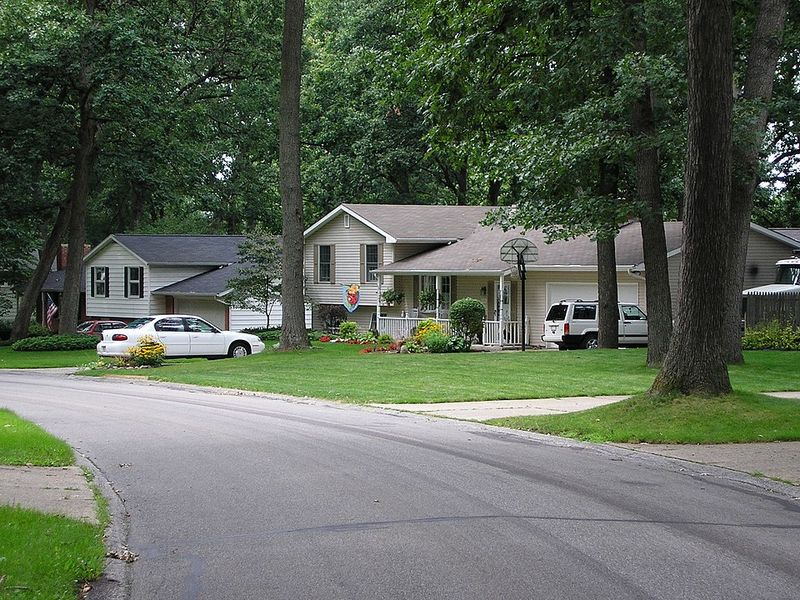
The town of Hawkins reads like a classic Midwestern composite, complete with tree-lined streets, modest homes, and a small-town vibe that feels instantly familiar.
However, production leaned heavily on Georgia locations to stand in for Indiana, including places such as Jackson, Georgia, for Hawkins exteriors, which subtly shapes the look and feel of the setting. The architecture, vegetation, and even the light have a Southern quality that doesn’t quite match the flat plains and cooler tones of the actual Midwest.
It’s a practical choice that most viewers never notice, but it adds a layer of creative liberty to the show’s sense of place.