15 Strict Rules That Governed Old Hollywood’s Biggest Stars
Spotlights shined bright in Old Hollywood, but life behind the scenes ran on strict rules and studio control.
Contracts, public images, and even personal relationships were often managed by powerful studios that shaped every detail of a star’s life.
Looking back at these regulations reveals just how different fame was during cinema’s Golden Age.
Note: This article summarizes widely documented features of the classic Hollywood studio system, but specific contract terms, studio practices, and individual experiences varied by era, location, and performer. It is provided for general informational and entertainment purposes and is not legal, financial, or professional advice.
1. Long Term Exclusive Studio Contracts
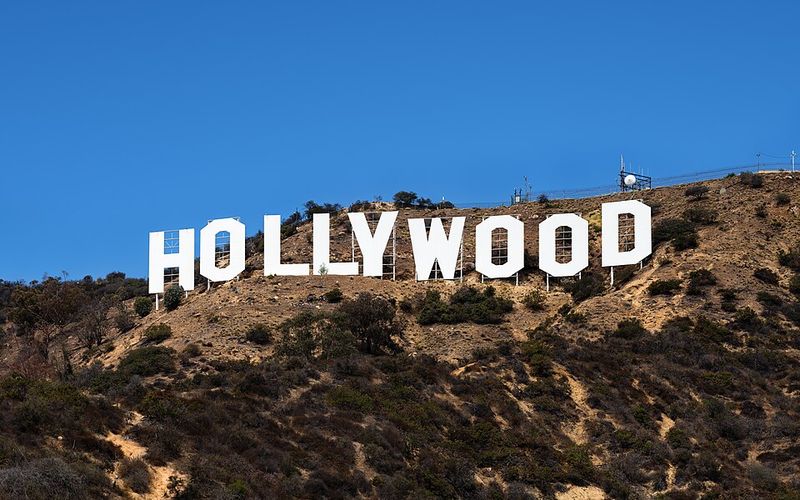
Signing away years of your career to one company often meant handing over major decisions about roles, schedules, and publicity.
Many actors worked under exclusive contracts that could run up to seven years, with the studio holding periodic options that controlled renewal. Studios decided which films stars appeared in, when they worked, and even how they presented themselves to the public.
Schedules belonged to the studio, not the performer.
Personal projects or outside opportunities were nearly impossible without studio approval.
2. Option Clauses That Kept You On A Leash

Studios typically held the renewal options, often in short periods such as six months, while performers had far less leverage to exit early.
This meant job security came with a hefty price tag of control.
If your last film flopped, the studio might drop you without warning. However, if you became a box office sensation, you were still locked into the same low salary until they decided to renegotiate on their terms.
3. Loan Out Deals To Other Studios

Being traded like a baseball card between competing teams was once part of the job.
Studios regularly loaned contracted stars to rival companies for certain projects, often earning far more from the deal than the actor did. Performers usually had little to no say in these arrangements and could not simply refuse the assignment.
Some loans led to career-defining roles that changed everything. Other times, actors ended up in weaker productions while their home studio still walked away with the profits.
4. Name Changes Decided By The Machine
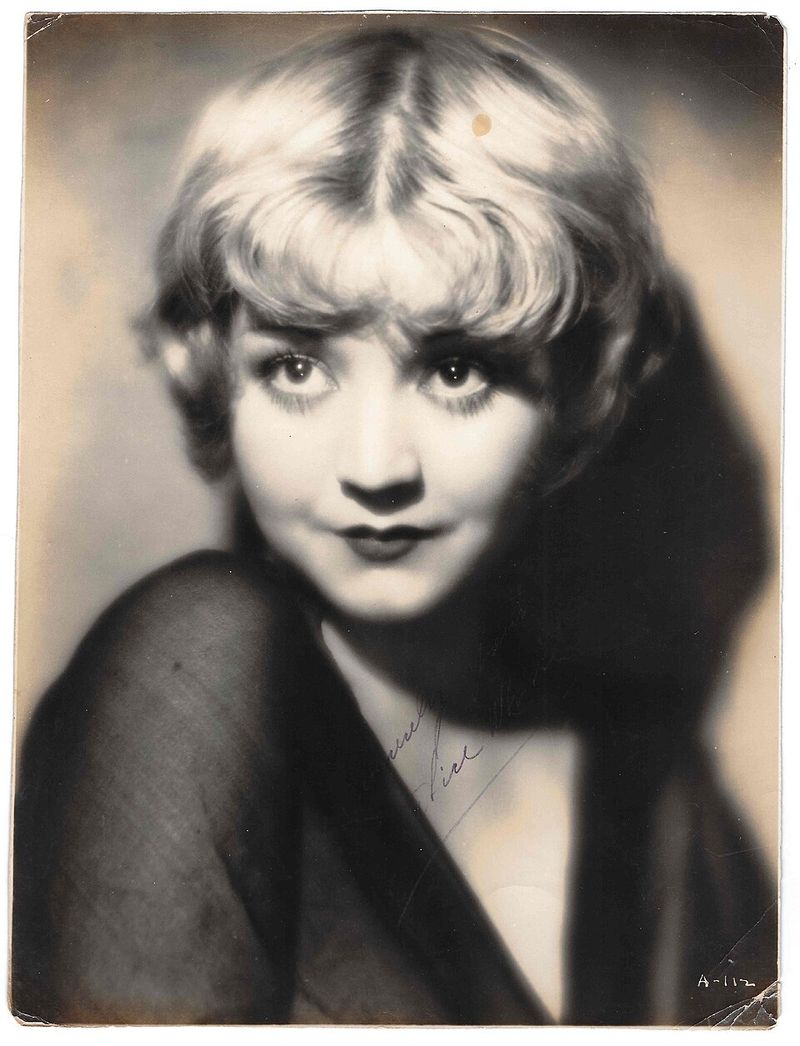
What’s in a name?
Everything, according to studio executives who regularly renamed their stars to sound more marketable. Actors with ethnic surnames often faced pressure to adopt Anglo-sounding stage names that would appeal to wider audiences.
Marketing departments tested names like products, choosing whatever they believed would sell tickets.
Your birth name carried your family history and identity, but that mattered less than box office potential. Studios wanted names that rolled off the tongue and looked good on marquees.
5. Carefully Manufactured Studio Portraits
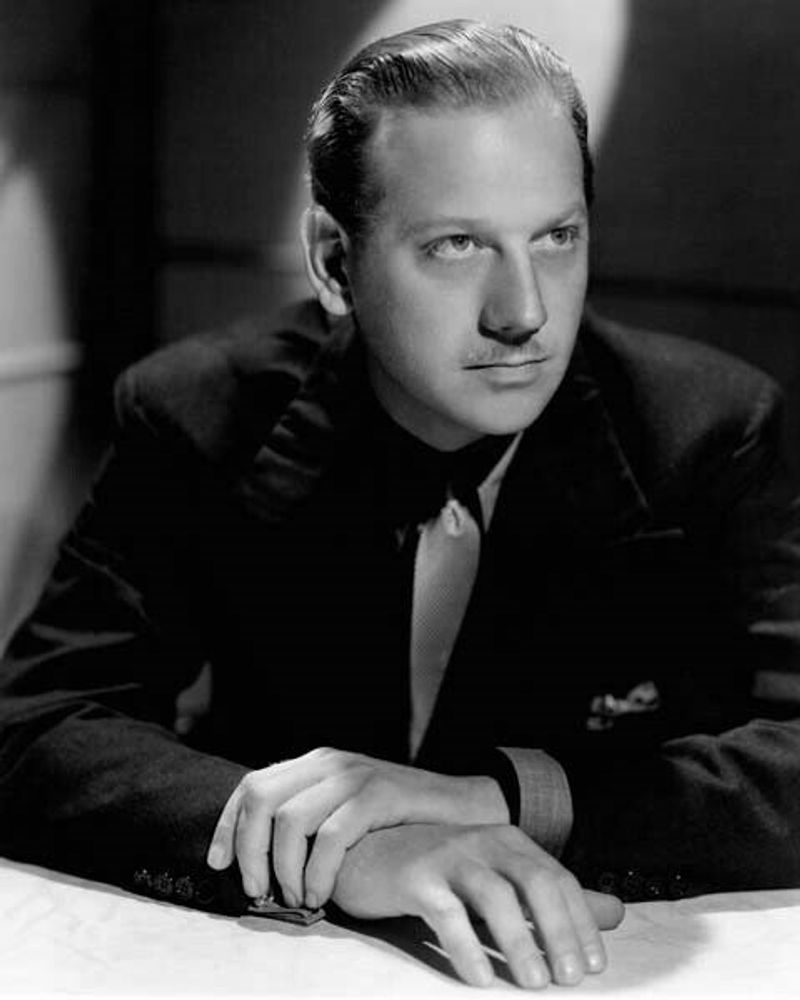
Every star needed an official look, and studios controlled it completely through approved photography sessions.
Professional photographers like Clarence Sinclair Bull created iconic images that defined how the public saw their favorite actors. These carefully lit, retouched portraits became the only images distributed to newspapers and magazines.
Candid photos were discouraged or outright forbidden. Studios wanted to maintain mystique and perfection, ensuring every public image reinforced the carefully crafted persona they’d built around each performer.
6. Morality Clauses And Clean Image Expectations
One scandal could end everything overnight.
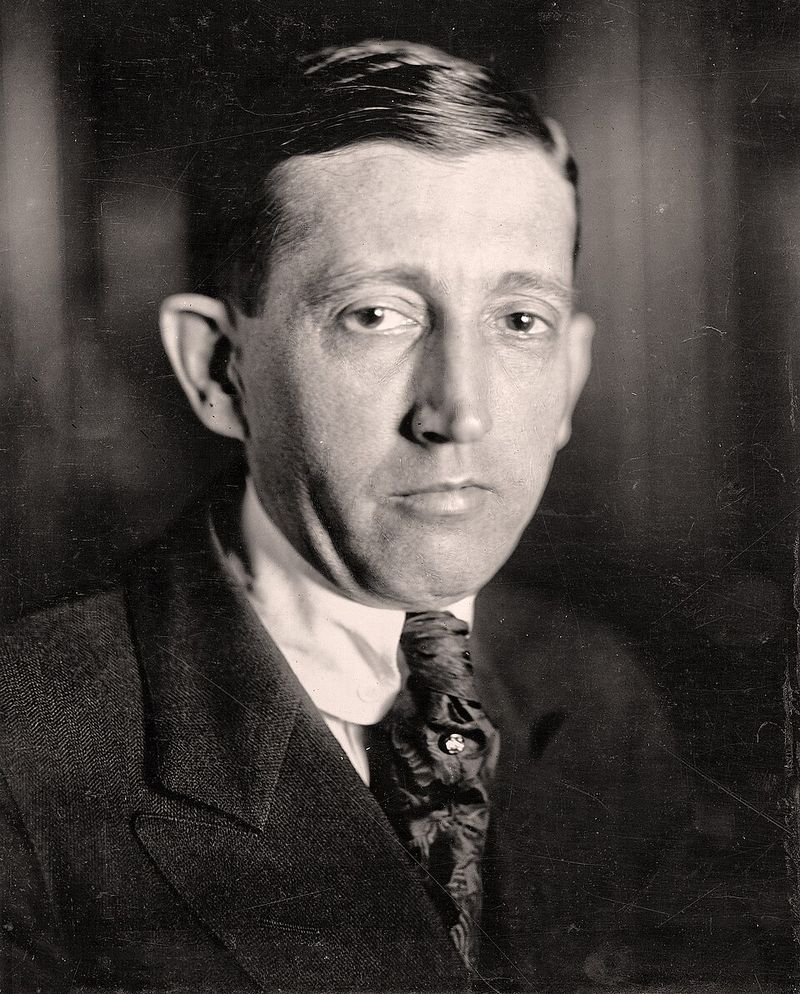
Contracts included strict morality clauses that allowed studios to terminate actors for behavior deemed inappropriate or damaging to the studio’s reputation. Public scandals, arrests, or conduct viewed as damaging to a studio’s image could trigger discipline or termination.
Studios prioritized marketable reputations above personal freedom. Actors lived under constant pressure to maintain squeaky-clean public personas, knowing one misstep could destroy their careers and leave them jobless with no recourse.
7. Studios Managed Gossip Exposure
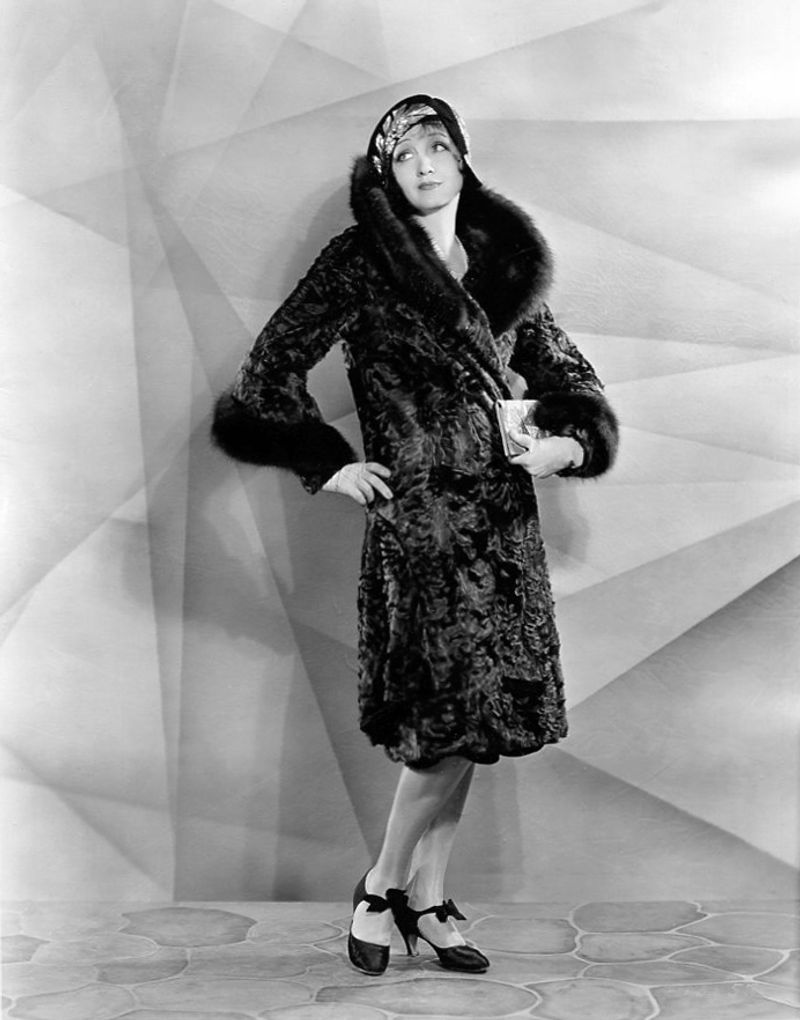
Gossip columnists like Hedda Hopper and Louella Parsons held enormous influence, capable of boosting or damaging careers with a single piece.
Studios kept entire publicity teams busy managing those relationships, supplying flattering stories and working hard to limit negative press. Items about romances or charity work often appeared by design, while scandals were quietly steered away from the spotlight.
Privacy barely existed for major stars. Everyday life turned into potential column material, carefully shaped by publicists who understood just how powerful public perception could be.
8. Dating And Marriage Could Become A Business Decision

Falling in love on your own terms wasn’t always an option for Hollywood stars.
Studios sometimes staged romances to generate publicity or discouraged genuine relationships that didn’t fit the carefully planned public image. A bachelor heartthrob might be forbidden from marrying to maintain his desirability to female fans.
Perhaps most troubling, some performers felt pressure to maintain a public image that did not reflect their private lives, sometimes including relationships shaped by publicity concerns. Personal happiness took a backseat to marketability and maintaining the illusion studios worked so hard to create.
9. Makeovers Were Part Of The Job
Hair color, teeth, eyebrows, and even hairlines were often treated as studio property rather than personal choices.
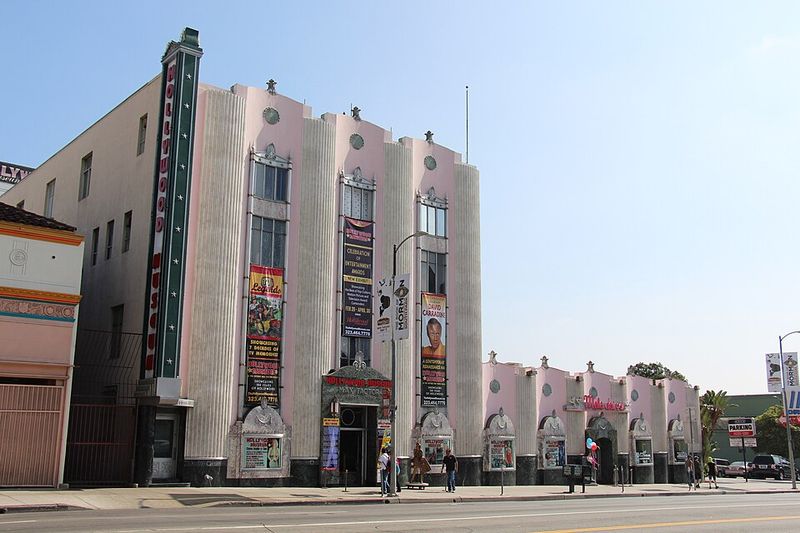
Makeup pioneer Max Factor collaborated closely with studios to craft signature looks for stars, sometimes involving uncomfortable or demanding procedures. Performers went through electrolysis, dental work, and strict beauty routines to match the ideal Hollywood image.
Natural features were not always considered camera-ready, and studios made their expectations clear. Transformations became part of the job, reshaping ordinary individuals into the polished icons audiences expected to see on screen.
10. Wardrobe Control And Designer Authority
Picking your own outfit for a premiere or publicity event was rarely an option.
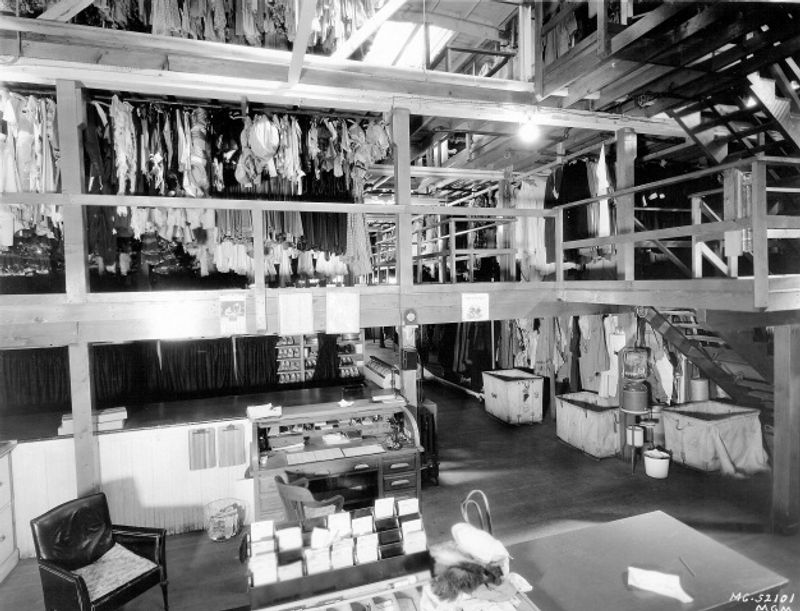
Studios ran large wardrobe departments with in-house designers who decided what stars wore on screen and at public appearances. Every fashion choice supported the image the studio wanted the audience to associate with each performer.
Off-duty clothing could fall under studio oversight as well.
Wardrobe served as another layer of control, keeping stars polished and aligned with carefully crafted public personas whether cameras were present or not.
11. Training Requirements
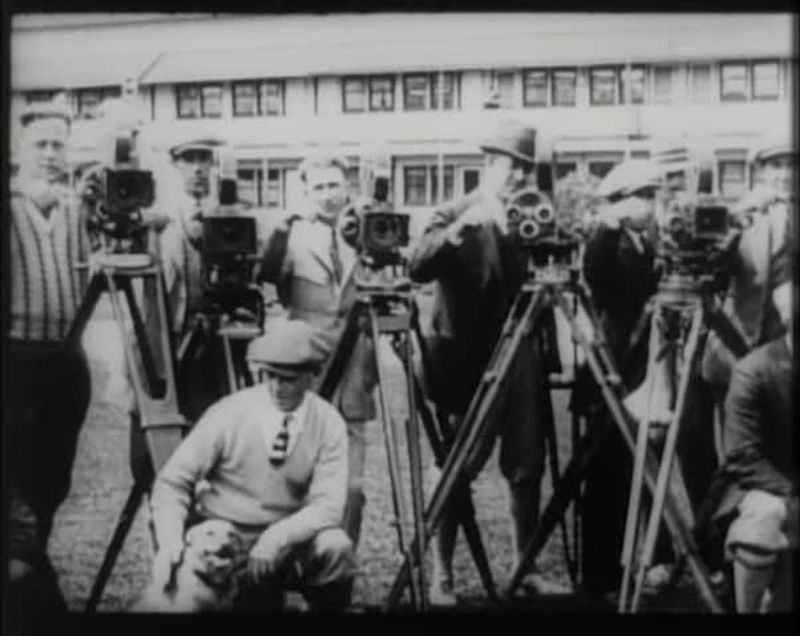
Raw talent alone wouldn’t cut it in the studio system.
Actors attended mandatory lessons in diction, dance, fencing, horseback riding, and deportment to become well-rounded performers ready for any role. Studios ran their own schools where contract players spent hours each week refining skills.
These training programs transformed regional accents, taught proper posture, and polished manners to create polished stars. Essentially, studios operated like finishing schools, molding performers into camera-ready professionals who could handle whatever script came their way.
12. Curfews And Supervision For Younger Performers

Young stars like Shirley Temple grew up under constant supervision.
Studios enforced tightly structured schedules that balanced filming with required schooling, while studio-appointed guardians closely monitored behavior. Normal childhood experiences were rare, replaced by controlled routines designed to safeguard a valuable studio investment.
Curfews kept kids away from trouble but also limited chances to form typical friendships and memories.
Oversight stretched beyond the set into personal time, all to protect the wholesome public image that made child performers so profitable.
13. Body Expectations And Constant Presentation Pressure
How much should you weigh?
Studios had specific answers and weren’t shy about enforcing them. Actors faced regular weigh-ins, with contracts sometimes specifying exact weight requirements.
Gaining even a few pounds could result in suspension or mandatory crash diets.
Studios and publicists pushed strict presentation standards, and many performers relied on intensive training and restrictive regimens to stay camera-ready. This constant pressure created unhealthy relationships with food and body image, as performers struggled to meet unrealistic standards that defined their employment and self-worth.
14. Mandatory Appearances And Premieres
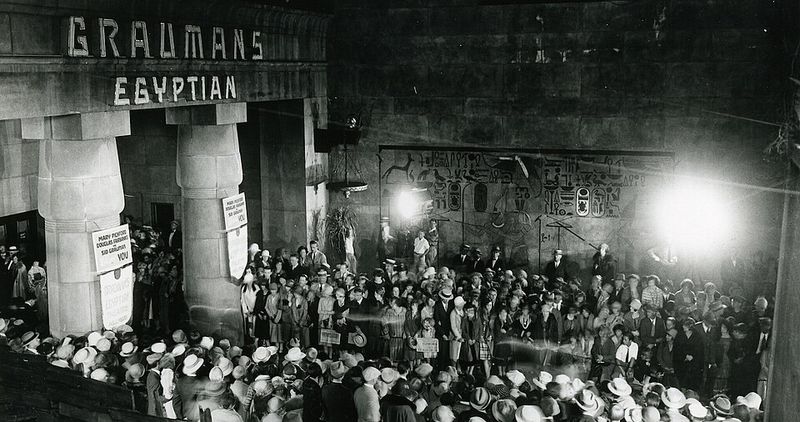
Skipping an appearance was not an option when a studio had a new picture to promote.
Contracts required stars to attend premieres, charity galas, and publicity events as part of the job.
Publicists carefully planned these outings, sometimes scripting conversations and staging photo opportunities to shape public perception.
Grand venues like Grauman’s Egyptian Theatre hosted elaborate premieres that depended on star attendance. Missing an event could lead to fines or suspension, so performers showed up even when exhausted, turning personal time into another promotional tool for the studio.
15. Press Access Could Be Restricted Or Punished
Stepping out of line with the studio meant facing serious consequences in how your career was covered.
Studios could restrict photographer access, limit interviews, or completely freeze out uncooperative stars from publicity opportunities. This power extended to punishing journalists who wrote unfavorable stories by denying them access to other stars.
Studios could deny access, cut off credentials, or pressure outlets by restricting interviews and photo opportunities. This tight control over press access meant stars had little ability to shape their own narratives or speak directly to fans without studio approval.