22 Superfoods That Can Transform Your Weekly Meals
Food can be medicine when you know what to put on your plate.
Superfoods pack more vitamins, minerals, and antioxidants than ordinary ingredients, turning everyday meals into nutritional powerhouses.
Adding just a few of these nutrient-dense options to your weekly rotation can boost energy, sharpen focus, and support long-term wellness without complicated recipes or expensive supplements.
1. Blueberries
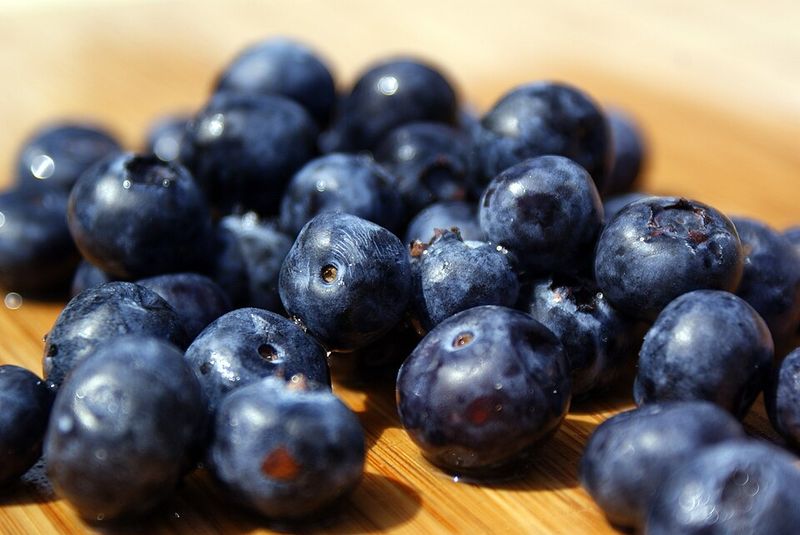
Pop a handful into your morning oatmeal and watch your brain thank you later.
Anthocyanins give blueberries their deep color while fighting inflammation throughout your body.
Your memory gets sharper with regular consumption, and research shows improved cognitive function in both kids and adults.
Frozen berries work just as well as fresh ones, making this superfood budget-friendly year-round.
Toss them into smoothies, yogurt parfaits, or pancake batter for instant flavor and nutrition boosts.
2. Salmon

Omega-3 fatty acids swim through every bite of this pink powerhouse.
Your heart beats stronger and your brain fires faster when salmon becomes a weekly staple.
Wild-caught varieties deliver maximum nutrition, though farmed options still provide substantial benefits.
Grilling, baking, or pan-searing takes less than fifteen minutes, making weeknight dinners effortless.
Skin-on fillets crisp up beautifully and add extra nutrients.
Pair with roasted vegetables or quinoa for a complete meal that satisfies hunger while nourishing every cell.
3. Spinach
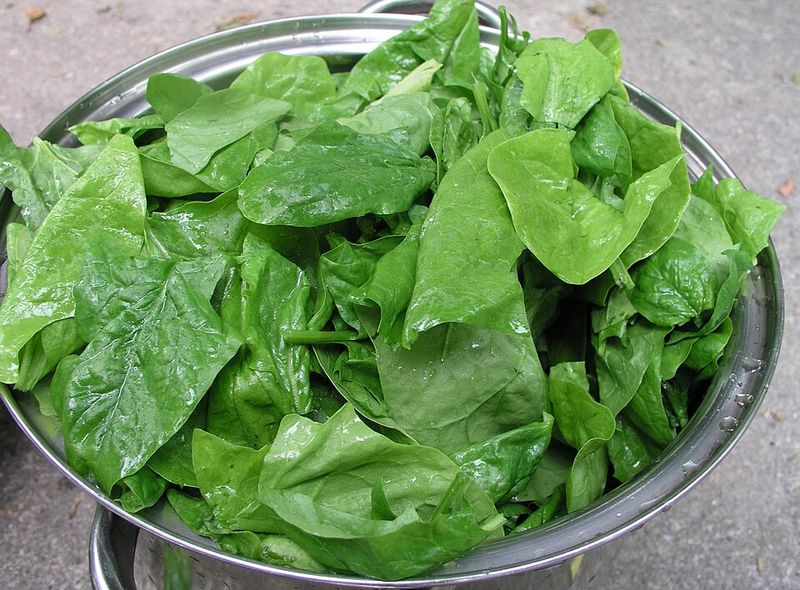
Popeye knew something science would later confirm about this leafy wonder.
Iron content supports oxygen transport throughout your bloodstream, fighting fatigue before it starts.
Vitamins A, C, and K crowd into every leaf, protecting vision and strengthening bones simultaneously.
Raw spinach works perfectly in salads, while cooked versions shrink down for easy consumption in larger quantities.
Sauté with garlic for a two-minute side dish, or blend into smoothies where fruit masks any earthy flavor.
4. Avocados
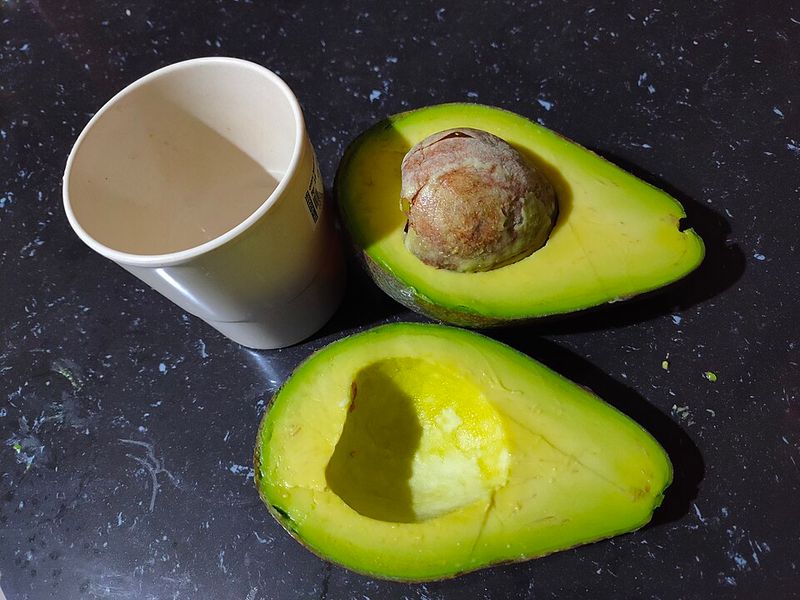
Creamy texture meets serious nutrition in this green gem.
Monounsaturated fats lower bad cholesterol while raising good cholesterol, creating perfect balance for cardiovascular health.
Potassium levels exceed bananas, helping regulate blood pressure naturally.
Spread on toast, mash into guacamole, or slice onto salads for instant richness.
Fiber content keeps digestion smooth and hunger at bay for hours.
Store unripe avocados on the counter, then refrigerate once soft to extend their perfect eating window.
5. Chia Seeds
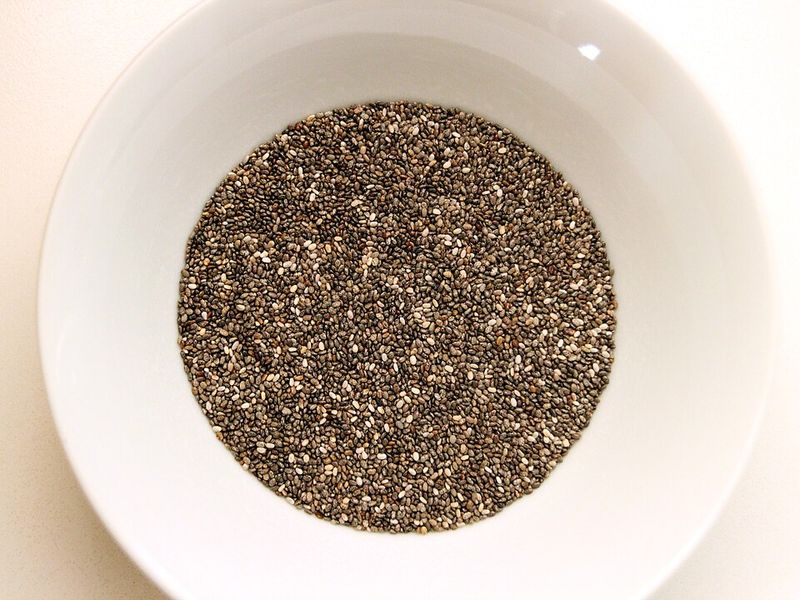
Ancient Aztec warriors fueled their conquests with these tiny nutritional bombs.
Omega-3s, protein, and fiber pack into seeds smaller than sesame, expanding in liquid to create satisfying gel-like textures.
Mix two tablespoons into almond milk overnight and wake up to ready-made pudding.
Blood sugar stabilizes thanks to slow-digesting carbohydrates that prevent energy crashes.
Sprinkle over yogurt, blend into smoothies, or use as egg replacements in vegan baking for unexpected versatility.
6. Turmeric
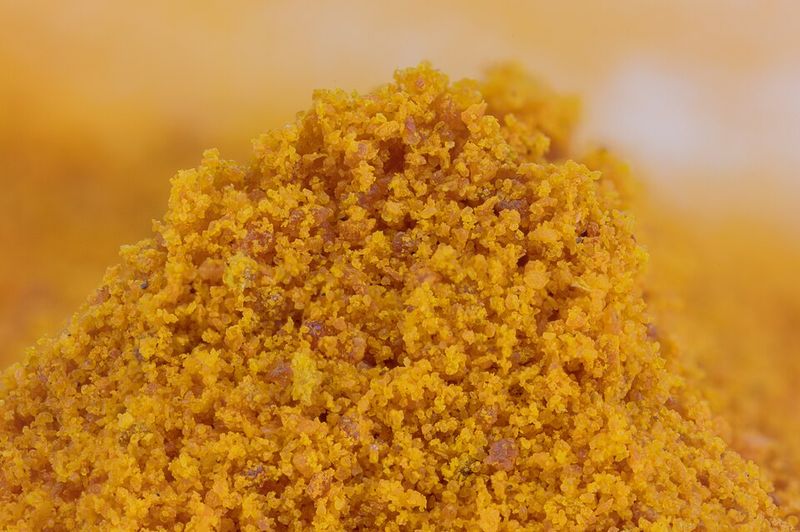
Golden milk lattes owe their color and benefits to this ancient spice.
Curcumin fights inflammation at the cellular level, potentially reducing arthritis pain and muscle soreness.
Pair with black pepper to boost absorption by 2,000 percent—seriously.
Add half a teaspoon to scrambled eggs, rice dishes, or roasted vegetables for earthy warmth.
Curry powders contain turmeric as a base ingredient, making Indian cuisine a delicious pathway to regular consumption.
Fresh root can be grated like ginger for maximum potency.
7. Greek Yogurt

Double protein and half the sugar compared to regular yogurt makes this Mediterranean staple a breakfast champion.
Probiotics colonize your gut, improving digestion and strengthening immune defenses.
Creamy consistency works as sour cream replacement in recipes, cutting calories without sacrificing texture.
Choose plain varieties and add your own fruit to control sweetness levels.
Full-fat versions keep you satisfied longer than low-fat alternatives.
Use as a base for smoothies, parfaits, or savory dips that impress party guests.
8. Quinoa
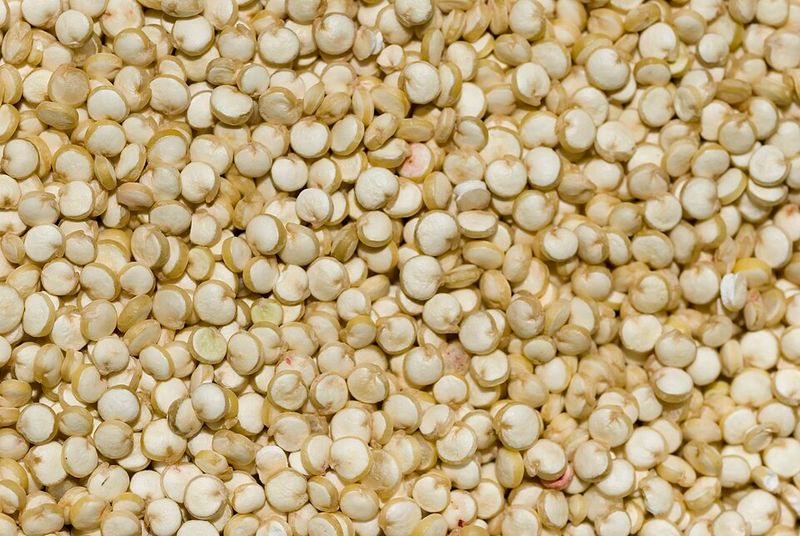
NASA considered this grain for space missions because of its complete protein profile.
All nine essential amino acids appear in perfect ratios, making it ideal for vegetarians and athletes alike.
Fluffy texture replaces rice in any recipe, absorbing flavors while adding nutty undertones.
Cook in vegetable broth instead of water for extra taste dimensions.
Red, white, and black varieties offer visual interest on the plate.
Prep large batches on Sunday for quick grain bowl assembly throughout busy weeks.
9. Almonds
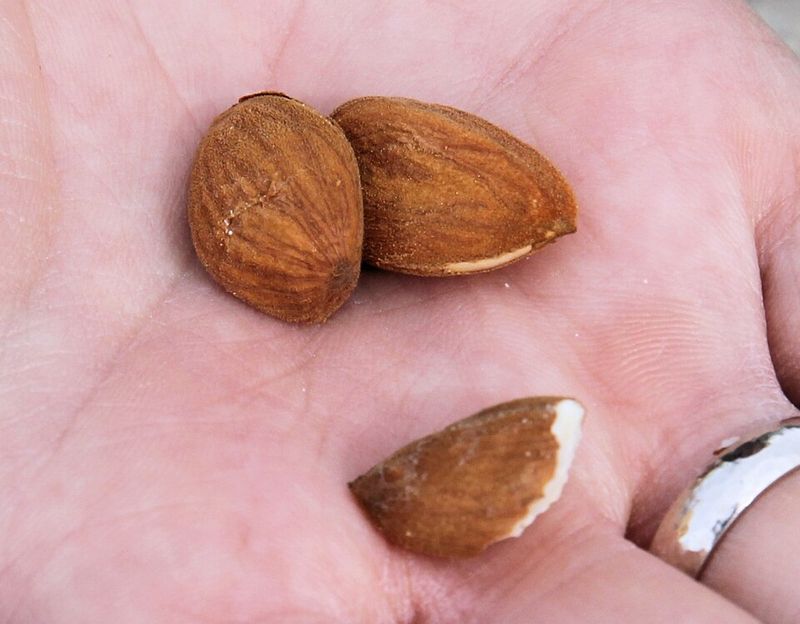
Vitamin E protects your cells from oxidative damage with every crunchy bite.
Healthy fats signal your brain that you’re full, preventing overeating during snack attacks.
Raw or roasted both deliver benefits, though unsalted versions let you control sodium intake.
Keep a small bag in your desk drawer for afternoon energy slumps.
Almond butter spreads easily on apple slices for balanced snacks combining protein and fiber.
Slivered almonds add crunch to salads and stir-fries without heavy preparation.
10. Garlic
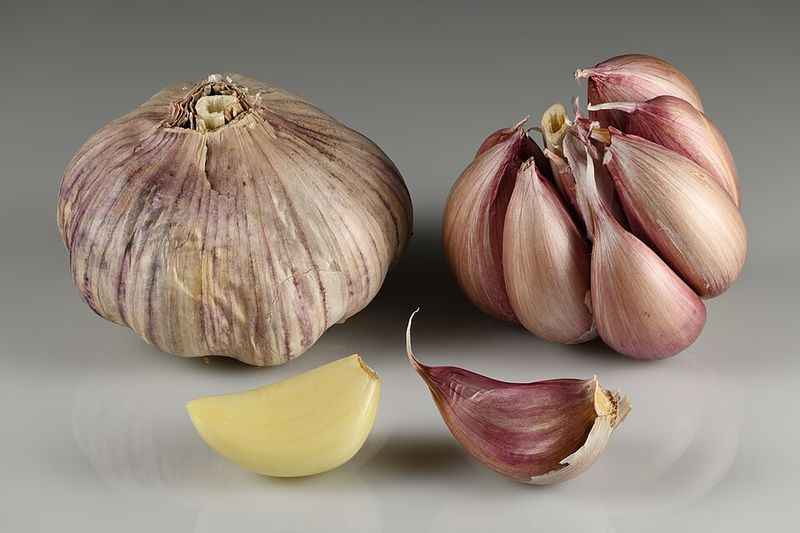
Vampires aren’t the only things this pungent bulb keeps away.
Allicin compounds lower blood pressure and cholesterol levels when consumed regularly, protecting cardiovascular systems naturally.
Crushing or chopping activates beneficial enzymes—wait ten minutes before cooking for maximum effect.
Roasted whole bulbs turn sweet and spreadable, perfect for bread or mixing into mashed potatoes.
Raw garlic packs the strongest punch but can upset sensitive stomachs.
Start with cooked preparations and gradually increase amounts as your tolerance builds.
11. Dark Chocolate

Happiness comes wrapped in antioxidant-rich cocoa.
Flavonoids improve blood flow to your brain and heart, potentially lowering stroke risk while satisfying sweet cravings.
Choose bars with 70% cacao or higher to minimize sugar content.
One or two squares after dinner provide satisfaction without derailing healthy eating habits.
Melt into oatmeal, chop into trail mix, or pair with strawberries for romantic yet nutritious desserts.
Quality matters here—cheap chocolate contains more sugar than beneficial cocoa.
12. Sweet Potatoes

Orange flesh signals beta-carotene abundance that your body converts to vision-protecting vitamin A.
Complex carbohydrates release energy slowly, preventing blood sugar roller coasters.
Roast at 425 degrees for forty minutes until edges caramelize into candy-like sweetness.
Fiber content supports digestive health while keeping you full between meals.
Mash for comfort food vibes, cube into breakfast hashes, or spiralize into noodles for creative meal prep.
Purple varieties contain additional anthocyanins for bonus antioxidant power.
13. Green Tea

Monks meditated with this beverage for centuries before science explained its brain-boosting catechins.
L-theanine creates calm focus without jittery side effects common to coffee.
Metabolism gets a gentle nudge from compounds that encourage fat burning throughout the day.
Steep for three minutes in water just below boiling to avoid bitter flavors.
Iced versions refresh during summer months while delivering identical benefits.
Matcha powder offers concentrated nutrition when whisked into lattes or smoothie bowls.
14. Eggs

Breakfast champions contain all essential amino acids your muscles need for repair and growth.
Choline supports brain development and memory formation, making eggs particularly valuable for growing children.
Yolks hold most nutrients, so skip the whites-only trend unless your doctor specifically recommends it.
Hard-boil a dozen on Sunday for grab-and-go protein throughout the week.
Scrambled, poached, or baked into veggie-packed frittatas—preparation methods are endless.
Pasture-raised varieties offer superior omega-3 content compared to conventional options.
15. Broccoli
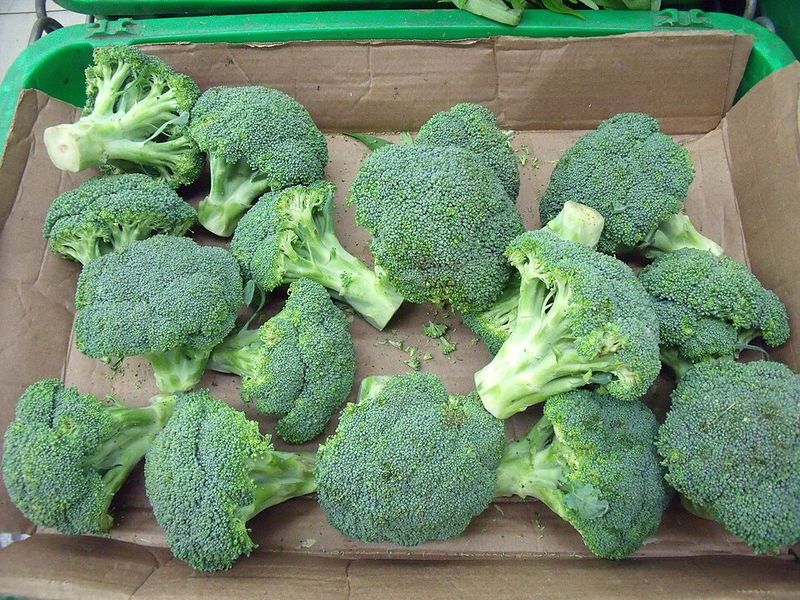
Miniature trees on your plate deliver serious immune system support.
Vitamin C content rivals oranges, while fiber keeps your digestive tract running smoothly.
Sulforaphane compounds may help your body fight cancer at the cellular level according to ongoing research.
Steam for five minutes to preserve nutrients better than boiling.
Raw florets dip perfectly into hummus for crunchy snacks.
Roast with olive oil and garlic until crispy edges form for converts who claim to hate vegetables.
16. Flaxseeds

Lignans in these tiny seeds act like antioxidants and phytoestrogens, potentially balancing hormones naturally.
Omega-3 content rivals fish without any seafood taste or mercury concerns.
Grind seeds fresh for maximum absorption—whole seeds pass through digestion intact.
Stir two tablespoons into morning smoothies or sprinkle over cereal without altering flavors.
Egg substitute magic happens when you mix one tablespoon ground flax with three tablespoons water, perfect for vegan baking.
Store in the refrigerator to prevent healthy oils from going rancid.
17. Walnuts
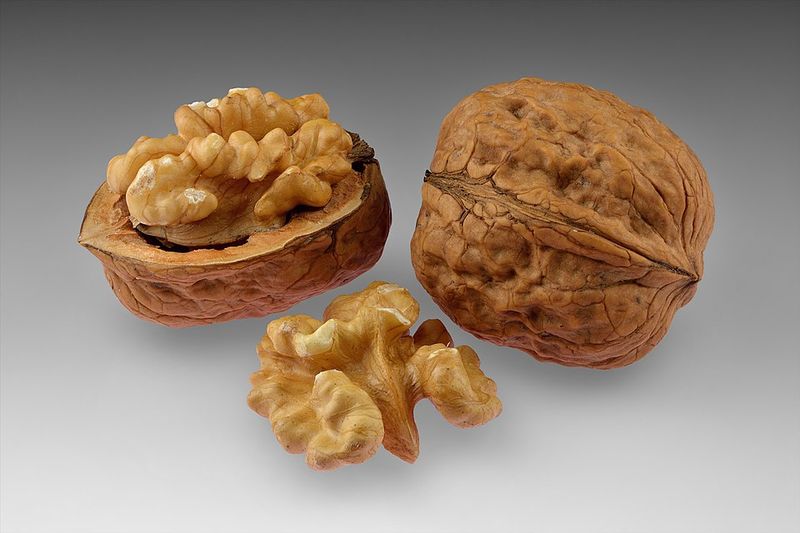
Brain-shaped nuts literally support brain health—nature’s hint at their benefits.
Omega-3 fatty acids reduce inflammation while supporting cognitive function as you age.
Snacking on just seven walnuts daily provides substantial cardiovascular protection according to multiple studies.
Slightly bitter flavor pairs beautifully with sweet fruits like apples or pears.
Toast lightly in a dry pan to intensify nutty flavors before adding to salads or oatmeal.
Walnut oil makes sophisticated salad dressings, though heat destroys its delicate nutrients.
18. Kimchi

Fermented vegetables burst with probiotics that colonize your gut with beneficial bacteria.
Spicy kick comes from Korean red pepper flakes that may boost metabolism naturally.
Cabbage base provides vitamin K for bone health alongside immune-supporting vitamin C.
Store-bought versions work fine, though homemade batches let you control heat levels.
Add to rice bowls, tacos, or scrambled eggs for unexpected flavor complexity.
Fermentation continues in your fridge, developing deeper flavors over weeks while remaining perfectly safe to eat.
19. Mushrooms

Umami flavor adds meaty satisfaction to vegetarian dishes without any actual meat.
Selenium and other minerals support immune function while fighting oxidative stress.
Vitamin D appears naturally in mushrooms exposed to sunlight during growth—check labels for this bonus.
Sauté until golden brown to concentrate flavors and create satisfying texture.
Shiitake and maitake varieties offer additional medicinal compounds studied for cancer-fighting potential.
Clean with damp cloth instead of washing to prevent waterlogged, rubbery results.
20. Beets
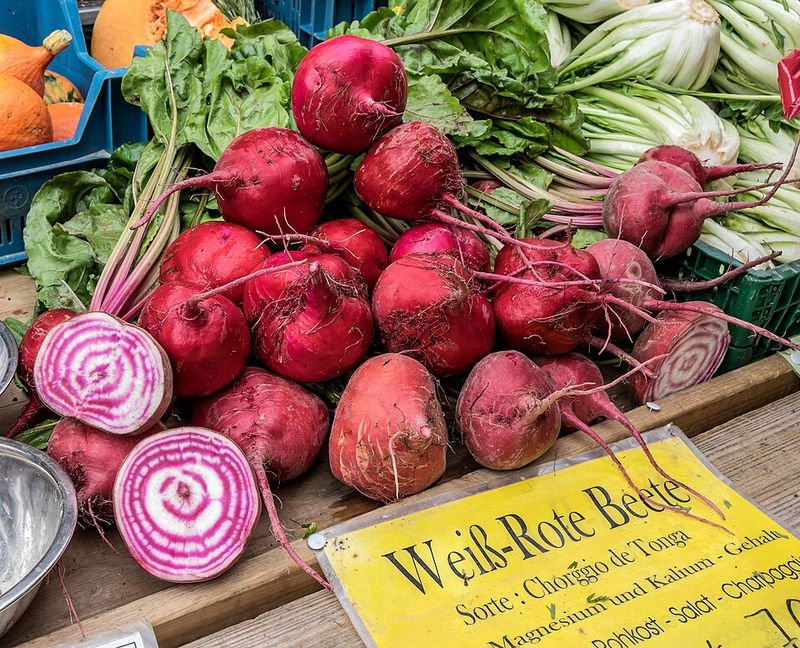
Nitrates convert to nitric oxide in your body, dilating blood vessels and improving athletic performance naturally.
Deep red pigment stains everything it touches while fighting inflammation internally.
Roast whole in foil for an hour until fork-tender, then skins slip off effortlessly.
Earthy sweetness pairs unexpectedly well with goat cheese and walnuts in salads.
Pickle slices for tangy sandwich toppings, or blend cooked beets into chocolate brownies for hidden vegetable nutrition.
Golden varieties offer identical benefits without the dramatic color.
21. Lentils
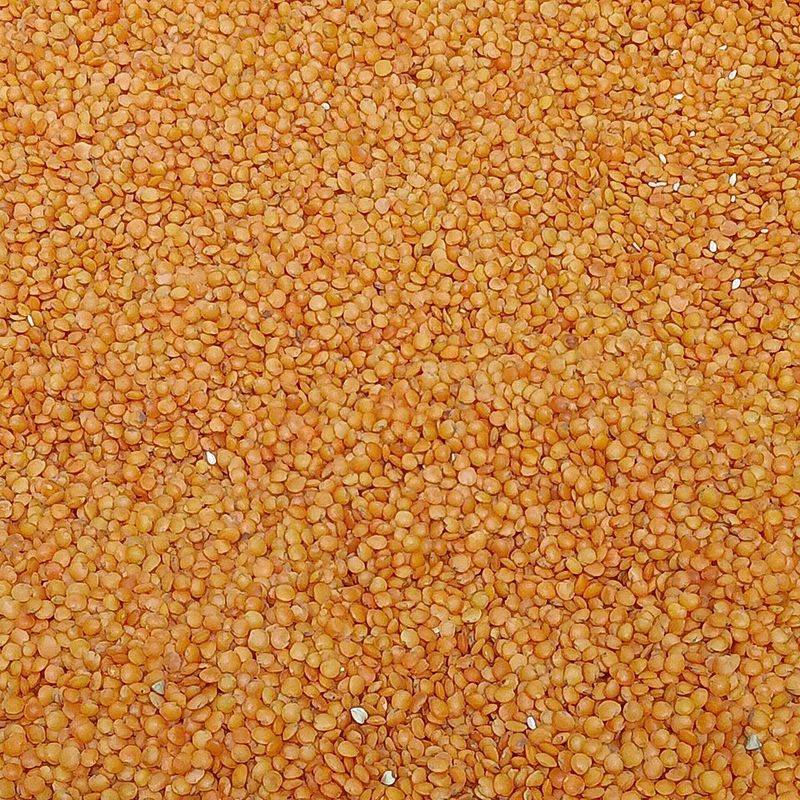
Plant-based protein costs pennies per serving while delivering impressive nutrition.
Fiber and iron team up to support energy levels and digestive health simultaneously.
Red lentils cook in fifteen minutes and break down into creamy textures perfect for Indian dal.
Green and brown varieties hold their shape better for salads and side dishes.
No soaking required unlike dried beans—just rinse and simmer until tender.
Season with cumin and coriander for warming flavors, or add to soups for hearty substance.
22. Oats
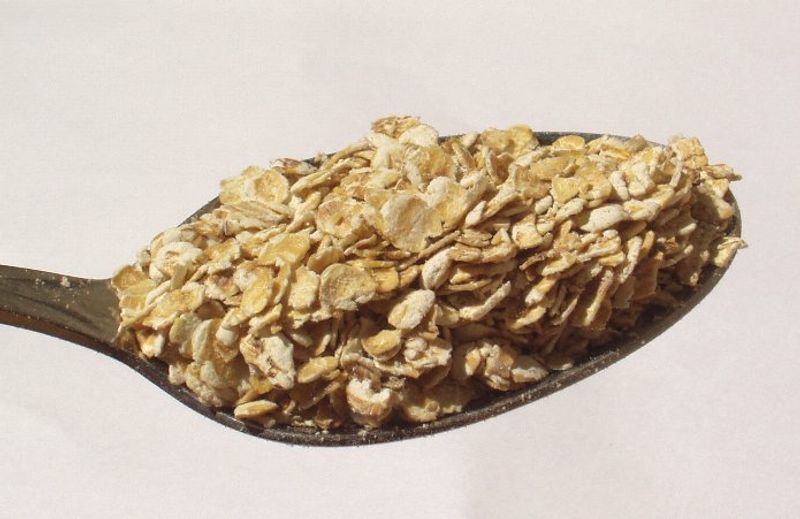
Beta-glucan fiber forms a gel in your digestive system, trapping cholesterol before it enters your bloodstream.
Steady energy release prevents mid-morning crashes that send you hunting for snacks.
Steel-cut oats deliver chewier texture while rolled oats cook faster for busy mornings.
Overnight oats require zero cooking—just mix with milk and refrigerate.
Top with berries, nuts, and cinnamon for balanced meals hitting all nutritional marks.
Savory oatmeal with eggs and vegetables offers unexpected variety beyond traditional sweet preparations.