Ranking The 16 Best Superhero Cartoons Ever Made
Superhero cartoons have a special kind of power, blending larger-than-life action with storytelling that can hit surprisingly hard.
The best series deliver more than costumes and catchphrases, building worlds that feel rich, characters that grow over time, and episodes that stay memorable long after childhood.
Some shows defined entire generations, while others pushed animation into darker, smarter territory that even adults still praise.
This ranking looks at the greatest superhero cartoons ever made, celebrating the series that set the standard, raised the bar, and proved animation can be every bit as epic as live-action.
Disclaimer: Rankings reflect editorial opinion and viewing perspective, not definitive fact, universal consensus, or a complete historical record of the genre.
1. Batman: The Animated Series (1992–1995)
Kevin Conroy’s legendary voice brought the Dark Knight to life in a way nobody expected.
This show redefined what animated superhero stories could be with its film noir aesthetic and mature themes that respected viewers’ intelligence.
Mark Hamill’s Joker became the gold standard for the Clown Prince of Crime.
Every episode felt like a miniature movie, complete with orchestral scores and shadows that practically dripped off the screen.
2. Justice League Unlimited (2004–2006)
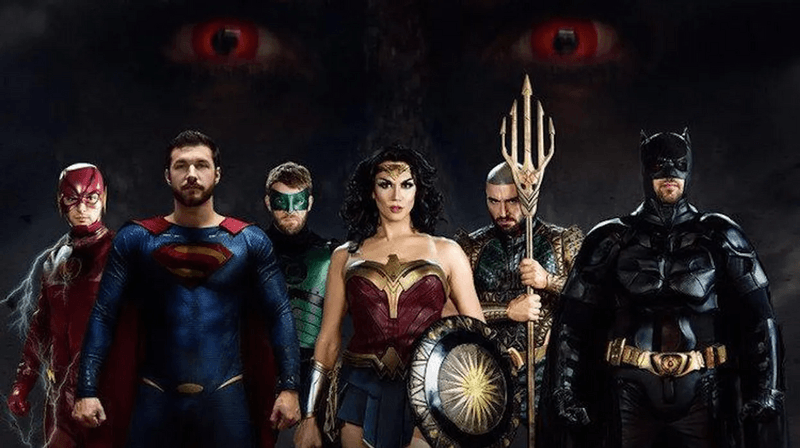
Expanding the roster to include dozens of heroes was a risky move that paid off spectacularly.
From big names like Superman and Wonder Woman to obscure characters like The Question, everyone got their moment to shine.
The serialized storytelling tackled government conspiracies, moral dilemmas, and interpersonal conflicts.
If you wanted proof that superhero cartoons could handle complex narratives, this show delivered the evidence in spades.
3. Justice League (2001–2004)

Before the unlimited roster expansion, the original seven founders formed the perfect team dynamic.
Superman, Batman, Wonder Woman, Flash, Green Lantern, Hawkgirl, and Martian Manhunter faced threats too big for any single hero.
The two-part episodes allowed for deeper storytelling than typical Saturday morning fare.
Character development happened organically as heroes learned to trust each other and work as a genuine team rather than solo acts.
4. X-Men: The Animated Series (1992–1997)
Wolverine’s claws, Cyclops’ optic blasts, and Storm’s weather powers exploded onto screens every Saturday morning.
This adaptation brought the mutant metaphor for prejudice and acceptance directly to young audiences without dumbing down the message.
The Dark Phoenix Saga and Days of Future Past story arcs proved animated shows could tackle comic book epics faithfully.
Though the animation sometimes got wonky, the heart and passion behind every episode shone through brilliantly.
5. Spider-Man: The Animated Series (1994–1998)
Web-slinging through New York never looked cooler than in this ’90s classic.
Peter Parker juggled college life, relationships, and fighting villains like Venom, Green Goblin, and Doctor Octopus with equal parts humor and heart.
Censorship restrictions meant Spidey couldn’t actually punch anyone, leading to creative fight choreography instead.
The multiverse saga introduced alternate Spider-Men years before it became a Hollywood blockbuster trend, proving this show was ahead of its time.
6. The Spectacular Spider-Man (2008–2009)
Tragically cancelled after just two seasons, this show captured Peter Parker’s high school years with style and substance.
The angular art style took some getting used to, but the writing was so sharp it could cut through vibranium.
Villains felt genuinely threatening while remaining sympathetic, and Peter’s relationships with Gwen Stacy and Harry Osborn added emotional weight.
7. Superman: The Animated Series (1996–2000)
Making the Man of Steel compelling on television required balancing god-like powers with genuine vulnerability.
This series nailed that balance by giving Clark Kent real emotional stakes and villains smart enough to challenge him beyond simple punch-fests.
Lex Luthor emerged as a sophisticated businessman villain rather than a cackling madman.
The art deco Metropolis design created a timeless aesthetic, and the show seamlessly connected to Batman’s animated universe for unforgettable crossovers.
8. Batman Beyond (1999–2001)
An elderly Bruce Wayne mentoring a teenage Batman in futuristic Gotham? Sounds risky, but this cyberpunk reimagining absolutely soared.
Terry McGinnis brought youthful energy while Bruce provided wisdom and grumpy commentary from the Batcave.
The neon-soaked Neo-Gotham felt fresh yet familiar, and villains like Inque and Blight offered unique challenges.
9. Teen Titans (2003–2006)
Robin, Starfire, Beast Boy, Raven, and Cyborg formed the ultimate teenage superhero squad.
The anime-influenced animation style divided fans initially, but the character-focused storytelling won everyone over with emotional depth and genuine humor.
Slade emerged as one of animation’s most menacing villains without ever showing his full face.
Balancing silly episodes about meatball parties with dark arcs about betrayal and identity made this show unpredictable and endlessly rewatchable.
10. Avengers: Earth’s Mightiest Heroes (2010–2012)
Years before the MCU dominated theaters, this show assembled Marvel’s greatest heroes perfectly.
Each Avenger got proper development before the team formed, making their eventual partnership feel earned rather than rushed.
Classic comic storylines like the Kree-Skrull War translated beautifully to animation.
The cancellation after two seasons to make way for a more MCU-synergistic show remains one of animation’s greatest tragedies, robbing fans of planned epic arcs.
11. Young Justice (2010–present)
Sidekicks demanding respect and forming their own covert ops team created immediate drama.
Grayson, Aqualad, Kid Flash, Superboy, Miss Martian, and Artemis navigated complex missions while dealing with typical teenage problems amplified by superpowers.
Time jumps between seasons kept the show unpredictable, and the sprawling cast meant anyone could die.
The mature themes and serialized storytelling reward patient viewers who pay attention to every detail.
12. The New Batman Adventures (1997–1999)

After Batman: The Animated Series, this continuation featured streamlined character designs and Grayson transitioning from Robin to Nightwing.
Tim Drake took over the Robin mantle, bringing fresh dynamics to Batman’s crime-fighting family.
Batgirl got more screen time, and the animation style evolved toward sharper, more angular aesthetics.
Though shorter than its predecessor, this series maintained the quality storytelling and atmospheric tone that made the original so beloved.
13. Spider-Man: Into the Spider-Verse (2018)
Though technically a theatrical film, its groundbreaking animation style revolutionized what superhero animation could achieve.
Miles Morales stepped into the spotlight as Brooklyn’s Spider-Man, learning from multiple Spider-People across dimensions.
The comic book aesthetic with halftone dots and kinetic energy made every frame look like sequential art come alive.
Winning the Oscar for Best Animated Feature validated superhero animation as legitimate cinema, not just kids’ stuff.
14. Invincible (2021–present)
Mark Grayson discovering his superpowers seemed like typical superhero origin fare until episode one’s shocking finale.
This brutally violent Amazon series doesn’t hold back, showing the real consequences of super-powered battles with bone-crunching detail.
Steven Yeun voices Mark with genuine vulnerability as he navigates being a hero while his father Omni-Man harbors terrifying secrets.
15. Harley Quinn (2019–present)
Harley breaking free from the Joker’s toxic influence became the foundation for this raunchy, R-rated DC comedy.
Kaley Cuoco voices Harley with manic energy as she forms her own crew and navigates friendship with Poison Ivy.
Gotham’s villains get humanized through workplace comedy dynamics and relationship drama.
16. Spawn: The Animated Series (1997–1999)
HBO’s adaptation of Todd McFarlane’s dark antihero brought hellish imagery and mature themes to animation.
Al Simmons, murdered and resurrected as a Hellspawn, fought demons while trying to reconnect with his former life.
Keith David’s gravelly voice perfectly captured Spawn’s tortured soul, and the animation mixed traditional techniques with early CGI for Spawn’s living cape.