Surprising Oscar Victories That Still Get Talked About
Oscar nights have a way of turning into pop-culture memory, even for people who swear they “don’t really follow awards.”
One envelope opens, a room reacts, and a win instantly becomes a reference point that keeps resurfacing for years.
The surprise isn’t always about the winner being undeserving. It can be about timing, expectations, a stacked category, a late surge in momentum, or the way a vote splits when everyone assumes a different outcome.
Add in campaign narratives and the Academy’s occasional habit of zigging when the world expects it to zag, and certain victories end up living on as permanent conversation starters.
1. Shakespeare in Love Stuns the World Over Saving Private Ryan (1999)
How does a romantic comedy about Shakespeare beat one of the most gut-wrenching war films ever made?
That is exactly what happened when Shakespeare in Love took home Best Picture over Steven Spielberg’s Saving Private Ryan at the 1999 Oscars. Film fans were stunned.
Saving Private Ryan had already won Spielberg the Best Director award that very same night, which made the Best Picture loss feel even more bizarre.
Many critics called it one of the biggest upsets in Oscar history. Hollywood’s jaw collectively hit the floor, and it has never quite recovered.
2. Crash Shocks Everyone Over Brokeback Mountain (2006)
Brokeback Mountain was considered a lock for Best Picture going into Oscar night 2006.
Critics adored it, awards groups had been showering it with love, and its emotional story felt undeniable. Then Crash happened.
When Jack Nicholson opened the envelope and announced Crash as the winner, gasps rippled through the Kodak Theatre. Many saw it as the Academy playing it safe with a more conventional choice.
To this day, Brokeback Mountain’s loss is treated like one of Hollywood’s great injustices, still sparking passionate debates at dinner tables everywhere.
3. Green Book Wins Big Over Roma and The Favourite (2019)
Alfonso Cuaron’s Roma was a stunning black-and-white masterpiece that had critics practically floating on air.
BlacKkKlansman and The Favourite were also in the mix, making 2019 one of the strongest Best Picture fields in recent memory. Green Book walked away with the trophy anyway.
Some loved the heartwarming road-trip story, but others felt it leaned too heavily on feel-good storytelling at the expense of deeper conversation.
Green Book’s win remains one of the most debated Best Picture choices of the modern Oscar era, no question about it.
4. Marisa Tomei Wins Best Supporting Actress for My Cousin Vinny (1993)
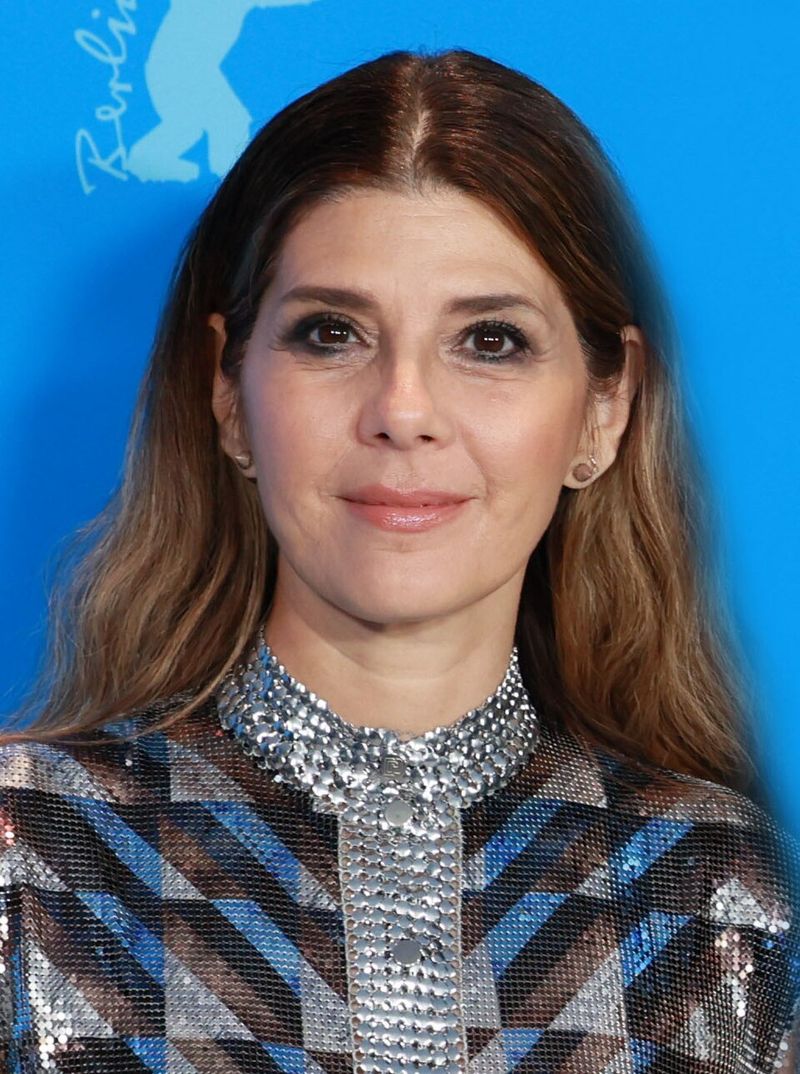
Nobody saw this one coming. At just 29 years old, Marisa Tomei beat out screen legends Joan Plowright and Vanessa Redgrave for Best Supporting Actress.
My Cousin Vinny was a crowd-pleasing comedy, which made her win feel even more unexpected to the industry crowd.
The win sparked a wild rumor that presenter Jack Palance had read the wrong name by mistake. That story turned out to be completely false, but it spread fast enough to take on a life of its own.
5. Gwyneth Paltrow Cries Her Way to Best Actress for Shakespeare in Love (1999)
Cate Blanchett was widely expected to win Best Actress for Elizabeth. Meryl Streep and Fernanda Montenegro were also in the conversation, making the race feel wide open but competitive.
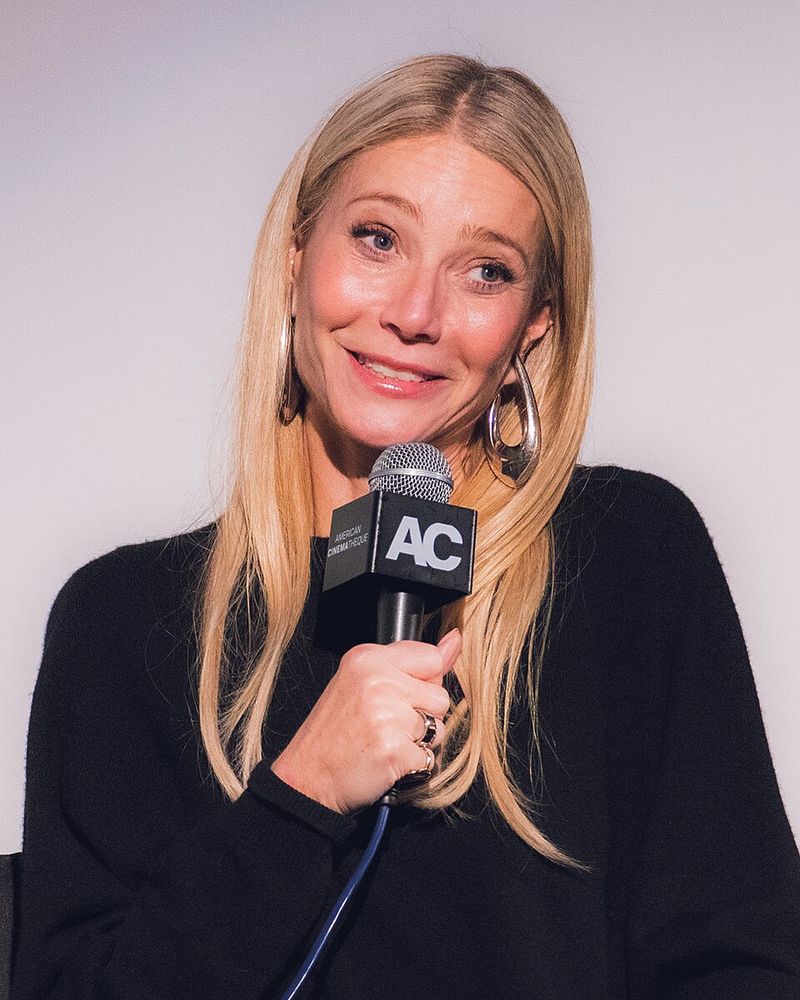
Then Gwyneth Paltrow took the stage, cried through her entire speech, and became a lightning rod for controversy.
Critics felt other performances were stronger, and the win has aged into one of those decisions that film fans revisit constantly. Paltrow herself has spoken about the experience candidly over the years.
6. Roberto Benigni Climbs Chairs to Claim Best Actor for Life Is Beautiful (1999)
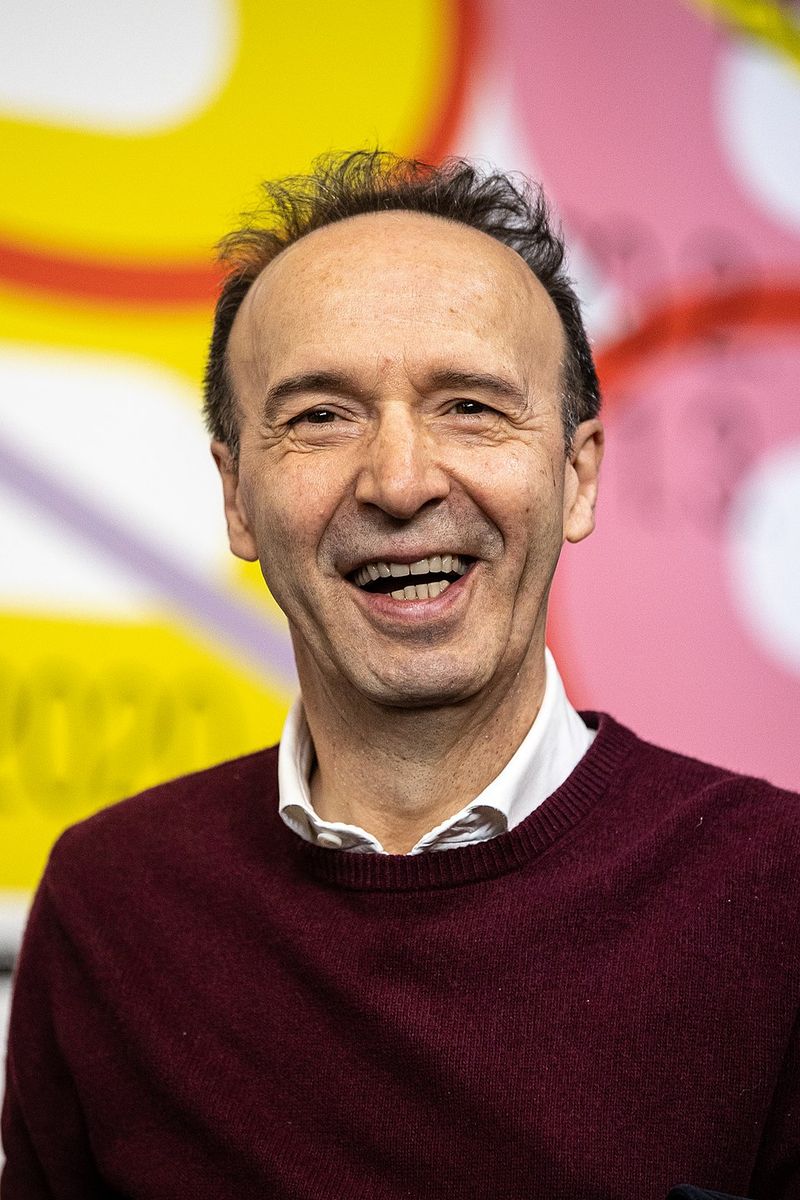
If pure joy could win an Oscar, Roberto Benigni would collect one every single year.
His performance in Life Is Beautiful, a film set partly in a concentration camp told through a father’s love for his son, earned him the Best Actor prize in 1999.
What made the night truly unforgettable was Benigni’s reaction. He literally climbed over seats to reach the stage, kissed presenter Sophia Loren’s hands, and delivered a speech bursting with infectious happiness.
The whole room melted. His win over Tom Hanks and Ian McKellen was a genuine surprise that still brings smiles today.
7. Judi Dench Wins for Eight Minutes of Screen Time in Shakespeare in Love (1999)
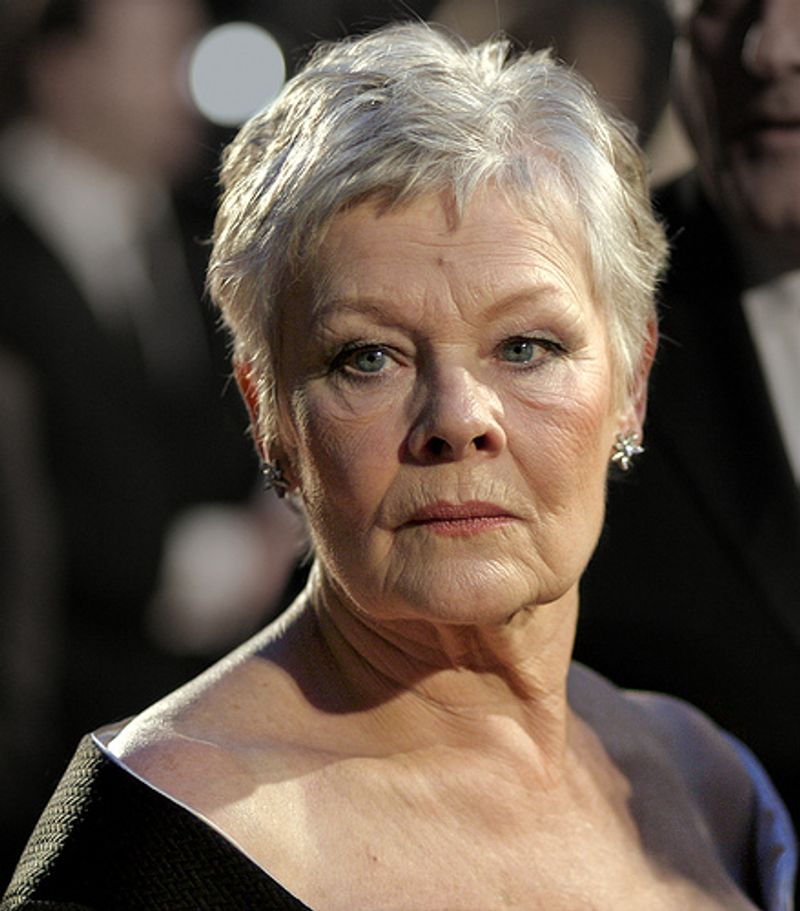
Eight minutes. That is reportedly how long Judi Dench appeared on screen as Queen Elizabeth I in Shakespeare in Love, yet she walked away with the Best Supporting Actress Oscar.
It is one of the most talked-about wins in terms of sheer screen-time-to-trophy ratio. To be fair, Dench packed enormous presence into every single second she appeared.
However, the win felt shocking to many who expected nominees with longer, meatier roles to take the prize.
8. Art Carney Beats Nicholson and Pacino for Best Actor for Harry and Tonto (1975)
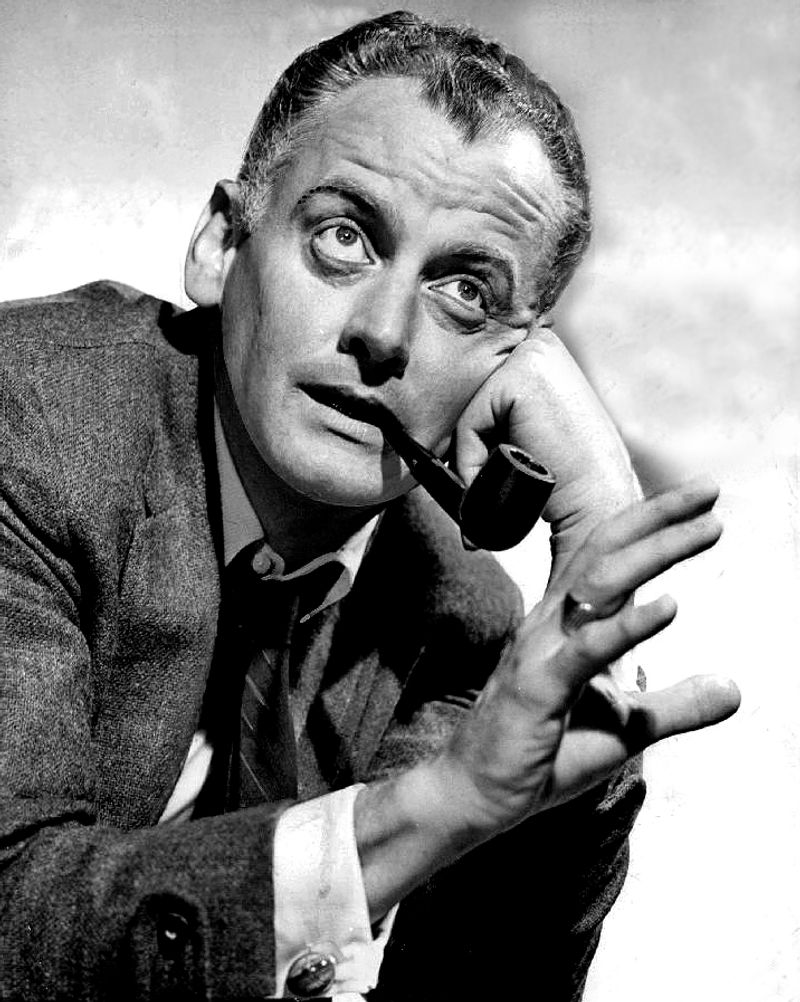
Picture this: Jack Nicholson was nominated for Chinatown. Al Pacino was nominated for The Godfather Part II.
And the Oscar went to… Art Carney for a road-trip film about an old man and his cat.
Hollywood practically needed a moment to collect itself.
Carney was best known as Ed Norton on The Honeymooners, a beloved TV character but not exactly Oscar-frontrunner territory.
Chinatown and The Godfather Part II are now considered masterpieces. Harry and Tonto is mostly remembered for this very upset.
9. Ordinary People Beats Raging Bull for Best Picture (1981)
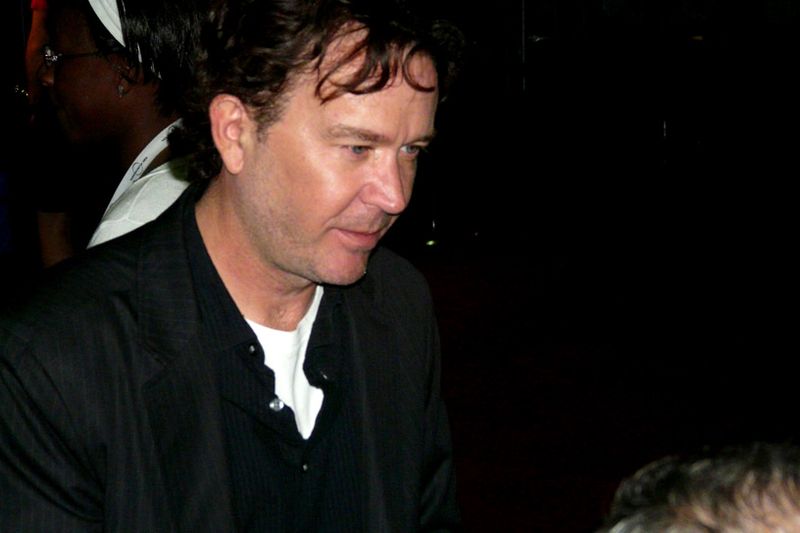
Raging Bull is now considered one of the greatest films ever made. Martin Scorsese’s raw, black-and-white portrait of boxer Jake LaMotta is studied in film schools around the world.
At the 1981 Oscars, it lost Best Picture to Ordinary People, a quietly moving family drama. Scorsese also lost Best Director to Robert Redford that night, which stings even harder in retrospect.
Ordinary People is a genuinely good film, but standing next to Raging Bull in history has not been kind to its reputation.
10. How Green Was My Valley Beats Citizen Kane for Best Picture (1942)
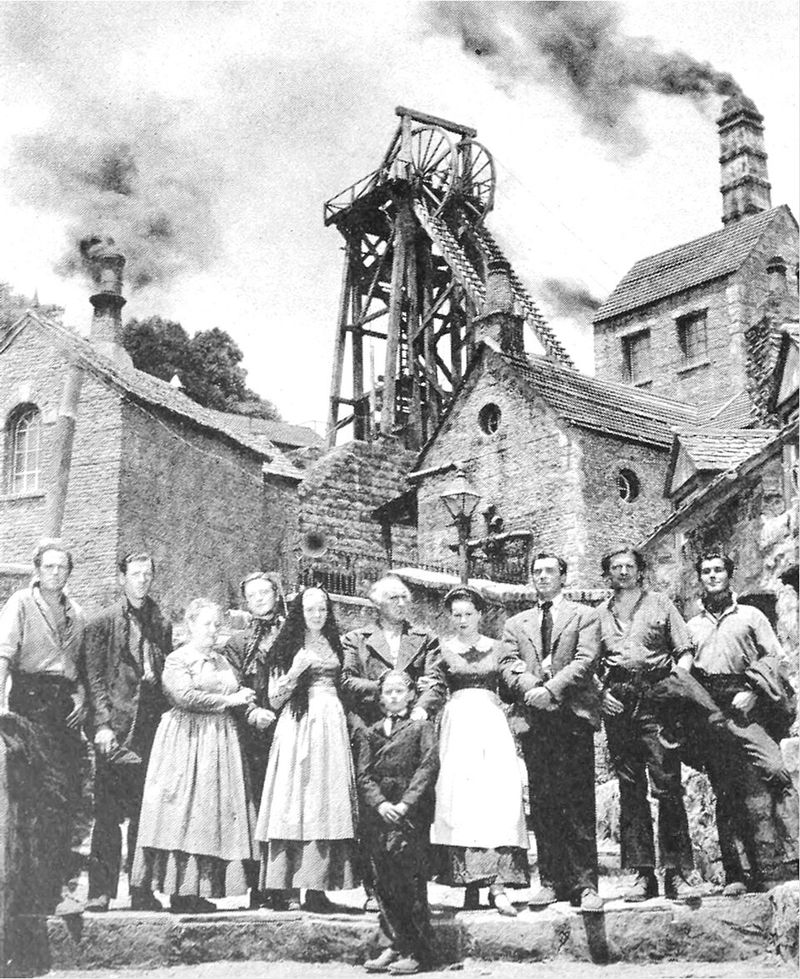
Citizen Kane changed cinema forever with its innovative storytelling, groundbreaking camera work, and complex narrative.
At the 1942 Oscars, it lost Best Picture to How Green Was My Valley, a beautifully made Welsh mining drama.
Orson Welles was just 25 years old when he made Kane, and watching it lose to anything still feels surreal to film lovers today.
11. Dances with Wolves Lassoes Best Picture Away from Goodfellas (1991)
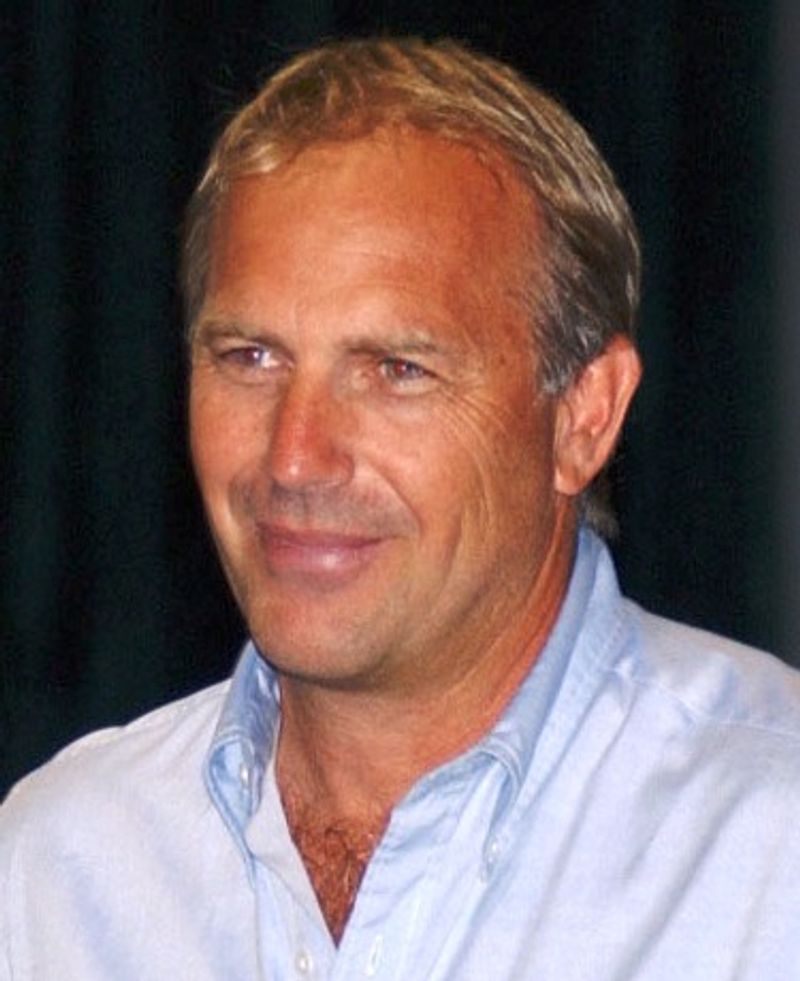
Goodfellas is a crime epic that many film scholars consider Martin Scorsese’s finest work.
It crackles with energy, features career-best performances, and moves at a pace that feels like riding a motorcycle through Manhattan.
Dances with Wolves, Kevin Costner’s sweeping Western, had other plans for Oscar night.
Costner’s three-hour epic about a Civil War soldier who bonds with a Lakota Sioux tribe won Best Picture and Best Director.
Poor Scorsese, always the bridesmaid at this point.
12. Rocky Punches Above Its Weight for Best Picture Over Taxi Driver (1977)
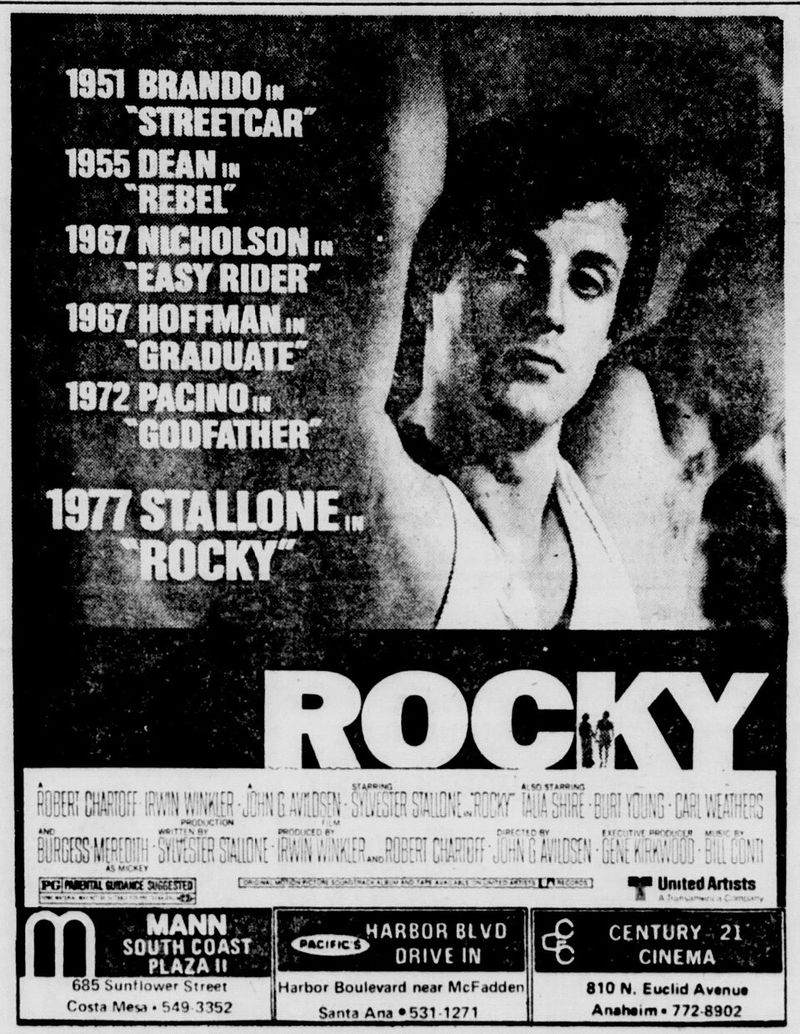
Rocky is one of cinema’s great underdog stories, which makes it almost poetic that the film itself was the underdog at the 1977 Oscars.
It beat out Taxi Driver, Network, and All the President’s Men, three films that are now considered essential American cinema, for the top prize.
Sylvester Stallone wrote the screenplay in just three days and starred in the film despite studio pressure to cast someone more famous. The win felt like a feel-good fairy tale in real life, matching the film’s own spirit.
13. Judy Holliday Surprises Bette Davis and Gloria Swanson for Best Actress (1951)
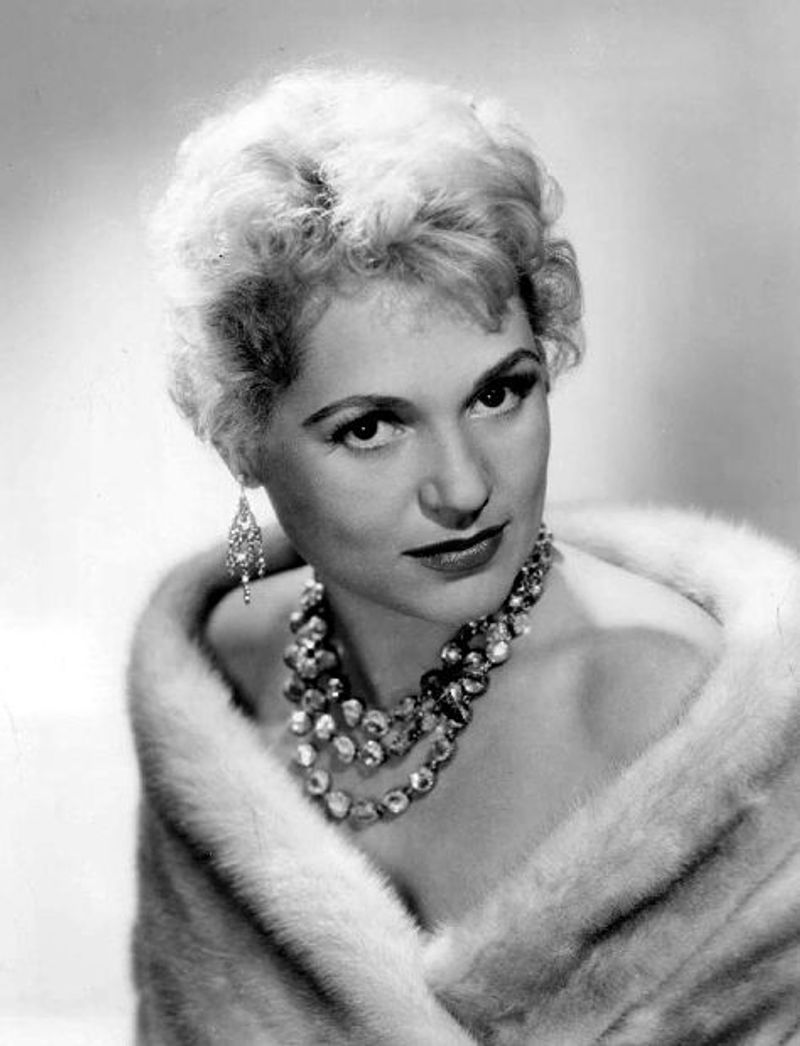
The 1951 Best Actress race was considered a two-horse battle between Bette Davis for All About Eve and Gloria Swanson for Sunset Boulevard, two of the most iconic performances in Hollywood history.
Judy Holliday, playing a ditzy blonde in Born Yesterday, crashed the party spectacularly. Her win shocked the industry and delighted audiences who had fallen for her comedic brilliance.
Born Yesterday is a sharp, funny film, and Holliday was genuinely wonderful in it. Still, beating Davis and Swanson felt like a cartoon character accidentally winning the Daytona 500.
14. A Beautiful Mind Beats Fellowship of the Ring and Moulin Rouge! (2002)
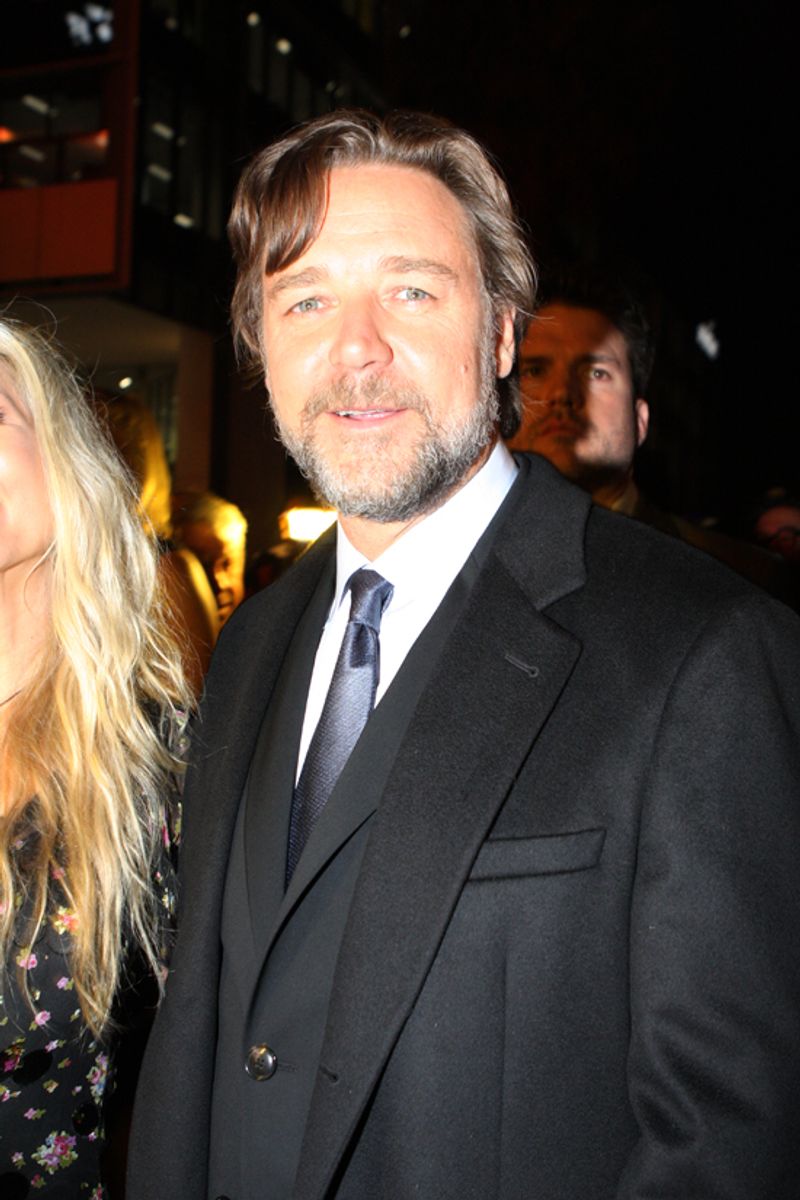
The Lord of the Rings: The Fellowship of the Ring was a technical marvel that redefined fantasy filmmaking. Moulin Rouge! was a dazzling, heart-on-its-sleeve musical that critics adored.
A Beautiful Mind, Ron Howard’s biopic about mathematician John Nash, walked away with Best Picture instead.
Russell Crowe had won Best Actor the previous year, and some felt the Academy was in full Ron Howard appreciation mode.
Fellowship fans, in particular, have never quite let this one go.
15. CODA Quietly Defeats The Power of the Dog for Best Picture (2022)

The Power of the Dog had dominated awards season like a force of nature. Jane Campion’s psychological Western swept through critic circles, precursor awards, and nomination announcements with breathtaking confidence.
CODA, a small, warm film about a hearing child of deaf adults, had other ideas entirely. When CODA won Best Picture, the reaction ranged from genuine celebration to absolute disbelief.
It was the first film from a streaming service, Apple TV Plus, to win the top prize, which made history regardless of opinions.