17 Famous Bands That Took The Stage With Surprisingly Large Lineups
A band can sound enormous with four people and a decent amp.
Then a few groups show up looking less like a standard lineup and more like somebody accidentally booked an entire musical neighborhood.
Extra guitars, horns, backup singers, percussion, keyboards, and at least one person whose exact job takes a minute to figure out.
Big lineups change the whole energy of a performance. The stage looks fuller and the audience starts realizing this is not merely a concert but a carefully organized traffic event with microphones.
More people means more chaos, more personality, and a much higher chance that one dramatic tambourine shake will feel weirdly essential.
1. Arcade Fire
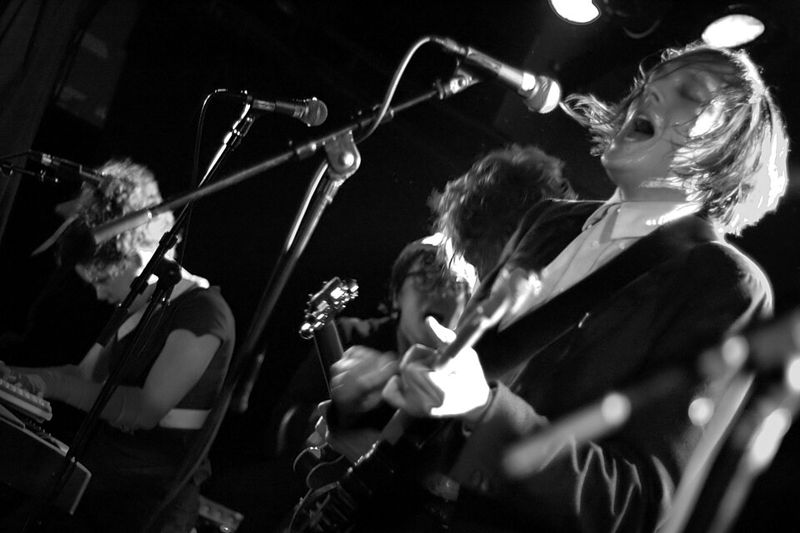
Picture seven people on stage, each switching between instruments mid-song like musical superheroes. That is basically Arcade Fire in a nutshell.
The Montreal indie rock band formed in 2001 and became famous for their chaotic and layered sound.
On tour, they regularly expand beyond their already large core lineup, adding extra musicians to recreate the wall of sound from their albums.
Win Butler and Regine Chassagne lead the charge, but every member pulls serious weight.
2. Earth, Wind & Fire
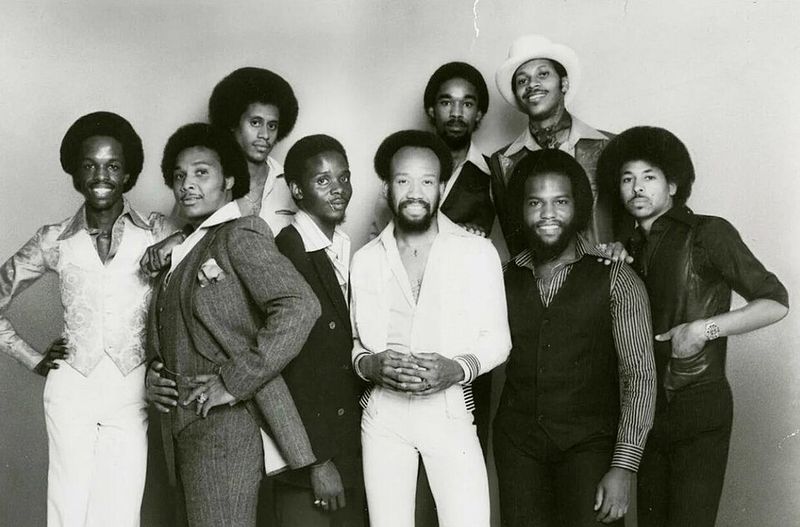
Few bands in history have commanded a stage quite like Earth, Wind & Fire.
Founded by Maurice White in Chicago in 1970, this legendary group blended funk, soul, jazz, and R&B into something truly cosmic. At peak performances, their touring lineup swelled to well over a dozen people.
Horn players, backup vocalists, dancers, and percussionists all shared the spotlight.
Honestly, seeing them live was less like attending a concert and more like witnessing a full-scale theatrical production with the best playlist imaginable.
3. Parliament-Funkadelic
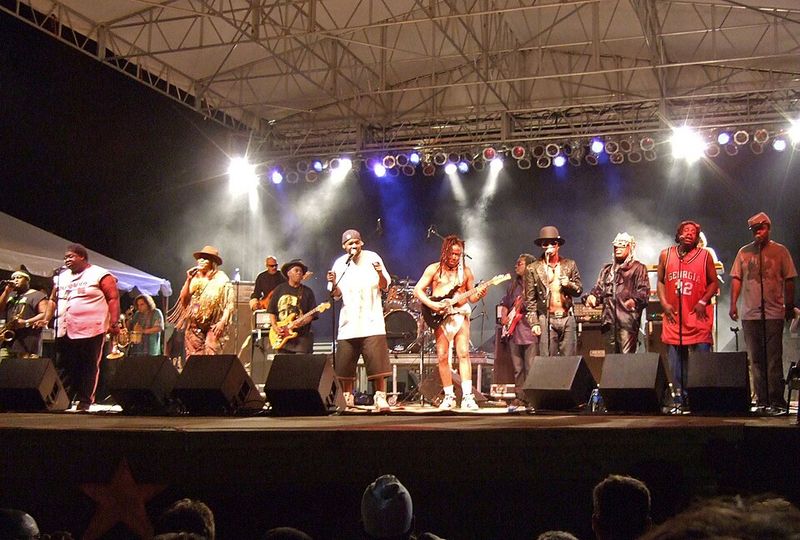
When George Clinton wanted to put on a show, he did not hold back.
Parliament-Funkadelic, the legendary funk collective born in the late 1960s, regularly performed with 40 or more musicians on stage at once. Yes, you read that right.
Singers, bassists, horn players, guitarists, and dancers all crammed onto massive stages under wild lighting and even wilder costumes.
Their famous Mothership Connection tour featured a literal spaceship descending from the ceiling.
4. Broken Social Scene
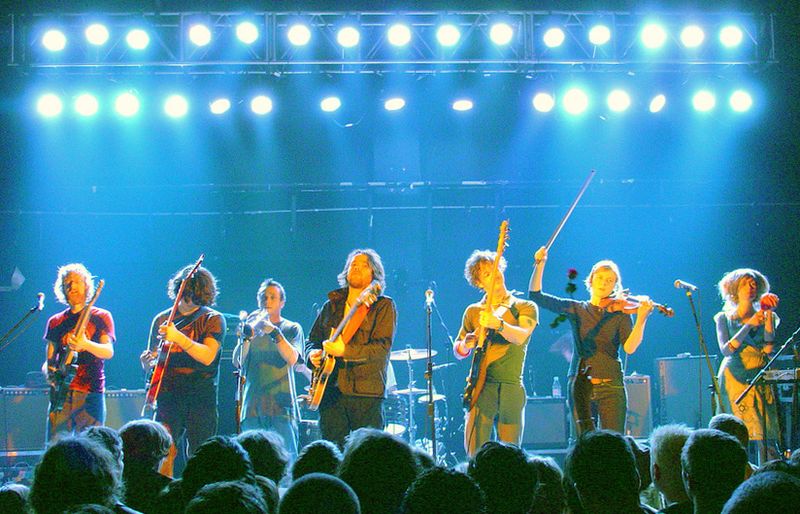
Toronto’s Broken Social Scene is basically the ultimate musical collective, and counting their members is like trying to count sprinkles on a cupcake.
Since forming in 1999, the band has featured anywhere from 6 to 19 members depending on the show.
Key players like Kevin Drew and Brendan Canning anchor the group, while rotating members including Feist and Emily Haines have passed through over the years.
Each live show feels genuinely different because, well, the lineup might actually be different. How cool is that?
5. The Polyphonic Spree
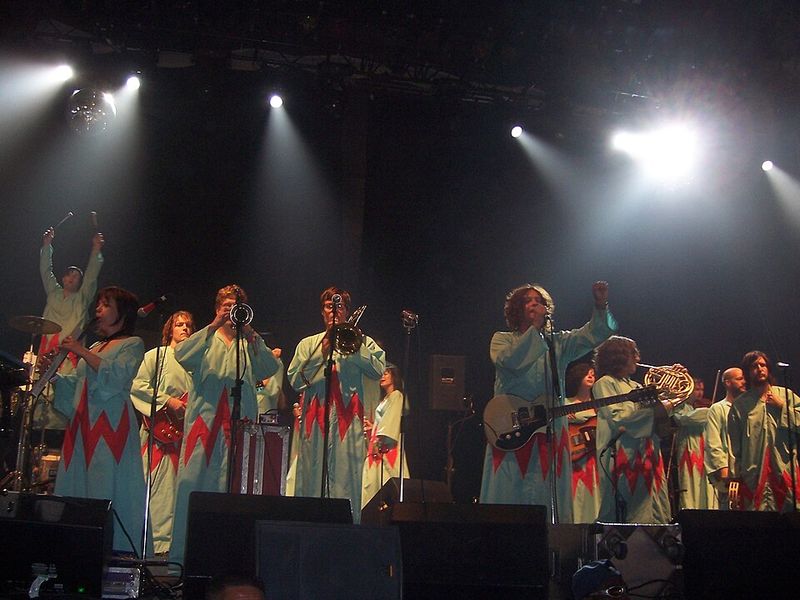
Imagine walking into a concert and seeing 20 people in white robes smiling at you. That is The Polyphonic Spree, and they are absolutely as joyful as they sound.
Founded by Tim DeLaughter in Dallas, Texas in 2000, the band grew out of the ashes of his previous group Tripping Daisy.
At their largest, the ensemble featured over 20 members including a full choir, strings, brass, and woodwinds. Their music sounds like a sunrise if a sunrise could also play guitar.
6. Slipknot
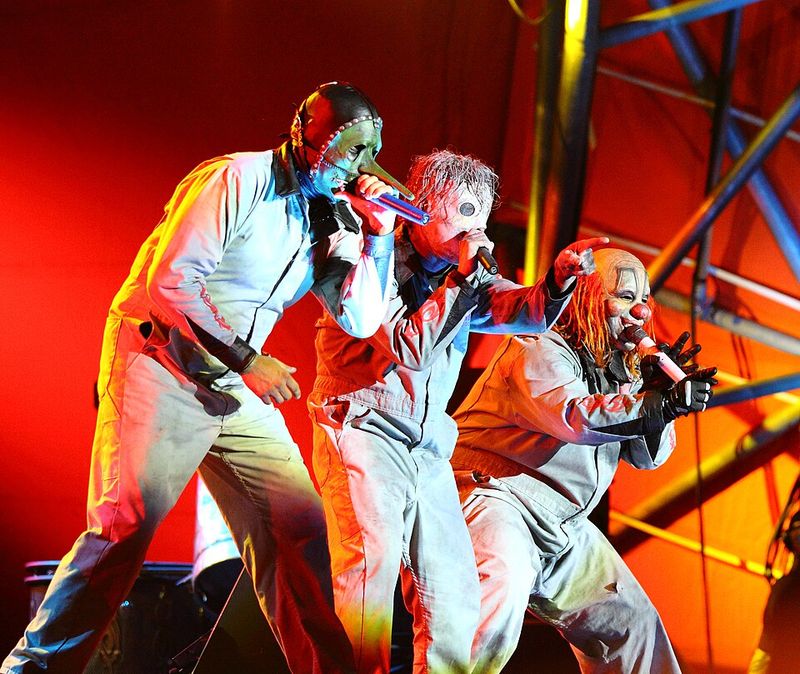
Nine people in masks and matching jumpsuits storming a stage is not something you forget easily.
Slipknot from Des Moines, Iowa became one of the most intense live acts in heavy metal history partly because of their sheer size. Most metal bands have five members. Slipknot had nine.
Three percussionists, a DJ, two guitarists, a bassist, a keyboardist, and a vocalist created a sound so massive it felt physical.
Each member had a numbered mask identity, which added a whole layer of theatrical mystery.
7. The Allman Brothers Band
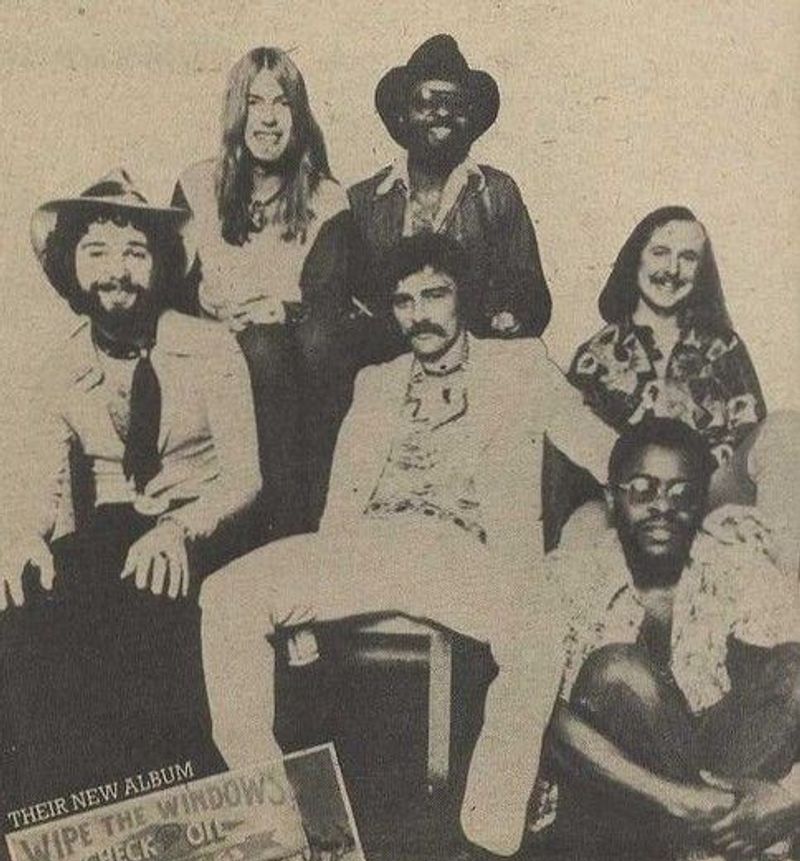
Two drummers. Two lead guitarists.
Extended improvisational jams that could last 20 minutes. The Allman Brothers Band basically rewrote the rulebook for what a rock band could look like.
Founded in Macon, Georgia in 1969 by brothers Duane and Gregg Allman, the group pioneered Southern rock with a lineup that prioritized interplay over simplicity.
Their famous live album “At Fillmore East” from 1971 is still considered one of the greatest concert recordings ever made.
8. Chicago
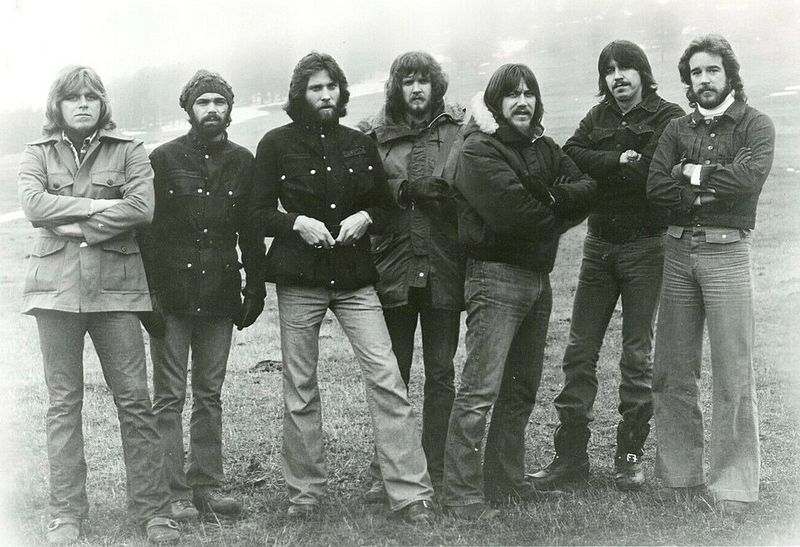
Rock and roll with a full horn section? Chicago said yes, and the world agreed.
Formed in 1967, Chicago became one of the best-selling bands of all time by blending rock, jazz, and pop with a brass lineup that most bands simply never attempted.
At their peak, the group featured seven core members including three horn players, which gave their sound a richness and sophistication that stood out on radio and on stage.
9. Bruce Springsteen and the E Street Band
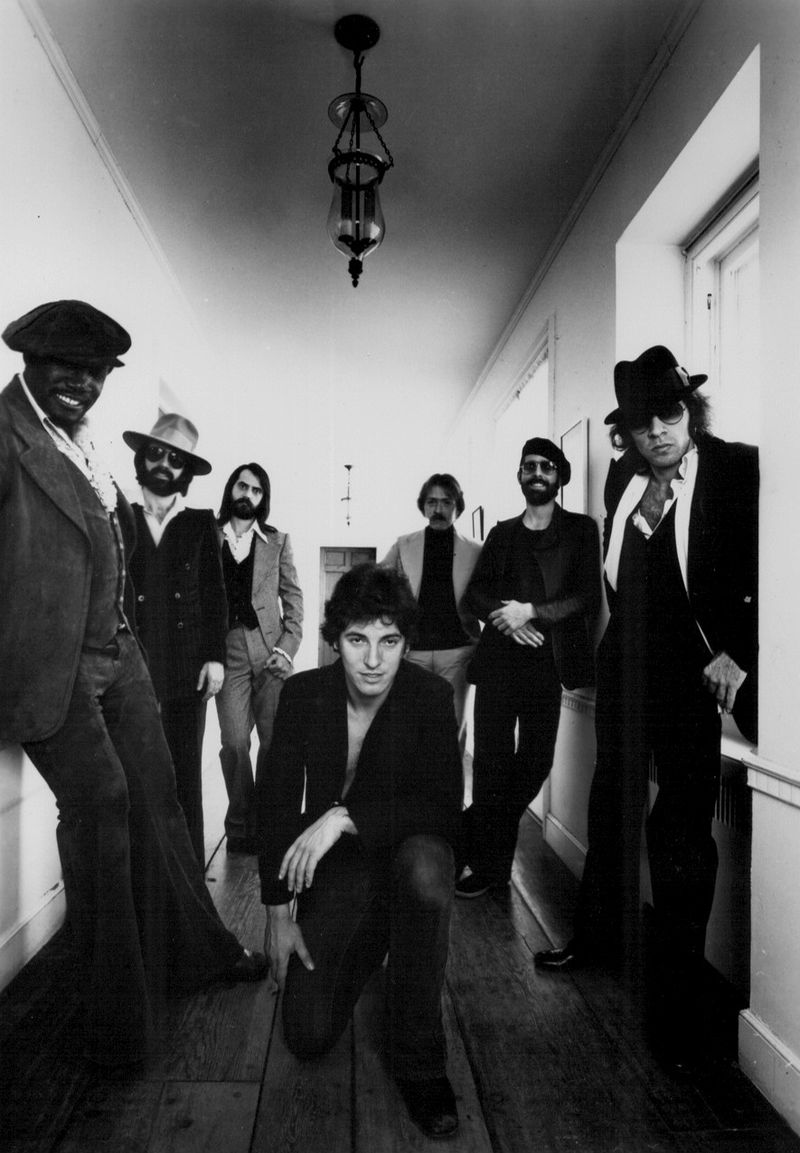
Bruce Springsteen could probably fill a stadium by himself. But why go solo when you can bring the entire E Street Band?
At various points, the group has featured up to 18 members on stage, including horn players, backing vocalists, and the iconic Clarence Clemons on saxophone.
Their concerts are legendary for lasting three to four hours, which is basically a superhero endurance feat.
Springsteen treats every show like it might be his last, and the E Street Band matches that energy note for note.
10. Sly and the Family Stone
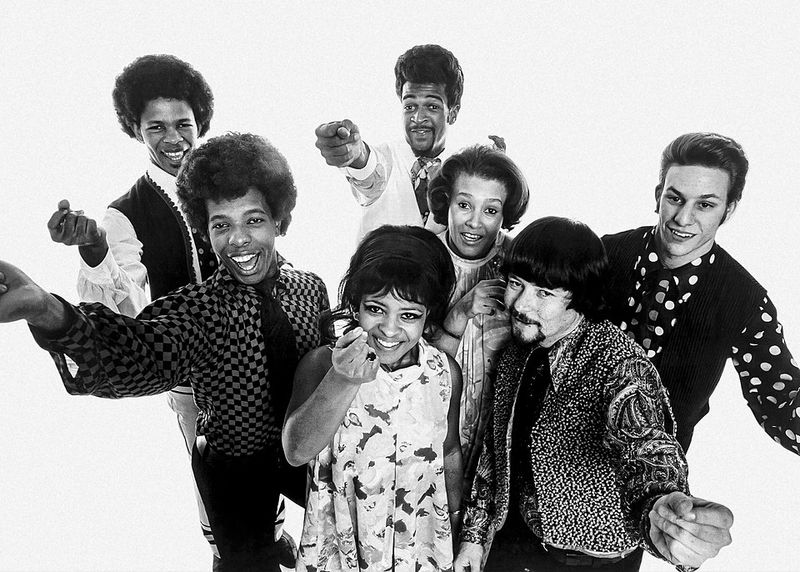
Before diversity became a talking point, Sly Stone was already living it.
Sly and the Family Stone, formed in San Francisco in 1966, featured men and women, Black and white musicians, all sharing equal stage time. That was genuinely revolutionary for the era.
The group expanded their live lineup with extra horn players and vocalists to match the energy of their studio recordings. Songs like “Everyday People” and “I Want to Take You Higher” demanded big sound.
11. King Gizzard and the Lizard Wizard
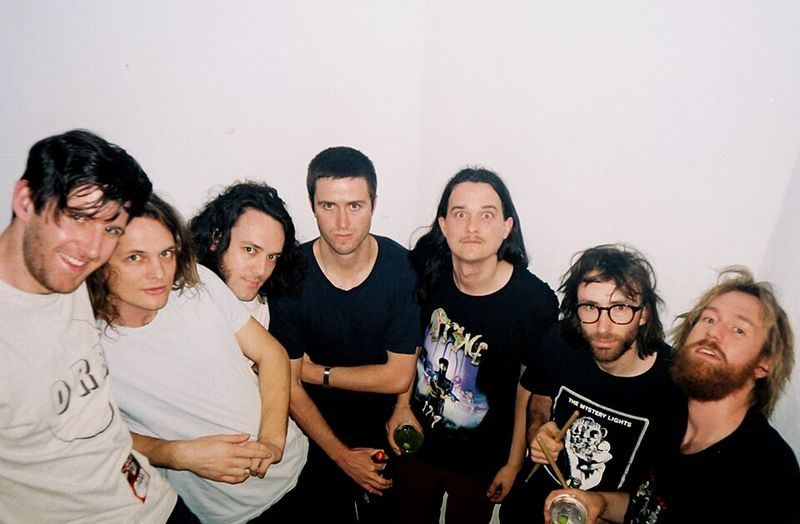
Six members, two drummers, and an absolutely absurd work ethic.
King Gizzard and the Lizard Wizard from Melbourne, Australia released five albums in a single year in 2017, which is the kind of fact that makes other bands quietly question their life choices.
Their dual-drummer setup gives live performances a relentless, propulsive energy that few bands can match.
Psychedelic rock, jazz, thrash metal, folk? They have done all of it, sometimes within the same album.
12. The Mighty Mighty Bosstones
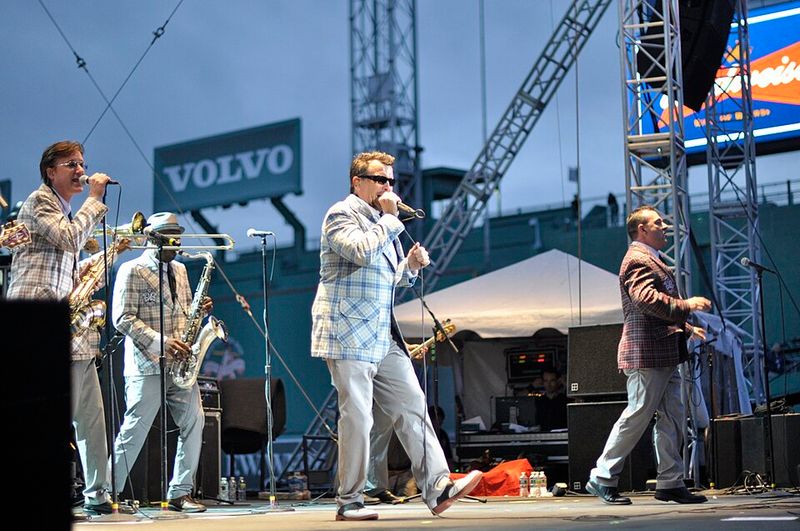
Here is a fun fact: The Mighty Mighty Bosstones had a dedicated dancer named Ben Carr who was an official band member despite not playing an instrument.
That alone should tell you everything about their commitment to spectacle. The Boston ska-punk group formed in 1983 and featured up to nine members on stage.
A full horn section powered their sound, giving songs like “The Impression That I Get” an unstoppable bounce.
13. Belle and Sebastian
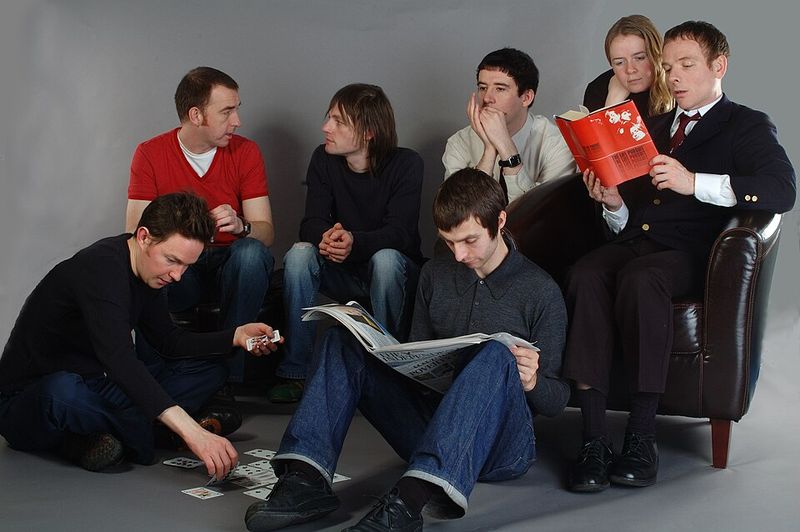
Scotland’s Belle and Sebastian built their reputation on quiet, literary indie pop, so seeing them perform live with a seven or eight piece lineup might surprise new fans.
Founded in Glasgow in 1996, the band expanded their sound over the years to include cello, trumpet, and multiple vocalists.
Stuart Murdoch leads the group with a gentle charisma, but the full band is what transforms songs from intimate to cinematic.
14. Edward Sharpe and the Magnetic Zeros
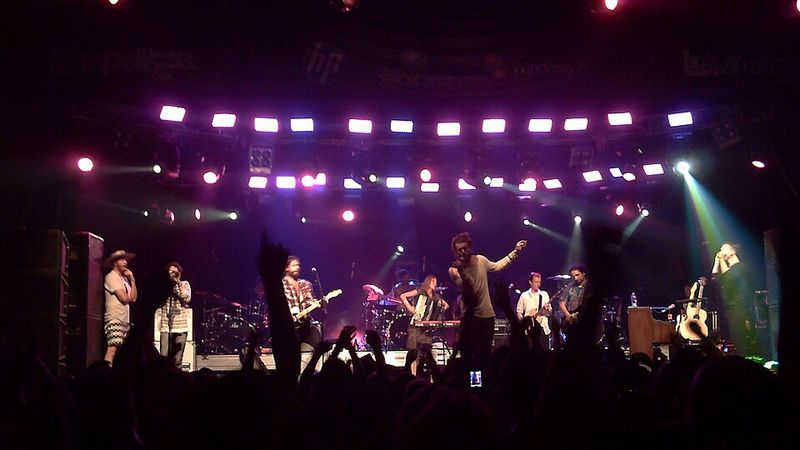
Walking barefoot on stage while leading a 10 to 15 person folk collective sounds like a dream, and for Alex Ebert of Edward Sharpe and the Magnetic Zeros, it was basically Tuesday.
Formed in Los Angeles in 2007, the band became known for their warm, communal performances that felt more like gatherings than concerts.
Their massive lineup included multiple singers, guitarists, and percussionists who created a sound that wrapped around audiences like a warm hug.
15. Gogol Bordello
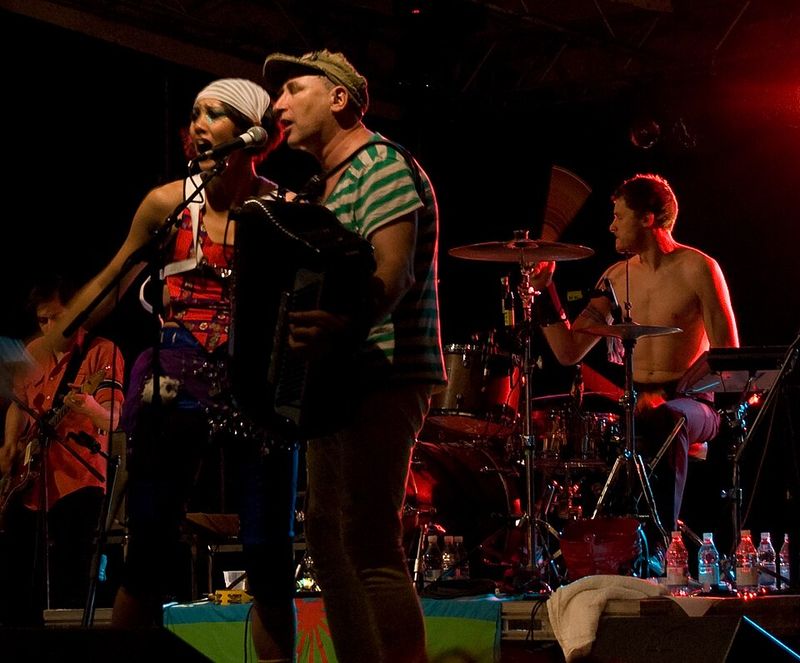
If you want a party that spans continents, Gogol Bordello is your band.
Led by Ukrainian-born Eugene Hutz, this New York City punk collective has featured up to nine members from countries including Ukraine, Russia, Israel, Ethiopia, and Ecuador.
Violins, accordion, bass, drums, and wild dancing combine into something that defies easy genre labels.
Their live shows are legendary for their sheer physical intensity, with every member performing like they have somewhere incredibly important to be.
16. Snarky Puppy
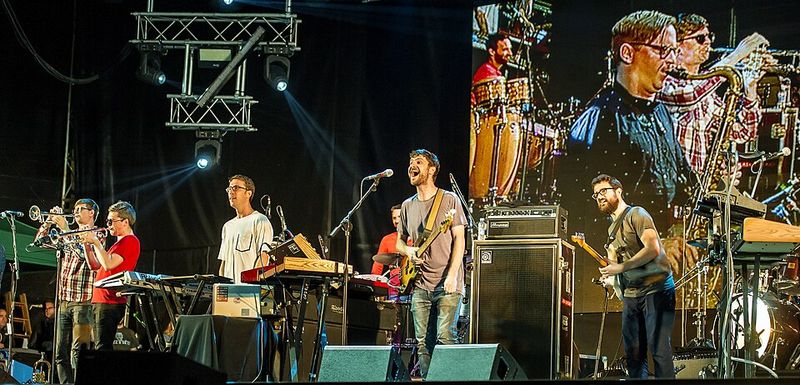
Grammy-winning Snarky Puppy is the kind of jazz fusion collective that makes other musicians stop and stare with their mouths open.
Founded by Michael League in Denton, Texas in 2004, the band has featured over 40 rotating members throughout its history, with live shows often featuring 20 or more musicians on stage.
Brass, woodwinds, keyboards, bass, and drums all collide in performances that feel both rigorously rehearsed and completely spontaneous.
17. The Trans-Siberian Orchestra
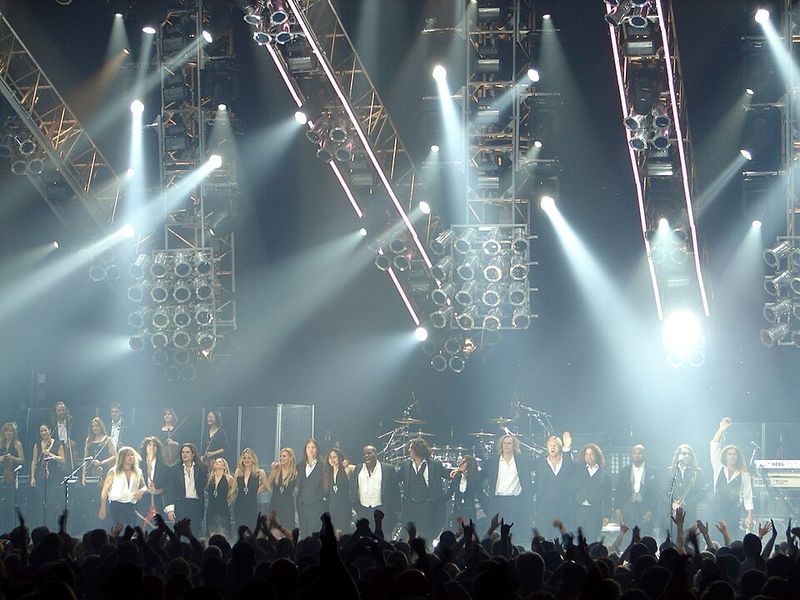
Imagine a full orchestra, a rock band, and a choir all sharing a stage surrounded by pyrotechnics and laser lights. That is The Trans-Siberian Orchestra on a quiet evening.
Founded by Paul O’Neill in 1993, this progressive rock and classical crossover group regularly tours with 60 or more performers.
Their holiday concerts became annual traditions for millions of fans, combining dramatic storytelling with jaw-dropping production.