18 Sweet Pastries From Around The World That Define Dessert Culture
Every culture has its own quiet masterpiece hiding in bakeries, passed down through generations and perfected over time. Pastries sit right at the center of that tradition, turning simple ingredients into something that feels almost magical.
Flour, butter, sugar, and patience come together in ways that tell stories far beyond the plate. One bite can feel like travel without a passport.
A crisp layer might echo a morning in a European café, while syrup soaked dough can bring to mind busy street markets filled with noise and color. Behind every recipe sits a long history of celebration, comfort, and shared moments around food.
What makes pastries so unforgettable is their balance of texture and flavor. Flaky, creamy, crunchy, soft, all working together in a way that feels carefully designed yet deeply comforting.
Bakers across the world continue to protect these recipes while adding small personal touches that keep them alive. Time to explore 18 legendary sweet pastries that shaped dessert culture around the globe.
A journey like this has a way of building serious cravings, so consider snacks nearby before diving in.
1. Baklava (Turkey)
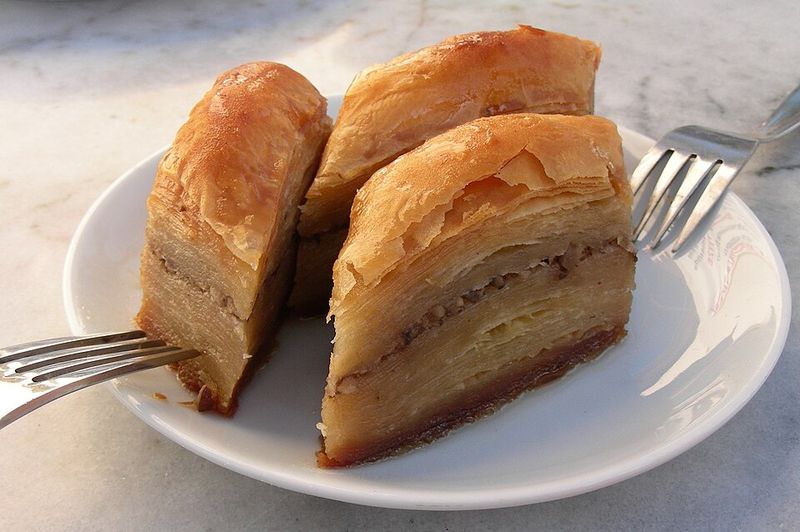
Layers upon layers of paper-thin filo dough, crunchy nuts, and a generous drizzle of honey syrup, Baklava is basically the dessert world’s version of a standing ovation. Rooted deep in Ottoman Empire culinary tradition, it has been satisfying sweet cravings for hundreds of years.
Pistachios and walnuts are the most popular fillings, though recipes vary by region. Each bite delivers a satisfying crunch followed by a sticky, sweet rush.
How can something so simple be so impossibly good? Bakers in Turkey take enormous pride in achieving perfectly even layers, sometimes stacking forty or more sheets of filo before baking.
2. Pastel de Nata (Portugal)
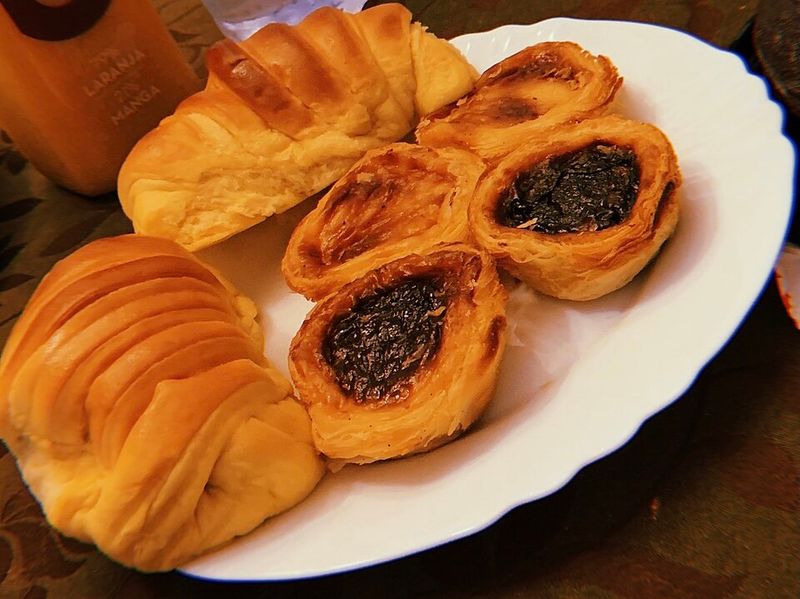
Crispy on the outside, impossibly creamy on the inside, Pastel de Nata is Portugal’s most beloved gift to the dessert universe. Monks at the Jerónimos Monastery in Lisbon invented the original recipe back in the 18th century, and honestly, those monks deserve a serious round of applause.
A light sprinkle of cinnamon on top adds a warm, spiced contrast to the rich custard center. Locals eat them fresh out of the oven, still warm and slightly caramelized around the edges.
If you ever visit Lisbon and skip a Pastel de Nata, did you even go to Lisbon?
3. Churros (Spain)
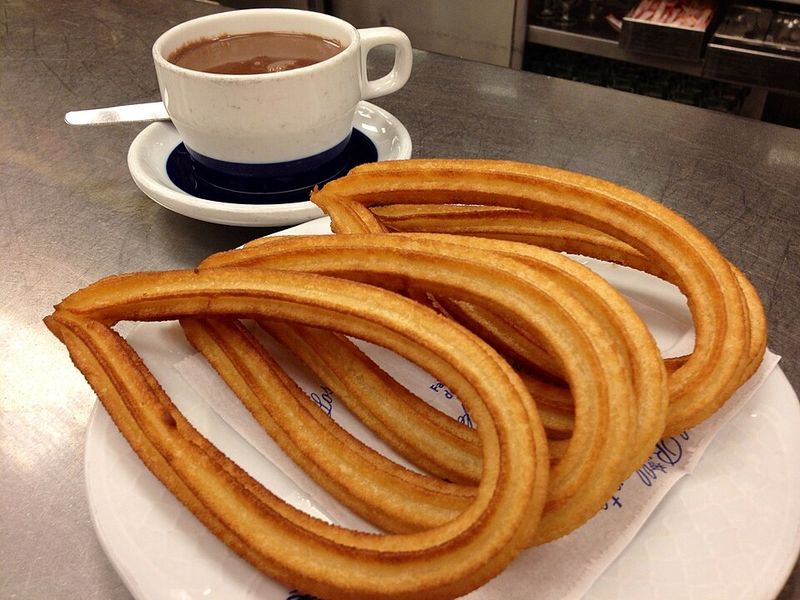
Crunchy, golden, and dusted in cinnamon sugar, churros are the kind of street food that makes every morning feel like a celebration. Spain’s most iconic fried pastry has been fueling early risers and late-night snackers alike for generations, and its popularity has spread far beyond European borders.
Traditionally served alongside thick, rich hot chocolate for dipping, churros hit every note on the flavor scale. Short and looped or long and straight, the shape may vary but the joy never does.
Fun fact: churros were likely inspired by a Chinese fried dough called youtiao, brought to Europe by Portuguese sailors.
4. Cannoli (Italy)
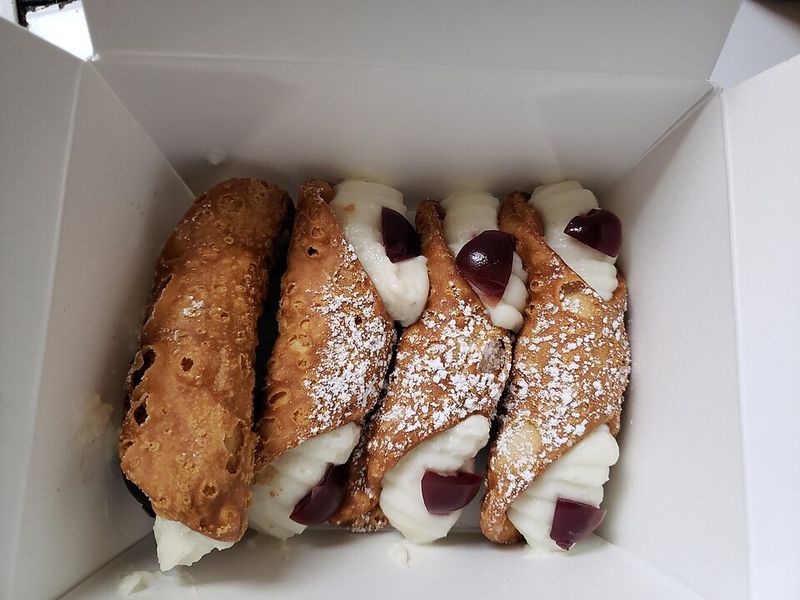
Few pastries command as much respect as the Sicilian cannoli. Crispy, tube-shaped shells hold a luscious filling of sweetened ricotta, sometimes studded with chocolate chips, candied fruit, or crushed pistachios.
Just saying, if a dessert has its own famous movie quote, it has officially made it.
Originating in Sicily, cannoli were originally made during Carnival season, though thankfully they are now available year-round. The key to a perfect cannoli is freshness: shells must be filled right before serving to maintain that signature crunch.
Home bakers and professional pastry chefs continue to debate the ideal ricotta-to-shell ratio endlessly.
5. Kouign-Amann (France)
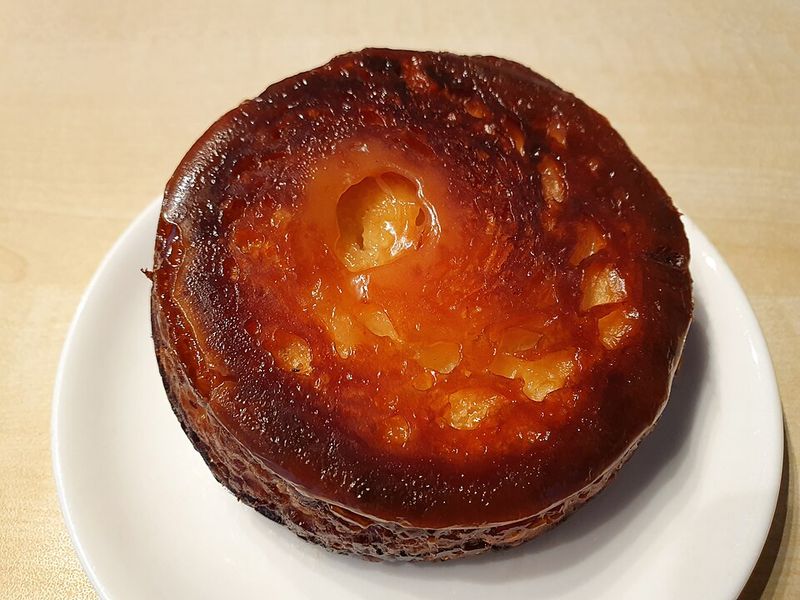
Pronounced KWEEN ah-MAHN, and yes, it sounds as fancy as it tastes. Kouign-Amann hails from Brittany in northwestern France, and its name literally means butter cake in the Breton language.
Created in 1860 by baker Yves-René Scordia, it was reportedly born out of a happy accident when butter and sugar were folded into bread dough.
What emerged was a caramelized, flaky, buttery masterpiece unlike anything else in the pastry world. The outside is gloriously crispy and caramelized while the inside stays soft and rich.
One slice is never, ever enough. Nutritional guilt?
Save it for a different day.
6. Sacher Torte (Austria)
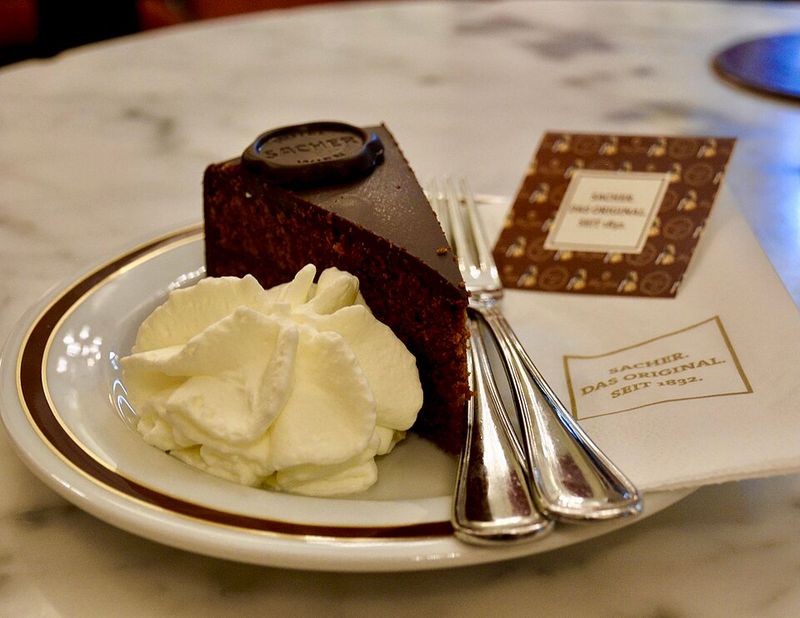
Austria’s most celebrated dessert carries a story as rich as its flavor. The Sacher Torte was created in 1832 by 16-year-old apprentice Franz Sacher for Austrian statesman Prince Metternich.
A teenager literally invented one of the world’s most iconic cakes. Overachiever alert!
Dense chocolate sponge, a thin layer of apricot jam, and a glossy dark chocolate glaze make up the elegant trio at the heart of the recipe. Vienna’s Hotel Sacher has been serving the original version for nearly two centuries, even winning a legal battle to protect the authentic recipe.
Respect for the classics, always.
7. Pavlova (Australia and New Zealand)
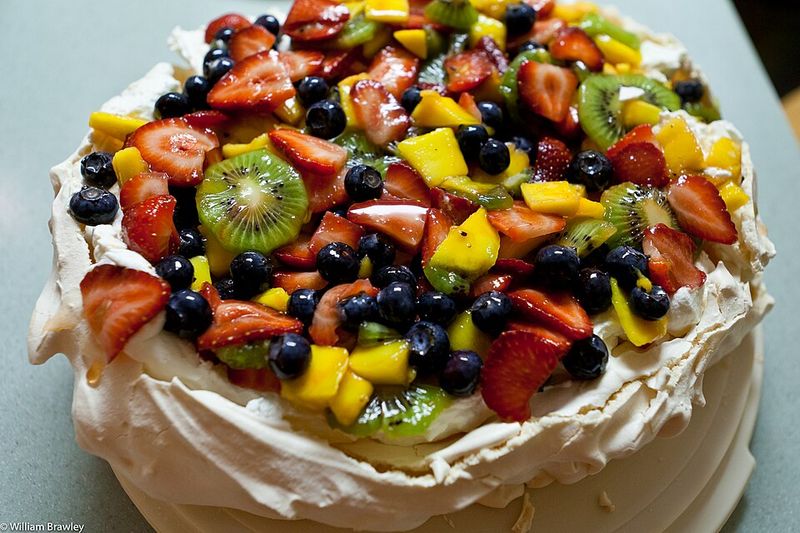
Soft, cloud-like, and crowned in fresh fruit, Pavlova is the dessert equivalent of a summer afternoon. Named after Russian ballerina Anna Pavlova following her tour of Australia and New Zealand in the 1920s, the origin debate between the two countries remains one of history’s tastiest rivalries.
A crispy meringue shell gives way to a marshmallowy interior that practically melts on contact. Topped generously with whipped cream and tropical fruits like kiwi, passion fruit, and strawberries, it is as beautiful as it is delicious.
If desserts had a red carpet moment, Pavlova would absolutely own it every single time.
8. Knafeh (Middle East)
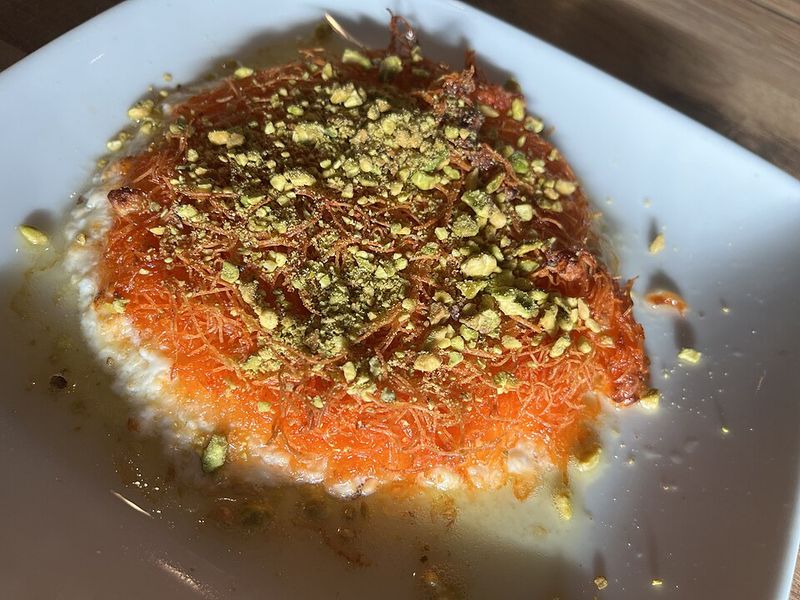
Bold, gooey, and absolutely show-stopping, Knafeh is the kind of dessert that earns a standing ovation at any dinner table. Popular across the Levant region, including Palestine, Lebanon, and Jordan, it combines shredded phyllo dough or semolina crust with a warm, stretchy cheese filling soaked in fragrant sugar syrup.
Crushed pistachios scattered on top add color and crunch to an already irresistible combination. Nablus in Palestine is often credited as the spiritual home of Knafeh, and the city takes enormous pride in its version.
Served hot and fresh, it is a dessert that genuinely defies description until you experience it personally.
9. Tarte Tatin (France)
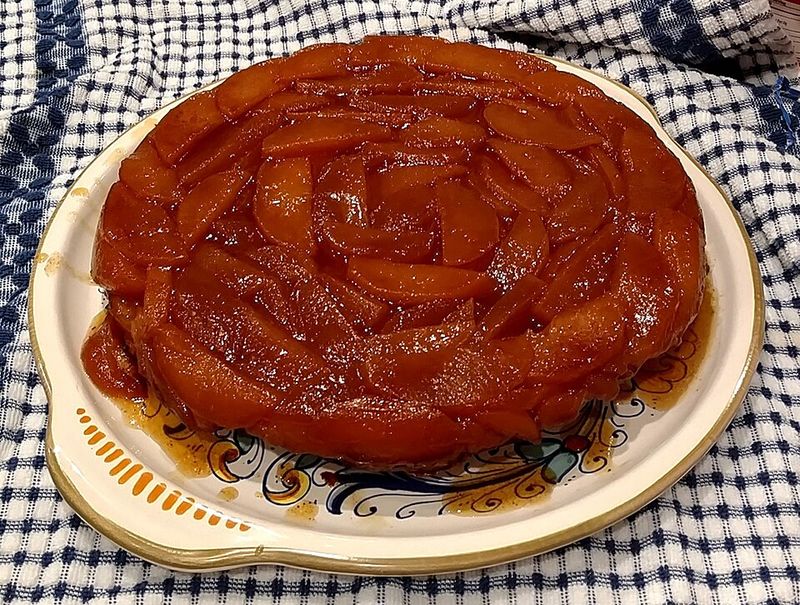
Accidents can be absolutely delicious, and the Tarte Tatin is living proof. According to culinary legend, Stephanie Tatin accidentally overcooked her apple tart in the 1880s at her family’s hotel in Lamotte-Beuvron, France.
Rather than starting over, she popped pastry on top and flipped the whole thing out of the pan.
What emerged was a caramelized, upside-down apple masterpiece that became one of France’s most cherished desserts. Apples cooked in butter and sugar create a deep, jammy caramel base, while the pastry on top stays crisp and golden.
Served warm alongside a scoop of vanilla ice cream, it is pure magic.
10. Mille-Feuille (France)
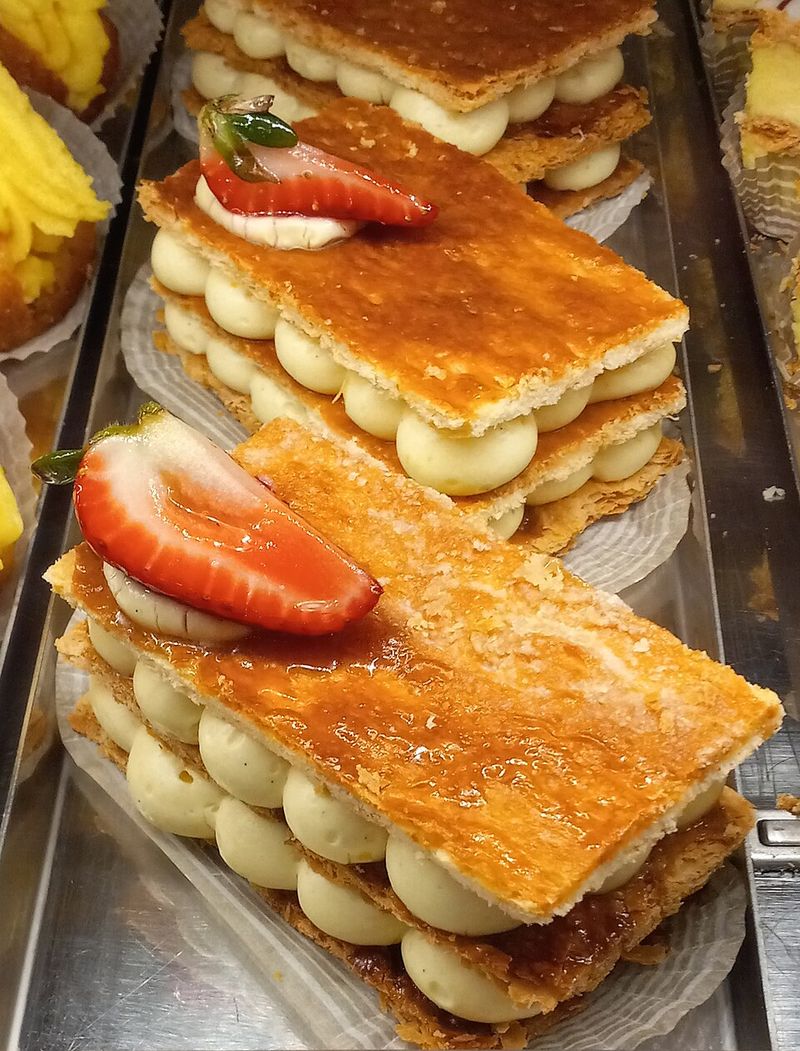
If architecture had a dessert counterpart, it would absolutely be the Mille-Feuille. Translating to a thousand leaves in French, the name refers to the incredible number of thin layers created when puff pastry bakes into a golden, shatteringly crisp stack.
Each layer practically sings when you bite through it.
Sandwiched between those flaky layers is silky smooth vanilla pastry cream, and the top is typically finished with elegant white fondant and a chocolate zigzag pattern. Also called a Napoleon in many countries, it requires patience and precision to assemble properly.
However, one perfectly constructed slice is worth every single careful minute spent making it.
11. Semla (Sweden)
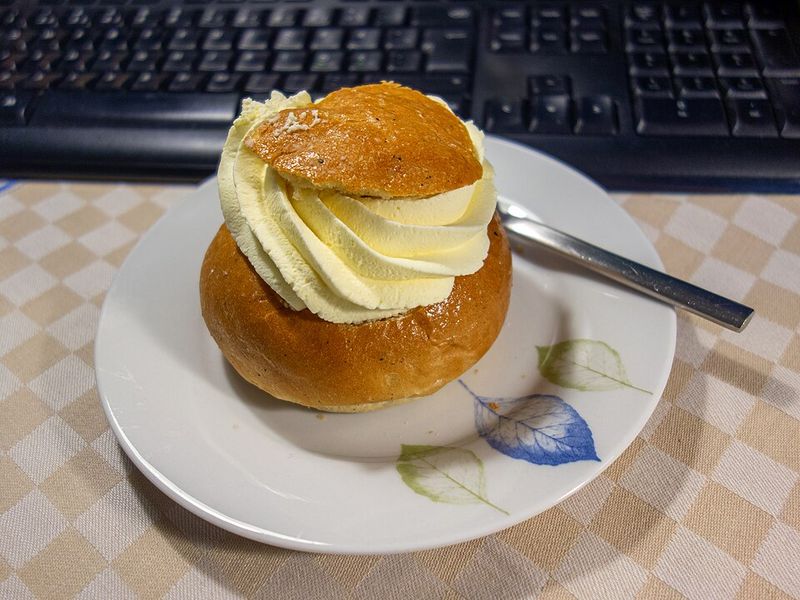
Sweden’s most beloved seasonal pastry practically has its own fan club, and rightfully so. Semla is a soft, cardamom-spiced milk brioche bun filled with sweet almond paste and a generous cloud of whipped cream, then dusted lightly with powdered sugar on top.
Simple ingredients, extraordinary results.
Traditionally eaten on Shrove Tuesday before Lent, Semla has become so popular in Sweden that bakeries now sell it for months at a time. Swedish king Adolf Fredrik allegedly ate so many Semlor in 1771 that the meal contributed to his death.
Dramatic? Yes.
A testament to how irresistible the pastry is? Absolutely, one hundred percent.
12. Větrník (Czech Republic)
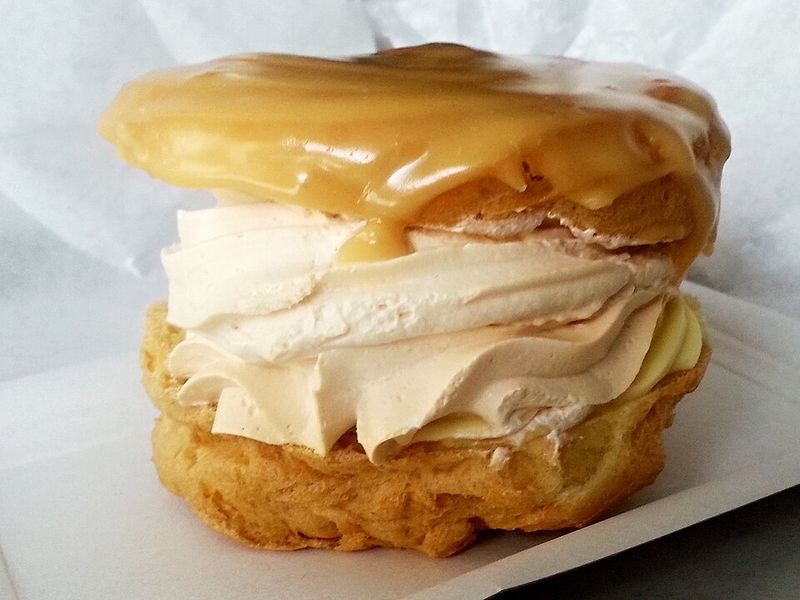
Shaped like a classic eclair but uniquely Czech in character, Větrník is a choux pastry filled with vanilla cream and crowned in a glossy caramel topping. Its name translates roughly to windmill in Czech, likely inspired by the light, airy choux shell that puffs up dramatically during baking.
Found in nearly every Czech bakery and confectionery shop, it is a staple of local dessert culture. The caramel glaze adds a deep, slightly bitter sweetness that balances the rich cream filling beautifully.
If you ever find yourself wandering through Prague’s charming streets, stopping for a Větrník is basically a cultural requirement.
13. Bundevara (Serbia)
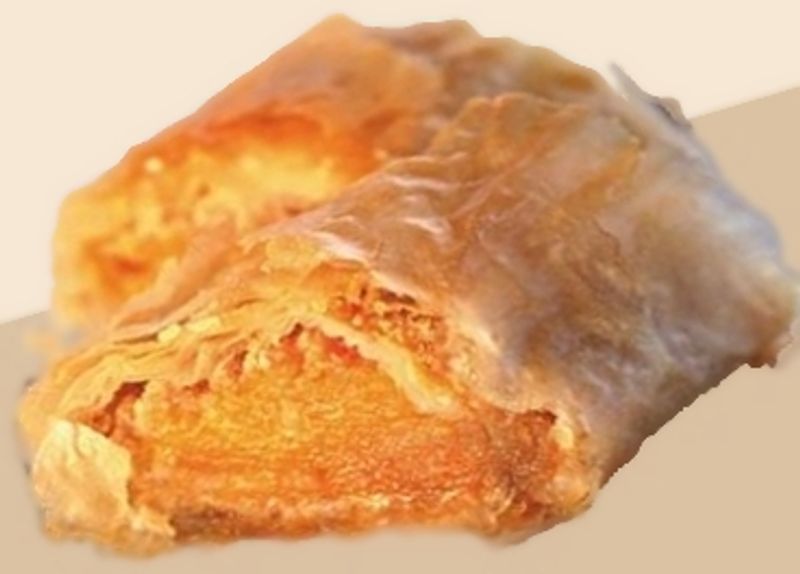
Pumpkin might seem like an unusual pastry filling to some, but one bite of Bundevara and all skepticism disappears instantly. A beloved Serbian traditional pastry, it features thin, crispy phyllo dough sheets wrapped around a sweetened pumpkin filling spiced lightly with cinnamon and sugar.
Baked until golden and flaky, Bundevara is especially popular during autumn when pumpkins are freshly harvested. Grandmothers across Serbia have been perfecting their versions of the recipe for generations, and each family swears their version is the best one.
How can a vegetable transform so completely into something so warmly satisfying? Serbian bakers make it look effortless.
14. Kremrole (Central Europe)
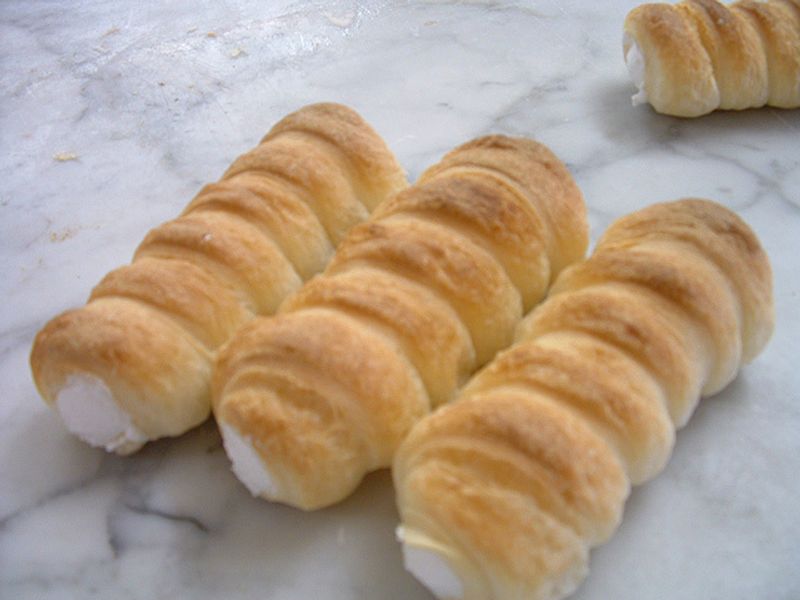
Rolled into a cone shape and baked until golden and shattering, Kremrole is a Central European pastry that delivers a satisfying crunch with every single bite. Popular across the Czech Republic, Slovakia, Austria, and Germany, it is a regional classic that has been charming dessert lovers for generations.
Puff pastry wraps around a metal cone mold before baking, then gets filled generously with whipped meringue or sweet cream after cooling. Light, airy, and just sweet enough, it never overwhelms.
Street markets and local bakeries across the region sell stacks of Kremrole daily. If you spot one, just grab it.
No second-guessing needed.
15. Bungeo-Ppang (South Korea)
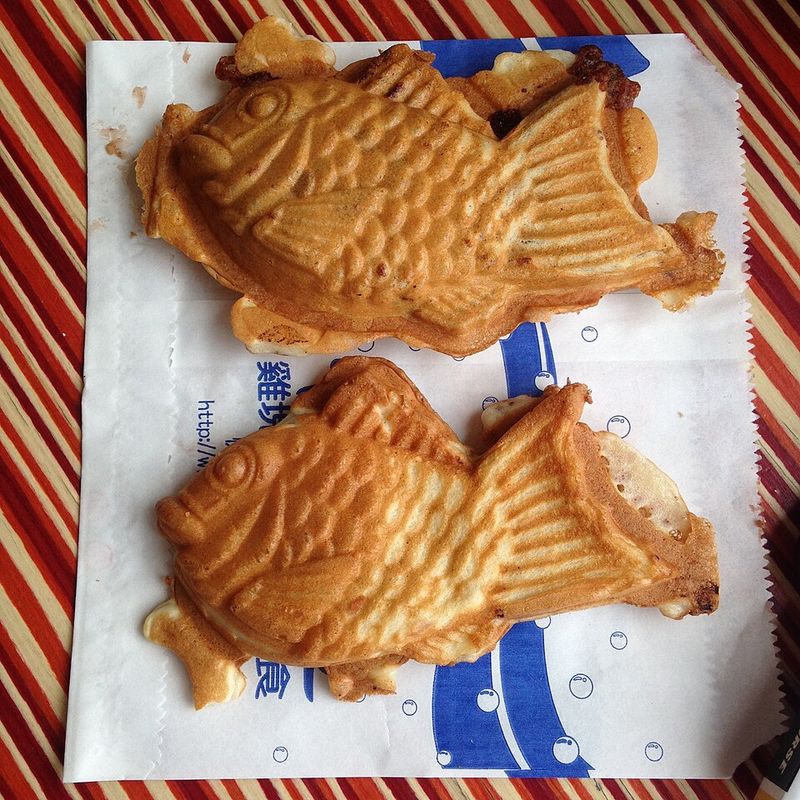
Shaped like a fish but filled with sweet red bean paste, Bungeo-Ppang is one of South Korea’s most iconic and beloved street food pastries. Sold by vendors on busy city corners, especially during cold winter months, the warm, golden pastry has a crispy waffle-style exterior and a soft, sweet center.
Red bean paste is the traditional filling, though modern variations now include custard cream, sweet potato, and even chocolate. Fun fact: despite looking like a carp, the pastry has no fishy flavor whatsoever, just pure sweetness.
K-drama fans will recognize it immediately as a classic romantic cold-weather snack shared between characters.
16. Debla (Tunisia)
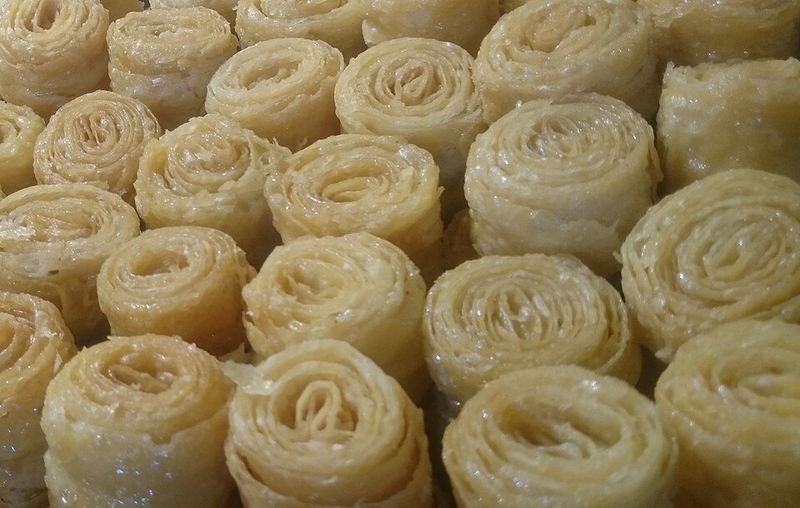
Delicate, golden, and soaked in floral syrup, Debla is a Tunisian pastry that looks almost too beautiful to eat. Strips of thin dough are carefully shaped into rose-like spirals before being deep-fried to a light, crispy perfection.
The result is stunning even before the syrup hits.
Once fried, each Debla is coated in a fragrant syrup scented with orange blossom water, then sprinkled generously with sesame seeds or crushed nuts. Traditionally prepared for Jewish-Tunisian celebrations and festive occasions, it carries centuries of cultural memory in every coil.
The combination of floral sweetness and nutty crunch makes it genuinely unforgettable.
17. Sfogliatelle (Italy)
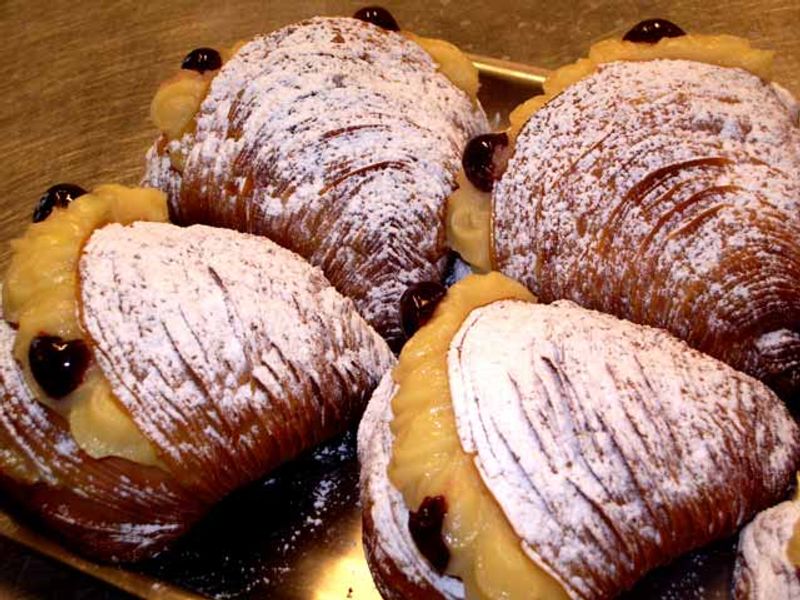
Shaped like a seashell and layered like a dream, Sfogliatelle is a Neapolitan pastry that requires serious skill and dedication to make properly. Originating in Naples, Italy, each pastry consists of dozens of paper-thin, crispy dough layers formed into a cone shape, then filled with sweet ricotta mixed with candied orange peel and semolina.
Biting through the shatteringly crisp exterior into the fragrant, creamy filling is a genuinely special experience. Neapolitan bakers have been crafting Sfogliatelle since the 17th century, and the technique has barely changed.
Powdered sugar dusted on top keeps things classic. Some traditions are simply too perfect to update.
18. Klepon (Indonesia)
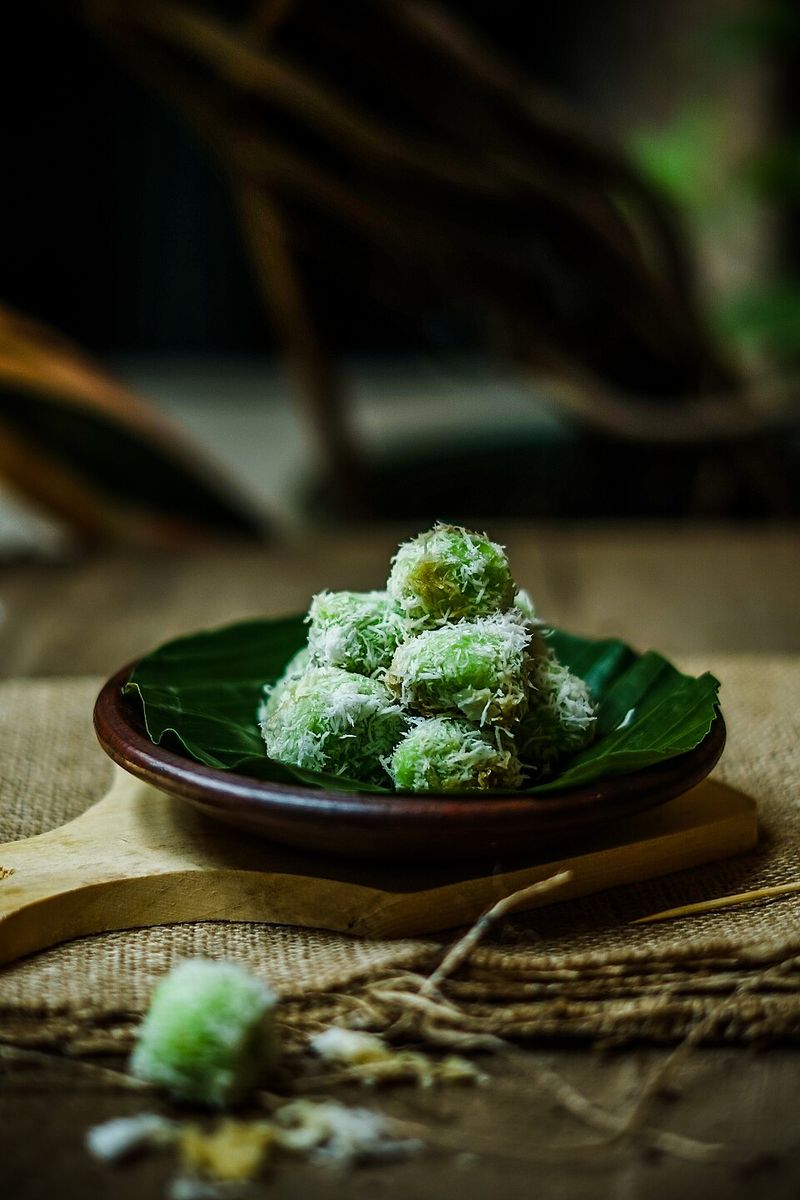
Bright green, coated in coconut, and hiding a liquid palm sugar surprise inside, Klepon is Indonesia’s most playful and exciting traditional pastry. Made using glutinous rice flour flavored and colored naturally with pandan leaf juice, each small ball conceals a melted palm sugar center that bursts dramatically when bitten.
Rolled in freshly grated coconut after boiling, Klepon offers a combination of chewy, sweet, and slightly salty flavors in every single bite. Sold at traditional Indonesian markets called pasar, it is deeply woven into local food culture.
If desserts could have jump scares, Klepon’s exploding sugar center would absolutely qualify as one.