18 Sylvester Stallone Movies Ranked From Least Successful To Best
Few careers arrive wrapped in sweat, grit, and training montages that refuse to be forgotten. Punches thrown, mountains climbed, and risks taken along the way shaped a film run packed with highs, lows, and moments that stuck.
Ranking those movies is less about numbers and more about tracking how stubborn determination turned into lasting pop-culture muscle.
Note: Information in this article is presented for general informational and entertainment purposes. Rankings reflect editorial perspective and can vary by viewer, era, and criteria, including box office context and critical response.
18. Rhinestone (1984)
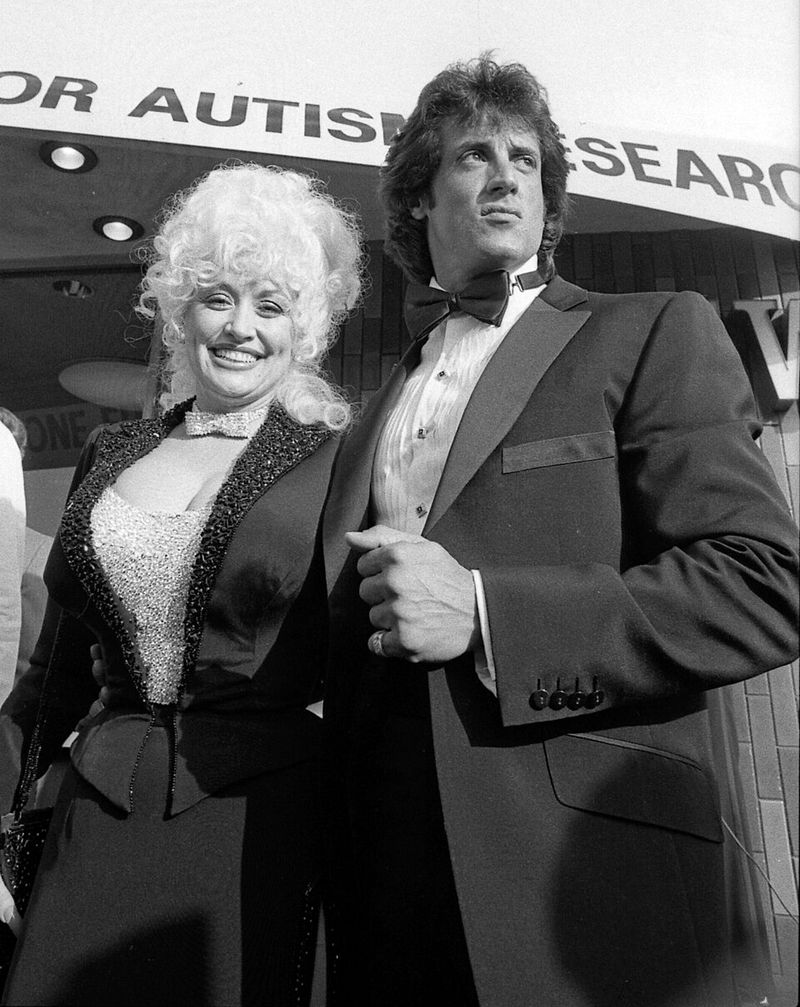
Rhinestones and a ten-gallon hat set the tone as Sylvester Stallone attempted to croon his way through Nashville. On paper, pairing him with Dolly Parton looked foolproof, yet the musical comedy Rhinestone landed with an unmistakable thud.
Critical response was largely negative, while audiences largely chose to stay home. Box office returns struggled to justify the sequins, falling well short of expectations.
Decades later, the film still surfaces as the punchline whenever fans revisit his most surprising career detours.
17. Stop! Or My Mom Will Shoot (1992)
Stallone plays a tough cop whose mother shows up and hijacks his life. The premise reads like broad sitcom setup, but many viewers and critics found the execution flat.
The film drew widely negative reviews.
Stallone later spoke publicly about regretting the project. The jokes landed flat, the chemistry fizzled, and the whole thing became a cautionary tale about saying yes to the wrong script.
16. Driven (2001)
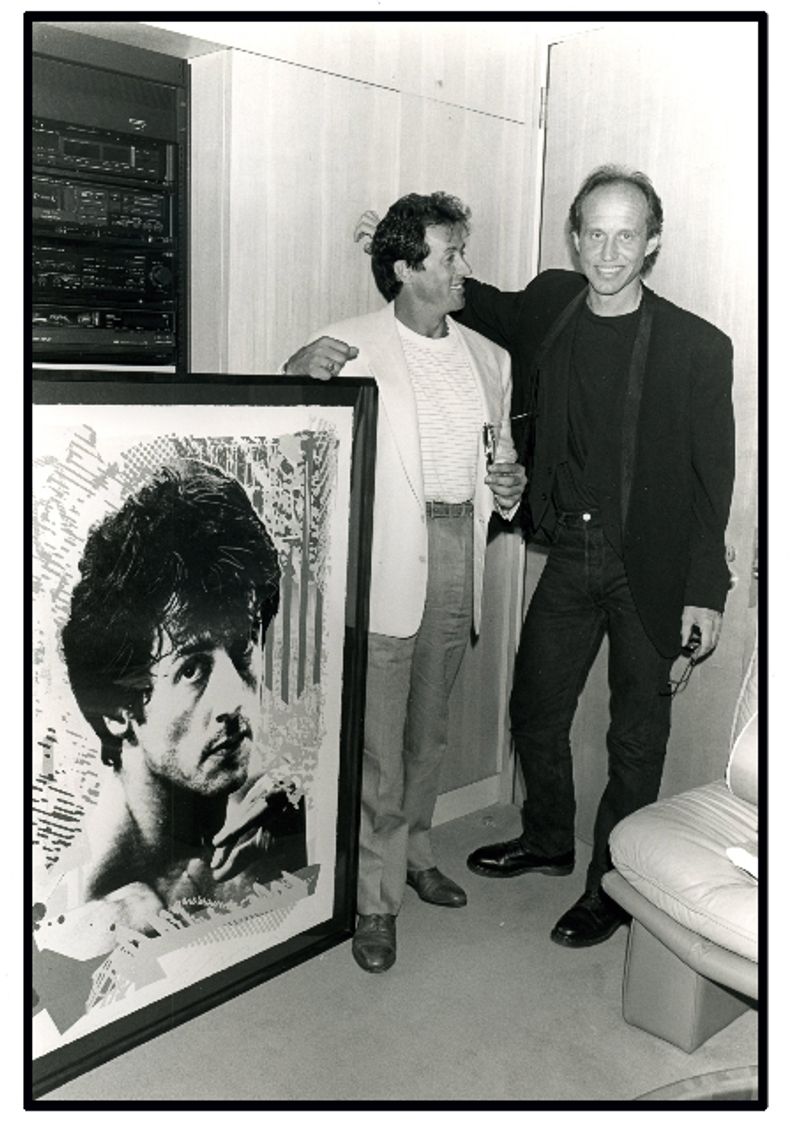
Racing fans hoped for a high-octane thrill ride, but Driven sputtered at the starting line. Stallone wrote and starred in this IndyCar drama, aiming for speed and emotion.
Instead, critics found the plot predictable and the dialogue clunky.
Reported box office returns fell well below the reported budget. It’s remembered more as a swing-and-miss than a victory lap.
15. Oscar (1991)
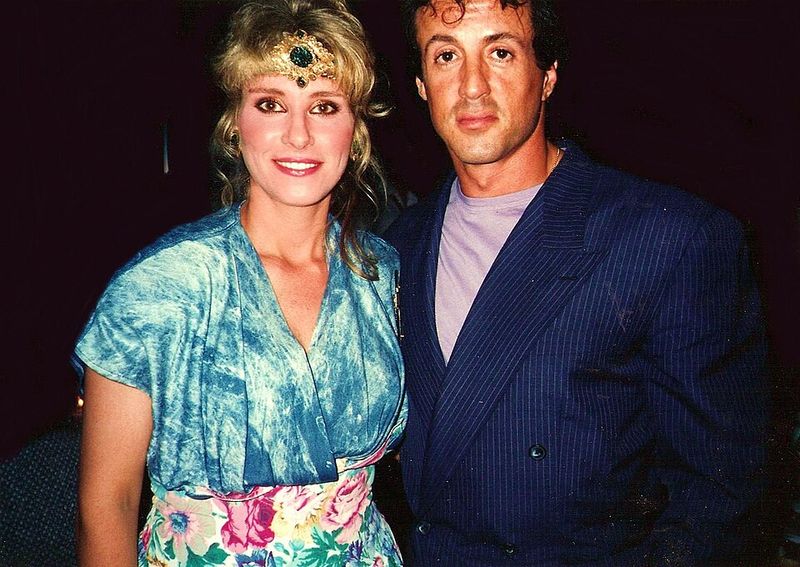
Screwball ambition took center stage when Sylvester Stallone stepped into a 1930s-style farce built around a gangster determined to clean up his act.
Rapid-fire dialogue and broad slapstick defined Oscar, yet that old-school comedic rhythm failed to connect with mainstream audiences at the time. Reception landed unevenly, with critics divided and box office returns settling into lukewarm territory rather than breakout success.
Status today rests as an odd but interesting detour, remembered less as a triumph and more as a curious footnote in a famously muscular filmography.
14. Judge Dredd (1995)
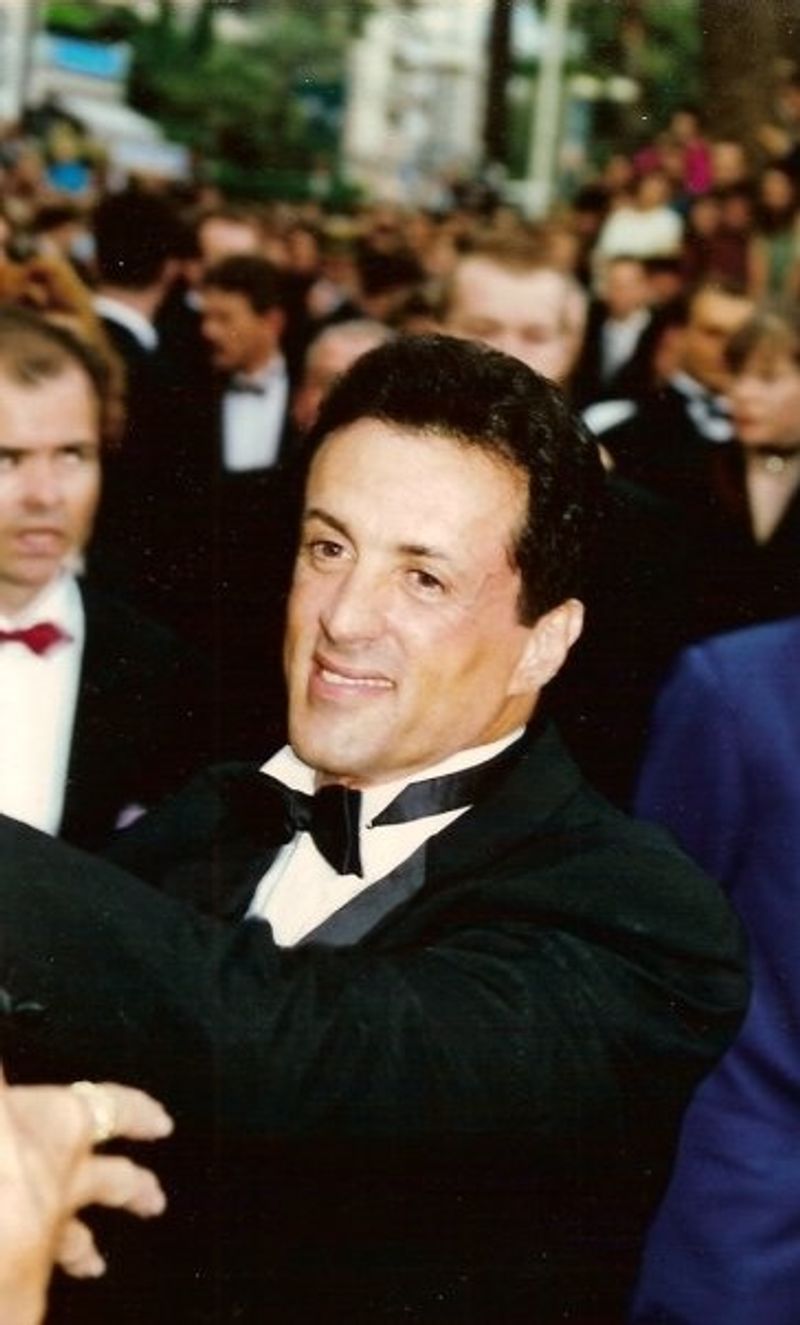
High expectations surrounded an adaptation of a beloved British comic that seemed destined for success. Trouble surfaced quickly as Judge Dredd drifted into an awkward mix of camp and tonal confusion.
Fan frustration grew once Sylvester Stallone spent significant screen time without the helmet, undercutting the stoic mystique central to the character on the page.
Narrative strain showed through a rushed script and wavering tone, leaving the story without a clear identity. Box office results were widely reported as below expectations.
13. Cobra (1986)
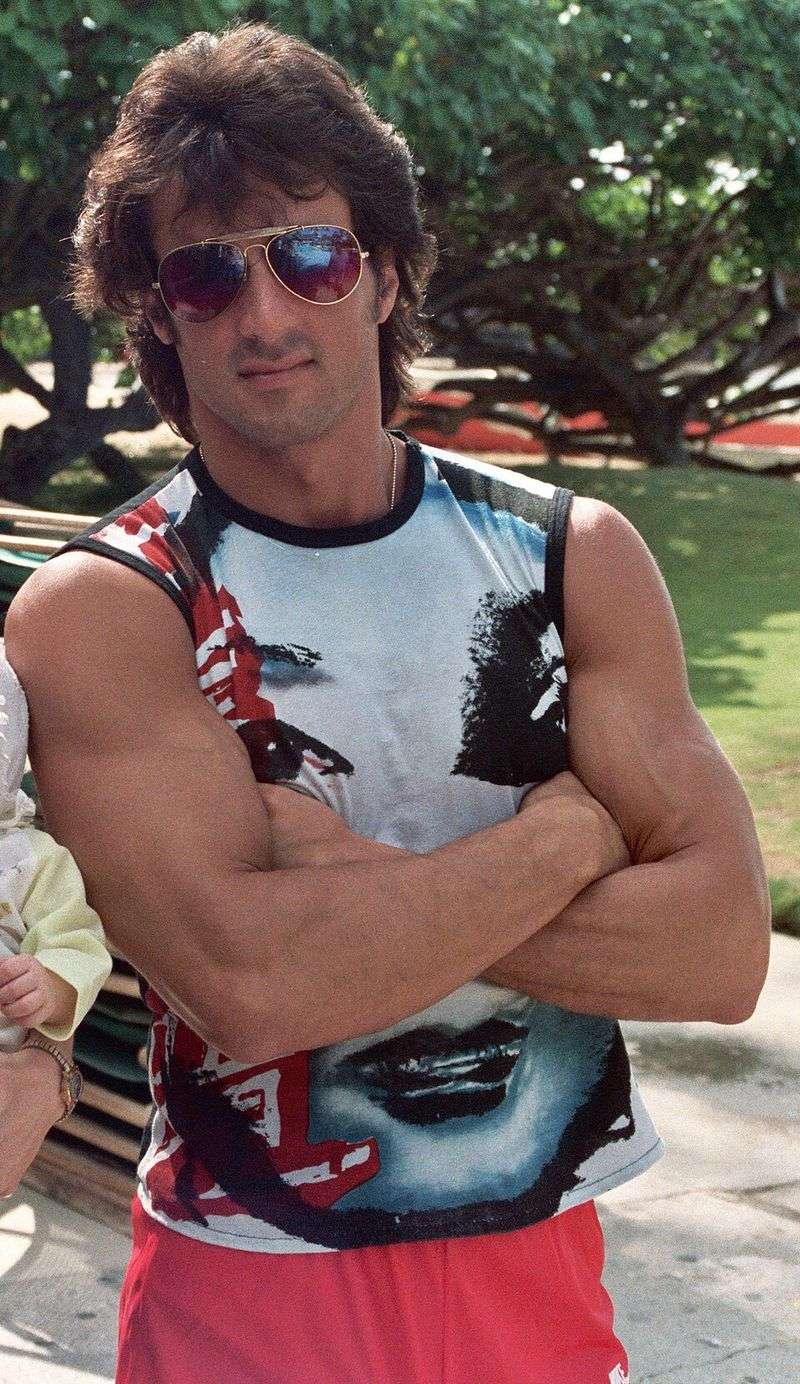
Marion Cobretti barrels through criminals with a toothpick and a hard-edged persona. The film leans hard into style over substance, with neon-lit streets and a synth-heavy soundtrack.
Critics called it excessive, but fans loved the unapologetic machismo.
Box office returns were solid, though it never reached the heights of his biggest franchises.
12. Rambo: Last Blood (2019)
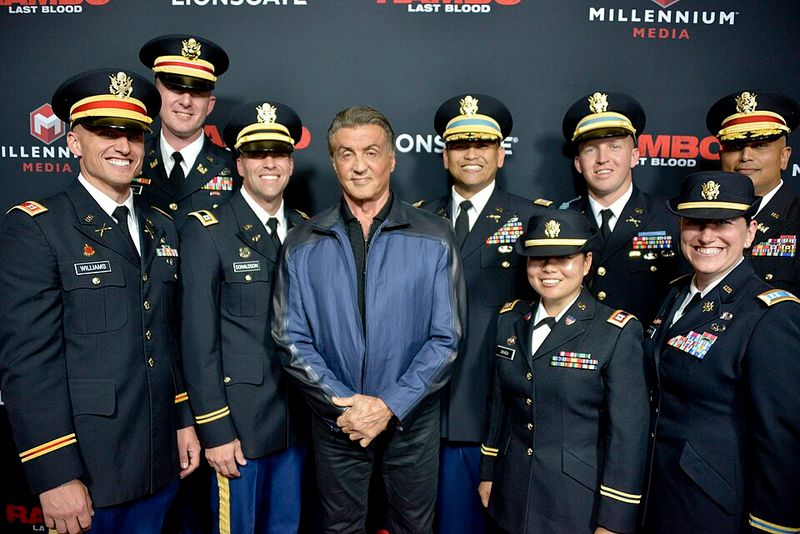
Finality hangs over the return of John Rambo, older, grayer, and still lethally capable when pushed too far. Setting shifts away from jungle combat as Rambo: Last Blood centers on a border-town revenge story that feels stripped down, personal, and brutally direct.
Critical response split sharply, with some voices admiring the raw intensity while others recoiled at violence they felt crossed a line.
Franchise loyalists showed up out of respect and curiosity, even as the film landed without the cultural shockwave earlier chapters once delivered.
11. Cliffhanger (1993)
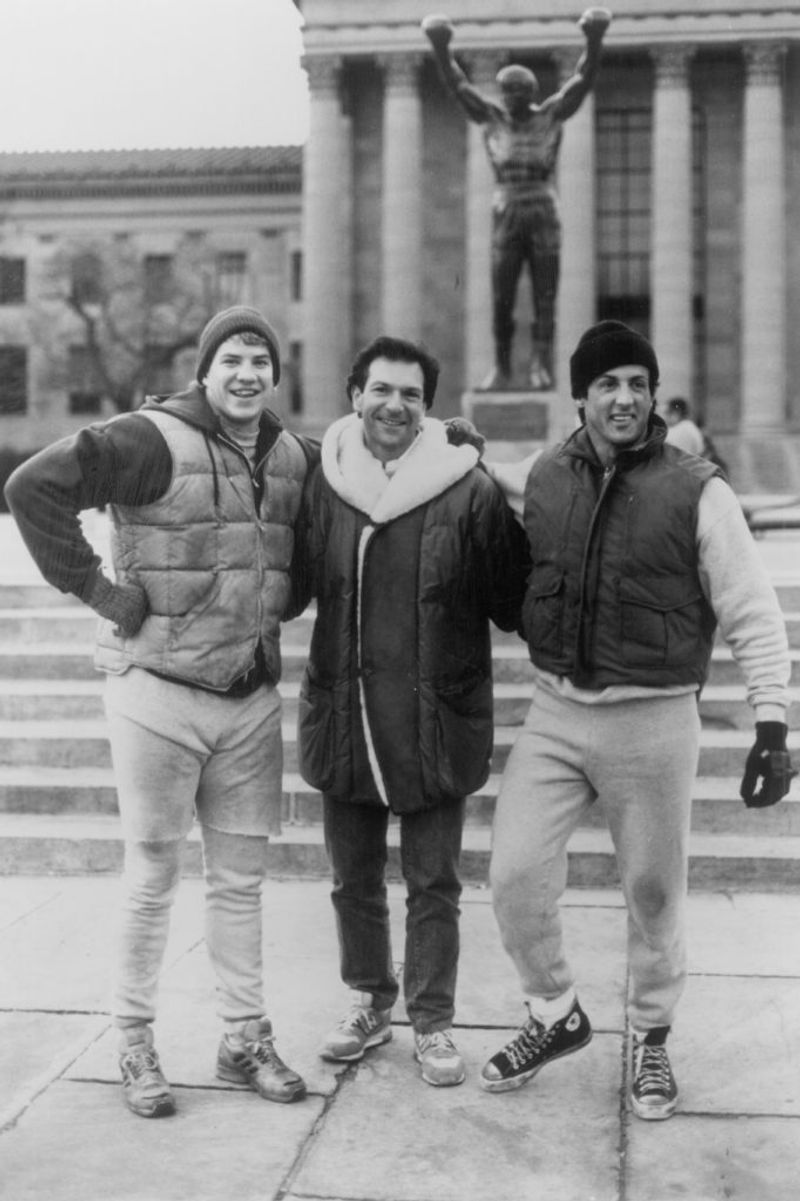
Icy peril takes center stage as Sylvester Stallone clings to sheer rock faces in one of the 1990s’ most vertigo-heavy action rides. Role choice places him as a mountain rescue ranger haunted by loss, forced to battle unforgiving terrain alongside a ruthless gang of thieves.
Jaw-dropping stunts and relentless tension drive Cliffhanger forward without letting nerves settle.
Reception landed strong, with critics applauding the spectacle and audiences turning it into a hit that still rewards rewatching.
10. Demolition Man (1993)
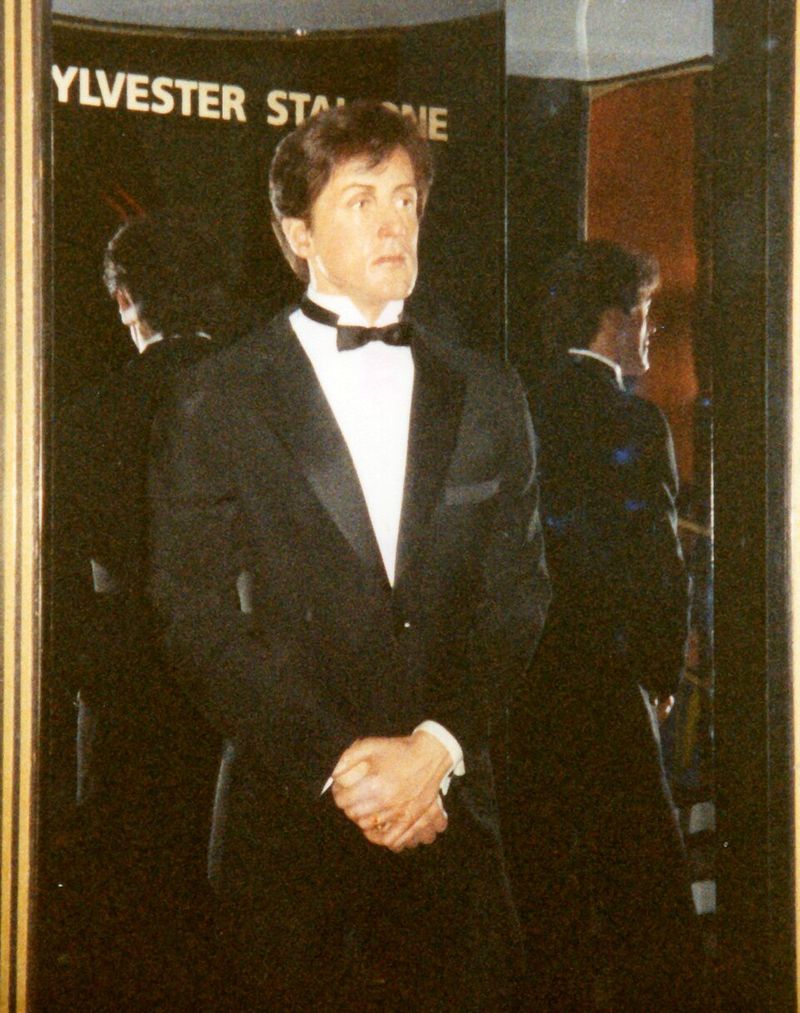
Cryo-frozen in 1996 and thawed in a sanitized 2032, John Spartan wakes up in a world that even rewrites fast-food history, depending on the version. Paired with Wesley Snipes chewing scenery as the villain, the film balances action with sharp satire.
Critics enjoyed the humor, and it’s become a cult favorite.
Box office numbers were strong, and its influence lingers in pop culture.
9. Rocky V (1990)
Retirement shifts the story as Rocky steps away from the ring to guide a younger fighter, but the familiar spark never quite returns. Grit replaces glamour in Rocky V, sending the series back to the streets while leaving an uneasy sense that something essential is missing.
Critical response cooled quickly, and longtime fans felt the drop after the franchise’s earlier highs.
Reputation settled into an awkward middle chapter, remembered more for what it tried to reset than for what it ultimately delivered.
8. Rocky Balboa (2006)
Sixteen years after Rocky V, Stallone stepped back into the ring with something to prove.
The film feels like a love letter to fans, blending nostalgia with genuine heart. Critics were pleasantly surprised, praising the emotional depth and sincerity.
Box office returns exceeded expectations, and it restored faith in the franchise. Suddenly, Rocky was relevant again, and the character felt alive.
7. The Expendables (2010)
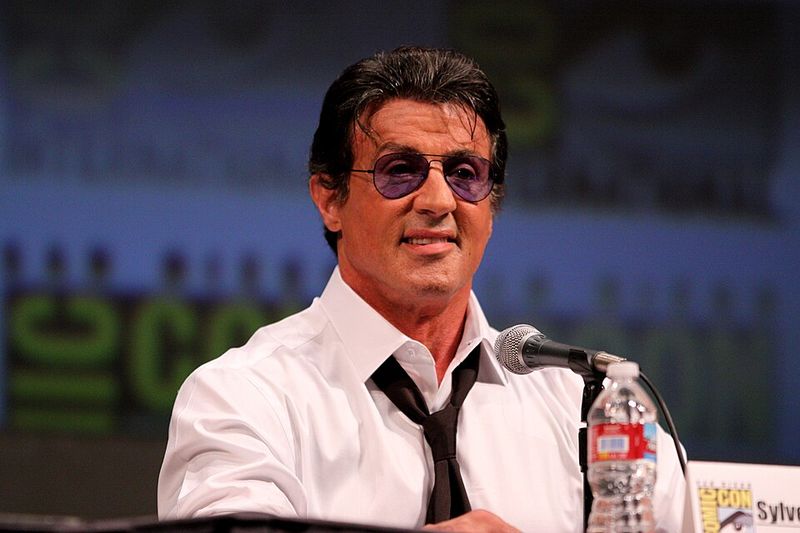
Action nostalgia ignites once Sylvester Stallone gathers a roster of genre legends and drops them into a single high-octane spectacle. Simplicity drives The Expendables, stacking straightforward plotting with relentless explosions and a throwback energy designed to celebrate old-school mayhem.
Critical reaction leaned generous, framing the experience as a crowd-pleasing nod to an earlier era of action excess.
Audience enthusiasm carried the concept forward, spawning sequels and confirming that larger-than-life chaos still resonates when delivered by familiar faces who helped define the genre.
6. Cop Land (1997)
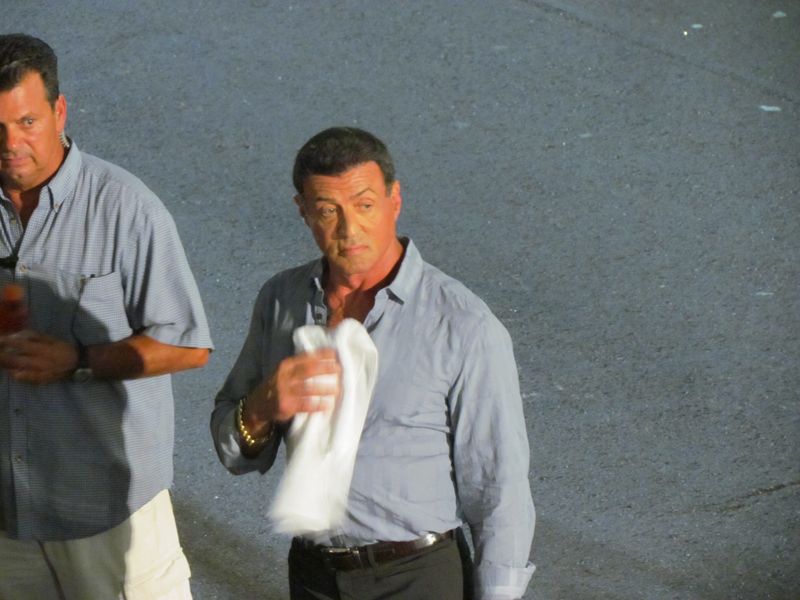
Stallone gained weight and stripped away the action hero persona to play a small-town sheriff caught in a web of corruption.
The role demanded subtlety, and he delivered.
Critics took notice, praising his dramatic turn alongside a stacked ensemble cast. Box office numbers were modest, but the film earned him respect as a serious actor, not just a muscle-bound action star.
5. Creed (2015)
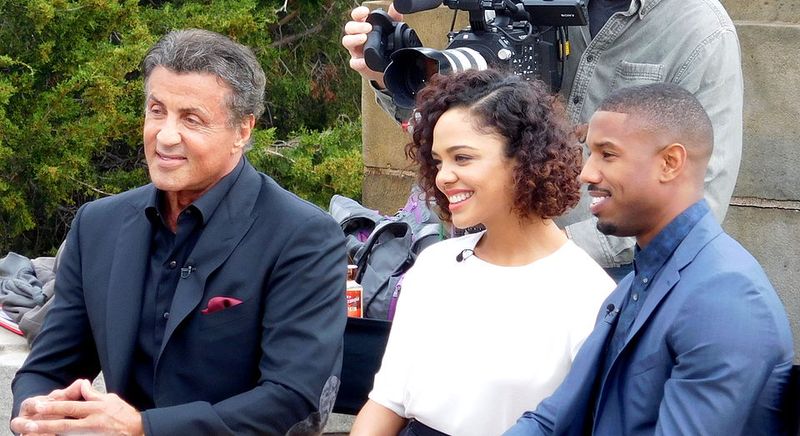
Legacy shifts forward as mentorship replaces muscle, with Sylvester Stallone stepping aside gracefully to guide Adonis Creed, played by Michael B. Jordan.
Reinvention drives Creed, balancing fresh energy with deep respect for the franchise’s history and emotional core.
Critical acclaim followed that balance, earning Stallone an Academy Award nomination for Best Supporting Actor, a rare honor in action-driven careers.
Late-career momentum locked into place, with the film standing as proof that evolution can feel just as powerful as a knockout punch.
4. Rocky II (1979)
Stakes rise sharply as Rocky earns a rematch driven by purpose deeper than pride alone.
Emotional groundwork strengthens in Rocky II, pairing character growth with the kind of crowd-pleasing payoff audiences hoped for after the original.
Critical response acknowledged the sincerity at the core, while strong ticket sales confirmed the story still had momentum. Training montages and a rousing finale etched themselves into pop culture, setting a template sports dramas would follow for decades.
3. Rocky III (1982)
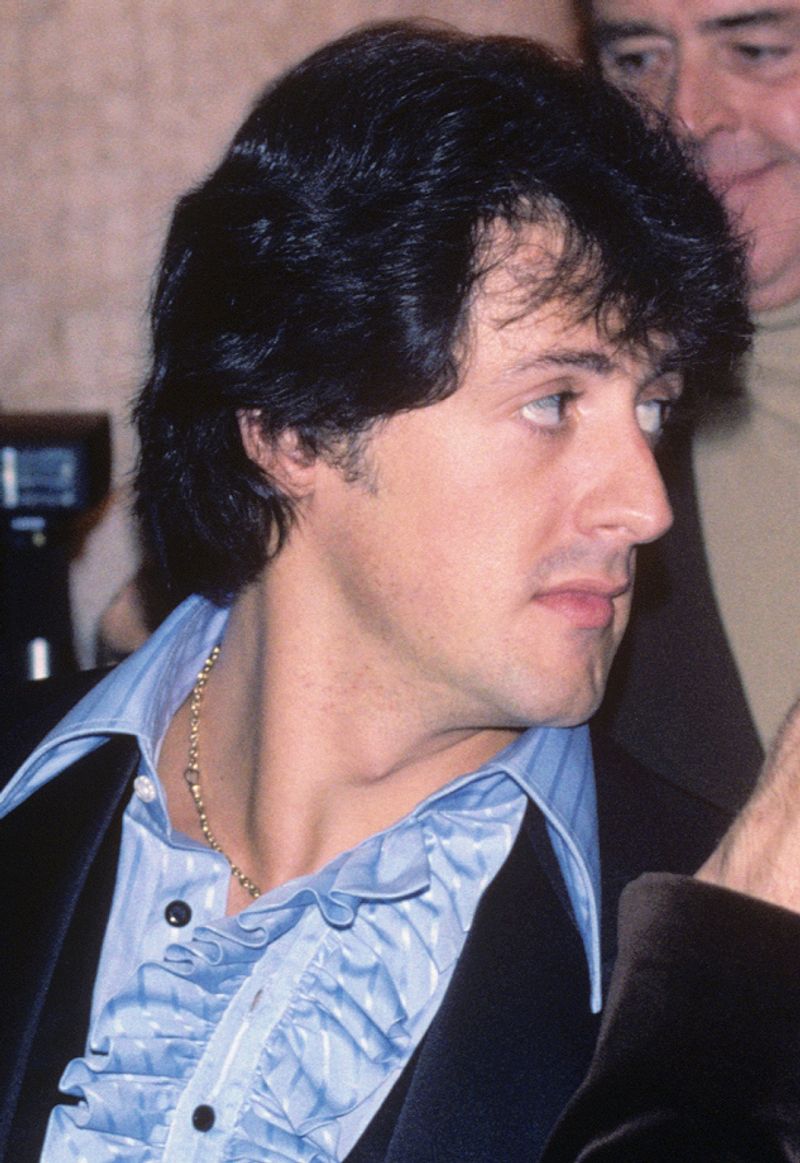
Clubber Lang storms into Rocky’s life, and suddenly the Italian Stallion is the one getting knocked down.
The film cranks up the spectacle, adds Mr. T’s ferocious energy, and soundtracks it all with “Eye of the Tiger.” Critics enjoyed the entertainment value, and audiences made it a massive hit.
It’s pure ’80s adrenaline, rewatchable and quotable.
2. First Blood (1982)
Origin story reframes the legend as John Rambo begins not as an unstoppable force, but as a drifting veteran pushed past endurance by a small-town sheriff. Tension drives First Blood through a psychological lens, favoring restraint and unease over spectacle in a way later sequels would leave behind.
Critical response highlighted the action while singling out a vulnerable turn from Sylvester Stallone that grounded the violence in trauma rather than bravado.
Franchise momentum followed, yet cultural memory holds onto something deeper, with Rambo standing as a symbol of alienation, survival, and the cost of being pushed too far.
1. Rocky (1976)
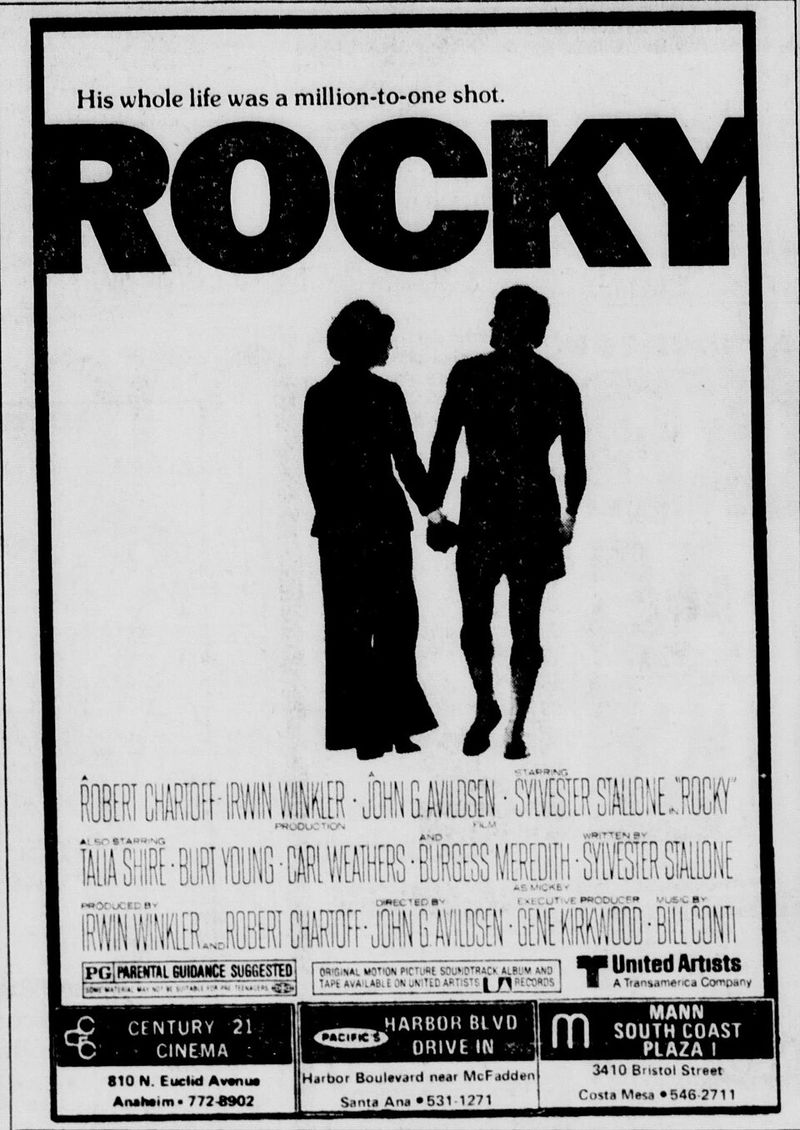
A struggling actor wrote a script about a nobody boxer getting a shot at the champ, and Hollywood history was made.
Rocky is raw and heartfelt, and it became one of cinema’s most enduring underdog stories.Critics loved it, audiences adored it, and it won Best Picture at the Oscars.
Stallone became a star overnight, and the film remains his defining masterpiece.