10 Techniques For A Perfectly Creamy Flan
Silky, glossy, and topped with that golden caramel sauce, flan looks like it belongs in a restaurant display case.
Behind that smooth texture are a few simple but crucial techniques that make the difference between creamy perfection and a rubbery disaster.
Master those steps, and this elegant dessert becomes an easy win for special dinners or any night you feel like impressing everyone at the table.
Note: This article is intended for general informational and entertainment purposes, based on widely used culinary techniques for baked custards and flan.
10. Nail The Caramel, Then Stop It Fast
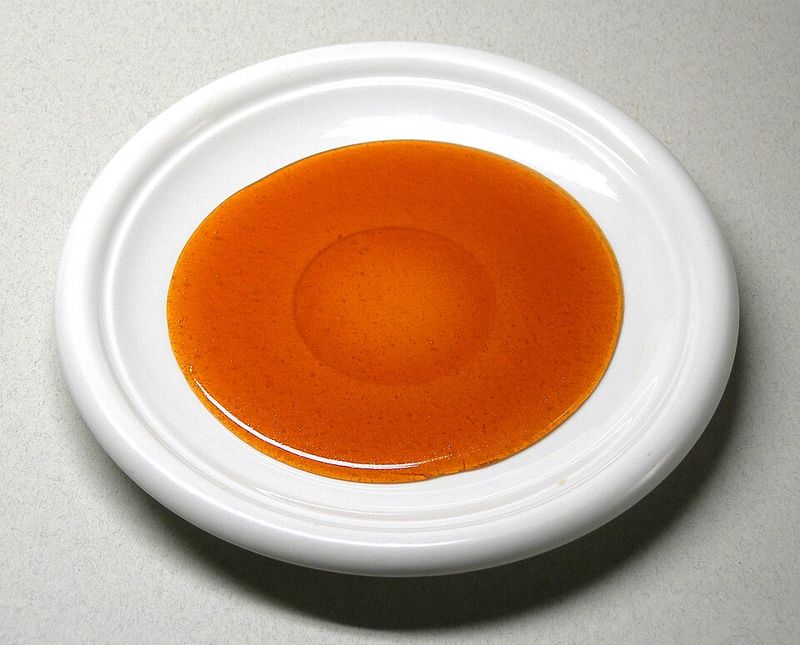
Timing is everything when sugar hits the heat.
Cook your sugar until it turns a deep amber color, then immediately pour it into your mold and swirl to coat the bottom evenly. If you let it sit too long, the caramel will darken further and develop a bitter taste that can ruin the whole dessert.
Overcooked caramel also sets rock-hard, making unmolding a real headache later. Stop the moment you see that rich golden hue, and you’ll have a glossy, sweet layer that complements the creamy custard perfectly.
9. Use Yolk-Forward Eggs For A Silkier Set
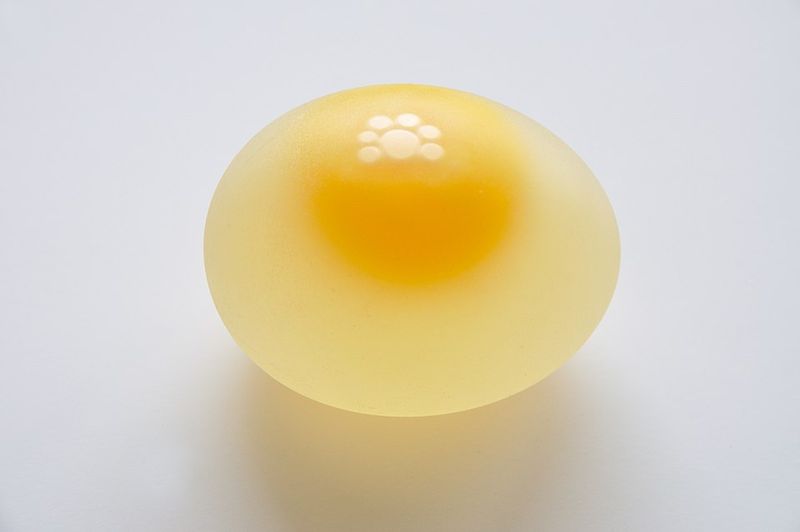
More yolks and fewer whites create a custard that practically melts on your tongue. Yolks are packed with fat and lecithin, which thicken the mixture smoothly without making it rubbery.
Whites, on the other hand, set firmer and can give your flan a slightly bouncy, less luxurious texture.
Many flan recipes lean yolk-forward because whites set firmer, while yolks push the texture toward richer and softer. It’s like the difference between a basic scramble and a French omelet – richness makes all the difference.
8. Warm The Dairy Before Combining
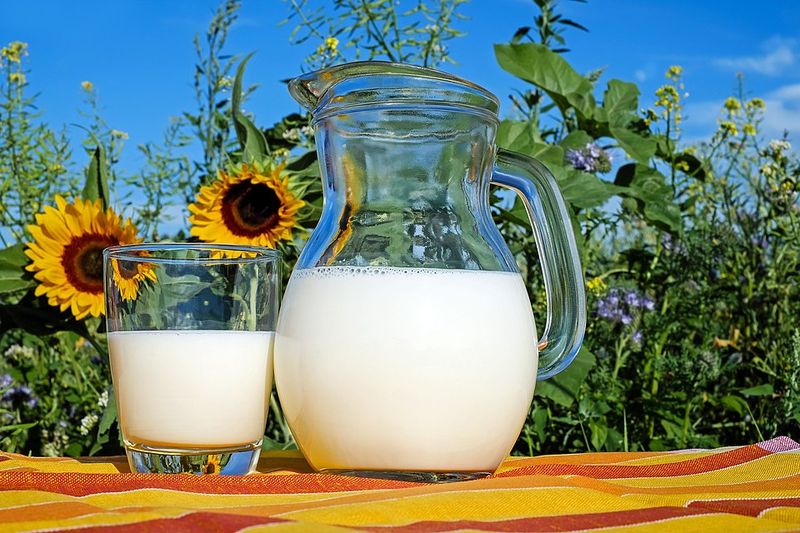
Warming the dairy helps everything combine smoothly, especially when you’ll be tempering eggs.
Gently warming milk or cream helps dissolve any sweetener in the custard base and makes the mixture more uniform. Warm dairy also blends more smoothly with eggs, creating an even custard base that bakes uniformly.
Just bring it to a gentle simmer, then remove from heat. Think of it like warming up before a workout, your ingredients need a little prep to perform their best.
7. Temper The Eggs Instead Of Dumping Hot Liquid In
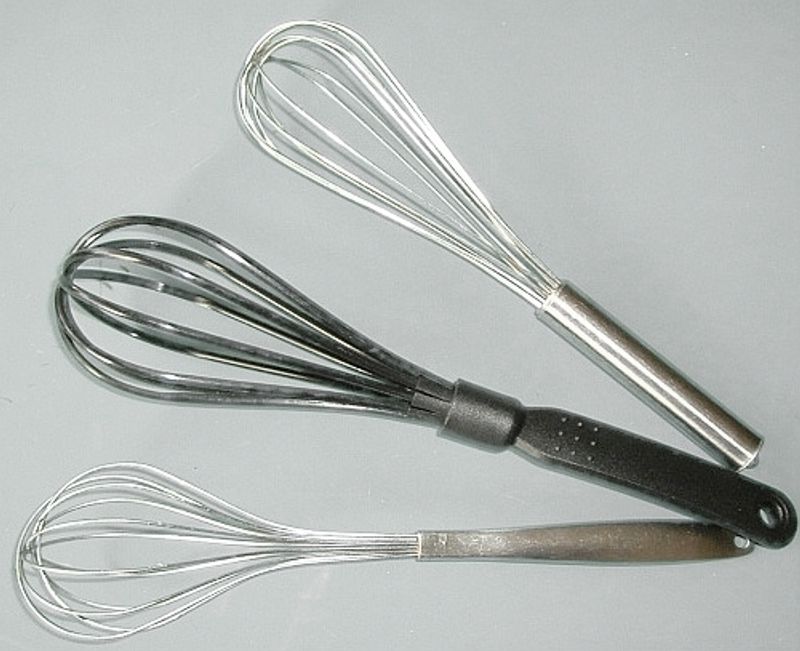
Pouring hot dairy straight into eggs can curdle them.
Instead, slowly stream warm milk into beaten eggs while stirring constantly. Gradual technique, known as tempering, gently raises egg temperature so proteins do not tighten and cook into tiny clumps.
Think of easing into a hot bath rather than jumping in, helping avoid shock and leaving you with a smooth, silky custard. Taking your time here pays off with every creamy spoonful.
6. Strain The Custard Every Time
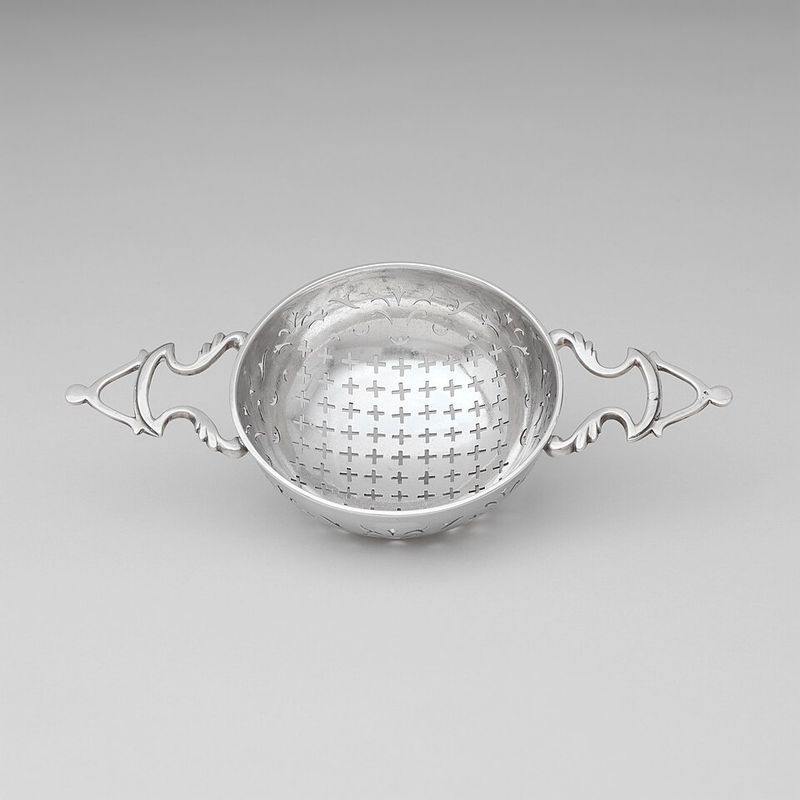
A fine-mesh strainer is your secret weapon for perfection.
Even if you think your custard looks smooth, tiny bits of cooked egg or chalaza (those white strands in eggs) can hide in there. Straining removes all those little flecks, guaranteeing a clean, velvety slice every time.
It only takes a minute and makes a huge difference in texture. Consider it the final polish on a shiny car – you’re already close, but this step makes it gleam.
5. Mix Gently To Avoid Foam And Bubbles
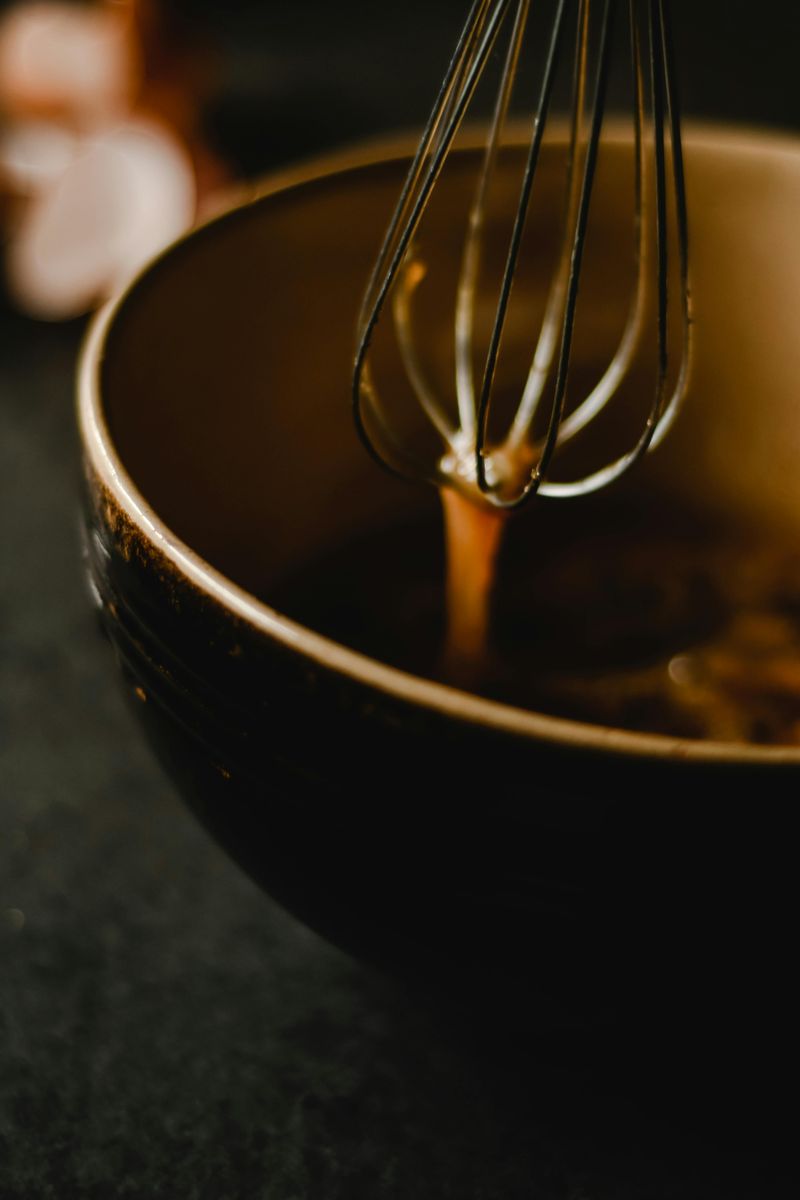
Vigorous whisking might feel productive, but it traps air in your custard.
Those bubbles rise during baking and leave little holes in your flan, ruining that smooth, creamy look. Stir just until everything is combined, then let the mixture rest for a few minutes so any foam can dissipate.
If you see bubbles on the surface, skim them off with a spoon before pouring. It’s a small detail that separates a good flan from a showstopper.
4. Bake In A Water Bath For Gentle, Even Heat
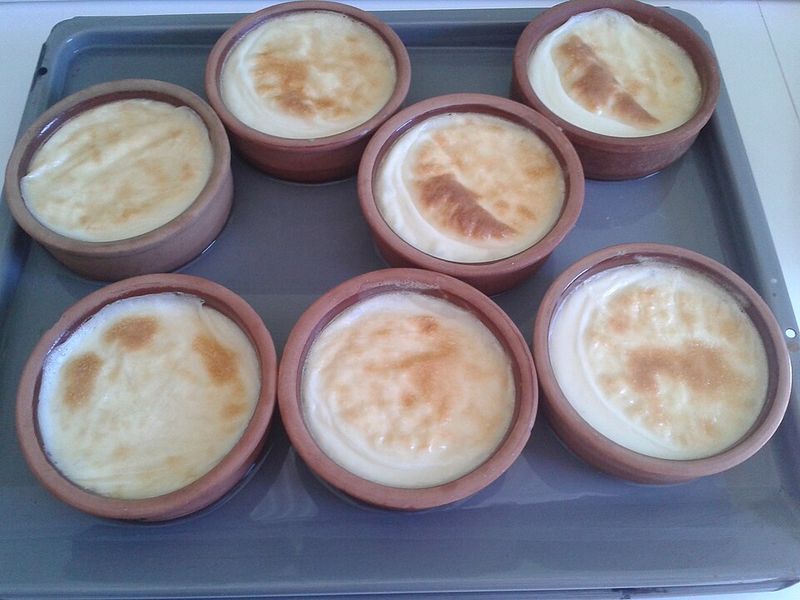
Placing your flan mold in a larger pan filled with hot water creates a buffer against harsh oven heat.
This technique, called a bain-marie, keeps the edges from overcooking while the center sets perfectly. Without it, you risk curdled edges and a rubbery texture.
The water moderates the temperature, like a gentle hug for your custard. Fill the pan halfway up the sides of your mold, and you’ll see the difference in every silky bite.
3. Control Oven Temperature Precisely
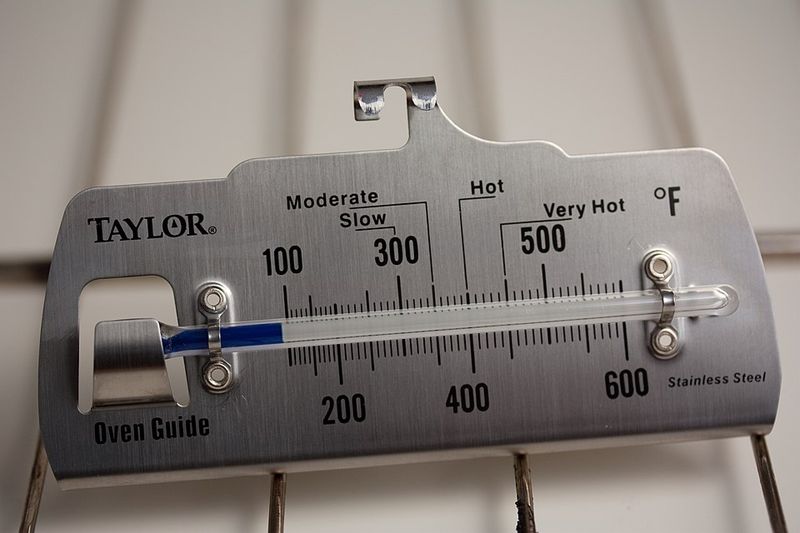
Most baked flan recipes use moderate heat around 325°F (about 160–165°C), but follow your specific recipe and use an oven thermometer for consistency.
Many home ovens run hotter or cooler than the dial shows, and temperature swings can wreck a delicate custard. Using an oven thermometer removes guesswork and shows exactly what is happening inside.
Excess heat can cause curdling or cracking. Picture cruise control on a long drive, where consistency keeps everything smooth and free of stress.
2. Cool Completely Before Chilling
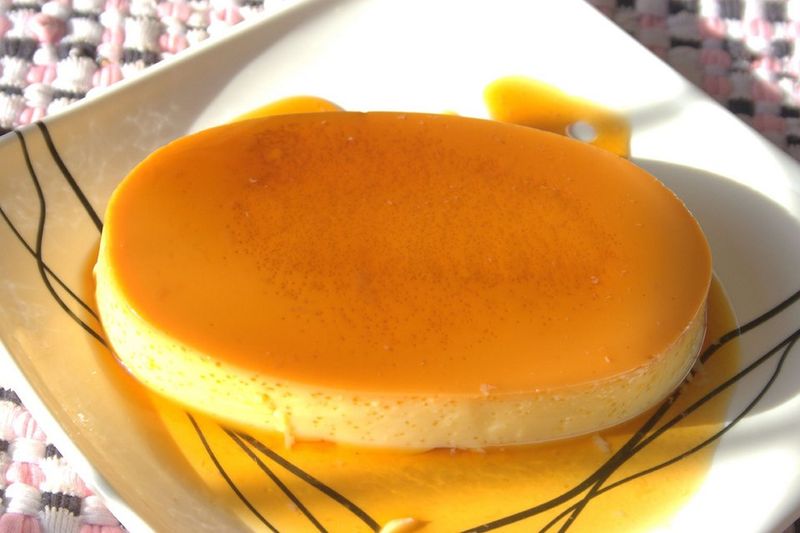
Patience is key once your flan comes out of the oven.
Let it sit at room temperature until it’s no longer warm to the touch.
Let flan cool to room temperature before covering and refrigerating so excess moisture does not collect and affect the surface.
Gradual cooling also helps the texture firm up evenly. It’s like letting a cake rest before frosting, you give it time to settle into its best self before the final reveal.
1. Unmold With Warmth And Patience
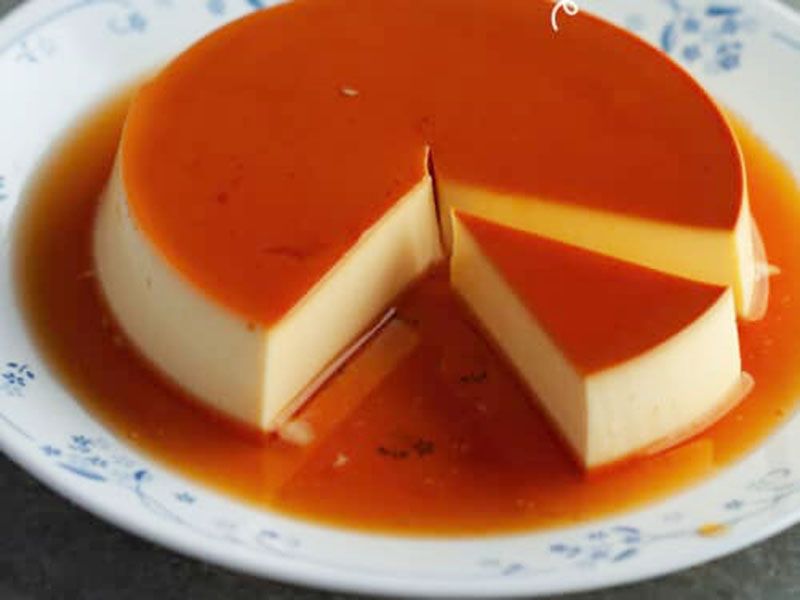
Dip the bottom of your mold briefly in warm water to loosen the caramel. Run a thin knife around the edge, then set a serving plate on top and flip everything over.
Wait a moment before lifting the mold, since rushing can tear the delicate custard and spoil the presentation.
Caramel will pour down the sides like liquid gold, creating that classic flan finish. Grand finale deserves patience, so move slowly and let gravity handle the work.