10 Teenage Grammy Winners Who Redefined Pop Music
Picture this: you’re barely old enough to drive, yet you’re standing on a stage accepting one of music’s highest honors.
It sounds unreal, yet several young artists stepped into that spotlight long before they hit their twentieth birthday.
Bold vocal powerhouses and genre-bending trailblazers proved age has nothing to do with impact, reshaping pop music the moment their names were announced.
These young winners didn’t just collect trophies – they shifted the landscape – and audiences are still feeling the ripple.
Disclaimer: This article offers general information and entertainment based on widely documented Grammy history and public artist achievements.
All musical details, award records, and cultural observations reflect publicly available sources at the time of writing.
1. Billie Eilish

At just 18, Billie swept all four major categories at the 2020 Grammys – Album, Record, Song of the Year, plus Best New Artist.
Nobody that young had ever pulled off such a clean sweep before.
Her whisper-soft vocals and bedroom-produced beats with brother Finneas flipped the script on what pop stardom could sound like.
Instead of belting power ballads, she made vulnerability cool again.
Suddenly, countless aspiring artists realized you didn’t need a massive studio or flashy production to dominate the charts.
Authenticity became the new currency.
2. Lorde
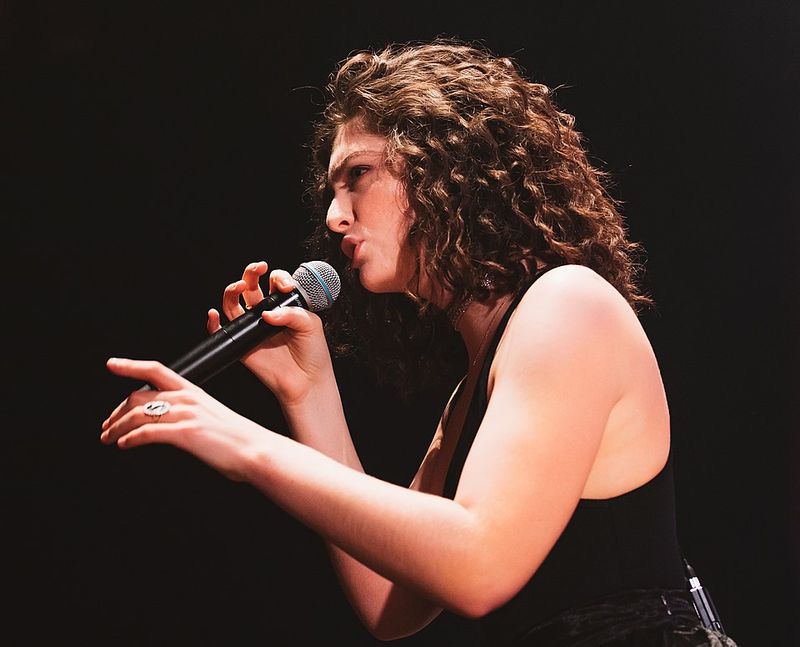
“Royals” arrived like a quiet revolution, challenging everything mainstream pop was selling at the time.
Suddenly, a 17-year-old from New Zealand was holding a Grammy for Song of the Year and rewriting industry expectations.
Instead of chasing the hyper-polished EDM trends dominating radio, she leaned into minimalism with fearless confidence.
Gone were the vocal tricks and electronic theatrics; in their place stood stark production and sharp truth-telling.
Audiences quickly realized a teenager could dissect consumer culture with the clarity of a seasoned critic.
3. Olivia Rodrigo

Heartbreak never sounded so brutally honest until “drivers license” exploded across every social media platform imaginable.
Olivia was 19 when she claimed Best New Artist, Best Pop Vocal Album, and Best Pop Solo Performance at the 2022 Grammys.
Her debut album “Sour” captured Gen-Z’s emotional rollercoaster with raw, unfiltered lyrics that felt like reading someone’s diary.
Suddenly, breakup anthems got a major upgrade.
4. Christina Aguilera

When Christina unleashed those sky-high vocal runs, it became instantly clear the teen-pop landscape had found its vocal titan.
At only 19, she claimed the Grammy for Best New Artist in 2000 and cemented her place in music history.
Where other late-’90s pop acts leaned into sweetness and simplicity, she delivered technical mastery that critics couldn’t dismiss.
Generations of vocalists have studied her riffs, hoping to capture even a fraction of that control.
In many ways, she set the blueprint for modern pop belting and still stands as its gold standard.
5. Beyoncé (With Destiny’s Child)

Before becoming Queen Bey, she was part of a trio that revolutionized girl-group harmonies.
Beyoncé was 19 when Destiny’s Child won Grammys in 2001 for “Say My Name.”
That track set the blueprint for turn-of-the-millennium R&B with its stacked vocals and razor-sharp production.
The song’s infectious hook and tight choreography made it impossible to ignore.
It proved that girl groups could deliver sophisticated, radio-dominating hits without compromising artistic integrity.
This win was just the beginning of Beyoncé’s legendary journey.
6. LeAnn Rimes

Winning a first Grammy before being old enough to drive feels unreal, yet she pulled it off with ease.
LeAnn captured both Best New Artist and Best Female Country Vocal Performance in 1997 while still only 14.
Her debut album “Blue” made history by earning her the title of youngest individual Grammy winner ever.
Suddenly, the genre felt welcoming to younger listeners who had never considered it before.
Plenty of teens soon realized that heartfelt, twang-filled storytelling had its own kind of cool.
7. Luis Miguel
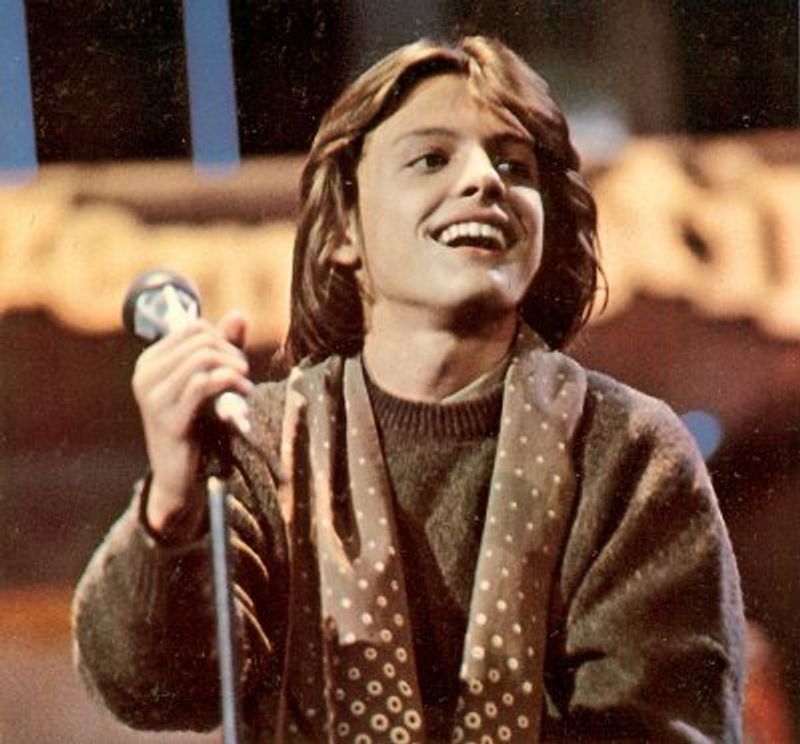
Long before Latin music dominated global charts, Luis Miguel was already making history.
At just 14, he won a Grammy for Best Mexican-American Performance in 1985.
This victory transformed him into a teen idol and helped architect what modern Latin pop would eventually become.
His success paved the way for future generations of Latin artists to cross over into mainstream markets.
Decades before the current Latin music explosion, he was already proving Spanish-language artists belonged on the world stage.
His influence still echoes today.
8. Brandy

Few tracks bottled late-90s tension and attitude as perfectly as “The Boy Is Mine.”
Brandy delivered undeniable star power as a teenager when she and Monica earned the Grammy for Best R&B Performance by a Duo or Group with Vocals.
That seamless blend of smooth R&B and pop sensibility turned the duet into one of the era’s most unforgettable releases.
Both singers proved they could handle grown-up themes with surprising confidence and artistic maturity.
Radio rotation turned relentless because audiences simply couldn’t get enough.
9. Monica

Monica’s church-honed tone added a warm, soulful dimension to late-90s pop-R&B narratives.
Listeners gravitated toward her ability to express complicated emotions with striking clarity and control.
That collaboration sparked plenty of conversation among fans, yet it ultimately highlighted how beautifully contrasting voices can intertwine.
Monica showed that sincerity and technical strength can thrive right alongside chart-topping appeal.
Her lasting impact on modern R&B remains unmistakable.
10. Daya

When EDM-pop was absolutely everywhere in the mid-2010s, Daya gave it a teenage voice that resonated across generations.
She was 18 when she won Best Dance Recording in 2017 for “Don’t Let Me Down” with The Chainsmokers.
Her soaring vocals over pulsing electronic beats captured the festival-ready sound dominating radio playlists.
The track’s emotional lyrics combined with drop-heavy production created the perfect crossover formula.
It proved young artists could thrive in the electronic music space while maintaining pop sensibility.
That Grammy validated dance music’s place in mainstream pop culture.