13 Texas Towns That Stand Apart From The Rest Of The State
Texas is massive, diverse, and full of surprises. While most folks think of cowboys, oil rigs, and sprawling ranches, the Lone Star State hides dozens of quirky towns that break every stereotype.
Ghost towns frozen in time and artistic havens in the desert prove Texas has far more personality than anyone expected.
1. Marfa: The Desert Art Oasis
Mysterious lights dance on the horizon, attracting curious visitors from around the globe. Marfa transformed from a dusty railroad stop into one of America’s coolest art destinations, thanks to minimalist sculptor Donald Judd.
Giant art installations sit beside quirky boutiques and hipster coffee shops. The blend of high culture and Wild West charm creates an atmosphere you won’t find anywhere else in Texas.
Visitors hunt for the famous Marfa Lights while exploring galleries that rival big-city museums.
2. Luckenbach: Where Country Music Lives
Population: 3. Yep, you read that right.
This tiny community became legendary when Waylon Jennings and Willie Nelson sang about it in their 1977 hit song.
German-Texan heritage runs deep here, with live music pouring out of the old dance hall most weekends. Folks gather under oak trees to pick guitars and swap stories like they’ve done for generations.
There’s no mayor, no traffic lights, just pure Texas hospitality and toe-tapping tunes.
3. Terlingua: Gateway To Big Bend Adventure
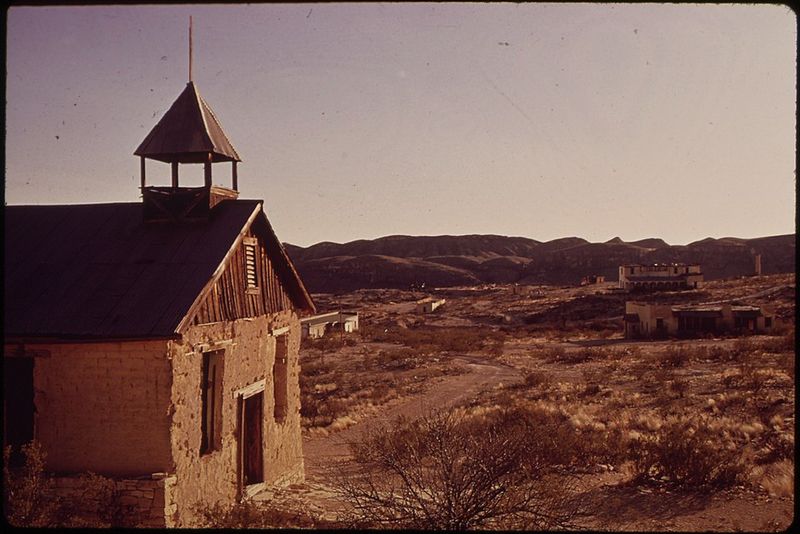
Once upon a time, mercury mining ruled this rugged landscape. When the mines closed, most residents vanished, leaving behind crumbling adobe buildings that now house artists, river guides, and chili enthusiasts.
Every November, thousands descend for the World Championship Chili Cook-Off, turning the ghost town into a spicy carnival. Between competitions, Big Bend National Park offers jaw-dropping stargazing and hiking.
Life moves slower here, measured by sunsets rather than clocks.
4. Nacogdoches: Texas’s Oldest Settlement
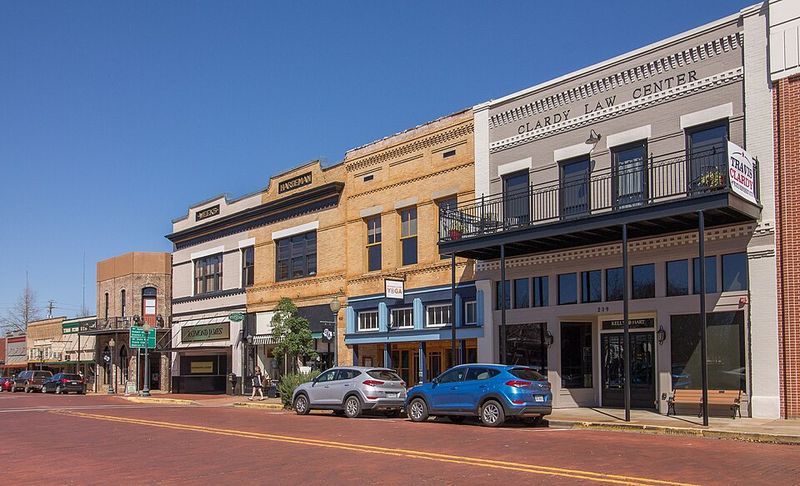
Forget everything you thought you knew about Texas history. Archaeological evidence shows people lived here over 10,000 years ago, making it the state’s oldest continuously inhabited spot.
European settlers built the first structures centuries before Texas became a republic. Walking downtown feels like flipping through a living history book, with centuries-old buildings standing proud beside modern shops.
Stephen F. Austin State University adds youthful energy to this ancient town’s timeless charm.
5. Llano: Hill Country River Paradise
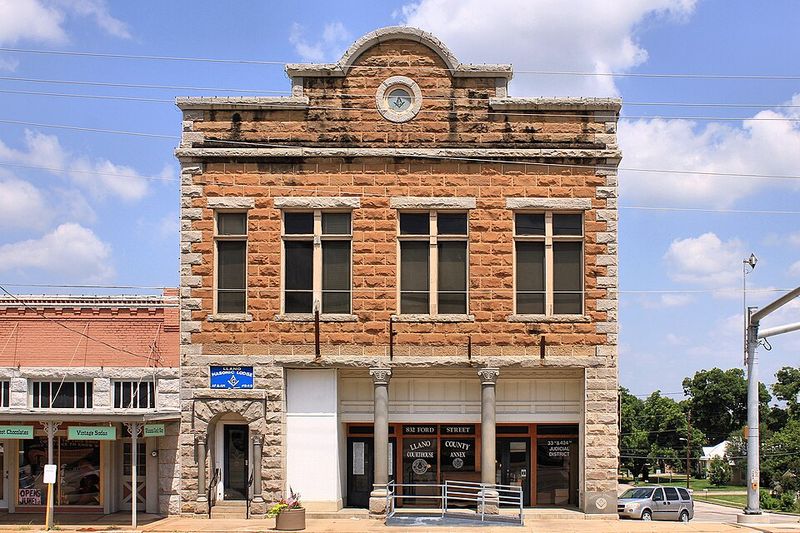
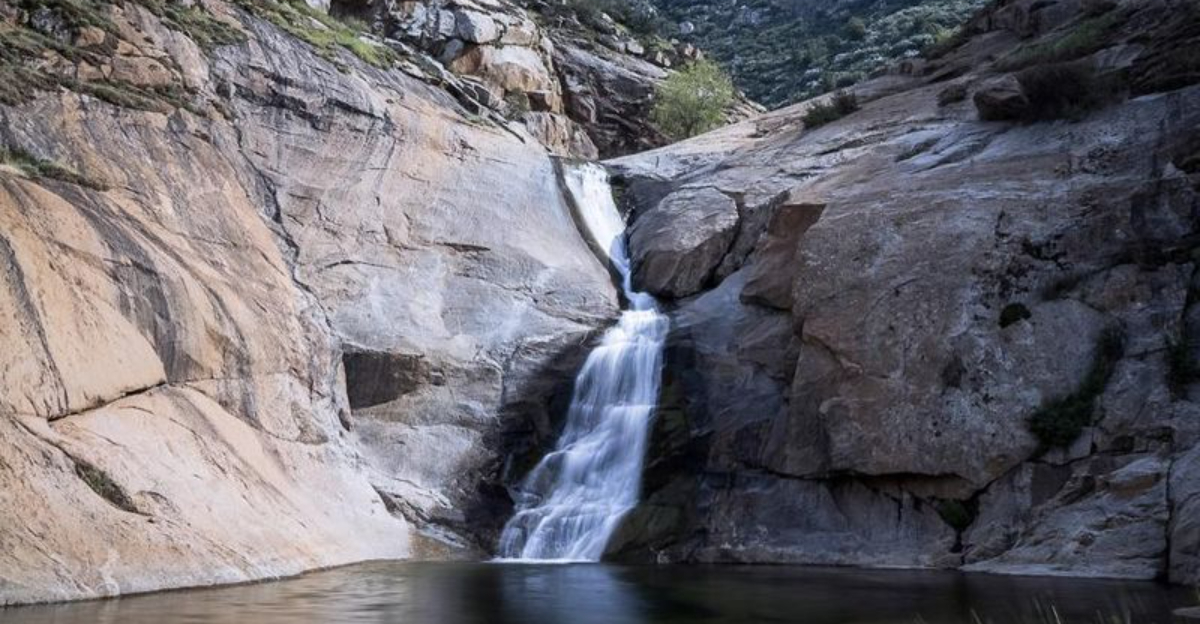
Granite domes rise from the earth like ancient monuments in this Hill Country gem. The Llano River flows crystal-clear through town, creating perfect swimming holes that locals guard like precious secrets.
Rockhounds travel worldwide to hunt for rare blue topaz and other minerals in the Llano Uplift geological formation. When they’re not digging, visitors cast fishing lines or explore the stunning 1893 courthouse.
Small-town Texas hospitality meets outdoor adventure around every corner here.
6. Lancaster: The City Of Trees

Established in 1852, this Dallas County town earned its nickname through dedicated tree-planting efforts that transformed the prairie landscape. Canopies of green now shade neighborhoods and parks throughout the community.
What started as one of the county’s earliest settlements has blossomed into a thriving suburban city. Historic downtown buildings stand alongside modern developments, creating a beautiful blend of old and new.
Residents take pride in their roots while embracing progress and growth with open arms.
7. Lajitas: Trading Post Turned Resort
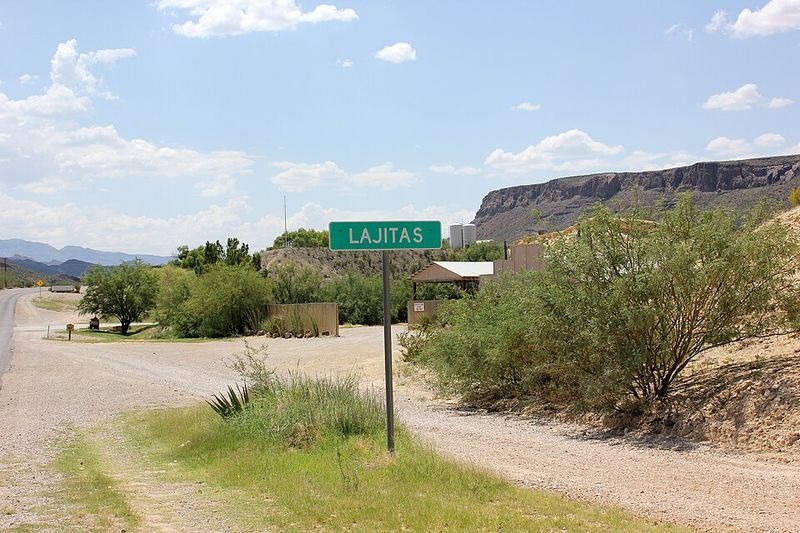
Smugglers and traders once crossed the Rio Grande at this remote outpost. Today, luxury meets frontier history as the former trading post operates as an upscale resort destination.
Golf courses replace cattle trails, but the wild spirit remains intact. Visitors explore nearby canyons, raft the river, or simply soak in desert sunsets that paint the sky impossible shades of orange and purple.
It’s where rugged Texas history shakes hands with modern comfort and adventure.
8. Rath City: The Five-Year Wonder
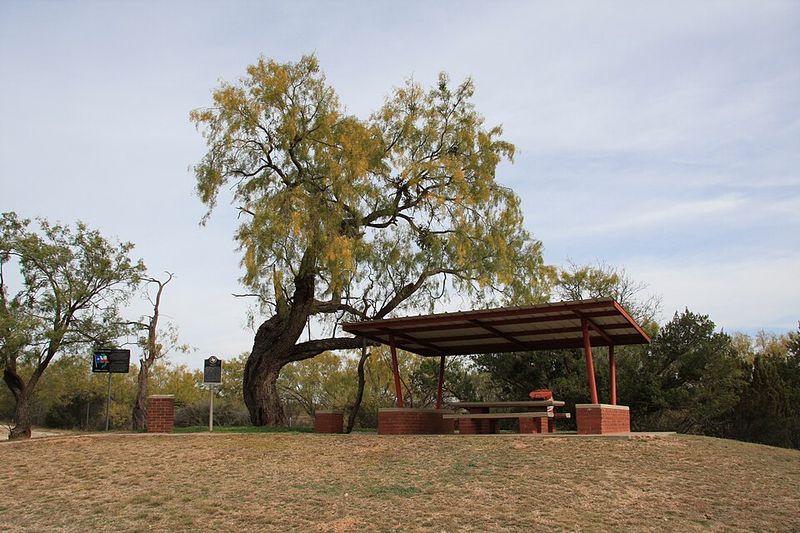
Buffalo hunters built this frontier settlement in 1876 along the Double Mountain Fork Brazos River. As Stonewall County’s first community, it buzzed with activity until the buffalo disappeared.
Within five years, every resident had packed up and left, abandoning the town to wind and prairie grass. Today, virtually nothing remains except stories passed down through generations of Texans.
It stands as a reminder that boom times don’t last forever on the frontier.
9. Shafter Lake: The Town That Lost Everything
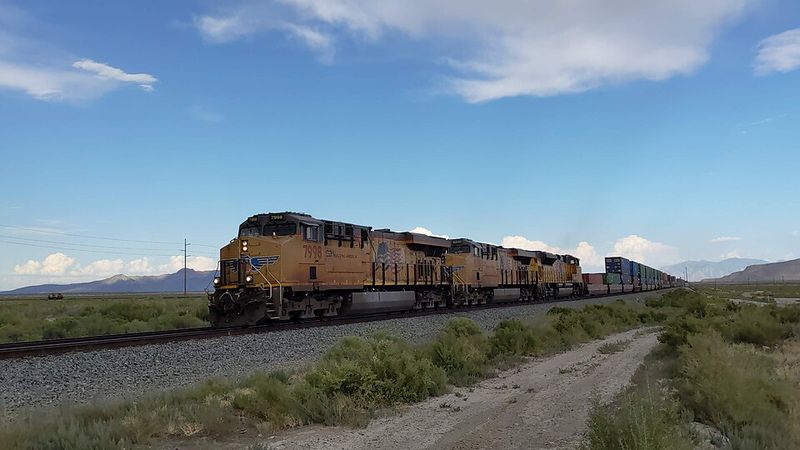
Five hundred people called this Andrews County town home in 1910. Dreams of becoming the county seat seemed within reach until voters chose Andrews instead.
That single election sealed the town’s fate. Businesses closed, families moved away, and by 1912, Shafter Lake existed only in memory and old county records.
Sometimes winning matters more than anyone realizes. This town learned that lesson the hardest way possible.
10. Elizabethtown: From Bugtown To Bust
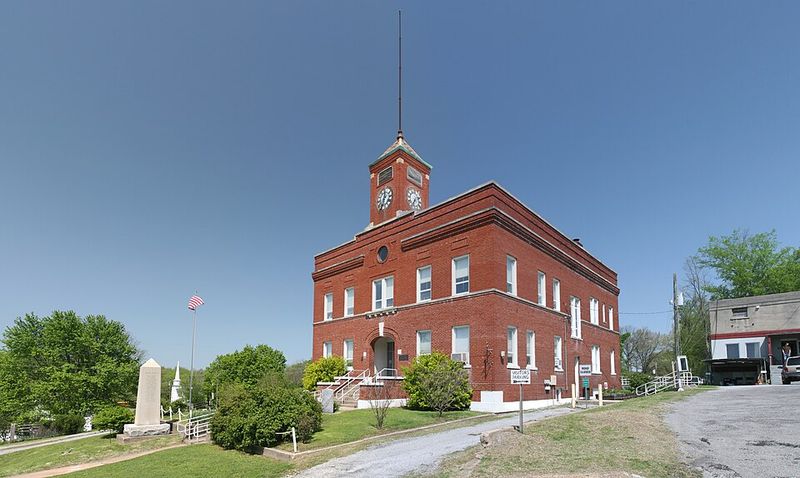
Originally nicknamed Bugtown (yeah, seriously), this Denton County supply station served travelers throughout the 1850s. Saloons, a hotel, and a post office made it a legitimate stopover point.
However, when the Texas and Pacific Railway chose a different route in 1881, the town’s lifeline got cut. Residents followed the railroad to greener pastures, leaving their old homes behind.
Transportation routes make or break frontier towns. Elizabethtown definitely got broken.
11. Toyah: Railroad Town Lost In Time
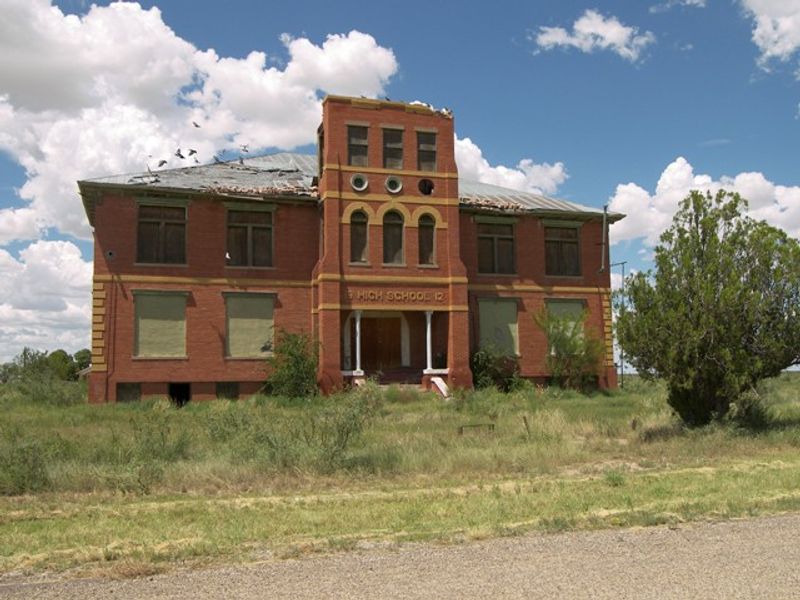
Steam engines once stopped regularly at this thriving Reeves County railroad town. The 1880s brought prosperity, complete with schools, saloons, and a bustling post office serving the community.
Then the Great Depression hit hard, followed by transportation routes shifting elsewhere. Toyah couldn’t recover from the double blow and slowly faded into obscurity.
A few structures still stand as monuments to better days when trains whistled and commerce flowed.
12. Gomez: The Metropolis That Wasn’t
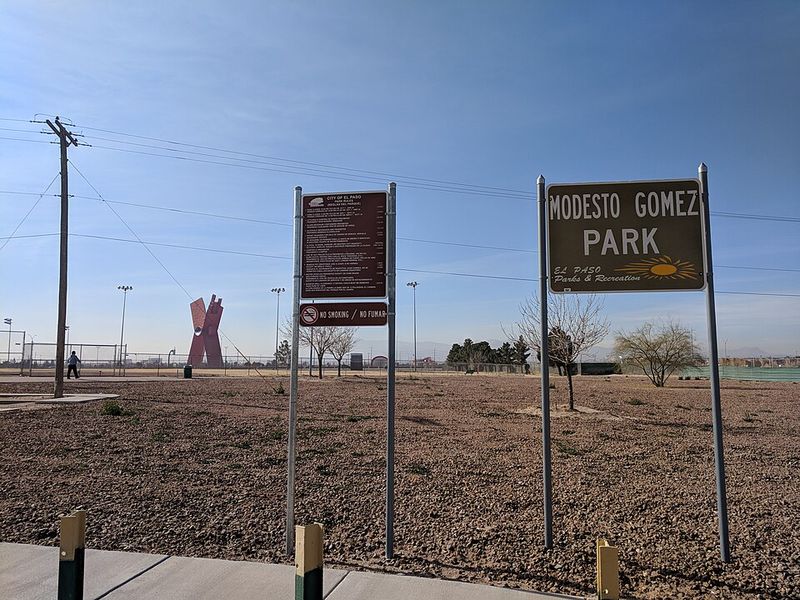
Bold ambition led founders to declare this 1904 settlement the metropolis of the plains. They envisioned a thriving county seat with government buildings and bustling streets.
Brownfield had different ideas. When Gomez lost the county seat election, dreams crumbled faster than tumbleweeds blow across the plains.
Residents scattered, businesses folded, and the self-proclaimed metropolis became just another Texas ghost story. Sometimes confidence isn’t enough.
13. Port Isabel: Coastal Charm And History

Salty Gulf breezes carry centuries of stories through this coastal community. Spanish explorers landed here long before Texas existed, and the historic lighthouse still guides ships safely to shore.
Fishing boats bob in the harbor while tourists hunt for fresh seafood and beach access. South Padre Island sits just across the causeway, but Port Isabel maintains its own distinct, laid-back character.
It’s where beach culture meets Texas heritage in the most delicious way possible.