The Anime Series That Dominated Conversation Each Year Of The 2010s
Every season hit like it had something to prove, and suddenly everyone was talking about the same show. Cliffhangers showed up, sleep disappeared, and “just one more episode” turned into a very bad plan that nobody followed.
Year after year, one series took over everything, and if you missed it, someone was definitely going to spoil it for you.
1. 2010 – K-On!!

Tea cooling on the table while four high school girls argue about cake instead of rehearsing guitar captures exactly the kind of low-stakes magic K-On!! does so well.
Season two gave fans more concerts, more laughs, and a graduation scene that landed with quiet emotional force. Plenty of action series aim for big impact.
This one reached it without monsters, battles, or any need to raise its voice.
2. 2011 – Puella Magi Madoka Magica
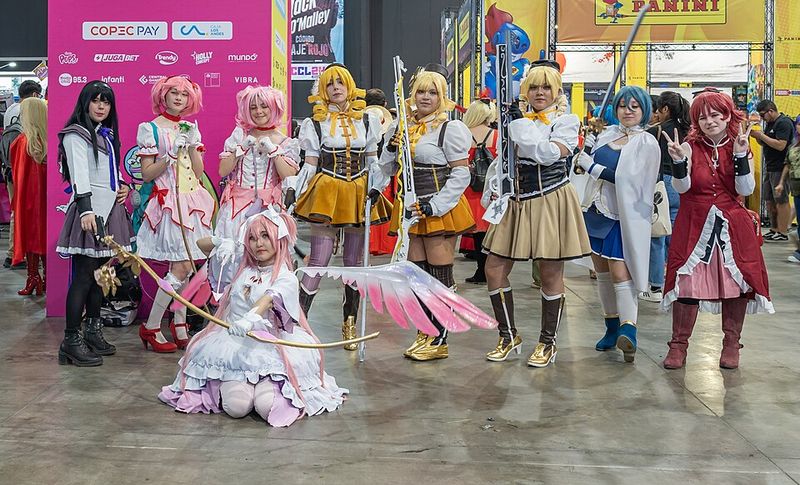
The bright surface of Puella Magi Madoka Magica hides a story that quickly turns much heavier than many viewers first expect. Pastel visuals and magical-girl tropes give way to themes of grief, sacrifice, and impossible choices that leave a lasting emotional impact.
Shifts in tone arrive without warning, creating moments that feel genuinely destabilizing for viewers.
Kyubey adds an uneasy edge, turning a seemingly harmless mascot into one of the genre’s most memorable manipulative figures.
3. 2012 – Sword Art Online
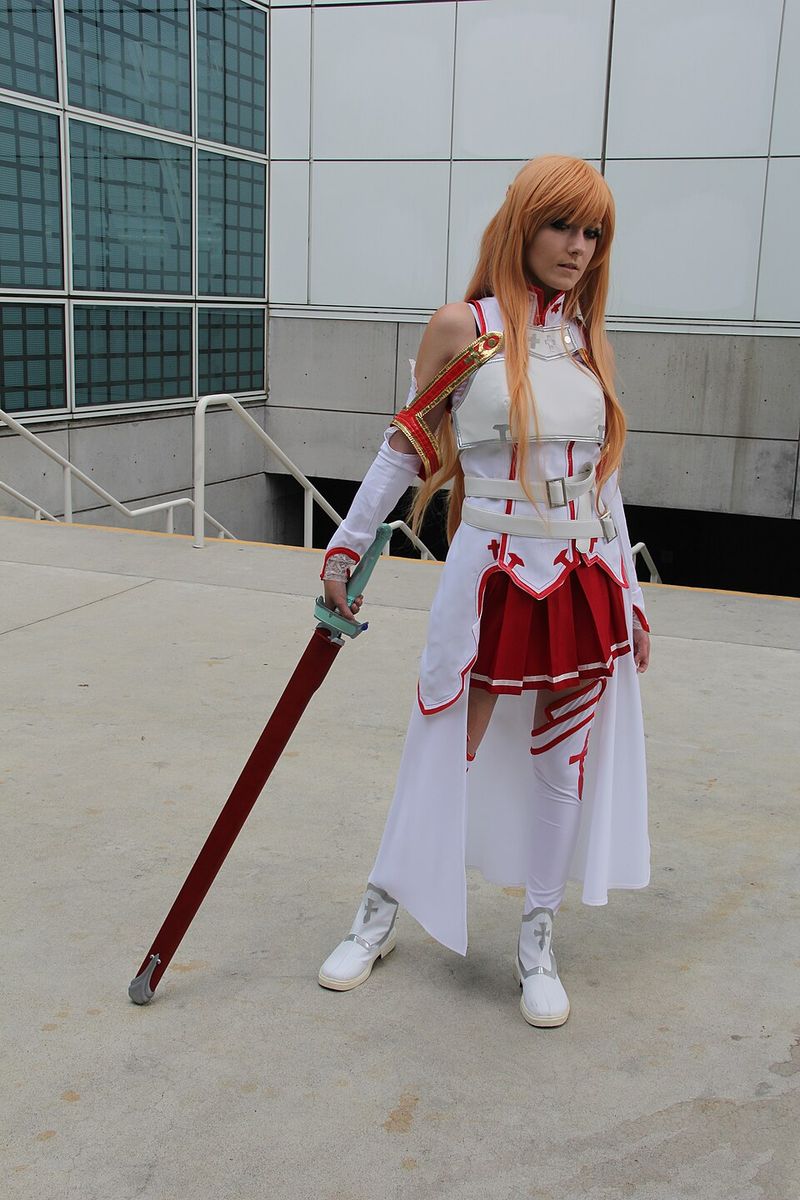
Logging into a game and discovering there is no way to log out gave Sword Art Online an instant hook.
Sword Art Online became one of 2012’s biggest anime talking points.
Kirito became the coolest solo player on the internet, and debates about the Aincrad arc still fill comment sections today. Love it or hate it, nobody scrolled past without stopping to watch.
4. 2013 – Attack On Titan
Speakers everywhere seemed to erupt with that opening theme in 2013, and a brand-new obsession took hold almost instantly. Massive walls, towering giants, and a trapped humanity gave Attack on Titan a premise that hit with force right out of the gate.
Episode one made the stakes feel enormous, while every new twist kept fans tearing apart their own theories week after week.
Almost overnight, Eren Yeager stopped looking like an underdog and became one of anime’s most talked-about protagonists.
5. 2014 – Tokyo Ghoul

Transformation defines Ken Kaneki, shifting from a quiet student into a symbol of trauma and survival.
Tokyo Ghoul gave 2014 a more intense edge, blending identity struggles, vulnerability, and horror elements.
Iconic mask quickly became a visual signature, appearing across fan art, cosplay, and online profiles around the world. Opening theme Unravel still carries a haunting energy, leaving a lasting impression long after the first listen.
6. 2015 – One-Punch Man
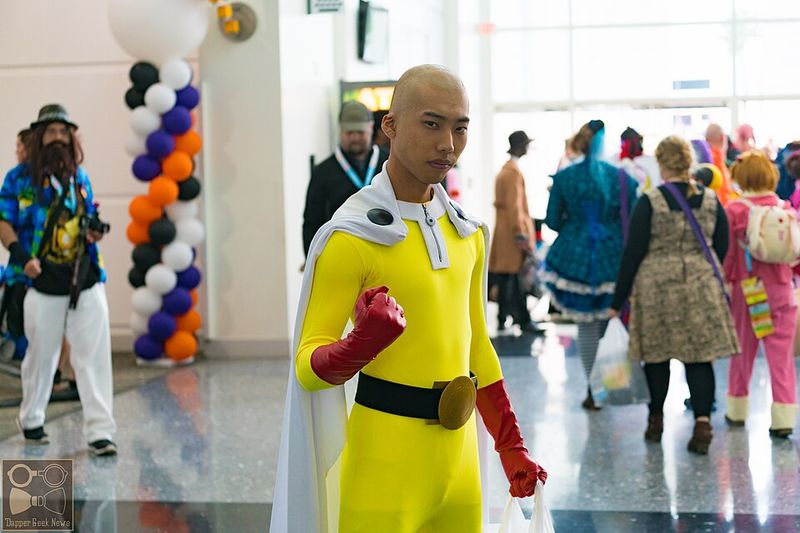
What happens when a hero is so powerful that every fight ends in one punch? Turns out, pure comedy gold.
One-Punch Man arrived in 2015 with jaw-dropping animation and a deadpan hero who just wanted a worthy opponent and maybe a good sale at the grocery store. Saitama became a meme, a mood, and a genuine fan favorite all at once.
The show flipped the superhero genre upside down without breaking a sweat, literally.
7. 2016 – Yuri On Ice

Dreams, self-doubt, romance, and figure skating came together in 2016 to give anime one of its most unexpected rule-breakers. Yuri on Ice built its following through beautifully animated performances and characters who felt recognizably human rather than larger than life.
Victor and Yuri’s relationship pushed conversations about representation well beyond the usual anime crowd.
“Stay Close to Me” started that first skate, and the moment quickly became one of the show’s defining talking points.
8. 2017 – My Hero Academia
New generation of shonen fans found their hero in Izuku Midoriya, complete with notebooks, nerves, and relentless determination.
My Hero Academia had already built momentum, but its second season pushed the series into a much bigger spotlight. Sports Festival arc delivered high-energy moments that turned ordinary viewing into full-on cheering sessions.
Underdog spirit at the center of the story keeps the appeal strong, showing how persistence and heart never go out of style.
9. 2018 – Devilman Crybaby
Netflix released Devilman Crybaby on New Year’s Day 2018, and it quickly became one of the year’s most discussed anime.
Masaaki Yuasa’s wild reimagining of the classic Go Nagai manga arrived with raw emotion, striking visuals, and an ending that left a strong impression on viewers. Akira Fudo made crying feel like a superpower, not a weakness.
It was intense, ambitious, and unlike anything else that year.
10. 2019 – Demon Slayer: Kimetsu No Yaiba
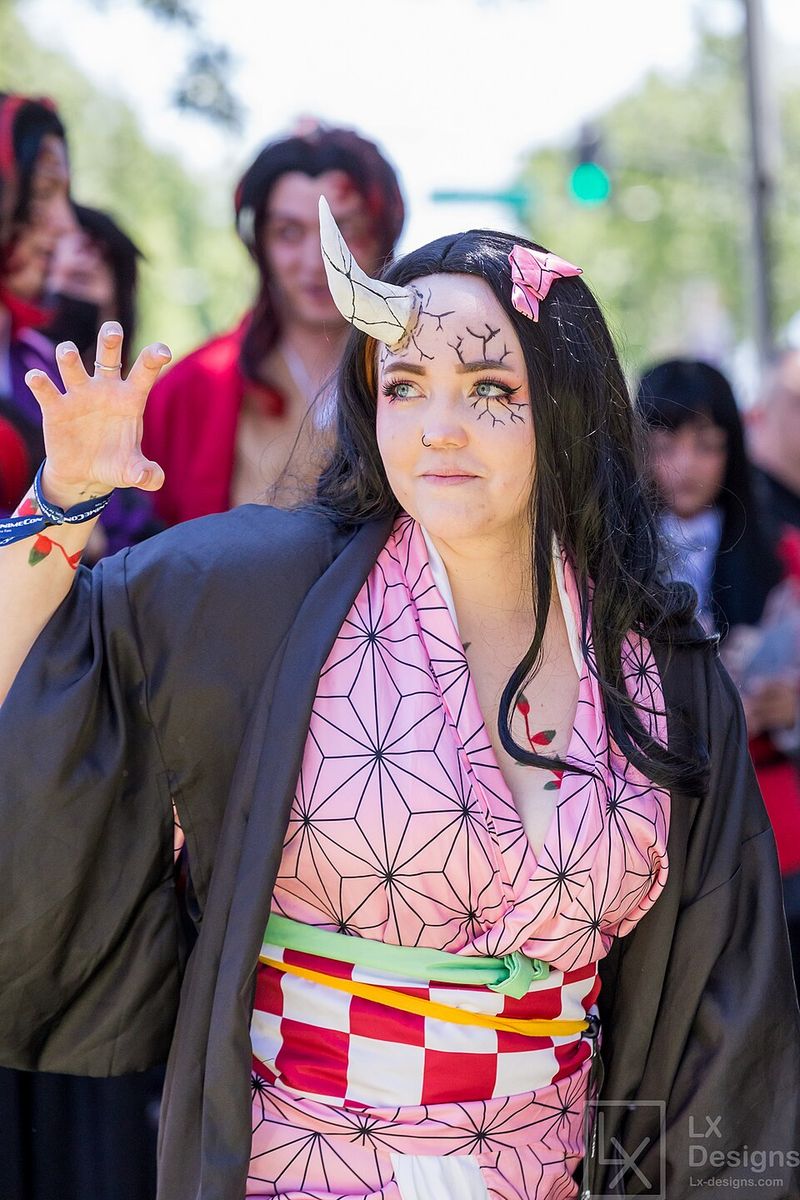
Carrying Nezuko in that box was only part of Tanjiro Kamado’s burden, because 2019 also placed the weight of the anime world squarely on his shoulders. Breathtaking animation helped Demon Slayer explode, but sibling love, grief, and sheer willpower gave the story its real force.
Nothing about the Hinokami Kagura scene played small, and replay after replay turned it into one of the decade’s defining anime moments.
By the end of the year, a fandom that once felt relatively quiet had grown into something impossible to ignore.
Note: This article is provided for general informational and entertainment purposes and reflects a subjective, conversation-based view of which anime titles stood out most strongly by year.