The Best Historical Anime That Balance Drama And Fact
Historical anime transforms distant eras into vivid, emotional experiences that feel immediate and alive.
True events, real figures, and carefully crafted settings merge with gripping narratives that pull viewers straight into the past.
Ancient battles, wartime resilience, and cultural traditions gain new weight when stories focus on human choices and consequences.
Exploring these series reveals how history can feel personal, dramatic, and impossible to forget when told through animation.
Disclaimer: This article is intended for general entertainment and cultural discussion.
Historical references, settings, and interpretations reflect widely accepted scholarship and creative adaptations used in animation.
1. Vinland Saga

Vikings weren’t just raiders; they were explorers, traders, and survivors navigating a brutal world.
This anime follows young Thorfinn through 11th-century Europe as he chases revenge across bloody battlefields and treacherous seas.
Every detail, from the longships to the clothing, reflects careful research into Norse culture and historical figures.
Watching Thorfinn grow from an angry child into a thoughtful warrior feels like witnessing real history unfold.
If you’ve ever wondered what life was truly like for Vikings beyond Hollywood myths, this series delivers authenticity wrapped in gripping storytelling.
2. Golden Kamuy

Gold fever grips post-war Japan in this thrilling tale set in the frigid wilderness of Hokkaido.
Soldiers, convicts, and Ainu people clash and cooperate while hunting for hidden treasure during the early 20th century.
What makes this anime shine is its respectful portrayal of Ainu culture, language, and traditions that rarely appear in mainstream media.
You’ll learn about hunting techniques, survival skills, and indigenous heritage while following an unpredictable adventure.
It’s like a history lesson disguised as a treasure hunt, complete with humor, danger, and cultural appreciation.
3. In This Corner Of The World
War films frequently spotlight combat, yet In This Corner of the World chooses to honor everyday survival instead.
Set in nineteen forties Hiroshima, Suzu enters married life while navigating rationing, air raids, and personal loss, all while trying to preserve a sense of normal routine.
Animation lingers on quiet details, showing how families stretched scarce supplies and found small moments of joy beneath constant threat.
Rather than celebrating conflict, this story reveals understated bravery shown by ordinary people living through extraordinary circumstances.
Seeing Suzu pause to sketch between daily chores makes it clear how hope survived, even as the world around her steadily unraveled.
4. Grave Of The Fireflies
Few films capture the devastating reality of war through children’s eyes quite like this heartbreaking masterpiece.
Siblings Seita and Setsuko struggle to survive Japan’s final wartime months with almost no food, shelter, or adult support.
Based on real experiences, every scene reflects the harsh truth of civilian suffering during World War II.
The animation doesn’t shy away from showing hunger, illness, and desperation that millions faced.
Watching these children try to care for each other reminds us that history isn’t just dates and battles – it’s human stories that still matter today.
5. The Wind Rises

Dreams and duty collide within a quietly conflicted narrative centered on creating machines destined for destruction in The Wind Rises.
Jiro Horikoshi spends the nineteen thirties and forties designing graceful fighter aircraft for Japan, caught between love for aviation and awareness of how those creations will be used.
Blending documented aviation history with an imagined romance, Hayao Miyazaki adds emotional weight without overwhelming the historical frame.
Rather than delivering lectures, the story gently raises questions about innovation, responsibility, and the pursuit of beauty during morally complex times.
Watching events unfold feels like following a life while knowing the ending carries tragedy, yet still holding onto hope for moments of happiness along the way.
6. Miss Hokusai
Art history comes alive through the eyes of O-Ei, daughter of the legendary ukiyo-e master Katsushika Hokusai.
Set in 1814 Edo (modern Tokyo), this film explores the creative process behind iconic Japanese woodblock prints while revealing the artist’s complex family relationships.
You’ll see how these famous artworks were actually created, from grinding pigments to carving printing blocks.
O-Ei herself was a talented painter often overshadowed by her father’s fame.
The animation style even mimics traditional Japanese art, making every frame feel like stepping into a living painting from two centuries ago.
7. From Up On Poppy Hill

Nostalgia washes over this gentle story set in 1963 Yokohama as Japan prepares for the upcoming Tokyo Olympics.
High schoolers Umi and Shun work to save their school’s historic clubhouse while uncovering family secrets tied to the Korean War.
The film perfectly captures Japan’s transitional period between post-war recovery and modern development.
Every background detail, from the fashion to the architecture, reflects meticulous period research.
It’s refreshing to see a historical anime focused on hope and rebuilding rather than conflict, showing how young people shaped their nation’s future through small, meaningful actions.
8. The Rose Of Versailles

Revolutionary eras reveal human struggles as much as political change, placing individuals between loyalty and justice in The Rose of Versailles.
Raised as a boy to command a military regiment, Oscar serves as Marie Antoinette’s guard while France edges toward historic upheaval.
Historical milestones such as the storming of the Bastille intertwine with fictional figures who personify deep social tensions of the age.
Following Oscar’s path through rigid gender roles, class divides, and rising unrest makes French history feel vivid and personal.
Heightened melodrama may appear excessive at first glance, yet it mirrors the passion and intensity that defined the revolutionary era itself.
9. Rurouni Kenshin
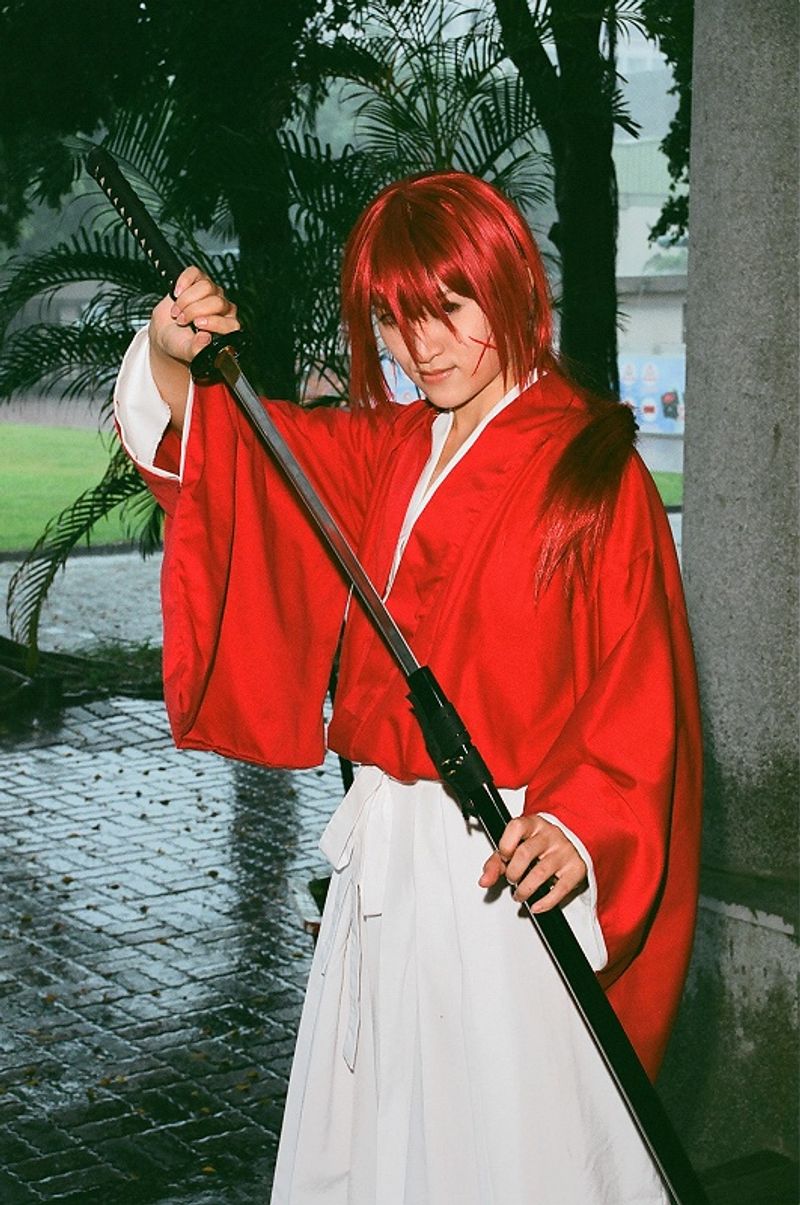
Redemption takes center stage as a former assassin tries to atone for his bloody past in rapidly changing Japan.
Kenshin wanders through the early Meiji period (1870s-80s) when samurai traditions collided with Western modernization.
Real historical tensions, like the abolishment of the samurai class and government reforms – form the backdrop for fictional adventures.
The series shows both sides of progress: exciting new opportunities alongside painful loss of tradition.
Though the fights are stylized, the underlying historical context about Japan’s transformation from feudal society to modern nation remains surprisingly accurate and thought-provoking.
10. Shōwa Genroku Rakugo Shinjū
Traditional storytelling opens a vivid window onto Japan’s cultural transformation during decades of profound change in Shōwa Genroku Rakugo Shinjū.
Spanning the nineteen thirties through the nineteen eighties, the narrative follows rakugo performers, solo comic storytellers, as an ancient art form struggles, bends, and survives.
Every episode offers insight into rakugo techniques while delving into relationships, rivalries, and the weight of preserving traditions on the brink of fading.
Historical texture emerges naturally through depictions of entertainment districts, wartime limitations, and postwar rebuilding woven into deeply personal drama.
Finishing this series leaves viewers educated about a remarkable cultural practice while feeling as though half a century of Japanese history has been personally experienced.
11. Namakura Gatana
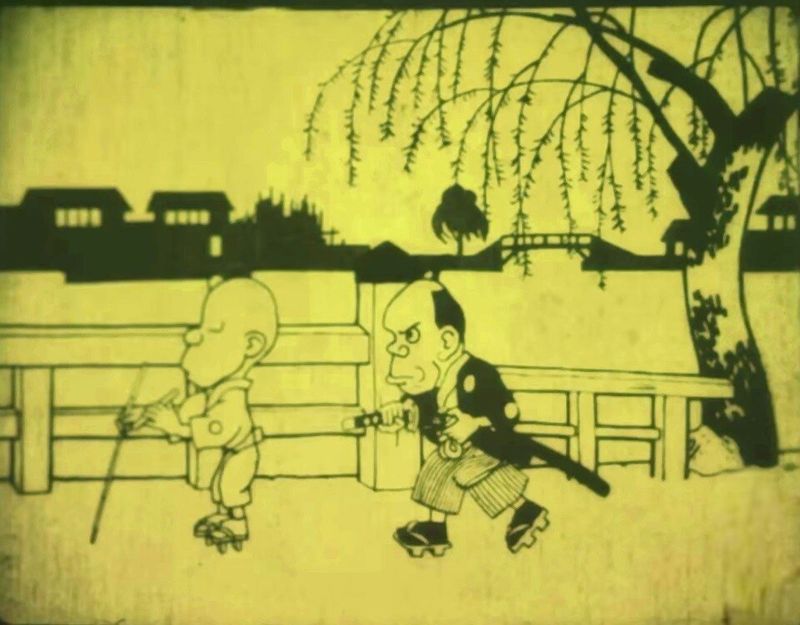
Sometimes history is made in the smallest moments, like a four-minute comedy short from 1917.
This ancient anime follows a samurai who buys a cheap, dull sword and hilariously fails to use it properly.
As one of Japan’s oldest surviving animated films, it’s a precious glimpse into early animation techniques and humor.
The simple story and crude drawings might seem basic now, but they represent Japan’s first steps into animation history.
Watching it is like discovering a time capsule that shows entertainment hasn’t changed that much – people have always loved laughing at ridiculous situations.
12. Porco Rosso

Magic realism intertwines with careful historical grounding in Porco Rosso, a playful yet thoughtful story set against nineteen thirties Italy.
Although a pilot transformed into a pig belongs purely to fantasy, portrayals of interwar Europe feel strikingly real, capturing rising fascism, airborne pirates, and a thriving aviation culture.
Gorgeous seaplanes and sunlit Mediterranean backdrops draw directly from real aircraft designs and authentic coastal locations of the era.
Throughout every dogfight and mechanical detail, Hayao Miyazaki reveals a deep affection for aviation history.
Together, whimsy and truth prove historical anime can illuminate a fascinating period while still delivering impossible, unforgettable adventures.