13 Of The Best U.S. National Parks To Visit In Winter
Snow settles across the landscape, crowds drift away, and national parks suddenly feel hushed and almost secret.
Winter gives iconic scenery a softer edge, turning familiar overlooks into peaceful retreats free of summer bustle.
Icy peaks, quiet forests, and sun-washed desert trails create memorable experiences suited to families, photographers, and anyone seeking natural beauty without the noise.
Disclaimer: Winter conditions can vary widely across national parks depending on weather, elevation, and access restrictions.
The experiences described reflect commonly reported seasonal highlights and publicly available information at the time of writing.
Visitors should review official National Park Service updates and prepare appropriately for changing conditions when planning winter travel.
1. Yellowstone National Park, Wyoming
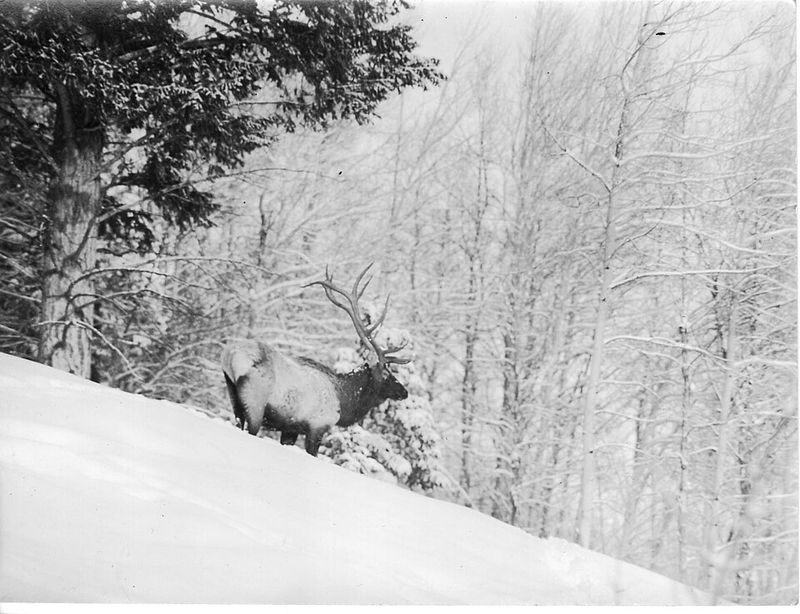
The map to winter wonder starts right here, where geysers steam against snowy backdrops and bison wander through frosty meadows.
Yellowstone becomes a peaceful sanctuary when temperatures drop, offering snowshoe trails, cross-country skiing routes, and guided snowmobile tours through landscapes that feel like another planet.
Elk and wolves roam more freely, giving wildlife watchers incredible opportunities.
Because roads close seasonally, you’ll access the park’s heart differently, making every visit feel like a true expedition.
The sight of Old Faithful erupting surrounded by ice and snow creates memories that last forever.
Yellowstone National Park is most commonly accessed via the West Yellowstone Entrance near 30 Yellowstone Avenue, West Yellowstone, Montana 59758.
2. Yosemite National Park, California
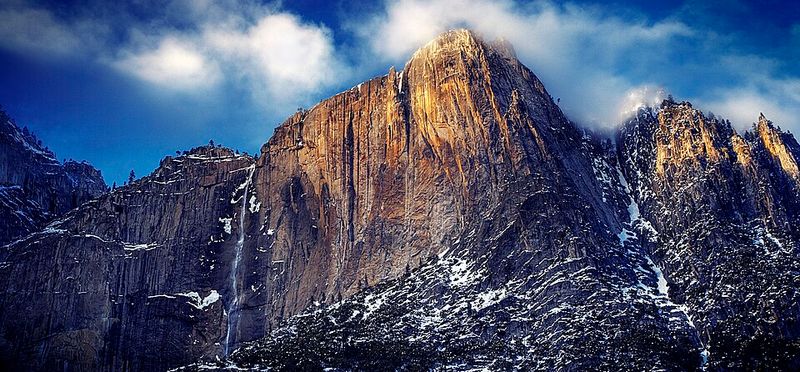
Morning light catches the frozen mist of Bridalveil Falls, turning each droplet into a tiny prism of color.
Yosemite Valley stays open year-round, welcoming visitors to ice skate beneath towering granite cliffs and explore trails dusted with fresh powder.
Fewer tourists mean you can actually hear the silence between snowflakes.
Snowshoeing through Mariposa Grove lets families walk among giant sequoias wearing winter coats of white.
However, always check road conditions before heading up, since Tioga Pass closes completely until spring thaws arrive.
Yosemite National Park is officially accessed through Yosemite Valley Visitor Center at Village Drive, Yosemite Valley, California 95389.
3. Bryce Canyon National Park, Utah
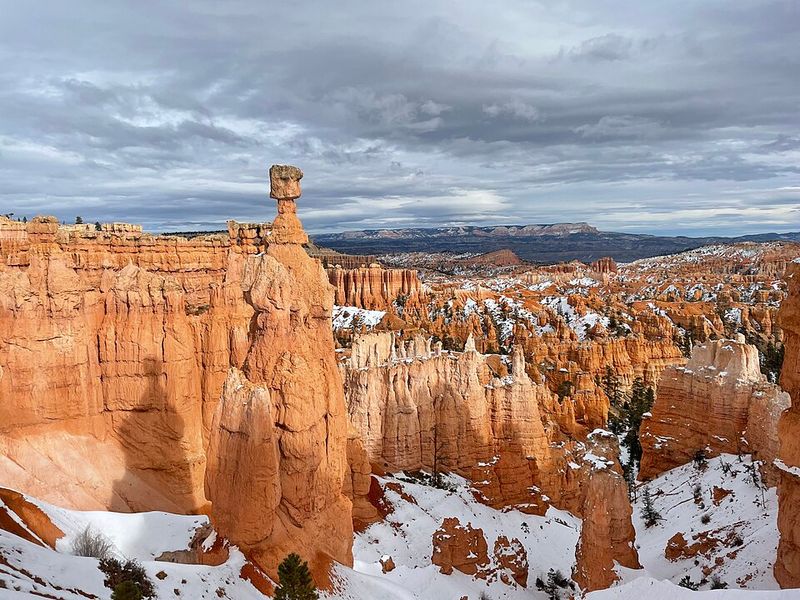
That winding path down into the amphitheater reveals hoodoos topped with snow like frosting on bizarre desert cupcakes.
Bryce Canyon’s unique rock spires look even more dramatic when contrasted against white powder and brilliant blue skies.
Winter visitors enjoy ranger-led snowshoe walks that explain the geology while crunching through pristine trails.
Stargazing here ranks among the best in America, with cold, clear nights revealing galaxies you never knew existed.
Ideally, visit during a full moon when the landscape glows with an otherworldly silver light.
Bryce Canyon National Park is centered at the Bryce Canyon Visitor Center, located at Utah Highway 63, Bryce, Utah 84764.
4. Zion National Park, Utah
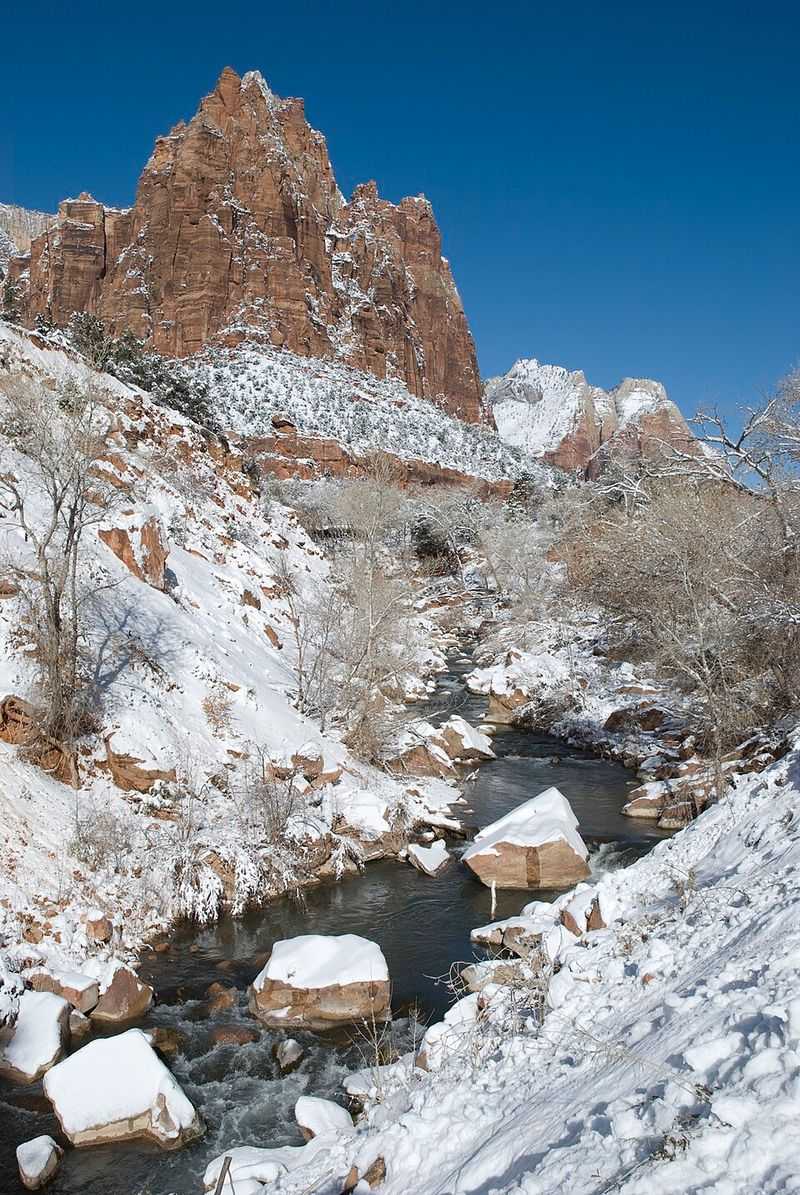
A hidden courtyard of red rock towers rises around you, their crimson faces streaked with white where snow clings to impossible angles.
Zion offers milder winter temperatures compared to its Utah neighbors, making hikes like Canyon Overlook Trail accessible without heavy winter gear.
The Narrows becomes less crowded, though wading through icy water requires proper equipment and caution.
Angels Landing trail stays open when conditions allow, rewarding brave climbers with views that stretch across a winter wonderland.
Maybe pack extra layers since temperatures fluctuate wildly between sun and shade.
Zion National Park is officially accessed at the Zion Canyon Visitor Center, 1 Zion Park Boulevard, Springdale, Utah 84767.
5. Grand Canyon National Park, Arizona
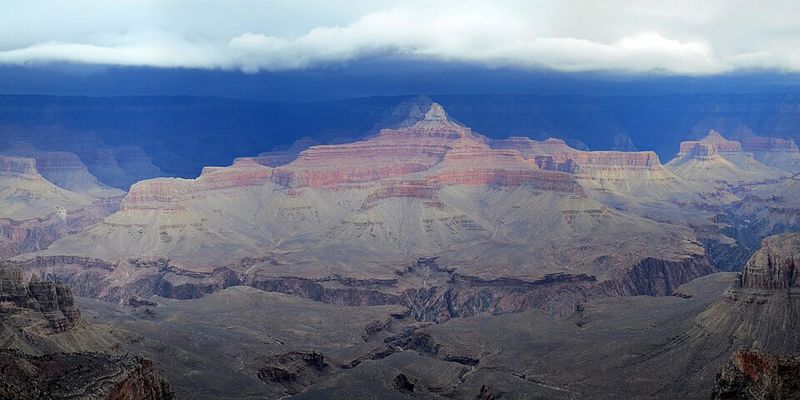
The local rhythm slows dramatically when winter settles over this massive chasm, giving you space to actually absorb its incredible scale.
South Rim stays open all year, offering heated visitor centers and shuttle services to major viewpoints where you might see the canyon dusted with snow.
Hiking below the rim becomes more pleasant without summer’s scorching heat, though ice can make trails slippery.
Sunrise at Mather Point feels especially magical when fog fills the canyon like a giant bowl of clouds.
Thankfully, hotels and lodges offer cozy retreats after long days exploring.
Grand Canyon National Park’s South Rim is accessed through Grand Canyon Visitor Center at 450 Arizona 64, Grand Canyon Village, Arizona 86023.
6. Rocky Mountain National Park, Colorado
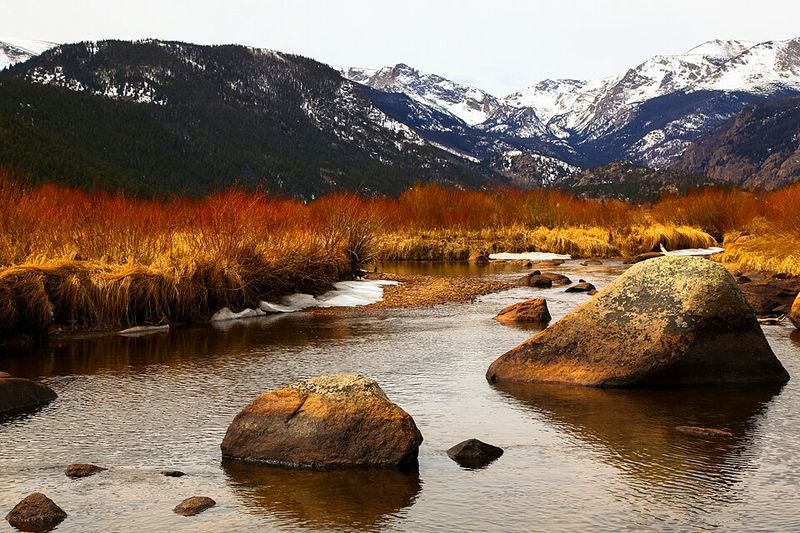
Your comfortable shoes get traded for snowshoes as you explore alpine meadows transformed into sparkling fields of untouched powder.
Trail Ridge Road closes in winter, but lower elevation trails around Bear Lake remain accessible for families seeking snowy adventures without extreme difficulty.
Elk gather in valleys, and if you’re lucky, you might spot bighorn sheep navigating cliffs with impossible grace.
Ranger programs teach winter survival skills and snowshoe techniques perfect for beginners.
Naturally, the air feels thinner at high altitude, so take breaks and stay hydrated throughout your visit.
Rocky Mountain National Park is commonly entered through Beaver Meadows Visitor Center at 1000 US Highway 36, Estes Park, Colorado 80517.
7. Grand Teton National Park, Wyoming

A quiet bench near Jenny Lake offers front-row seats to jagged peaks that pierce winter skies like ancient stone cathedrals.
Grand Teton’s dramatic mountain range looks even more impressive when blanketed in snow, creating perfect conditions for photographers chasing that ideal landscape shot.
Cross-country skiing trails wind through valleys where moose browse among frosted willows.
Though some roads close seasonally, winter opens unique access points for snowmobilers and backcountry adventurers seeking solitude.
The reflection of snowy peaks in partially frozen lakes creates scenes worthy of any nature calendar.
Grand Teton National Park is officially accessed via the Craig Thomas Discovery and Visitor Center at 500 Discovery Drive, Moose, Wyoming 83012.
8. Acadia National Park, Maine
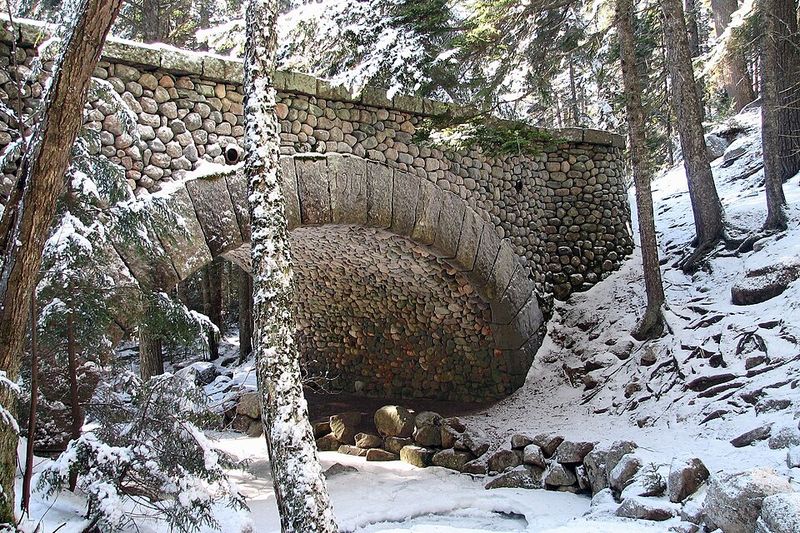
Distant bells from nearby coastal towns drift across frozen landscapes where ocean meets mountain in New England’s only national park.
Acadia transforms into a winter sports paradise with groomed carriage roads perfect for cross-country skiing and snowshoeing through quiet forests.
Cadillac Mountain, famous for seeing America’s first sunrise, becomes even more special when climbed through snow.
Seaside trails offer dramatic views of waves crashing against icy shores, and Jordan Pond freezes solid enough for unique winter hiking experiences.
While visiting, explore nearby Bar Harbor for cozy cafes and warm meals.
Acadia National Park is anchored by the Hulls Cove Visitor Center at 25 Visitor Center Road, Bar Harbor, Maine 04609.
9. Great Smoky Mountains National Park, Tennessee/North Carolina
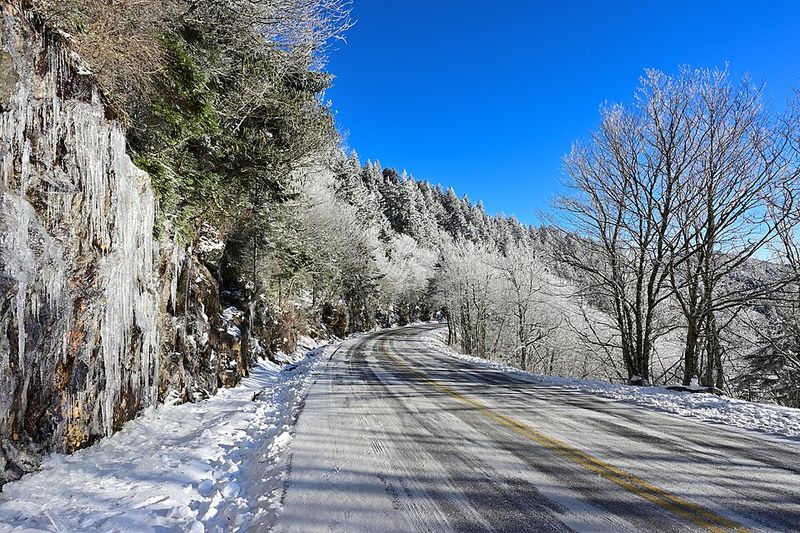
Along misty winter trails, shared nods between hikers feel natural as fog drifts through ancient forests and casts a quietly magical mood.
At times, snowfall settles across the Smokies, turning rushing waterfalls into icy sculptures and laying smooth white blankets over the mountains.
Within Cades Cove Loop Road, wildlife sightings come easily, with deer, turkeys, and even black bears occasionally stepping into snowy scenes.
Thanks to dramatic elevation changes throughout the park, a single day can hold the feeling of several different seasons.
Up high, places such as Clingmans Dome collect far more snow than the valleys below, making the contrast especially striking.
Great Smoky Mountains National Park is primarily accessed via Sugarlands Visitor Center at 107 Park Headquarters Road, Gatlinburg, Tennessee 37738.
10. Everglades National Park, Florida
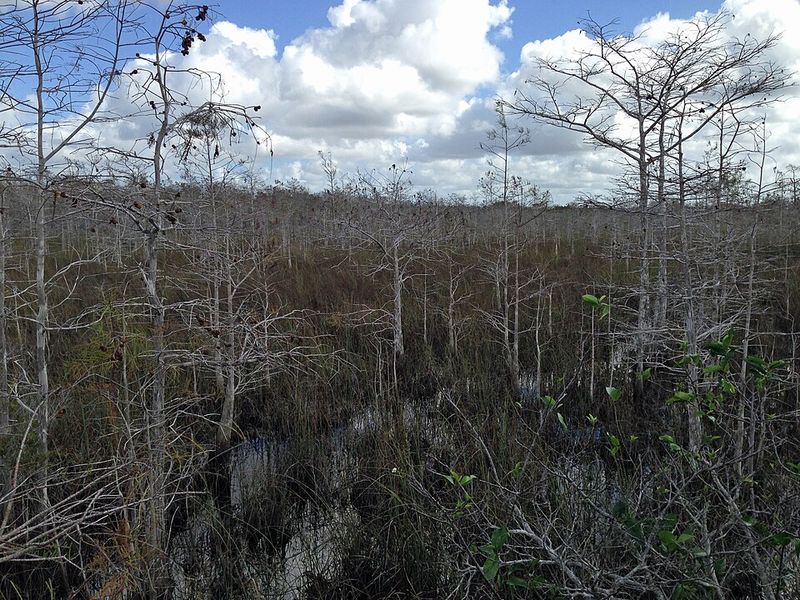
The journey itself becomes an adventure through sawgrass prairies and mangrove tunnels where alligators sun themselves and birds gather in spectacular numbers.
Winter represents the absolute best time to visit the Everglades, with comfortable temperatures, low humidity, and fewer mosquitoes making outdoor exploration actually enjoyable.
Wildlife concentrates around shrinking water sources, giving visitors incredible viewing opportunities.
Kayaking through the maze of waterways feels like exploring a prehistoric world where herons, egrets, and roseate spoonbills pose like living statues.
Gently paddling at sunrise offers the most peaceful experience.
Everglades National Park is officially accessed through the Ernest F. Coe Visitor Center at 40001 State Road 9336, Homestead, Florida 33034.
11. Death Valley National Park, California
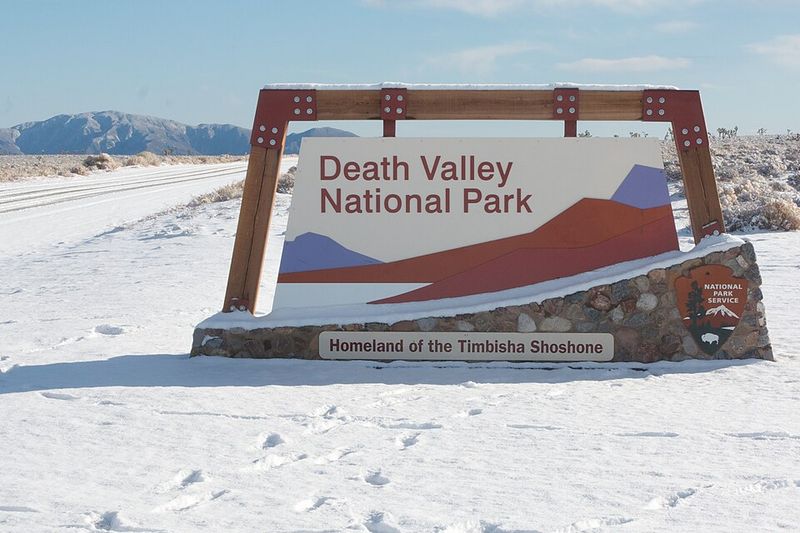
Travel patience rewards those who wait for winter when this scorching desert becomes surprisingly pleasant, with temperatures perfect for hiking and exploration.
Badwater Basin, the lowest point in North America, transforms from a deadly furnace into a walkable wonder where salt flats stretch toward distant mountains.
Wildflower blooms occasionally appear after winter rains, painting the desert in unexpected colors.
Zabriskie Point and Dante’s View offer breathtaking panoramas best enjoyed without summer’s dangerous heat.
Often, you’ll have entire canyons to yourself, creating a sense of discovery rarely found elsewhere.
Death Valley National Park is centered at Furnace Creek Visitor Center, located at California State Route 190, Death Valley, California 92328.
12. Joshua Tree National Park, California
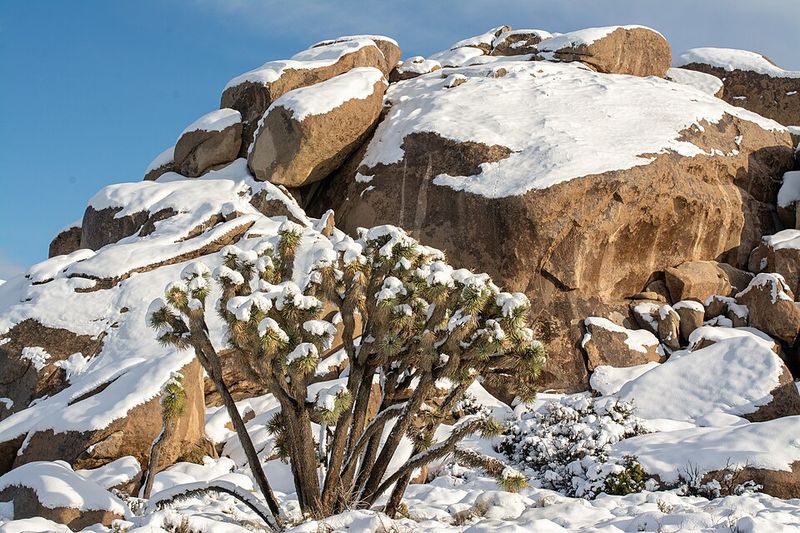
A deep breath of cool desert air feels refreshing as you wander among alien-looking trees and massive boulder formations under impossibly clear skies.
Joshua Tree becomes accessible in winter when summer temperatures drop from dangerous to delightful, making rock scrambling and trail hiking comfortable for all ages.
The park’s unique trees sometimes get dusted with snow, creating surreal photo opportunities.
Stargazing here ranks among California’s finest, with dark skies revealing the Milky Way in stunning detail.
Curiously, these strange trees only grow in this specific elevation and climate zone.
Joshua Tree National Park is commonly accessed via the West Entrance Station at 6554 Park Boulevard, Joshua Tree, California 92252.
13. Big Bend National Park, Texas
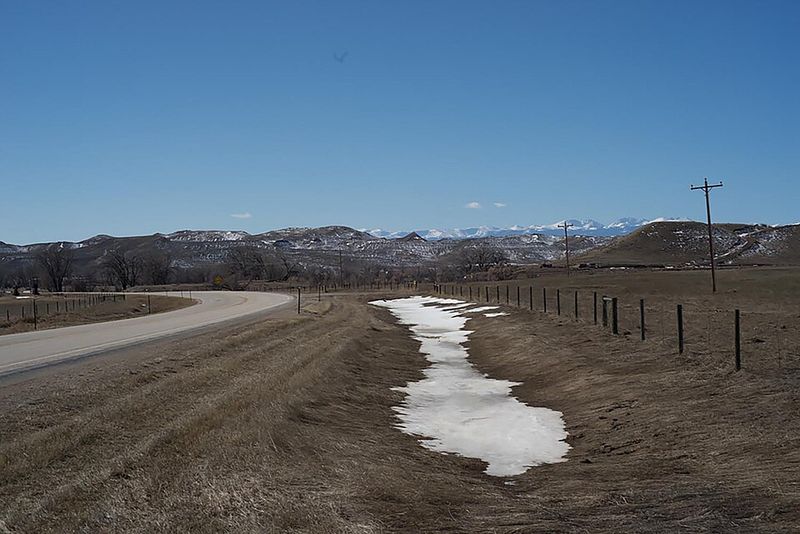
Wanderlust finds perfect satisfaction in this remote desert park where winter brings mild days ideal for hiking rugged canyons and soaking in natural hot springs.
Big Bend’s isolation means you’ll experience true solitude while exploring trails through the Chisos Mountains or along the Rio Grande River.
Winter temperatures make the desert bloom with life, and birdwatchers flock here to spot rare species.
Camping under star-filled skies feels like stepping back in time to when the West was truly wild.
Surprisingly, you might even need a jacket for chilly desert nights.
Big Bend National Park is officially accessed through Panther Junction Visitor Center, Big Bend National Park, Texas 79834.